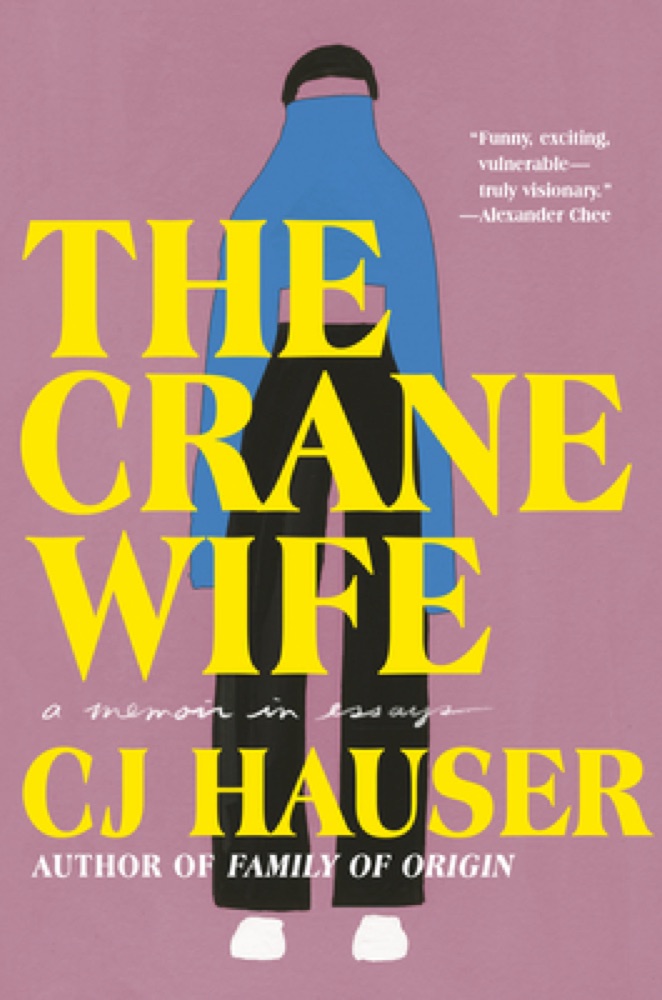
 The Crane Wife: A Memoir in Essays
Quotes from the Book
I want him to see how hard my life is, how much easier he could make it, how unjust it is that he won't. I have this idea that he is a bad man who is stealing my time and energy - that is meant to be a feminist reading of what's happening, but the truth is I don't conceptualize my time as mine in the first place. He can't steal something that I don't consider my own.
5
love is an action, the practice of a human power, which can be practiced only in freedom and never as the result of a compulsion. Love is an activity, not a passive affect; it is a ‘standing in,’ not a ‘falling for.
5
I can't live like this forever, I thought. But as the days wore on, a more frightening realization dawned: that I could. I absolutely could.
4
I grew up in love with women's stories, with the ways their labor made itself visible everywhere, even when men would prefer to pretend that it wasn't the scaffolding of their very existence.
3
For a long time, I believed that if I took care of myself, I would necessarily, organically move farther away from others. In the binary logic of individualism, you fortify the self at the expense of the other. But in filling the empty space of me, I have found that actually the complete opposite is true. The more I love myself, the more my heart opens, the more present and sensitive I become, so much so it hurts.
3
I thought the shame of self-hatred, or hopeless aspiration, should be concealed. Even more crass than wanting something so badly was acknowledging it out loud.
3
Men miss these moments, I think. They so rarely stick around for the magic of women becoming themselves, or maybe we can only become ourselves in the spaces where they aren't.
3
The kind who tells her husband to go, that it is fine, and then cries that she is lonely. Who wants her feelings to be intuited, not subject to the vulgarity of needing to be spoken.
2
But then one day I hear him doing the dishes, and here's what I do not think: Yes! No, there is no yes at all. I think: He is running the water too long. He'll damage my nice pan. He doesn't know where anything goes. I am so accustomed to thinking of him as unwilling and unable - useless - that I find it is very hard to stop...I have to fight the impulse to go into the kitchen and take over, or oversee. The impulse is not an abstraction. It feels like an itch inside my fingers.
2
Thinking about adults putting on a happy face for children, or worse, being unable to put on the happy face, is devastating. That we maintain this dishonesty with them, that we must. I have a longing to protect the kids from coming into some consciousness of the fact that taking care of them is difficult. I always imagined that keeping that fact from them was an essential part of good mothering.
2
...I drag the kids to the farmers' market and fill out the week's cheap supermarket haul with a few vivid bunches of organic produce...Once home, I set out fresh flowers and put the fruit in a jadeite bowl. A jam jar of garden growth even adorns the chartreuse kids' table...I found some used toddler-sized chairs to go around it...It sits right in front of the tall bookcases...When the kids are eating or coloring there, with the cluster or mismatched picture frames hanging just to their left, my son with his mop of sandy hair, my daughter just growing out of babyhood...they look like they could be in a Scandinavian design magazine. I think to myself that maybe motherhood is just this, creating these frames, the little vistas you can take in that look like pictures from magazines, like any number of images that could be filed under familial happiness. They reflect back to you that you're doing it - doing something - right. In my case, these scenes are like a momentary vacation from the actual circumstances of my current life. Children, clean and clad in brightly striped clothing, snacking on slices of organic plum. My son drawing happy gel pen houses, the flourishing clump of smiley-faced flowers beneath a yellow flat sun. To counter the creeping worry that I am a no-good person, I must collect a lot of these images, postage-stamp moments I can gaze upon and think, I can't be fucking up that bad. Can I?
2
Every individual has to decide for herself how fucked up she needs to get in order to manage the demands of a life. How fucked up she is willing to get, and what of that chaos she will allow the world to see.
1
Fucking him is like a "session," like a whole thing, and afterward I leave the apartment and ride the train in the pleasant waking coma of the freshly traumatized.
1
I don't know how the average person survives the period of limerence, that chemical insanity of early love, in the age of text messaging. How we avoid crashing our cars, walking into walls or out of open windows.
1
When I asked "How are you," she answered with a report on Lucia or her boyfriend, Jim, who was also intermittently in recovery. No, how are you, I wanted to say, but I thought the distinction would be lost on her.
1
Not the girl who got away, but just a girl who went away.
1
Write down what you want and burn it, she said, knocking back the last of her drink. Women suggest these types of things to one another.
1
We took comfort in the traditions we have built or sustained as a bulwark against the chaos we lived with
1
they’ve come up with a thousand different ways to say Stay. I listened to songs and I looked at art, my ear to the ground where the footsteps of the fiercest foremothers had walked, and these said Run. I ran.
1
I felt the familiar charge of responsibility. It had a narcotic effect on me, this sense of mild suffering, the feeling of being needed, of being poised to go through something. If he was sick, I would nurse him back to health. I relished the idea.
1
Every relationship is a kind of world-making, and the one we'd said we wanted to make at the beginning wasn't the one we made.
1
The beauty of San Francisco is in these windows of redemptive splendor, we learned, the days when the fog “burns off,” as they say, and gives way to a piercing, almost perversely joyous sunshine. New Yorkers joke about being in an abusive relationship with the city. In San Francisco, I understood this. We were constantly being pummeled by clouds and rain, then promptly apologized to by sparkling sunshine. This is the thing the city does best: convinces you, through a blustery string of freezing, gunmetal-grey days, that life is shit, and then, when you least expect it and most need it, it seems to practically shatter open, revealing a crystalline brightness that pings light around, reflects it off of everything, and air-dries the pale, soaked buildings. It was a magic trick that got me every time.
1
The disease I have is loving him. They don’t write articles about it or send camera crews to follow us. The disease I have is called codependency, or sometimes enabling, and it isn’t really a disease, though it can feel like one. It’s more like an ill-defined set of tendencies and behaviors, and depending on how badly it’s flaring, it can manifest as a lot of different things—a disorder, a nuisance, an encumbrance, a curse, or sometimes merely a sensibility, a preference, a cast of mind.
1
So many of our habits come to feel like rituals, but if you think about it, few are truly nonnegotiable. I like to have a cup of coffee with a splash of milk every morning, but if there isn’t coffee or milk at home, I simply wait. The day might take on a different shape, a detour to stop at a café or a trip to the market. Maybe I’ll go without coffee until later in the afternoon. This isn’t like that. The necessity of getting drugs and the wolfish entitlement to be high arrive anew each morning with the rosy light of daybreak, and he sets about, diversionless, feeding that urge.
1
Sometimes it felt like the disease he most acutely suffered from was being a dick. When I was angry with him, all of his problems seem to spring from a fundamental narcissism, entitlement.… Other times I thought clinically: I love a man with a fatal disease. It was eminently medical, physical. Arbitrary. Tragic. He could see it that way, too, particularly as it began to close in on him.
In dissolving my marriage, I had made things harder for myself, had indeed made them unreasonably difficult – that fact was never lost on me. But I had also negotiated for the most precious commodity on the marketplace of motherhood: time. I remember reading a comment from a Swedish feminist while I was in college. She said that the only hope for achieving parity in the home was through divorce. That had begun to feel true. I pay in pain, but I am free.
As an AA old-timer once said, I only drank on special occasions, like the grand opening of a pack of cigarettes.
What had people done for me that had truly made me fell loved? she had asked me at the next session. I thought about the time K, with a beatific, postcoital smile, wrote I LOVE U in my menstrual blood on his bedroom wall, just above his bed, dipping his middle finger lingeringly into me like a quill into an inkpot as I watched and laughed and my eyes went wide as teacups. Was that gesture a doing or merely a saying? Was it an action verb? Was it empty or was it a promise? Watching him do it gave me the feeling I'd always understood to be love--something low, rumbling, a little bit evil, a little revolting. Some sick and special secret wizardry that fouls you up with its unexpectedness, its brazenness.
In other families, the answer to the question of how an elder kept a three-decades-long love alive might be "he was a good man" or "he always provided for us," maybe "he made me laugh." In my family, the answer is a sort of insanity. A man holds your interest because he's completely nuts: capricious, unpredictable, unsparing with affection and with everything else. Love is a party that lasts into the small hours of the night, a party you should probably leave but it's so fun you can't. Love is navigating together various forms of precariousness and prevailing not by establishing stability, but by evading debt and death, surviving to eat and drink and fuck at the end of it all.
Watch on YouTube
About Nina Renata Aron
We have collected 29 quotes from 1 book by Nina Renata Aron on BookQuoters.
More about the author →About the book
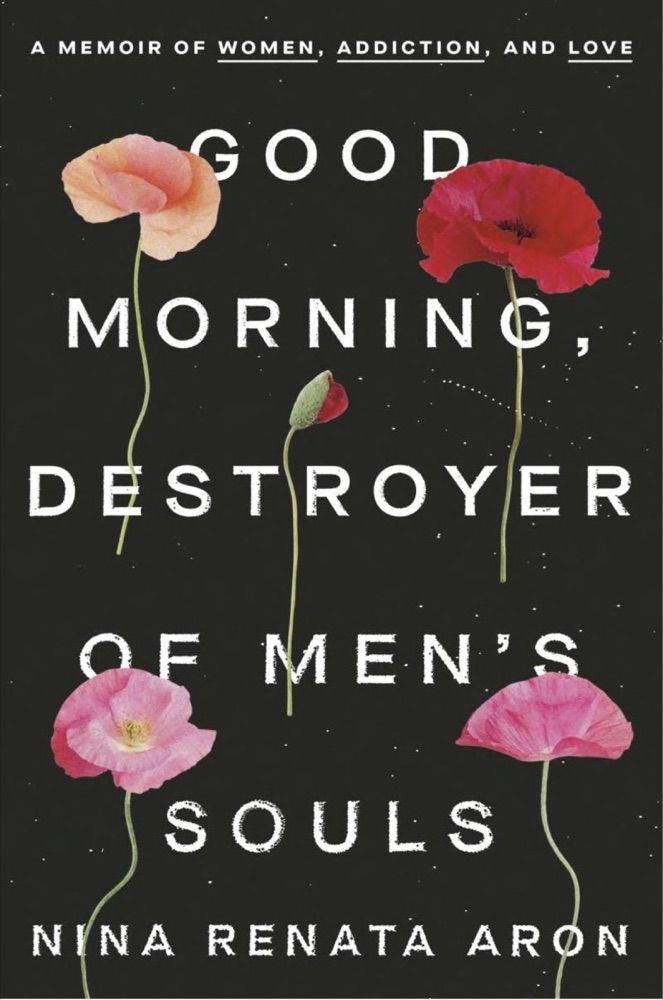
A scorching memoir of a love affair with an addict, weaving personal reckoning with psychology and history to understand the nature of addiction, codependency, and our appetite for obsessive love.
"The disease he has is addiction," Nina Renata Aron writes of her boyfriend, K. "The disease I have is loving him." Their love affair was dramatic, urgent, overwhelming--an intoxicating antidote to the long, lonely days of early motherhood. But soon after they get together, K starts using again, and years of relapses and broken promises follow. Even as his addiction deepens, she stays, convinced she is the one who can get him sober. If she leaves him, has she failed? After an adolescence marred by family trauma and addiction, Nina can't help but feel responsible for those suffering around her. How can she break this pattern?
In prose at once unflinching and acrobatic, Aron delivers a pier
Book details
- First published
- 2020
- Author
- Nina Renata Aron
- Genre
- Biography
- Goodreads rating
- 3.98 (3k ratings)
The buzz
- The Washington PostReview in The Washington Postprofessional review (via Book Marks)
- Los Angeles TimesReview in Los Angeles Timesprofessional review (via Book Marks)
- Kirkus ReviewsReview in Kirkus Reviewsprofessional review (via Book Marks)
- Publishers WeeklyReview in Publishers Weeklyprofessional review (via Book Marks)
- BooklistReview in Booklistprofessional review (via Book Marks)
- EwReview in Ewprofessional review (via Book Marks)
Keep reading
The Crane Wife: A Memoir in Essays
 The Chronology of Water
 Your Voice in My Head
 A Small Indiscretion
 Awake
Awake
 Notes To Self
 You Could Make This Place Beautiful
 The Folded Clock: A Diary
 The Return
 Lust & Wonder
 All Fours
 Belong to Me
 Em and The Big Hoom
 Monkey Grip
 To Throw Away Unopened
 Good in Bed
 The Woman He Loved Before
 Lives of Girls and Women
 Notes on Heartbreak
 Gone Girl
 More: A Memoir of Open Marriage
 Love, Loss, and What We Ate: A Memoir
 So Sad Today: Personal Essays
 What I Loved
 Mr. Fox
 The First Bad Man
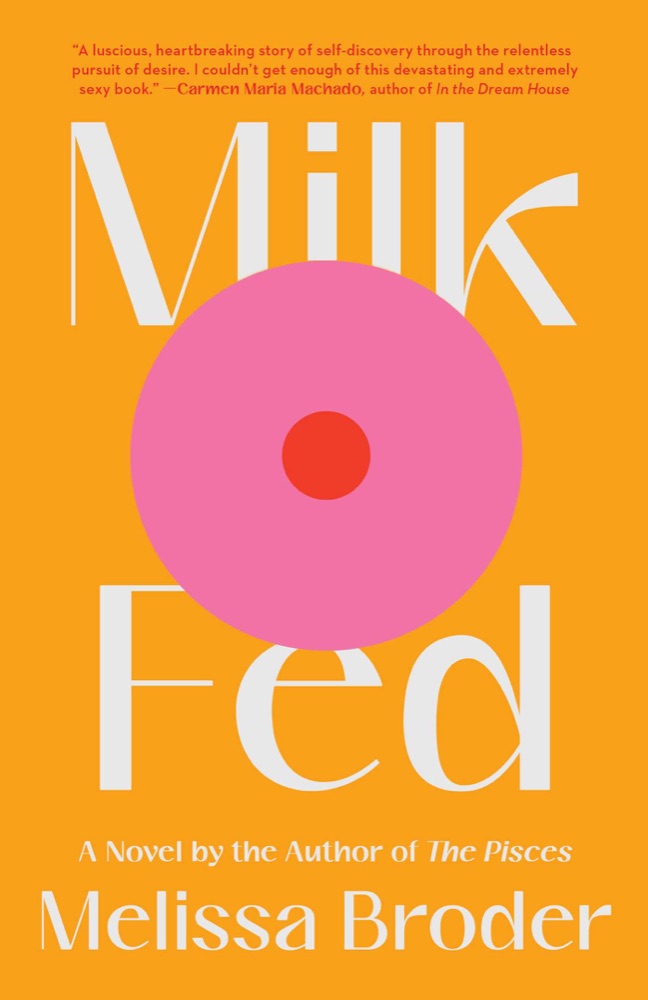 Milk Fed
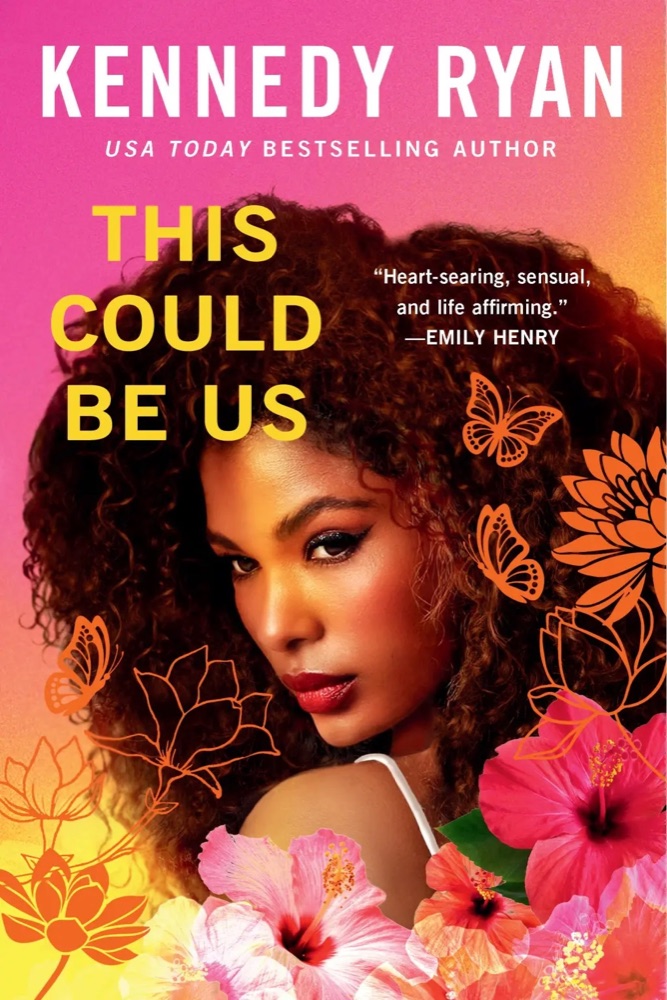 This Could Be Us
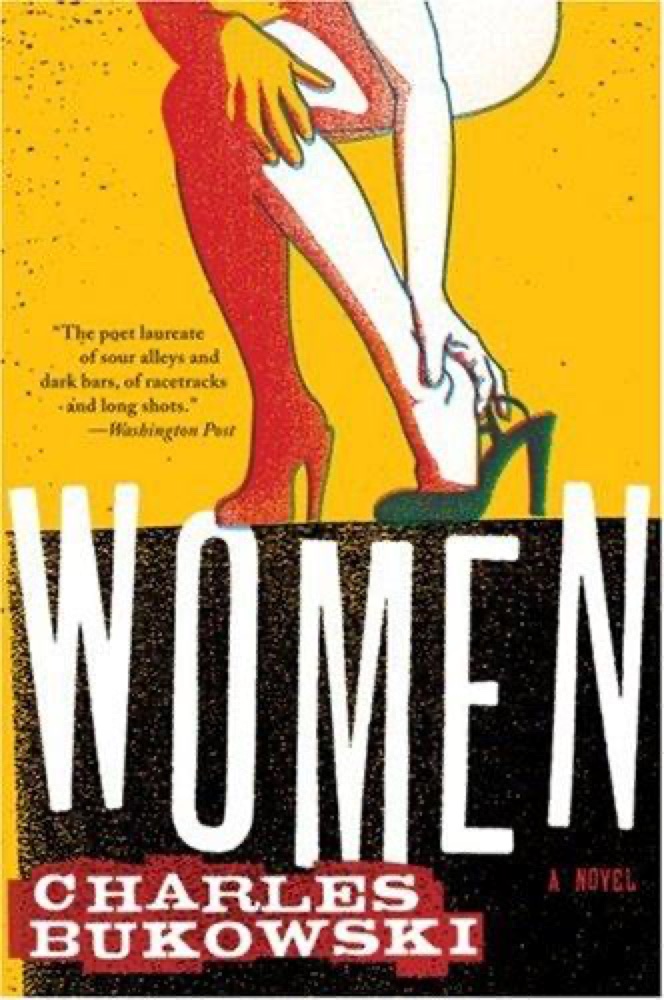 Women
Women
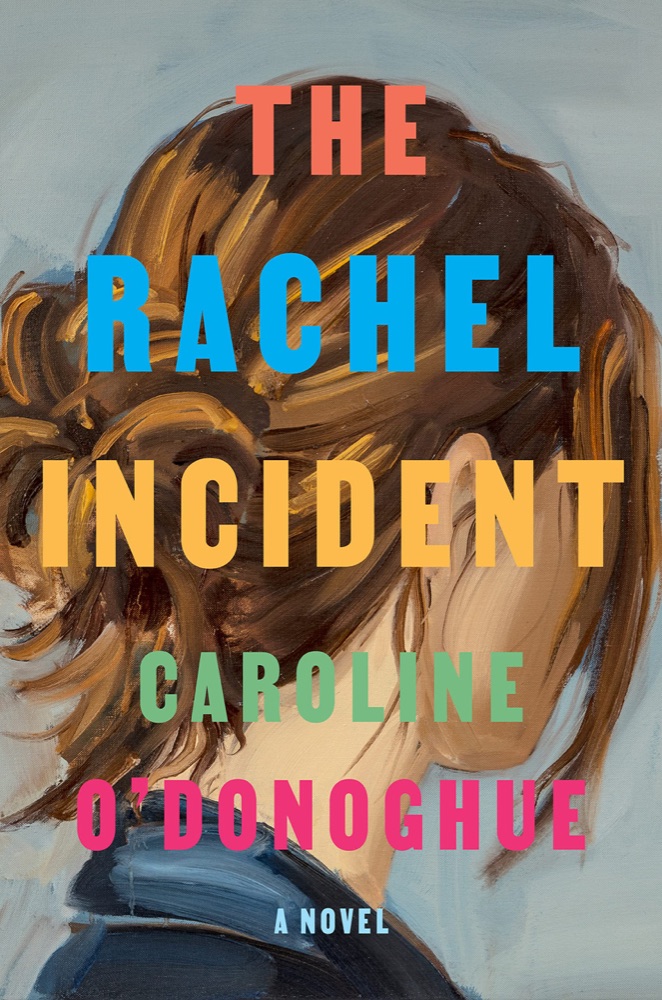 The Rachel Incident
 Range of Motion
 Dream Count
 Hot Milk
 Dyscalculia: A Love Story of Epic Miscalculation
 Heart Berries
 The Bedwetter: Stories of Courage, Redemption, and Pee
 Like Streams to the Ocean: Notes on Ego, Love, and the Things That Make Us Who We Are
 Just Another Number
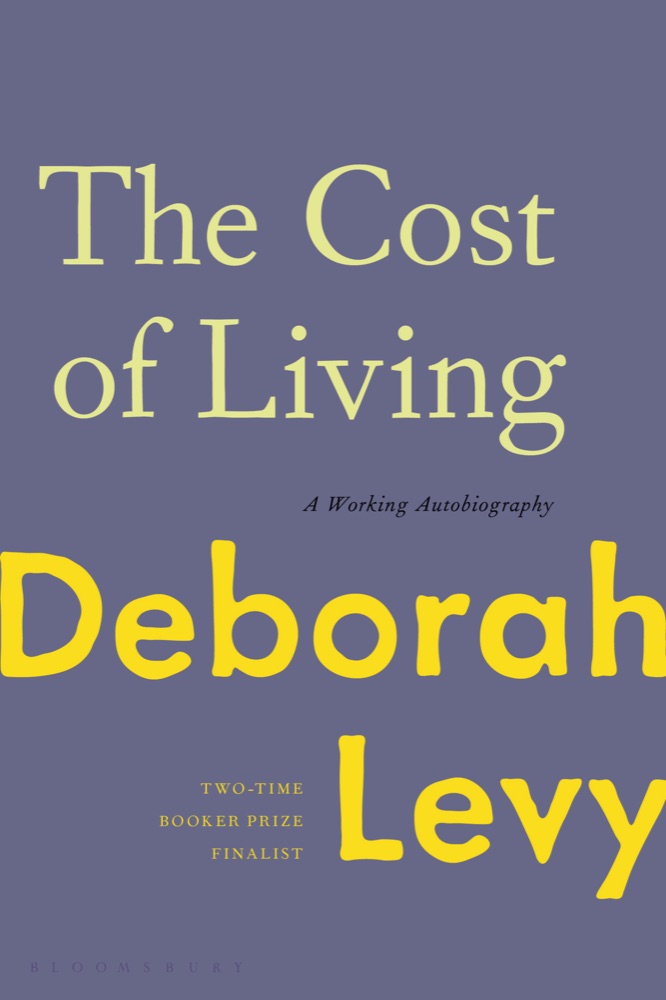 The Cost of Living: A Working Autobiography
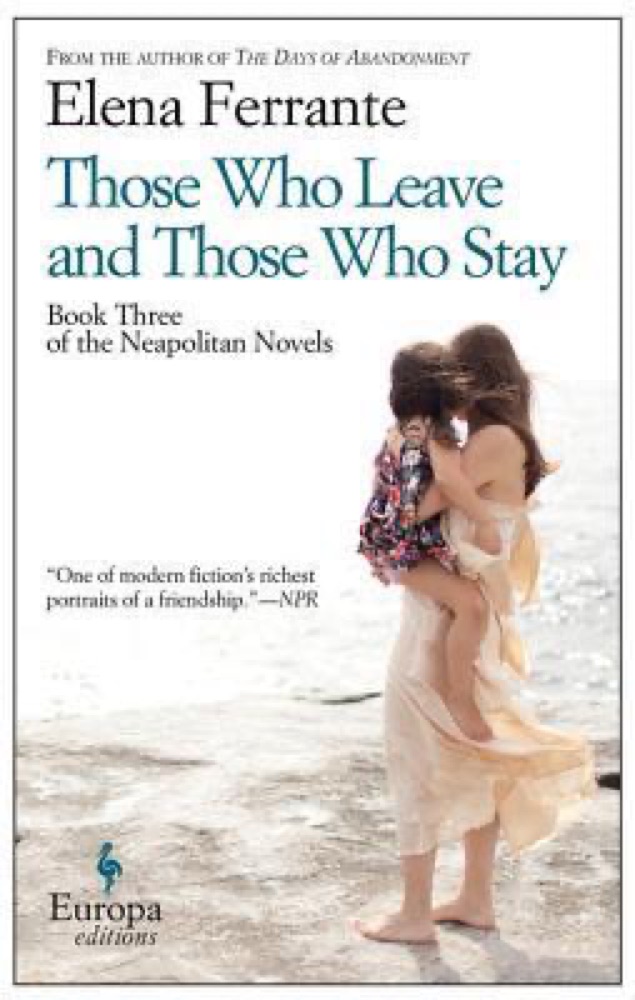 Those Who Leave and Those Who Stay
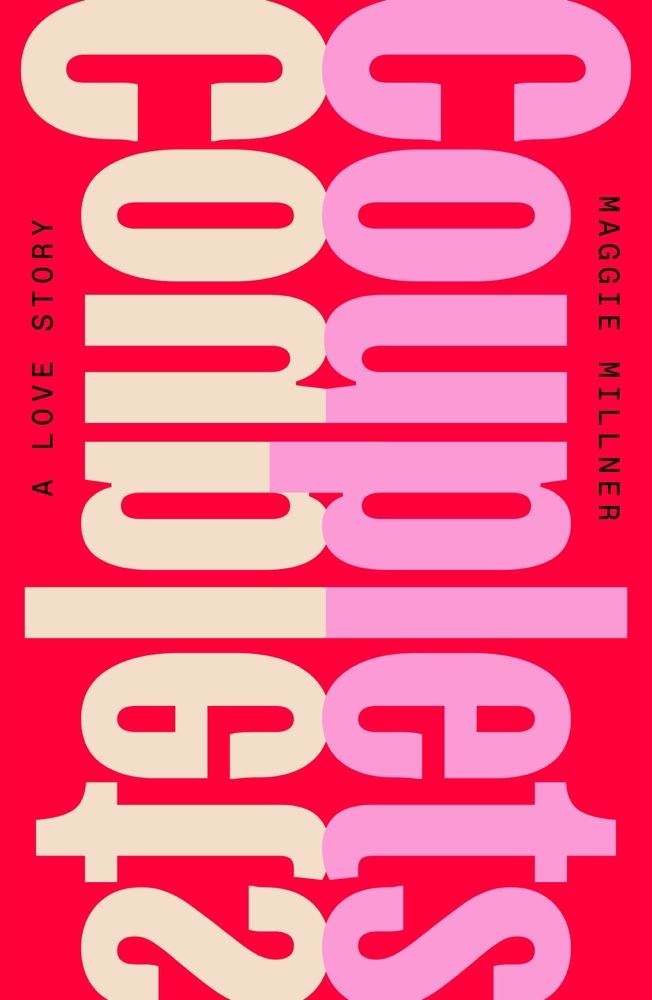 Couplets
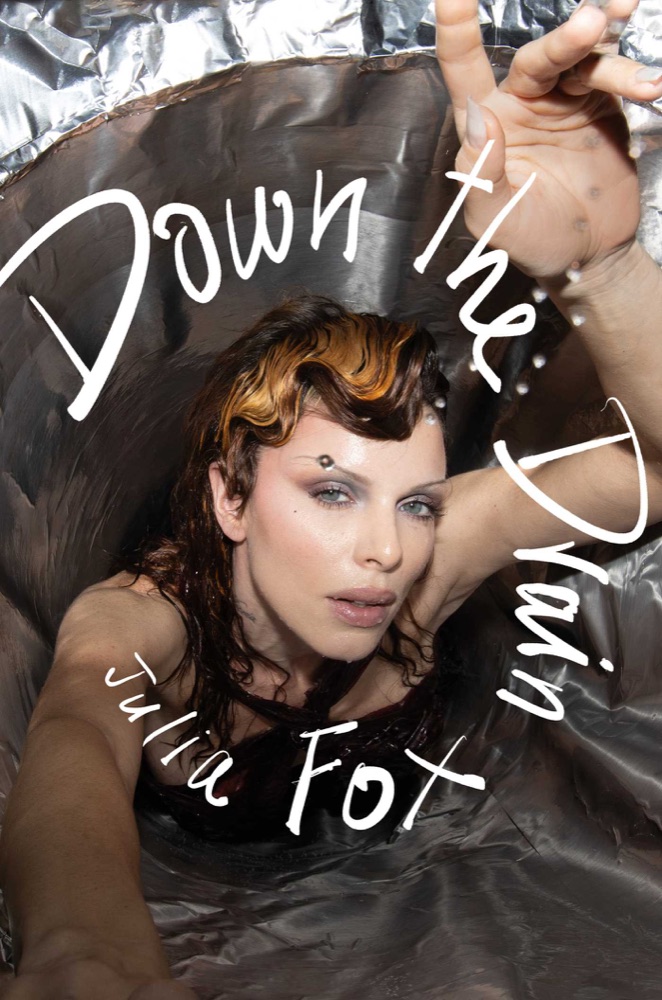 Down the Drain
 Tonight I'm Someone Else: Essays
 Managing Expectations: A Memoir in Essays – A Poignant Collection of Personal Stories on Acting, Failure, and Motherhood's Joy
 Open Book
 Just Ignore Him
 Charmed Thirds
 Aftermath: On Marriage and Separation
 More, Now, Again: A Memoir of Addiction
 Brief Interviews with Hideous Men
 On Beauty
 I Love Dick
 I'm Fine...And Other Lies
 The Argonauts
 Motherthing
 Scar Tissue
 I Feel Bad about My Neck: And Other Thoughts on Being a Woman
 The Reader
 Fear of Flying
 The End of the Affair