
 Good Morning, Destroyer of Men's Souls: A Memoir of Women, Addiction, and Love
Quotes from the Book
But my mental health, it turns out, is my responsibility. I probably don’t need to tell you that, but I did need to tell myself. And once I realised that, I wondered why I would ever leave it in the hands of strangers to decide my value.
16
It is hard to love an addict. Not only practically difficult, in the picking up after them and the handling of those aspects of life they're not able for themselves, but metaphysically hard. It feels like bashing yourself against a wall, not just your head, but your whole self. It makes your heart hard. Caught between ultimatums (stop drinking) and radical acceptance (I love you no matter what) the person who loves the addict exhausts and renews their love on a daily basis.
12
Perhaps the most corrosive aspect of a lonely life is not the time spent alone, but the time spent in a crowd, feeling left out.
7
I am trying. And I am afraid. I am afraid to write about side-stepping and feelings and overwork and depression and breakdown because I am still convinced that admitting vulnerability makes me weak, not strong. I am afraid of confirming that I am young and cute and powerless. I am afraid of admitting to all the hard stuff, all the bad stuff, all the unlikeable stuff. I am afraid of exposing myself. I am afraid of being pitied. Of being resented. Of being shouted at. I am afraid of being the disruptive woman. And of not being disruptive enough. I am afraid. But I am doing it anyway.
7
For a long time I have had the recurring and sentimental wish that I could go back to the early 1990s and just hold onto my younger self, tightly, the way she needed, and not pay attention to her protestations that she was 'fine.' Because I know what I would say to her. I would embrace her and I would tell her that I know she is lonely, that I know she feels lost, that I know she feels worthless. And then, because she is not me, and because she is me, I would assure her that there is something about her, something amazing, something lovable, something special, something beautiful, something fragile, something strong, something worth fighting for.
6
Famously, the trick to good writing is bleeding onto the page. I picture the male writer who coined this phrase, sitting at his typewriter, the blank sheet before him. What kind of blood did he imagine? Blood from a vein in his arm? Or a leg? Perhaps a head wound? Presumably it was not blood from a cervix. I have so much of this blood, this period blood, this pregnancy blood, this miscarriage blood, this not-pregnant-again blood, this perimenopausal blood. It just keeps coming and I just keep soaking it up. Stuffing bleached cotton into my vagina to stem the flow, padding my underwear, sticking on the night pads ‘with wings’, hoping not to leak on some man’s sheets, or rip off too much pubic hair with the extra-secure adhesive strips. Covering up with ‘period pants’, those unloved dingy underwear choices pulled out from the bank of the drawer every month. And all along, I was wrong. I should have been sitting down at my desk and spilling it across the page, a shocking red to fill the white.
5
Because what my dad really taught me, despite himself perhaps, is that writing is a way of making sense of the world, a way of processing - of possessing - thought and emotion, a way of making something worthwhile out of pain.
4
I can no longer avoid the fear that I will lose what I have in the pursuit of what I may never have.
2
I like that I have ten things on the go, all at once. I like that I'm always planning for the next thing. I like that I bring a high energy to my life, that I see it as a challenge. I like that my favourite thing to do on the flight home is to look at the airline route map to pick my next destination.
1
It is difficult to translate a great love, a great life, into words on a page. It sounds so prosaic - raking leaves, smiling at each other in understanding - but it is in the everyday moments that the tenacity of love, and its depth, are often revealed.
1
For three decades I have lived within a silence that declares periods too embarrassing, too unwanted, too female to talk about out loud. I have done this for so long that I almost no longer notice it. Almost. Bur now I am sick of the silence and the secrecy and the warped idea that blood is taboo when it comes out of a vagina. Because it is just not fucking good enough. To hell with covering up, with being embarrassed, with being silent.
1
And I will ask my students what they would do, if they were not afraid. And I will listen to what they say. And I will remind them, with compassion, that the real failure is to not try.
1
But how many times can you avert a crisis before you admit it’s all one long crisis?
1
These pages cover a period of about eight years. They contain many events and emotions that I have never told to anyone before, or even admitted to myself. The experience of writing them out has been very painful. That I cannot, or have not, avoided this pain by choosing not to write the story is due to one simple reason: the urge to write this feels not only dangerous and fearful and shameful, but necessary. I write this now to reclaim those parts of me that for so long I so thoroughly denied. I write it to unlock the code of silence that I kept for so many years. I write it so that I can, at last, feel present in my own life. I write it because it is the most powerful thing I can think of to do.
1
I know now that all I really wanted was affection—to be touched or held with love, with understanding, with kindness. And yet this was an impossible ask.
How was it to be two and then not? To be not even one, but a half of a broken two?
Though I have written solely about my personal experience, readers have seen their own lives reflected in these pages. The emotions I kept in the dark for so long, it turns out, are not mine alone. The things we are afraid to say, the things we are ashamed of, or embarrassed by, these are not, after all, the things that isolate us. These are the things that connect us.
¿Què passaria si el meu cos pogués explicar-se? ¿Què diria? Crec que parlaria de sang. Del seu vaivé fascinant. Sobre final i renovació. Crec que parlaria sobre el tacte dels dits, de les meves mans i d’altres llavis. De la sensació de pell amb pell. Moll i lent. Tou i dur. De l’impacte del fred i el plaer de l’escalfor. Crec que parlaria del goig de l’orgasme, del goig del riure i del goig de satisfer la gana. Del gust àcid i picant, suau i cremós. Crec que parlaria de parar i tirar endavant. Crec que parlaria de perfum i de pudor. De net i brut. Crec que parlaria de malaltia i convalescència, de fortalesa i creixement. Crec que parlaria de pèrdua i de dol. D’estar sol i de fer pinya. De longevitat i transformació. De satisfacció. De felicitat. D’alegria. Crec que sonaria poderós. Crec que sonaria fort. Crec que sonaria orgullós. I l’estic escoltant.
He triat ser feliç. Aquesta felicitat no és perfecta ni exempta de dolor. A dins hi porta un dol. Però justament per això és més intensa.
I am fearful and hopeful and shameful. I worry that I am empty, or that I am full of the wrong things. I worry that I am disappearing, eroding, failing. I do not know what to do with all these feelings. I only want to be a mother. Why is that so easy for some people and so hard for others? Why is it so hard for me?
Przez trzydzieści lat żyłam w ciszy, która hołdowała przekonaniu, że menstruacja to coś zbyt wstydliwego, niechcianego, zbyt kobiecego, aby mówić o niej na głos. To tak długo, że prawie przestałam się nad tym zastanawiać. Prawie. Ale teraz mam już dość ciszy, tajemnicy i wypaczonego przekonania, że krew z pochwy to temat zakazany, bo po prostu nie jest wystarczająco dobra. Do diabła z ukrywaniem, ze wstydem, z milczeniem. Przez większość mojego życia co miesiąc miałam okres. Przez większość mojego życia uśmiechałam się podczas PMS-u, ciężkiego krwawienia i skurczów. Przez większość mojego życia było to krwawienie bolesne – zarówno fizycznie, jak i emocjonalnie. I dlatego nie zamierzam już więcej milczeć na ten temat. Opowiem, opiszę, rozleję tę krew. Będzie nie tylko moim atramentem, będzie osią mojej opowieści.
A veces, cuando estoy en compañía de mujeres más sofisticadas, me pregunto si yo –una occidental blanca de clase media, heterosexual, cisgénero– soy «una chica como es debido». Así, sin más: «¿Soy una chica como es debido?». Me comparo con las mujeres que me rodean y siento que no doy la talla. Y ahí es cuando sé que soy una chica, una chica como es debido. Porque, por supuesto, esta paranoia de que no soy lo bastante femenina, lo bastante deseable, lo bastante buena, es la representación máxima de la feminidad. Esta paranoia es un elemento crucial del control de las mujeres. Y de cómo nos controlamos nosotras mismas.
A prawda jest taka, że męczy mnie już bycie feministką. Męczy mnie, że rozpoznawanie, zwalczanie i naprawianie skutków seksizmu to odpowiedzialność kobiet.
Lange tijd koesterde ik de sentimentele wens om terug te keren naar het begin van de jaren negentig om mijn jongere ik gewoon even stevig vast te houden, op de manier waar ze vroeger zo naar verlangde, en niet te luisteren naar haar tegenwerpingen dat het 'prima' met haar ging. Want ik weet wat ik tegen haar zou zeggen. Ik zou haar omhelzen en ik zou haar vertellen dat ik weet dat ze eenzaam is, dat ik weet dat ze zich verloren voelt, dat ik weet dat ze zich waardeloos voelt. En dan, omdat ze mij niet is, omdat ze mij is, zou ik haar verzekeren dat ze inderdaad iets heeft, iets verbazingwekkends, iets liefs, iets speciaals, iets moois, iets breekbaars, iets sterks, iets wat het waard is om voor te vechten.
Sometimes it seems that the biggest risk they can imagine is to say something out loud. I know that they are afraid of saying the wrong thing and being laughed at. But I want them to speak despite this fear. Because I worry that if students are quiet about their ideas in class perhaps they will be quiet about other things too. Things they should not be quiet about. If they cannot talk in class, how will they speak out if they get harassed, or discriminated against, or hurt? I thought about this question when a student came to my office to ask about the end-of-term essay for my course. We had a lively conversation about the module and her ideas. She was smart and insightful and articulate. Yet in eight weeks I’d never heard her express an opinion during a seminar. “Would you make these points next week in class?” I asked her. She mutely shook her head. “You’re really good,” I said. She looked surprised. And my heart sank. I knew this young woman was being quiet for a very particular reason: she is a girl and girls are taught to be quiet, taught that they are not good enough to be heard. The exceptional ones who risk saying something—anything—also risk being perceived as brash or arrogant. They were not born with these fears. They were not born feeling inferior. They were taught it. I know this because I was also taught it.
Sometimes, when I am in the company of more glamorous women, I wonder if I—a white, Western, middle-class, heterosexual, cis-gender woman—am a “proper girl” at all. Just like that, “Am I a proper girl?” I look from myself to the women around me and I feel that I do not measure up. And then that’s when I know that I am a girl, that I am proper. Because, of course, this paranoia, that I am not feminine enough, not desirable enough, not good enough, is the ultimate performance of femininity. This paranoia is a crucial part of how women are policed. And of how we police ourselves.
this, my job as a lecturer means that I talk for a living. But you can be silent and loud at the same time, it turns out.
But in informing me that I look youthful, or that I don’t understand because I’m too naive, or asking me if I’m a student when I am clearly a tenured lecturer, these men strip from me more than a decade of professional experience and expertise. The so-called compliment is, in fact, an instant demotion.
Watch on YouTube
About Emilie Pine
We have collected 28 quotes from 1 book by Emilie Pine on BookQuoters.
More about the author →About the book
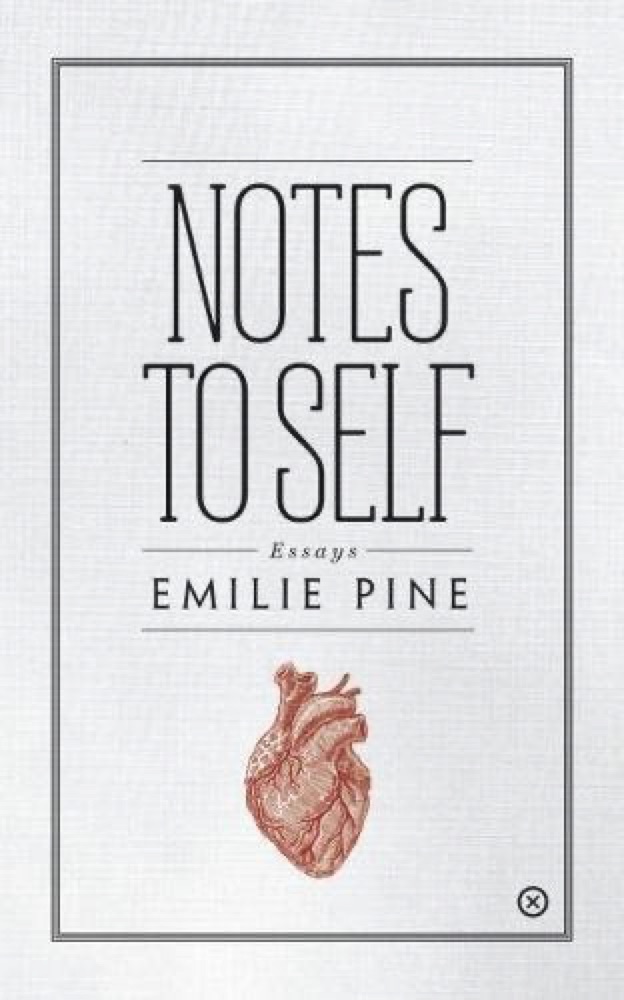
`The person who loves the addict exhausts and renews their love on a daily basis' In this vivid and powerful collection of essays, the first non- fiction book published by Tramp Press, Emilie Pine boldly confronts the past to better understand herself, her relationships and her role in society. Tackling subjects like addiction, fertility, feminism and sexual violence, and where these subjects intersect with legislation, these beautifully written essays are at once fascinating and funny, intimate and searingly honest. Honest, raw, brave and new, Notes to Self breaks new ground in the field of personal essays.
Book details
- First published
- 2018
- Author
- Emilie Pine
- Genre
- Nonfiction
- Goodreads rating
- 4.10 (21k ratings)
Keep reading
Good Morning, Destroyer of Men's Souls: A Memoir of Women, Addiction, and Love
 Clothes, Clothes, Clothes. Music, Music, Music. Boys, Boys, Boys
 The Folded Clock: A Diary
 To Throw Away Unopened
 The Journals of Sylvia Plath
 More, Now, Again: A Memoir of Addiction
 A History of My Brief Body
 So Sad Today: Personal Essays
 Fear of Flying
 The Unabridged Journals of Sylvia Plath
 Anthropology of an American Girl
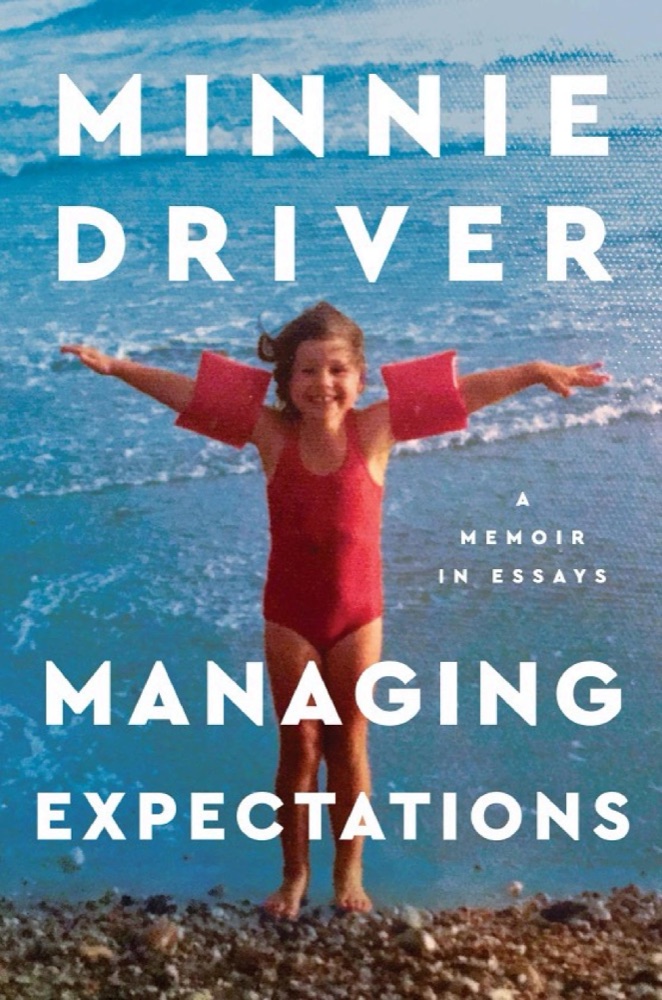 Managing Expectations: A Memoir in Essays – A Poignant Collection of Personal Stories on Acting, Failure, and Motherhood's Joy
 The Reader
 The Chronology of Water
 We Can Do Hard Things: Answers to Life's 20 Questions
 Hot Milk
 I Don't Want To Be Crazy
 Gabi, A Girl in Pieces
 A Burst of Light
 The Crane Wife: A Memoir in Essays
 Like Streams to the Ocean: Notes on Ego, Love, and the Things That Make Us Who We Are
 Skin: Talking About Sex, Class And Literature
 I Love Dick
 I'll Have What She's Having
 Creatures of a Day: And Other Tales of Psychotherapy
 Journal of a Solitude
 I'm Fine...And Other Lies
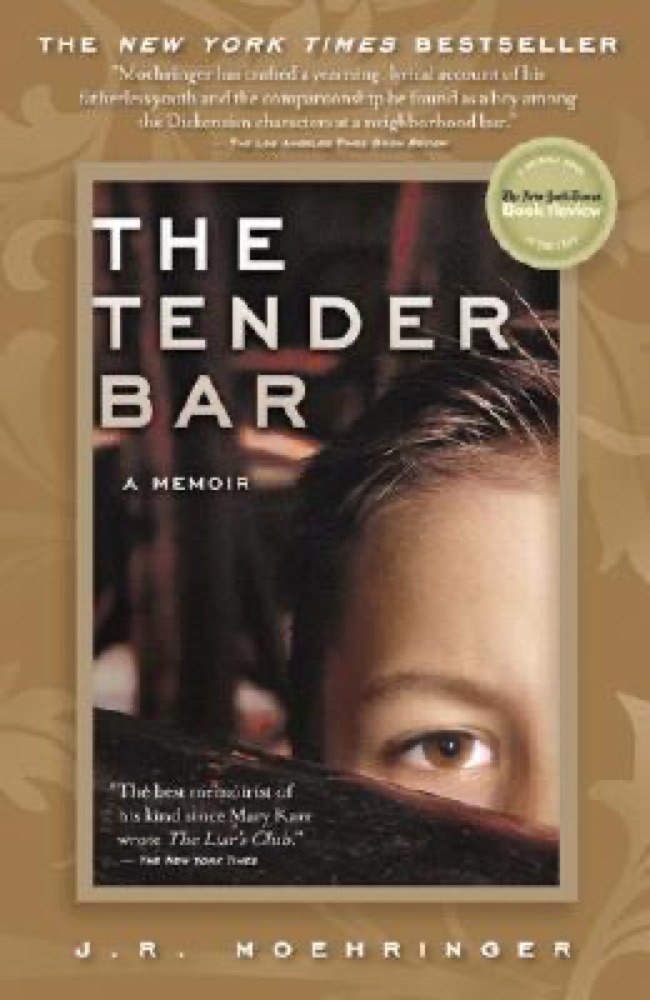 The Tender Bar
 Spilling Open: The Art of Becoming Yourself
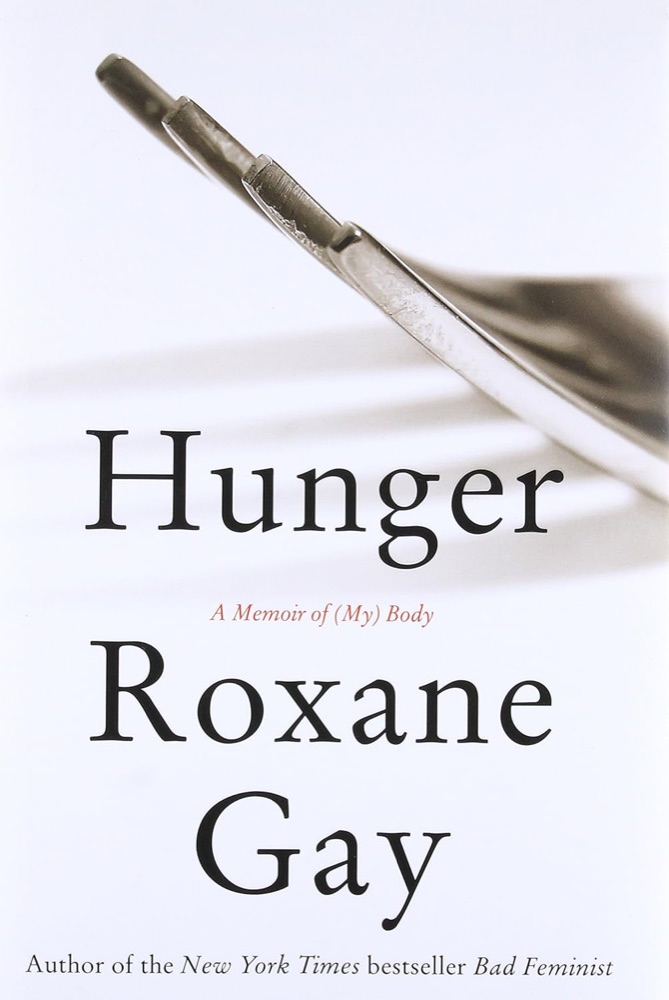 Hunger: A Memoir of (My) Body
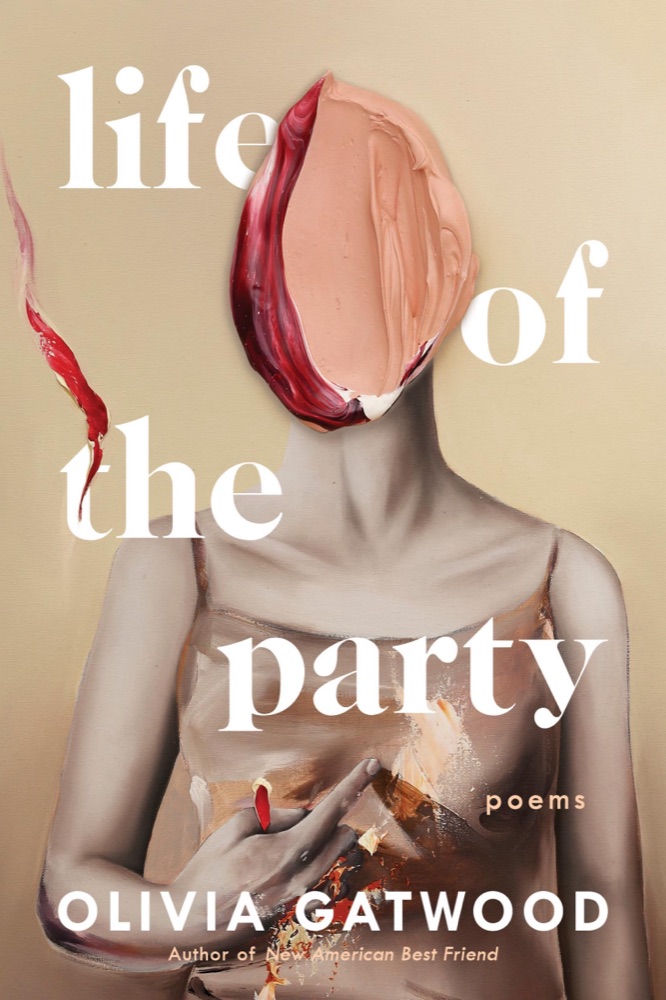 Life of the Party
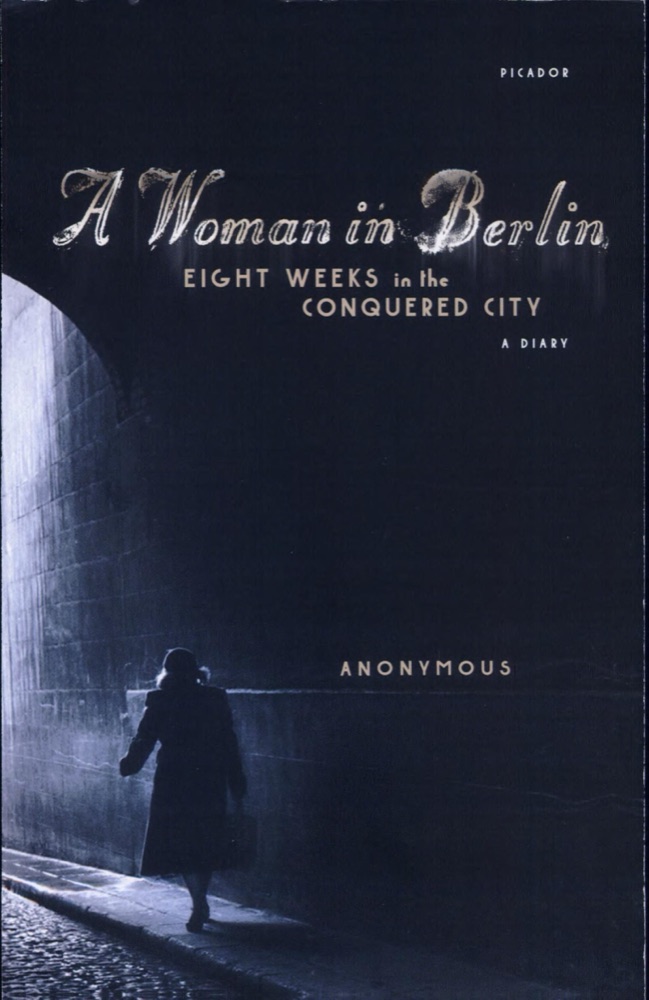 A Woman in Berlin: Eight Weeks in the Conquered City: A Diary
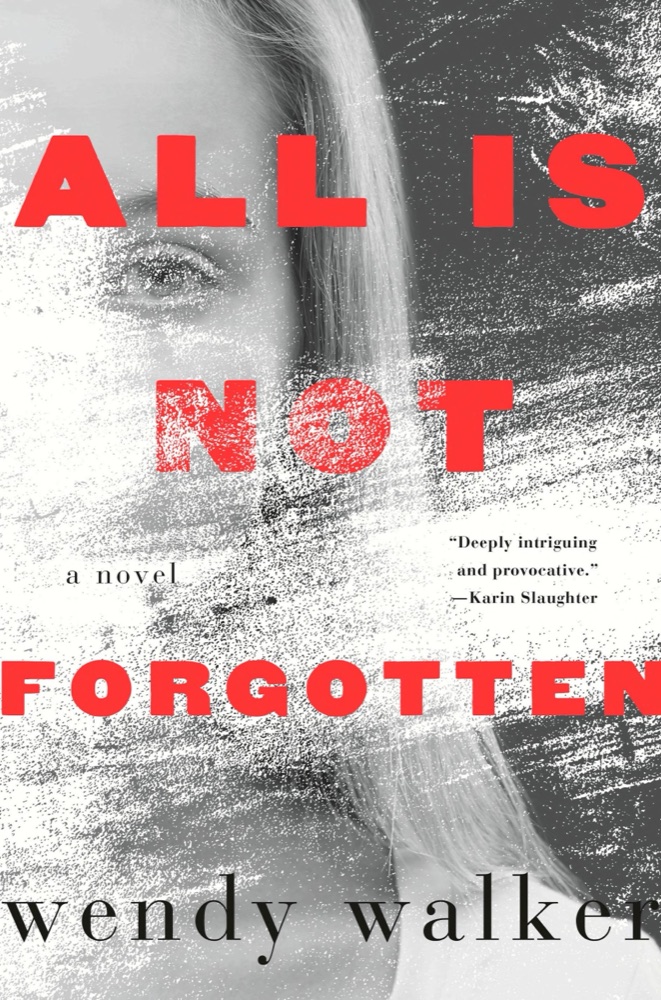 All Is Not Forgotten
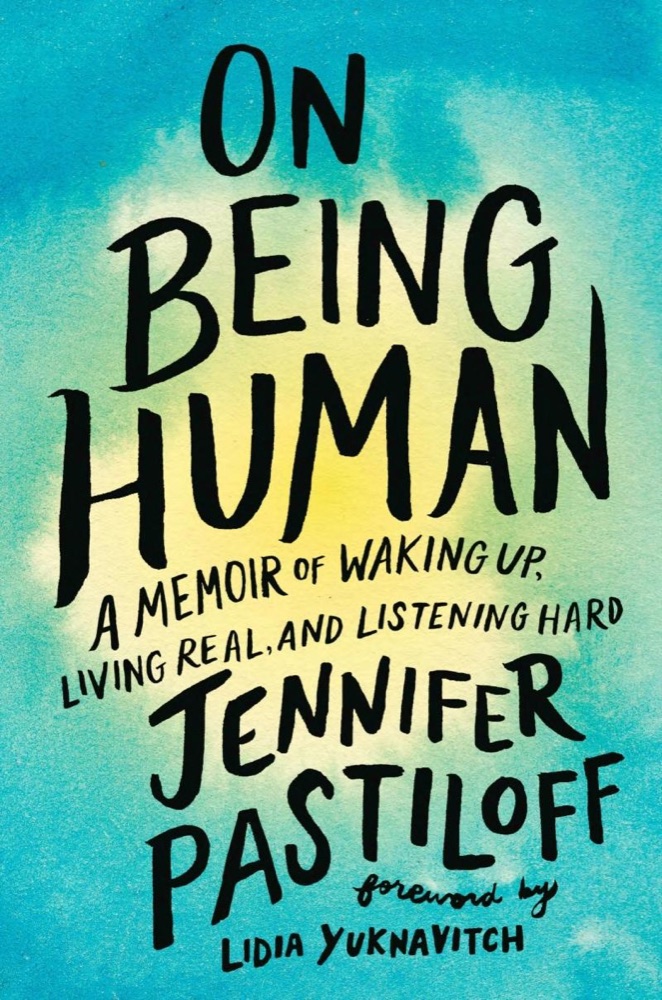 On Being Human: A Memoir of Waking Up, Living Real, and Listening Hard
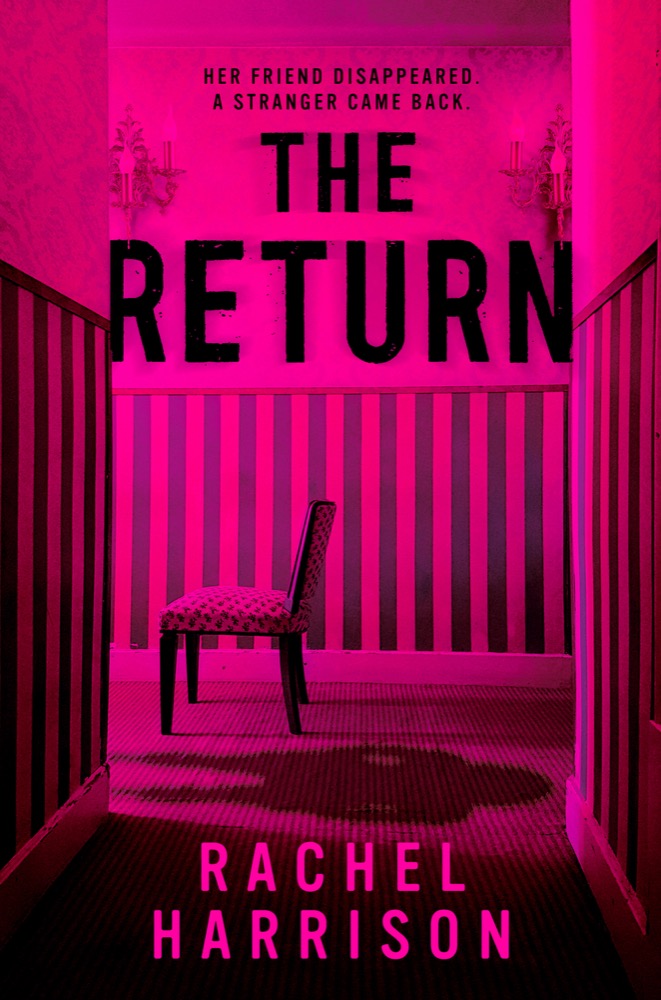 The Return
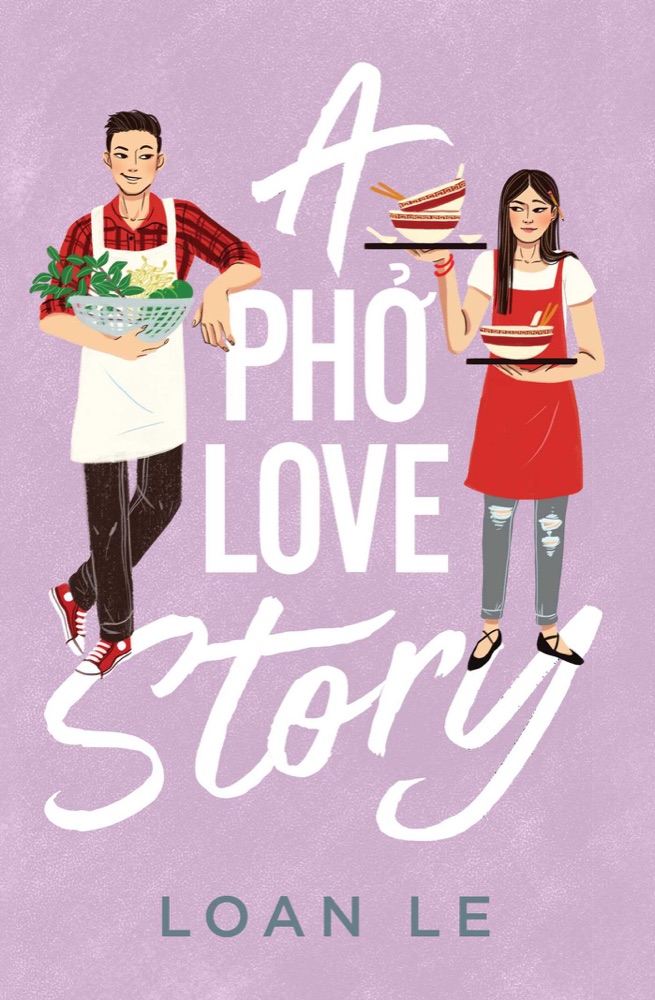 A Pho Love Story
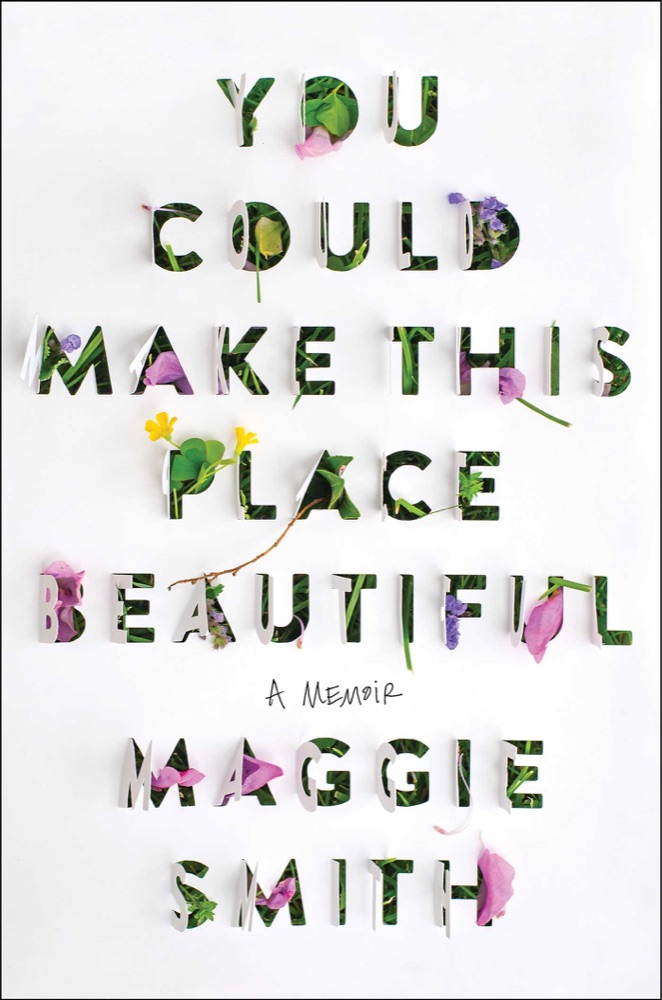 You Could Make This Place Beautiful
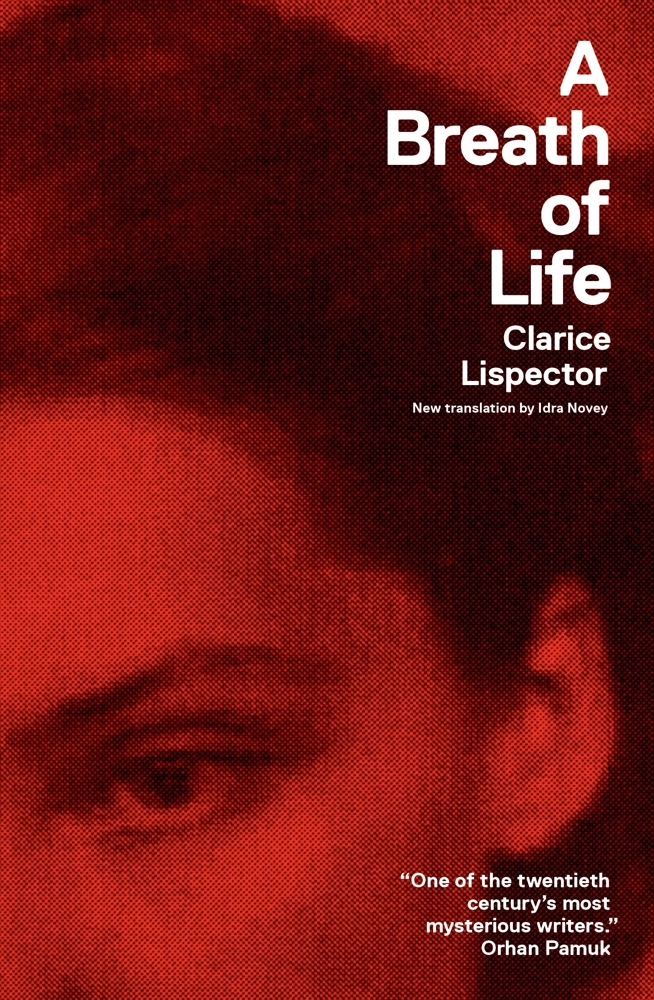 A Breath of Life
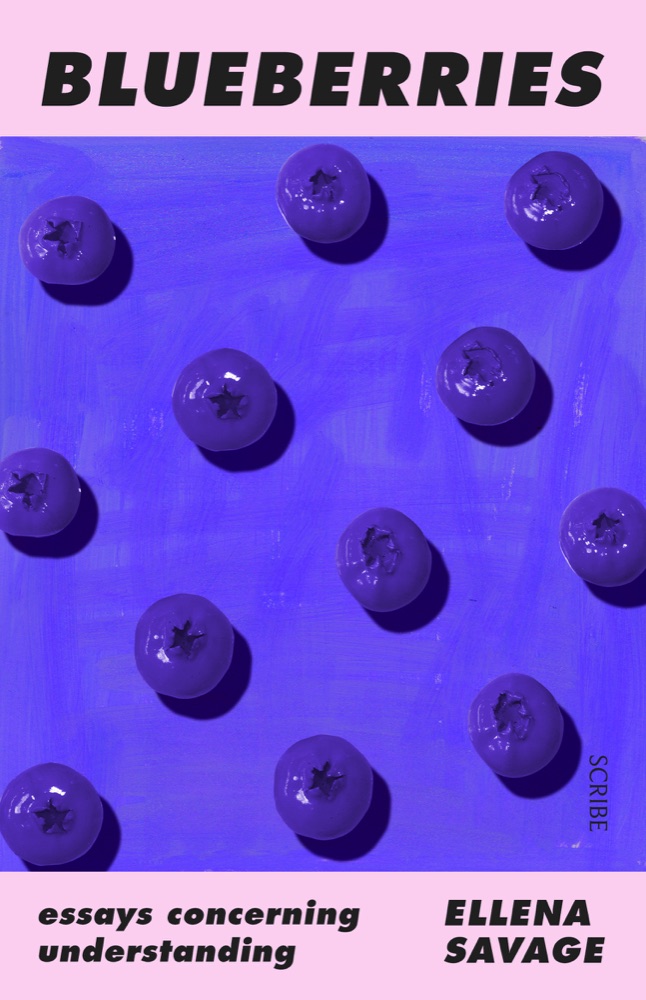 Blueberries: Essays Concerning Understanding
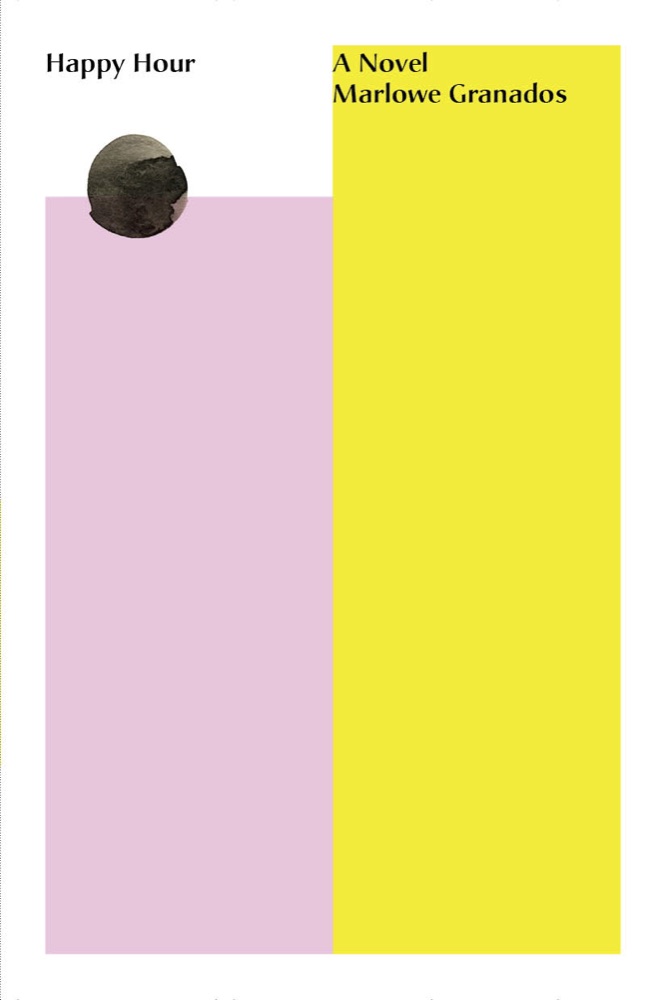 Happy Hour
 The World and Other Places: Stories
 I Feel Bad about My Neck: And Other Thoughts on Being a Woman
 The Golden Notebook
 Dyscalculia: A Love Story of Epic Miscalculation
 The Cancer Journals
 Dear Senthuran: A Black Spirit Memoir
 Em and The Big Hoom
 In the Dream House
 Attempting Normal
 Girls Can Kiss Now: Essays
 Tweak: Growing Up On Methamphetamines
 Heart Berries
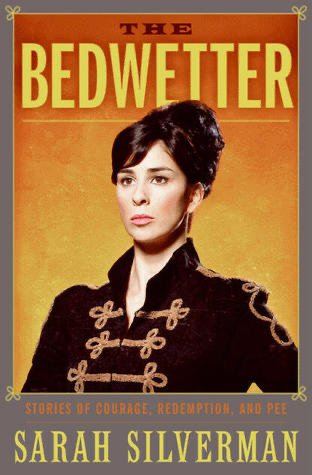 The Bedwetter: Stories of Courage, Redemption, and Pee
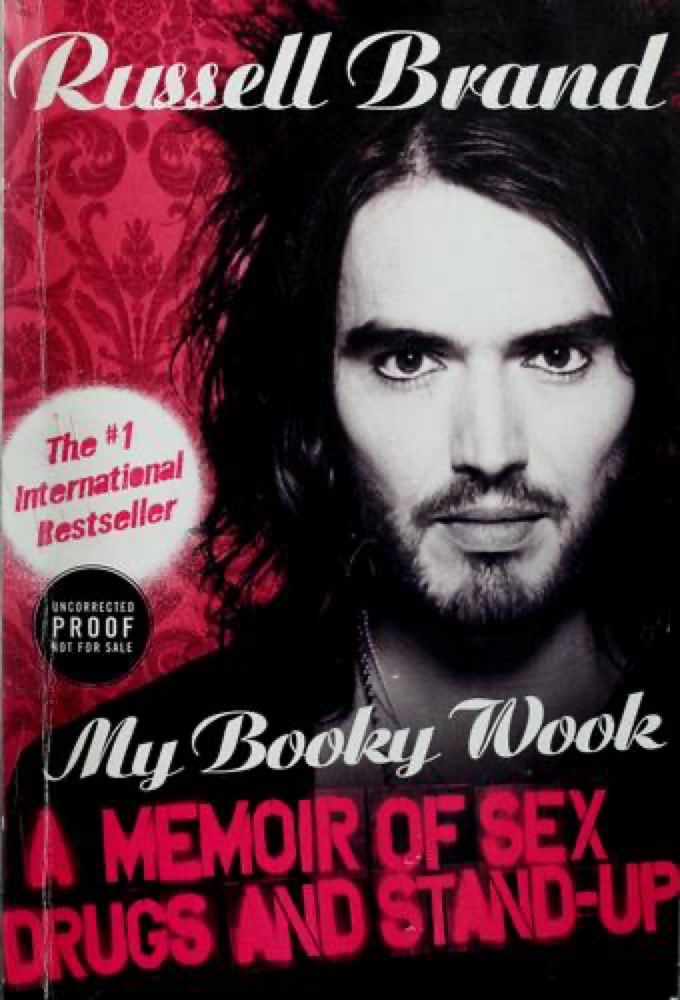 My Booky Wook
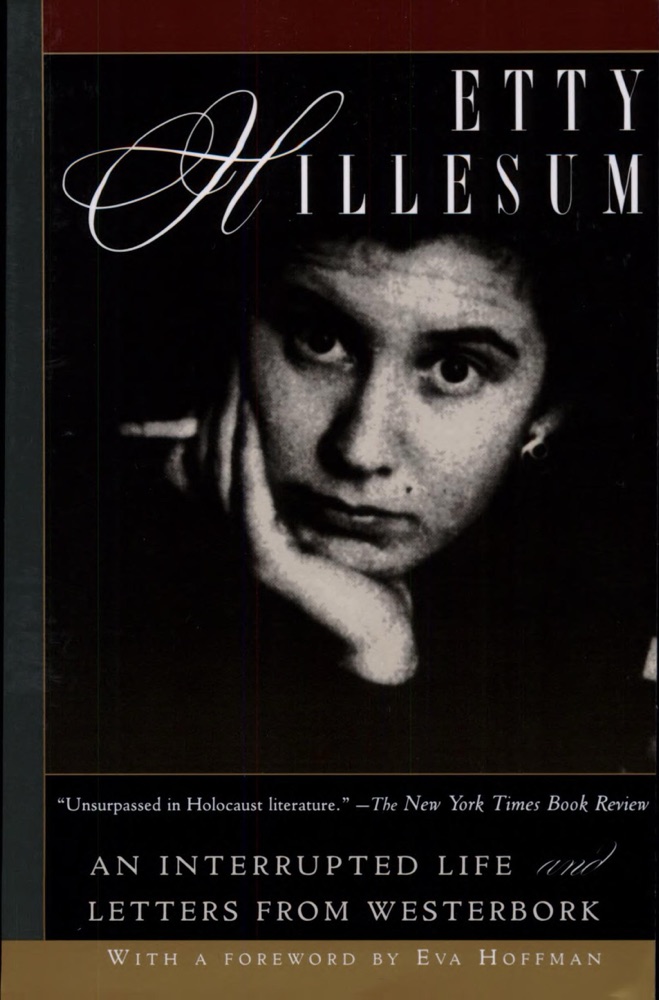 An Interrupted Life: The Diaries, 1941-1943; and Letters from Westerbork
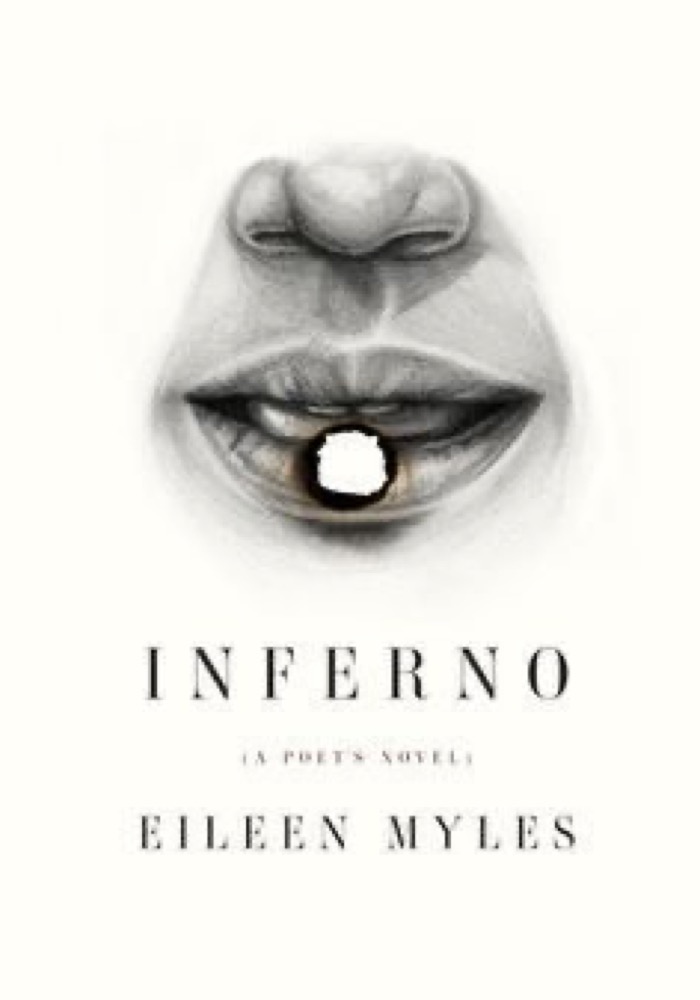 Inferno
 Everything I Know About Love
 Not That Kind of Girl: A Young Woman Tells You What She's "Learned"
 Hijab Butch Blues