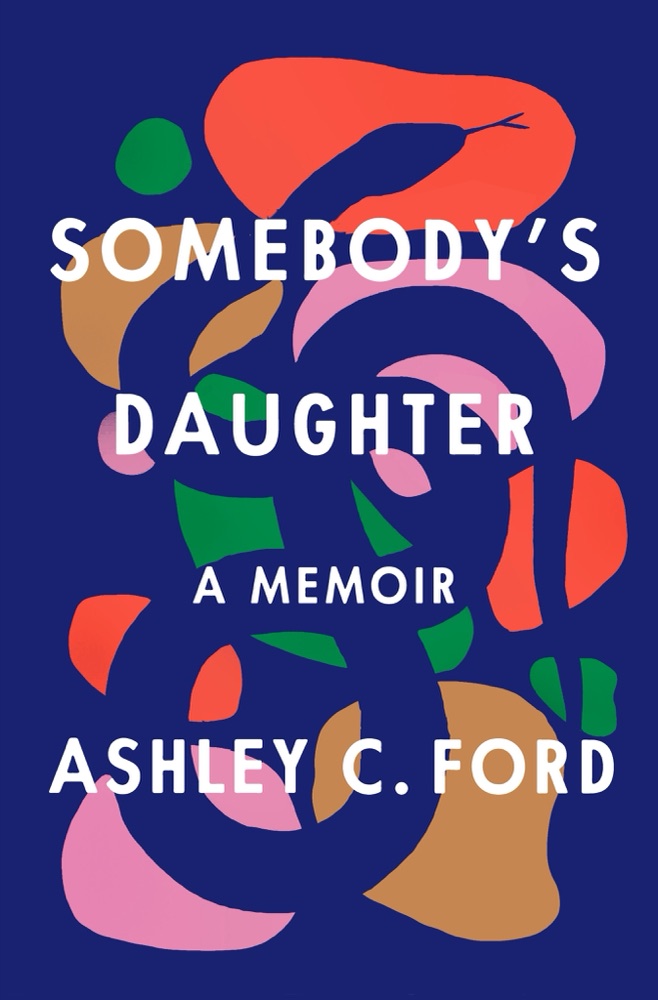
 Somebody's Daughter
Quotes from the Book
This is perhaps the most profound lesson of travel, that you don't really know the place and culture you've come from until you've left it.
6
I didn't intentionally gravitate towards stories of women. I was interested in human rights, which often boiled down to this question: who was winning and who was losing? And over and over again, country after country, story after story, it was the men who were winning and the women who were losing. Not always, not everywhere, but most often, and by a wide, wide margin.
2
Many people have a moment, after they have kids, when they begin to understand and empathize with their own parents, when suddenly all the difficult moments make sense. The discipline was all about keeping you safe, about teaching you life lessons. I saw those terrible years that had culminated in my packing up the blue and maroon Samsonite and leaving my parents’ house as newly galling. An aberration. How could they send me out into the world? How could they have done what they did? I had spent years apologizing for my behavior to my parents. I lamented the trouble I had caused, the revolt I stirred. I had been a terrible child, I admitted. The drugs, the rebellion, the sneaking out, the violence. Over and over I had apologized and taken what I believed to be my share of the blame. But when I became a parent myself, I understood, finally, the source of my anger. They themselves had never apologized. Not really. On the few occasions over the years when I suggested that they had kicked us out, they always maintained that we had moved out of our own accord after refusing to follow the rules. I didn’t challenge this framing until I gave birth to my own daughter. There, in my hospital bed at Samitivej, holding my newborn baby with her giant blue eyes and her punk-rock hair, I thought, “No. You were the adults. I was the child. Fuck you.
2
Slowly, I was learning of the bottomless capacity for both human cruelty and human survival.
2
But another part of me is frozen forever in 1977, a girl with her young mother; sometimes, as I watch the reel in my mind, I understand what any viewer would also immediately glean: that we lose them both in that moment. The woman and the girl. I read once how trauma freezes a person in time so that a part of them remains tethered to the person they were at the time of that trauma. Somewhere,
2
Far from being paradoxical, I eventually understood that we all embody these extremes.
1
inside me, I am forever eight years
1
I knew she was sick. But she was sick my whole life. I only ever thought she'd be sick. I didn't know she could die.
We all want to be useful, but we can't really do the thing we want & need, which is to kill what is killing her.
Her illness had a circumference. A visible pallor that whirled around her, people looked and then looked away, soft & sparing with their words and their movements. She knew they knew they were witnessing the very precipice between alive and not alive. That quiet violence. It silences all of us.
My life was not hers to bear any more than my mother's short life was mine.
I'd made joes about how terrible I'd been, but having [my daughter] made me understand: these jokes came at the expense of my parents' accountability. & I would no longer carry this burden.
I want to say that my parents did the best they could under the circumstances & with the resources they had. But I don't think this is true. I don't think they did their best.
No. You were the adults. I was the child. Fuck you.
There are other natural disasters that happen in the world. Earthquakes & fires. I cover water. Perhaps because it feels most like a rupture to me. How what you love is also what is most deadly.
I look down at the river more carefully and see. Within the splinters of homes are human limbs, camoflauged in the pale wood. An arm, a leg, what might be part of a shoulder. The cats feast.
Soldiers would sometimes write the name of their fallen comrade, along with his home village & the date of his death, and then seal the tiny paper in wax and place it in the mouth of his corpse in the hope that he might someday be found and buried.
An unsettled soul causes mischief to the living.
I think he was telling me that it wasn't a betrayal to her memory to seek a life in which joy was deliberate.
So, you want to know what it's like when your mother dies? You want to know about the years of desperate pain? You want to know what its like to make your father Mother's Day gifts, to have a gravesite to visit on Christmas, rather than a glittering tree?
I had no answer for this, except a sharpening anxiety that everyone would be smarter than me, that my ignorance would thereafter be quantifiable.
I was available when Frank wanted to see me and gone when he didn't. Just as I'd been with Micky. Just as I'd been with Jackson: never sure of my status. It was connected to what I had always felt about girlhood: that the loss of my mother left me no blueprint for how to be a woman.
How did a girl go from being kissed to being loved?
And I'd kiss him and think somehow that I could kiss the pain out of his stories. Because when you're eighteen, you think you have the power to do this.
We were all buzzing, collectively in love with each other & with whatever had just happened.
There was no end to the annoyance I could imagine myself to be, every tiny conflict potentially unraveling the webbed life to which I clung.
I was terrified that [she] would ask me to leave. Not because she hinted at it, or ever seemed annoyed, but because my sense of myself was that I was likely not wanted by anyone.
I believe my father was as lost as I was. He didn't know how to control me; even I didn't know how to control me.
Watch on YouTube
About Rachel Louise Snyder
We have collected 28 quotes from 1 book by Rachel Louise Snyder on BookQuoters.
More about the author →About the book
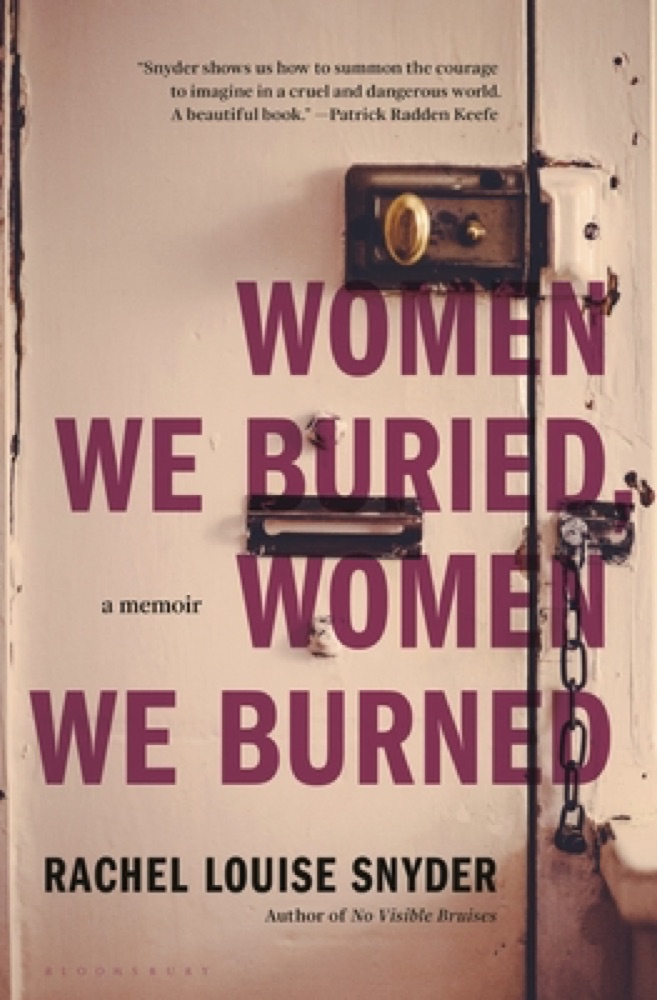
For decades, Rachel Louise Snyder has been a fierce advocate reporting on the darkest social issues that impact women's lives. Women We Buried, Women We Burned is her own story.
Snyder was eight years old when her mother died, and her distraught father thrust the family into an evangelical, cult-like existence halfway across the country. Furiously rebellious, she was expelled from school and home at age 16. Living out of her car and relying on strangers, Rachel found herself masquerading as an adult, talking her way into college, and eventually travelling the globe.
Survival became her reporter's beat. In places like India, Tibet, and Niger, she interviewed those who had been through the unimaginable. In Cambodia, where she lived for six years, she watched a country reckon with the horrors of its own recent history. When she returned to the States with a family of her own, it was w
Book details
- First published
- 2023
- Author
- Rachel Louise Snyder
- Genre
- Biography
- Goodreads rating
- 3.92 (5k ratings)
The buzz
- The New York TimesReview in The New York Timesprofessional review (via Book Marks)
- The Washington PostReview in The Washington Postprofessional review (via Book Marks)
- Kirkus ReviewsReview in Kirkus Reviewsprofessional review (via Book Marks)
- Publishers WeeklyReview in Publishers Weeklyprofessional review (via Book Marks)
- The Boston GlobeReview in The Boston Globeprofessional review (via Book Marks)
- Star TribuneReview in Star Tribuneprofessional review (via Book Marks)
Keep reading
Somebody's Daughter
 The House of My Mother: A Daughter's Quest for Freedom
 Men We Reaped
 The Death of Vivek Oji
 Notes on Your Sudden Disappearance
 Heart Berries
 Hot Milk
 Wild Game: My Mother, Her Lover, and Me
 The First Time She Drowned
 All But My Life: A Memoir
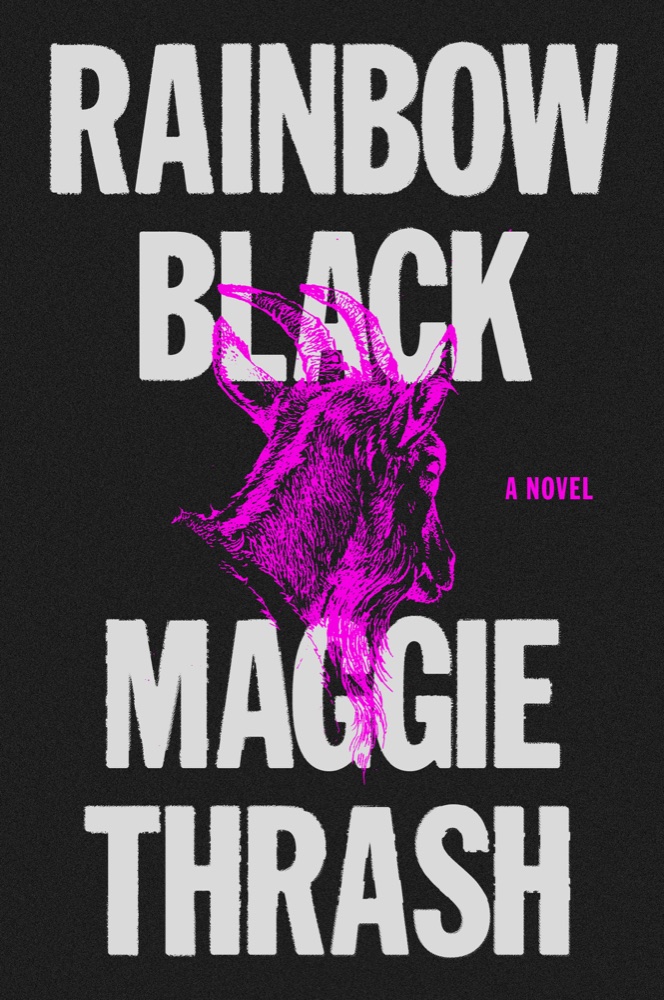 Rainbow Black
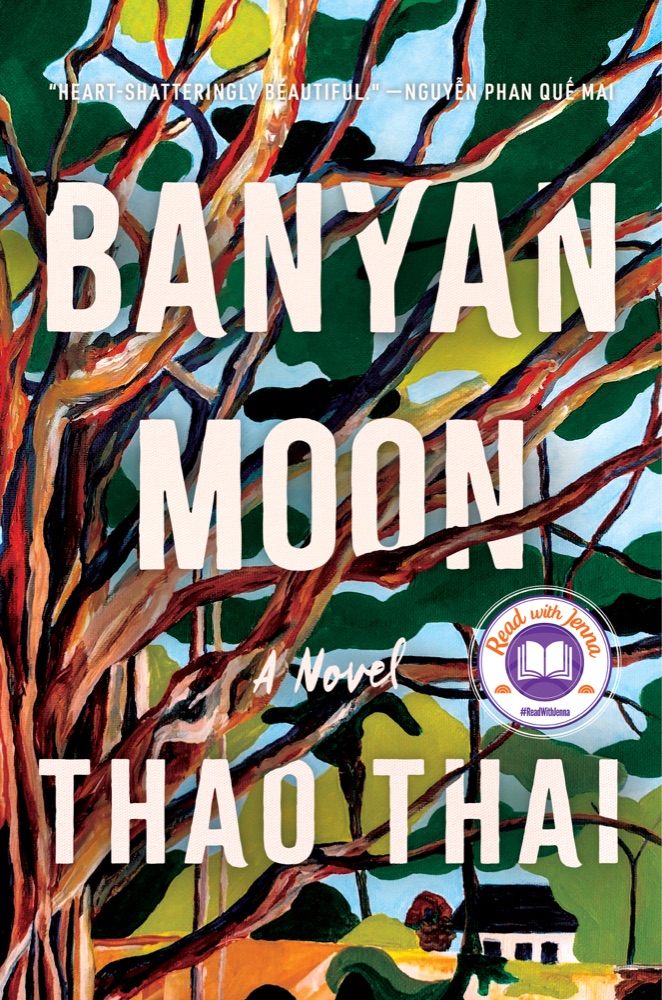 Banyan Moon
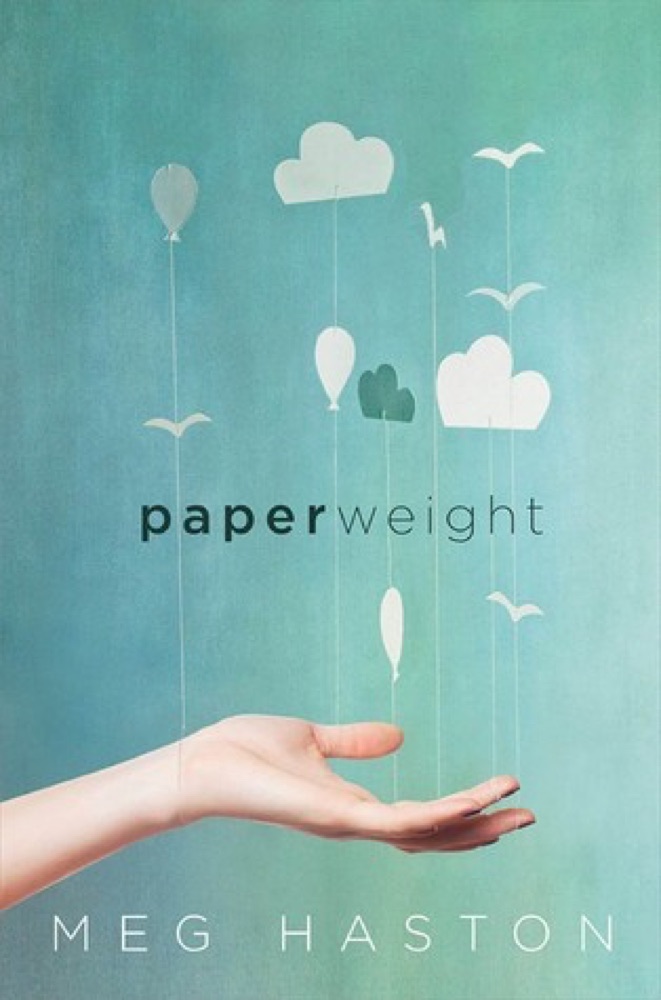 Paperweight
 The Lost Daughter
 The Push
 How We Fight For Our Lives
 The Sweet Hereafter
 Lucky
Lucky
 All Fours
 I'm Supposed to Protect You from All This
 Her Body and Other Parties
 The Lamb
 Bastard Out of Carolina
 The Days of Abandonment
 The Harder I Fight the More I Love You: A Memoir
 From Here to the Great Unknown
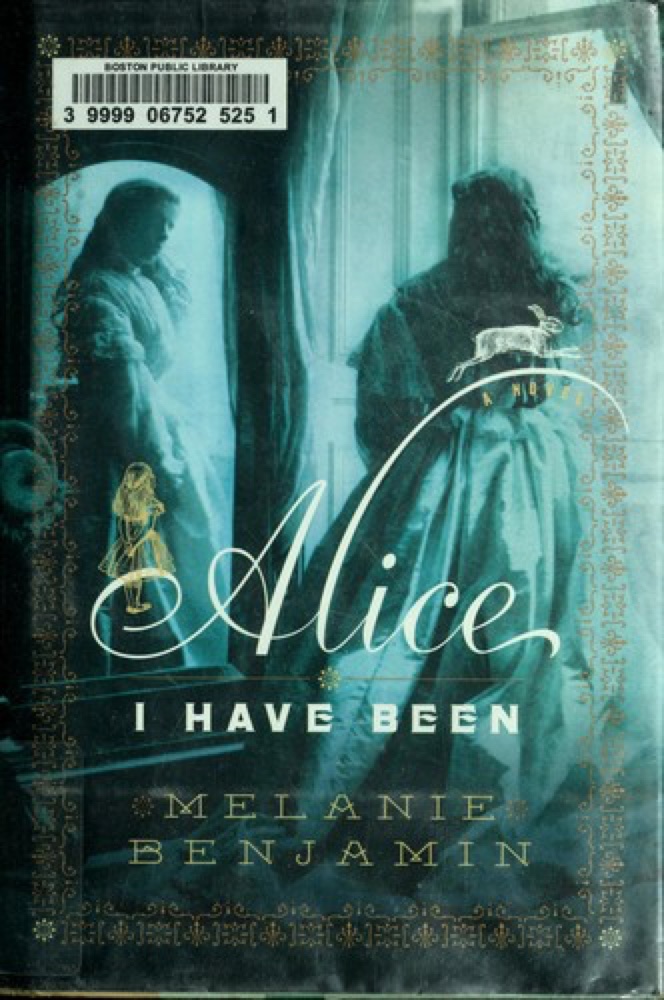 Alice I Have Been
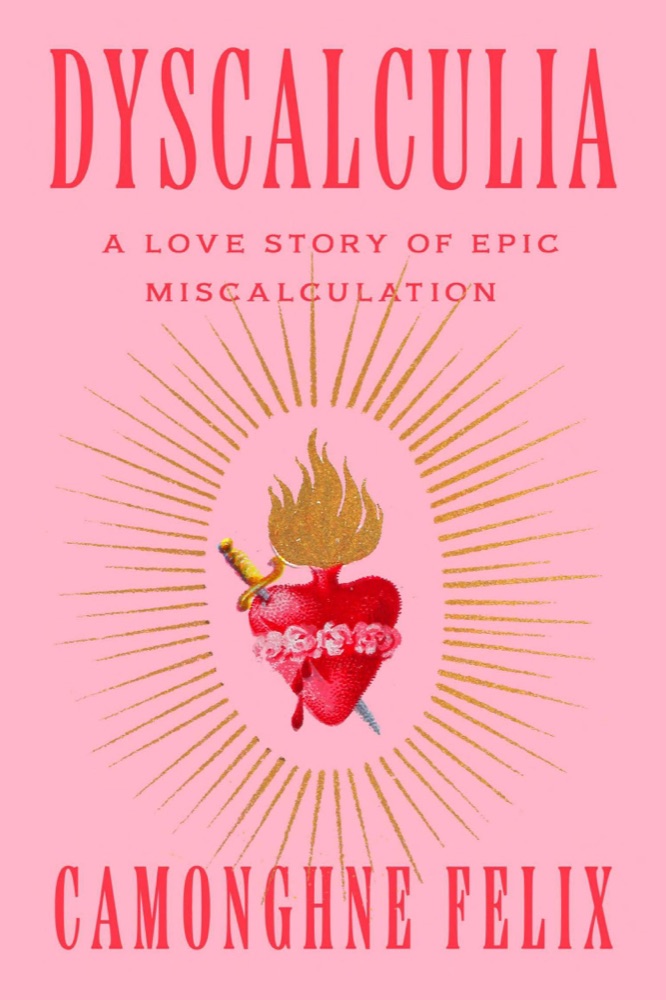 Dyscalculia: A Love Story of Epic Miscalculation
 Fire Shut Up in My Bones: A Memoir
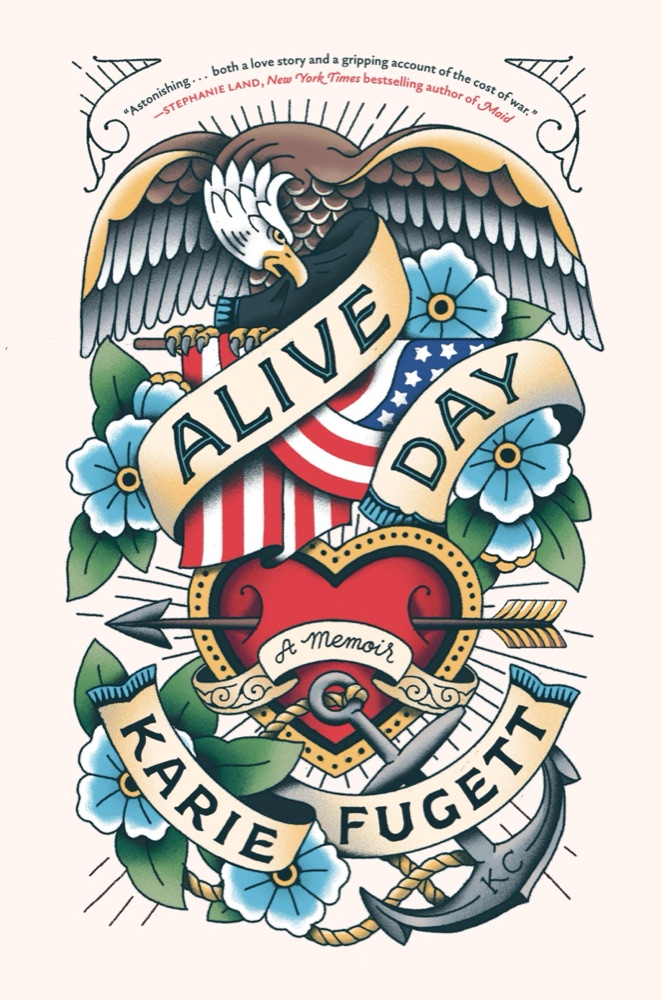 Alive Day: A Memoir
 A Small Indiscretion
 The Story of a New Name
 Inside Out
 One True Thing
 The Likeness
 When God Was a Rabbit
 I Who Have Never Known Men
 The Tell: A Memoir
 All My Puny Sorrows
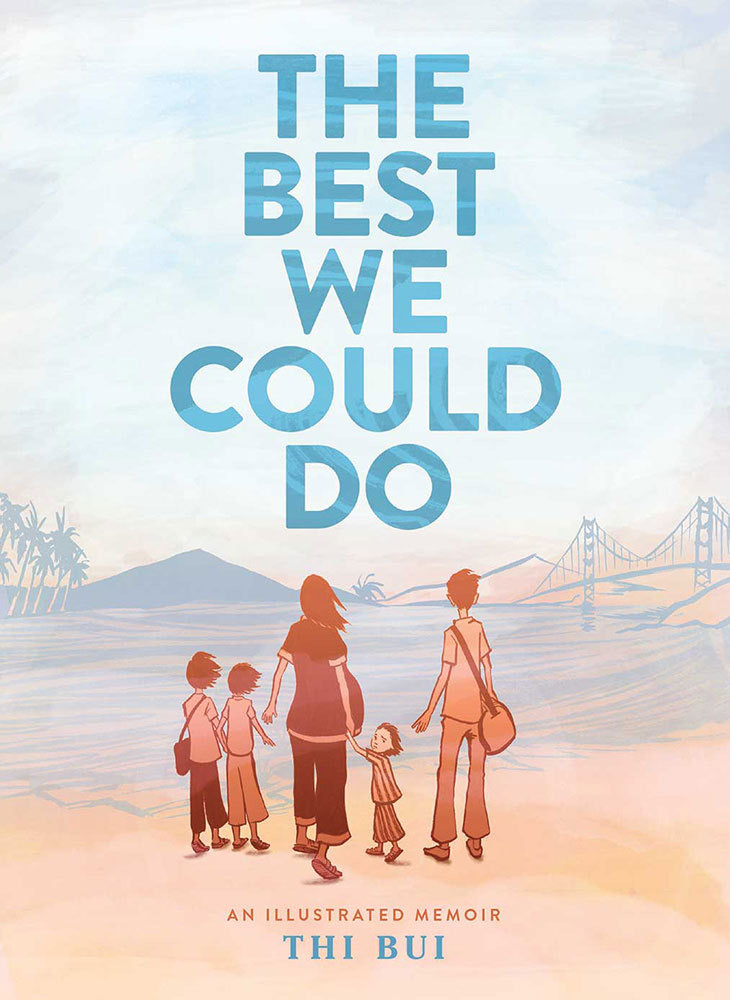 The Best We Could Do
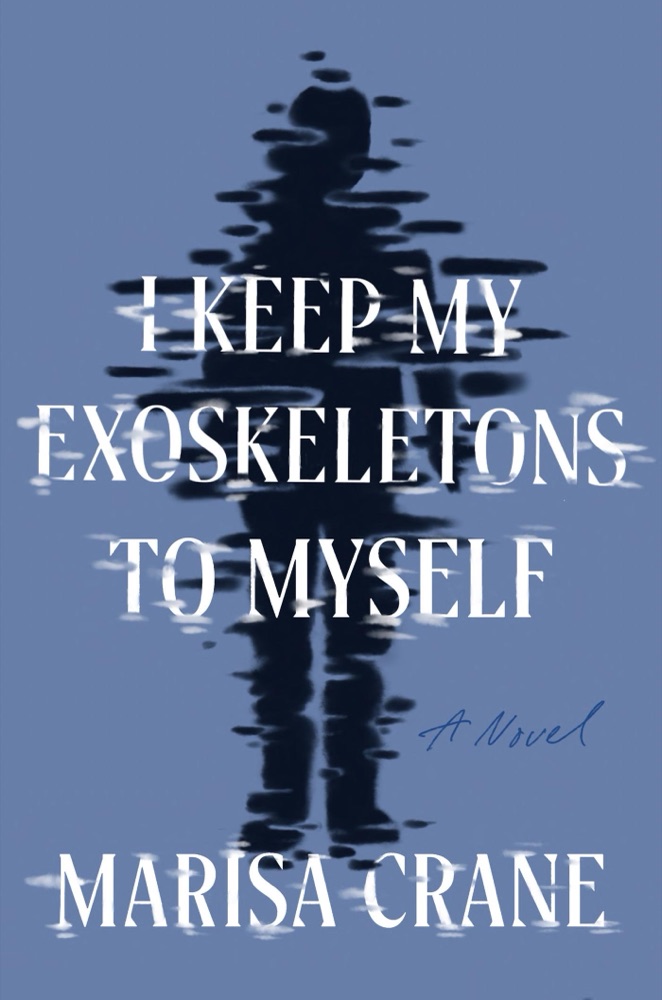 I Keep My Exoskeletons to Myself
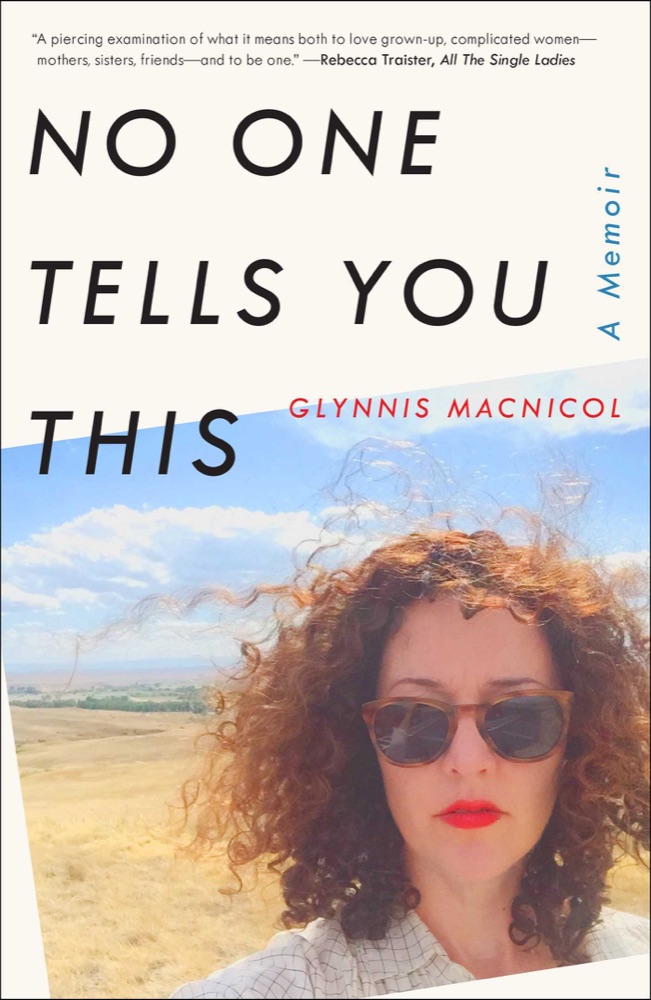 No One Tells You This
 Swimming in the Dark
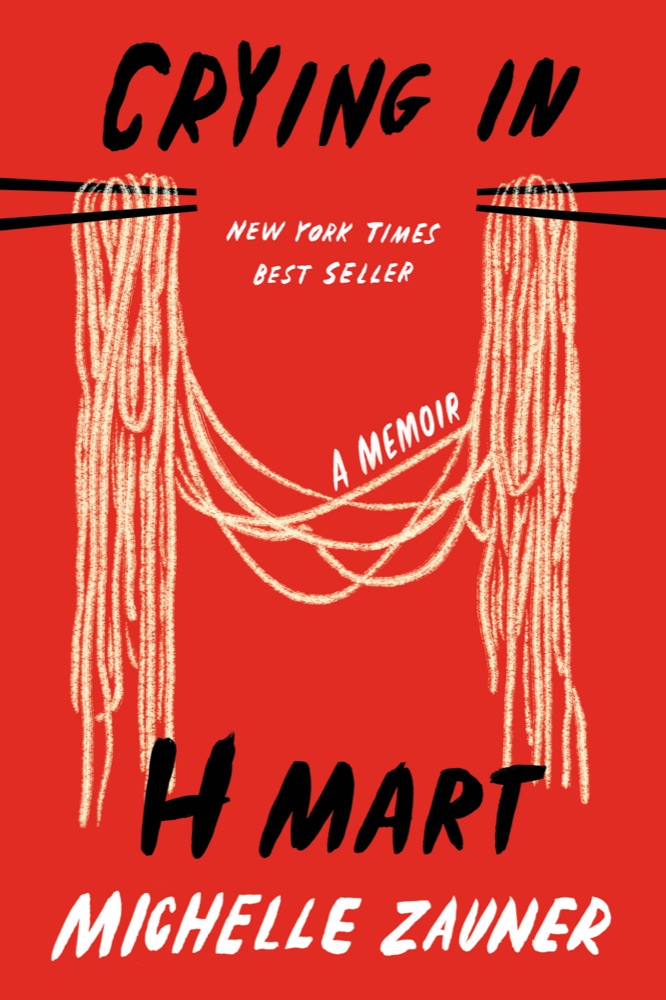 Crying in H Mart
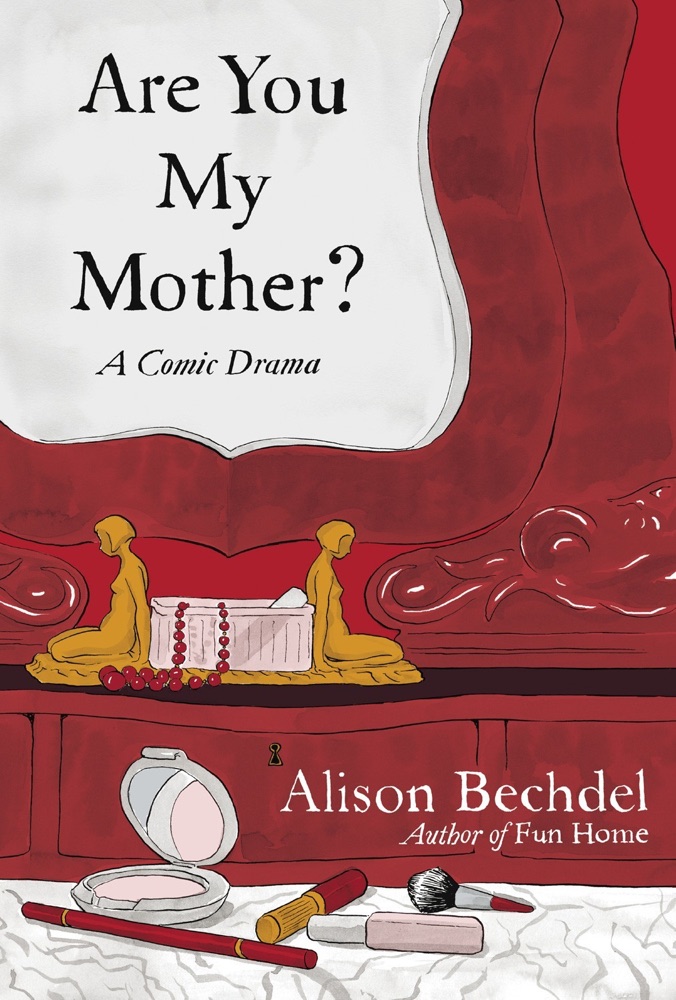 Are You My Mother?: A Comic Drama
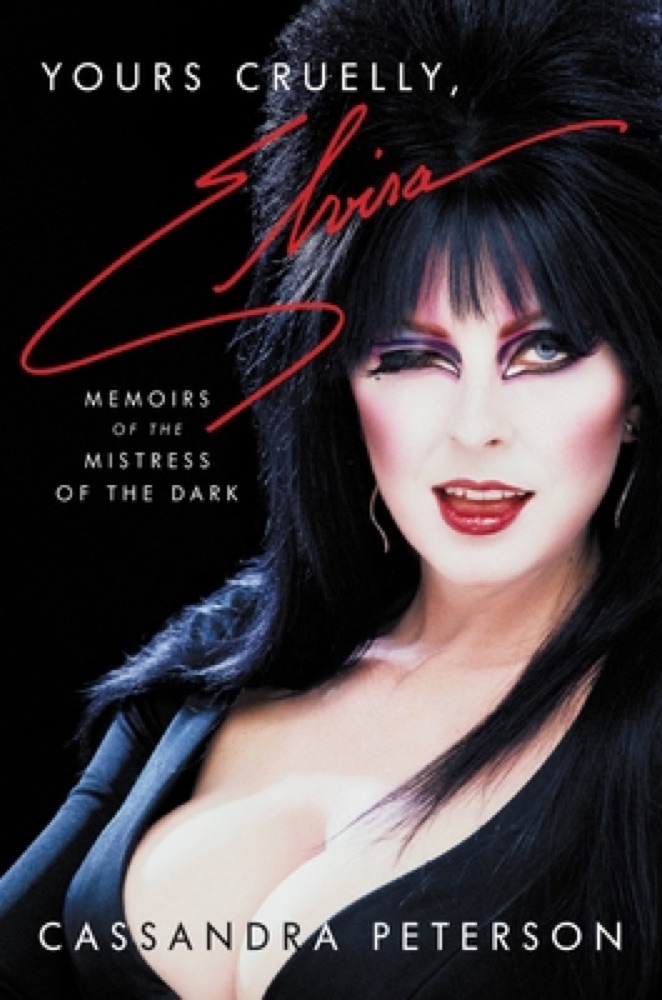 Yours Cruelly, Elvira: Memoirs of the Mistress of the Dark
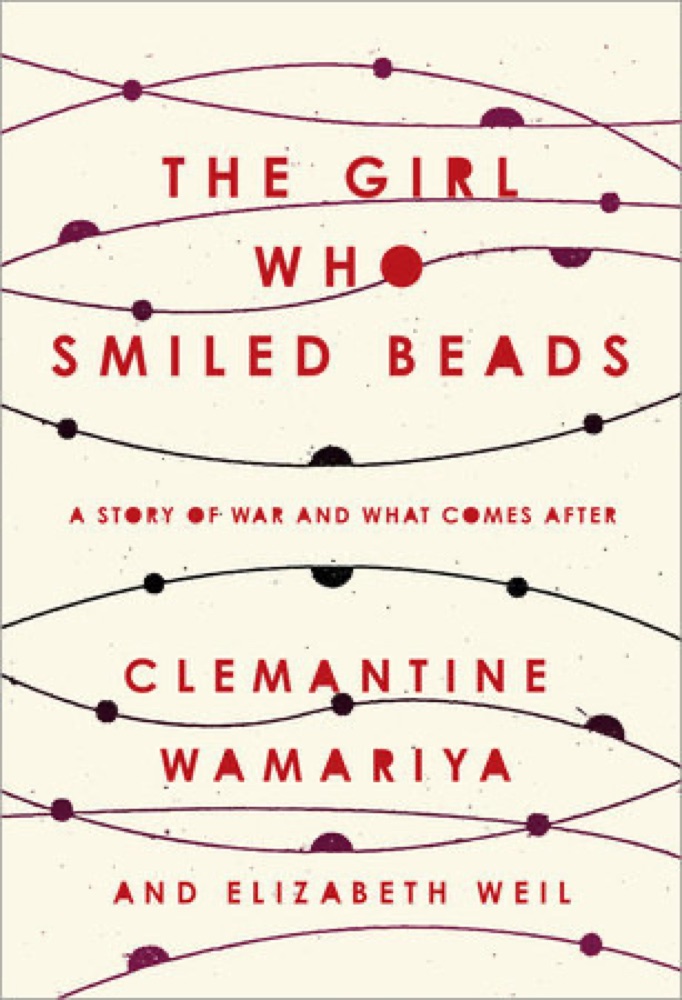 The Girl Who Smiled Beads: A Story of War and What Comes After
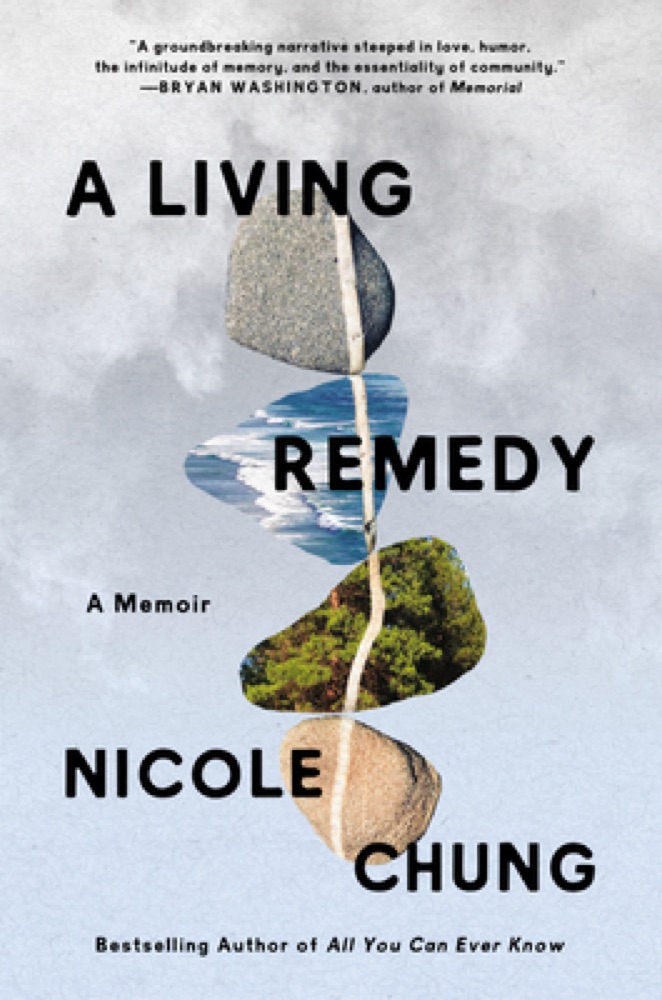 A Living Remedy: A Memoir – A Daughter's Narrative of Adoption, Class Inequality, and Grief in America
 Dreams of Falling
 Chlorine
 Em and The Big Hoom
 Uncultured: A Memoir
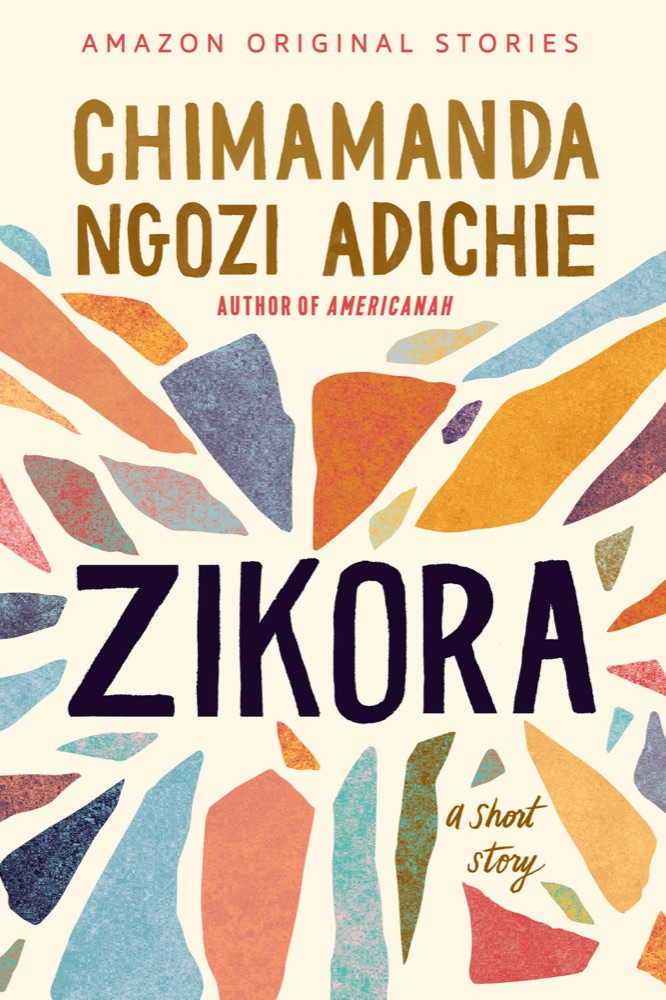 Zikora
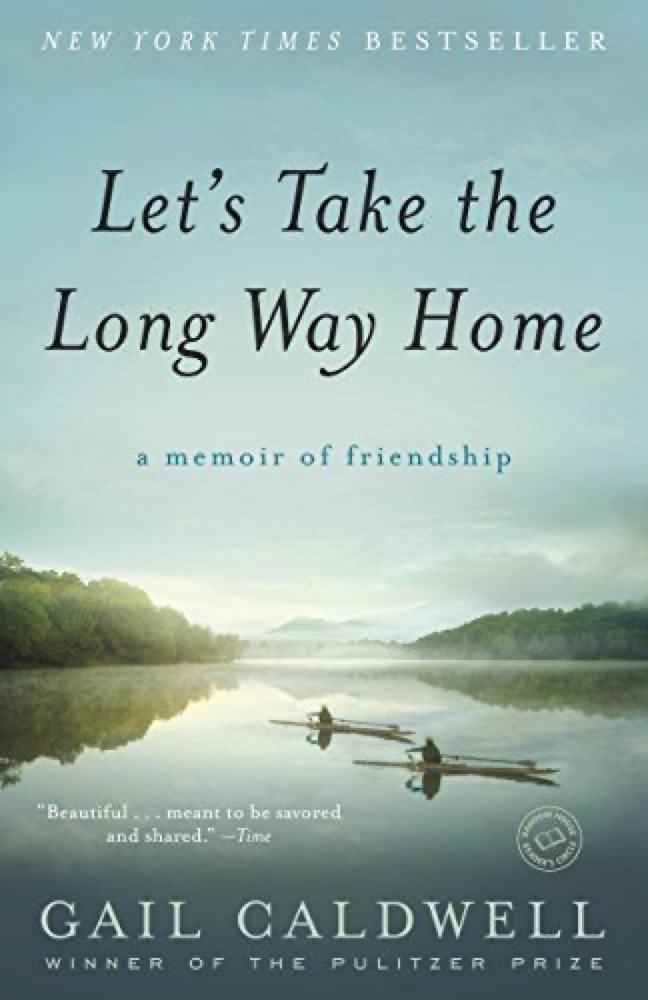 Let's Take the Long Way Home: A Memoir of Friendship
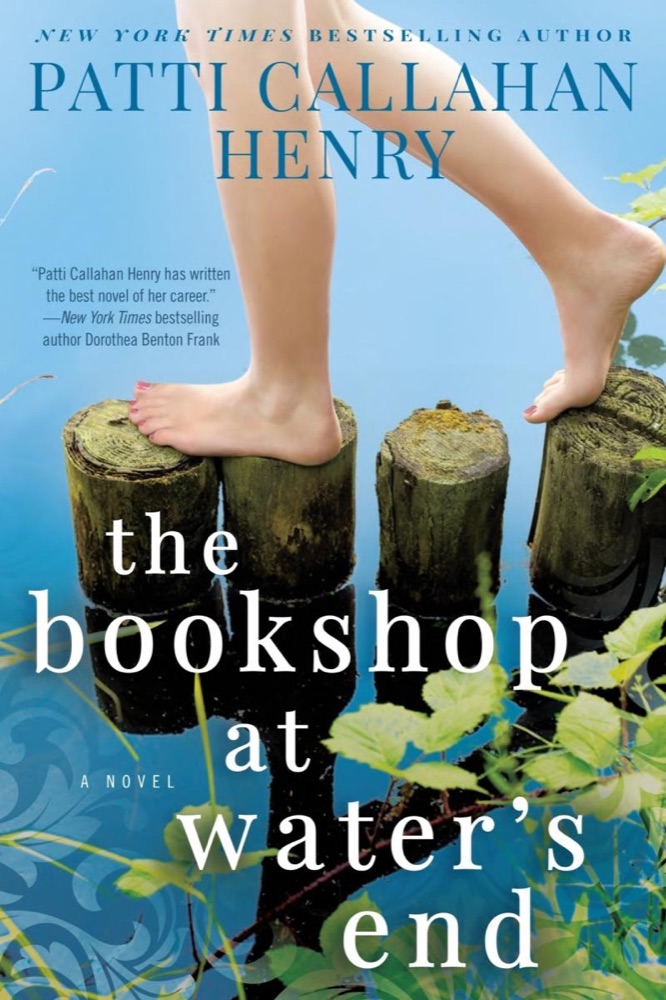 The Bookshop at Water's End
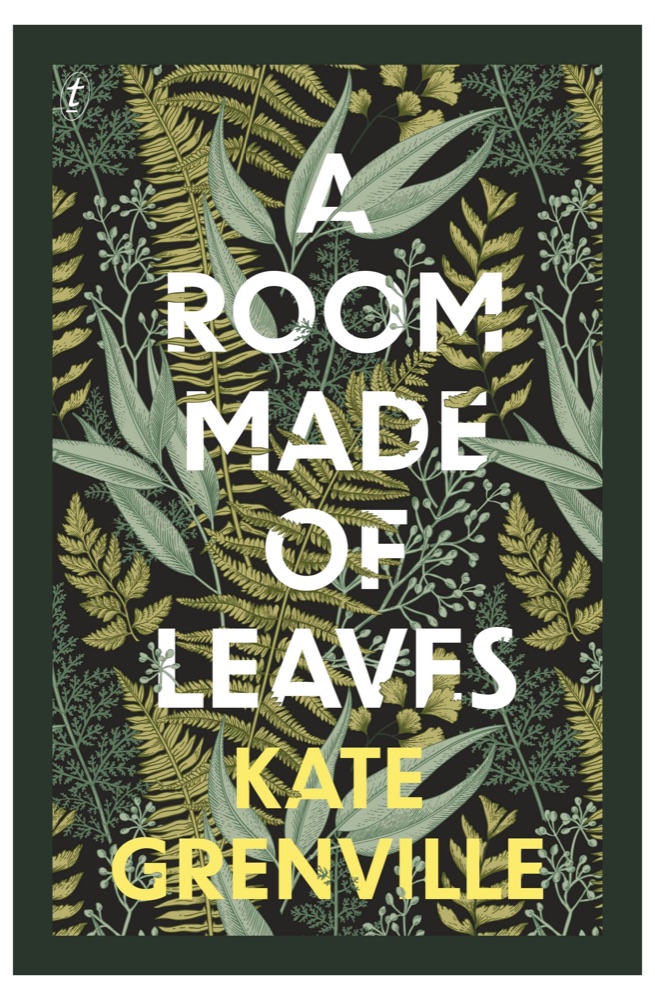 A Room Made of Leaves
 The Kind Worth Killing
 The Spirit Bares Its Teeth
 The Aviator's Wife
 Stray: Memoir of a Runaway