
 The Death and Life of Great American Cities
Quotes from the Book
fundamental view of the world. It says that when you build a thing you cannot merely build that thing in isolation, but must also repair the world around it, and within it, so that the larger world at that one place becomes more coherent, and more whole; and the thing which you make takes its place in the web of nature, as you make it.
14
In short, no pattern is an isolated entity. Each pattern can exist in the world, only to the extent that is supported by other patterns: the larger patterns in which it is embedded, the patterns of the same size that surround it, and the smaller patterns which are embedded in it.
12
towns and buildings will not be able to become alive, unless they are made by all the people in society, and unless these people share a common pattern language, within which to make these buildings, and unless this common pattern language is alive itself.
6
...towns and buildings will not be able to become alive, unless they are made by all the people in society...
2
If you spend eight hours of your day at work, and eight hours at home, there is no reason why your workplace should be any less of a community than your home.
2
...when you build a thing you cannot merely build that thing in isolation, but must also repair the world around it, and within it, so that the larger world at that one place becomes more coherent, and more whole; and the thing which you make takes its place in the web of nature, as you make it.
2
from an estimate of the global population in the year 2000, which is anticipated to rise to the 10,000 million mark, I suggest that we should be thinking in terms of an ideal regional state at something around ten million, or between five and fifteen million, to give greater flexibility. This would furnish the U.N. with an assembly of equals of 1000 regional representatives: a body that would be justified in claiming to be truly representative of the world’s population.
1
light on two sides” was a tenet of the old Beaux Arts design tradition.)
1
Watch on YouTube
About Christopher W. Alexander
We have collected 8 quotes from 1 book by Christopher W. Alexander on BookQuoters.
More about the author →About the book
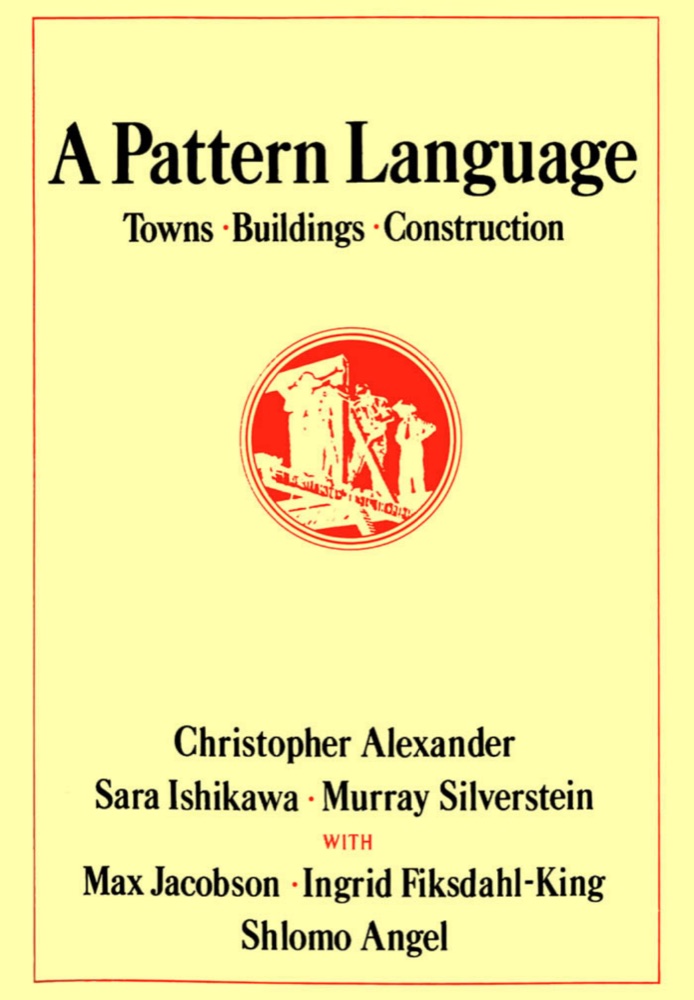
At the core of A Pattern Language is the philosophy that in designing their environments people always rely on certain ‘languages,’ which, like the languages we speak, allow them to articulate and communicate an infinite variety of designs within a formal system which gives them coherence.
This book provides a language of this kind. It will enable making a design for almost any kind of building, or any part of the built environment. ‘Patterns,’ the units of this language, are answers to design problems: how high should a window sill be?; how many stories should a building have?; how much space in a neighborhood should be devoted to grass and trees?
More than 250 of the patterns in this language are outlined, each consisting of a problem statement, a discussion of the problem with an illustration, and a solution. As the authors say in their introduction, many of the patterns are arc
Book details
- First published
- 1977
- Author
- Christopher W. Alexander
- Genre
- Nonfiction
- Goodreads rating
- 4.42 (6k ratings)
Keep reading
The Death and Life of Great American Cities
 Seeing Like a State: How Certain Schemes to Improve the Human Condition Have Failed
 Thinking In Systems: A Primer
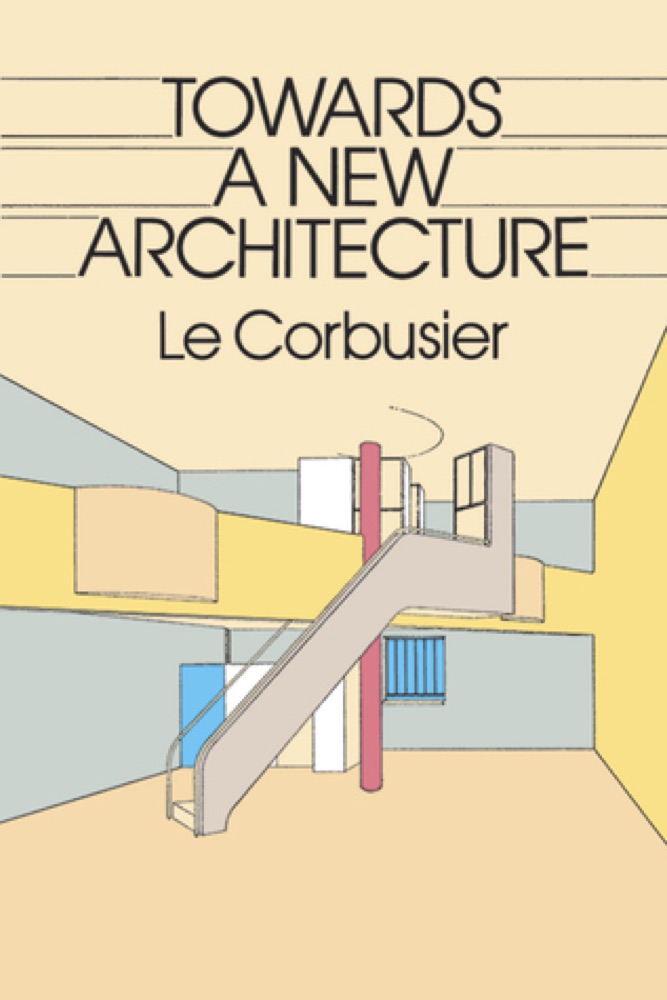 Towards a New Architecture
 Beyond Civilization: Humanity's Next Great Adventure
 Small Is Beautiful: Economics as if People Mattered
 The Grand Design
 2312
2312
 Blue Mars
 Collapse: How Societies Choose to Fail or Succeed
 The Arcades Project
 The Art of the Commonplace: The Agrarian Essays
 The World Is Flat: A Brief History of the Twenty-first Century
 The Design of Everyday Things
 Happy City: Transforming Our Lives Through Urban Design
 Green Mars
 Permutation City
 The Fatal Conceit: The Errors of Socialism
 The Beauty of Everyday Things
 The Evolution of Everything: How New Ideas Emerge
 The Wizard and the Prophet: Two Remarkable Scientists and Their Dueling Visions to Shape Tomorrow's World
 The Wayfinders: Why Ancient Wisdom Matters in the Modern World
 Robots and Empire
 A Knight of the Word
 The World-Ending Fire: The Essential Wendell Berry
 Staying with the Trouble: Making Kin in the Chthulucene
 The Mushroom at the End of the World: On the Possibility of Life in Capitalist Ruins
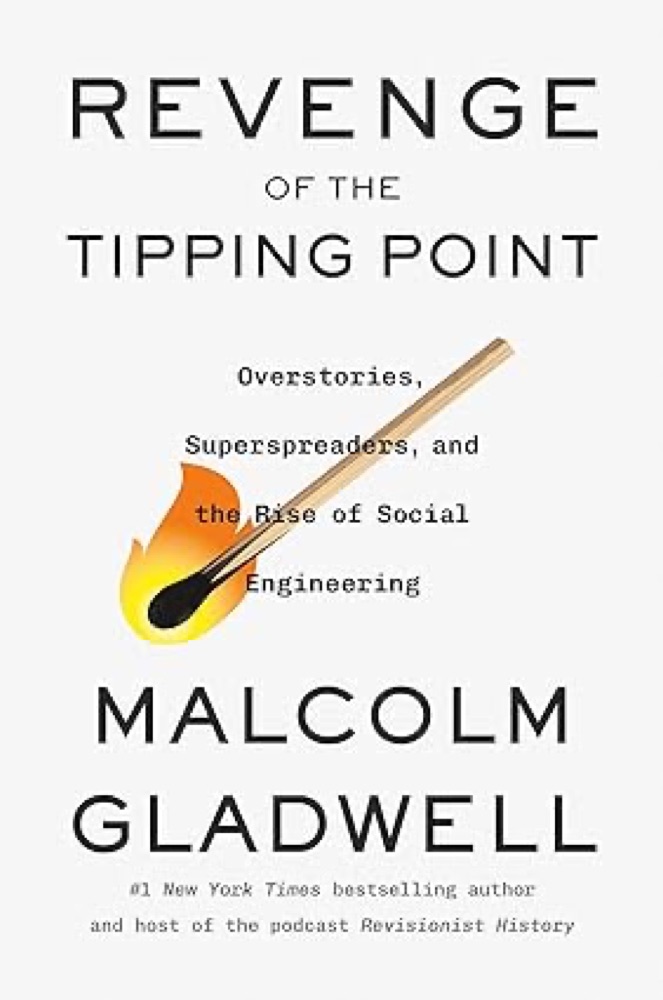 Revenge of the Tipping Point
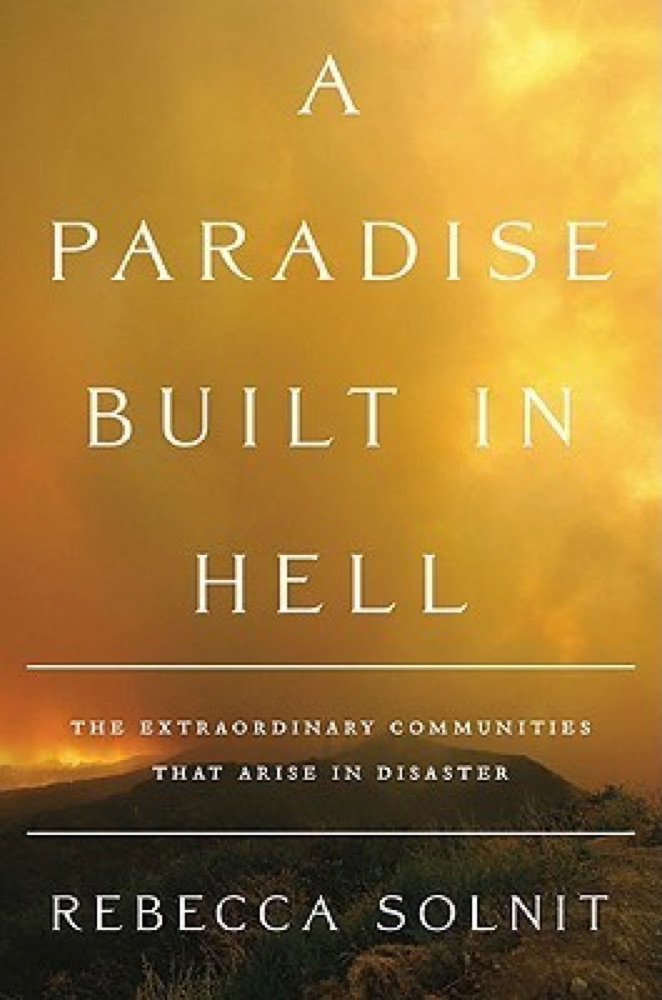 A Paradise Built in Hell: The Extraordinary Communities That Arise in Disaster
 The Fifth Science
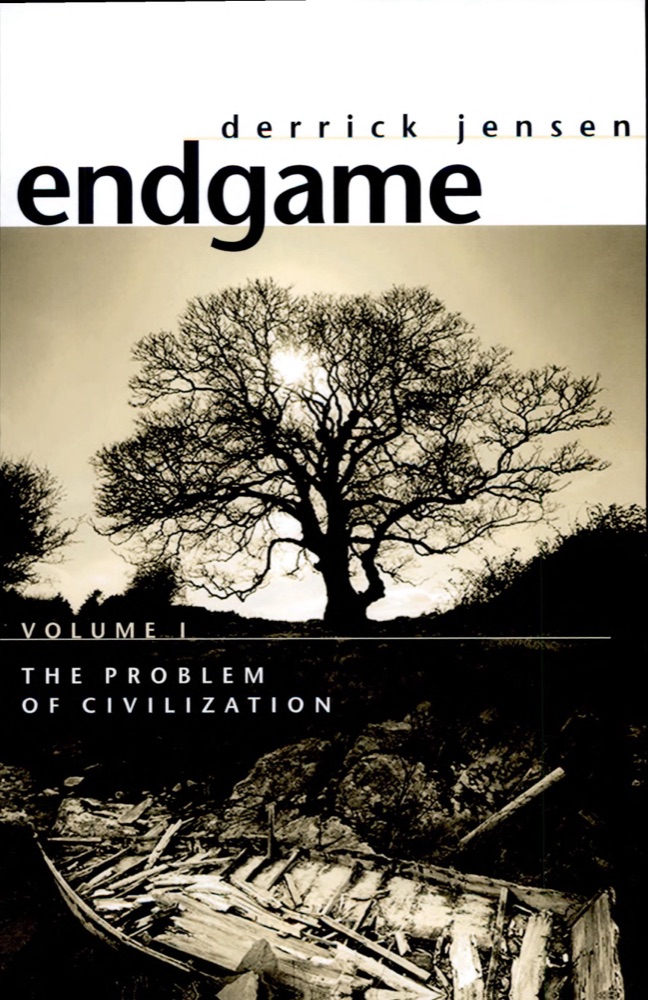 Endgame, Vol. 1: The Problem of Civilization
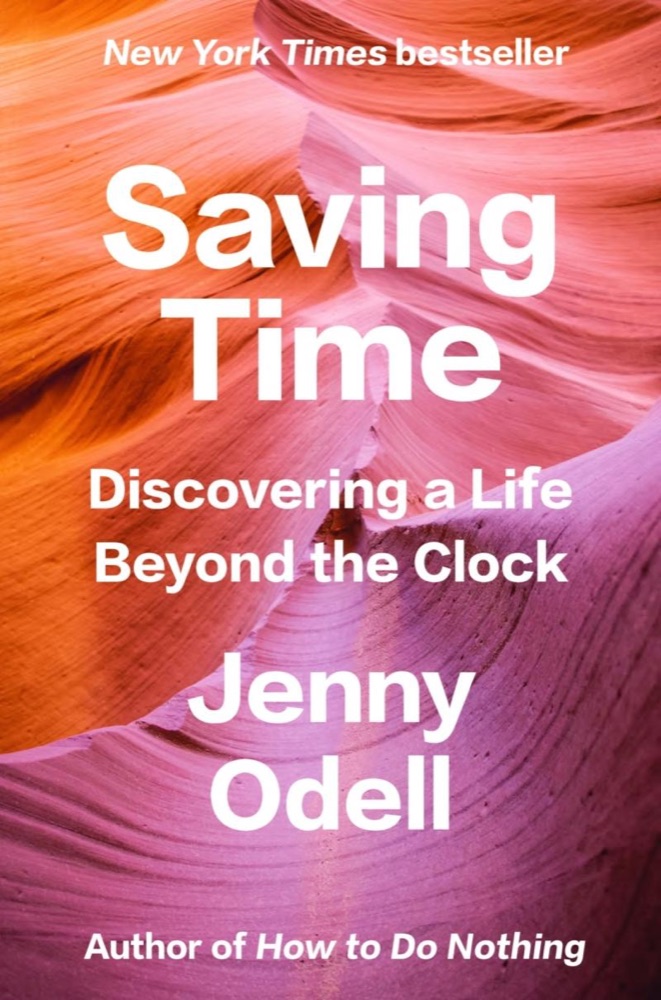 Saving Time: Discovering a Life Beyond the Clock
 The Overstory
 Shop Class as Soulcraft: An Inquiry Into the Value of Work
 What Technology Wants
 The Blind Watchmaker: Why the Evidence of Evolution Reveals a Universe Without Design
 Four Futures: Life After Capitalism
 Bicycle Diaries
 A Sand County Almanac and Sketches Here and There
 Gödel, Escher, Bach: An Eternal Golden Braid
 The Lost World
 Please Understand Me II: Temperament, Character, Intelligence
 The Story of B: An Adventure of the Mind and Spirit
 Emergent Strategy: Shaping Change, Changing Worlds
 The Tipping Point: How Little Things Can Make a Big Difference
 The Midwich Cuckoos
 The Medium is the Massage
 Understanding Media: The Extensions of Man
 On Trails: An Exploration
 The Big Picture: On the Origins of Life, Meaning, and the Universe Itself
 All We Can Save: Truth, Courage, and Solutions for the Climate Crisis
 The Ghost Map: The Story of London's Most Terrifying Epidemic - and How It Changed Science, Cities, and the Modern World
 Cradle to Cradle: Remaking the Way We Make Things
 Finite and Infinite Games: A Vision of Life as Play and Possibility
 Where Good Ideas Come From: The Natural History of Innovation
 Walden Two
 The World Without Us
 The Architecture of Happiness
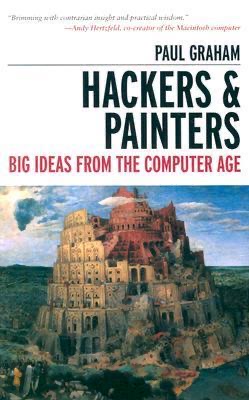 Hackers & Painters: Big Ideas from the Computer Age
 Genome