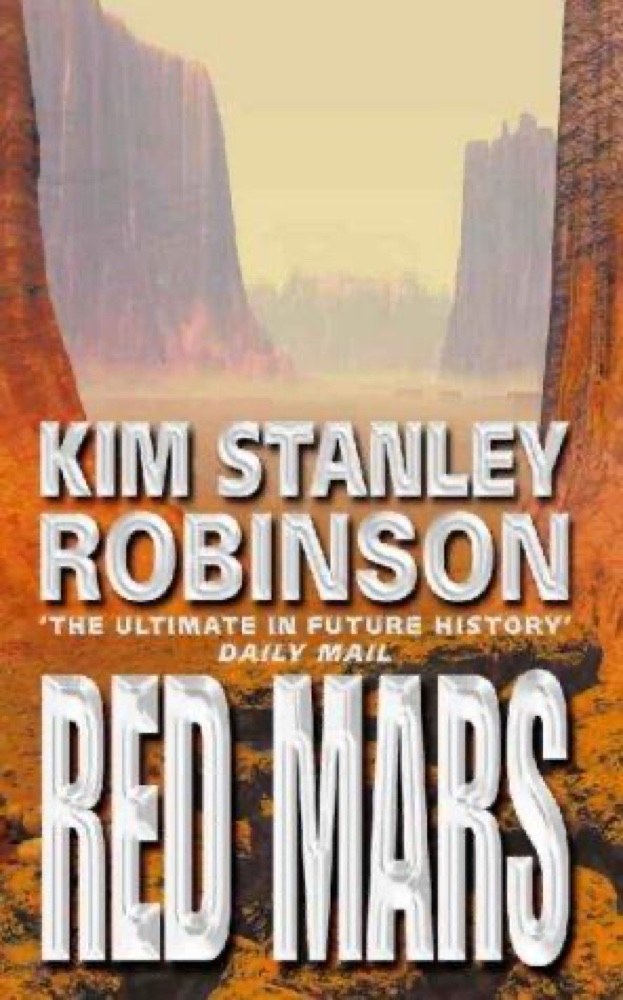
 Red Mars
Quotes from the Book
Humans were still not only the cheapest robots around, but also, for many tasks, the only robots that could do the job. They were self-reproducing robots too. They showed up and worked generation after generation; give them 3000 calories a day and a few amenities, a little time off, and a strong jolt of fear, and you could work them at almost anything. Give them some ameliorative drugs and you had a working class, reified and coglike.
49
Here they were, on the only planetary surface on which you could walk freely, naked to the wind and the sun, and when they had a choice, they sat in boxes and stared at littler boxes, just as if they had no choice-as if they were in a space station-
17
In the pseudoiterative, one performs the ritual of the day attentive to both the joy of the familiar and the shiver of the accidental.
17
health, social life, job, house, partners, finances; leisure use, leisure amount; working time, education, income, children; food, water, shelter, clothing, sex, health care; mobility; physical safety, social safety, job security, savings account, insurance, disability protection, family leave, vacation; place tenure, a commons; access to wilderness, mountains, ocean; peace, political stability, political input, political satisfaction; air, water, esteem; status, recognition; home, community, neighbors, civil society, sports, the arts; longevity treatments, gender choice; the opportunity to become more what you are that's all you need
12
Make up a recipe for a successful revolution." "Take large masses of injustice, resentment and frustration. Put them in a week or failing hegemon. Sir in misery for a generation or two, until the heat rises. Throw in destabilizing circumstances to taste. A tiny pinch of event to catalyze the whole. Once the main goal of the revolution is achieved, cool instantly to institutionalize the new order.
10
We are here to inscribe ourselves on the universe, and it is not inappropriate to remind ourselves of this when blank slates are given us.
10
Sometimes I think it's only post-scarcity that evil exists. Before that, it could always be put down to want or fear. It was possible to believe, as apparently you did, that when fear and want went away, bad deeds would too. Humanity would be revealed as some kind of bonobo, an altruistic cooperator, a lover of all.
6
The command to be free is a double bind
6
Memory is a haunting.
5
Sad but true: individual intelligence probably peaked in the Upper Paleolithic, and we have been self-domesticated creatures ever since
4
Habits begin to form at the very first repetition. After that there is a tropism toward repetition, for the patterns involved are defenses , bulwarks against time and despair.
4
Thus physics, chemistry, biology, anthropology, sociology, history, the arts all interpenetrate each other and cohere if considered as a single convergent study. The physical studies scaffold our understanding of the life sciences, which scaffold our understanding of the human sciences, which scaffold the humanities, which scaffold the arts: and here we stand. What then is the totality? What do we call it? Can there be a study of the totality? Do history, philosophy, cosmology, science, and literature each claim to constitute the totality, an unexpandable horizon beyond which we cannot think? Could a strong discipline be defined as one that has a vision of totality and claims to encompass all the rest? And are they all wrong to do so?
3
if you program a purpose into a computer program, does that constitute its will? Does it have free will, if a programmer programmed its purpose? Is that programming any different from the way we are programmed by our genes and brains? Is a programmed will a servile will? Is human will a servile will? And is not the servile will the home and source of all feelings of defilement, infection, transgression, and rage?
3
we all began female, and always had both sexual hormones in us. We always had masculine and feminine behavioral traits, which we had to train into gender-appropriate behaviors, even though they were traits that everyone has. We selectively encouraged or repressed traits, so for most of our history we have reinforced gender. But in our deepest selves we were always both.
3
You can either have high specific intelligence or high general intelligence, but not both.
3
Saint George, a social terrarium in which the men think they are living in a Mormon polygamy, while the women consider it a lesbian world with a small percentage of male lesbians
2
the space diaspora occurred as late capitalism writhed in its internal decision concerning whether to destroy Earth’s biosphere or change its rules. Many argued for the destruction of the biosphere, as being the lesser of two evils
2
The past is always gone,” Wahram said. “Whether the place is still there or not.
2
...knowing too that [the sky] was just a kind of rainbow made it glorious. A rainbow that was blue everywhere and covered everything.
2
a circle of Göbekli T-stones, which looked very contemporary even though they were based on something over ten thousand years old.
1
Out in the terraria one lived free, like an animal—one could be an animal, make one’s own life one way or another. Live as naked as you wanted. On the God-damned Earth the accumulated traditions and laws and habits made something that was worse than any body bra; it was one’s mind that was held in place, tied in straitjackets, obliged to be like all the others in their ridiculous boxed habits. Here they were, on the only planetary surface on which you could walk freely, naked to the wind and the sun, and when they had a choice, they sat in boxes and stared at littler boxes, just as if they had no choice—as if they were in a space station—as if the bad old days of the caged centuries had never gone away. They didn’t even look up at the stars at night. Walking among them, she saw that it was so. Indeed if they had been people who were interested in the stars they would not have still been here. There overhead stood Orion at his angle, “the most beautiful object any of us will ever know in the world, spread out on the sky like a true god, in whom it would only be necessary to believe a little.” But no one looked.
1
When you look at the planet from low orbit, the impact of the Himalayas on Earth’s climate seems obvious. It creates the rain shadow to beat all rain shadows, standing athwart the latitude of the trade winds and squeezing all the rain out of them before they head southwest, thus supplying eight of the Earth’s mightiest rivers, but also parching not only the Gobi to the immediate north, but also everything to the southwest, including Pakistan and Iran, Mesopotamia, Saudi Arabia, even North Africa and southern Europe. The dry belt runs more than halfway across the Eurasia-African landmass — a burnt rock landscape, home to the fiery religions that then spread out and torched the rest of the world. Coincidence?
1
Also it isn’t clear yet whether it was an act of God or an act of war.
1
Of course there was no such thing as a true repetition of anything; ever since the pre-Socratics that had been clear, Heraclitus and his un-twice-steppable river and so on. So habits were not truly iterative, but pseudoiterative. The pattern of the day might be the same, in other words, but the individual events fulfilling the pattern were always a little bit different. Thus there was both pattern and surprise,
1
Maybe that’s what a marriage is,” Mqaret said. “Whistling together. Some kind of performance. I mean, not just a conversation, but a performance.
1
texts are written for people to read later.
Watch on YouTube
About Kim Stanley Robinson
We have collected 228 quotes from 9 books by Kim Stanley Robinson on BookQuoters.
More about the author →More by Kim Stanley Robinson
All books by Kim Stanley Robinson →
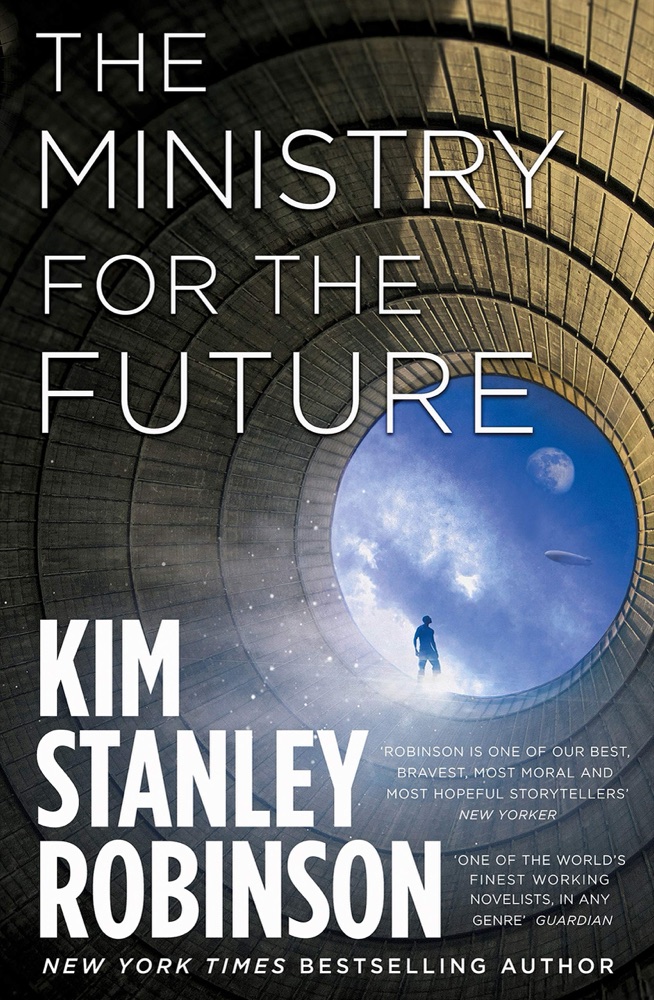
About the book
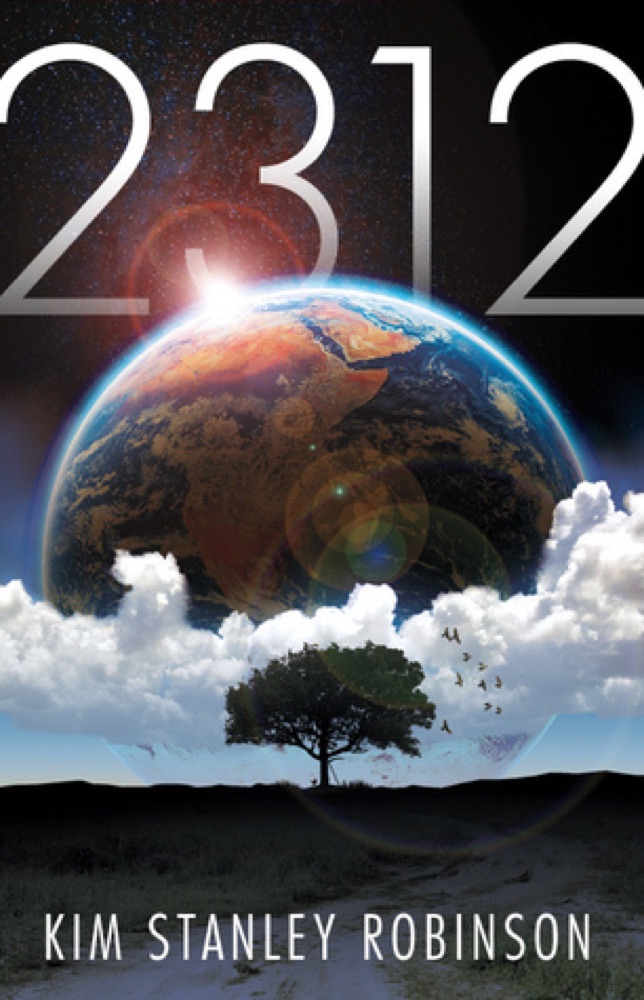
The year is 2312. Scientific and technological advances have opened gateways to an extraordinary future. Earth is no longer humanity's only home; new habitats have been created throughout the solar system on moons, planets, and in between. But in this year, 2312, a sequence of events will force humanity to confront its past, its present, and its future.The first event takes place on Mercury, on the city of Terminator, itself a miracle of engineering on an unprecedented scale. It is an unexpected death, but one that might have been foreseen. For Swan Er Hong, it is an event that will change her life. Swan was once a woman who designed worlds. Now she will be led into a plot to destroy them.
Book details
- First published
- 2012
- Author
- Kim Stanley Robinson
- Genre
- Science Fiction
- Goodreads rating
- 3.53 (22k ratings)
Keep reading
 The Fifth Science
 Seven Surrenders
 Blue Remembered Earth
 The Stone Gods
 Blue Mars
 The Futurological Congress: From the Memoirs of Ijon Tichy
 Stories of Your Life and Others
 Death's End
 Exhalation
Red Mars
Exhalation
Red Mars
 Green Mars
 Too Like the Lightning
 Songs of Distant Earth
 Permutation City
 On the Steel Breeze
 Robots and Empire
 The Star Diaries
 The Future
 Re: Colonised Planet 5, Shikasta
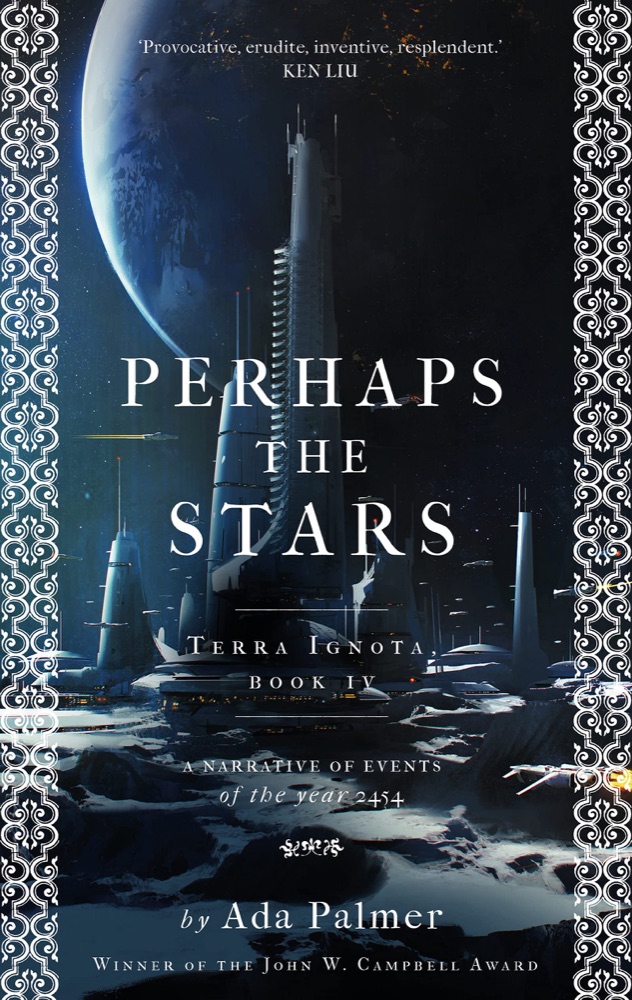 Perhaps the Stars
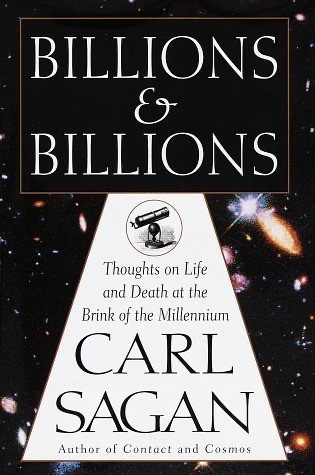 Billions & Billions: Thoughts on Life and Death at the Brink of the Millennium
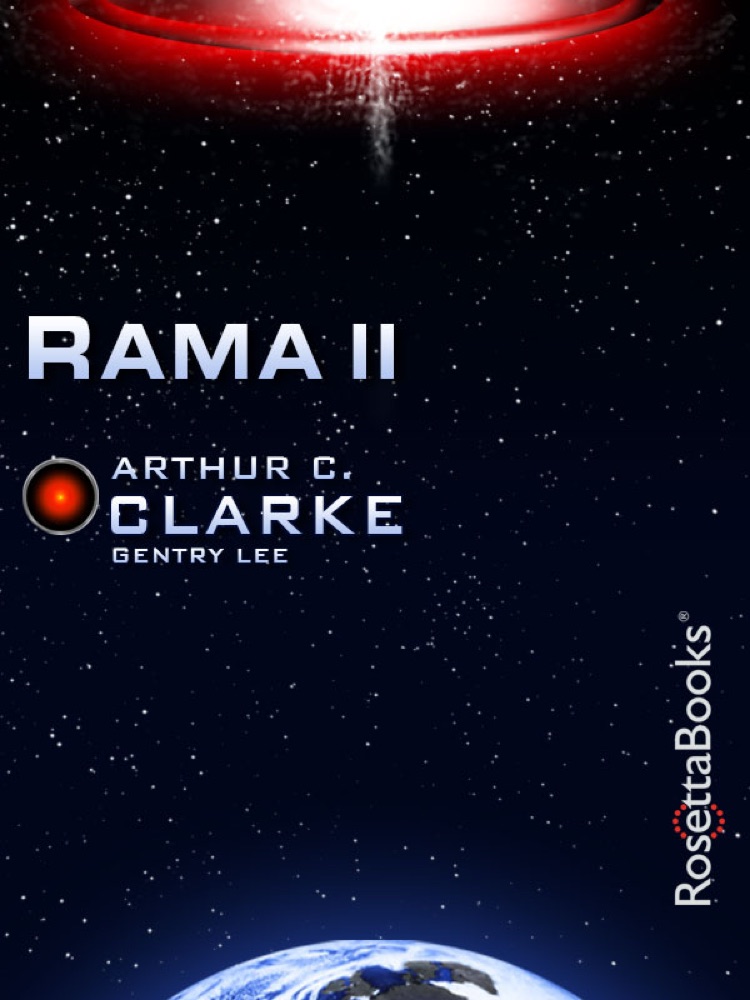 Rama II
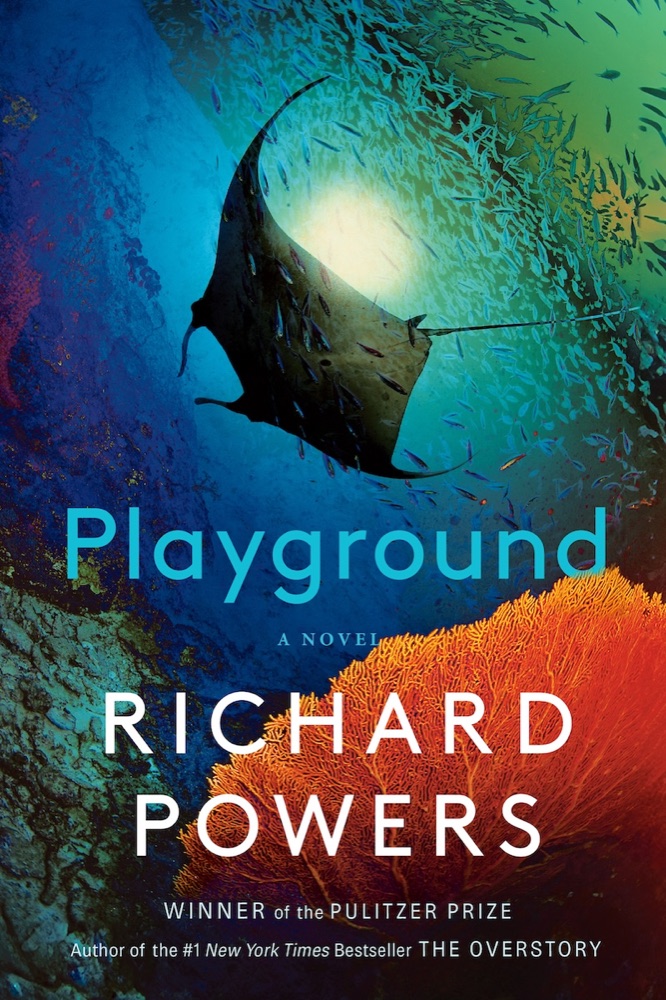 Playground
 The Rise of Endymion
 Skinny Legs and All
 House Corrino
 The Golden Compass
 The Island of the Day Before
 The State of the Art
 Bewilderment
 Record of a Spaceborn Few
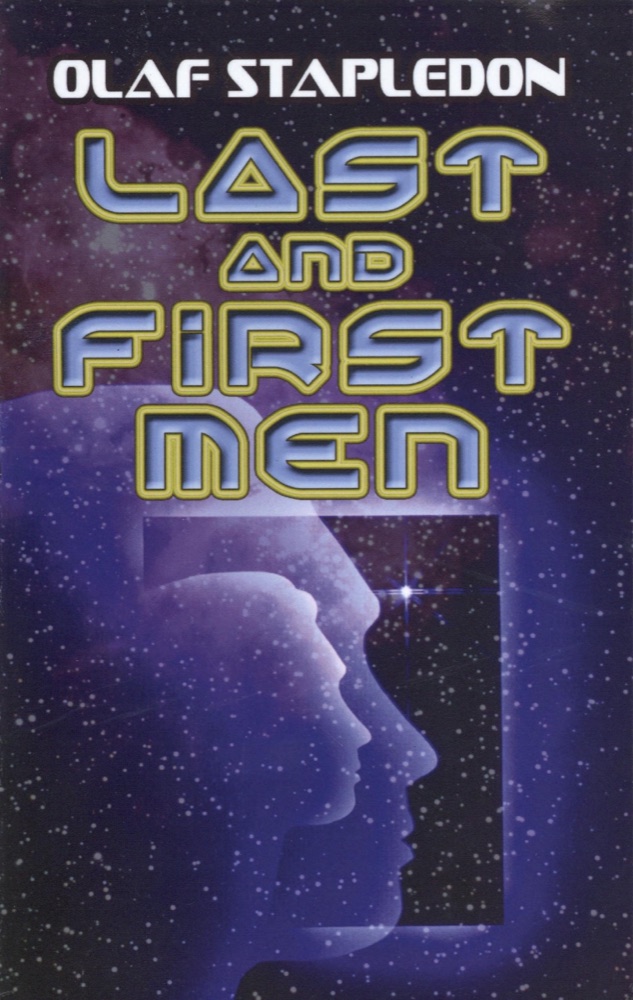 Last and First Men
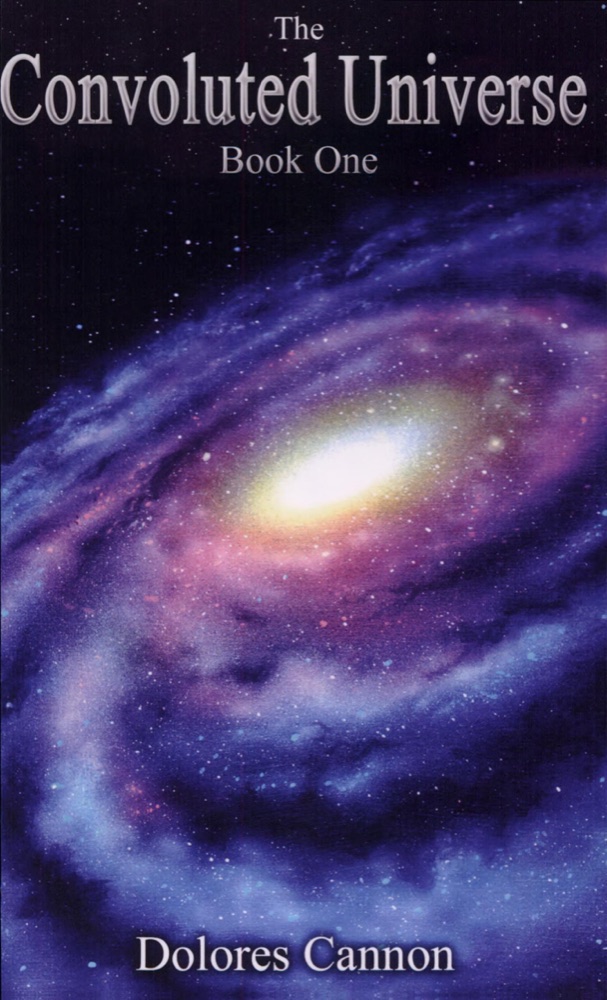 The Convoluted Universe, Book 1
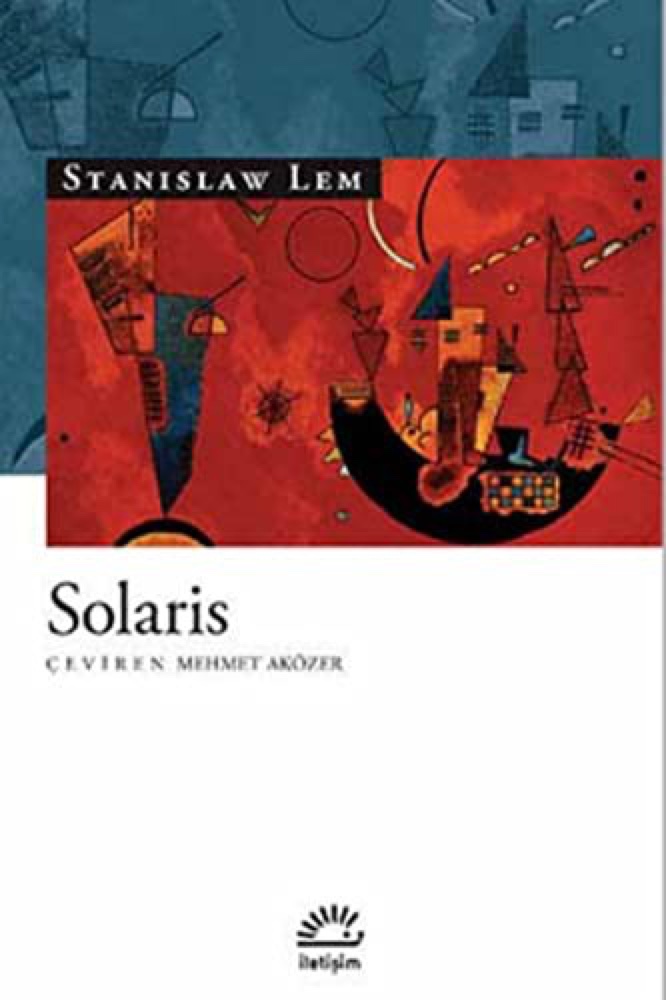 Solaris
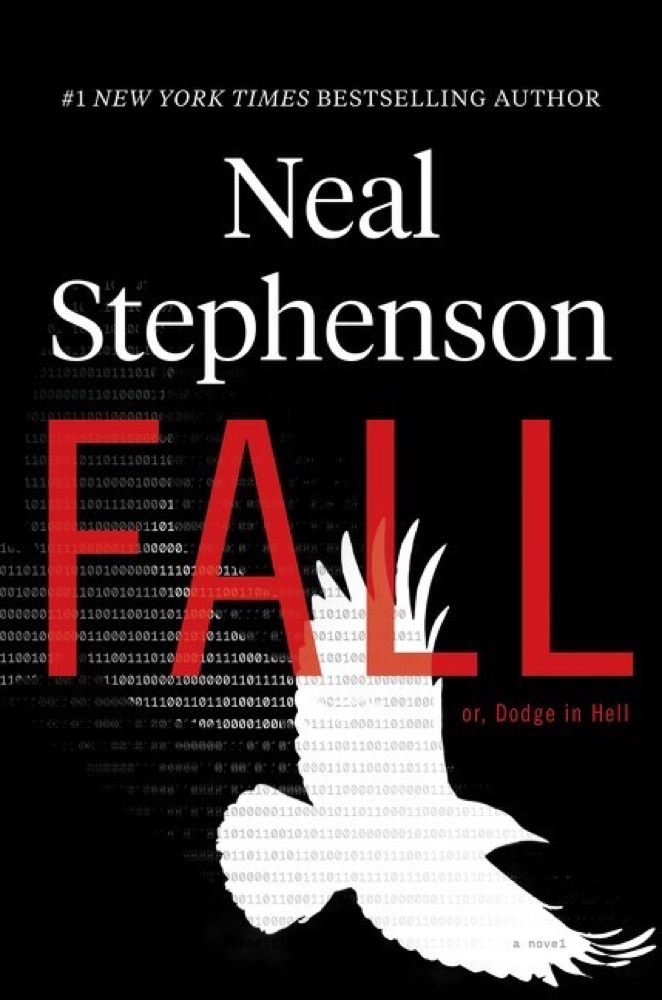 Fall; or, Dodge in Hell
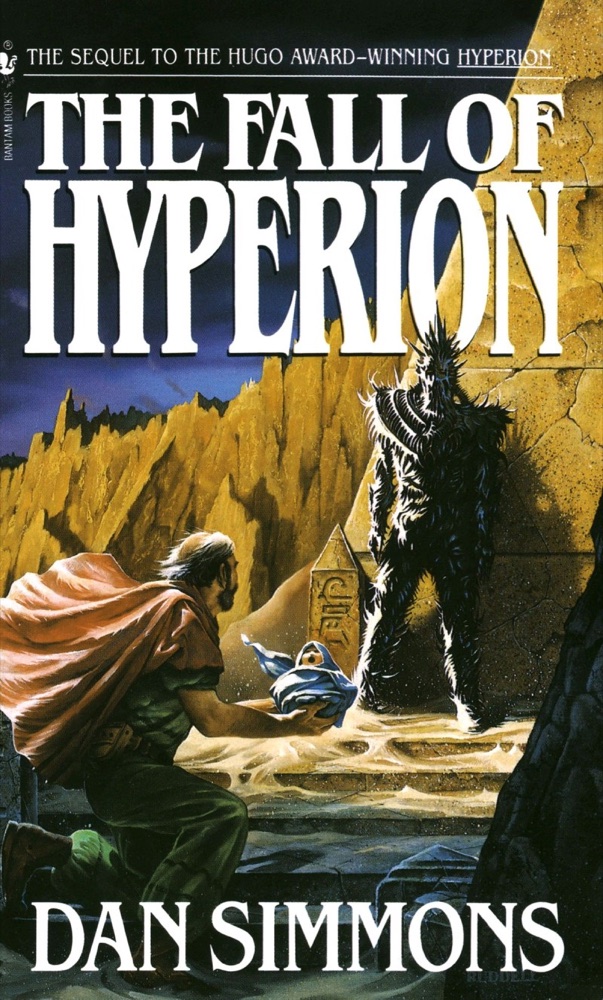 The Fall of Hyperion
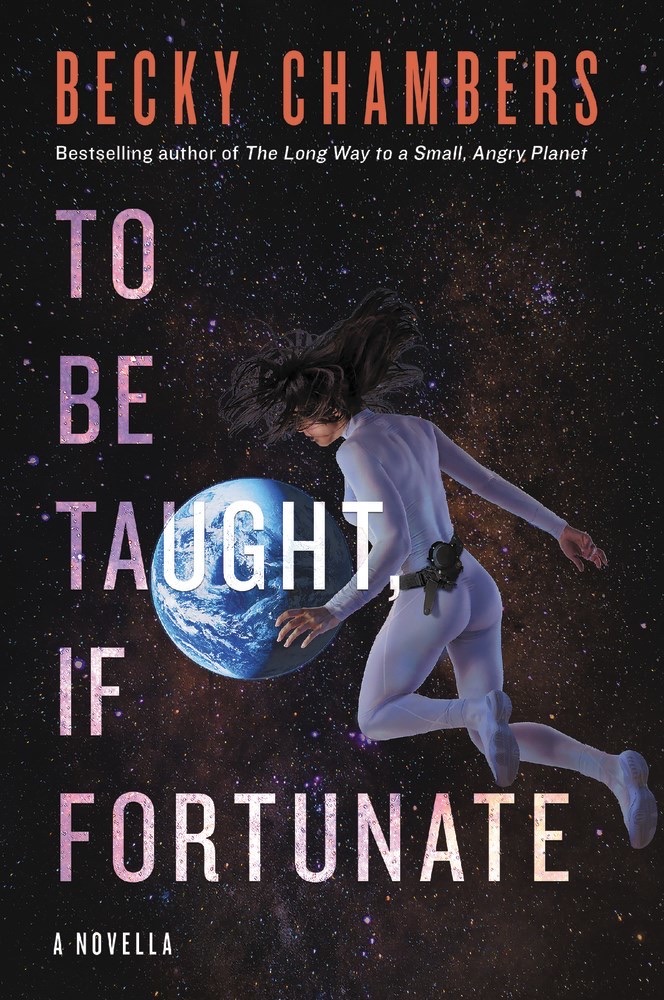 To Be Taught, If Fortunate
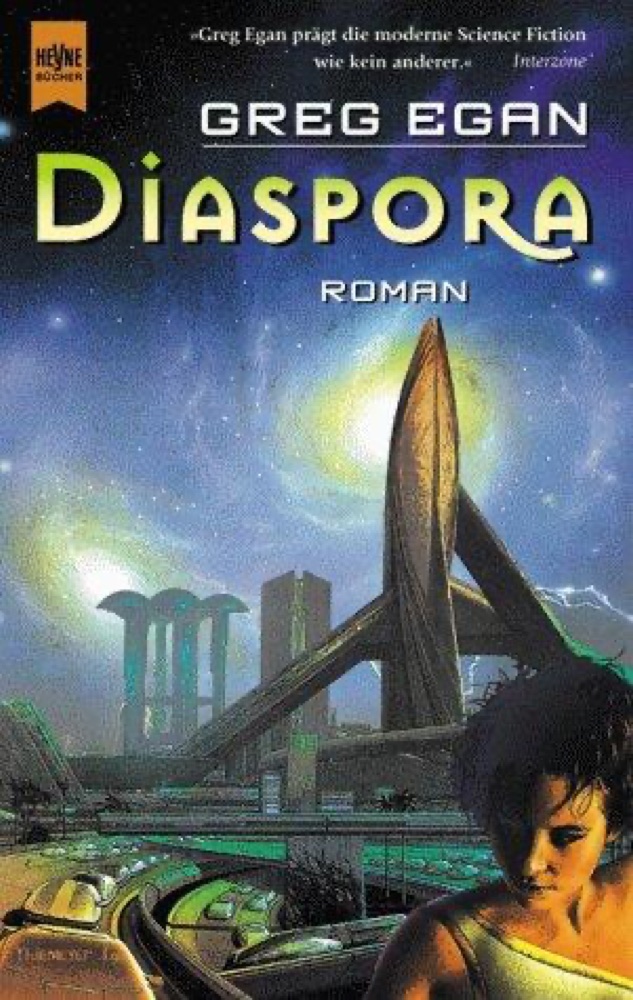 Diaspora
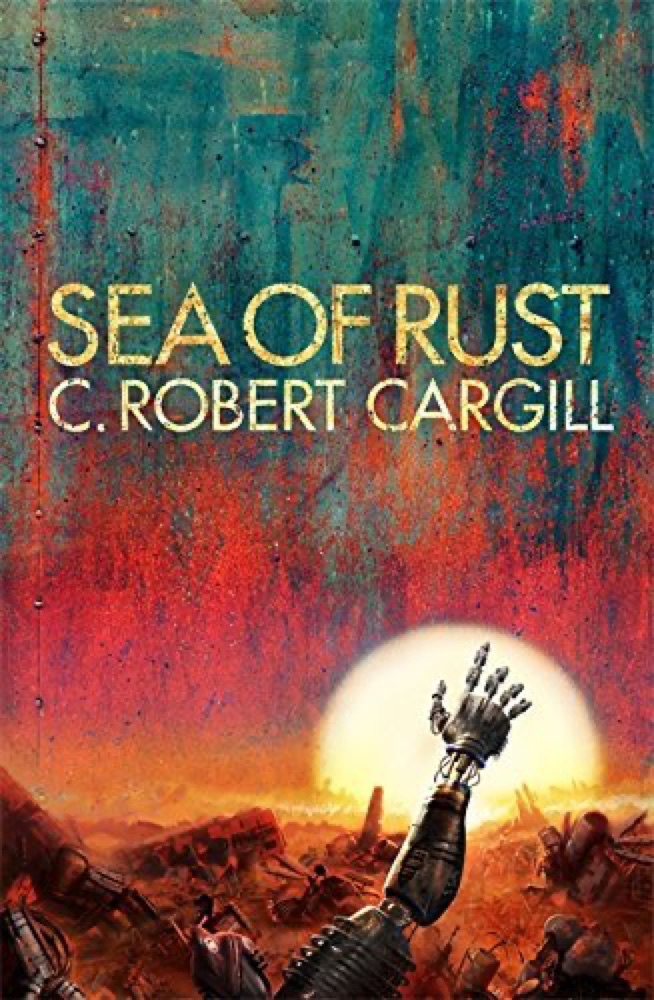 Sea of Rust
 Always Coming Home
 The Dark Forest
 The Three-Body Problem
 Pebble in the Sky
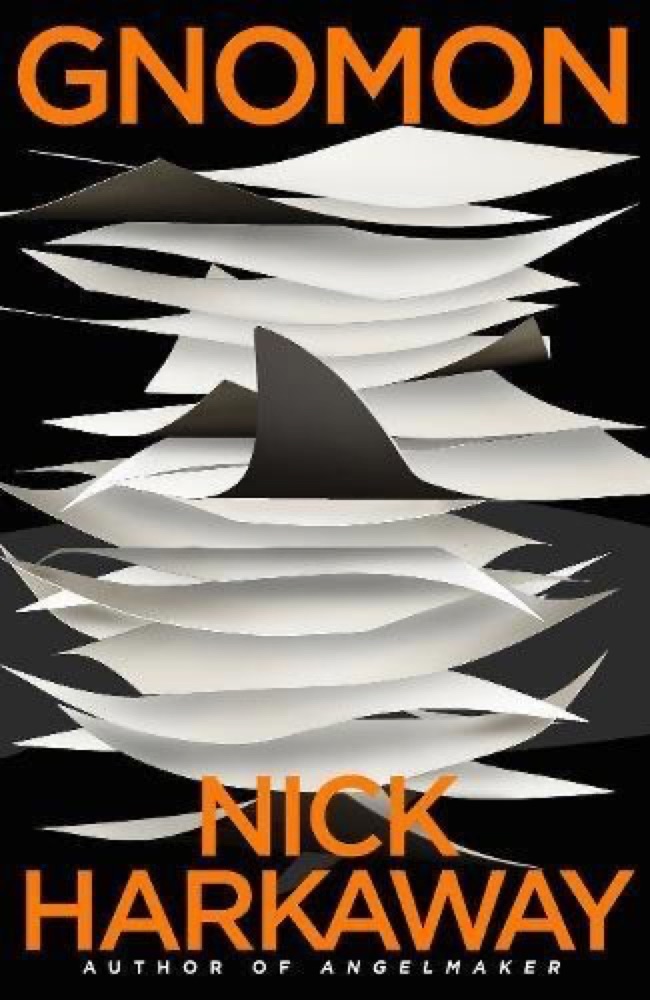 Gnomon
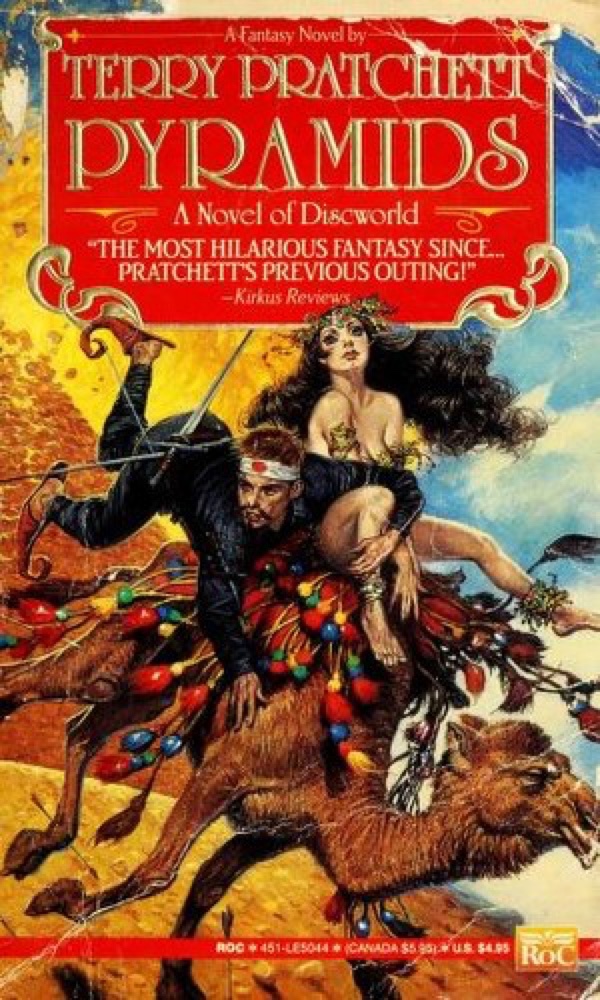 Pyramids
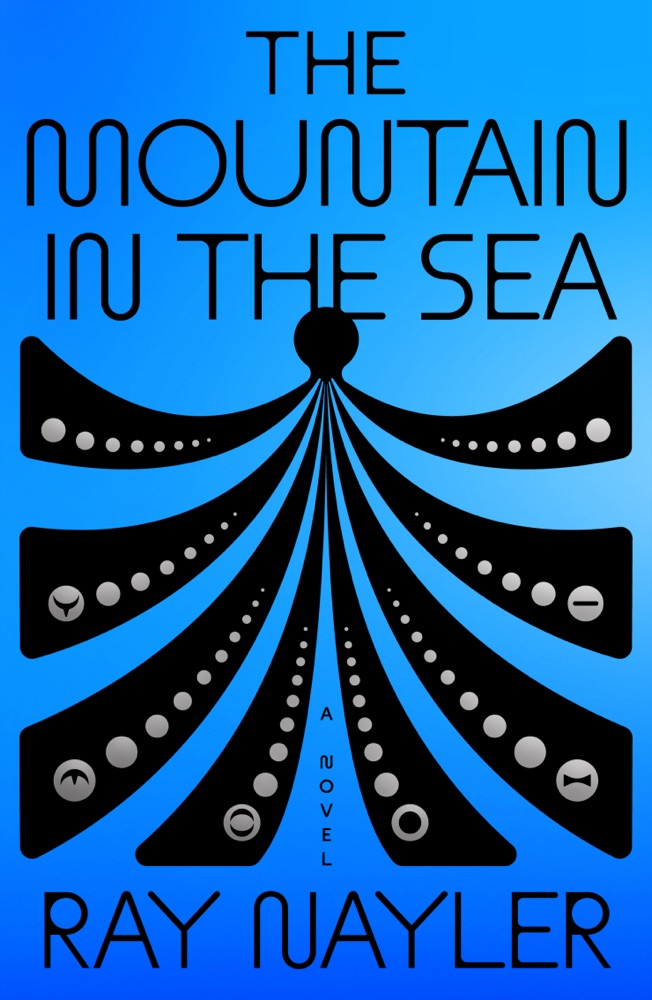 The Mountain in the Sea
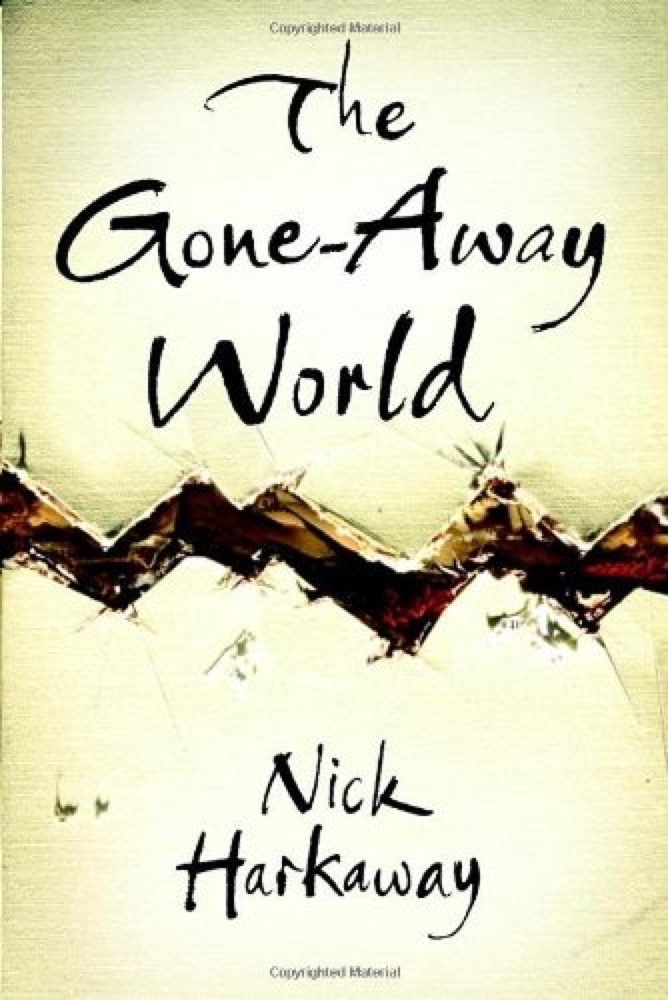 The Gone-Away World
 Libra
Libra
 The Naked Sun
 The Shape of Water
 Dune
Dune
 Genome
 Villa Incognito
 Ishmael: An Adventure of the Mind and Spirit
 Xenocide
 The Stardust Grail
 The Sirens of Titan
 Ancestral Night
 Persepolis Rising
 To Sleep in a Sea of Stars