
 Frankenstein
Quotes from the Book
Her countenance was all expression; her eyes were not dark but impenetrably deep; you seemed to discover space after space in their intellectual glance.
36
What is there in our nature that is for ever urging us on towards pain and misery?
31
I spread the whole earth out as a map before me. On no one spot of its surface could I put my finger and say, here is safety.
27
It is a strange fact, but incontestable, that the philanthropist, who ardent in his desire to do good, who patient, reasonable and gentle, yet disdains to use other argument than truth, has less influence over men's minds than he who, grasping and selfish, refuses not to adopt any means, nor awaken any passion, nor diffuse any falsehood, for the advancement of his cause.
19
Perfect happiness is an attribute of angels; and those who have it, appear angelic
17
Volume II, Chapter 4 "How unwise had the wanderers been, who had deserted its shelter, entangled themselves in the web of society, and entered on what men of the world call "life,"—that labyrinth of evil, that scheme of mutual torture. To live, according to this sense of the word, we must not only observe and learn, we must also feel; we must not be mere spectators of action, we must act; we must not describe, but be subjects of description. Deep sorrow must have been the inmate of our bosoms; fraud must have lain in wait for us; the artful must have deceived us; sickening doubt and false hope must have chequered our days; hilarity and joy, that lap the soul in ecstasy, must at times have possessed us. Who that knows what "life" is, would pine for this feverish species of existence? I have lived. I have spent days and nights of festivity; I have joined in ambitious hopes, and exulted in victory: now,—shut the door on the world, and build high the wall that is to separate me from the troubled scene enacted within its precincts. Let us live for each other and for happiness; let us seek peace in our dear home, near the inland murmur of streams, and the gracious waving of trees, the beauteous vesture of earth, and sublime pageantry of the skies. Let us leave "life," that we may live.
16
Let us live for each other and for happiness; let us seek peace in our dear home, near the inland murmur of streams, and the gracious waving of trees, the beauteous vesture of earth, and sublime pageantry of the skies. Let us leave 'life,' that we may live.
13
Is there such a feeling as love at first sight? And if there be, in what does its nature differ from love founded in long observation and slow growth? Perhaps its effects are not so permanent; but they are, while they last, as violent and intense.
12
Poetry and its creations, philosophy and its researches and classifications, alike awoke the sleeping ideas in my mind, and gave me new ones.
10
I clung to my ferocious habits, yet half despised them; I continued my war against civilization, and yet entertained a wish to belong to it.
8
Why, all his virtues are derived from his station only; because he is rich, he is called generous; because he is powerful, brave
7
Men love a prop so well, that they will lean on a pointed poisoned spear; and such was he, the impostor, who, with fear of hell for his scourge, most ravenous wolf, played the driver to a credulous flock.
7
I felt convinced that however it might have been in former times, in the present stage of the world, no man's faculties could be developed, no man's moral principle be enlarged and liberal, without an extensive acquaintance with books.
4
No, no, I will not live among the wild scenes of nature, the enemy of all that lives. I will seek the towns—Rome, the capital of the world, the crown of man's achievements. Among its storied streets, hallowed ruins, and stupendous remains of human exertion, I shall not, as here, find every thing forgetful of man; trampling on his memory, defacing his works, proclaiming from hill to hill, and vale to vale,—by the torrents freed from the boundaries which he imposed—by the vegetation liberated from the laws which he enforced—by his habitation abandoned to mildew and weeds, that his power is lost, his race annihilated for ever.
4
I became the victim of ingratitude and cold coquetry—then I desponded, and imagined that my discontent gave me a right to hate the world. I
4
Volume II: Chapter 5 The God sends down his angry plagues from high, Famine and pestilence in heaps they die. Again in vengeance of his wrath he falls On their great hosts, and breaks their tottering walls; Arrests their navies on the ocean's plain, And whelms their strength with mountains of the main.
4
A solitary being is by instinct a wanderer,
3
This," I thought, "is power! Not to be strong of limb, hard of heart, ferocious, and daring; but kind, compassionate and soft.
3
happy are women that can weep, and in a passionate caress disburthen the oppression of their feelings; shame and habitual restraint hold back a man.
3
the haughty princess of Austria, who became, as queen of England, the head of fashion, looked with harsh eyes on his defects, and with contempt on the affection her royal husband entertained for him.
3
Oh! grief is fantastic; it weaves a web on which to trace the history of its woe from every form and change around; it incorporates itself with all living nature; it finds sustenance in every object; as light, it fills all things, and, like light, it gives its own colours to all.
2
Let me then look on thy dear eyes, and, reading love in them, drink intoxicating pleasure.
2
we must love life, and cling to it; we must love the living smile, the sympathetic touch, and thrilling voice, peculiar to our mortal mechanism. Let us not, through security in hereafter, neglect the present. This present moment, short as it is, is a part of eternity, and the dearest part, since it is our own unalienably.
2
We had for many years trod the highway of life hand in hand, and still thus linked, we might step within the shades of death;
2
in the midst of despair we performed the tasks of hope.
2
Can the madman, as he clanks his chains, hope? Can the wretch, led to the scaffold, who when he lays his head on the block, marks the double shadow of himself and the executioner, whose uplifted arm bears the axe, hope? Can the ship-wrecked mariner, who spent with swimming, hears close behind the splashing waters divided by a shark which pursues him through the Atlantic, hope? Such hope as theirs, we also may entertain!
2
Idris, the princely born, who was herself the personification of all that was divine in woman, she who walked the earth like a poet's dream, as a carved goddess endued with sense, or pictured saint stepping from the canvas—she, the most worthy, chose me, and gave me herself—a priceless gift.
2
Take me—mould me to your will, possess my heart and soul to all eternity.
2
He shall find that I can feel my injuries; he shall learn to dread my revenge!
2
Watch on YouTube
About Mary Wollstonecraft Shelley
We have collected 91 quotes from 3 books by Mary Wollstonecraft Shelley on BookQuoters.
More about the author →More by Mary Wollstonecraft Shelley
Frankenstein
 Mathilda
About the book
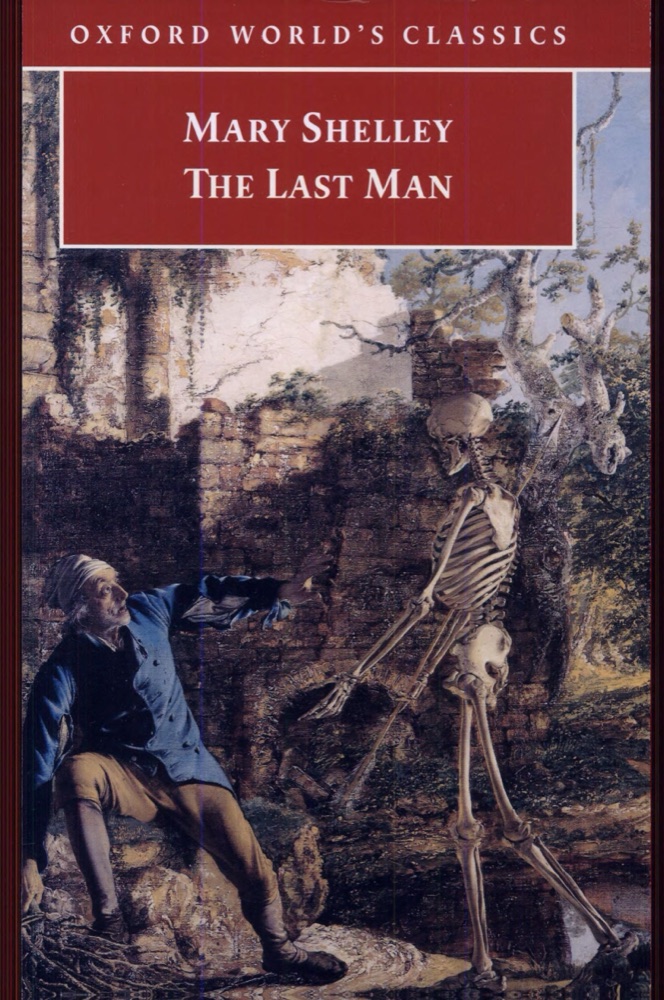
A futuristic story of tragic love and of the gradual extermination of the human race by plague, The Last Man is Mary Shelley's most important novel after Frankenstein. With intriguing portraits of Percy Bysshe Shelley and Lord Byron, the novel offers a vision of the future that expresses a reaction against Romanticism, and demonstrates the failure of the imagination and of art to redeem the doomed characters.
Book details
- First published
- 1826
- Genre
- Classics
- Goodreads rating
- 3.38 (7k ratings)
Keep reading
Frankenstein
 Phantastes
 Melmoth the Wanderer
 Villette
 Brideshead Revisited: The Sacred and Profane Memories of Captain Charles Ryder
 Lord Jim
 Doctor Zhivago
 The Divine Comedy
 Les Fleurs du Mal
 The Lifted Veil
 She
She
 Allan Quatermain
 In Search of Lost Time
 The Well of Loneliness
 Daniel Deronda
 The Blithedale Romance
 The Guermantes Way
 A Hero of Our Time
 Childe Harold's Pilgrimage
 The Scarlet Letter
 The Brothers Karamazov
 Prince Lestat
 Prometheus Unbound
 The Professor
 The Mill on the Floss
 The Magus
 The Good Soldier
 My Friends
 Mythology
 Swann's Way
 Tropic of Capricorn
 Faust
Faust
 The Longest Journey
 Oblomov
 Ben-Hur: A Tale of the Christ
 The Star Rover
 Les Misérables
 The Enchantress of Florence
 The Complete Stories and Poems
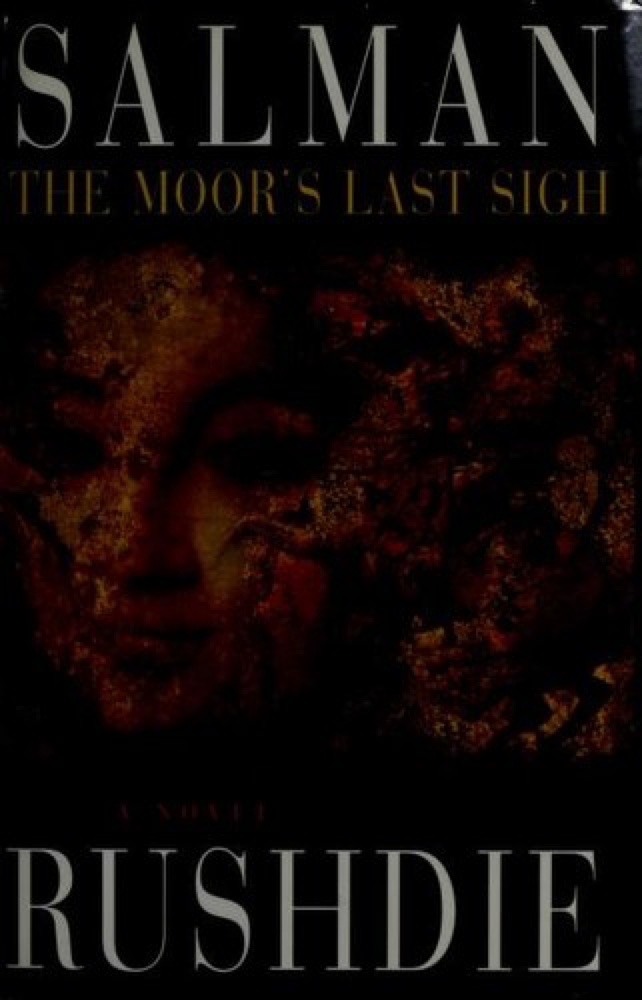 The Moor's Last Sigh
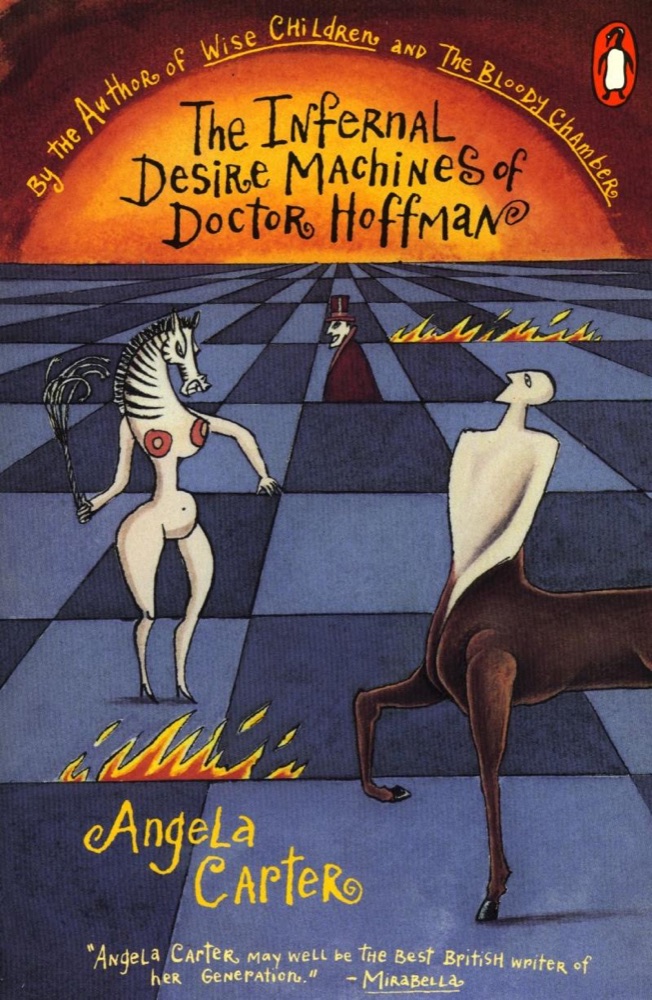 The Infernal Desire Machines of Doctor Hoffman
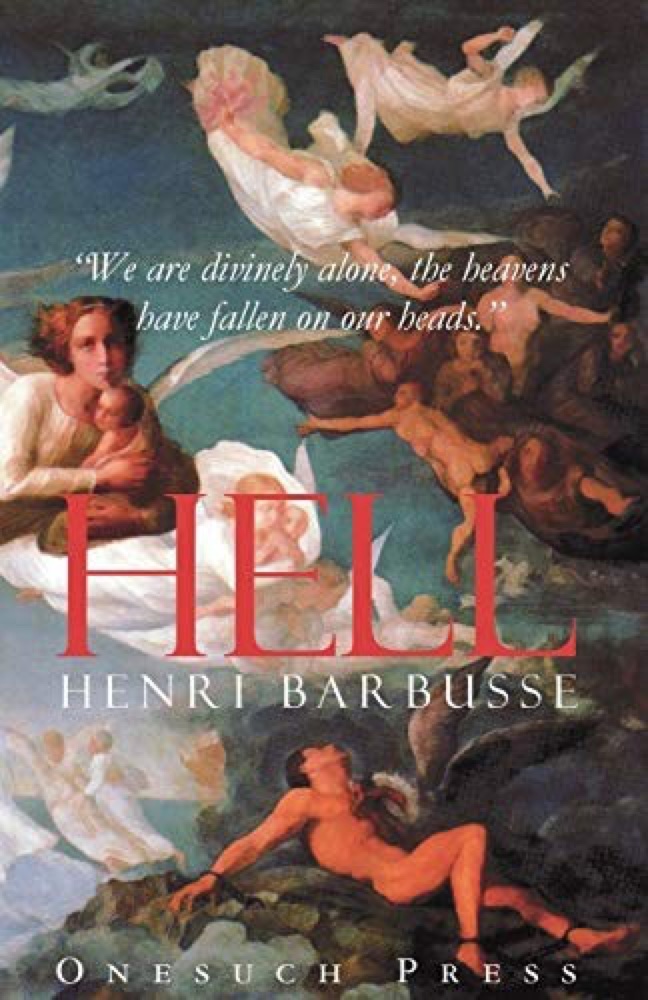 Hell
Hell
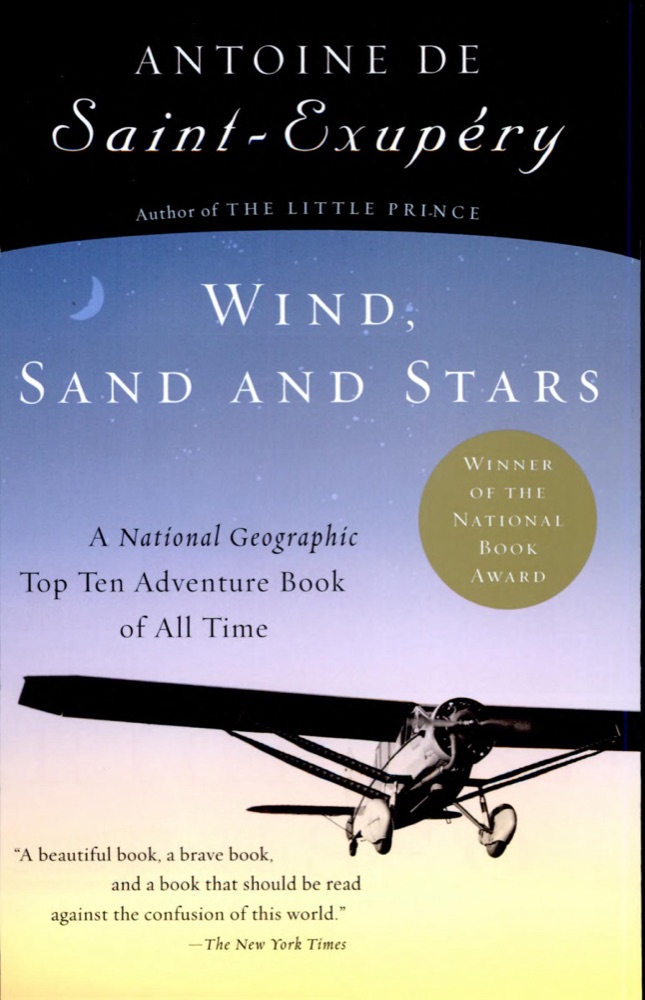 Wind, Sand and Stars
 Uncle Silas
 Père Goriot
 March
March
 The Thief's Journal
 Narcissus and Goldmund
 Embers
 A Theory of Dreaming
Mathilda
A Theory of Dreaming
Mathilda
 The Monk
 The Story of the Lost Child
 Reveries of the Solitary Walker
 Miss Lonelyhearts
 The Moon and Sixpence
 Great Expectations
 Dracula
 The Luminaries
 Agnes Grey