
 Othello
Quotes from the Book
For to be wise and love exceeds man's might.
52
I am a bastard, too. I love bastards! I am bastard begot, bastard instructed, bastard in mind, bastard in valor, in everything illegitimate.
29
Thou sodden-witted lord! thou hast no more brain than I have in mine elbows.
18
Modest doubt is call'd the beacon of the wise.
16
Take but degree away, untune that string, And, hark, what discord follows!
14
Those wounds heal ill that men do give themselves.
14
He eats nothing but doves, love, and that breeds hot blood, and hot blood beget hot thoughts, and hot thoughts beget hot deeds, and hot deeds is love.
12
Time hath, my lord, a wallet at his back, Wherein he puts alms for oblivion, A great-sized monster of ingratitudes: Those scraps are good deeds past; which are devour'd As fast as they are made, forgot as soon As done: perseverance, dear my lord, Keeps honour bright: to have done is to hang Quite out of fashion, like a rusty mail In monumental mockery. Take the instant way; For honour travels in a strait so narrow, Where one but goes abreast: keep then the path; For emulation hath a thousand sons That one by one pursue: if you give way, Or hedge aside from the direct forthright, Like to an enter'd tide, they all rush by And leave you hindmost; Or like a gallant horse fall'n in first rank, Lie there for pavement to the abject rear, O'er-run and trampled on: then what they do in present, Though less than yours in past, must o'ertop yours; For time is like a fashionable host That slightly shakes his parting guest by the hand, And with his arms outstretch'd, as he would fly, Grasps in the comer: welcome ever smiles, And farewell goes out sighing. O, let not virtue seek Remuneration for the thing it was; For beauty, wit, High birth, vigour of bone, desert in service, Love, friendship, charity, are subjects all To envious and calumniating time.
10
But you are wise, Or else you love not, for to be wise and love Exceeds man's might; that dwells with gods above.
8
My lord, will you be true? Who, I? Alas, it is my vice, my fault: Whiles others fish with craft for great opinion, I with great truth catch mere simplicity; Whilst some with cunning gild their copper crowns, With truth and plainness I do wear mine bare. Fear not my truth: the moral of my wit Is "plain and true"; there's all the reach of it.
8
Prophet may you be! If I be false, or swerve a hair from truth, when time is old and hath forgot itself, when waterdrops have worn the stones of Troy, and blind oblivion swallowed cities up, and mighty states characterless are grated to dusty nothing, yet let memory, from false to false, among false maids in love, upbraid my falsehood!
8
The common curse of mankind, - folly and ignorance
7
My mind is troubled, like a fountain stirr'd; And I myself see not the bottom of it.
6
Pleasure and revenge have ears more deaf than adders to the voice of any true decision.
5
Life every man holds dear; but the dear man holds honor far more precious dear than life.
5
we understand not one another: I am too courtly, and thou art too cunning. At
4
This she? no, this is Diomed's Cressida: If beauty have a soul, this is not she; If souls guide vows, if vows be sanctimonies, If sanctimony be the gods' delight, If there be rule in unity itself, This is not she. O madness of discourse, That cause sets up with and against itself! Bi-fold authority! where reason can revolt Without perdition, and loss assume all reason Without revolt: this is, and is not, Cressid. Within my soul there doth conduce a fight Of this strange nature that a thing inseparate Divides more wider than the sky and earth, And yet the spacious breadth of this division Admits no orifex for a point as subtle As Ariachne's broken woof to enter. Instance, O instance! strong as Pluto's gates; Cressid is mine, tied with the bonds of heaven: Instance, O instance! strong as heaven itself; The bonds of heaven are slipp'd, dissolved, and loosed; And with another knot, five-finger-tied, The fractions of her faith, orts of her love, The fragments, scraps, the bits and greasy relics Of her o'er-eaten faith, are bound to Diomed.
4
Blind fear, that seeing reason leads, finds safer footing than blind reason stumbling without fear: to fear the worst oft cures the worse.
3
O, when degree is shak'd, Which is the ladder of all high designs, The enterprise is sick! How could communities, Degrees in schools, and brotherhoods in cities, Peaceful commerce from dividable shores, The primogenity and due of birth, Prerogative of age, crowns, sceptres, laurels, But by degree, stand in authentic place? Take but degree away, untune that string, And hark what discord follows! Each thing melts In mere oppugnancy: the bounded waters Should lift their bosoms higher than the shores, And make a sop of all this solid globe; Strength should be lord of imbecility, And the rude son should strike his father dead; Force should be right; or, rather, right and wrong— Between whose endless jar justice resides— Should lose their names, and so should justice too. Then everything includes itself in power, Power into will, will into appetite; And appetite, an universal wolf, So doubly seconded with will and power, Must make perforce an universal prey, And last eat up himself.
3
There’s language in her eye, her cheek, her lip; Nay, her foot speaks. Her wanton spirits look out At every joint and motive of her body. [Ulysses—4.5.64–66]
3
Nothing, but our undertakings; when we vow to weep seas, live in fire, eat rocks, tame tigers; thinking it harder for our mistress to devise imposition enough than for us to undergo any difficulty imposed. This is the monstruosity in love, lady, that the will is infinite and the execution confined, that the desire is boundless and the act a slave to limit.
3
In Troy, there lies the scene. From isles of Greece The princes orgulous, their high blood chaf’d,
2
Till then I’ll sweat and seek about for eases, And at that time bequeath you my diseases.
2
This is the most despiteful'st gentle greeting The noblest hateful love, that e'er I heard of. - Paris
2
Each thing melts In mere oppugnancy: the bounded waters Should lift their bosoms higher than the shores, And make a sop of all this solid globe; Strength should be lord of imbecility, And the rude son should strike his father dead; Force should be right; or, rather, right and wrong— Between whose endless jar justice resides— Should lose their names, and so should justice too. Then everything includes itself in power, Power into will, will into appetite; And appetite, an universal wolf, So doubly seconded with will and power, Must make perforce an universal prey, And last eat up himself.
1
The plague of Greece upon thee, thou mongrel beef-witted lord!
1
When time is old ⟨and⟩ hath forgot itself, When water drops have worn the stones of Troy And blind oblivion swallowed cities up, And mighty states characterless are grated To dusty nothing,
1
Watch on YouTube
About William Shakespeare
We have collected 956 quotes from 39 books by William Shakespeare on BookQuoters.
More about the author →More by William Shakespeare
All books by William Shakespeare →

About the book
Shakespeare's tragic and comic dramatization of the Trojan War endures in one of his most intriguing plays. Shakespeare's portrayal of the snares of young love set against a backdrop of a senseless and endless war can be fully appreciated for the beauty of its verse and the profundity of its themes.
Book details
- First published
- 1601
- Author
- William Shakespeare
- Genre
- Classics
- Goodreads rating
- 3.42 (13k ratings)
Keep reading
 King Lear
 The Complete Works
 Coriolanus
 Don Juan
 The Spanish Tragedy
 Ivanhoe
 Moby-Dick
 Don Quixote
 The Satyricon
 The Duchess of Malfi
 The Iliad
 She
She
 The Faerie Queene
 Faust
Faust
 The Oresteia
 Sword & Citadel
 The Letters of Abélard and Héloïse
 The Last Song of Penelope
 The Canterbury Tales
 The Bacchae
 Daniel Deronda
 Maldoror and the Complete Works
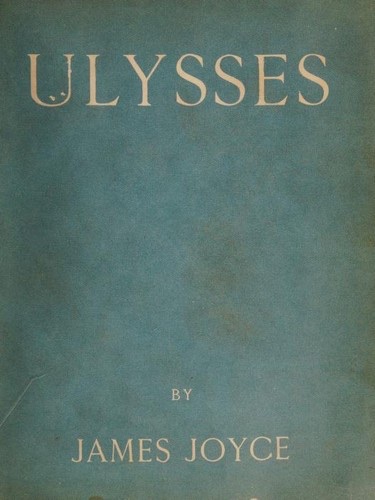 Ulysses
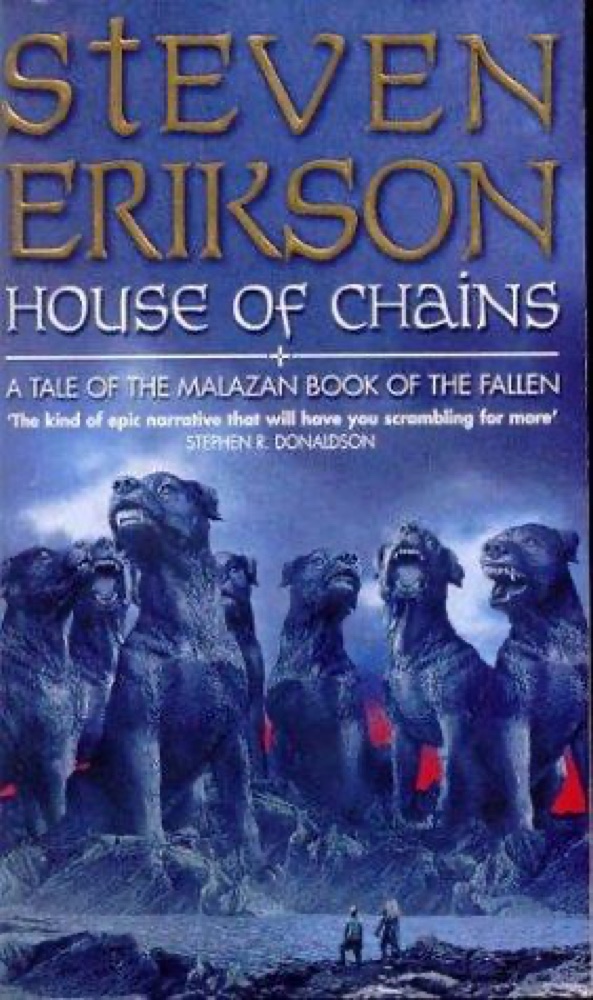 House of Chains
 Childe Harold's Pilgrimage
 The White Devil
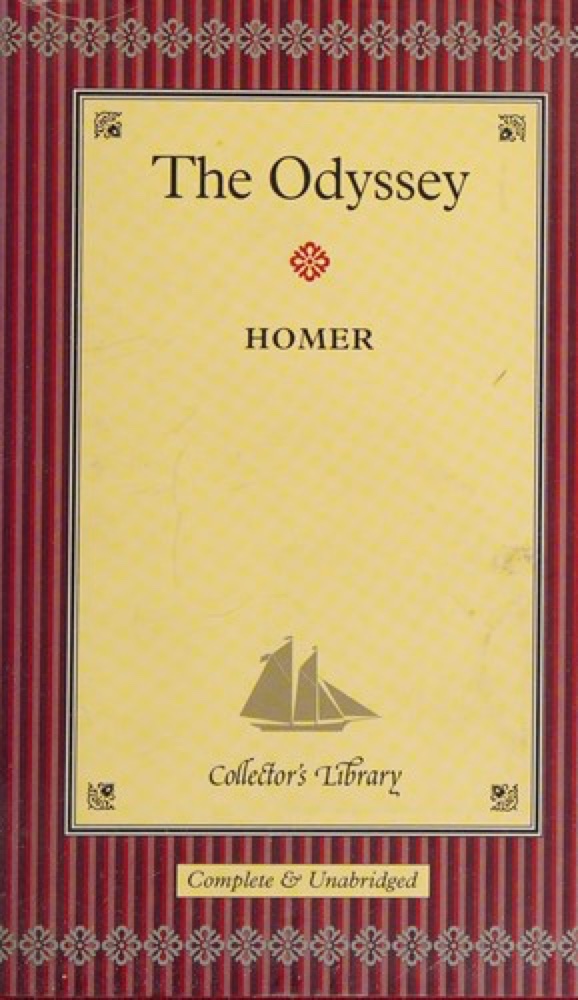 The Odyssey
 Agamemnon
 Toll the Hounds
 Complete Poems
 The Oedipus Cycle: Oedipus Rex/Oedipus at Colonus/Antigone
 The Book of Mirdad: The Strange Story of a Monastery Which Was Once Called the Ark
 Shirley
 Iphigenia in Aulis
 Allan Quatermain
 The Anatomy of Melancholy
 The Gadfly
 Ben-Hur: A Tale of the Christ
 Paladin of Souls
 Memories of Ice
 The Man Who Laughs
 Lord Jim
 The Monk
 The Once and Future King
 Ninety-Three
 The Conference of the Birds
 The Warrior Prophet
 The Last Man
 Empire of Silence
 Prometheus Unbound
 The Thousandfold Thought
 The Sixteen Satires
 Praise of Folly
 The Complete Stories and Poems
 Medea
Medea
 The White Luck Warrior
 Purgatorio
 Beyond Good and Evil
 Art and Lies
 The Complete Poetry and Prose