 Tales of Mystery and Imagination
Quotes from the Book
Years of love have been forgot, In the hatred of a minute.
A Dream Within A Dream Take this kiss upon the brow! And, in parting from you now, Thus much let me avow- You are not wrong, who deem That my days have been a dream; Yet if hope has flown away In a night, or in a day, In a vision, or in none, Is it therefore the less gone? All that we see or seem Is but a dream within a dream. I stand amid the roar Of a surf-tormented shore, And I hold within my hand Grains of the golden sand- How few! yet how they creep Through my fingers to the deep, While I weep- while I weep! O God! can I not grasp Them with a tighter clasp? O God! can I not save One from the pitiless wave? Is all that we see or seem But a dream within a dream?
It is a happiness to wonder; -- it is a happiness to dream.
To die laughing must be the most glorious of all glorious deaths!
Is all that we see or seem But a dream within a dream?
Take this kiss upon the brow! And, in parting from you now, Thus much let me avow- You are not wrong, who deem That my days have been a dream; Yet if hope has flown away In a night, or in a day, In a vision, or in none, Is it therefore the less gone? All that we see or seem Is but a dream within a dream.
Eldorado Gaily bedight, A gallant knight, In sunshine and in shadow, Had journeyed long, Singing a song, In search of Eldorado. But he grew old— This knight so bold— And o’er his heart a shadow— Fell as he found No spot of ground That looked like Eldorado. And, as his strength Failed him at length, He met a pilgrim shadow— ‘Shadow,’ said he, ‘Where can it be— This land of Eldorado?’ ‘Over the Mountains Of the Moon, Down the Valley of the Shadow, Ride, boldly ride,’ The shade replied,— ‘If you seek for Eldorado!
We have a task before us which must be speedily performed. We know that it will be ruinous to make delay. The most important crisis of our life calls, trumpet-tongued, for immediate energy and action. We glow, we are consumed with eagerness to commence the work, with the anticipation of whose glorious result our whole souls are on fire. It must, it shall be undertaken to-day, and yet we put it off until to-morrow; and why? There is no answer, except that we feel perverse, using the word with no comprehension of the principle. To-morrow arrives, and with it a more impatient anxiety to do our duty, but with this very increase of anxiety arrives, also, a nameless, a positively fearful, because unfathomable, craving for delay. This craving gathers strength as the moments fly. The last hour for action is at hand. We tremble with the violence of the conflict within us, — of the definite with the indefinite — of the substance with the shadow. But, if the contest have proceeded thus far, it is the shadow which prevails, — we struggle in vain. The clock strikes, and is the knell of our welfare. At the same time, it is the chanticleer-note to the ghost that has so long overawed us. It flies — it disappears — we are free. The old energy returns. We will labor now. Alas, it is too late!
Philosophers have often held dispute As to the seat of thought in man and brute For that the power of thought attends the latter My friend, thy beau, hath made a settled matter, And spite of dogmas current in all ages, One settled fact is better than ten sages. (O,Tempora! O,Mores!)
He knew that Hop-Frog was not fond of wine; for it excited the poor cripple almost to madness; and madness is no comfortable feeling.
And if I died, at least I died For thee! for thee
And, when the friendly sunshine smil'd, / And she would mark the opening skies, / I saw no Heaven--but in her eyes.
There was a discordant hum of human voices! There was a loud blast as of many trumpets! There was a harsh grating as of a thousand thunders! The fiery walls rushed back! An outstretched arm caught my own as I fell, fainting, into the abyss. It was that of General Lasalle. The French army had entered Toledo. The Inquisition was in the hands of its enemies.
Dreams! in their vivid coloring of life, As in that fleeting, shadowy, misty strife Of semblance with reality, which brings To the delirious eye, more lovely things Of Paradise and Love- and all our own! Than young Hope in his sunniest hour hath known.
I believed, and still do believe, that truth, is frequently of its own essence, superficial, and that, in many cases, the depth lies more in the abysses where we seek her, than in the actual situations wherein she may be found.
For passion must, with youth, expire.
It was well said of a certain German book that ‘er lasst sich nicht lesen”—it does not permit itself to be read.
LO! Death has reared himself a throne In a strange city lying alone
In the internal decoration, if not in the external architecture of their residences, the English are supreme. The Italians have but little sentiment beyond marbles and colors. In France, meliora probant, deteriora sequuntur -- the people are too much a race of gadabouts to maintain those household proprieties of which, indeed, they have a delicate appreciation, or at least the elements of a proper sense. The Chinese and most of the Eastern races have a warm but inappropriate fancy. The Scotch are poor decorists. The Dutch have, perhaps, an indeterminate idea that a curtain is not a cabbage. In Spain, they are all curtains -- a nation of hangmen. The Russians do not furnish. The Hottentots and Kickapoos are very well in their way. The Yankees alone are preposterous.
Ah, distinctly I remember it was in the bleak December And each separate dying ember wrought its ghost upon the floor. Eagerly I wished the morrow; — vainly I had sought to borrow From my books surcease of sorrow — sorrow for the lost Lenore.
Yet, the ear it fully knows, By the twanging And the clanging, How the danger ebbs and flows; Yet, the ear distinctly tells, In the jangling And the wrangling, How the danger sinks and swells, By the sinking or the swelling in the anger of the bells.
Ah, dream too bright to last! Ah, starry Hope! that didst arise But to be overcast! A voice from out the Future cries, "On! on!" — but o'er the Past (Dim gulf!) my spirit hovering lies Mute, motionless, aghast.
The moaning and groaning, The sighing and sobbing, Are quieted now, With that horrible throbbing At heart:—ah, that horrible, Horrible throbbing! The sickness—the nausea— The pitiless pain— Have ceased, with the fever That maddened my brain— With the fever called "Living" That burned in my brain.
Once upon a midnight dreary, while I pondered, weak and weary, Over many a quaint and curious volume of forgotten lore, While I nodded, nearly napping, suddenly there came a tapping, As of some one gently rapping, rapping at my chamber door. "'Tis some visiter," I muttered, "tapping at my chamber door— Only this, and nothing more.
It was many and many a year ago, In a kingdom by the sea, That a maiden lived whom you may know By the name of ANNABEL LEE;—
if passion it can properly be called, was of the most thoroughly romantic, shadowy, and imaginative character. It was born of the hour, and of the youthful necessity to love. It had no peculiar regard to the person, or to the character, or to the reciprocating affection... Any maiden, not immediately and positively repulsive,
Mimes in the form of God on high mutter and mumble low and hither and tither fly, mere puppets they who come and go.
We will say, then, that I am mad. I grant, at least, that there are two distinct conditions of my mental existence—the condition of a lucid reason, not to be disputed, and belonging to the memory of events forming the first epoch of my life—and
No woman could have inflicted the blows with any weapon.
Did you know?
- The volume gathers Poe's stories and poems into a single book, including tales of mystery and horror, detective stories, and humor and satire.
- It contains famous works such as 'The Raven,' 'The Pit and the Pendulum,' 'Annabel Lee,' 'The Fall of the House of Usher,' and 'The Murders in the Rue Morgue.'
- Poe influenced later writers including Dostoevsky, Arthur Conan Doyle, Jules Verne, and Charles Baudelaire.
- Charles Baudelaire's championing of Poe helped bring him a wide audience in Europe, where his writing became important to modern French literature.
- Poe is regarded as a seminal figure in the development of both the detective story and science fiction.
- 'The Murders in the Rue Morgue' is widely recognized as pioneering the detective story format.
About Edgar Allan Poe
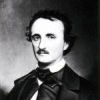
Edgar Allan Poe (1809-1849) was an American writer, poet, and critic, a central figure of American Romanticism best known for his tales of mystery and the macabre. He is credited with inventing the modern detective story and was an early contributor to the emerging genre of science fiction.
More about the author →More by Edgar Allan Poe
All books by Edgar Allan Poe →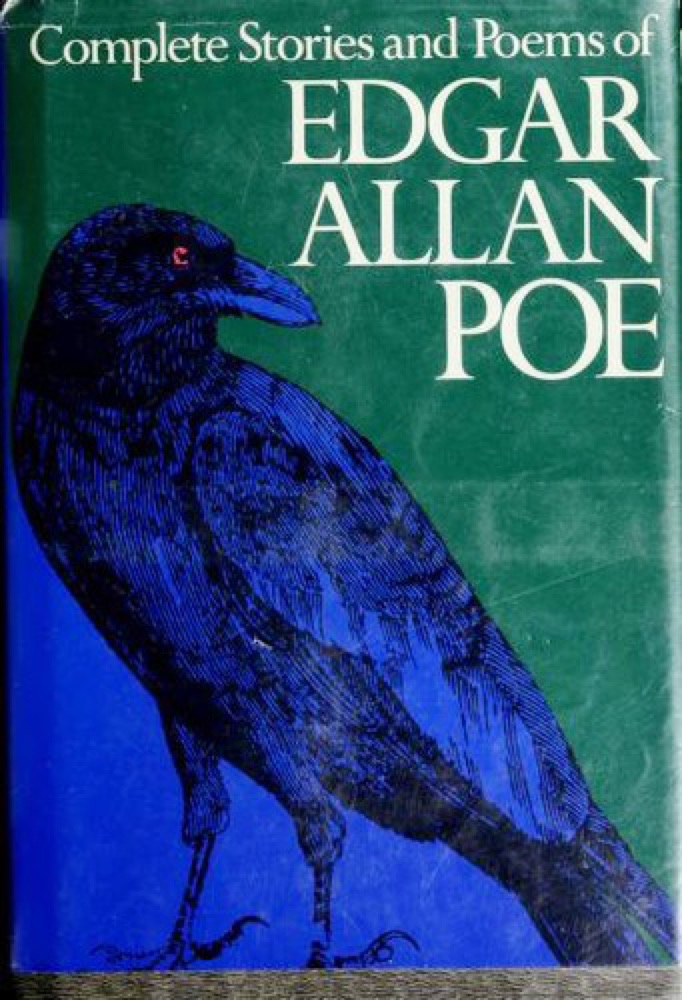
About the book
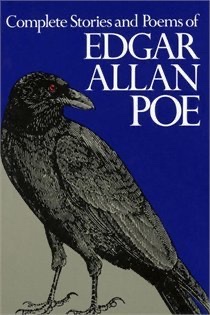
The Complete Stories and Poems of Edgar Allan Poe is a single-volume omnibus that gathers the short fiction and verse of one of the most original writers in American literature. Published by Doubleday in 1966, the collection brings together Poe's tales of mystery and horror, his pioneering detective stories, his experiments in science fiction, and his humor and satire, alongside his poetry, so that a reader can encounter the full range of his imagination in one book. It includes his most celebrated works, among them 'The Raven,' 'The Pit and the Pendulum,' 'Annabel Lee,' 'The Fall of the House of Usher,' and 'The Murders in the Rue Morgue,' as well as many less-familiar stories, poems, and essays.
The book displays the diverse and multifaceted genius that made Poe a seminal figure in American letters. His tales explore obsession, guilt, madness, premature death, and the terror of the mind turning on itself, while his detective stories introduced the ratiocinative hero and the logic of deduction that would shape an entire genre. His poems, marked by musical repetition and an atmosphere of melancholy and loss, pursue beauty, grief, and the boundary between dream and waking.
Poe was tragically misunderstood in his own lifetime, yet his influence proved enormous. He was a foundational figure in the development of both the detective story and science fiction, and his work exerted great influence on writers including Dostoevsky, Arthur Conan Doyle, Jules Verne, and Charles Baudelaire, whose enthusiasm brought Poe a wide and admiring audience in Europe. Collected in a single comprehensive volume, these stories and poems illuminate why Poe remains one of the most enduring and imitated voices in world literature.
Key characters
- C. Auguste DupinAmateur detective who solves crimes through ratiocination in 'The Murders in the Rue Morgue' and 'The Purloined Letter'
- Roderick UsherAiling master of the crumbling house in 'The Fall of the House of Usher'
- The narrator of 'The Tell-Tale Heart'Unreliable murderer undone by guilt and a phantom heartbeat
- Prince ProsperoNobleman who hosts a masque during the plague in 'The Masque of the Red Death'
- MontresorVengeful narrator who walls up his rival in 'The Cask of Amontillado'
Book details
- First published
- 1966
- Length
- 821 pages
- Reading time
- 50 hours
- Author
- Edgar Allan Poe
- Genre
- Classics
- Goodreads rating
- 4.40 (299k ratings) →
If you liked this, read…
- 1The Complete PoetrySignet's dedicated gathering of Poe's poems for readers focused on his verse
- 2The Narrative of Arthur Gordon Pym of NantucketPoe's only novel, a strange seafaring tale of survival and the uncanny
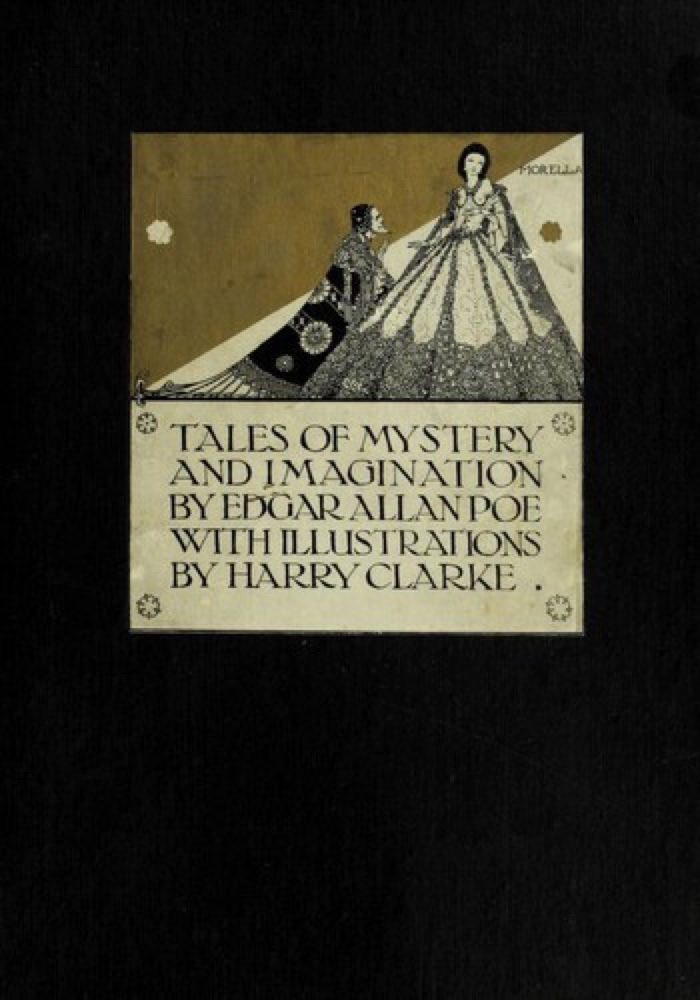
- 3Tales of Mystery and ImaginationClassic selected anthology of Poe's gothic and macabre short fiction
Keep reading
 The Complete Poems of Emily Dickinson
 Phantastes
 The Collected Poems of W.B. Yeats
 Selected Poems
 Pale Fire
 The Stories of Vladimir Nabokov
 The Collected Poems of Emily Dickinson
 She
She
 Brideshead Revisited: The Sacred and Profane Memories of Captain Charles Ryder
 Titus Groan
 Absalom, Absalom!
 Ulysses
 Orlando
 A Midsummer Night's Dream
 The Collected Poems
 The Return of the Native
 Ada, or Ardor: A Family Chronicle
 Johnny Panic and the Bible of Dreams: Short Stories, Prose and Diary Excerpts
 Shirley
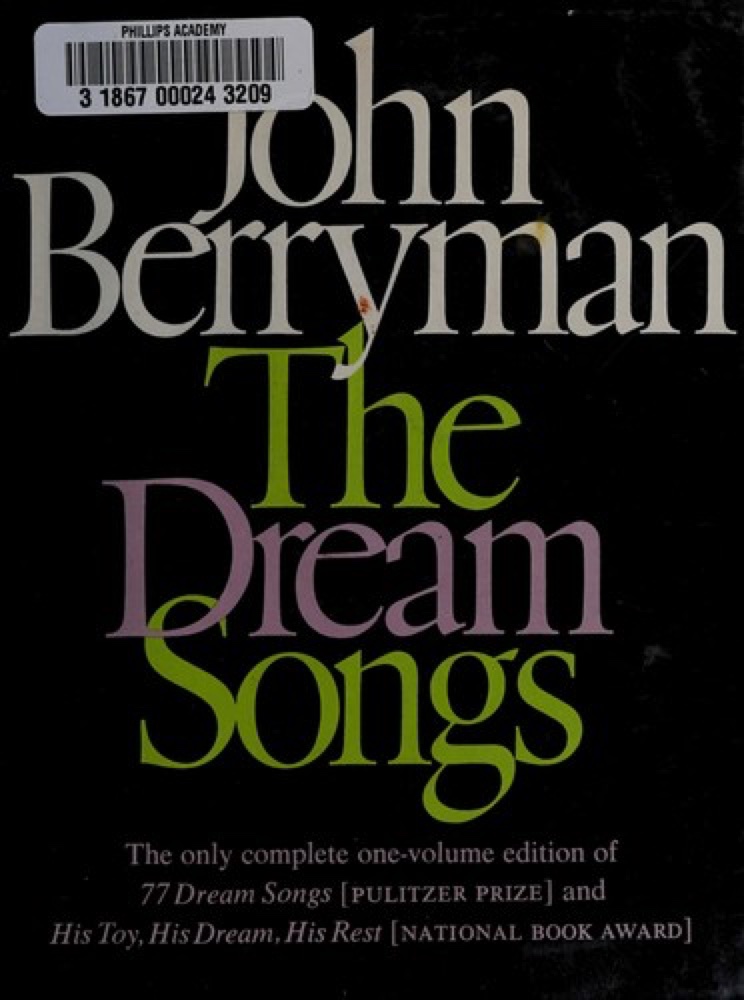 The Dream Songs
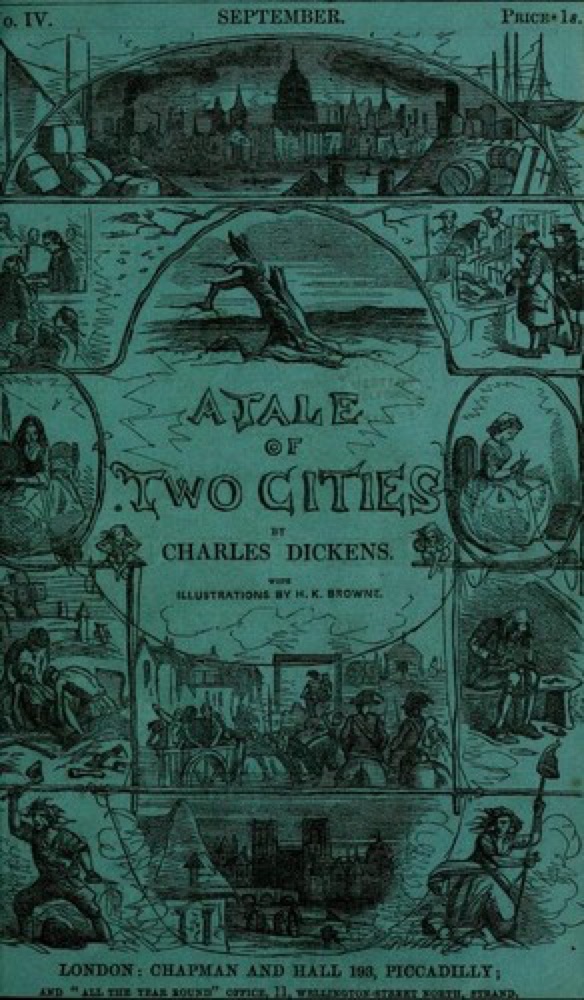 A Tale of Two Cities
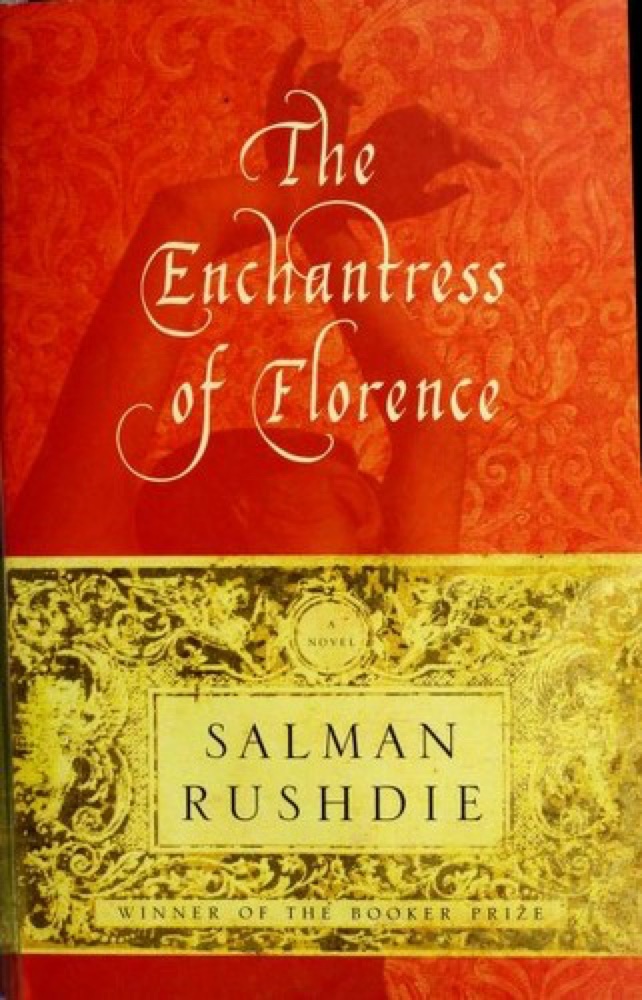 The Enchantress of Florence
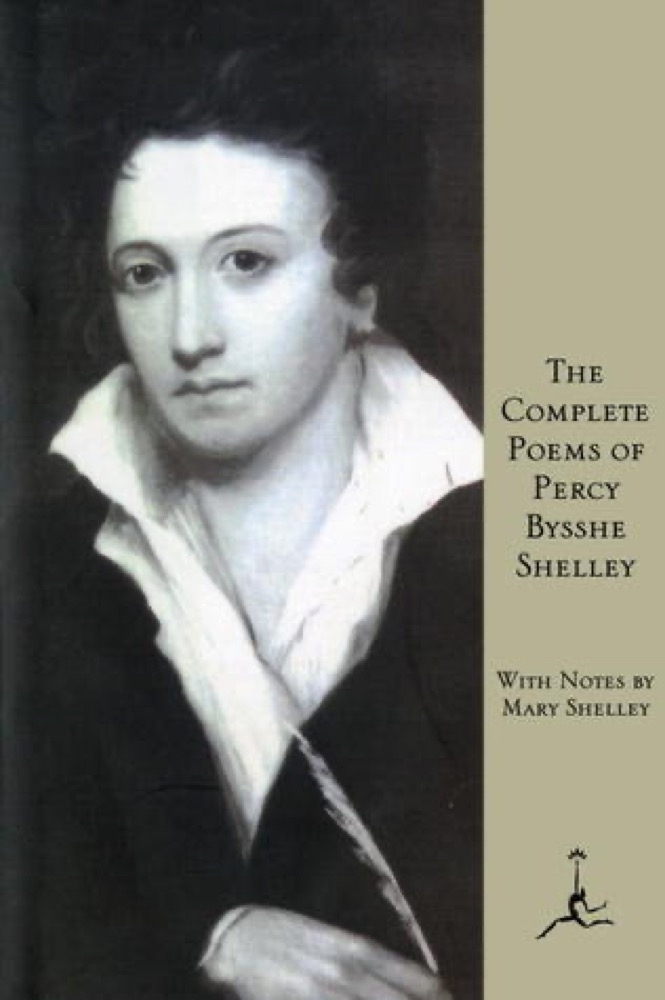 The Complete Poems
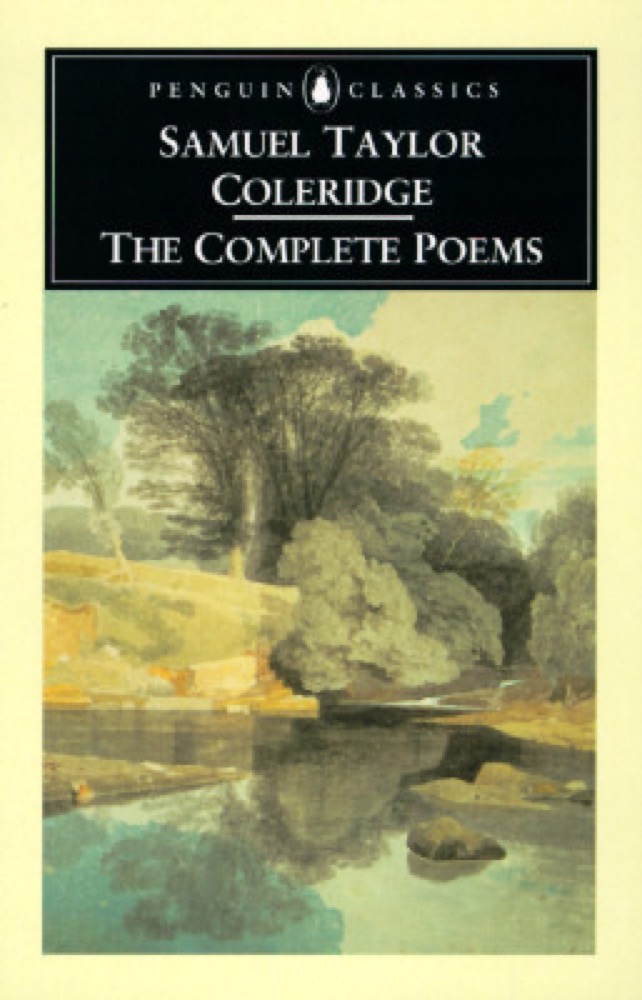 The Complete Poems
 Childe Harold's Pilgrimage
 Oblomov
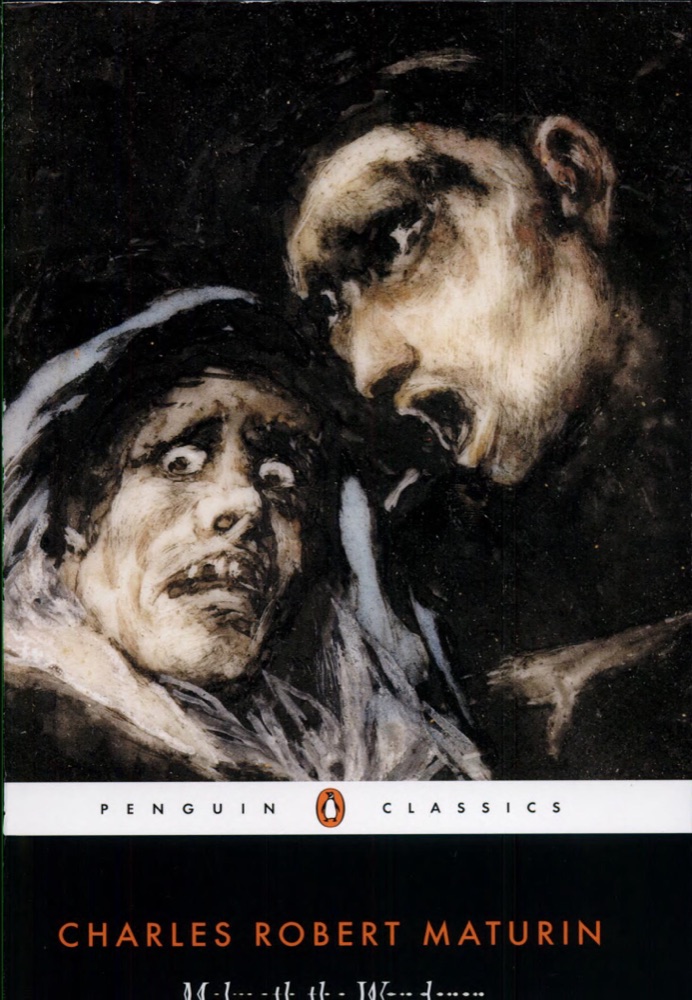 Melmoth the Wanderer
 Don Juan
 Collected Poems
 Hell
Hell
 Selected Stories
 The Arabian Nights
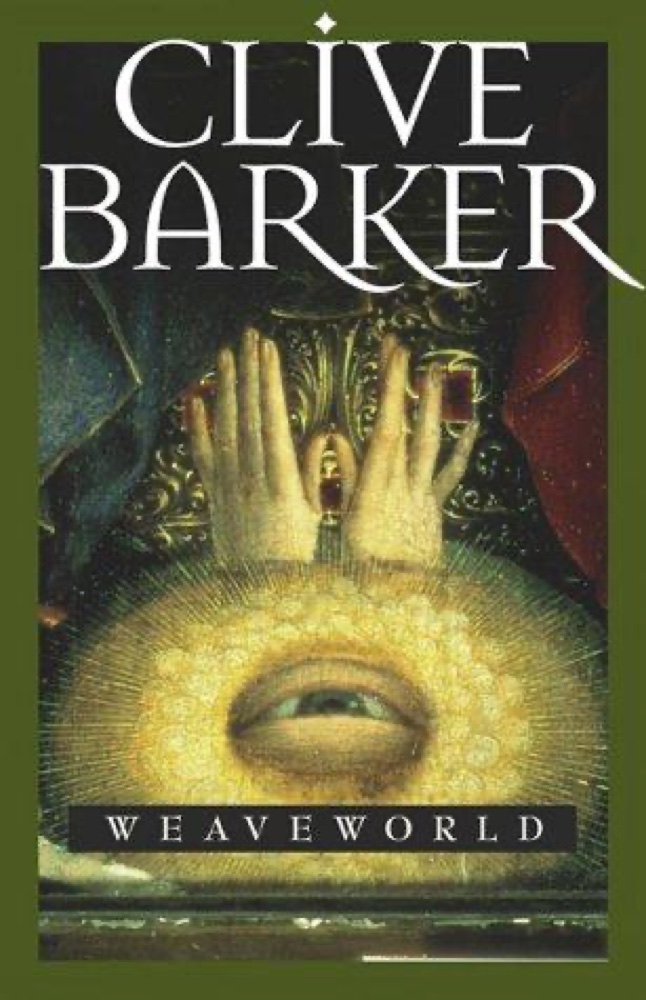 Weaveworld
 Lord Jim
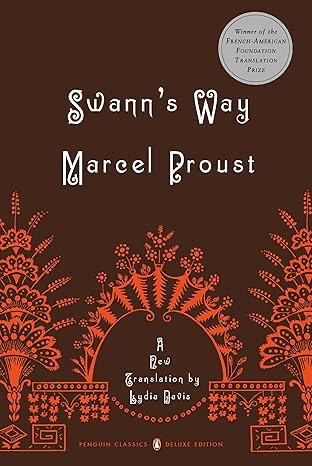 Swann's Way
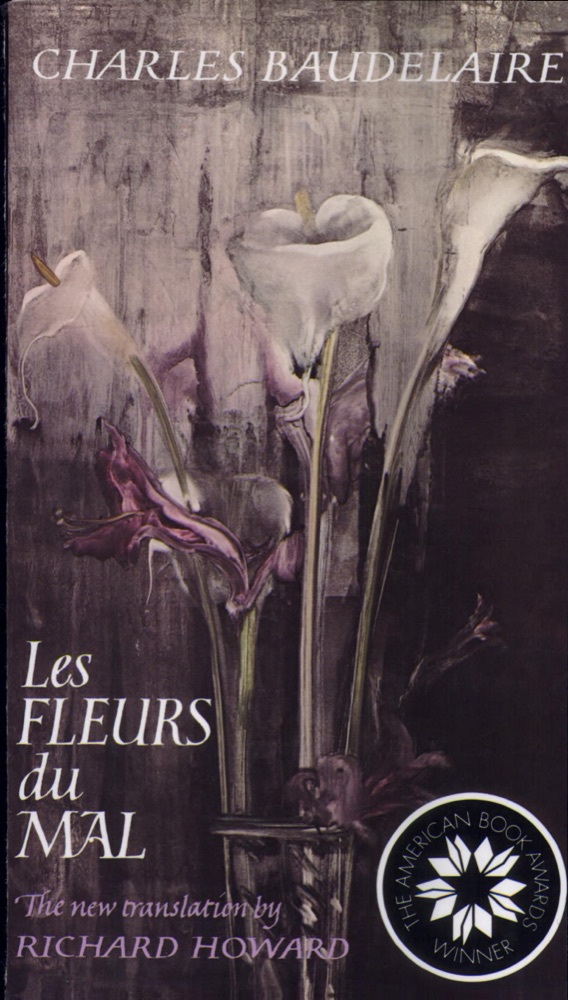 Les Fleurs du Mal
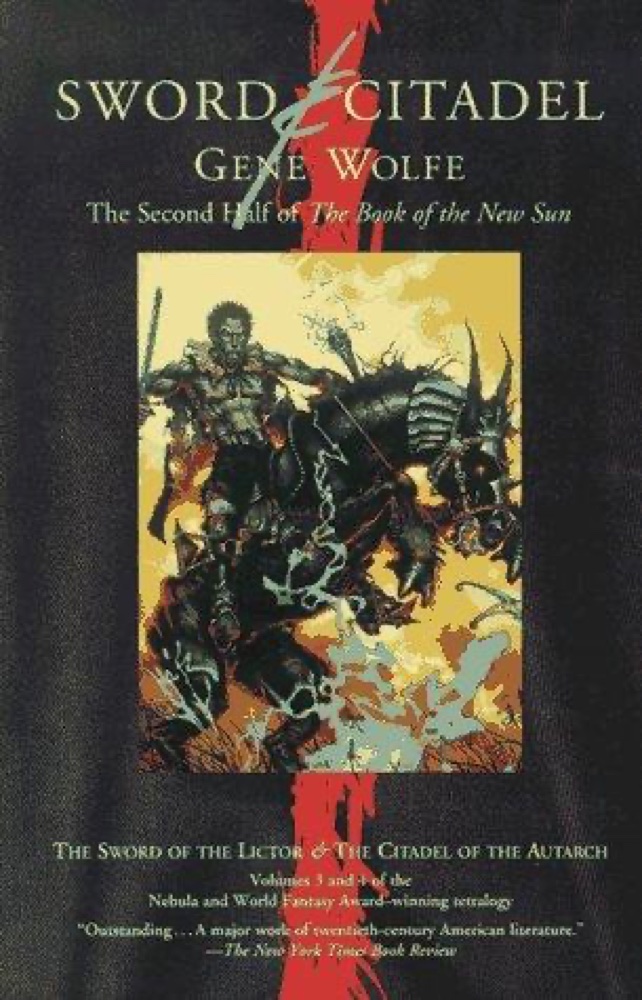 Sword & Citadel
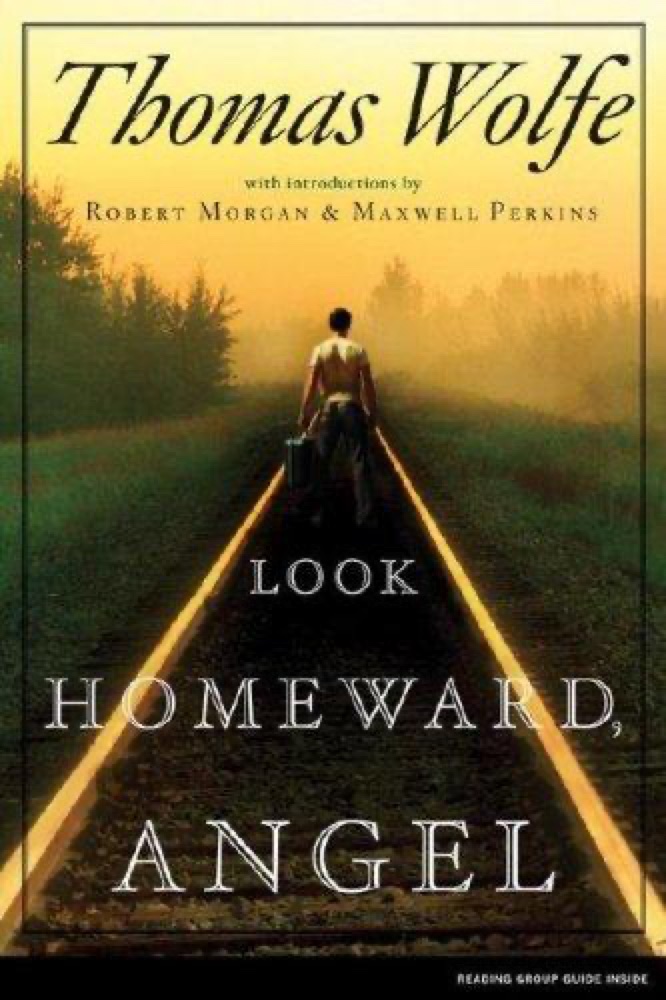 Look Homeward, Angel
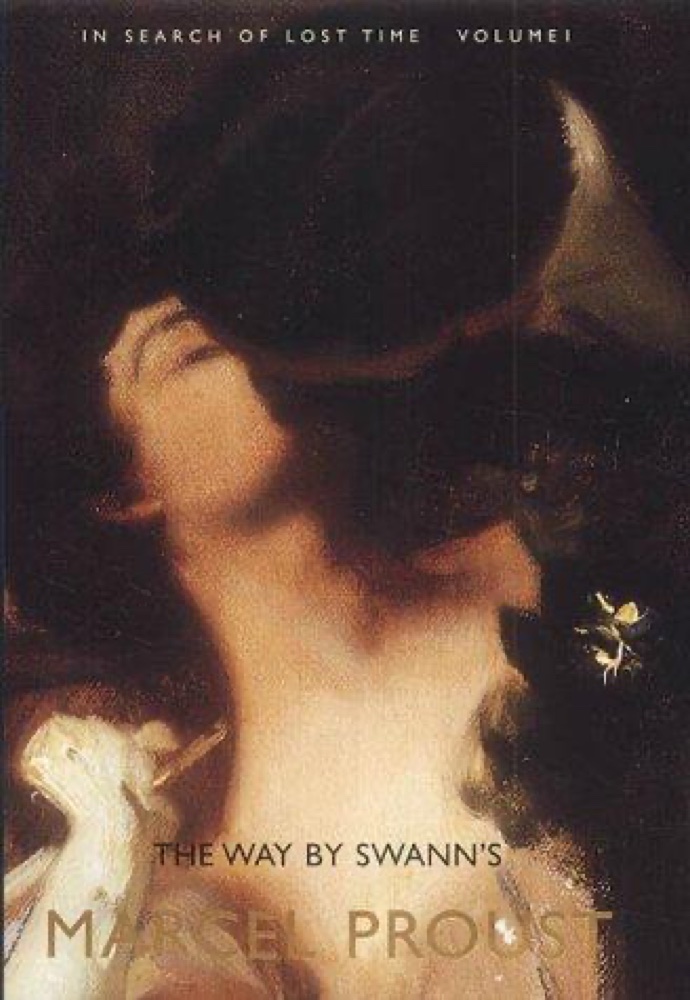 In Search of Lost Time
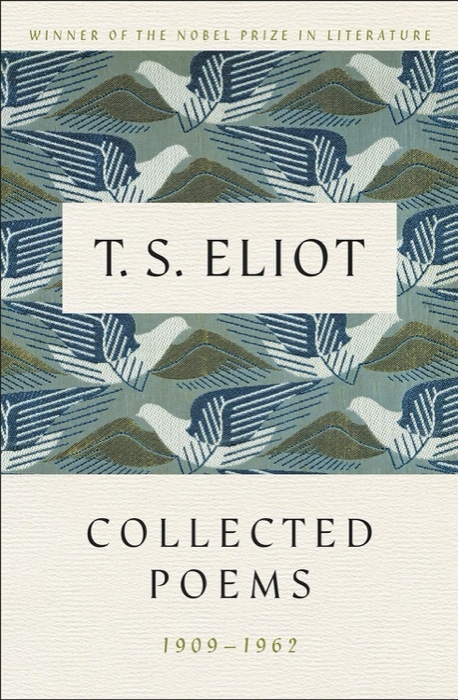 Collected Poems, 1909-1962
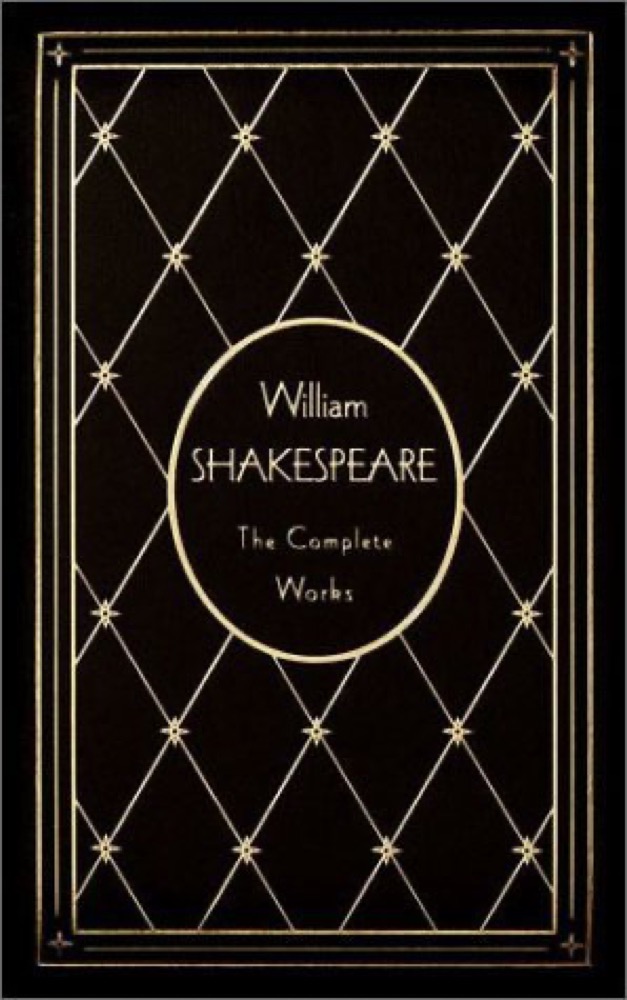 The Complete Works
 The Complete Poems 1927-1979
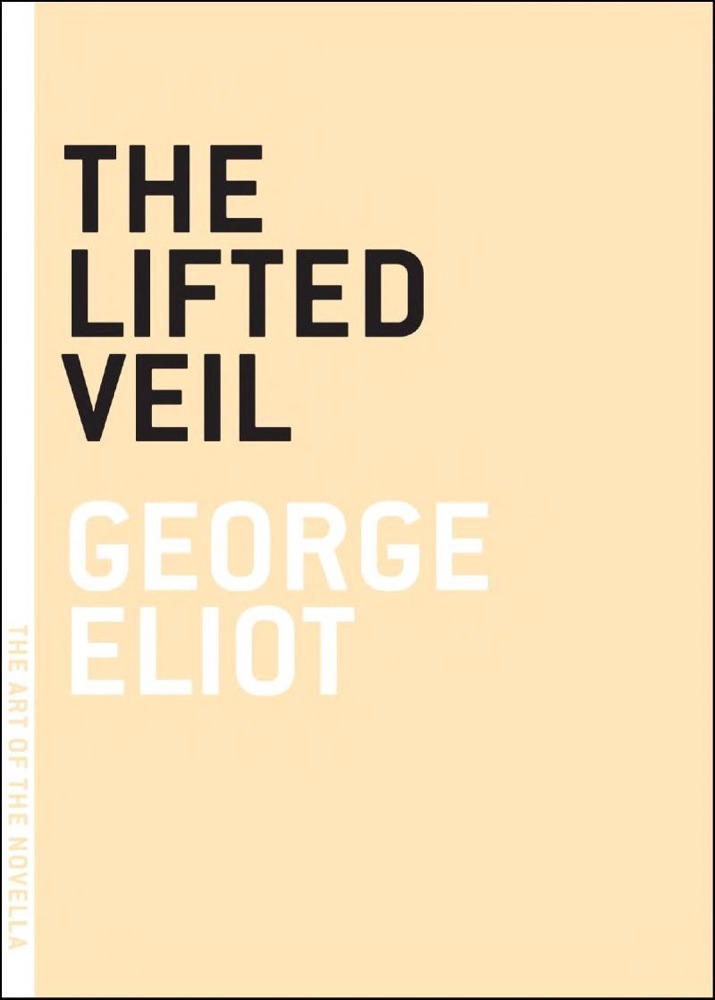 The Lifted Veil
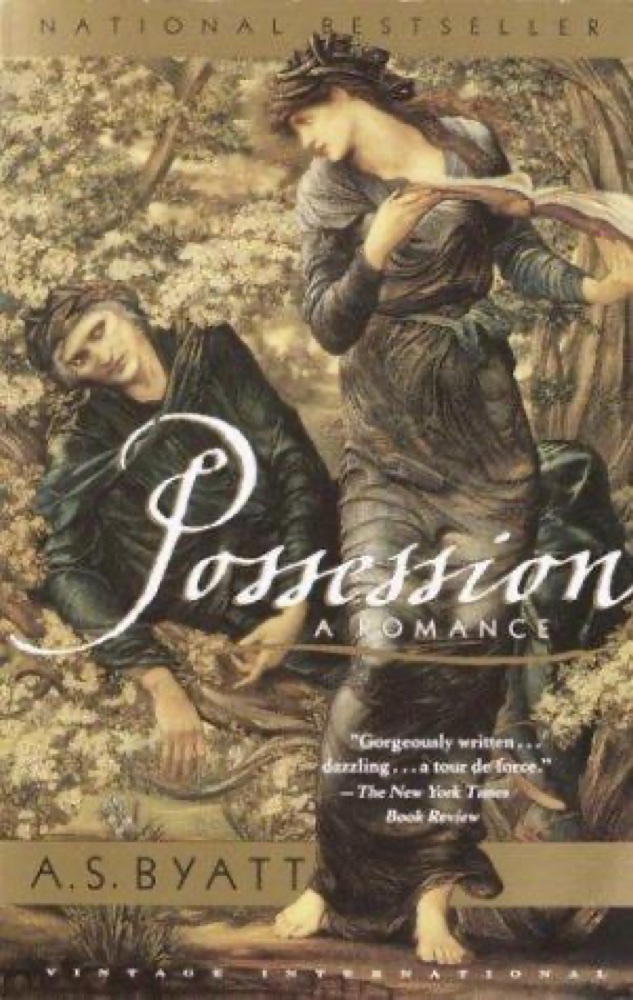 Possession
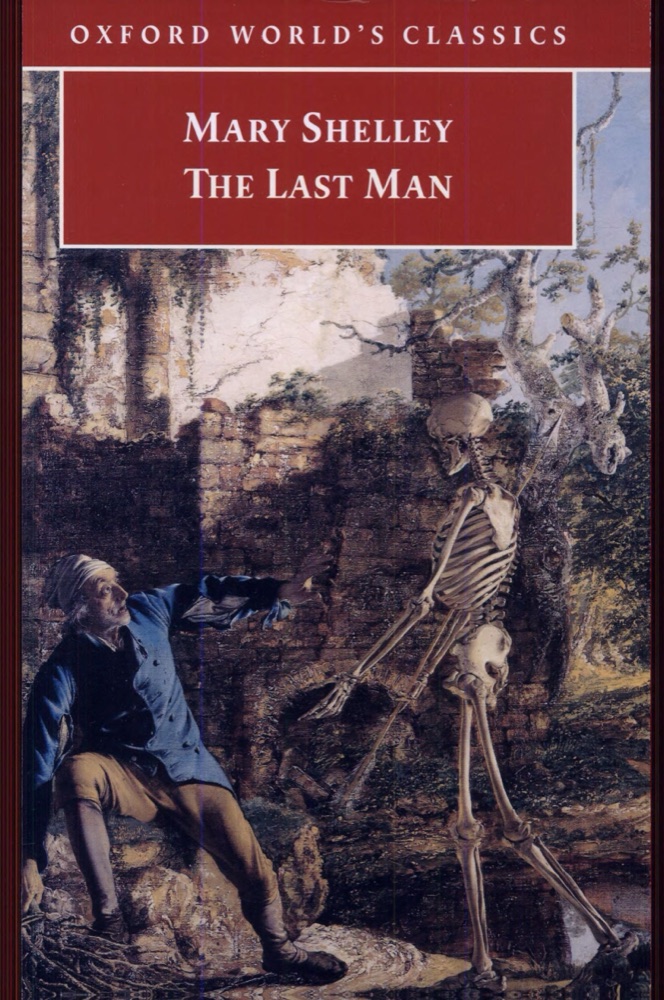 The Last Man
 The Moor's Last Sigh
 The Tunnel
 Les Misérables
 The Complete Stories
 The Complete Short Stories
 Daniel Deronda
 The Illustrated Man
 Plainwater: Essays and Poetry
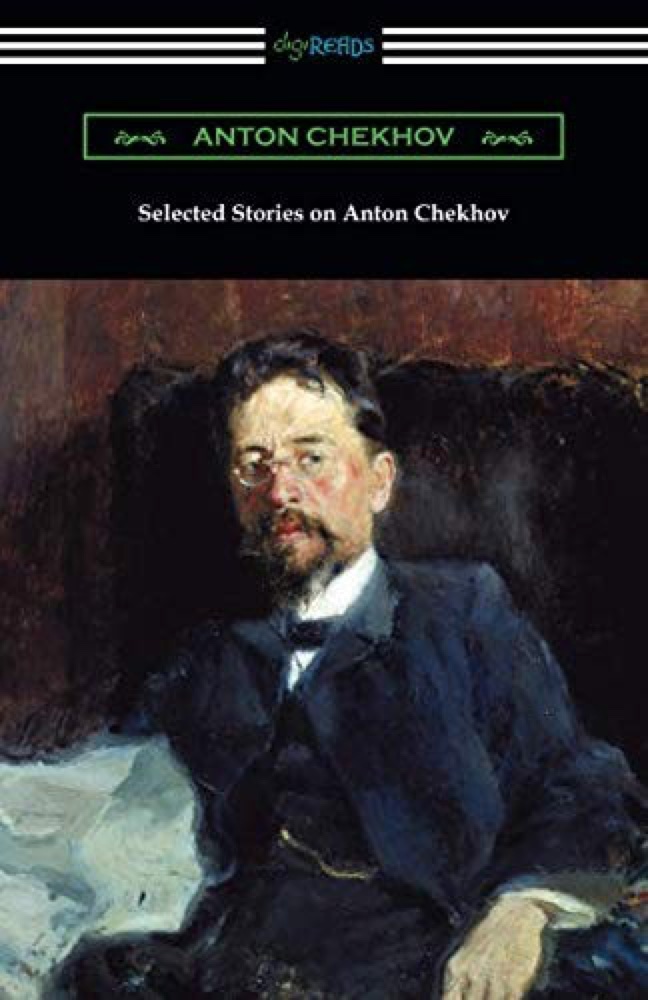 Selected Stories of Anton Chekhov
 Poems, 1962-2012
 The Scarlet Letter
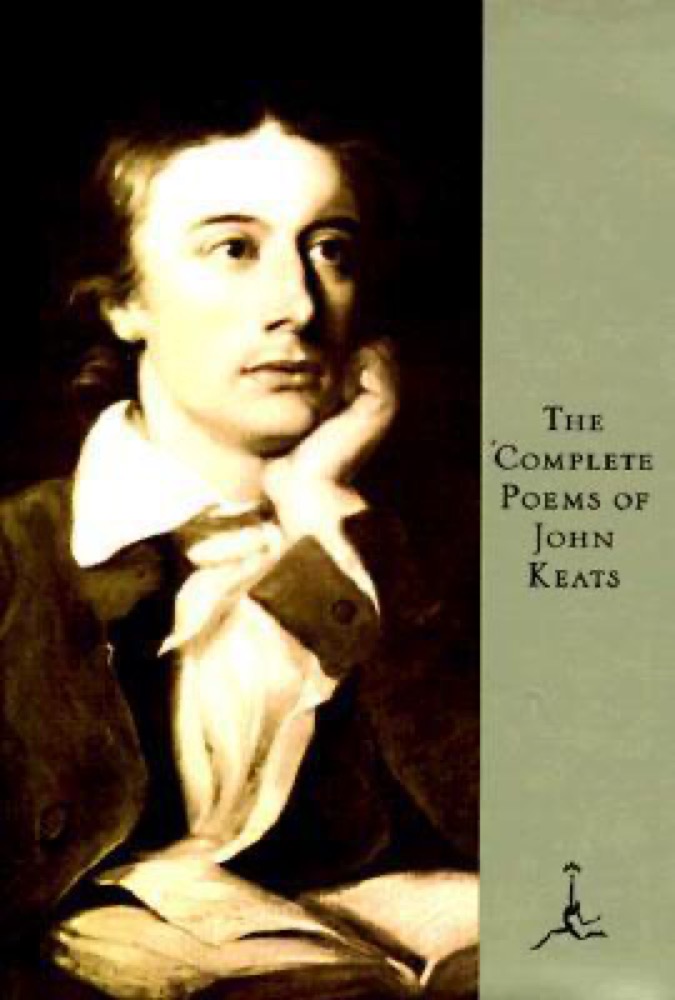 The Complete Poems
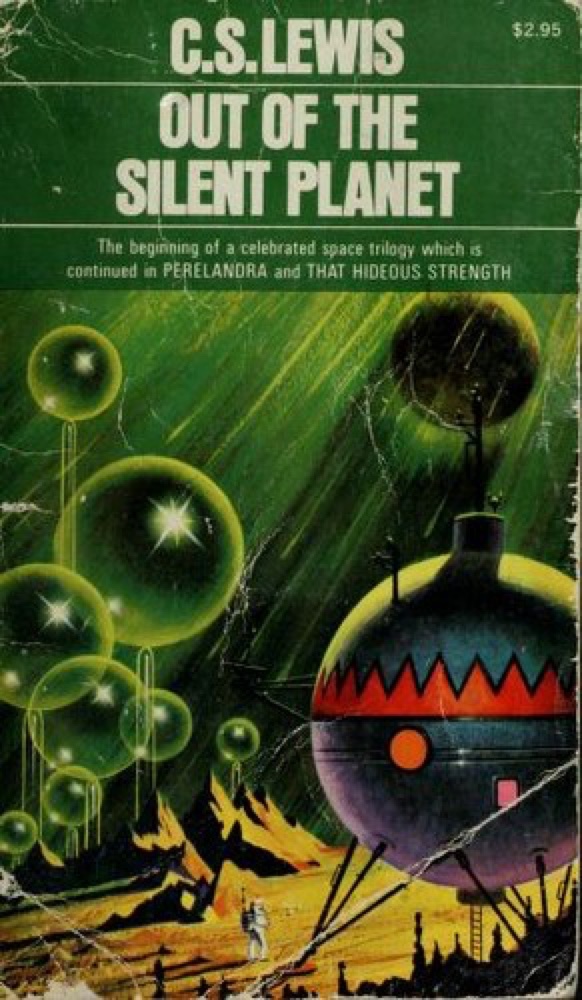 Out of the Silent Planet
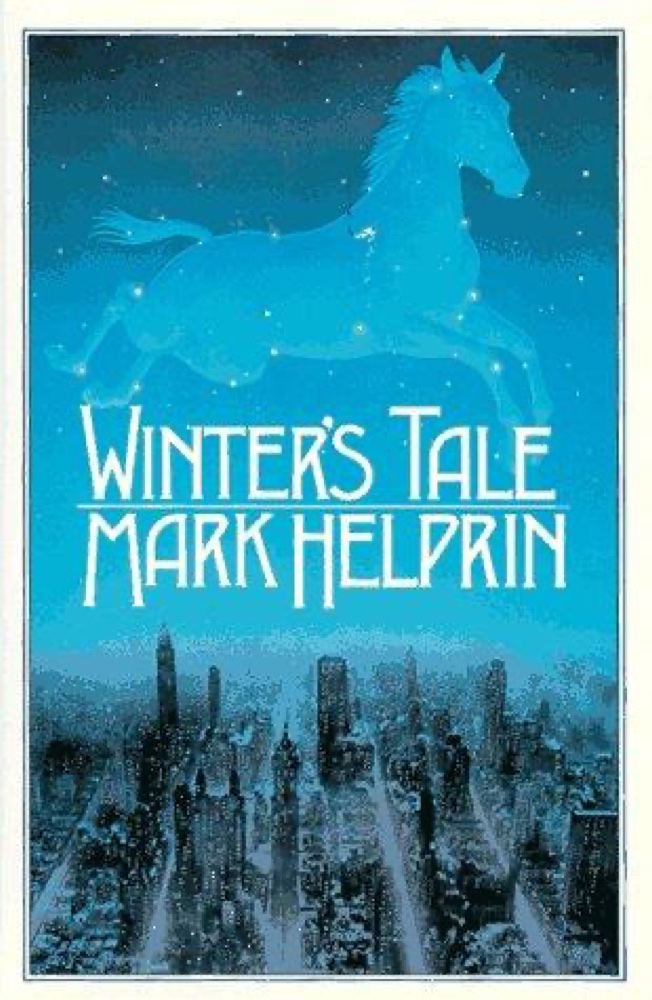 Winter's Tale
 Narcissus and Goldmund