
 The Rise of Endymion
Quotes from the Book
In the beginning was the Word. Then came the fucking word processor. Then came the thought processor. Then came the death of literature. And so it goes.
It occurs to me that our survival may depend upon our talking to one another.
To be a true poet is to become God. I tried to explain this to my friends on Heaven's Gate. 'Piss, shit,' I said. 'Asshole motherfucker, goddamn shit goddamn. Cunt. Pee-pee cunt. Goddamn!' They shook their heads and smiled, and walked away. Great poets are rarely understood in their own day.
Words bend our thinking to infinite paths of self-delusion, and the fact that we spend most of our mental lives in brain mansions built of words means that we lack the objectivity necessary to see the terrible distortion of reality which language brings.
Evolution brings human beings. Human beings, through a long and painful process, bring humanity.
In such seconds of decision entire futures are made.
After fifty-five years of dedicating his life and work to the story of ethical systems, Sol Weintraub had come to a single, unshakable conclusion: any allegiance to a deity or concept or universal principal which put obedience above decent behavior toward an innocent human being was evil.
In twentieth-century Old Earth, a fast food chain took dead cow meat, fried it in grease, added carcinogens, wrapped it in petroleum-based foam, and sold nine hundred billion units. Human beings. Go figure.
There is a fullness and calmness there which can come only from knowing pain.
Words are the only bullets in truth's bandolier. And poets are the snipers.
Prison always has been a good place for writers, killing, as it does, the twin demons of mobility and diversion
Sarai had treasured every stage of Rachel's childhood, enjoying the day-to-day normalcy of things; a normalcy which she quietly accepted as the best of life. She had always felt that the essence of human experience lay not primarily in the peak experiences, the wedding days and triumphs which stood out in the memory like dates circled in red on old calendars, but, rather, in the unself-conscious flow of little things - the weekend afternoon with each member of the family engaged in his or her own pursuit, their crossings and connections casual, dialogues imminently forgettable, but the sum of such hours creating a synergy which was important and eternal.
Belief in one's identity as a poet or writer prior to the acid test of publication is as naive and harmless as the youthful belief in one's immortality... and the inevitable disillusionment is just as painful.
You have to live to really know things, my love
I now understand the need for faith—pure, blind, fly-in-the-face-of-reason faith—as a small life preserver in the wild and endless sea of a universe ruled by unfeeling laws and totally indifferent to the small, reasoning beings that inhabit it.
The day is perfect and I hate it for being so.
A philosopher/mathematician named Bertrand Russell who lived and died in the same century as Gass once wrote: “Language serves not only to express thought but to make possible thoughts which could not exist without it.” Here is the essence of mankind’s creative genius: not the edifices of civilization nor the bang-flash weapons which can end it, but the words which fertilize new concepts like spermatazoa attacking an ovum.
Who was Hitler?' I said. Tyrena smiled slightly. 'An Old Earth politician who did some writing.
It no longer matters who consider themselves the masters of events. Events no longer obey their masters.
Do you think it's ready?" I [Silenus, The Poet] asked. "It's perfect... a masterpiece." "Do you think it'll sell?" I asked. "No fucking way.
[H]istory viewed from the inside is always a dark, digestive mess, far different from the easily recognizable cow viewed from afar by historians.
Barbarians, we call them, while all the while we timidly cling to our Web like Visigoths crouching in the ruins of Rome's faded glory and proclaim ourselves civilized.
Nobody gets beyond a petroleum economy. Not while there's petroleum there.
The life of a poet lies not merely in the finite language-dance of expression but in the nearly infinite combinations of perception and memory combined with the sensitivity to what is perceived and remembered.
The whole planet reeks of mysticism without revelation.
Stand as I did after throwing the switch, a murderer, a betrayer, but still proud, feet firmly planted on Hyperion’s shifting sand, head held high, fist raised against the sky, crying “A plague on both your houses!
... a comment with the idle arrogance common of such nobodies who have just come into a small bit of power.
The Chinese poet George Wu ... recorded on his comlog: "Poets are the mad midwives to reality. They see not what is, nor what can be, but what must become." Later, on his last disk to his lover the week before he died, Wu said: "Words are the only bullets in truth's bandolier. And poets are the snipers.
When you've spent thirty years entering rooms filled with strangers you feel less pressure than when you've had only half that number of years of experience. You know what the room and the people in it probably hold for you and you go looking for it. If it's not there, you sense it earlier and leave to go about your business. You just know more about what is, what isn't, and how little time there is to learn the difference.
The world as we know it is ending, my friends, no matter what happens to us
Did you know?
- The novel's structure is modeled on Geoffrey Chaucer's The Canterbury Tales, with pilgrims each telling a personal tale.
- It won both the 1990 Hugo Award for Best Novel and the 1990 Locus Award for Best Science Fiction Novel.
- It is the first book of the four-volume Hyperion Cantos, followed by The Fall of Hyperion, Endymion, and The Rise of Endymion.
- The deadly creature at the heart of the story is called the Shrike, linked to the Time Tombs on the world of Hyperion.
- The novel's title and much of its imagery draw on the poetry of John Keats, including his unfinished poem Hyperion.
About Dan Simmons
Dan Simmons is an American author known for writing across science fiction, horror, and historical fiction. He won the Hugo Award for Hyperion and the World Fantasy Award for his horror novel Song of Kali.
More about the author →
About the book
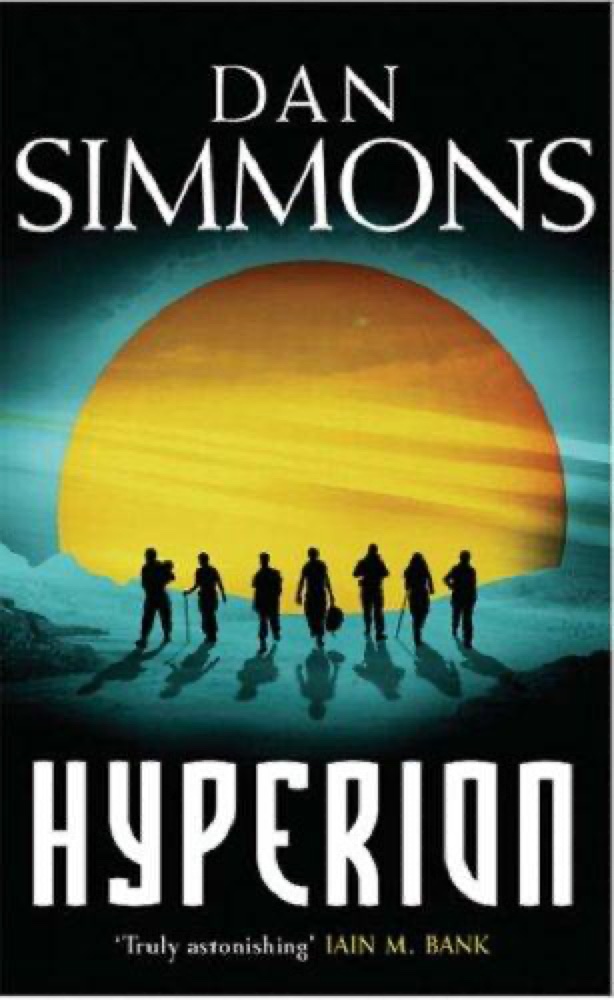
Hyperion is a 1989 science fiction novel by Dan Simmons and the first book of the Hyperion Cantos. On the distant world of Hyperion, beyond the reach of the interstellar Hegemony of Man, waits the Shrike, a mysterious and deadly creature associated with the enigmatic Time Tombs. On the eve of an interstellar war, seven pilgrims set out on what may be a final voyage to Hyperion, each carrying a private reason for seeking out the Shrike and the unsolved riddles of their lives.
Modeled on Geoffrey Chaucer's The Canterbury Tales, the novel uses a framing narrative in which the pilgrims take turns telling their personal stories during the journey. Each tale is written in a distinct style and voice, spanning multiple timelines and viewpoints, and together they gradually assemble a larger picture of the Shrike, the Time Tombs, and the forces converging on Hyperion. Themes of religious faith, love, sacrifice, time, and the relationship between humanity and its own creations run throughout.
The book won the 1990 Hugo Award for Best Novel and the Locus Award for Best Science Fiction Novel, and it is widely regarded as a landmark of modern space opera. Its story continues directly in The Fall of Hyperion, with the saga extended in Endymion and The Rise of Endymion.
Key characters
- The ConsulFormer Hegemony planetary governor among the pilgrims
- Father Lenar HoytCatholic priest carrying a dark secret about a lost colleague
- Colonel Fedmahn KassadSoldier of the Hegemony haunted by a battlefield vision
- Martin SilenusFoul-mouthed poet obsessed with completing his life's work
- Sol WeintraubJewish scholar traveling with his daughter afflicted by a strange time affliction
- Brawne LamiaPrivate detective investigating a case tied to the Shrike
- Het MasteenTemplar True Voice of the Tree and ship captain
Book details
- First published
- 1989
- Length
- 482 pages
- Reading time
- 29 hours
- Author
- Dan Simmons
- Genre
- Fiction
- Goodreads rating
- 4.28 (312k ratings) →
- First line
- “The Hegemony Consul sat on the balcony of his ebony spaceship and played Rachmaninoff's Prelude in C-sharp Minor on an ancient but well-maintained Steinway while great, green, saurian things surged and bellowed in the swamps below.”
Series & reading order
- 1 Hyperion
- 2 The Fall of Hyperion
- 3 Endymion
- 4 The Rise of Endymion
If you liked this, read…
- 1DuneSweeping, richly imagined space opera centered on a single desert-like world and its mysteries.
- 2The Canterbury TalesThe classic pilgrimage frame-story structure that Hyperion directly reimagines.
- 3A Canticle for LeibowitzAward-winning SF that weaves religious faith and deep time into its far-future vision.
Keep reading
 Empire of Silence
 The Magus
 Complete Works of Oscar Wilde
 Cloud Atlas
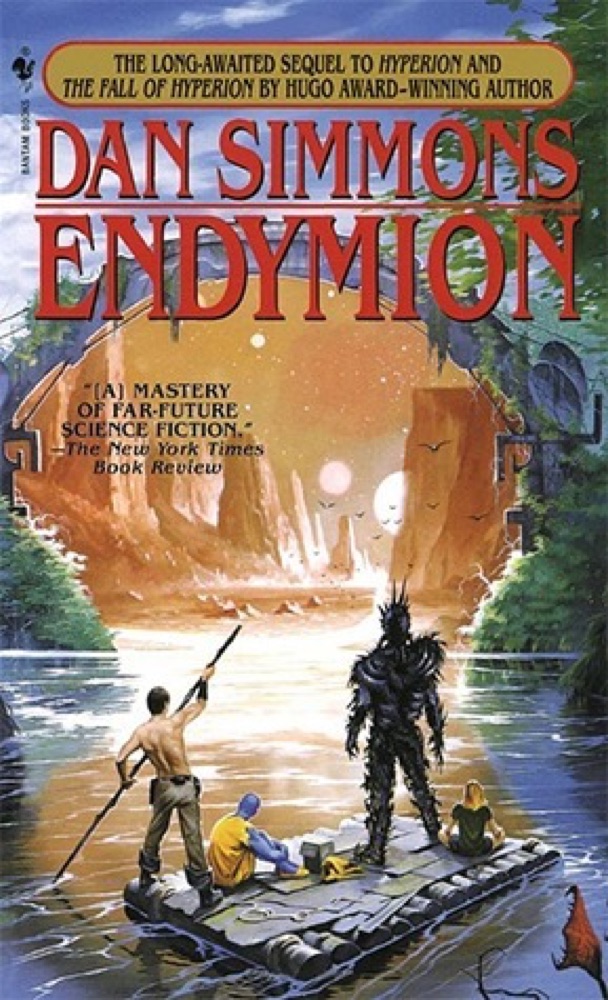 Endymion
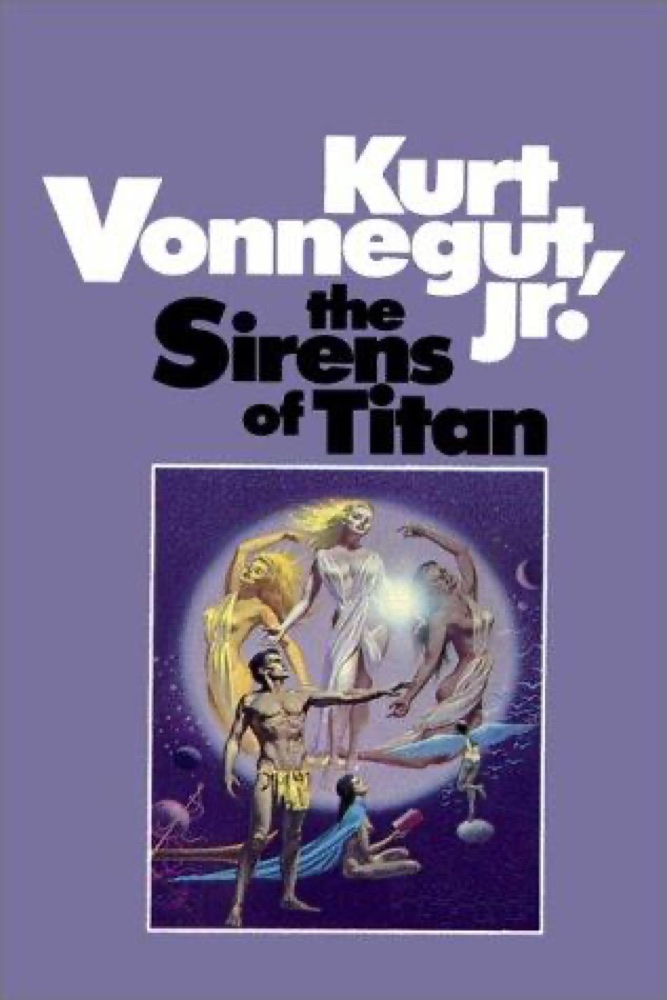 The Sirens of Titan
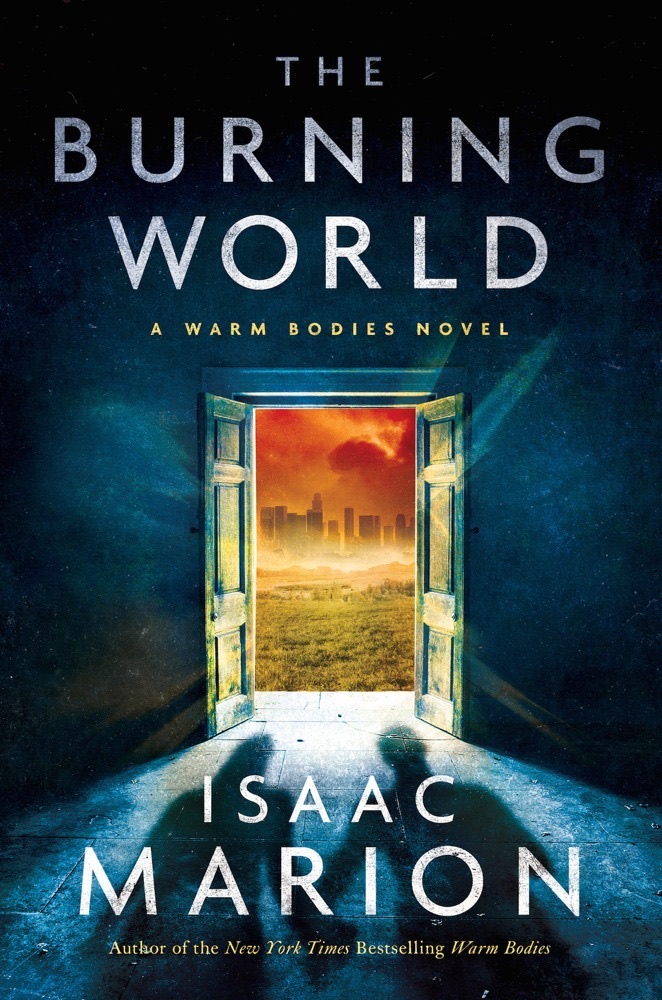 The Burning World
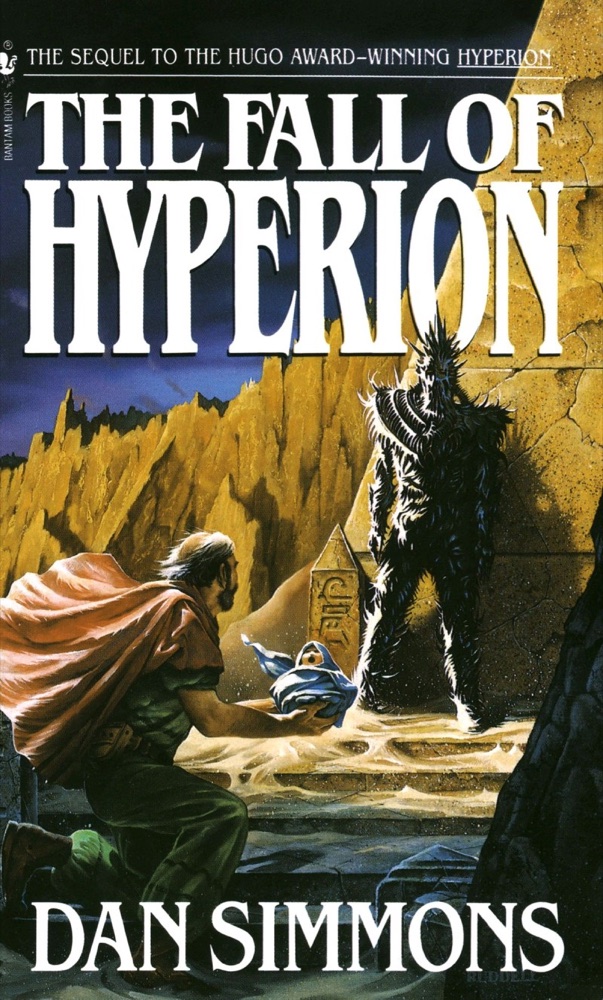 The Fall of Hyperion
 Daniel Deronda
 Ulysses
 The Fall
 Selected Poems
 That Hideous Strength
 Dhalgren
 The Gone-Away World
 The Magic Mountain
 The Man in the High Castle
 The Secret History
 Red Mars
The Rise of Endymion
Red Mars
The Rise of Endymion
 Watchmen
 The Stone Gods
 The Signature of All Things
 The Ground Beneath Her Feet
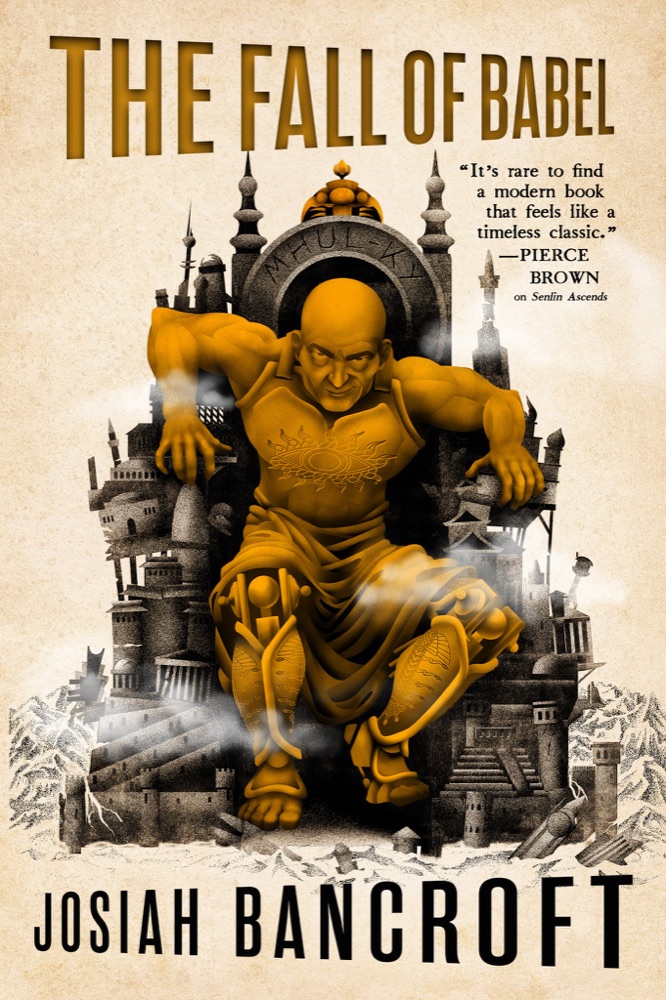 The Fall of Babel
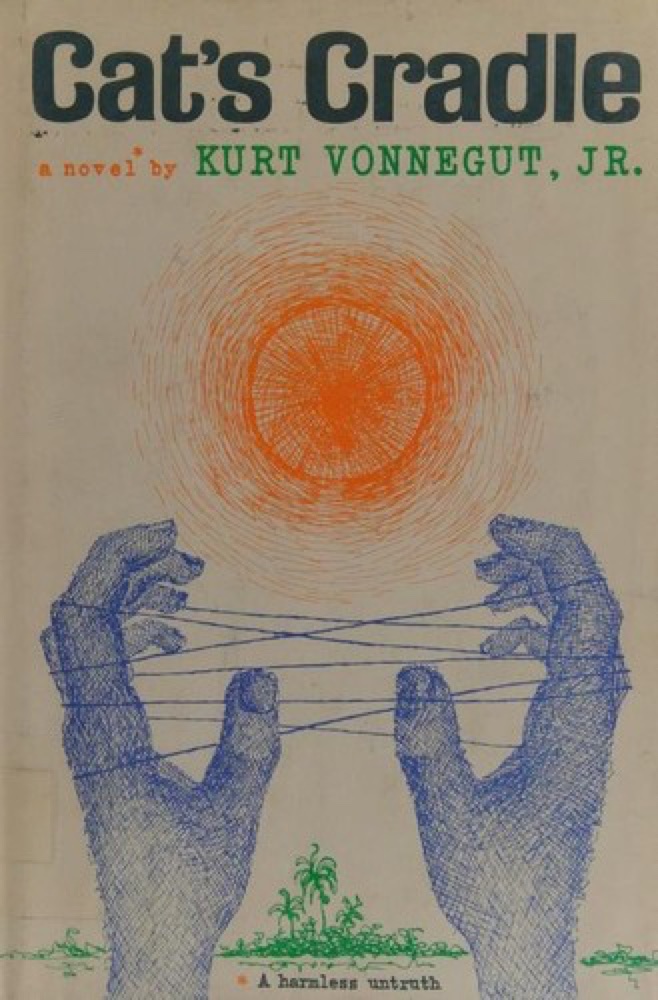 Cat's Cradle
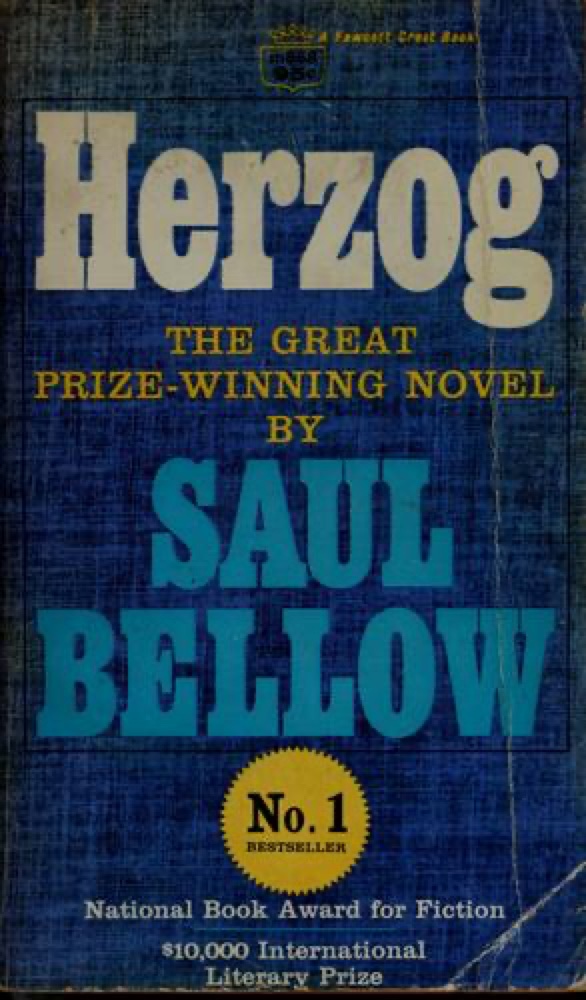 Herzog
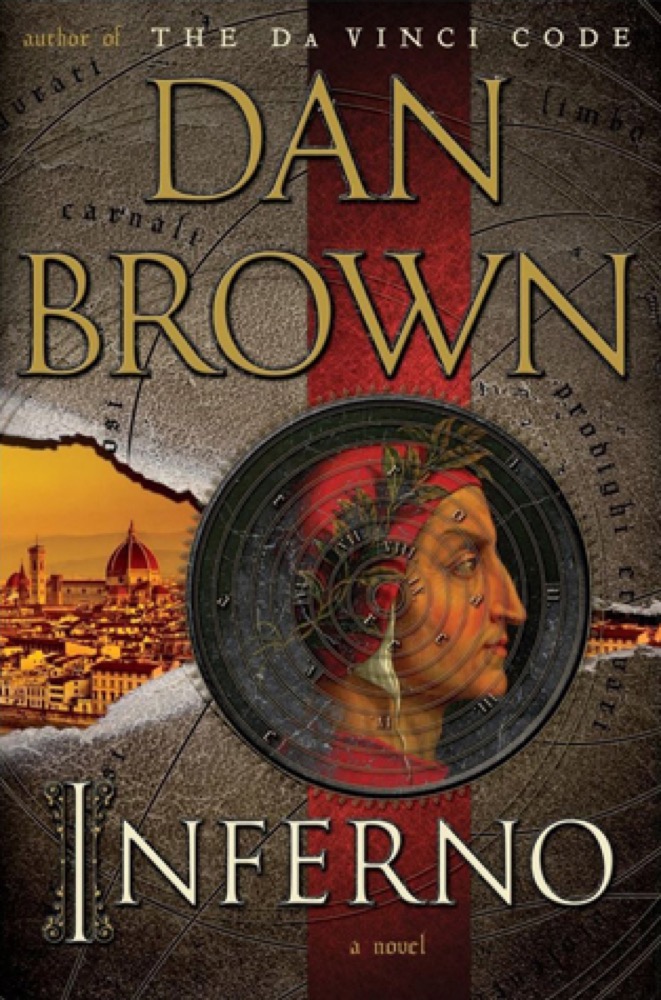 Inferno
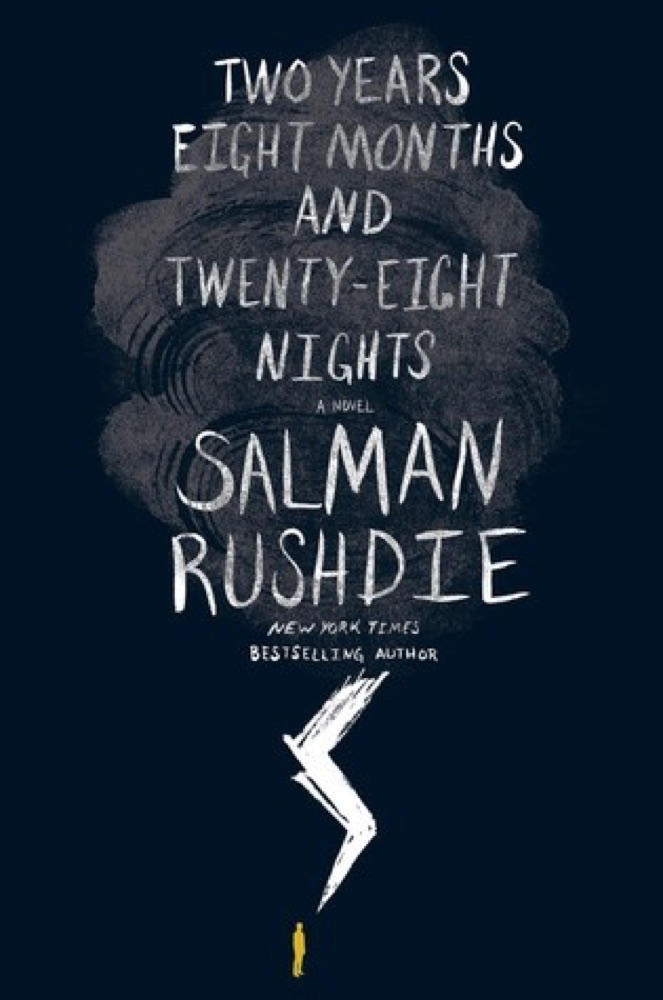 Two Years Eight Months and Twenty-Eight Nights
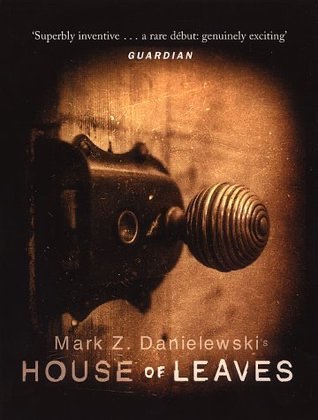 House of Leaves
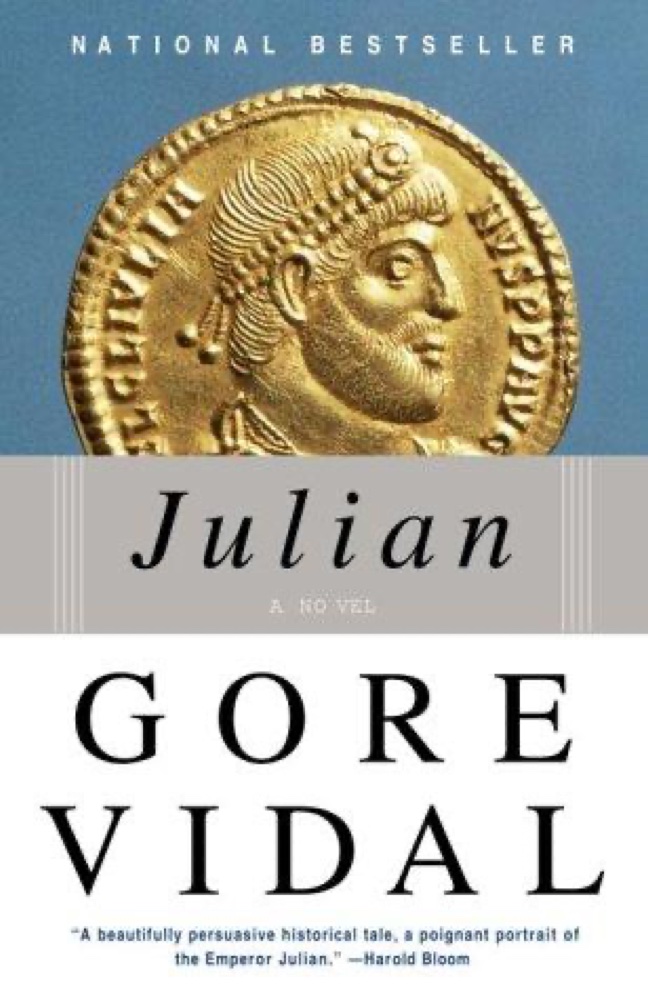 Julian
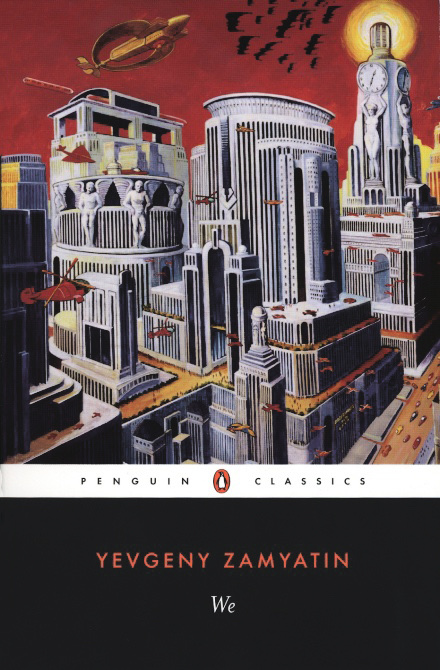 We
We
 Midnight's Children
 Libra
Libra
 The Fifth Science
 Too Like the Lightning
 Absalom, Absalom!
 Timequake
 The Wolf Gift
 The Stories of Vladimir Nabokov
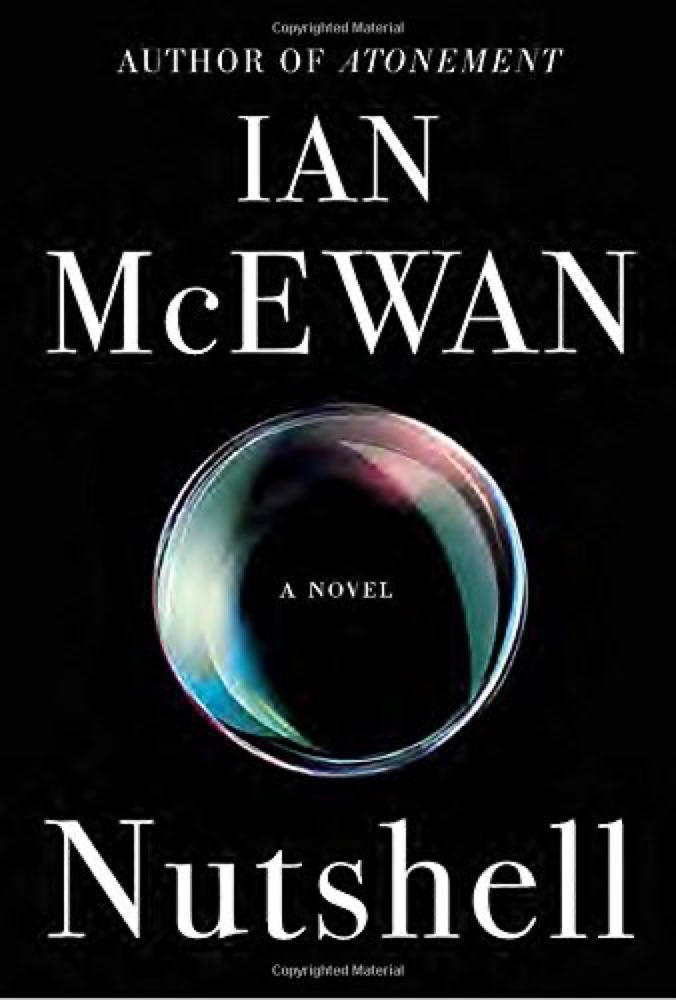 Nutshell
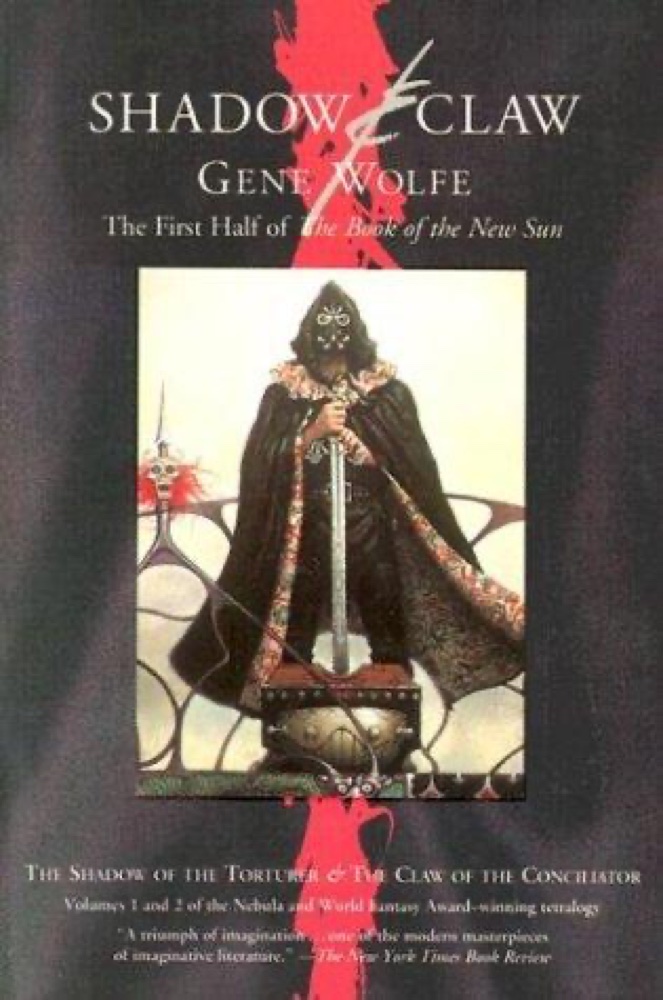 Shadow & Claw
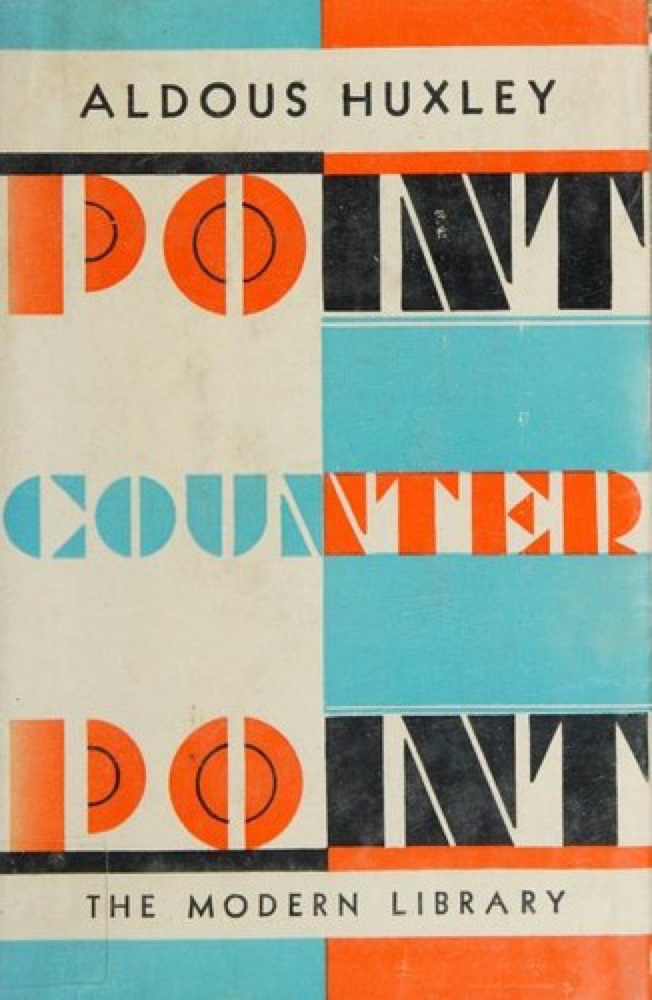 Point Counter Point
 Sexus
Sexus
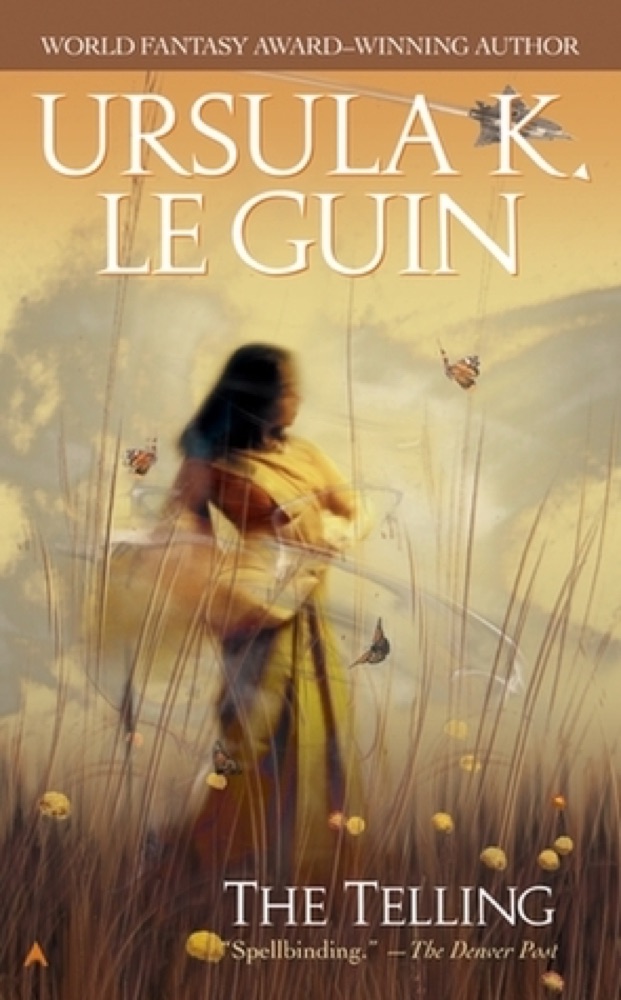 The Telling
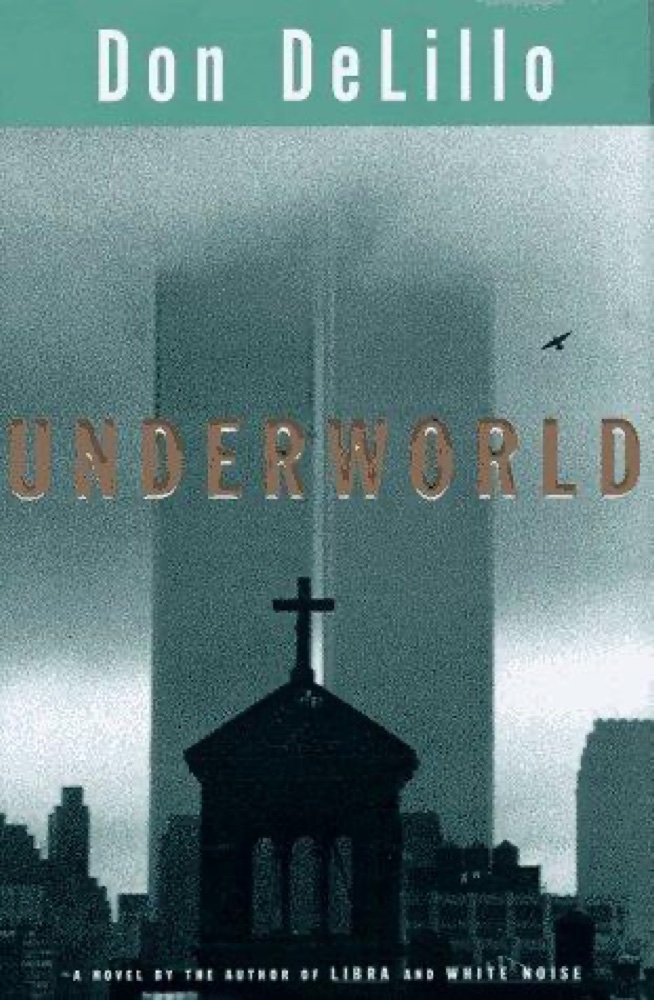 Underworld
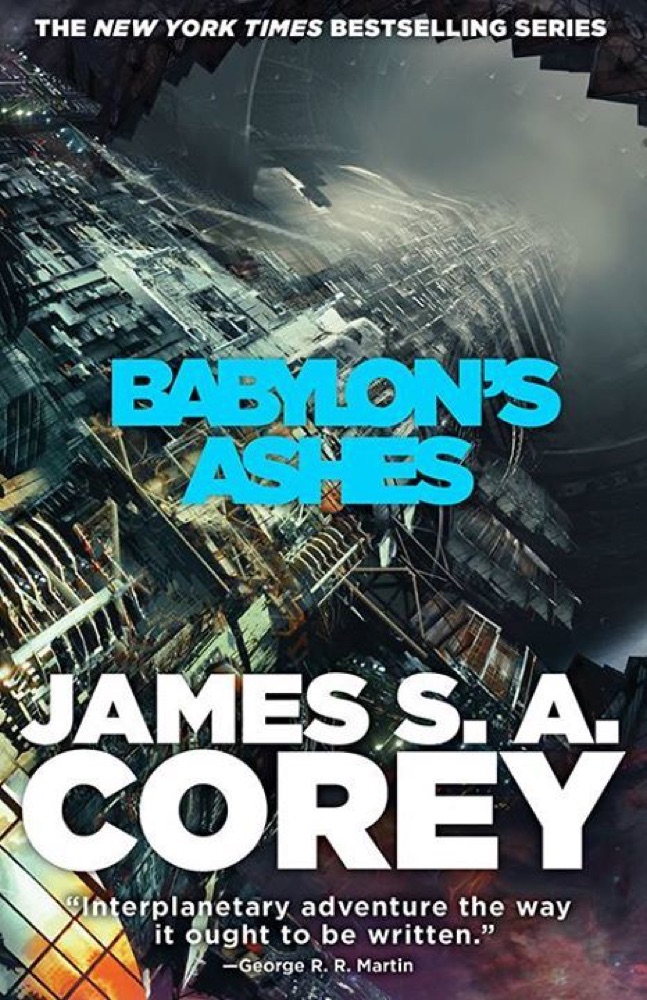 Babylon's Ashes
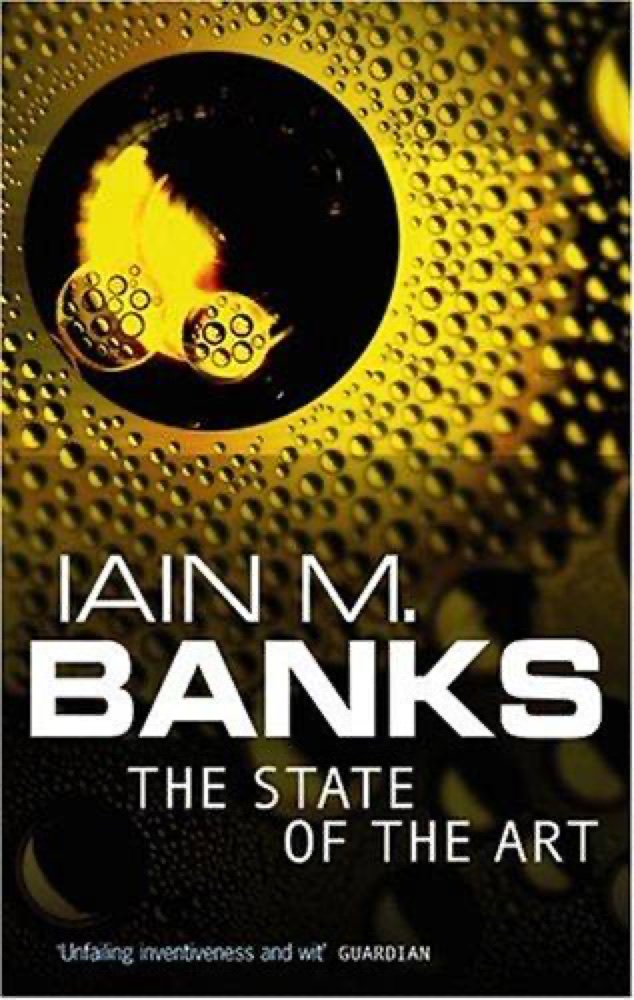 The State of the Art
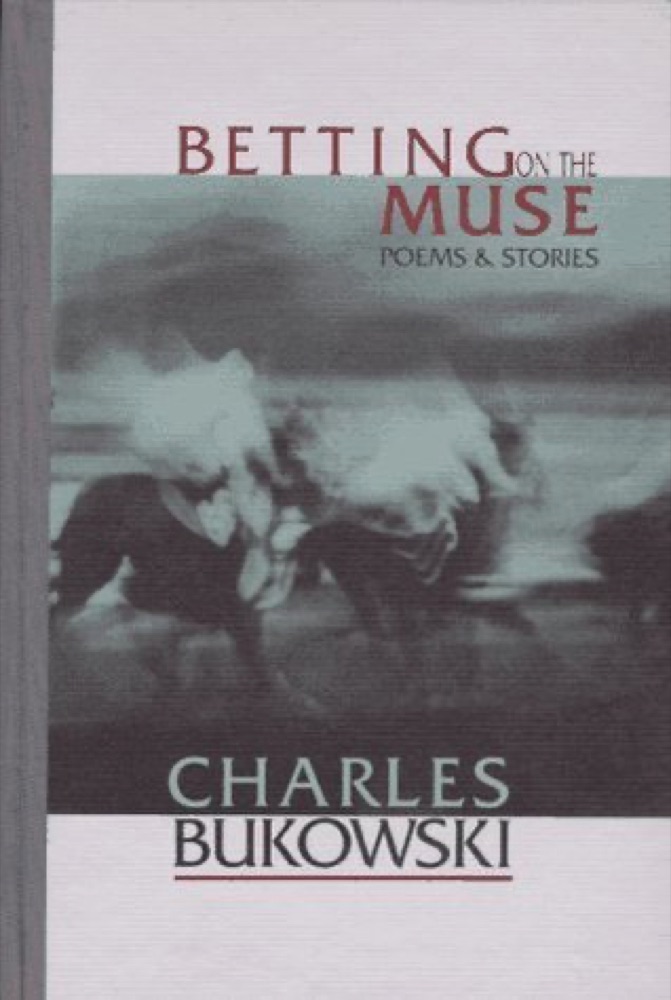 Betting on the Muse: Poems & Stories
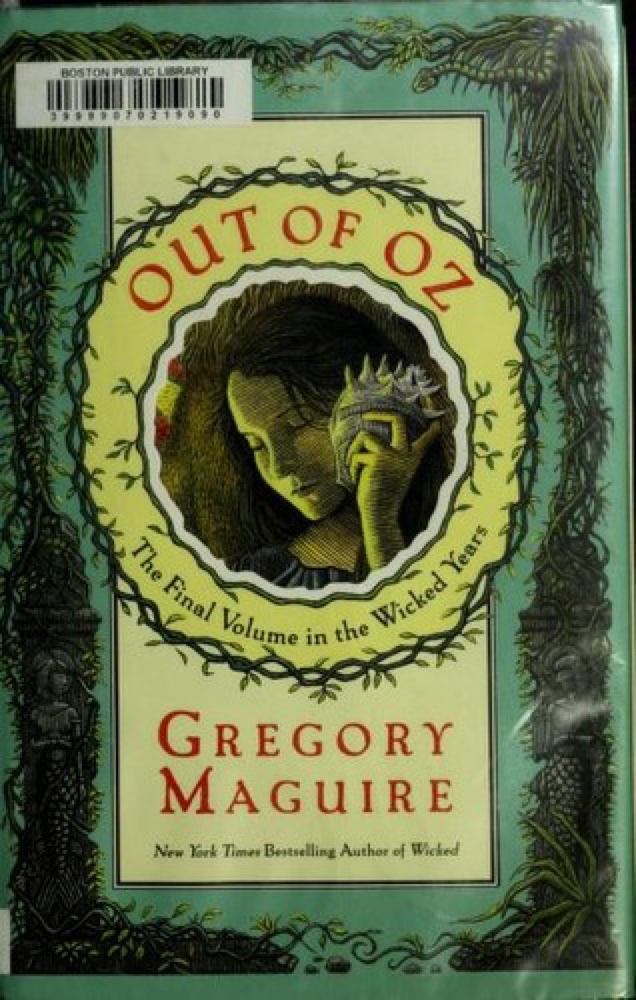 Out of Oz
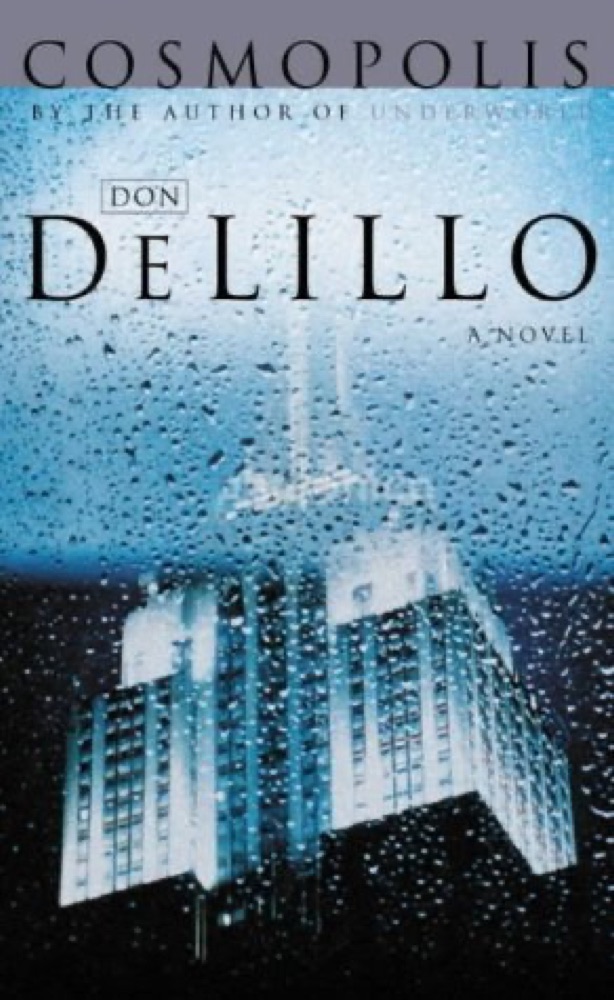 Cosmopolis
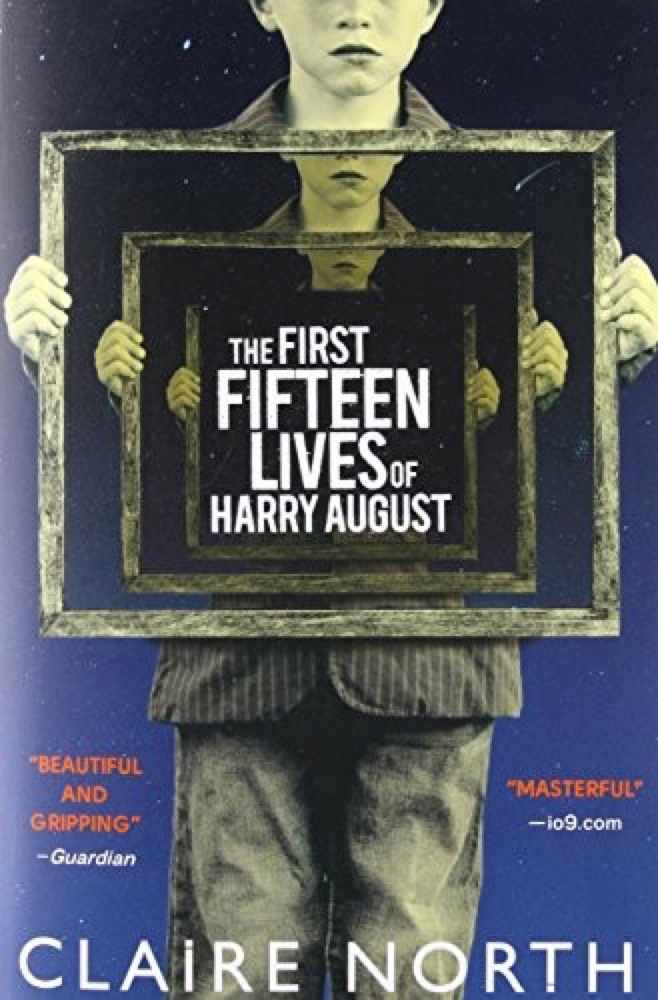 The First Fifteen Lives of Harry August
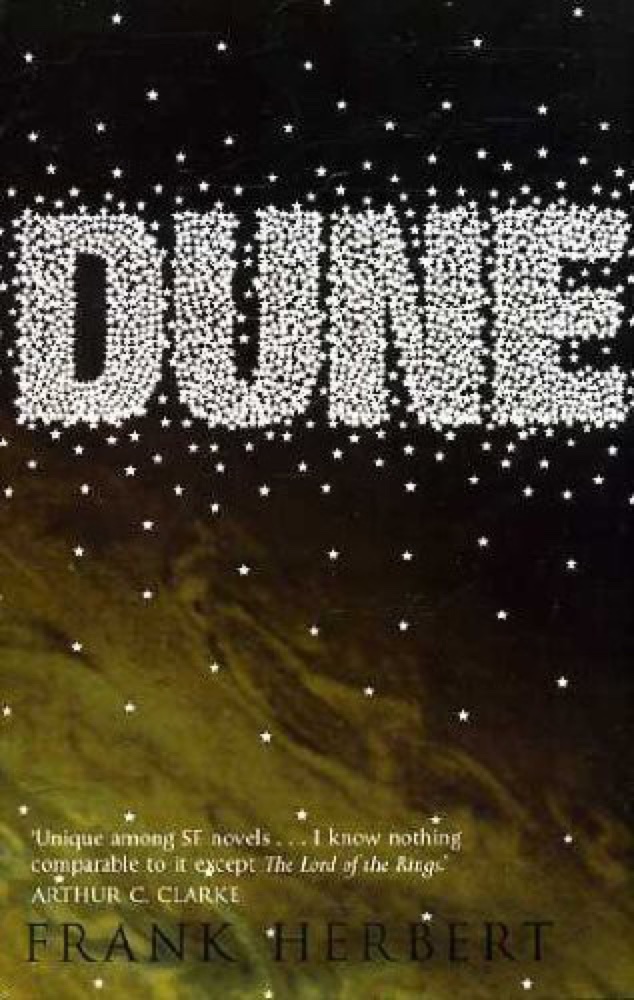 Dune
Dune
 The French Lieutenant's Woman
 Arm of the Sphinx
 The Faith of Beasts
 Collected Fictions
 Stranger in a Strange Land
 The Stardust Grail
 Death's End