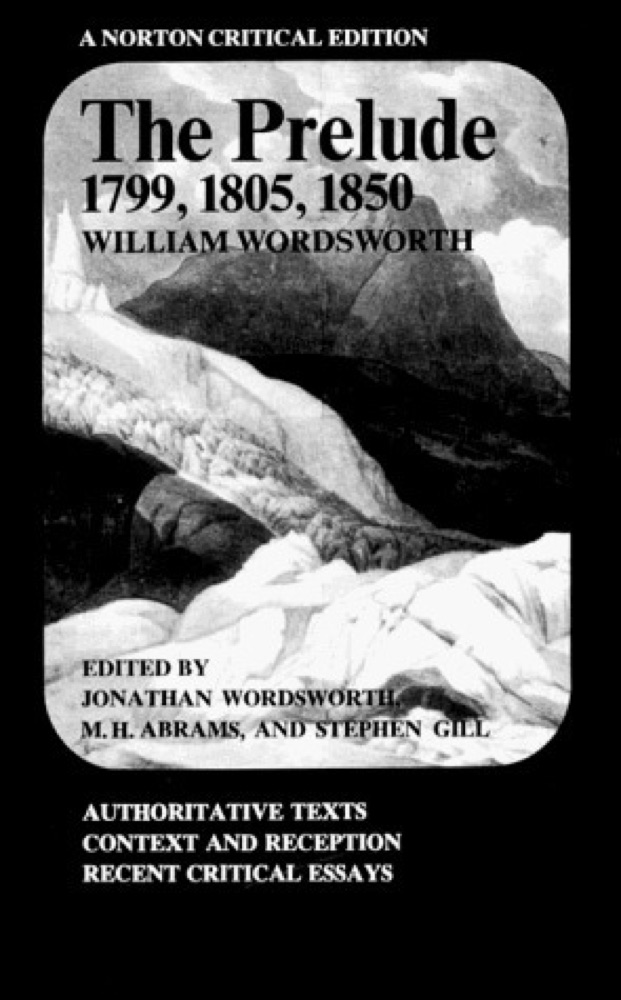
 The Prelude
Quotes from the Book
The best portion of a good man's life: his little, nameless unremembered acts of kindness and love.
Poetry is the spontaneous overflow of powerful feelings: it takes its origin from emotion recollected in tranquility.
The eye--it cannot choose but see; We cannot bid the ear be still; Our bodies feel, where'er they be, Against or with our will.
poetry is the breath and finer spirit of knowledge
... and we shall find A pleasure in the dimness of the stars.
What we have loved, others will love, and we will teach them how; instruct them how the mind of man becomes a thousand times more beautiful than the earth on which he dwells...
Sweet is the lore which nature brings; Our meddling intellect Misshapes the beauteous forms of things; —We murder to dissect.
I'll teach my boy the sweetest things; I'll teach him how the owlet sings.
In sleep I heard the northern gleams; The stars they were among my dreams; In sleep did I behold the skies
If thou be one whose heart the holy forms Of young imagination have kept pure, Stranger! henceforth be warned; and know, that pride, Howe'er disguised in its own majesty, Is littleness; that he, who feels contempt For any living thing, hath faculties Which he has never used; that thought with him Is in its infancy. The man, whose eye Is ever on himself, doth look on one, The least of nature's works, one who might move The wise man to that scorn which wisdom holds Unlawful, ever. O, be wiser thou! Instructed that true knowledge leads to love, True dignity abides with him alone Who, in the silent hour of inward thought, Can still suspect, and still revere himself, In lowliness of heart.
I heard a thousand blended notes While in a grove I sate reclined, In that sweet mood when pleasant thoughts Bring sad thoughts to the mind. To her fair works did Nature link The human soul that through me ran; And much it grieved my heart to think What man has made of man.
But the sweet face of Lucy Gray Will never more be seen. The storm came on before its time: She wandered up and down; And many a hill did Lucy climb: But never reached the town.
For I have learned To look on nature, not as in the hour Of thoughtless youth; but hearing oftentimes The still, sad music of humanity, Nor harsh nor grating, though of ample power To chasten and subdue. And I have felt A presence that disturbs me with the joy Of elevated thoughts; a sense sublime Of something far more deeply interfused, Whose dwelling is the light of setting suns, And the round ocean and the living air, And the blue sky, and in the mind of man; A motion and a spirit, that impels All thinking things, all objects of all thought, And rolls through all things. Therefore am I still A lover of the meadows and the woods, And mountains; and of all that we behold From this green earth; of all the mighty world Of eye, and ear,—both what they half create, And what perceive; well pleased to recognise In nature and the language of the sense, The anchor of my purest thoughts, the nurse, The guide, the guardian of my heart, and soul Of all my moral being.
Such views the youthful Bard allure, But, heedless of the following gloom, He deems their colours shall endure 'Till peace go with him to the tomb. —And let him nurse his fond deceit, And what if he must die in sorrow! Who would not cherish dreams so sweet, Though grief and pain may come tomorrow?
The pleasure-house is dust:—behind, before, This is no common waste, no common gloom; But Nature, in due course of time, once more Shall here put on her beauty and her bloom. She leaves these objects to a slow decay, That what we are, and have been, may be known; But at the coming of the milder day, These monuments shall all be overgrown.
Stranger! henceforth be warned; and know that pride, Howe'er disguised in its own majesty, Is littleness; that he, who feels contempt For any living thing, hath faculties Which he has never used; that thought with him Is in its infancy...
One moment now may give us more Than fifty years of reason; Our minds shall drink at every pore The spirit of the season.
Watch on YouTube
About William Wordsworth
We have collected 31 quotes from 2 books by William Wordsworth on BookQuoters.
More about the author →More by William Wordsworth
The Prelude
Book details
- Author
- William Wordsworth
- Genre
- Classics
- Goodreads rating
- 3.95 (13k ratings) →
Keep reading
 The Complete Poems
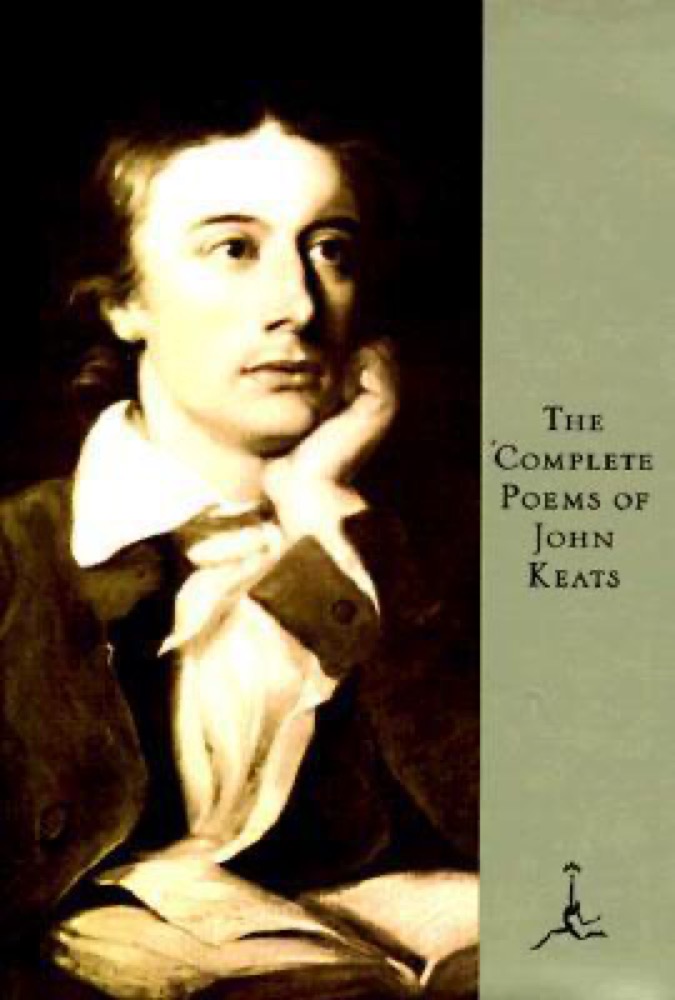 The Complete Poems
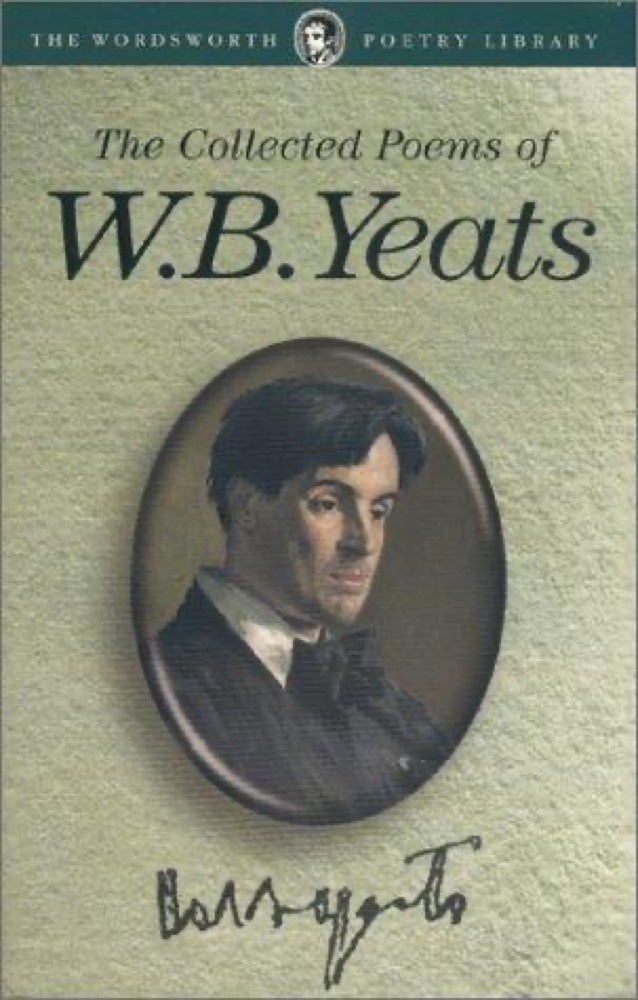 The Collected Poems of W.B. Yeats
 The Complete Poems of Emily Dickinson
 Phantastes
 Childe Harold's Pilgrimage
 Winter Hours: Prose, Prose Poems, and Poems
 The Collected Poems
 Evidence: Poems
 The Collected Poems of Emily Dickinson
 Swann's Way
 100 Selected Poems
 Nature and Selected Essays
 A Portrait of the Artist as a Young Man
 Collected Poems
 Selected Poems
 Selected Stories
 Upstream: Selected Essays
 Wind, Sand and Stars
 The Complete Stories and Poems
 Complete Poems and Selected Letters
 Collected Poems, 1909-1962
 The Tale of Genji
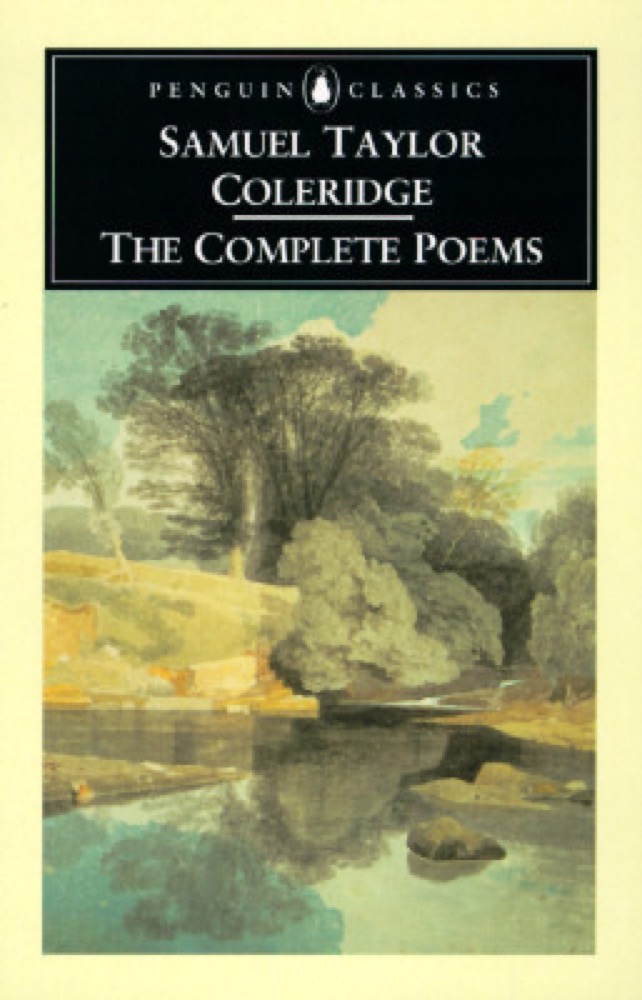 The Complete Poems
The Prelude
The Complete Poems
The Prelude
 Villette
 Gitanjali
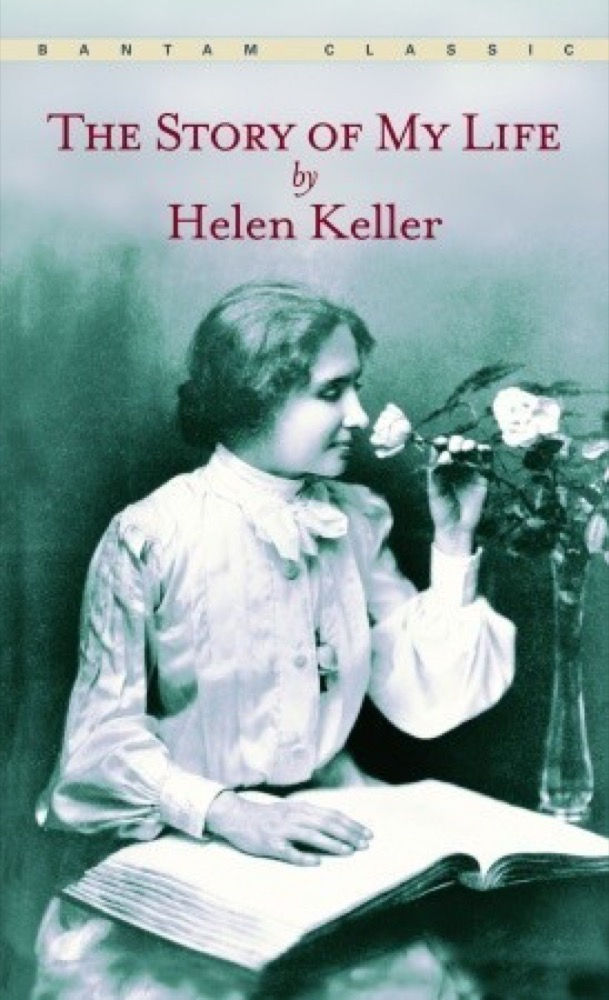 The Story of My Life
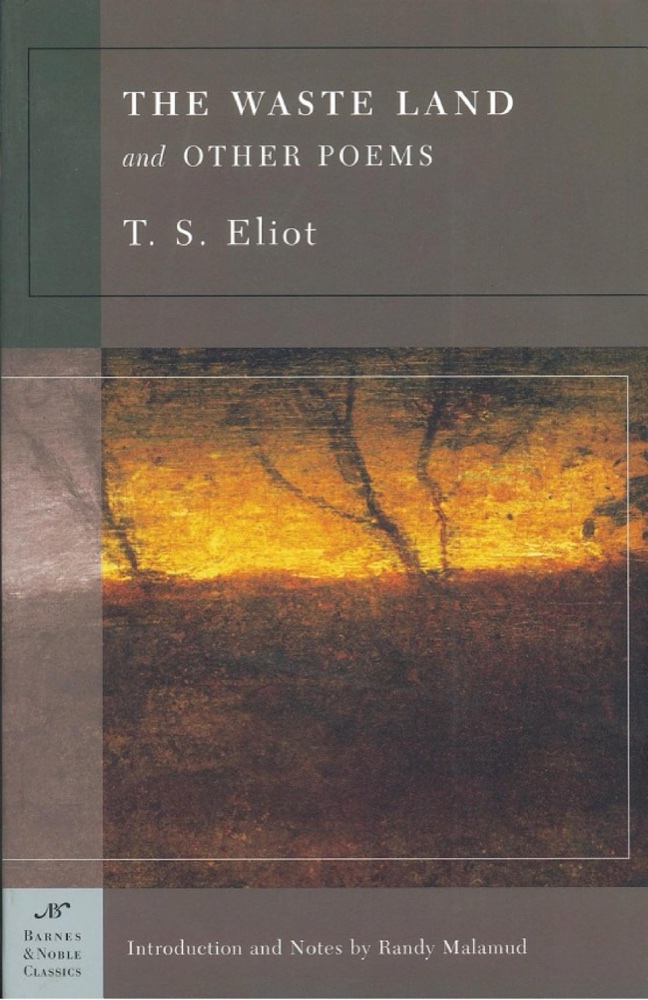 The Waste Land and Other Poems
 The Last Man
 The Celtic Twilight: Faerie and Folklore
 Les Fleurs du Mal
 The Selected Poetry of Rainer Maria Rilke
 In Search of Lost Time
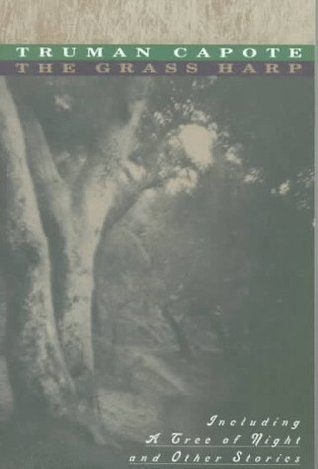 The Grass Harp, Including A Tree of Night and Other Stories
 Allan Quatermain
 The Three-Cornered World
 Narcissus and Goldmund
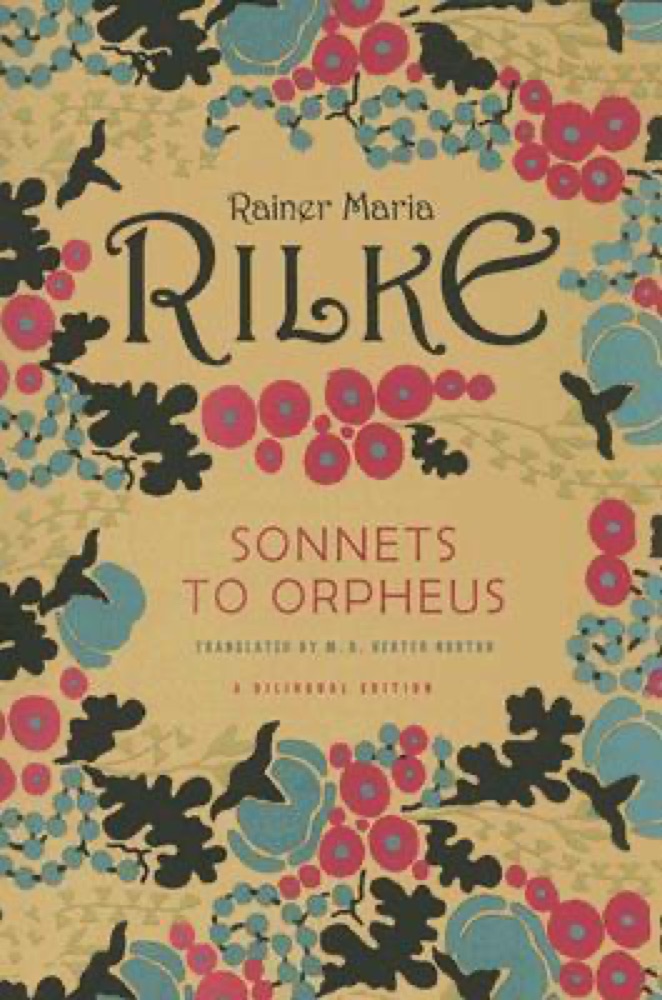 Sonnets to Orpheus
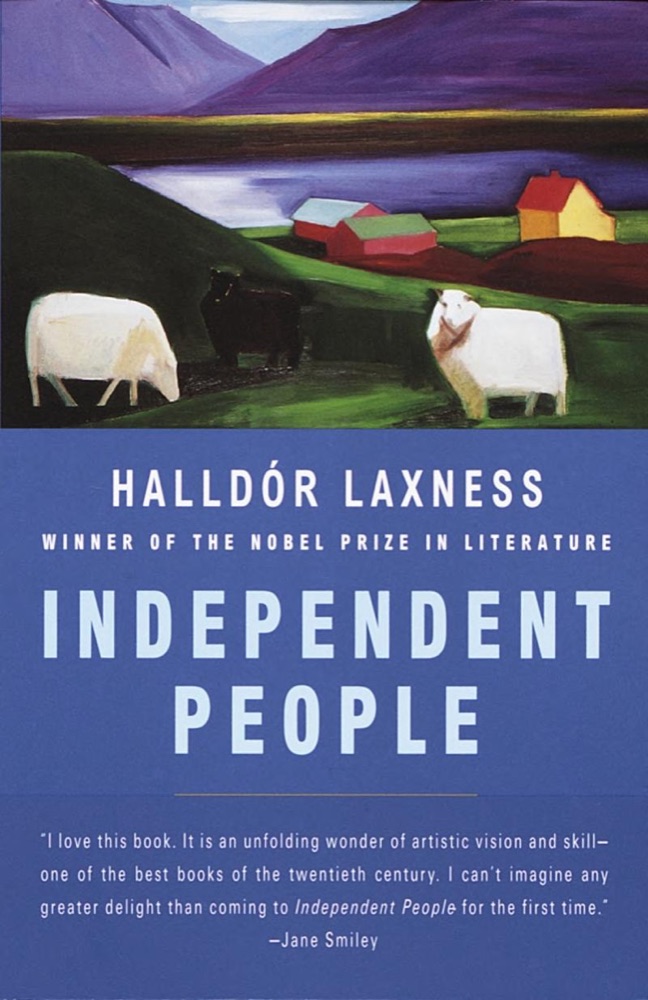 Independent People
 Daniel Deronda
 Jacob's Room
 She
She
 The Mysteries of Udolpho
 Les Misérables
 Wilhelm Meister's Apprenticeship
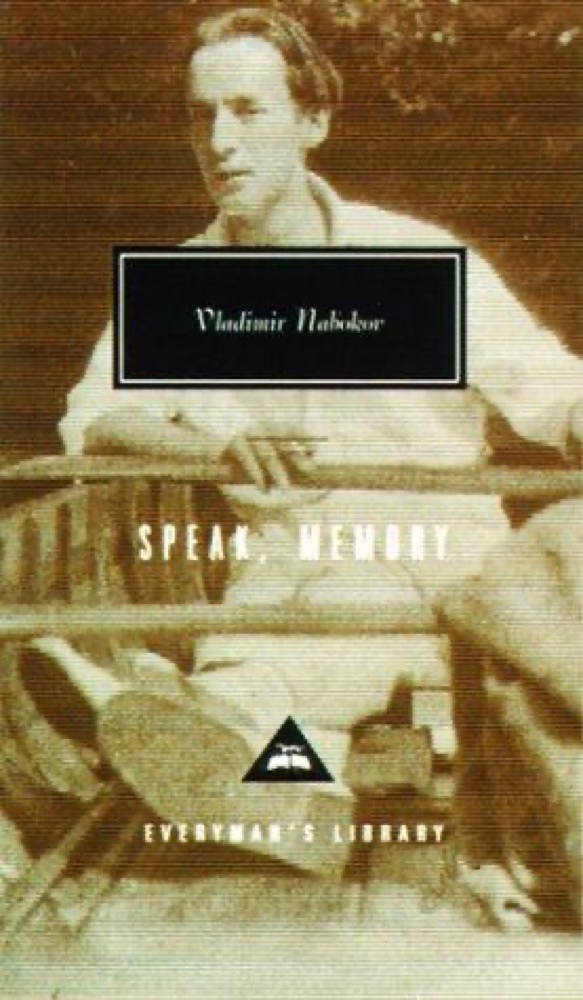 Speak, Memory
![The Complete Poems of Emily Bronte [with Biographical Introduction]](/i/book/g/b2/the-complete-poems-of-emily-bronte-with-biographical-introduction.jpg) The Complete Poems of Emily Bronte [with Biographical Introduction]
The Complete Poems of Emily Bronte [with Biographical Introduction]
 Spring and All
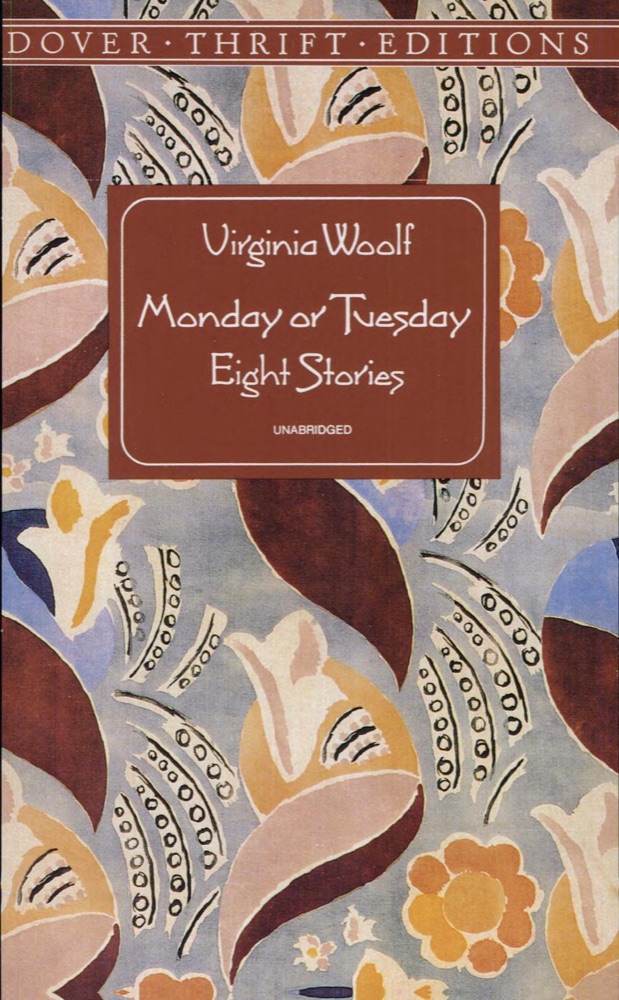 Monday or Tuesday
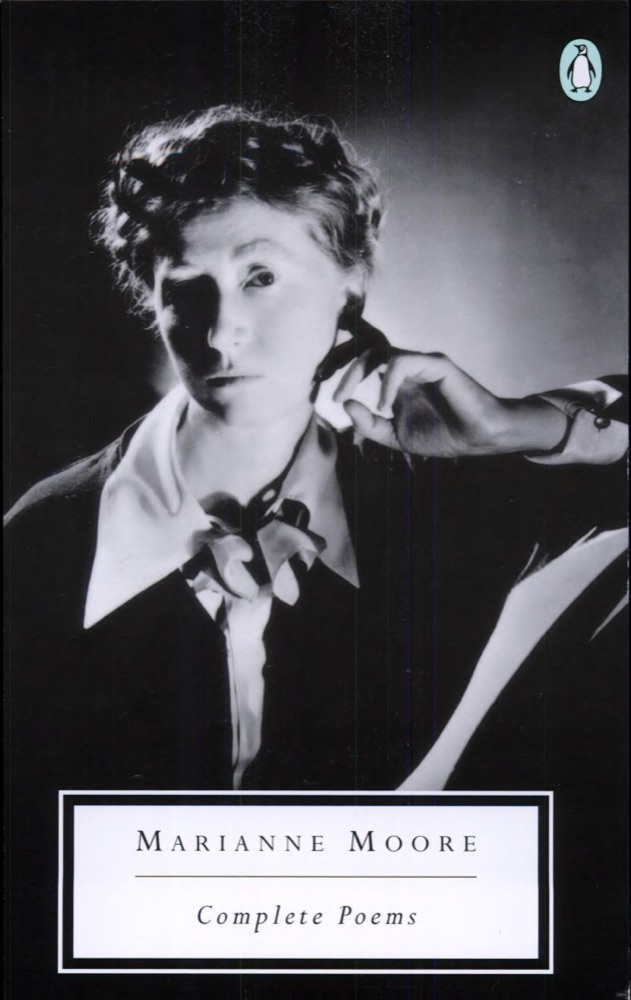 Complete Poems
 Look Homeward, Angel
 The Complete English Poems
 A Midsummer Night's Dream
 Don Juan
 Lord Jim
 The Stories of Vladimir Nabokov
 Orlando
 Paradiso
 The Poetry of Robert Frost