
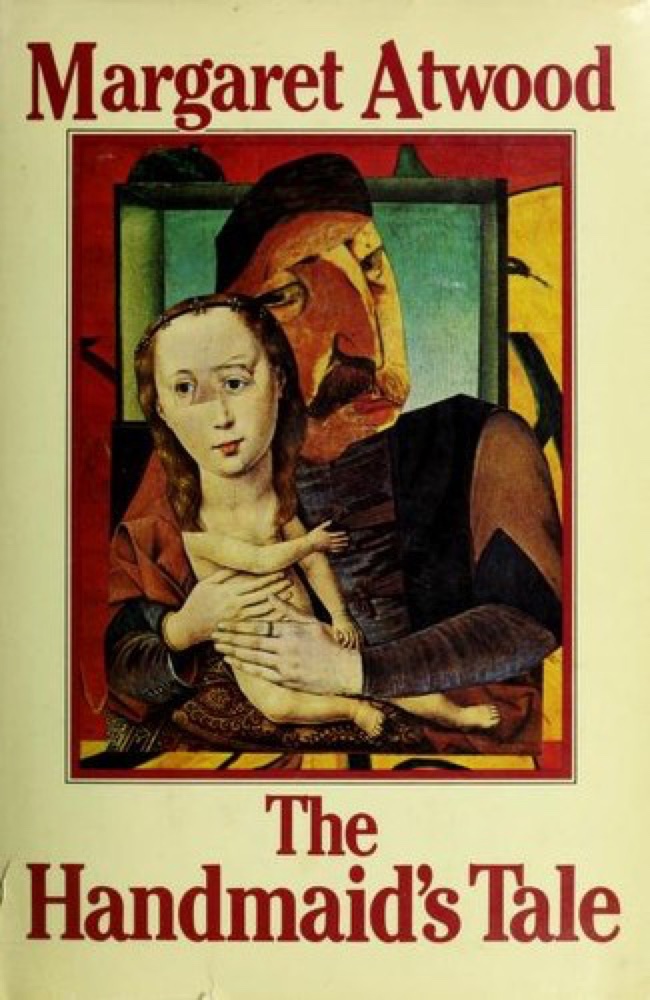
 The Handmaid's Tale
Quotes from the Book
The world that we think we see is only our best guess.
36
Lions don’t know they are lions. They don’t know how brave they are.
26
That room has been static for me so long: an emptiness. a void. a silence containing an unheard story ready for me to unlock. Let there be plot.
22
If you were a song What song would you be? Would you be the voice that sings, Would you be the music? When I am singing this song for you You are not empty air You are here, One breath and then another: You are here with me...
20
The hands reaching in among the leaves and spines were once my mother's. I've passed them on. Decades ahead, you'll study your own temporary hands, and you'll remember. Don't cry, this is what happens.
17
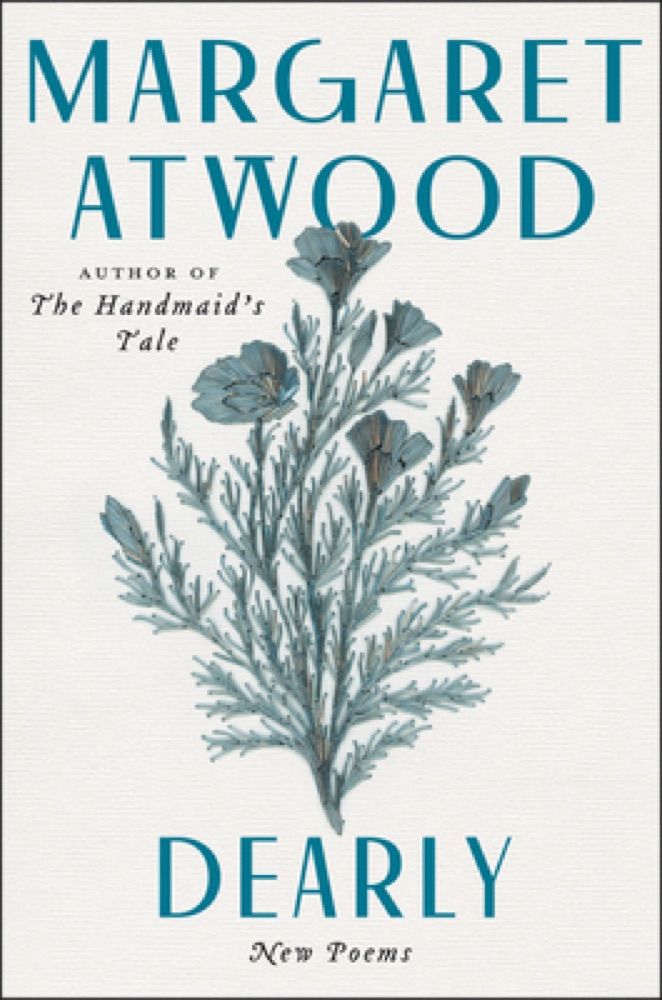
Me, it’s the heart: that’s the part lacking. I used to want one: a dainty cushion of red silk dangling from a blood ribbon, fit for sticking pins in. But I’ve changed my mind. Hearts hurt. — Margaret Atwood, from “The Tin Woodwoman Gets a Massage ,” Dearly: New Poems (Ecco, 2020)
15
If there were no emptiness, there would be no life.
14
You’ll be here but not here, a muscle memory, like hanging a hat on a hook that’s not there any longer.
13
After we're gone the work of our knives will survive this.
13
Dearly beloved, gathered here together in this closed drawer, fading now, I miss you. I miss the missing, those who left earlier. I miss even those who are still here. I miss you all dearly. Dearly do I sorrow for you.
10
That's who is waiting for me: an invisible man defined by a dotted line: the shape of an absence in your place at the table, sitting across from me, eating toast and eggs as usual or walking ahead up the drive, a rustling of the fallen leaves, a slight thickening of the air. It's you in the future, we both know that. You'll be here but not here, a muscle memory, like hanging a hat on a hook that's not there any longer.
10
You didn't need it anyway, it attracted too much attention. Better with only a shadow. Someone wants your shadow.
8
Oh yes, In Love, that demented rose-red circus tent whose half-light forgives all visuals, fig-leaves our lovers, and softens our own brains and the pain of our sawdust pratfalls. So tempting, that midway faux-marble arch, both funfair and classical— so Greek, so Barnum, such a beacon, with a sign in gas-blue neon: Love! This way! In!
8
Poetry deals with the core of human existence: life, death, renewal, change; as well as fairness and unfairness, injustice and sometimes justice. The world in all its variety.
8
Here are the tulips, budded and full-blown, their swoops and dips, their gloss and poses, the satin of their darks.
7
Beads can be used for counting. As in rosaries. But I don’t like stones around my neck.
4
It’s an old word, fading now. Dearly did I wish. Dearly did I long for. I loved him dearly.
4
The aliens arrive. We like the part where we get saved. We like the part where we get destroyed. Why do those feel so similar? Either way, it's an end.
3
My mother, sleeping. Curled up like a spring fern although she’s almost a century. She’s dreaming, however. I can tell by the way she’s frowning, and her strong breathing. Maybe she’s making her way down one more white river, or walking across the ice. There are no more adventures for her in the upper air, in this room with her bed and the family pictures. Let’s go out and fight the storm, she used to say. So maybe she’s fighting it.
3
And when I go that way, grow fur, start howling, scratch at your airwaves: no matter who I claim I am or how I love you, turn the key. Bar the window.
3
It was a problem in comic books: drawing an invisible man.
3
Mirages, you decide: everything was never. Though over your shoulder there it is, your time laid out like a picnic in the sun, still glowing, although it's night. Don't look behind, they say: You'll turn to salt. Why not, though? Why not look? Isn't it glittery? Isn't it pretty, back there?
2
Many things that are not what you want arrive in the disguise of flowers.
2
Don't look behind, they say; you'll turn to salt. Why not, though? Why not look? Isn't it glittery? Isn't it pretty, back there?
2
Are you an evening bird Watching the moon Singing Alone, Alone, Singing Dead Too Soon?
2
Outside we see a shrivelling, but from within, as felt by heart and breath and inner skin, how different, how vast how calm how part of everything how starry dark. Last breath. Divine perhaps. Perhaps relief. The lovers caught and sealed inside a cavern, voices raised in one last hovering duet, until the small wax light goes out. Well anyway I held your hand and maybe you held mine as the stone or universe closed in around you. Though not me. I'm still outside.
2
Doling out the forks, little crab claws, tines filched from lions, and the knives, incisors from the tigers we once worshipped, lacking raw-meat-shearing tools of our own. Though our feastfires have faded to candles we're hooked on the same old gods, much diminished. They no longer talk to us but that's okay: we do enough talking. So, Nature. We sit around it, chew it into rags with our artful fangs and talons. Spoons, however: there are no spoons in Nature, or not on animals. We imitate ourselves. Here, let me help you: two cupped hands
2
No, because we don't have minds as such these days, but tiny snarls of firefly neural pathways signalling no/yes/no, suspended in a greyish cloud inside a round bone bowl. Yes: lovely. No: too lonely. Yes. The world that we think we see is only our best guess.
2
Life, life, you sang with every cell, compelled into dancing as the spell held you enchained and you burned air.
2
Watch on YouTube
About Margaret Atwood
We have collected 719 quotes from 27 books by Margaret Atwood on BookQuoters.
More about the author →More by Margaret Atwood
All books by Margaret Atwood →
About the book
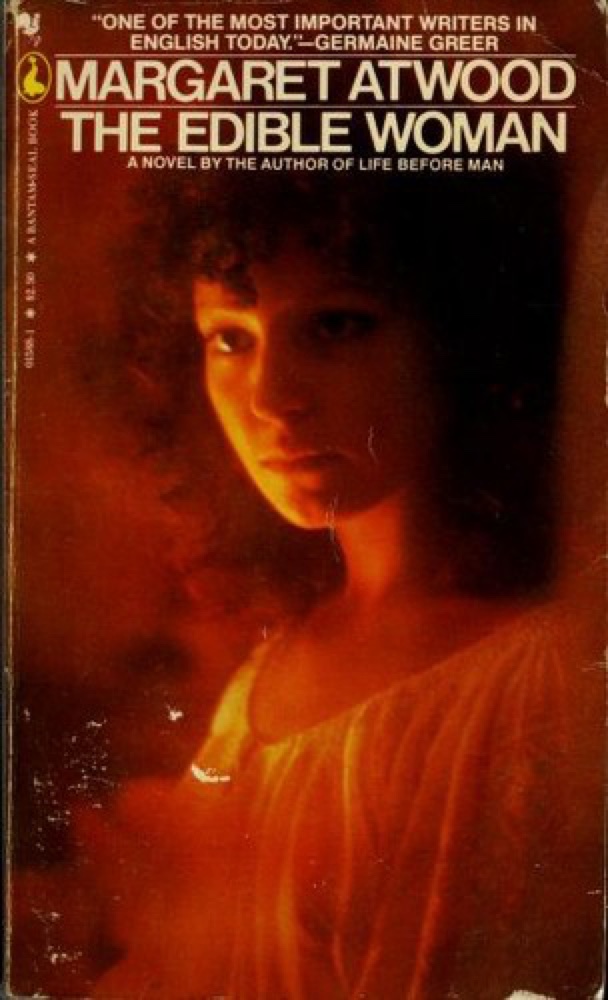
Moving, playful, and wise, the poems gathered here speak of absences and endings, aging and retrospection, but also of gifts and renewals. They explore bodies and minds in transition, as well as the everyday objects and rituals that place us in the present. Werewolves, mermaids, and dreams emerge alongside different forms of animal life and fragments of our damaged environment.
Late Poems brings together many of Margaret Atwood's most recognized and celebrated themes, permeated by meticulous descriptions of the natural world, passing through witty encounters with aliens, trivial and amusing situations (such as keeping old passports), urgent political issues, legends, myths, and the ever-stubborn defense of women.
A master of writing, Atwood reminds us to live in the moment and not just be alive. The most important thing, according to the author, is to enjoy every day, whether carvi
Book details
- First published
- 2020
- Author
- Margaret Atwood
- Genre
- Literature
- Goodreads rating
- 3.74 (16k ratings)
Keep reading
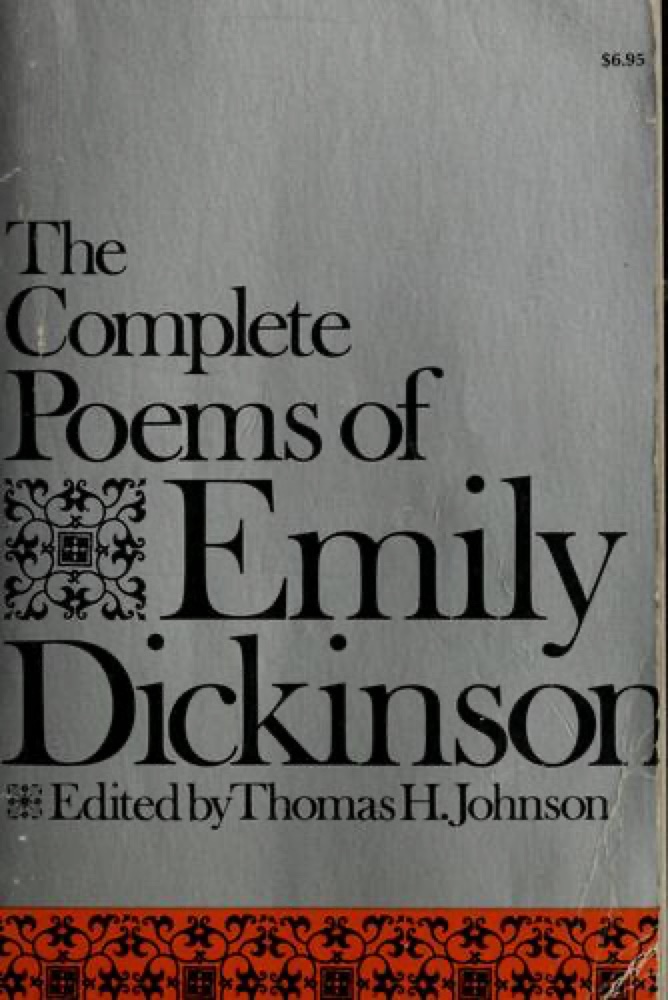 The Complete Poems of Emily Dickinson
 Poems, 1962-2012
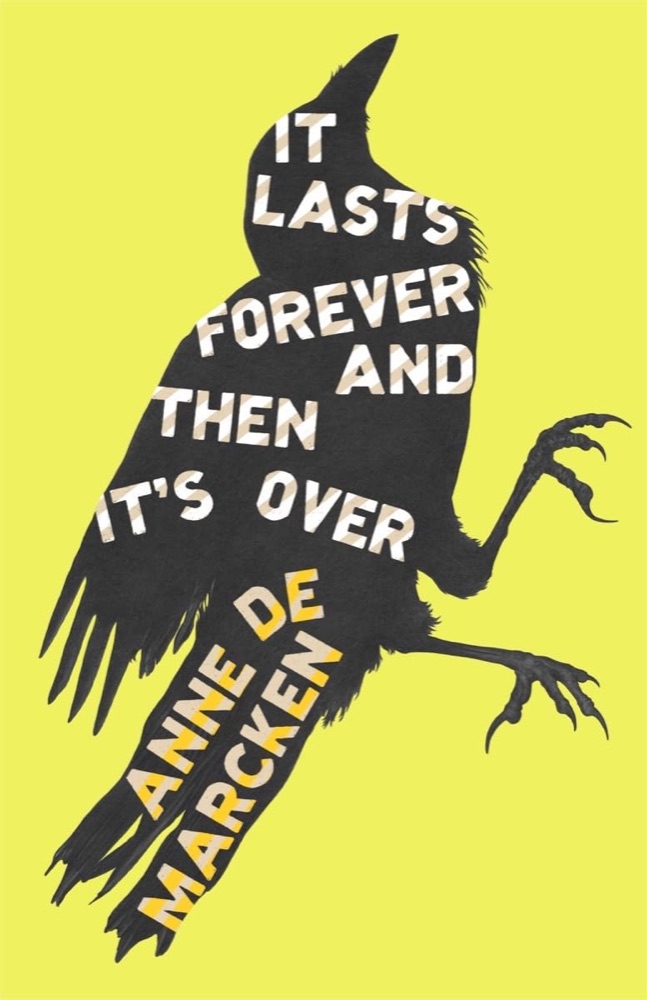 It Lasts Forever and Then It's Over
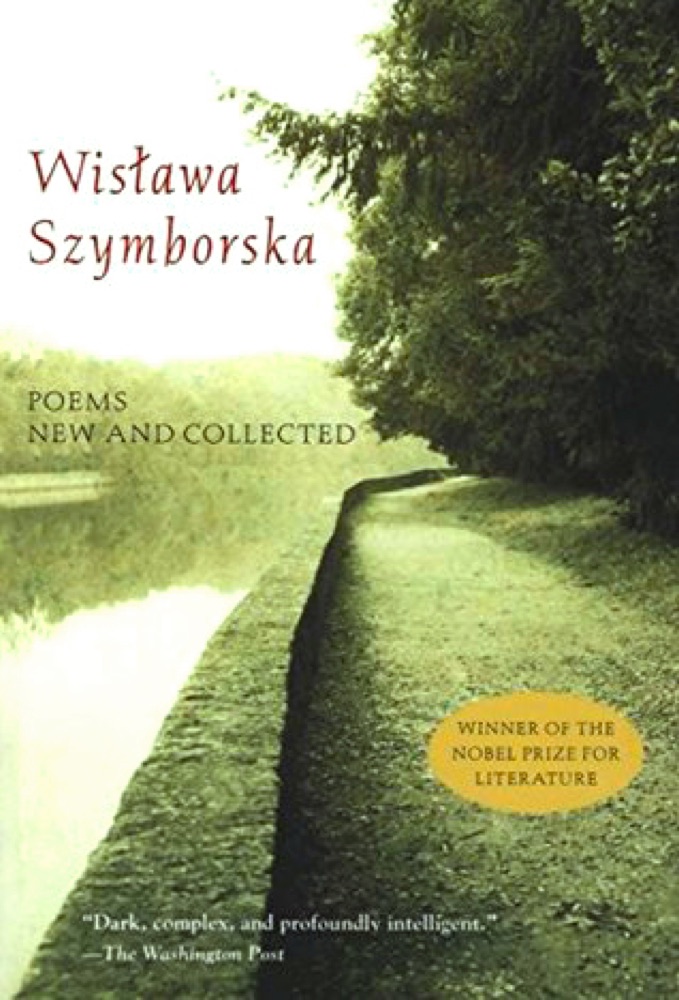 Poems New and Collected
 View with a Grain of Sand: Selected Poems
 Plainwater: Essays and Poetry
 Life on Mars: Poems
 House of Leaves
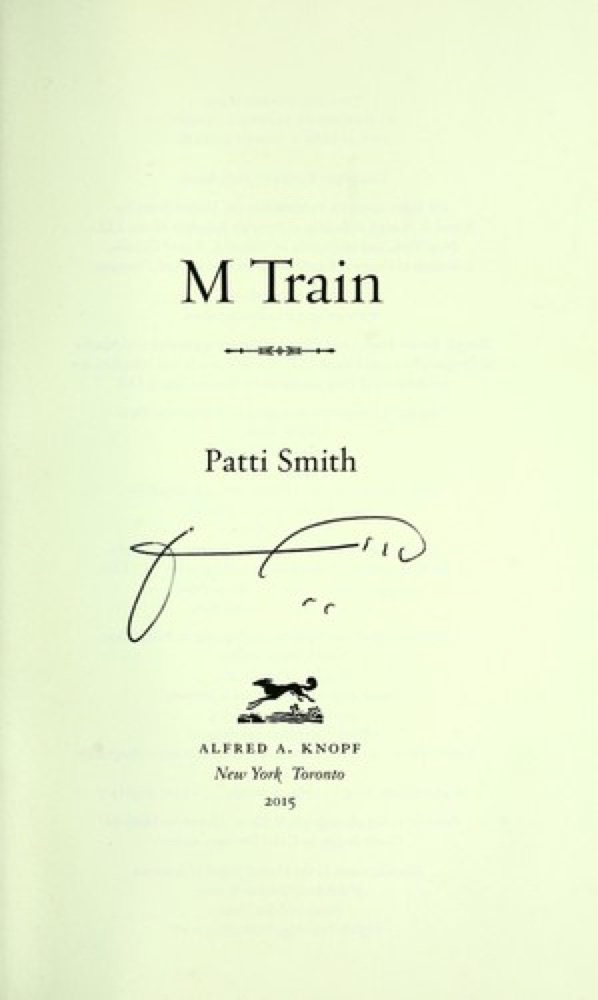 M Train
 On Earth We're Briefly Gorgeous
 Sexing the Cherry
 Sputnik Sweetheart
 Possession
 The Dream of Perpetual Motion
 Morning in the Burned House: Poems
 Housekeeping
 Fugitive Pieces
 Blue Horses
 The Tent
 Winter Hours: Prose, Prose Poems, and Poems
 The Stone Gods
 The Hurting Kind: Poems
 The Complete Poems and Plays, 1909-1950
 The Names
 Acceptance
 Year of the Monkey
 Nutshell
 The Complete Poems 1927-1979
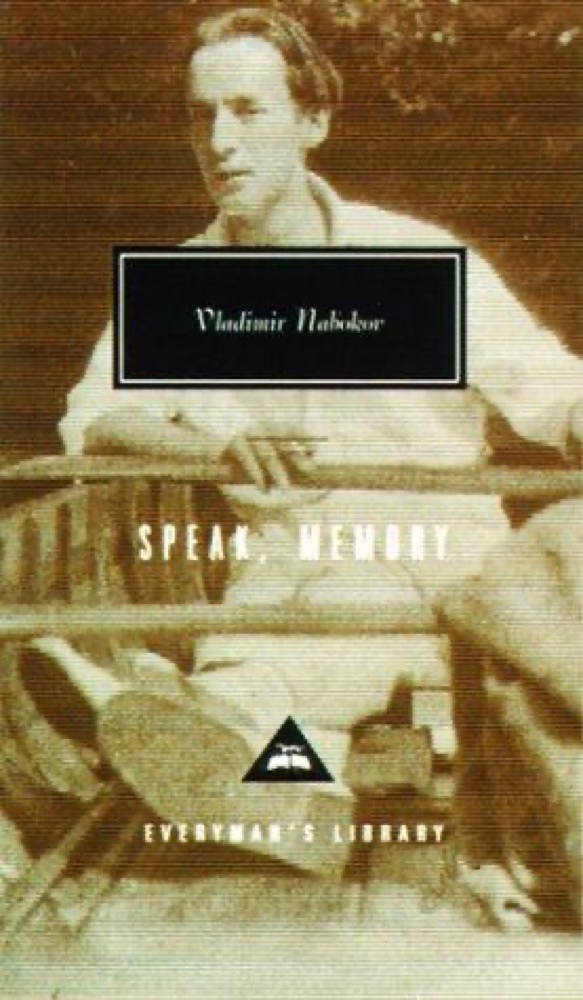 Speak, Memory
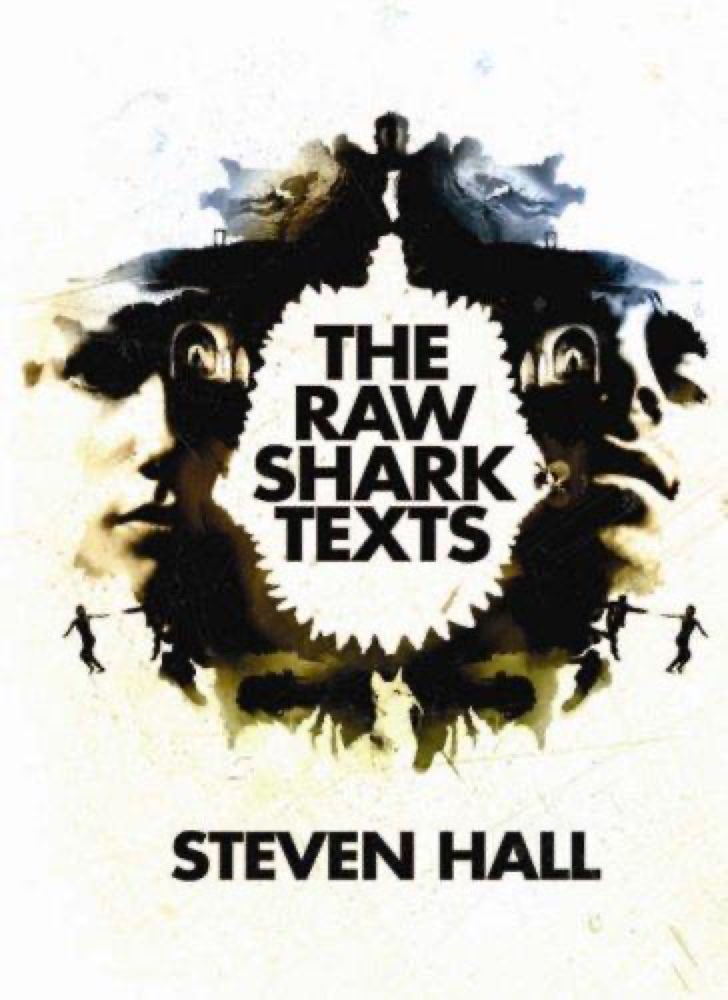 The Raw Shark Texts
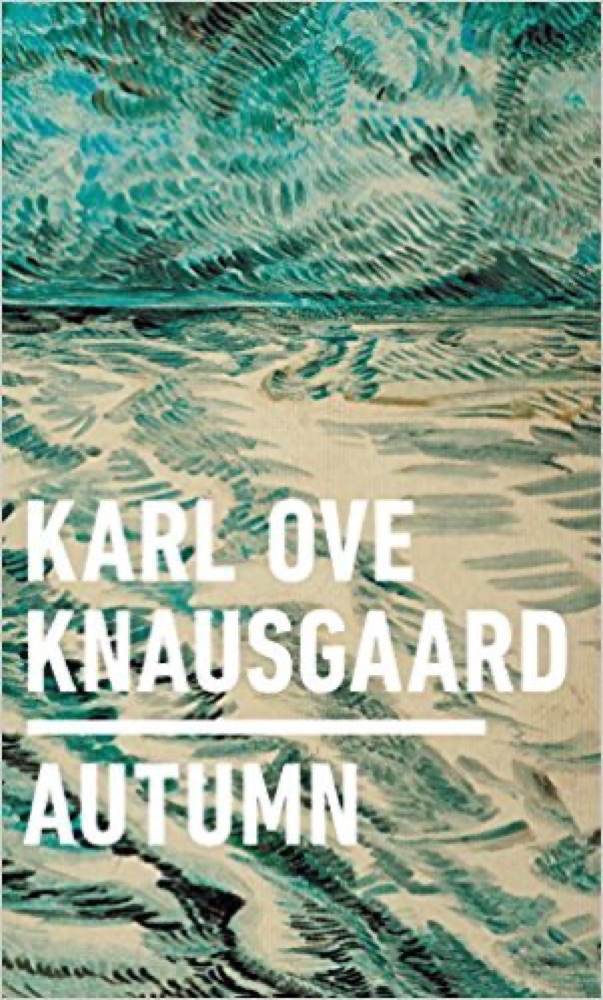 Autumn
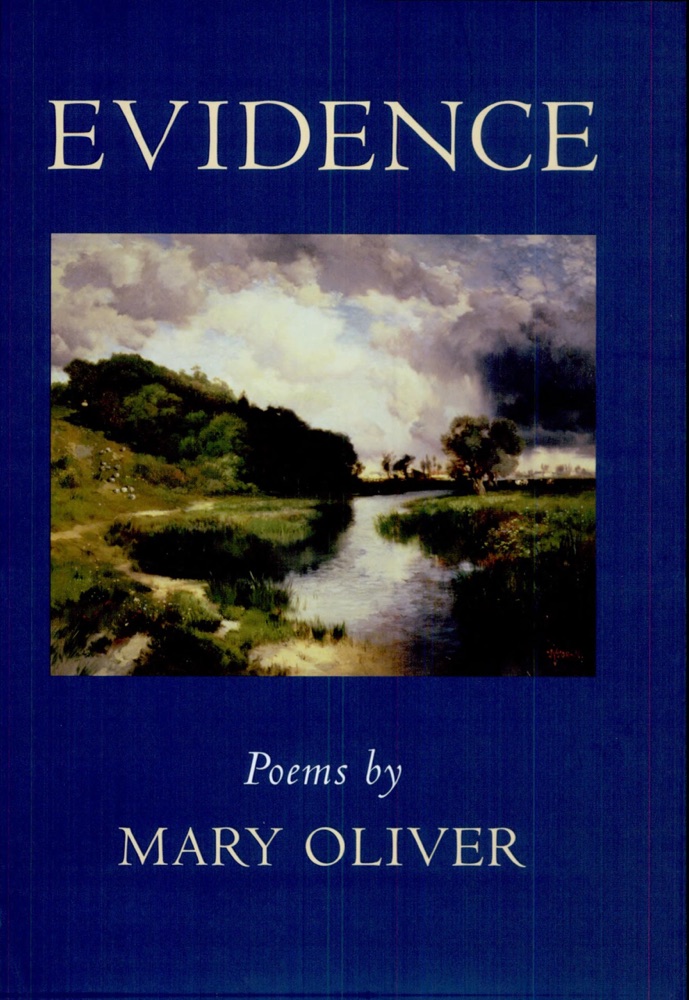 Evidence: Poems
 The Dog Stars
 Collected Poems, 1909-1962
 Good Bones and Simple Murders
 The Enchanted
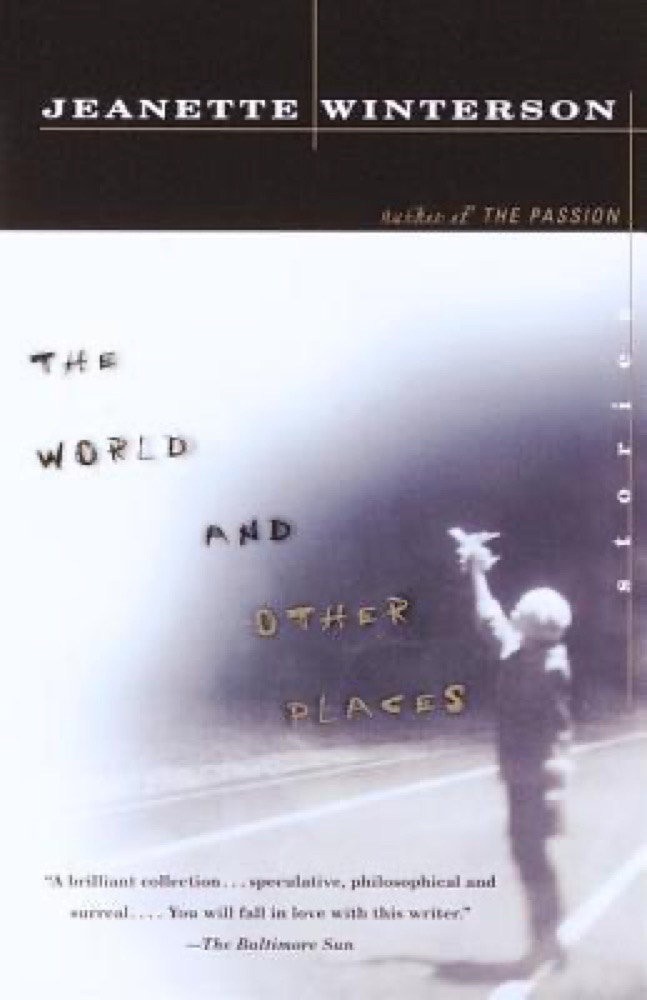 The World and Other Places: Stories
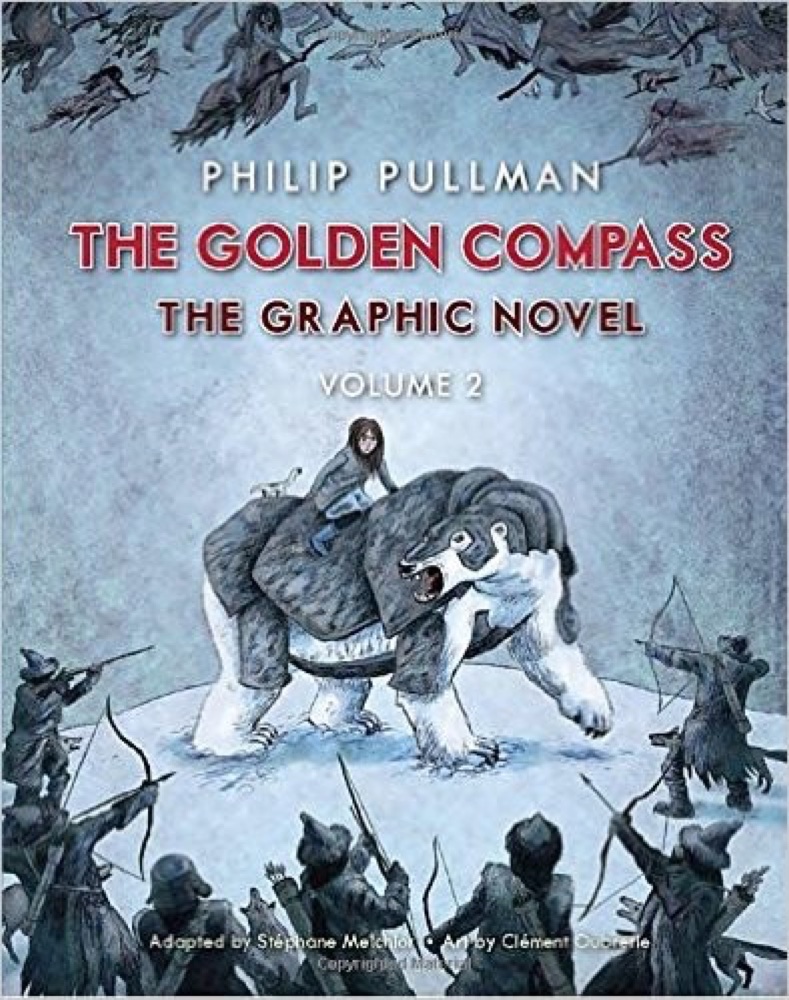 The Golden Compass
 Hard-Boiled Wonderland and the End of the World
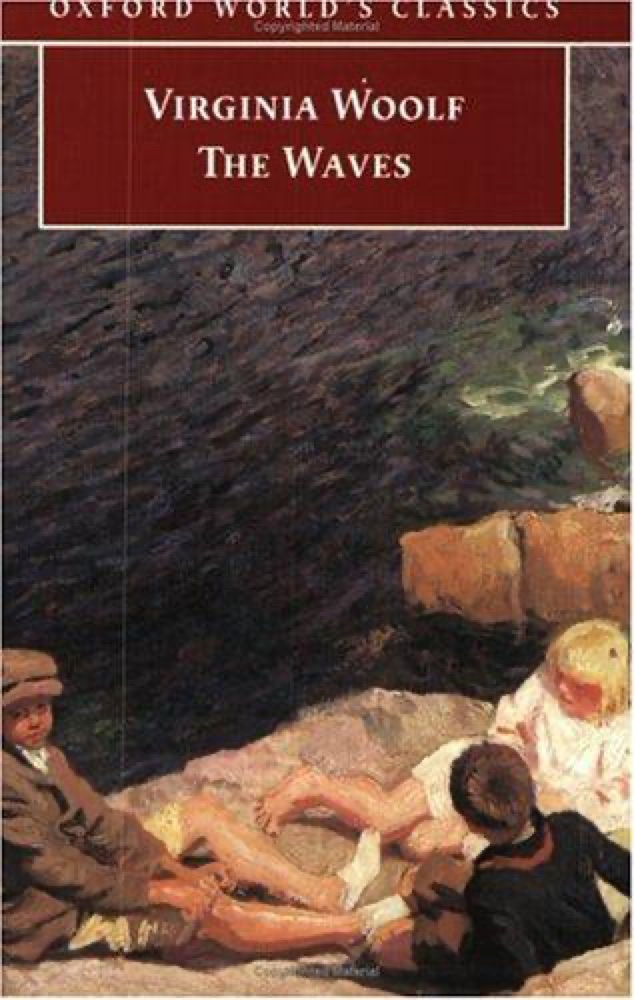 The Waves
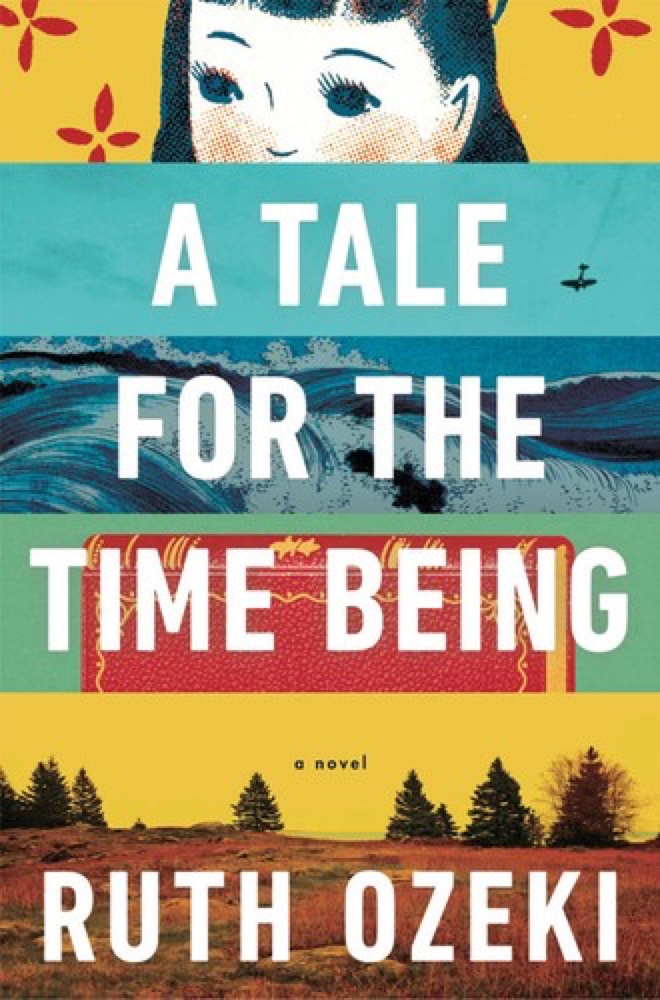 A Tale for the Time Being
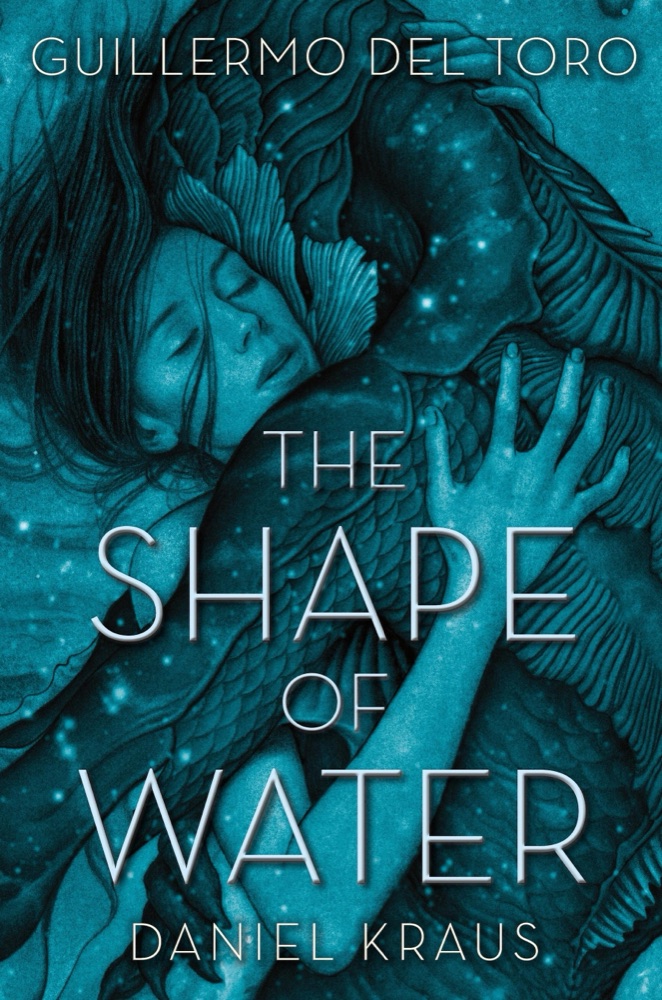 The Shape of Water
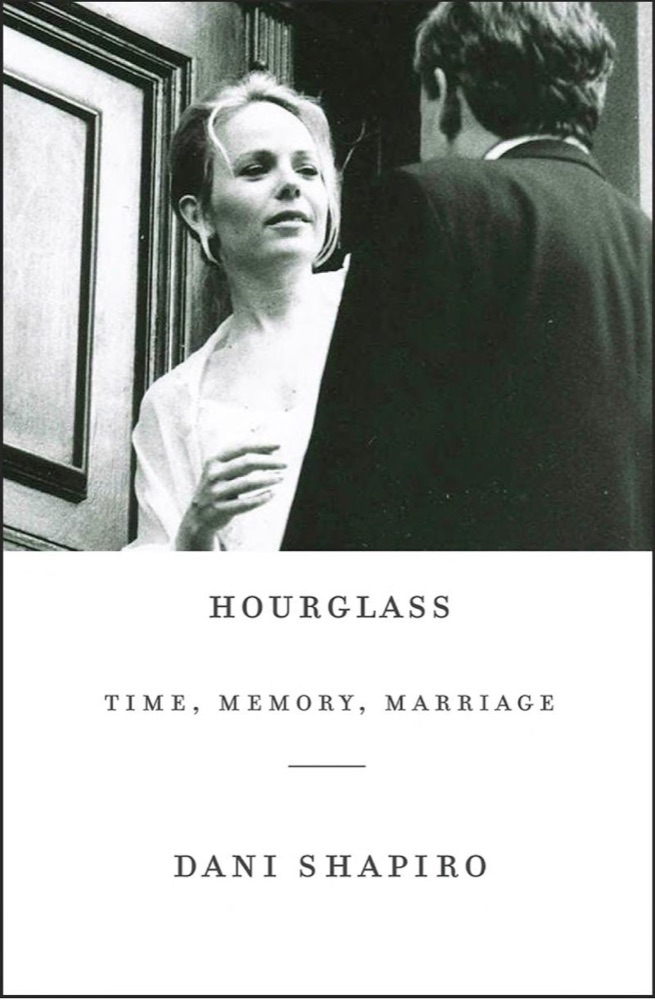 Hourglass: Time, Memory, Marriage
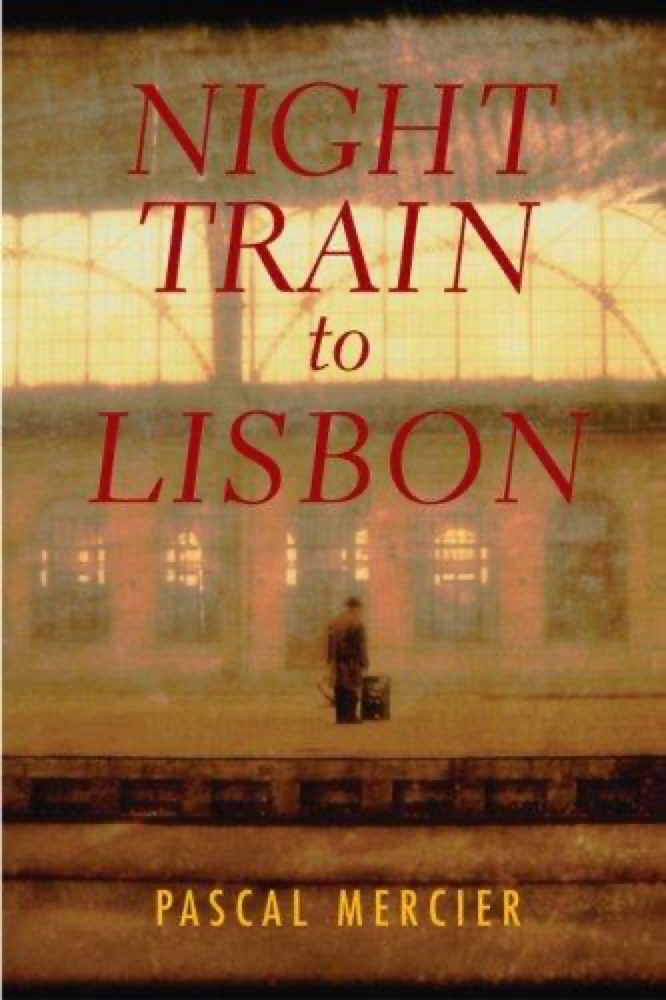 Night Train to Lisbon
 Split Tooth
 Edinburgh
 Kafka on the Shore
 Pandemonium
 Collected Poems
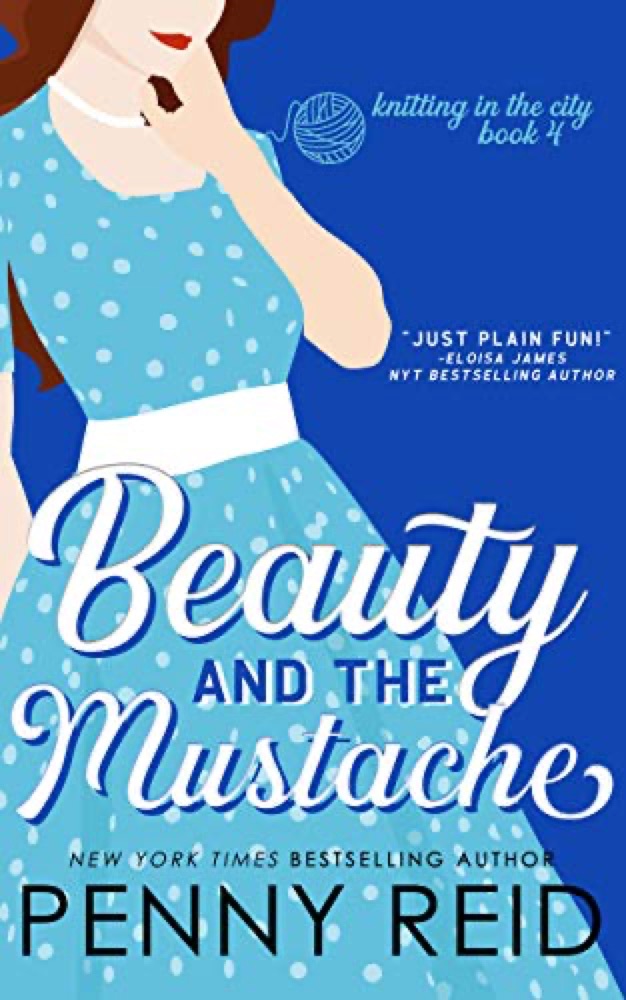 Beauty and the Mustache
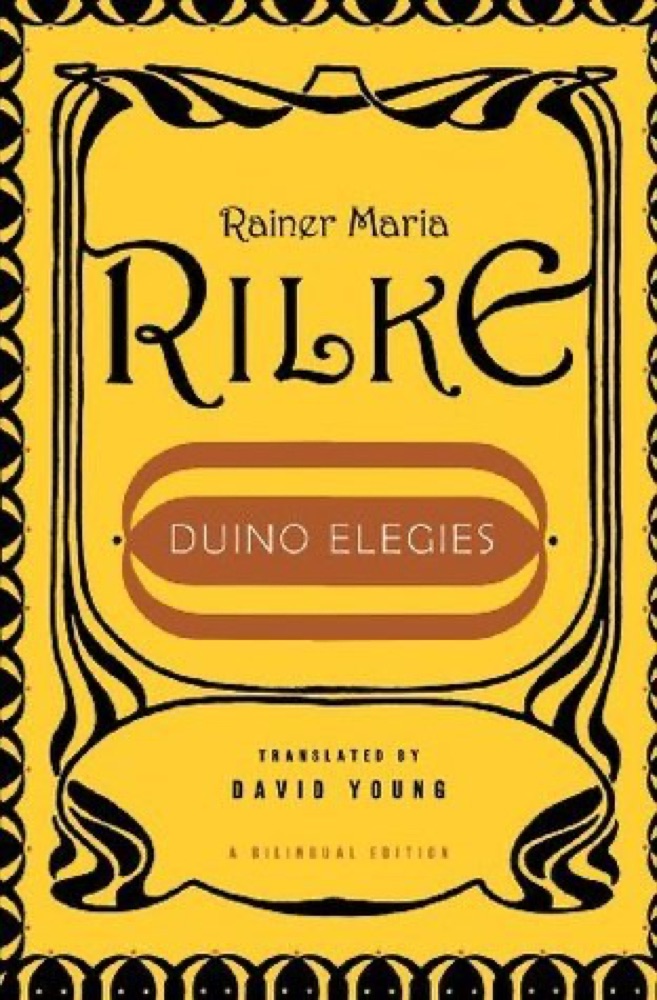 Duino Elegies
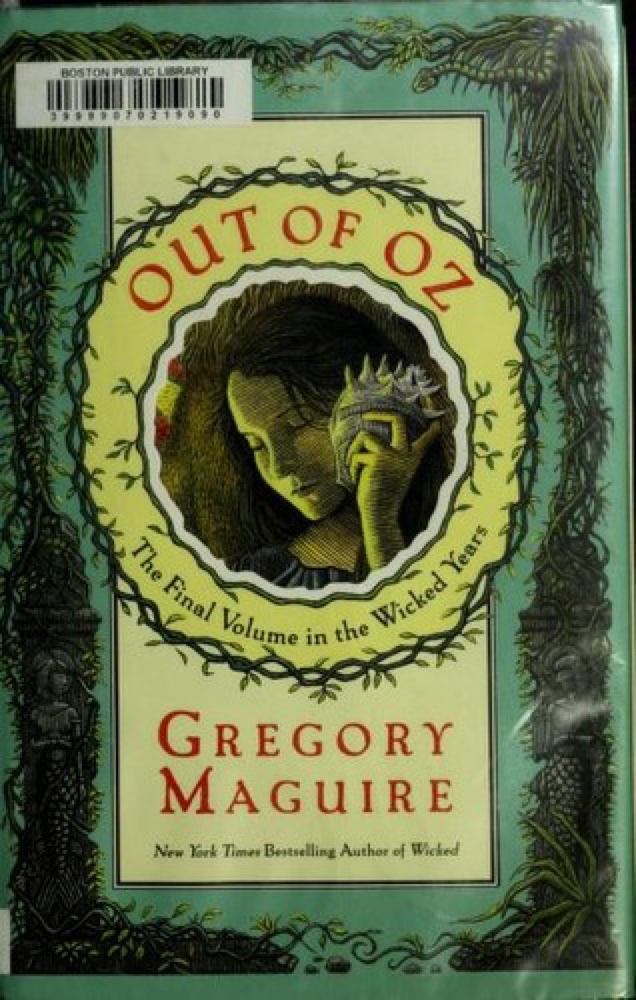 Out of Oz
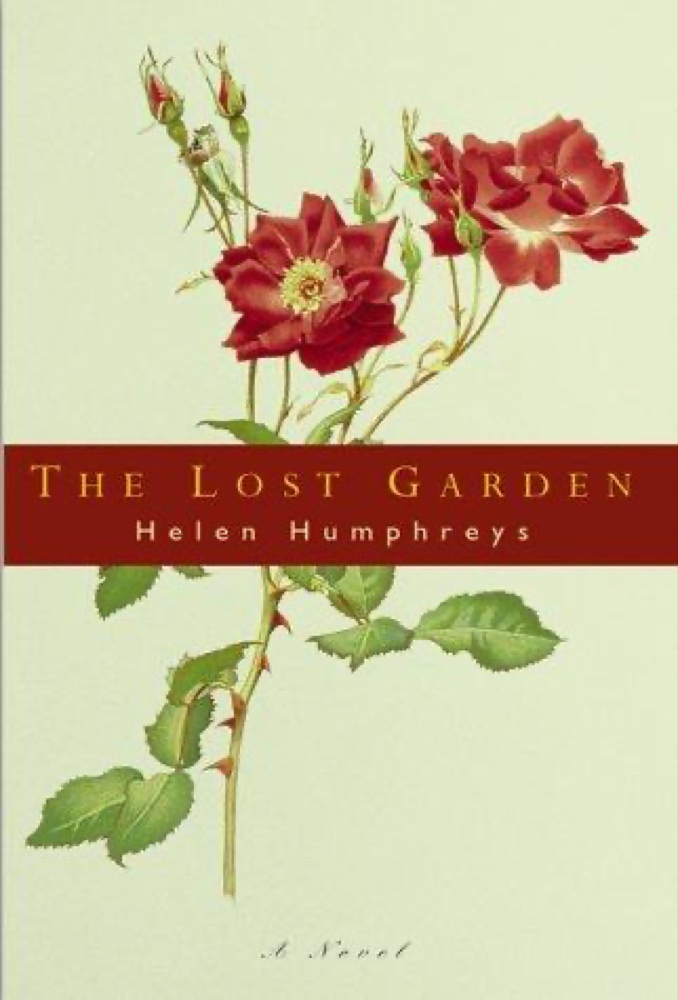 The Lost Garden
 Moon Tiger
 Swann's Way
 In the Wild Light
 Angle of Repose
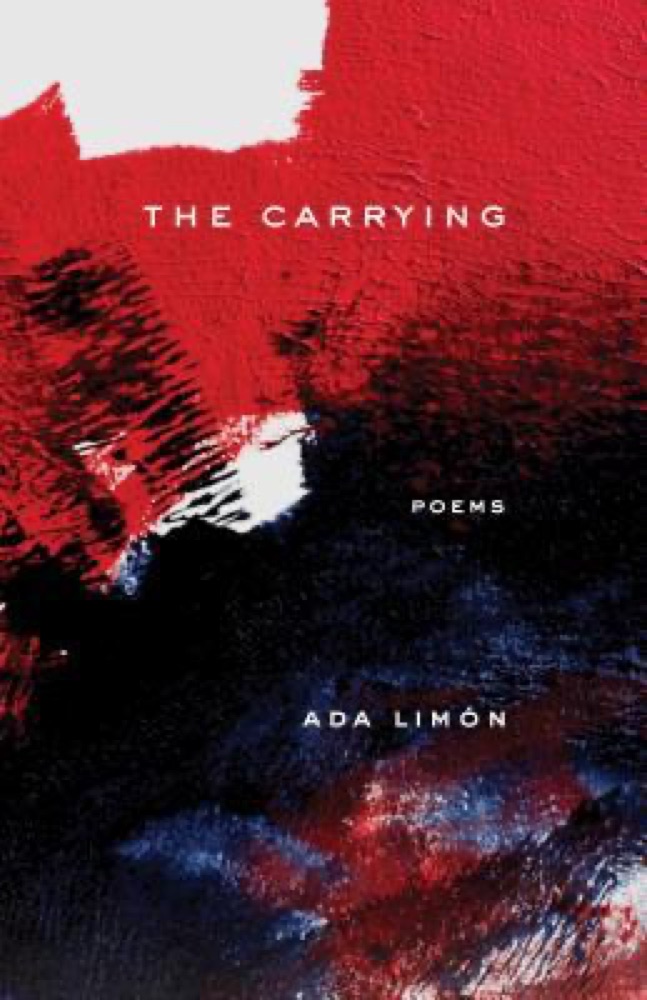 The Carrying
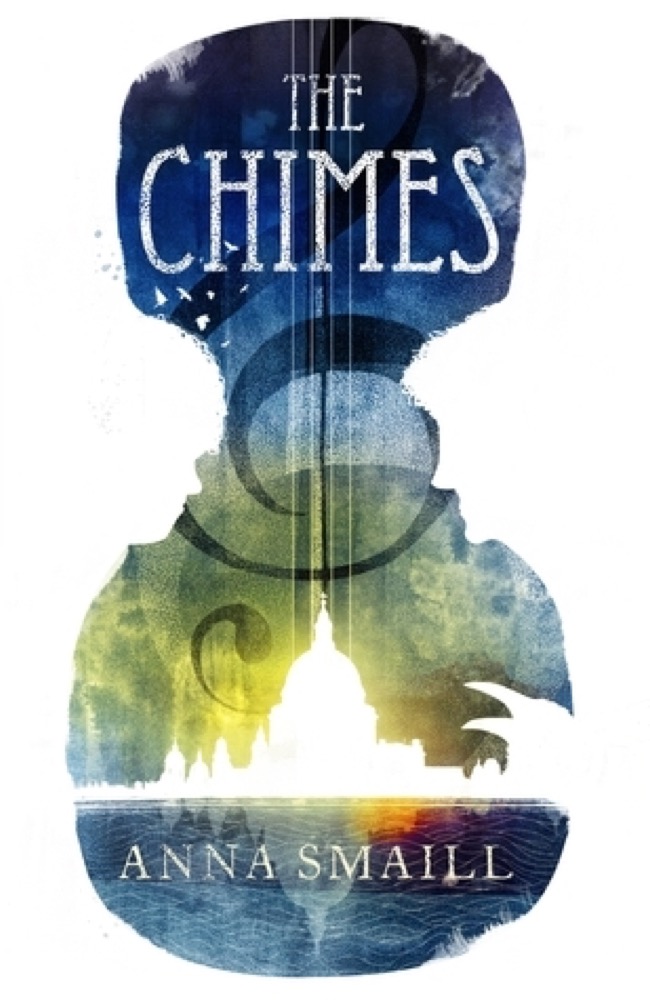 The Chimes
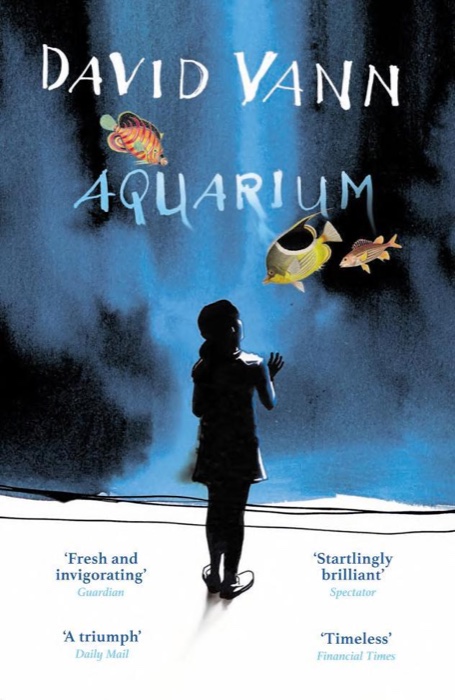 Aquarium