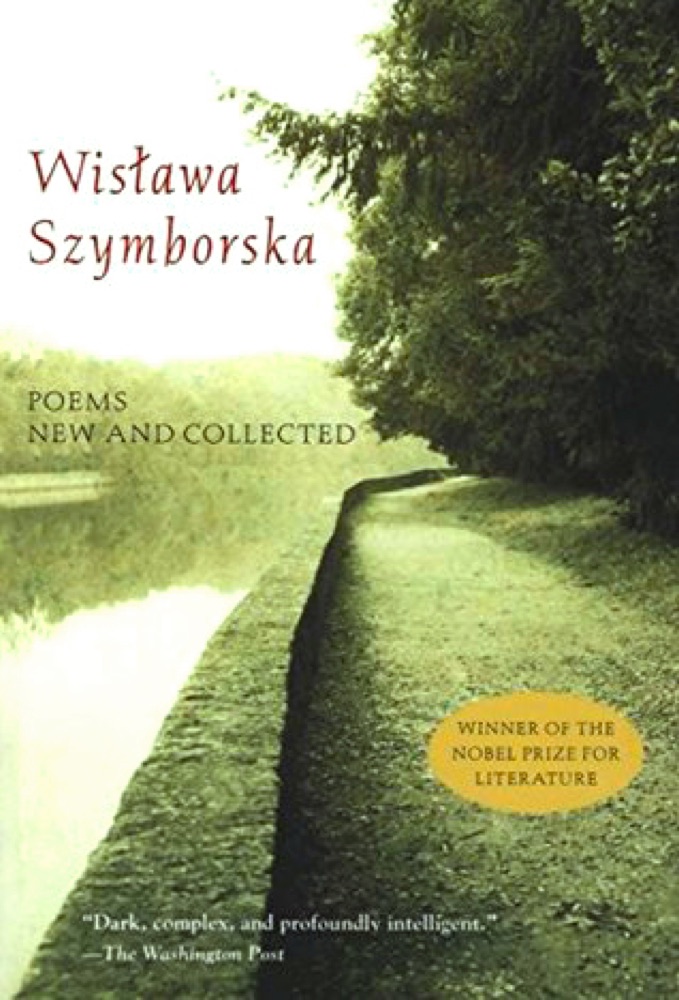
 Poems New and Collected
Quotes from the Book
Let the people who never find true love keep saying that there's no such thing. Their faith will make it easier for them to live and die.
108
They're both convinced that a sudden passion joined them. Such certainty is beautiful, but uncertainty is more beautiful still. Since they'd never met before, they're sure that there'd been nothing between them. But what's the word from the streets, staircases, hallways-- perhaps they've passed by each other a million times? I want to ask them if they don't remember-- a moment face to face in some revolving door? perhaps a "sorry" muttered in a crowd? a curt "wrong number" caught in the receiver? but I know the answer. No, they don't remember. They'd be amazed to hear that Chance has been toying with them now for years. Not quite ready yet to become their Destiny, it pushed them close, drove them apart, it barred their path, stifling a laugh, and then leaped aside. There were signs and signals, even if they couldn't read them yet. Perhaps three years ago or just last Tuesday a certain leaf fluttered from one shoulder to another? Something was dropped and then picked up. Who knows, maybe the ball that vanished into childhood's thicket? There were doorknobs and doorbells where one touch had covered another beforehand. Suitcases checked and standing side by side. One night, perhaps, the same dream, grown hazy by morning. Every beginning is only a sequel, after all, and the book of events is always open halfway through.
93
True love. Is it normal is it serious, is it practical? What does the world get from two people who exist in a world of their own?
41
My apologies to everything that I can't be everywhere at once. My apologies to everyone that I can't be each woman and each man. I know I won't be justified as long as I live, since I myself stand in my own way. Don't bear me ill will, speech, that I borrow weighty words, then labor heavily so that they may seem light.
28
I don't reproach the spring for starting up again. I can't blame it for doing what it must year after year. I know that my grief will not stop the green.
22
We call it a grain of sand, but it calls itself neither grain nor sand. It does just fine, without a name, whether general, particular, permanent, passing, incorrect, or apt. Our glance, our touch means nothing to it. It doesn’t feel itself seen and touched. And that it fell on the windowsill is only our experience, not its. For it, it is not different from falling on anything else with no assurance that it has finished falling or that it is falling still. The window has a wonderful view of a lake, but the view doesn’t view itself. It exists in this world colorless, shapeless, soundless, odorless, and painless. The lake’s floor exists floorlessly, and its shore exists shorelessly. The water feels itself neither wet nor dry and its waves to themselves are neither singular nor plural. They splash deaf to their own noise on pebbles neither large nor small. And all this beheath a sky by nature skyless in which the sun sets without setting at all and hides without hiding behind an unminding cloud. The wind ruffles it, its only reason being that it blows. A second passes. A second second. A third. But they’re three seconds only for us. Time has passed like courier with urgent news. But that’s just our simile. The character is inverted, his hasts is make believe, his news inhuman.
12
Even if you bar my way, even if you stare me in the face, I'll pass you by on the chasm's edge, finer than a hair.
10
Memories come to mind like excavated statues that have misplaced their heads.
7
a stone / which in its own archaic, simpleminded way / sees life as a chain of failed attempts.
6
We treat each other with exceeding courtesy; we says, it’s great to see you after all these years. Our tigers drink milk. Our hawks tread the ground. Our sharks have all drowned. Our wolves yawn beyond the open cage. Our snakes have shed their lightning, our apes their flights of fancy, our peacocks have renounced their plumes. The bats flew out of our hair long ago. We fall silent in mid-sentence, all smiles, past help. Our humans don’t know how to talk to one another.
4
Four billion people on this earth, but my imagination is the way it's always been: bad with large numbers. It is still moved by particularity. It flits about the darkness like a flashlight beam, disclosing only random faces, while the rest go blindly by, unthought of, unpitied. Not even a Dante could have stopped that. So what do you do when you're not, even with all the muses on your side? Non omnis moriar—a premature worry. Yet am I fully alive, and is that enough? It never has been, and even less so now. I select by rejecting, for there's no other way, but what I reject, is more numerous, more dense, more intrusive than ever. At the cost of untold losses—a poem, a sigh. I reply with a whisper to a thunderous calling. How much I am silent about I can't say. A mouse at the foot of mother mountain. Life lasts as long as a few lines of claws in the sand. My dreams—even they are not as populous as they should be. There is more solitude in them than crowds or clamor. Sometimes someone long dead will drop by for a bit. A single hand turns a knob. Annexes of echo overgrow the empty house. I run from the threshold down into the quiet valley seemingly no one's—an anachronism by now. Where does all this space still in me come from— that I don't know.
4
Here I am, Cassandra. And this is my city under ashes. And these are my prophet's staff and ribbons. And this is my head full of doubts.
3
Forgive me, distant wars, for bringing flowers home.
2
Why there's still all this space inside me I don't know.
2
The price, after all, for not having died already goes up not in leaps but step by step, and he would pay that price, too.
1
But human beings are, by nature, sad. So be it, then. It isn't all that bad.
1
Our times are still not safe and sane enough for faces to show ordinary sorrow.
1
The world would rather see hope than just hear its song. And that's why statesman have to smile. Their pearly whites mean they're still full of cheer. The game's complex, the goal's far out of reach, the outcome's still unclear--once in a while, we need a friendly, gleaming set of teeth.
1
Only what is human can truly be foreign. The rest is mixed vegetation, subversive moles, and wind.
1
No carece de encantos un mundo tan terrible, no carece de madrugadas que merecen un despertar.
1
Theatre Impressions For me the tragedy's most important act is the sixth: the raising of the dead from the stage's battlegrounds the straightening of wigs and fancy gowns removing knives from stricken breasts, taking nooses from lifeless necks, lining up among the living to face the audience. The bows, both solo and ensemble the pale hand of the wounded heart, the curtseys of the hapless suicide, the bobbing of the chopped-off head. The bow in pairs- rage extends its arm to meekness, the victim's eyes smile at the torturer, the rebel indulgently walks besides the tyrant. Eternity trampled by the golden slipper's toe. Redeeming values swept aside with the swish of a wide- brimmed hat. The unrepentant urge to start all over tomorrow. Now enter, single file, the hosts who died early on, in Acts 3 and 4, or between scenes. The miraculous return of all those without a trace. The thought that they've been waiting patiently offstage without taking off their makeup or their costumes moves me more than all the tragedy's tirades. But the curtain's fall is the most uplifting part, the things you see before it hits the floor: here one hand quickly reaches for a flower, there another hand picks up a fallen sword. Only then one last, unseen hand does its duty and grabs me by the throat.
We read the letters of the dead like helpless gods, but gods, nonetheless, since we know the dates that follow. We know which debts will never be repaid. Which widows will remarry with the corpse still warm. Poor dead, blindfolded dead, gullible, fallible, pathetically prudent. We see the faces people make behind their backs. We catch the sound of wills being ripped to shreds. The dead sit before us comically, as if on buttered bread, or frantically pursue the hats blown from their heads. Their bad taste, Napoleon, steam, electricity, their fatal remedies for curable diseases, their foolish apocalypse according to St. John, their counterfeit heaven on earth according to Jean-Jacques… We watch the pawns on their chessboards in silence, even though we see them three squares later. Everything the dead predicted has turned out completely different. Or a little bit different – which is to say, completely different. The most fervent of them gaze confidingly into our eyes: their calculations tell them that they’ll find perfection there.
There's nothing more debauched than thinking. This sort of wantonness runs wild like a wind-borne weed on a plot laid out for daisies. Nothing's sacred for those who think. Calling things brazenly by name, risque analyses, salacious syntheses, frenzied, rakish chases after the bare facts, the filthy fingering of touchy subjects, discussion in heat--it's music to their ears.
My apologies to chance for calling it necessity. My apologies to necessity if I'm mistaken, after all. Please, don't be angry, happiness, that I take you as my due. May my dead be patient with the way my memories fade. My apologies to time for all the world I overlook each second.
So much world all at once--how it rustles and bustles! Moraines and morays and morasses and mussels, the flame, the flamingo, the flounder, the feather--
You're still a young man/woman. It's not too late to learn hw to unwind. Who said you have to take it on the chin?
I know how to handle misfortune, how to take bad news, I can minimize injustice, lighten up God's absence, or pick the widow's veil that suits your face.
This terrifying world is not devoid of charms, of the mornings that make waking up worthwhile.
About Wisława Szymborska
We have collected 61 quotes from 3 books by Wisława Szymborska on BookQuoters.
More about the author →More by Wisława Szymborska
Poems New and Collected
 Here
Here
About the book
In these one-hundred poems Wisława Szymborska portrays a world of astonishing diversity and richness, in which nature is wise and prodigal and fate unpredictable, if not mischevious. With acute irony tempered by a generous curiousity, she documents life's improbability as well as its transient beauty.
Book details
- First published
- 1995
- Author
- Wisława Szymborska
- Genre
- Literature
- Goodreads rating
- 4.33 (5k ratings)
Keep reading
 The Sea, the Sea
 Plainwater: Essays and Poetry
 Kafka on the Shore
 Out of Oz
 The World and Other Places: Stories
Poems New and Collected
The World and Other Places: Stories
Poems New and Collected
 Dearly
 The Sweet Far Thing
 Hard-Boiled Wonderland and the End of the World
 The Complete Poems of Emily Dickinson
 A Room with a View
 Angle of Repose
 Sexing the Cherry
 Fool's Fate
 Year of Wonders
 West with the Night
 The Ground Beneath Her Feet
 The Stone Gods
 Little Bee
 Selected Poems
 Odd Apocalypse
 Winter Hours: Prose, Prose Poems, and Poems
 The Signature of All Things
 Nutshell
 The Names
 The Moor's Last Sigh
 Beautiful Losers
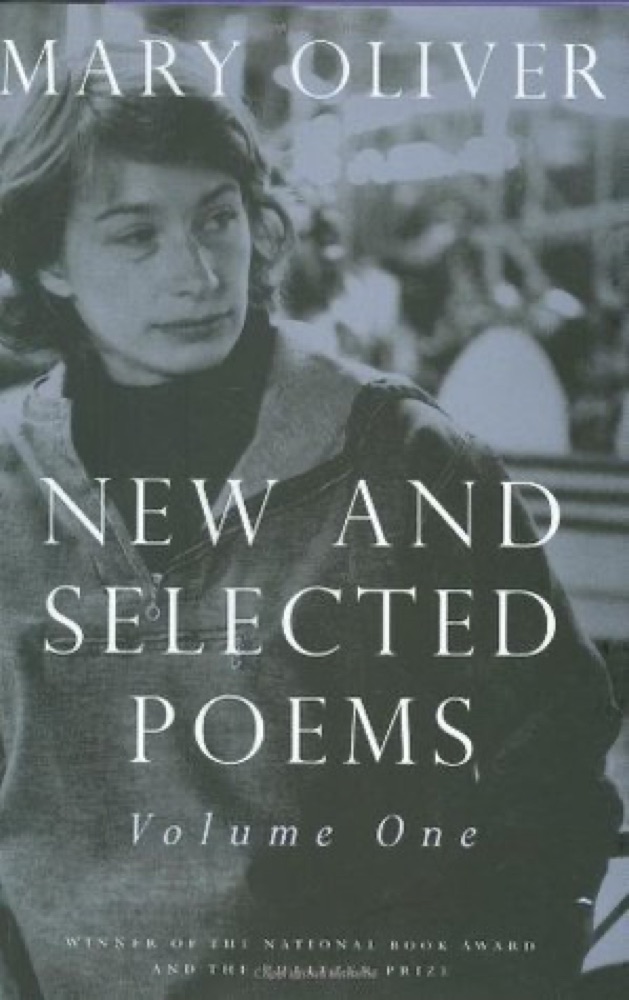 New and Selected Poems, Vol. 2
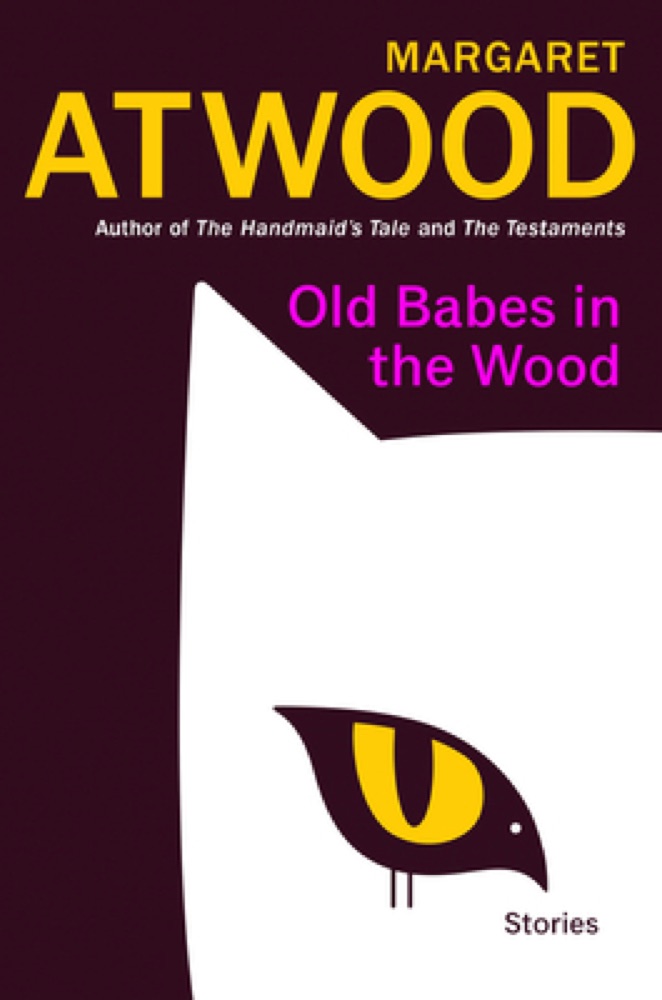 Old Babes in the Wood: Stories
 Villette
 The Death of the Heart
 Absalom, Absalom!
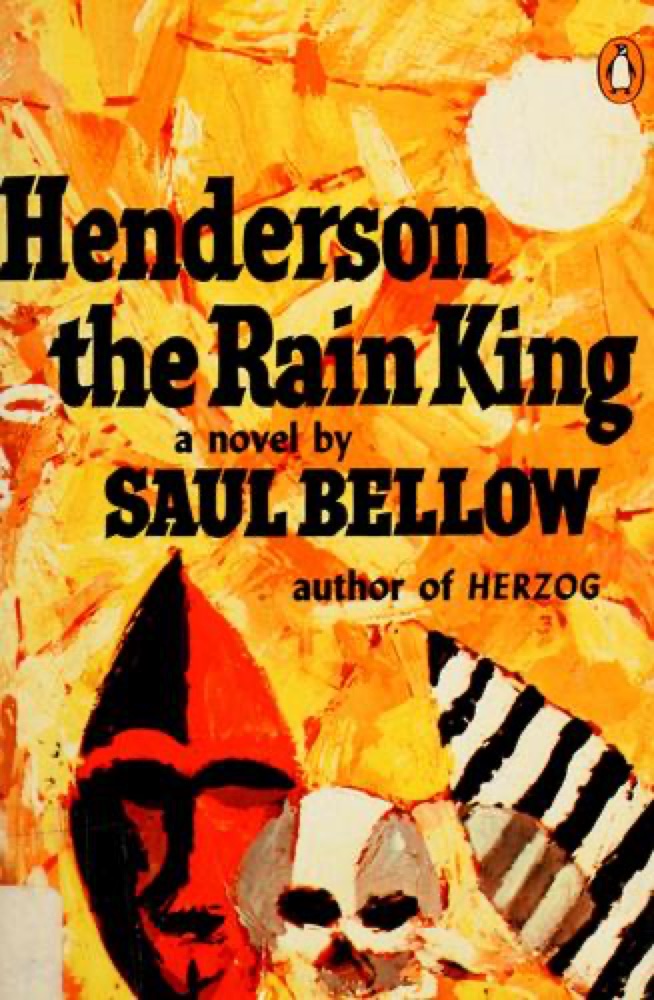 Henderson the Rain King
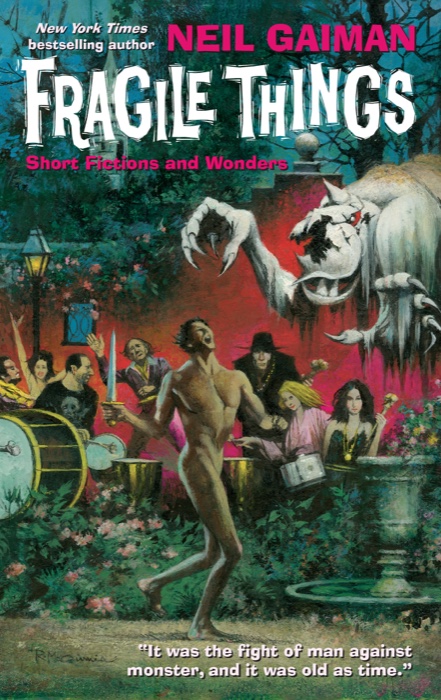 Fragile Things: Short Fictions and Wonders
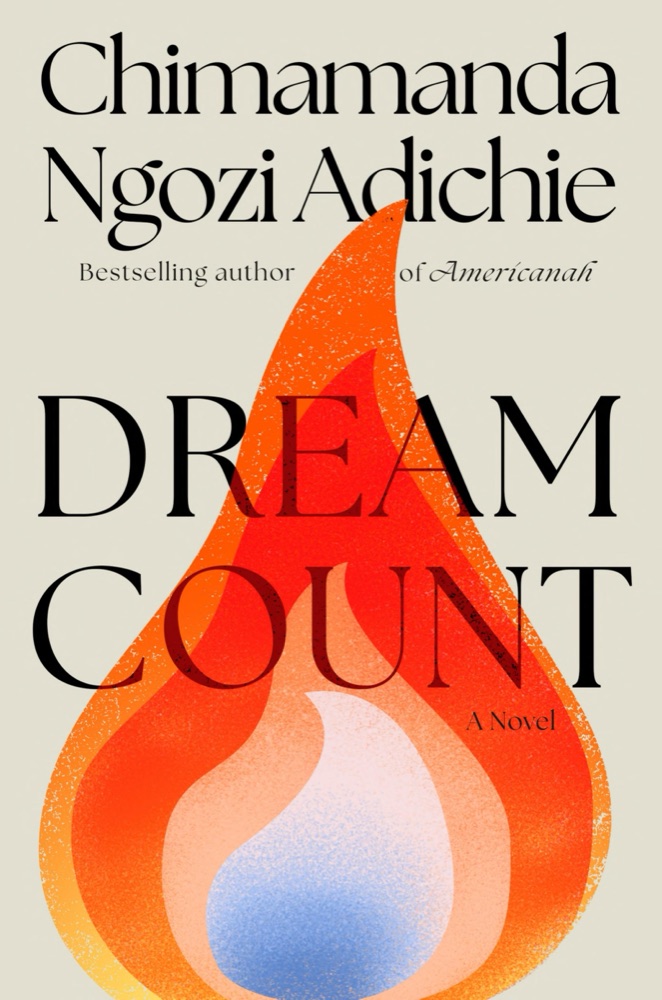 Dream Count
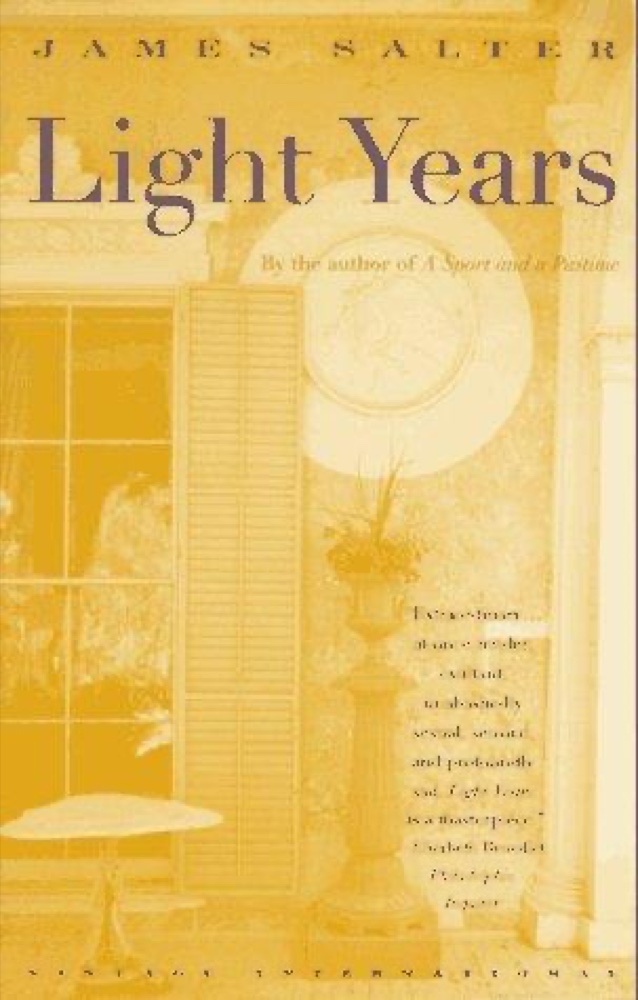 Light Years
 Embers
 All of Us: The Collected Poems
 Brideshead Revisited: The Sacred and Profane Memories of Captain Charles Ryder
 Housekeeping
 The Burning World
 House of Leaves
 The Hurting Kind: Poems
 Smilla's Sense of Snow
 Dracula
 Sixty Stories
 Dhalgren
 The Gone-Away World
 In the Heart of the Heart of the Country and Other Stories
 Gilead
 Tropic of Cancer
 The Kite Runner
 The Tent
 Senlin Ascends
 What Matters Most is How Well You Walk Through the Fire
 Fathers and Sons
 Rebecca
 Selected Stories
 Saturday
 A Wild Sheep Chase