
 The Parallax View
Quotes from the Book
We feel free because we lack the very language to articulate our unfreedom.
586
...witness the surprise of the average American: 'How is it possible that these people display and practise such a disregard for their own lives?' Is not the obverse of this surprise the rather sad fact that we, in First World countries, find it more and more difficult even to imagine a public or universal Cause for which we would be ready to sacrifice our life?
7
This, then, is the truth of the discourse of universal human rights: the Wall separating those covered by the umbrella of Human Rights and those excluded from its protective cover. Any reference to universal human rights as an 'unfinished project' to be gradually extended to all people is here a vain ideological chimera - and, faced with this prospect, do we, in the West, have any right to condemn the excluded when they use any means, inclusive of terror, to fight their exclusion?
4
En el mercado actual, encontramos toda una serie de productos libres de sus propiedades perjudiciales: café sin cafeína, nata sin grasa, cerveza sin alcohol... Y la lista es larga: ¿no podríamos considerar el sexo virtual como sexo sin sexo, la teoría de Colin Powell de la guerra sin bajas (en nuestro bando, por supuesto) como guerra sin guerra, la redefinición contemporánea de la política como el arte de la administración experta como política sin política, hasta llegar al multiculturalismo liberal y tolerante de hoy en día como experiencia del Otro sin su Otredad (el otro idealizado que baila bailes fascinantes y tiene una visión ecológica y holística de la realidad, mientras que costumbres como la de pegar a las mujeres las dejamos a un lado...)
4
Consequently, of the two main stories which emerged after September 11, both are worse, as Stalin would have put it. The American patriotic narrative – the innocence under siege, the surge of patriotic pride – is, of course, vain; however, is the Leftist narrative (with its Schadenfreude: the USA got what it deserved, what it had been doing to others for decades) really any better? The predominant reaction of European – but also American – Leftists was nothing less than scandalous: all imaginable stupidities were said and written, up to the ‘feminist’ point that the WTC towers were two phallic symbols, waiting to be destroyed (‘castrated’). Was there not something petty and miserable in the mathematics reminding us of Holocaust revisionism (what are the 3,000 dead against millions in Rwanda, Kongo, etc.)? And what about the fact that the CIA (co-)created the Taliban and Bin Laden, financing and helping them to fight the Soviets in Afghanistan? Why was this fact quoted as an argument against attacking them? Would it not be much more logical to claim that it is precisely America’s duty to rid us of the monster it created? The moment we think in the terms of ‘Yes, the WTC collapse was a tragedy, but we should not fully solidarize with the victims, since this would mean supporting US imperialism’, the ethical catastrophe is already here: the only appropriate stance is unconditional solidarity with all victims. The ethical stance proper is replaced here by the moralizing mathematics of guilt and horror, which misses the key point: the terrifying death of each individual is absolute and incomparable.
1
Watch on YouTube
About Slavoj Žižek
We have collected 42 quotes from 4 books by Slavoj Žižek on BookQuoters.
More about the author →More by Slavoj Žižek
About the book
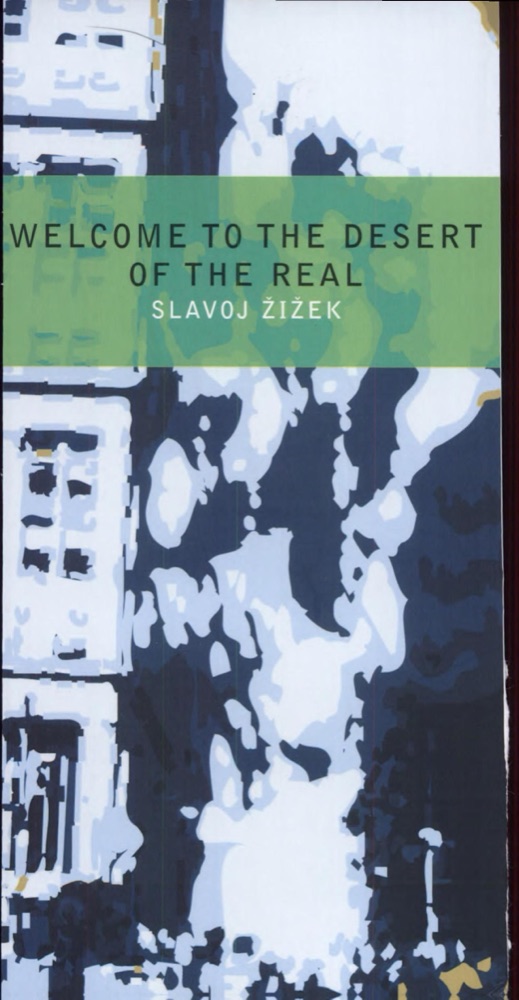
Liberals and conservatives proclaim the end of the American holiday from history. Now the easy games are over; one should take sides. Žižek argues this is precisely the temptation to be resisted. In such moments of apparently clear choices, the real alternatives are most hidden. Welcome to the Desert of the Real steps back, complicating the choices imposed on us. It proposes that global capitalism is fundamentalist and that America was complicit in the rise of Muslim fundamentalism. It points to our dreaming about the catastrophe in numerous disaster movies before it happened, and explores the irony that the tragedy has been used to legitimize torture. Last but not least it analyzes the fiasco of the predominant leftist response to the events.
Book details
- First published
- 2001
- Author
- Slavoj Žižek
- Genre
- Philosophy
- Goodreads rating
- 3.86 (2k ratings)
Keep reading
 One Day, Everyone Will Have Always Been Against This
 What's Left?
 Understanding Power: The Indispensable Chomsky
 The Coming Insurrection
 America Alone: The End of the World As We Know It
 The Strange Death of Europe: Immigration, Identity, Islam
 The Committed
 The War on the West: An Instant NYT Bestselling History of the Modern World
 Whose Story Is This? Old Conflicts, New Chapters
 On Freedom
 Arguably: Selected Essays
 America
 No Name in the Street
 Recognizing the Stranger: On Palestine and Narrative
 First As Tragedy, Then As Farce
 Perfect Victims and the Politics of Appeal
 Doppelganger: A Trip into the Mirror World
 The Source of Self-Regard: Selected Essays, Speeches, and Meditations
 The Great Derangement: A Terrifying True Story of War, Politics, and Religion at the Twilight of the American Empire
 Resistance, Rebellion and Death: Essays
 America: The Farewell Tour
 Endgame, Vol. 1: The Problem of Civilization
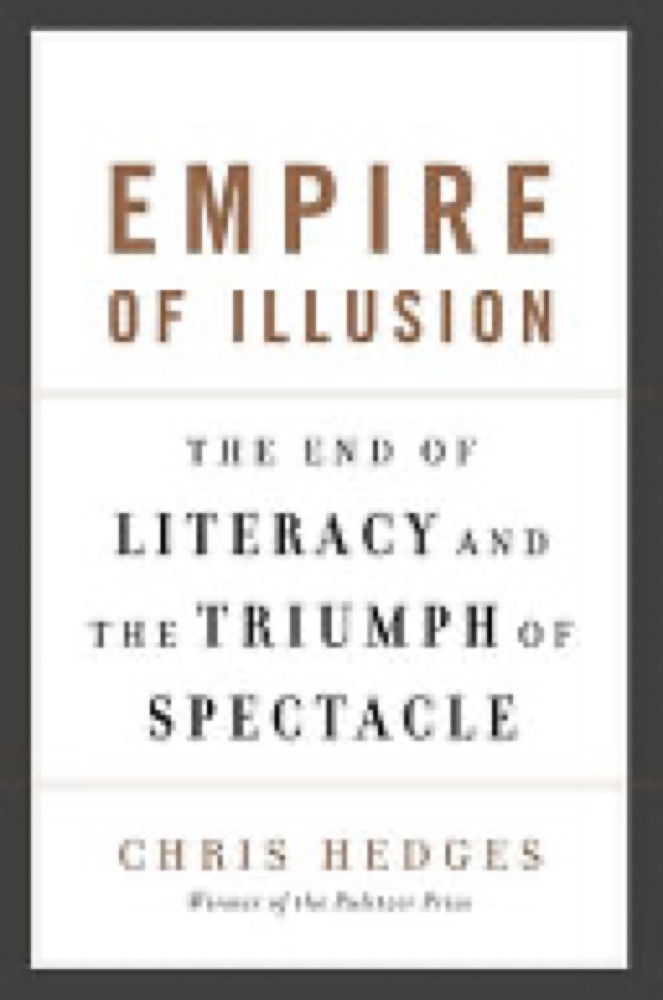 Empire of Illusion: The End of Literacy and the Triumph of Spectacle
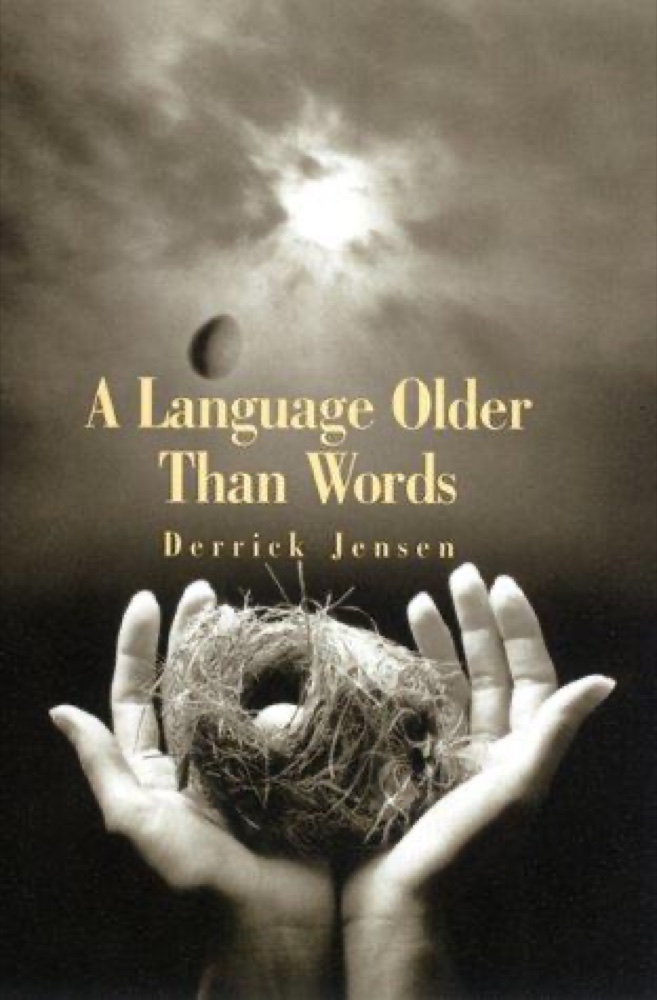 A Language Older Than Words
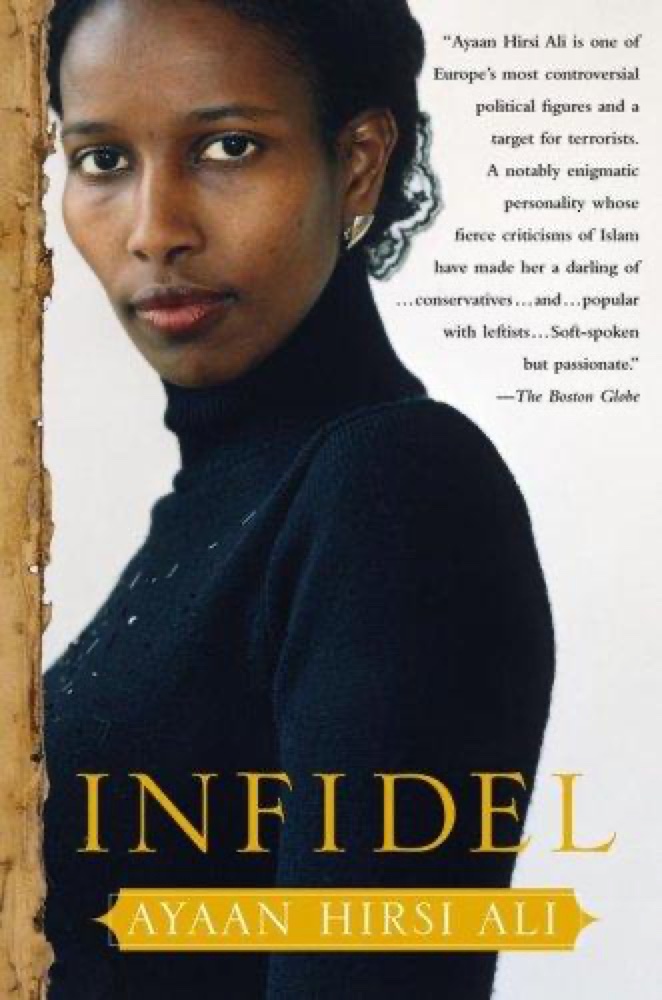 Infidel
 Consider the Lobster and Other Essays
 Thirteen
 Why I Am Not a Feminist: A Feminist Manifesto
 The Audacity of Hope: Thoughts on Reclaiming the American Dream
 Brave New World / Brave New World Revisited
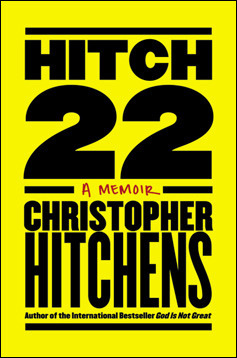 Hitch-22: A Memoir
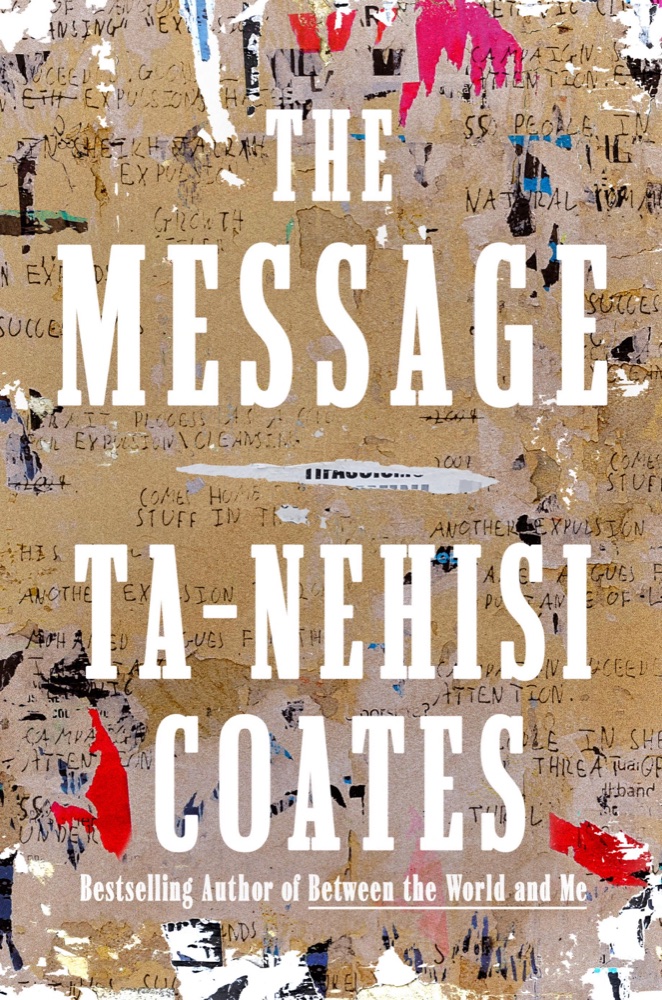 The Message
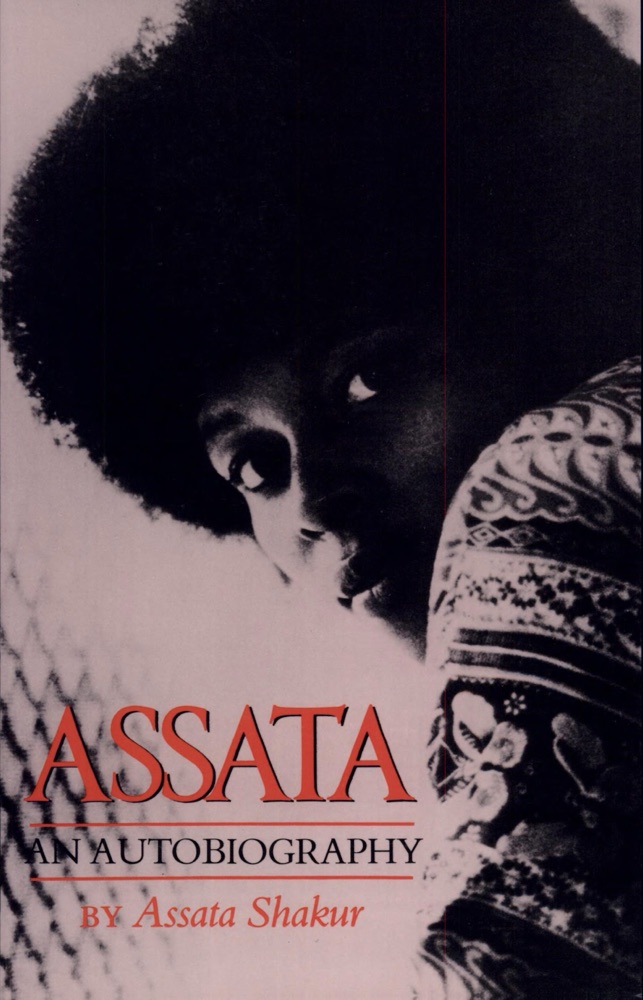 Assata: An Autobiography
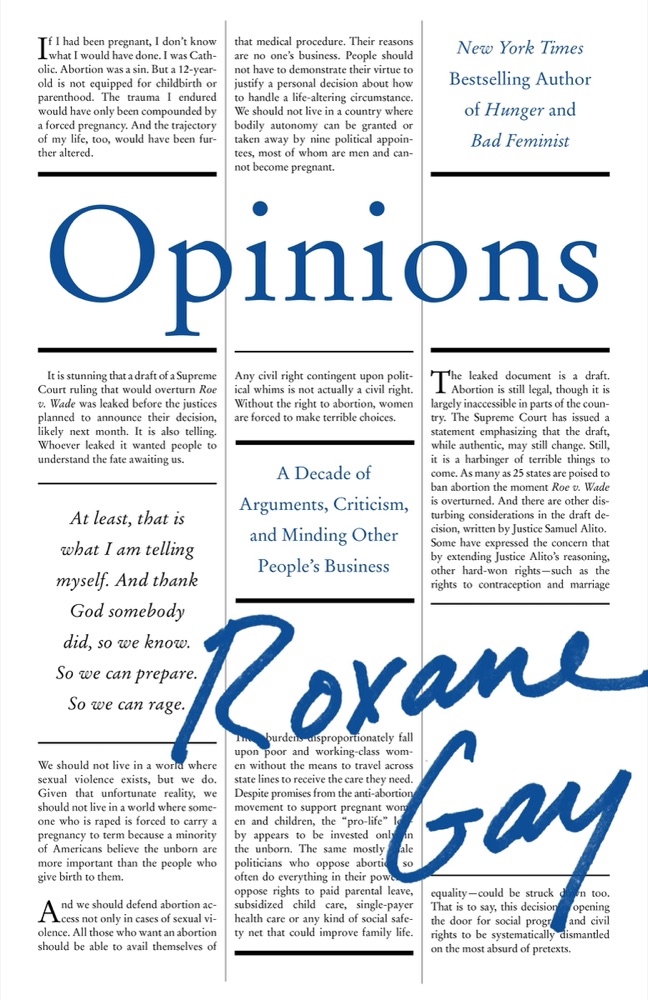 Opinions: A Decade of Arguments, Criticism, and Minding Other People’s Business
 Imperial Ambitions: Conversations on the Post-9/11 World
 A People's History of the United States
 Regarding the Pain of Others
 A Man Without a Country
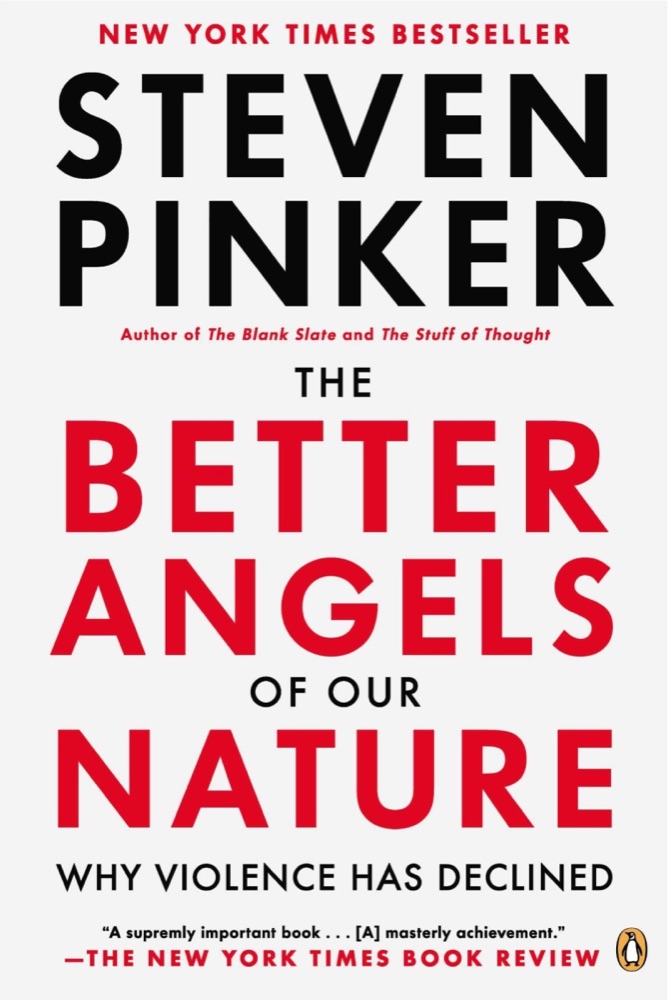 The Better Angels of Our Nature: Why Violence Has Declined
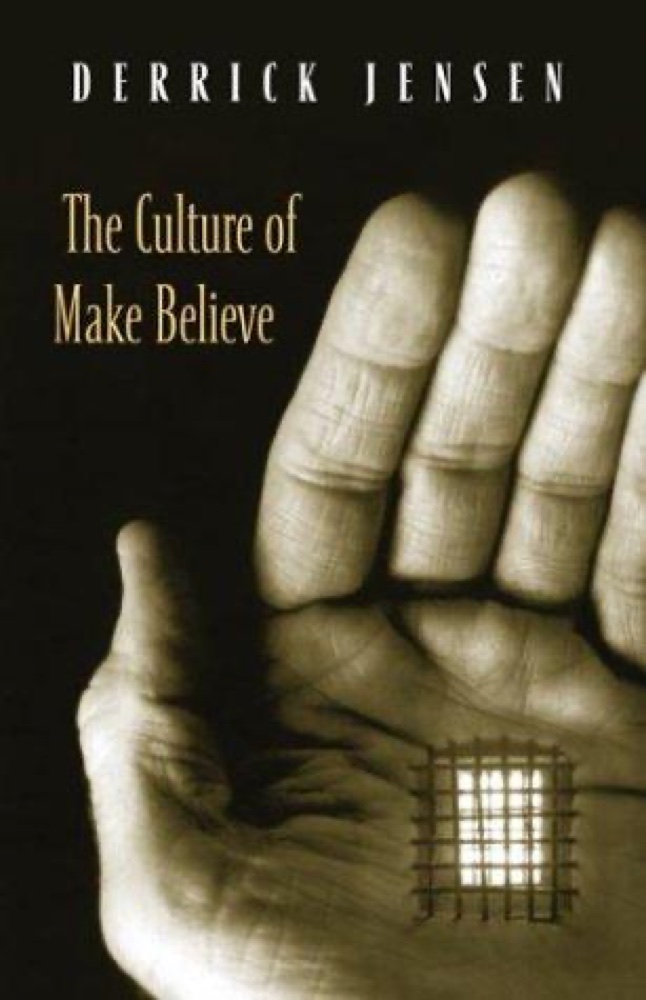 The Culture of Make Believe
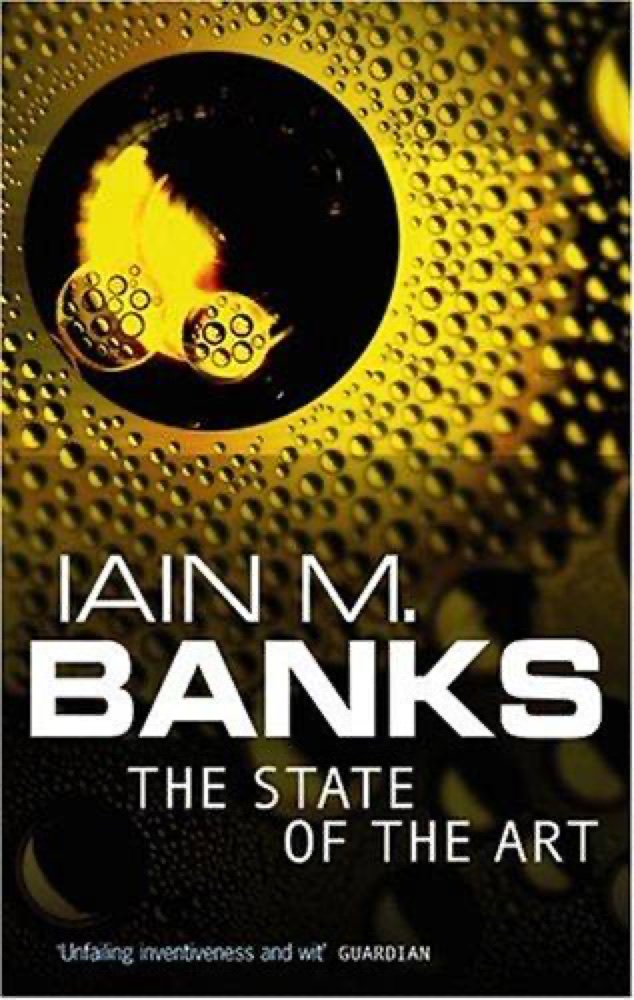 The State of the Art
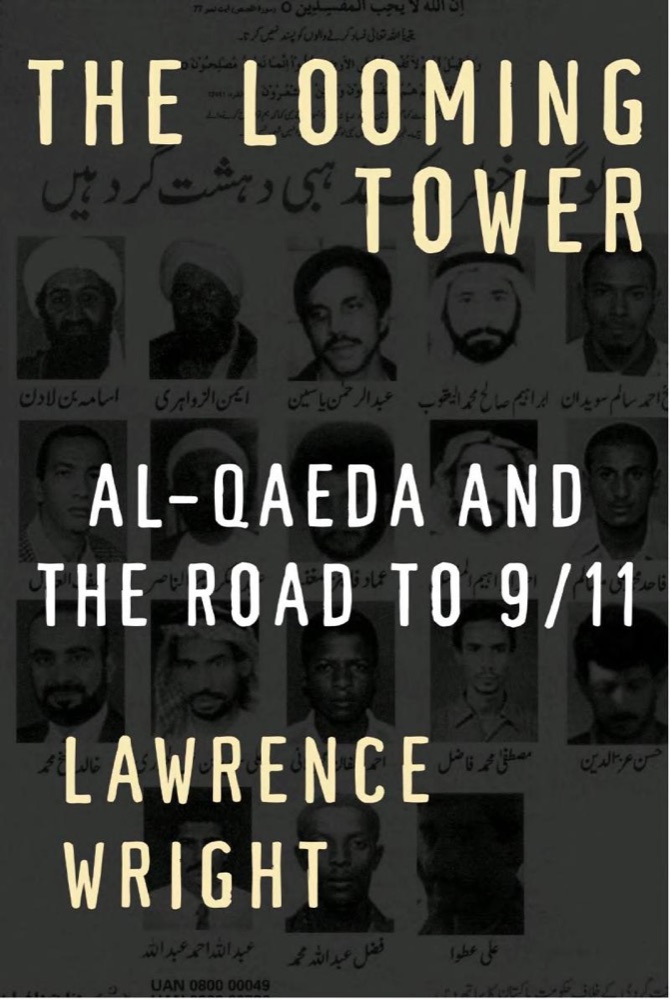 The Looming Tower: Al-Qaeda and the Road to 9/11
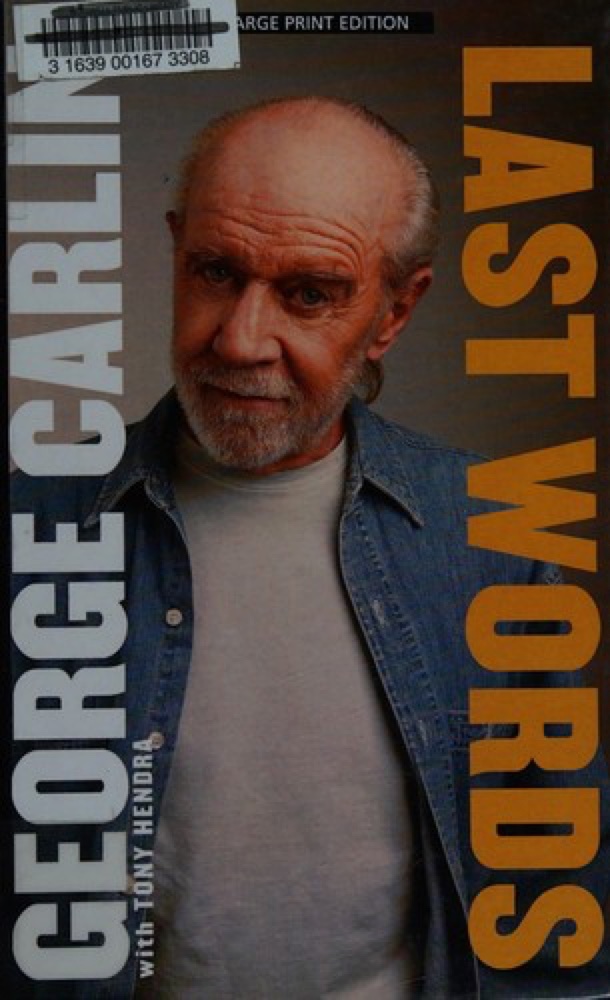 Last Words
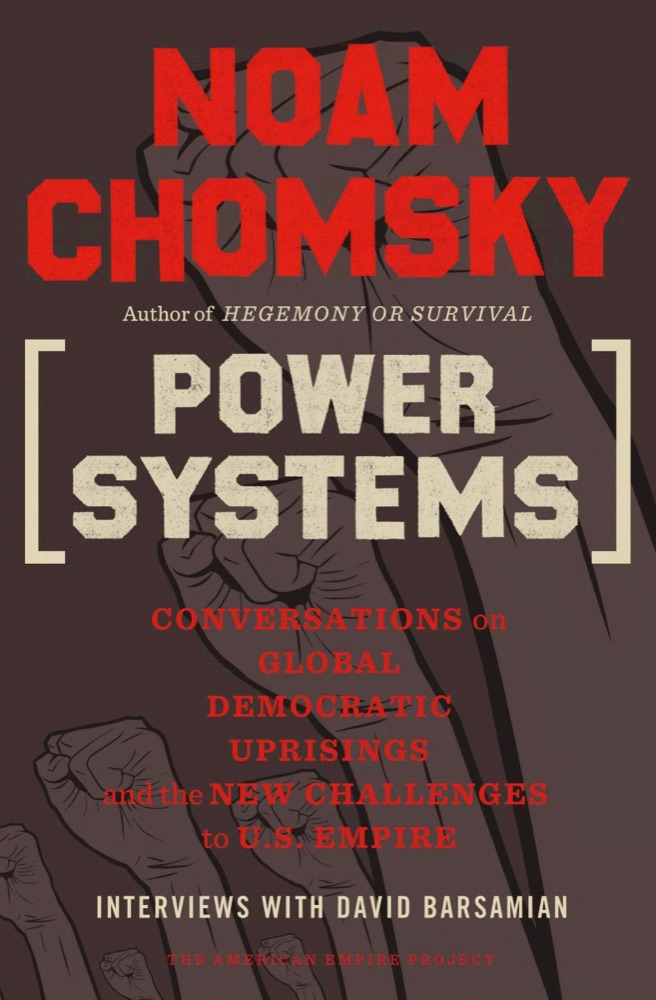 Power Systems: Conversations on Global Democratic Uprisings and the New Challenges to U.S. Empire
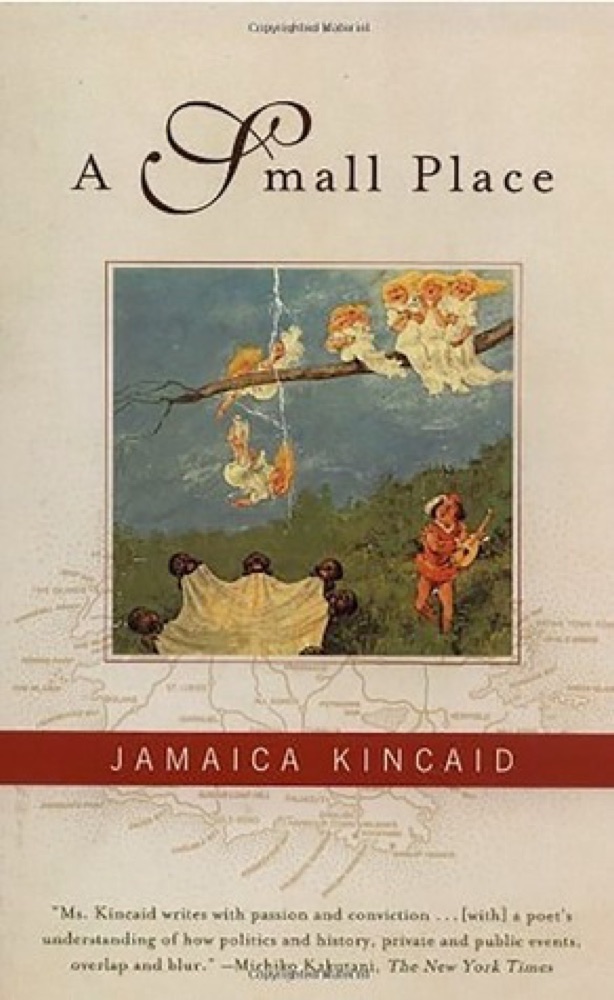 A Small Place
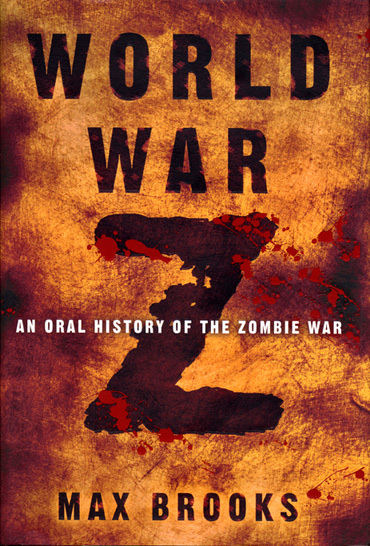 World War Z: An Oral History of the Zombie War
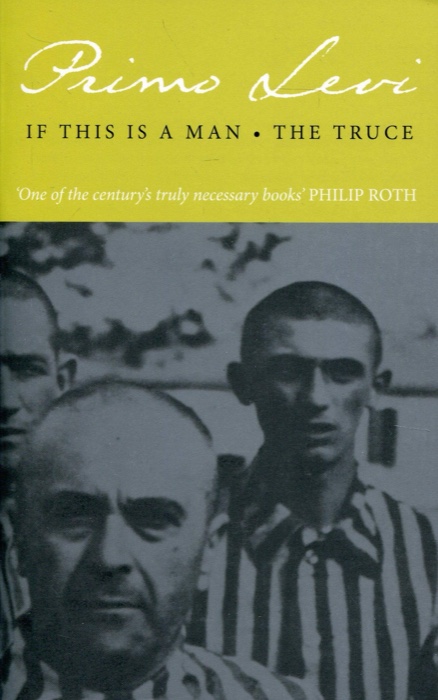 If This Is a Man / The Truce
 The Closing of the American Mind
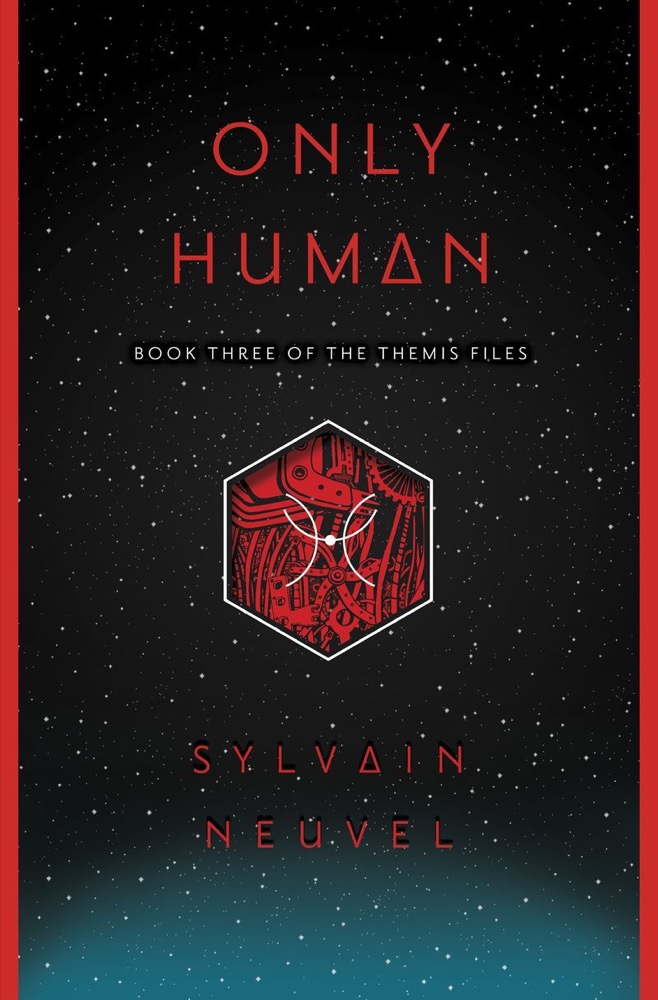 Only Human
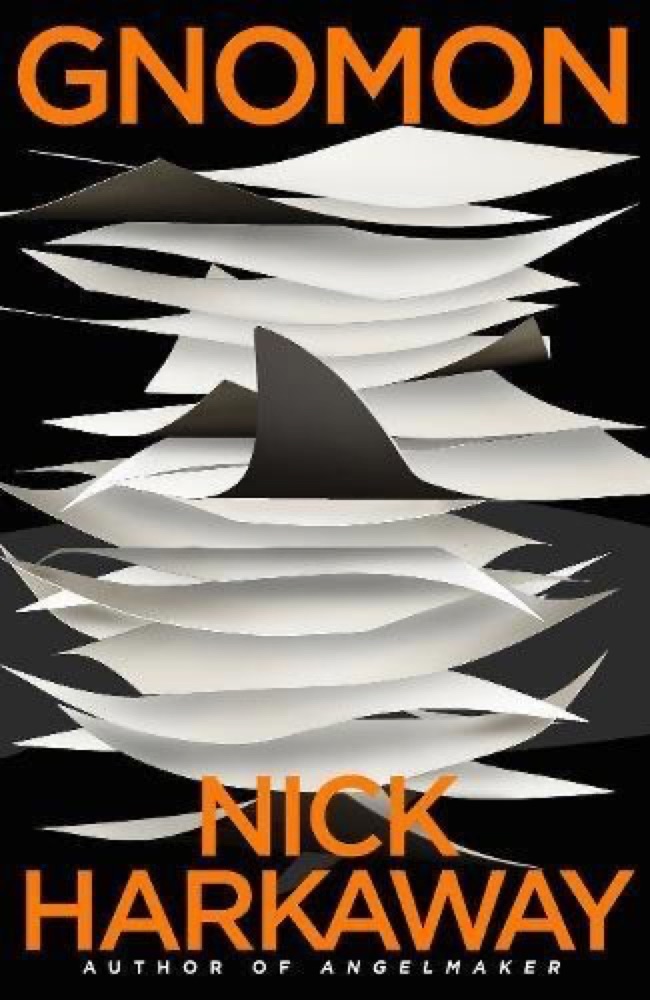 Gnomon
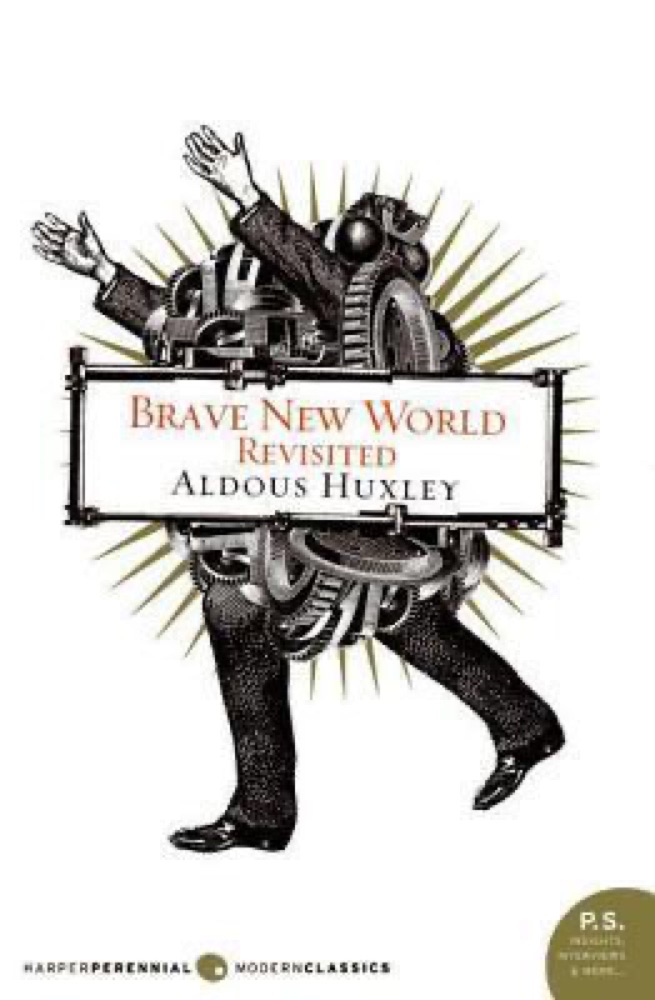 Brave New World Revisited
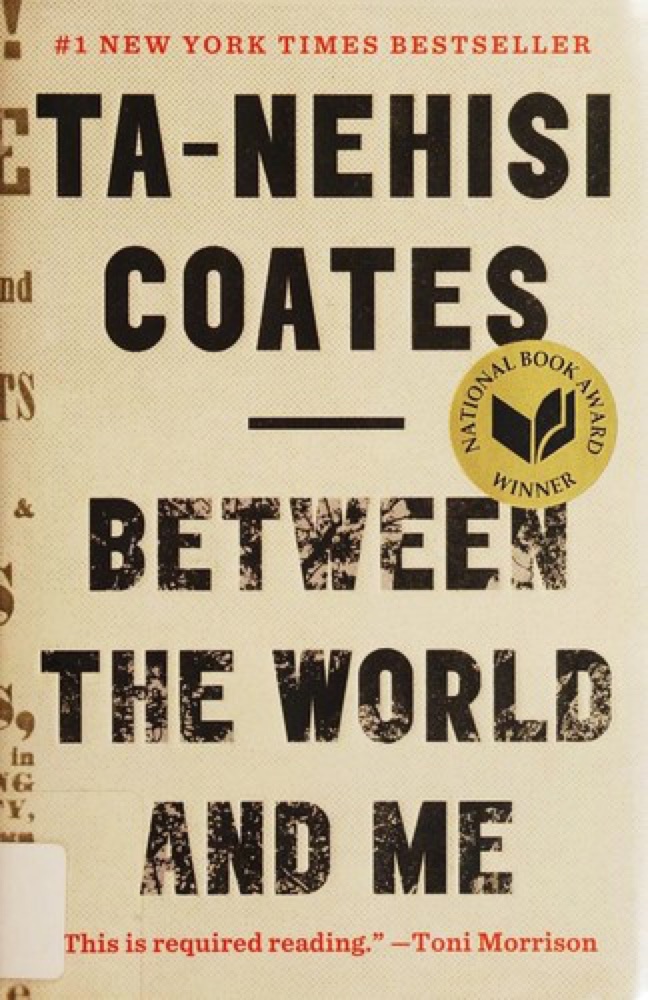 Between the World and Me
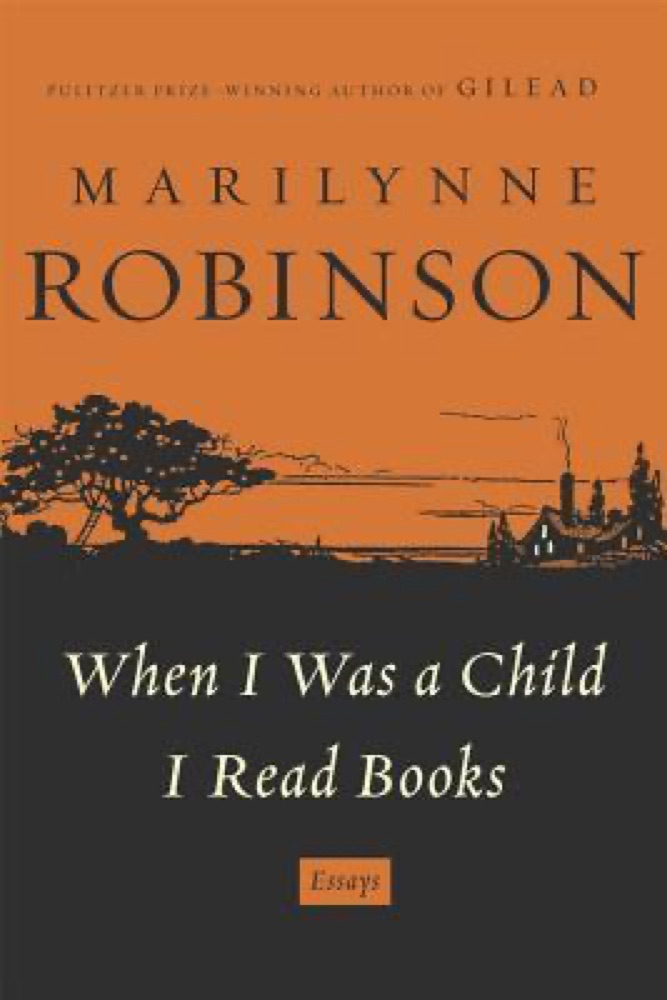 When I Was a Child I Read Books
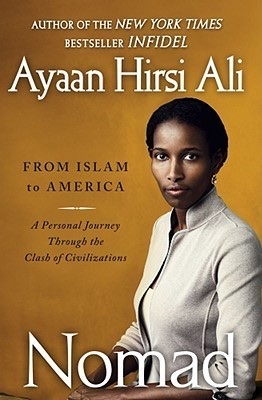 Nomad: From Islam to America: A Personal Journey Through the Clash of Civilizations
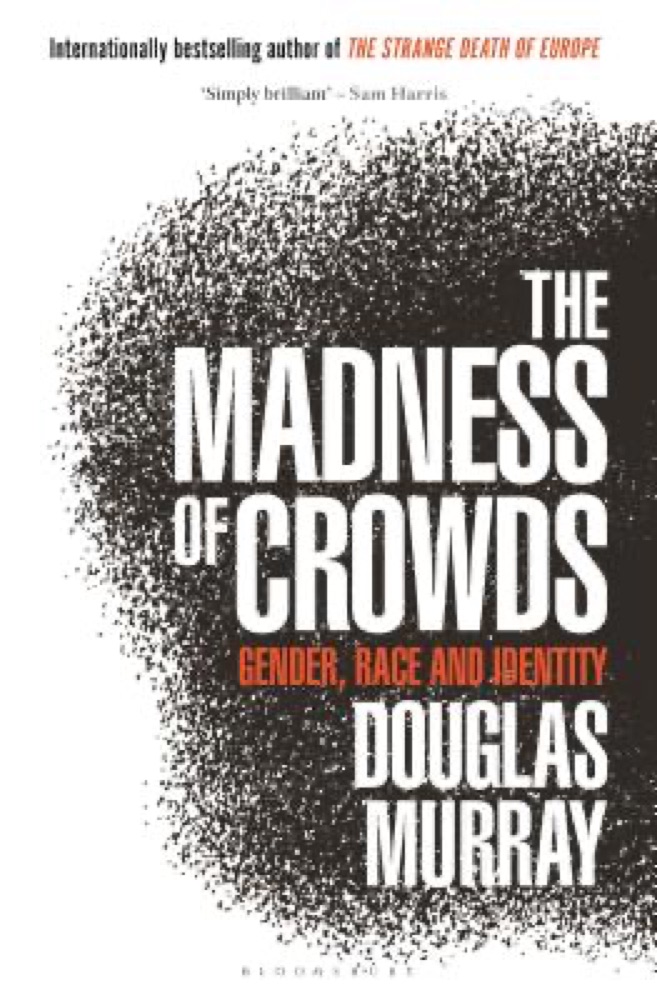 The Madness of Crowds: Gender, Race and Identity
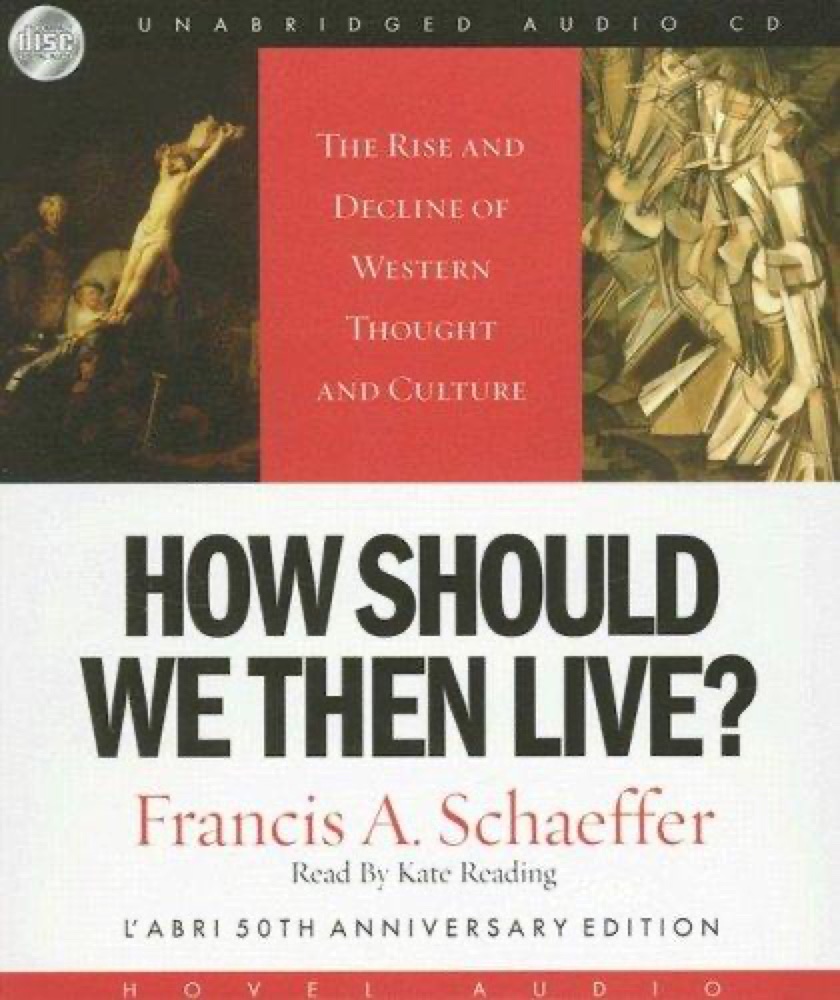 How Should We Then Live? The Rise and Decline of Western Thought and Culture
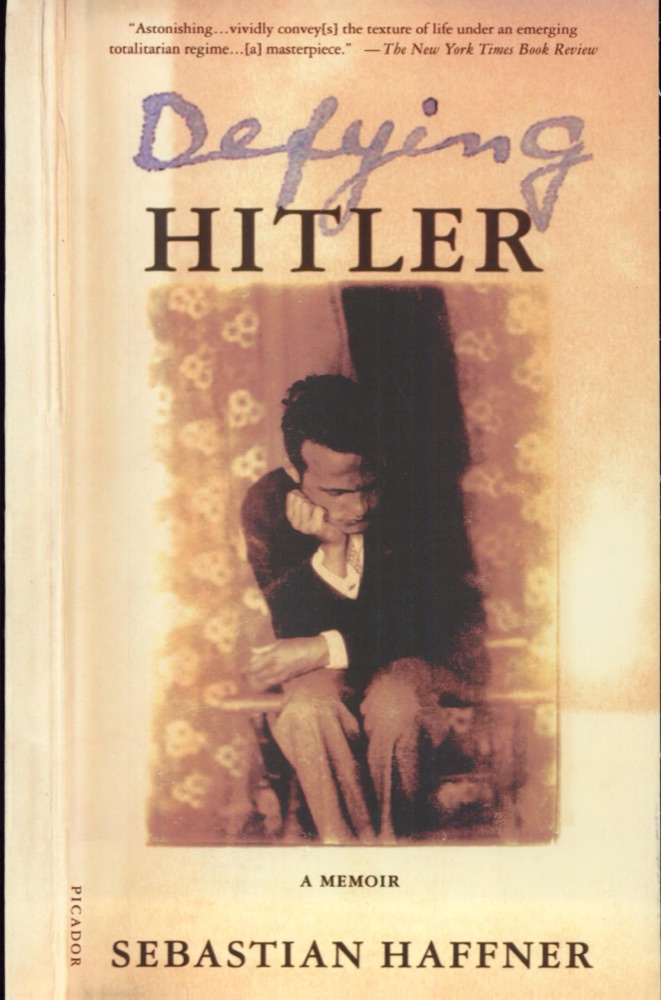 Defying Hitler
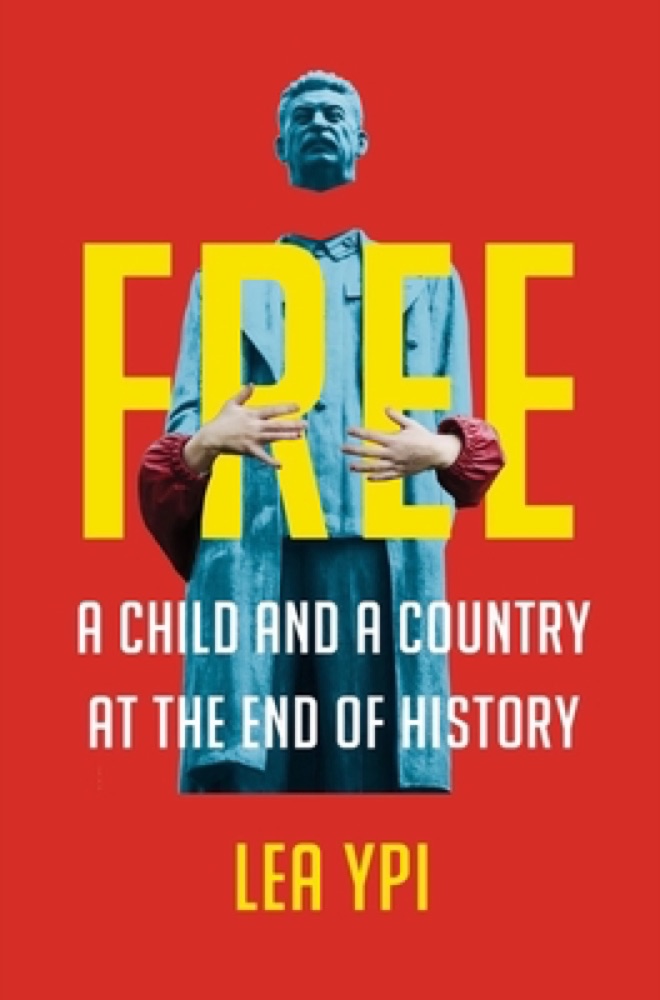 Free: A Child and a Country at the End of History
 On Tyranny: Twenty Lessons from the Twentieth Century
 When They Call You a Terrorist: A Black Lives Matter Memoir