
 Insane Clown President: Dispatches from the 2016 Circus
Quotes from the Book
Being a wiseass in a groupthink environment is like throwing an egg at a bulldozer.
33
To be robbed and betrayed by a fiendish underground conspiracy, or by the earthly agents of Satan, is at least a romantic sort of plight - it suggests at least a grand Hollywood-ready confrontation between good and evil - but to be coldly ripped off over and over again by a bunch of bloodless, second-rate schmoes, schmoes you chose, you elected, is not something anyone will take much pleasure in bragging about.
17
Washington politicians basically view the People as a capricious and dangerous enemy, a dumb mob whose only interesting quality happens to be their power to take away politicians' jobs... When the government sees its people as the enemy, sooner or later that feeling gets to be mutual. And that's when the real weirdness begins.
11
When the Crossfire paradigm loses its force, all that's left is a bunch of people with different views all sitting together in a room, wondering why they're all paying three bucks a gallon for gas, why they have no health insurance, why their tax rates are higher than Warren Buffet's. If we're all equally a bunch of suckers, how could any of us be worth hating?
10
we live in a country where people believe implicitly in their right to bore the living shit out of absolutely everybody within haranguing distance with tales of their miserable, lonely, and inevitably self-deluding searches for personal fulfillment in the emotional desert that is our crass commercial culture.
7
Our president may lie, but he will lie effectively and spectacularly, with all the epic stagecraft and lighting and special effects available to the White House publicity apparatus. He is never a hack, never a half-assed, off-the-cuff, squirming, my-dog-ate-my-homework sort of liar. Or at least he wasn't until George W. Bush came around. 'They hate our freedoms' was possibly the dumbest, most insulting piece of bullshit ever to escape the lips of an American president. As an explanation for the appalling tragedy of 9/11... it was insufficient even as a calculated effort to snow an uneducated public.
3
At the tail end of the Reagan years the Democratic Party, with the aid of Clinton/Gore–led groups like the Democratic Leadership Council, presented us with a new kind of “business-friendly” Democrat, one who voted the right way on choice and minority rights but was “willing to work with business” on such matters as free trade, deregulation, privatization, government spending, and personal debt. Such a Democrat, we were told, could win: we’d be giving up a thing or two in terms of workers’ rights and other matters, but at least Roe v. Wade would be safe for now.
2
The church is a place where you can walk in and close your eyes and all the complex and inscrutable troubles of adult life are gone for a time. But you have to be careful to keep your eyes closed, because if you open them, what you’ll see all around you are sad, middle-aged people with brittle hair and long faces, faces as old as your own, looking weary from that crooked road that God keeps promising will someday be made straight and trying to wish the world away with a children’s song. Of course, if they all wish together, the wish comes true for a while.
2
I’ll tell you one thing,” Sorensen said. “If Hillary Clinton should ever become president, God forbid…” The crowd hissed and booed. Sorensen raised his hands. “If, God forbid, something like that were ever to happen, one of the first things they’d try to do is tax the churches. You can count on that,” he said. The crowd gasped at the audacity of the suggestion. I found it ironic that by singling out Hillary specifically, Sorensen had just done the one thing that made the church no longer deserve tax-free status.
2
I was a lapsing Christian, but in what direction was I lapsing? To nowhere, to nothingness. As absurd as the church was, it was an improvement over my actual life because there was at least a pretense of meaning there. Back in New York, I was just eating and taking up space, a depraved postmodern creature on the job, carrying pebbles up the media anthill.
1
No voter wants to believe he doesn’t really matter, so he buys into the idea that there are two substantively different parties frantically competing for his attention, the ideological fate of the country hanging on his decision every few years. It flatters the average citizen to think that way. The reality is that the dominant characteristic of our political system is the unchanging nature of the political consensus—while the two parties agree about most all of the important things, they disagree violently about the inconsequential stuff, providing the fodder and the drama for an endless political “struggle” that plays itself out in entertaining fashion every couple of years.
1
The similarities between both of these groups were striking and should be clear to anyone who reads this book. Both groups were and are defined primarily by an unshakable belief in the inhumanity of their enemies on the other side; the Christians seldom distinguished between Islamic terrorism and, say, Al Gore–style environmentalism, while the Truthers easily believed that reporters for the Washington Post, the president, and the front-line operators of NORAD were equally capable of murdering masses of ordinary New York financial-sector employees. Abandoned by the political center, both groups ascribed unblinkingly to a militant, us-against-them worldview, where only their own could be trusted. What made them distinctly American was that, while actually the victims of an obvious, unhidden conspiracy of corrupt political power, they chose to battle bugbears that were completely idiotic, fanciful, and imaginary
1
Jesus,” I said into the phone. “I’m an establishment pseudo-hipster.” “The funny thing about that,” my so-called friend answered, “is that you are.” “Fuck you,” I said.
1
Blind party loyalty is dangerous whatever side it occurs on,” she said. She went on: People of the world look on us Americans as jokes because we allow our political leaders so much murderous latitude
The Democrats expected all of us to respect their boundless
It all came together for me one day when I tried to imagine the whole thing from the point of view of Osama bin Laden. Here he had gone through all the trouble of attacking New York City
... Americans were now supposed to make their own sense of the world. There was no dependable authority left to turn to, no life raft in the increasingly perilous informational sea. This coincided with an age when Americans now needed to understand more of the world than ever before. A factory worker in suburban Ohio now needed to understand the cultures of places like Bangalore and Beijing if he wanted to know why he'd lost his job. Which, incidentally, he probably had. Now broke, or under severe financial pressure, with no community leaders, no community, no news he can trust, Joe American has to turn on the Internet and tell himself a story that makes sense to him. What story is he going to tell?
Watch on YouTube
About Matt Taibbi
We have collected 76 quotes from 3 books by Matt Taibbi on BookQuoters.
More about the author →More by Matt Taibbi
Insane Clown President: Dispatches from the 2016 Circus
 Griftopia: Bubble Machines, Vampire Squids, and the Long Con That Is Breaking America
About the book
A revelatory and darkly comic adventure through a nation on the verge of a nervous breakdown--from the halls of Congress to the bases of Baghdad to the apocalyptic churches of the heartland.
Rolling Stone's Matt Taibbi set out to describe the nature of George Bush's America in the post-9/11 era and ended up vomiting demons in an evangelical church in Texas, riding the streets of Baghdad in an American convoy to nowhere, following a trail of pork through the halls of Congress, and falling into the rabbit hole of the 9/11 Truth Movement.
He discovered in his travels across the country that the resilient blue state/red state narrative of American politics had become irrelevant. A large and growing chunk of the American population was so turned off--or radicalized--by electoral chicanery, a spineless news media, and the increasingly blatant lies from our leaders ("they hate us for our
Book details
- First published
- 2008
- Author
- Matt Taibbi
- Genre
- Nonfiction
- Goodreads rating
- 3.93 (4k ratings)
Keep reading
 Deer Hunting with Jesus: Dispatches from America's Class War
 Fear and Loathing on the Campaign Trail '72
 The Audacity of Hope: Thoughts on Reclaiming the American Dream
 The Invisible Bridge: The Fall of Nixon and the Rise of Reagan
 The Great Shark Hunt: Strange Tales from a Strange Time
 Thirteen
 Arguably: Selected Essays
 Revolution for Dummies: Laughing through the Arab Spring
 Distraction
 It Can't Happen Here
 Radio Free Albemuth
 A Promised Land
 Bleeding Edge
 What's Left?
 Dangerous
 The Partly Cloudy Patriot
Griftopia: Bubble Machines, Vampire Squids, and the Long Con That Is Breaking America
The Partly Cloudy Patriot
Griftopia: Bubble Machines, Vampire Squids, and the Long Con That Is Breaking America
 The Golden House
 America: The Farewell Tour
 Hocus Pocus
 One Nation: What We Can All Do to Save America's Future
 Broken Angels
 Armageddon in Retrospect
 Assassination Vacation
 Edge of Eternity
 The State of the Art
 One Day, Everyone Will Have Always Been Against This
 Strangers in Their Own Land: Anger and Mourning on the American Right
 A People's Future of the United States: Speculative Fiction from 25 Extraordinary Writers
 The Committed
 Empire of Illusion: The End of Literacy and the Triumph of Spectacle
 A Man Without a Country
 Kingdom of Fear: Loathsome Secrets of a Star-Crossed Child in the Final Days of the American Century
 The Mandibles: A Family, 2029–2047
 Wanderers
 New York 2140
 Promises to Keep: On Life and Politics
 Burr
Burr
 Understanding Power: The Indispensable Chomsky
 Transition
 A Drink Before the War
 Parliament of Whores: A Lone Humorist Attempts to Explain the Entire U.S. Government
 Dead Fall
 Glenn Beck's Common Sense: The Case Against an Out-of-Control Government, Inspired by Thomas Paine
 Unthinkable: Trauma, Truth, and the Trials of American Democracy
 Wampeters, Foma and Granfalloons
 The Sympathizer
 Fall; or, Dodge in Hell
 I Am America
 America Alone: The End of the World As We Know It
 Becoming Madam Secretary
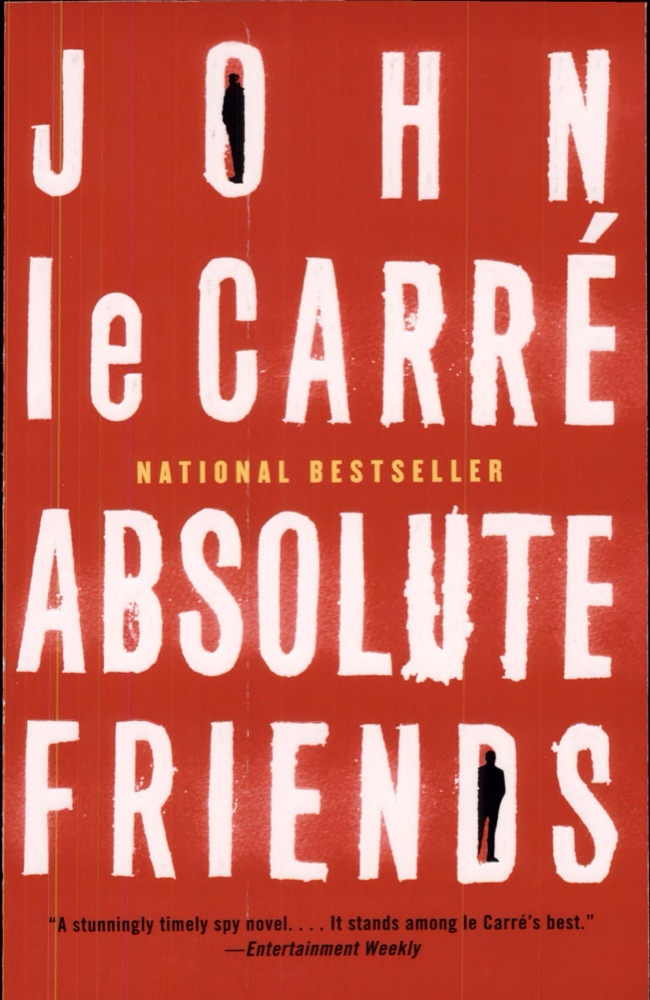 Absolute Friends
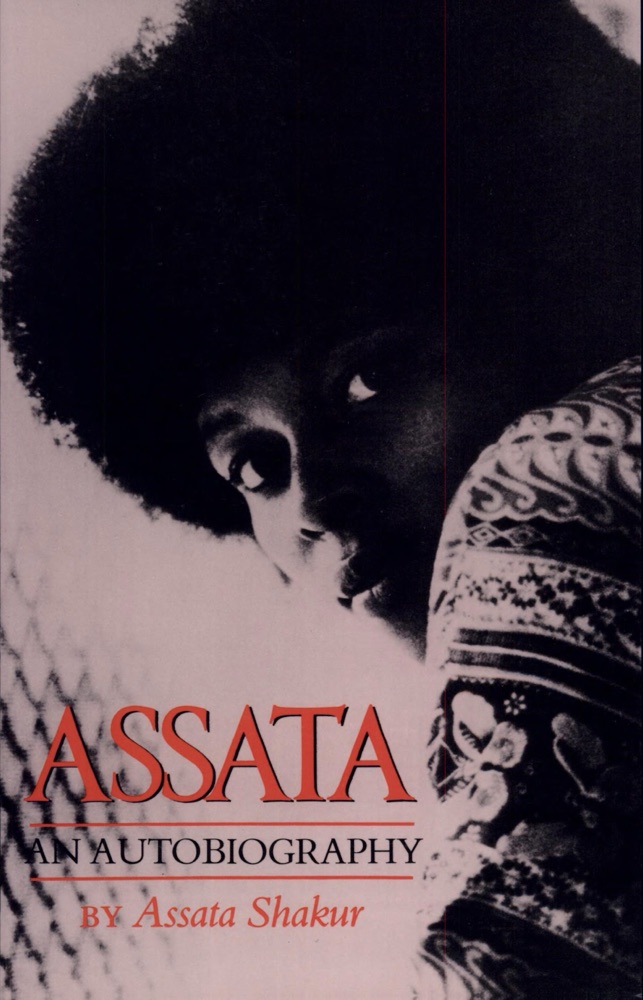 Assata: An Autobiography
 White
White
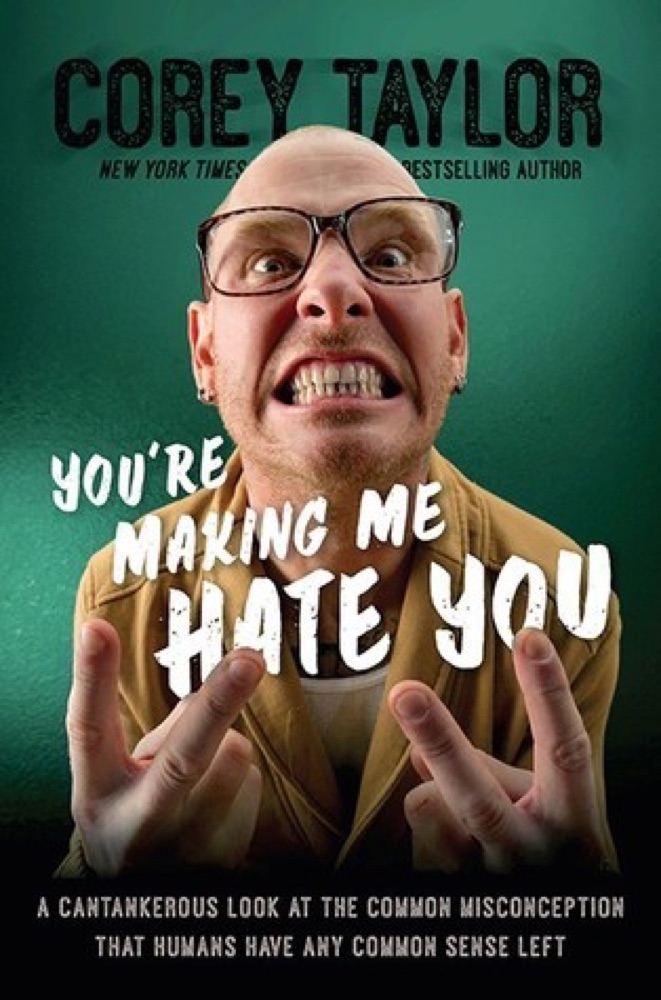 You're Making Me Hate You: A Cantankerous Look at the Common Misconception That Humans Have Any Common Sense Left
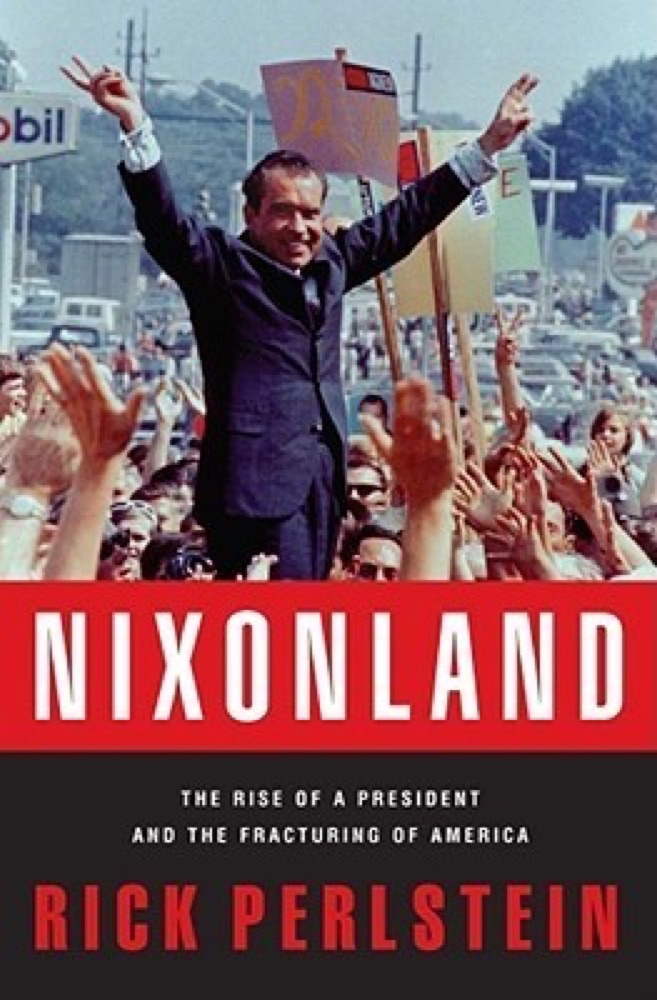 Nixonland: The Rise of a President and the Fracturing of America
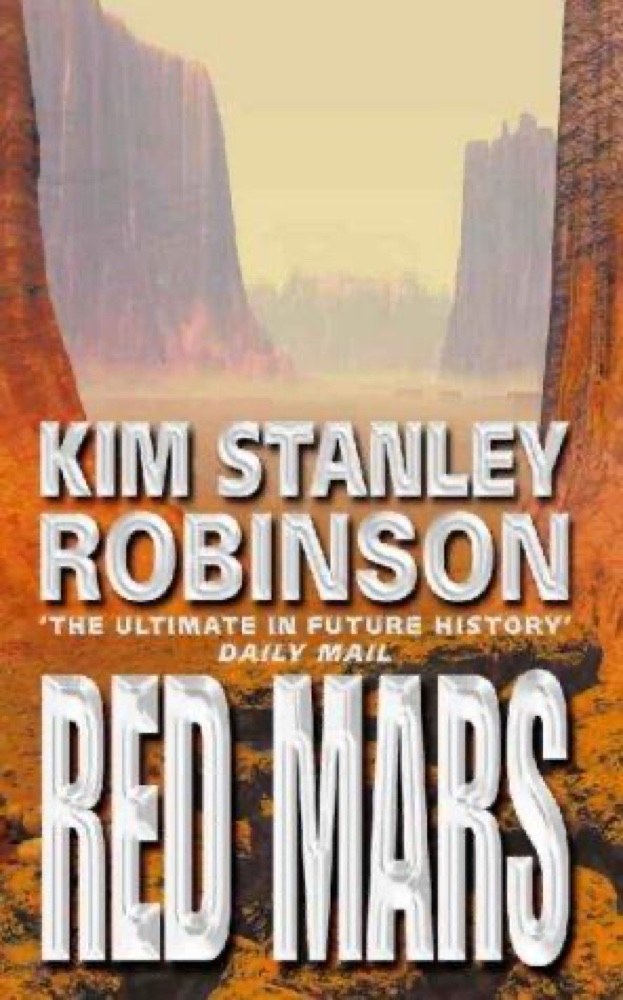 Red Mars
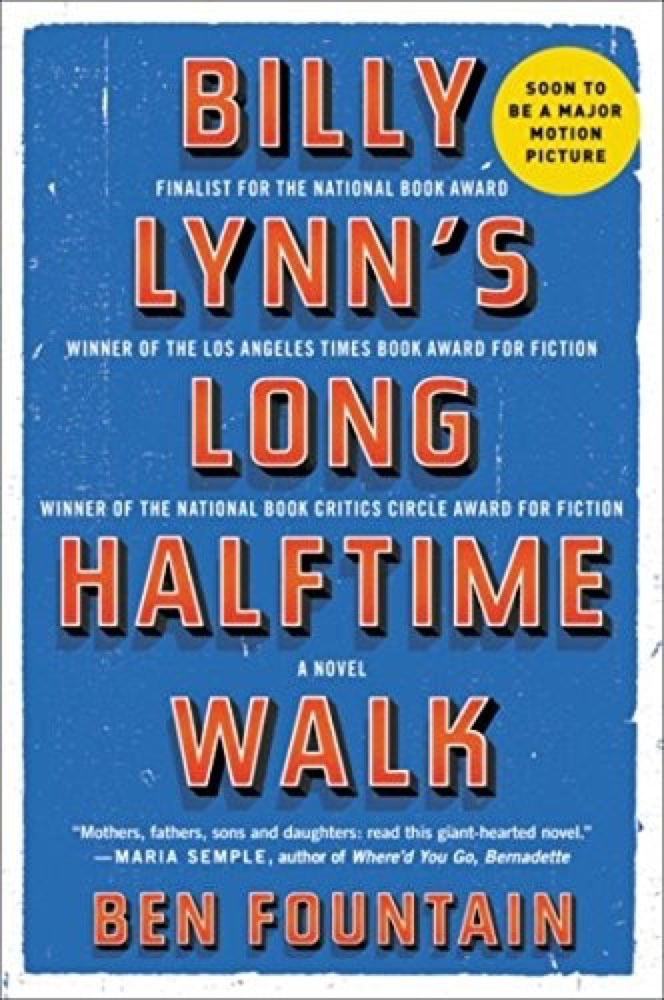 Billy Lynn's Long Halftime Walk
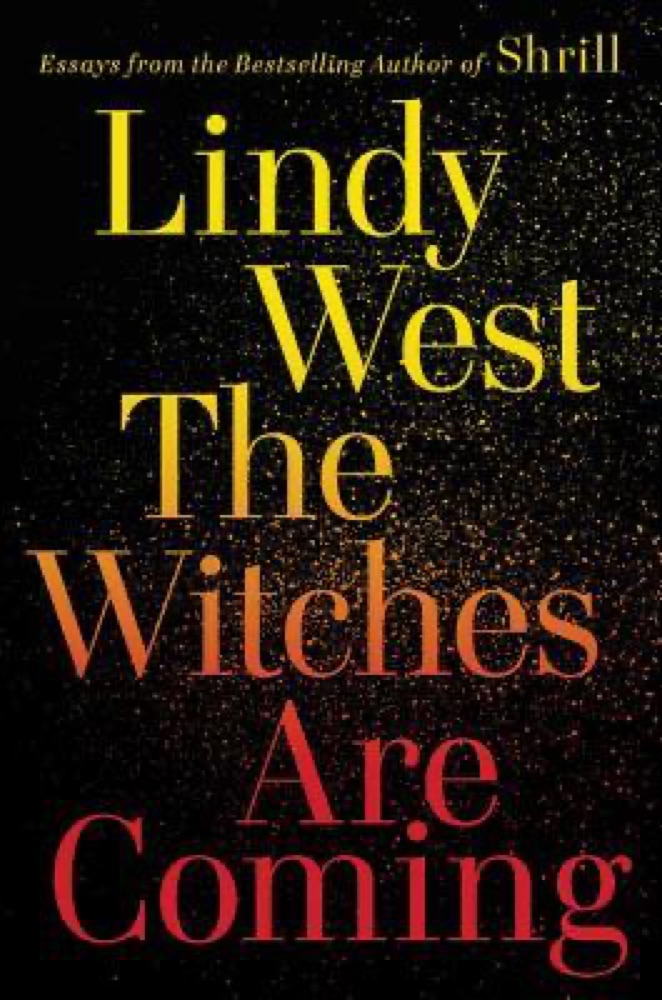 The Witches Are Coming
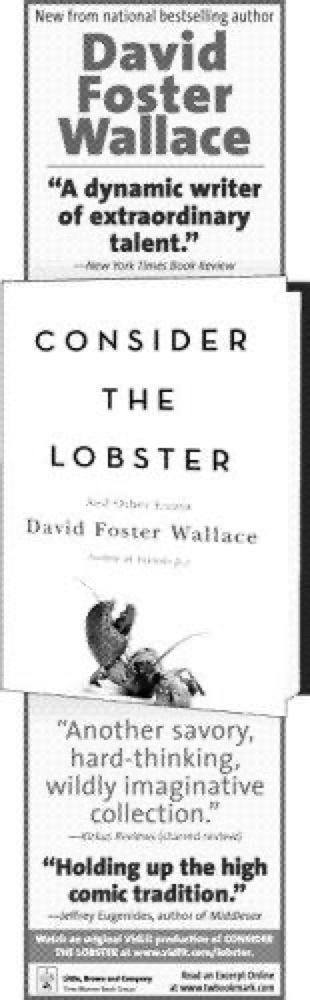 Consider the Lobster and Other Essays