
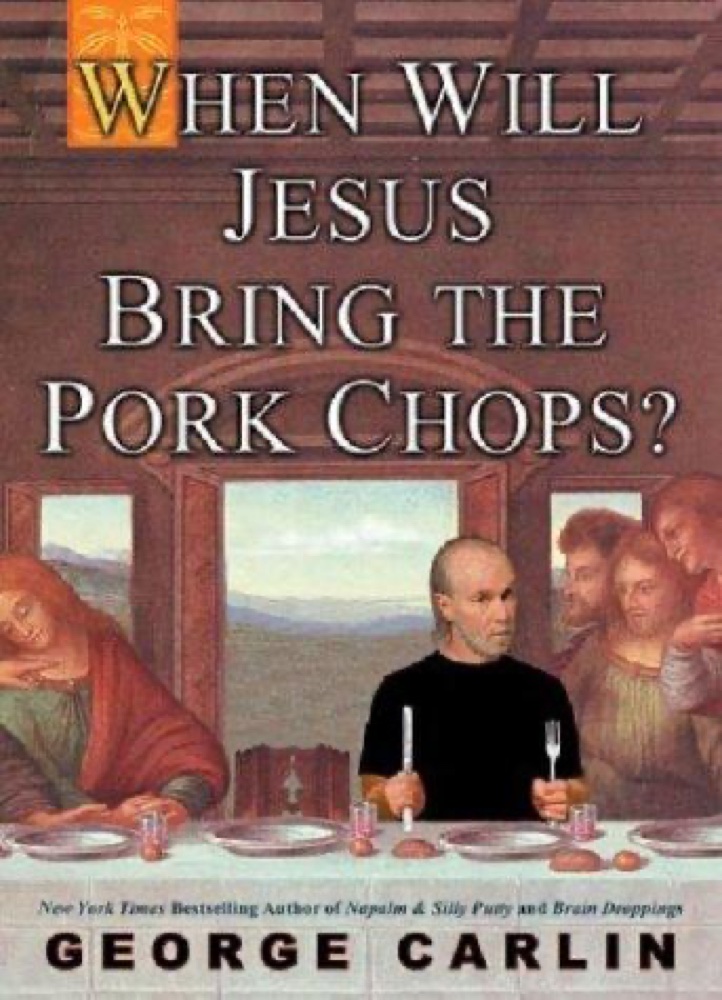
 When Will Jesus Bring the Pork Chops?
Quotes from the Book
But when you're in front of an audience and you make them laugh at a new idea, you're guiding the whole being for the moment. No one is ever more him/herself than when they really laugh. Their defenses are down. It's very Zen-like, that moment. They are completely open, completely themselves when that message hits the brain and the laugh begins. That's when new ideas can be implanted. If a new idea slips in at that moment, it has a chance to grow.
The larger the group, the more toxic, the more of your beauty as an individual you have to surrender for the sake of group thought. And when you suspend your individual beauty you also give up a lot of your humanity. You will do things in the name of a group that you would never do on your own. Injuring, hurting, killing, drinking are all part of it, because you've lost your identity, because you now owe your allegiance to this thing that's bigger than you are and that controls you.
Fuck the drug war. Dropping acid was a profound turning point for me, a seminal experience. I make no apologies for it. More people should do acid. It should be sold over the counter.
Abraham Maslow said that the fully realized person transcends his local group and identifies with the species. But the election of Ronald Reagan might've been the beginning of my giving up on my species. Because it was absurd. To this day it remains absurd. More than absurd, it was frightening: it represented the rise to supremacy of darkness, the ascendancy of ignorance.
So I want to thank the Pentagon, the Soviet Union and the military-industrial complex from the bottom of my heart. Without them, I could never have become the man I am today.
People are wonderful one at a time. Each one of them has an entire hologram of the universe somewhere within them.
So I do have this ambivalence. Obviously I'm against militaries, because of what militaries do. In many ways though, the air force was unmilitary-like. They dropped bombs on people, but...they had a golf course.
The habits of liberals, their automatic language, their knee-jerk responses to certain issues, deserved the epithets the right wing stuck them with. I'd see how true they often were. Here they were, banding together in packs, so I could predict what they were going to say about some event or conflict and it wasn't even out of their mouths yet. I was very uncomfortable with that. Liberal orthodoxy was as repugnant to me as conservative orthodoxy.
The reason I prefer the sledgehammer to the rapier and the reason I believe in blunt, violent, confrontational forms for the presentation of my ideas is because I see that what’s happening to the lives of people is not rapierlike, it is not gentle, it is not subtle. It is direct, hard and violent. The slow violence of poverty, the slow violence of untreated disease. Of unemployment, hunger, discrimination. This isn’t the violence of some guy opening fire with an Uzi in a McDonald’s and forty people are dead. The real violence that goes on every day, unheard, unreported, over and over, multiplied a millionfold.
Watch on YouTube
About George Carlin
We have collected 74 quotes from 4 books by George Carlin on BookQuoters.
More about the author →More by George Carlin
Book details
- Author
- George Carlin
- Genre
- Nonfiction
- Goodreads rating
- 3.97 (15k ratings) →
Keep reading
 Love All the People: Letters, Lyrics, Routines
 A Naked Singularity
 Only Human
 World War Z: An Oral History of the Zombie War
 Infinite Jest
 Close to the Knives: A Memoir of Disintegration
 Armageddon in Retrospect
 Harassment Architecture
 Demonspawn
When Will Jesus Bring the Pork Chops?
Demonspawn
When Will Jesus Bring the Pork Chops?
 A Language Older Than Words
 Liberation Day
 Don't Get Too Comfortable: The Indignities of Coach Class, the Torments of Low Thread Count, the Never-Ending Quest for Artisanal Olive Oil, and Other First World Problems
 V for Vendetta
 Riding the Elephant: A Memoir of Altercations, Humiliations, Hallucinations, and Observations
 Wide Awake
 A Man Without a Country
 The Braindead Megaphone
 Consider the Lobster and Other Essays
 If This Isn't Nice, What Is?: Advice for the Young
 Kingdom of Fear: Loathsome Secrets of a Star-Crossed Child in the Final Days of the American Century
 Between the World and Me
 The Girl Who Smiled Beads: A Story of War and What Comes After
 I. Asimov: A Memoir
 The Women's Room
 The Source of Self-Regard: Selected Essays, Speeches, and Meditations
 You're Making Me Hate You: A Cantankerous Look at the Common Misconception That Humans Have Any Common Sense Left
 The Stone Gods
 Broken Angels
 The Golden Notebook
 Thirteen
 Broken Harbor
 The Intern's Handbook
 Revolution
 Dust Tracks on a Road
 My Booky Wook
 The Long Way to a Small, Angry Planet
 Wampeters, Foma and Granfalloons
 How to Talk Dirty and Influence People
 Reaper's Gale
 The Library of the Dead
 Lanark
 An Ordinary Man: An Autobiography
 A Room Called Earth
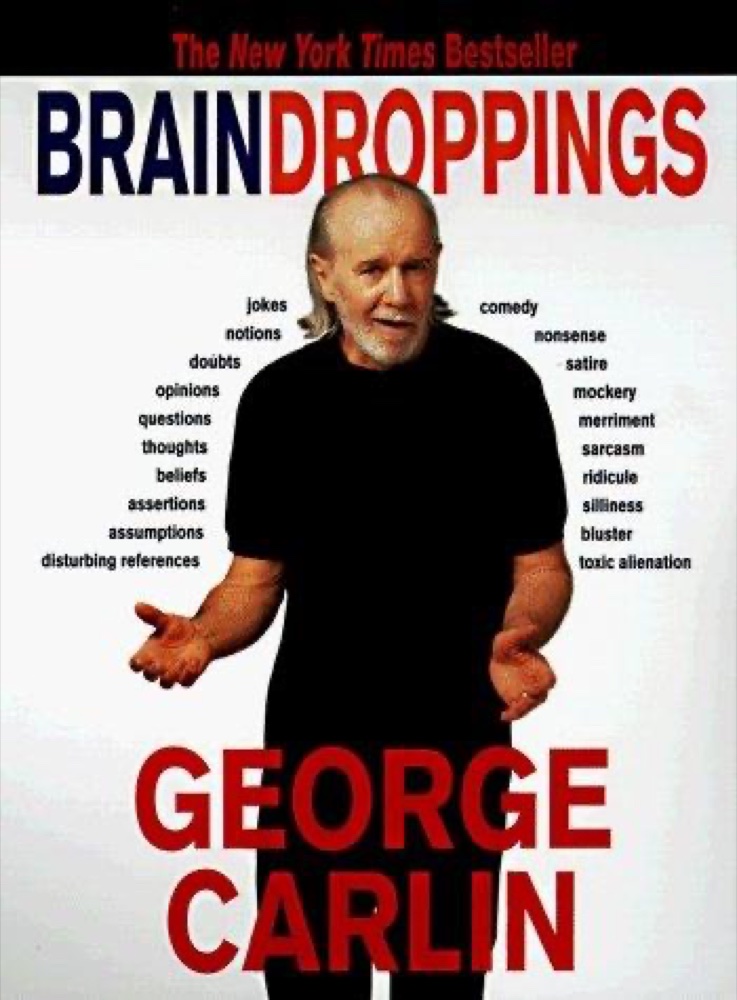 Brain Droppings
 Green Mars
 The State of the Art
 Sigh, Gone: A Misfit's Memoir of Great Books, Punk Rock, and the Fight to Fit In
 Use of Weapons
 Worm
Worm
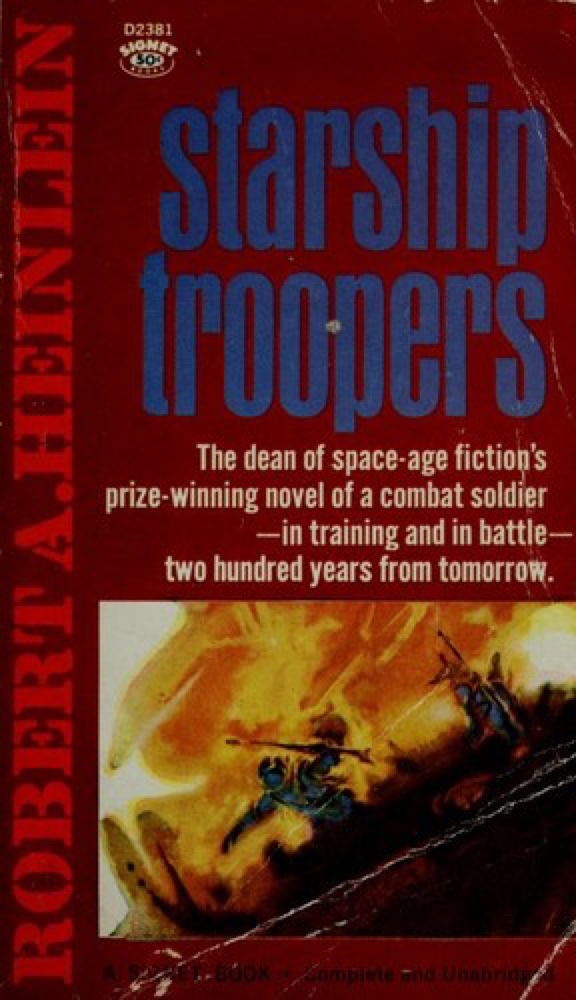 Starship Troopers
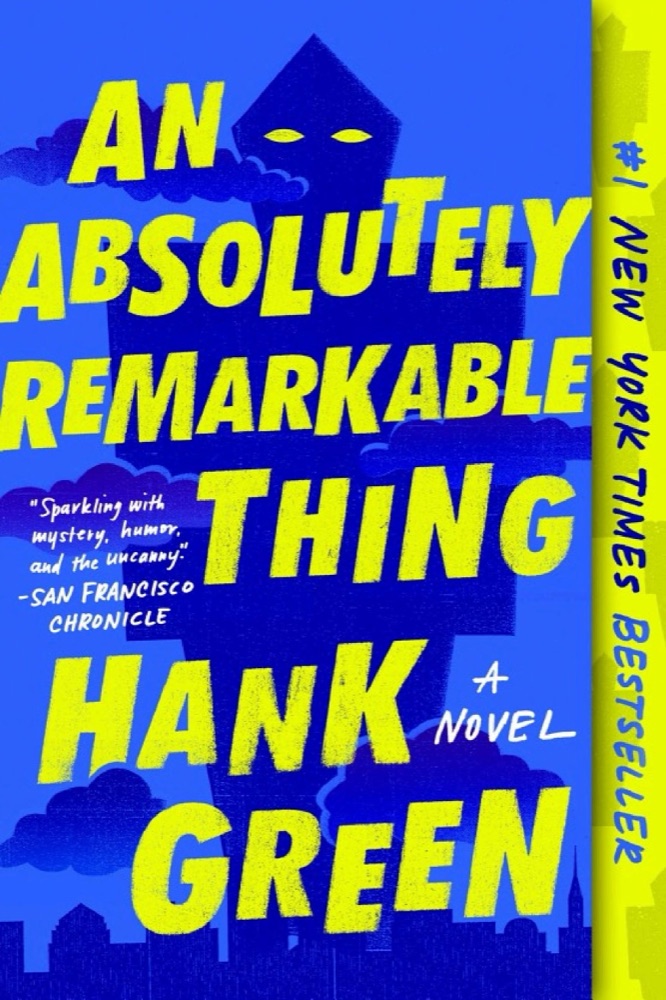 An Absolutely Remarkable Thing
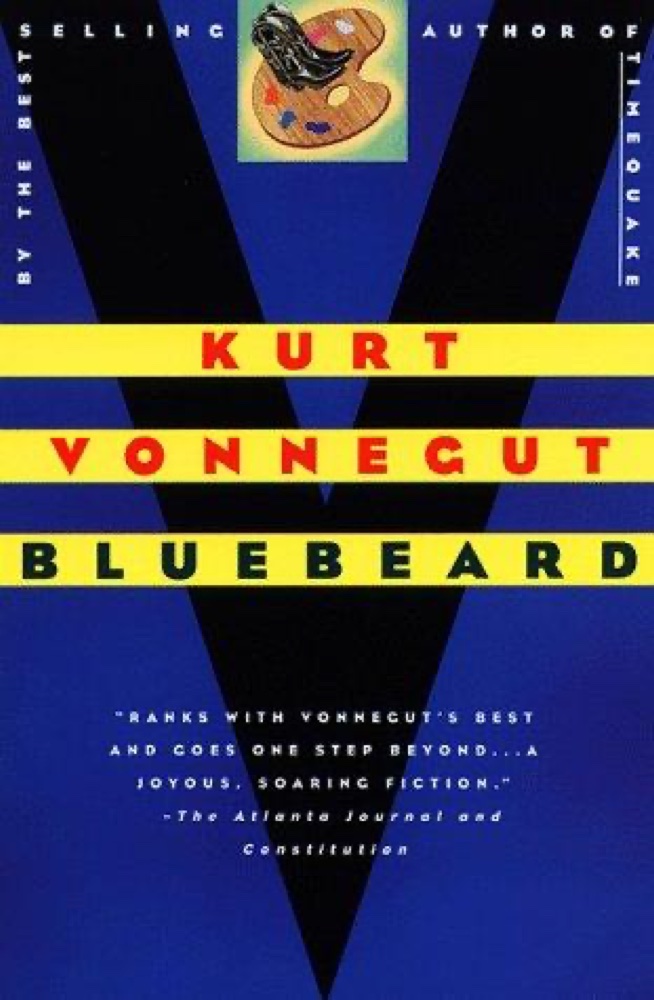 Bluebeard
 Transition
 Believe Me: A Memoir of Love, Death, and Jazz Chickens
 Dear Senthuran: A Black Spirit Memoir
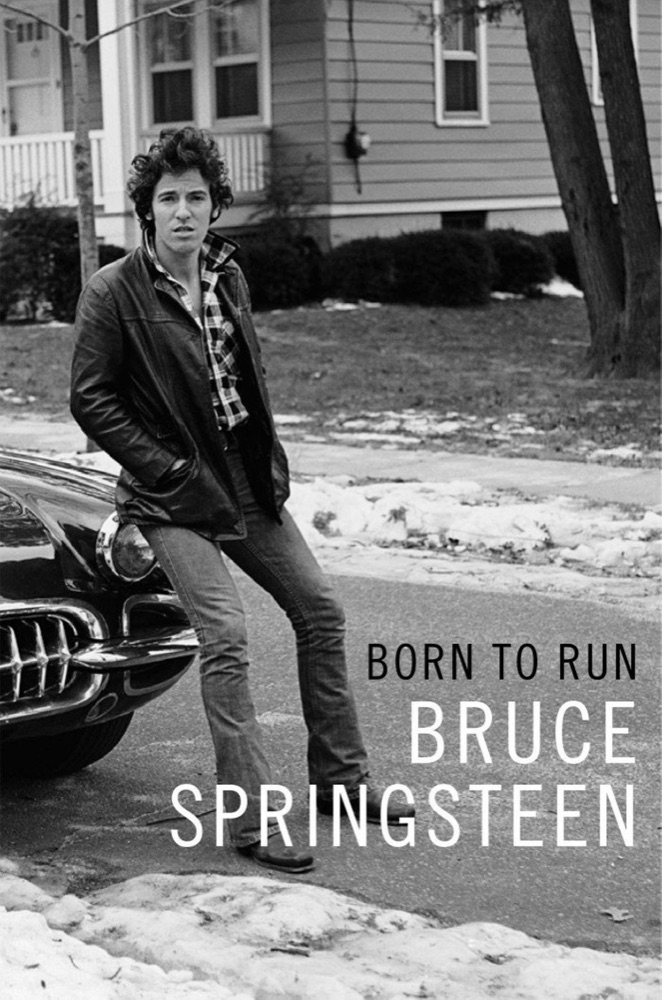 Born to Run
 My Government Means to Kill Me
 Ancestral Night
 Leaving Isn't the Hardest Thing