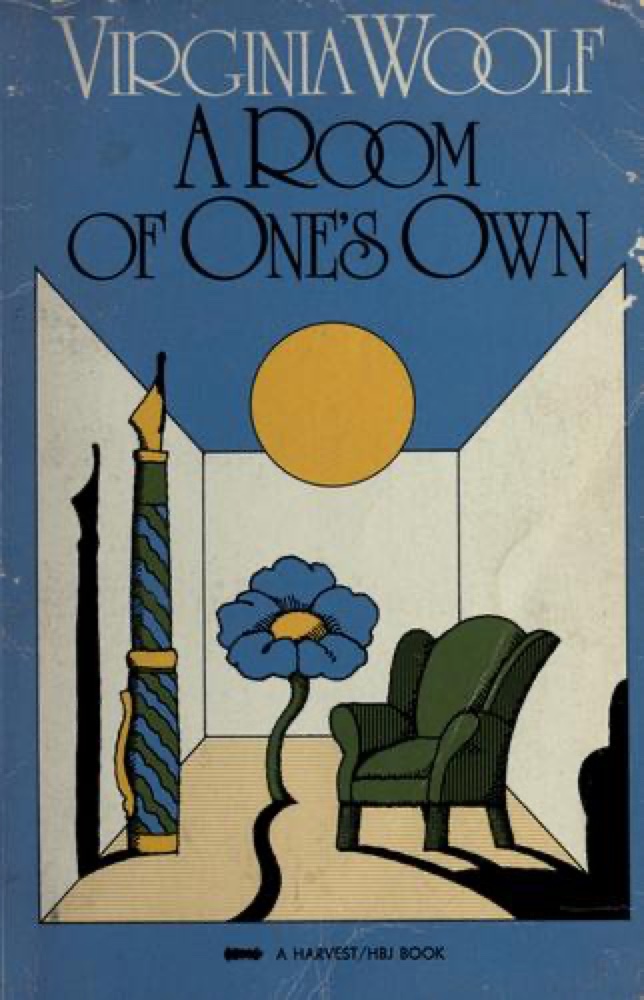
 A Room of One's Own
Quotes from the Book
There must be another life, she thought, sinking back into her chair, exasperated. Not in dreams; but here and now, in this room, with living people. She felt as if she were standing on the edge of a precipice with her hair blown back; she was about to grasp something that just evaded her. There must be another life, here and now, she repeated. This is too short, too broken. We know nothing, even about ourselves.
95
But why do I notice everything? She thought. Why must I think? She did not want to think. She wanted to force her mind to become a blank and lie back, and accept quietly, tolerantly, whatever came.
80
Would there be trees if we didn't see them?
33
Anyhow, she thought, they are aware of each other; they live in each other; what else is love, she asked, listening to their laughter.
17
Thinking was torment; why not give up thinking, and drift and dream? But the misery of the world, she thought, forces me to think. Or was that a pose? Was she not seeing herself in the becoming attitude of one who points to his bleeding heart? to whom the miseries of the world are misery, when in fact, she thought, I do not love my kind. Again she saw the ruby-splashed pavement, and faces mobbed at the door of a picture palace; apathetic, passive faces; the faces of people drugged by cheap pleasures; who had not even the courage to be themselves, but must dress up, imitate, pretend.
16
Am I a weed, carried this way, that way, on a tide that comes twice a day without a meaning?
16
Millions of things came back to her. Atoms danced apart and massed themselves. But how did they compose what people called a life?
15
She felt as if things were moving past her as she lay stretched on the bed under the single sheet. But it’s not landscape any longer, she thought; it’s people’s lives, their changing lives.
10
Love ought to stop on both sides, don’t you think, simultaneously?’ He spoke without any stress on the words, so as not to wake the sleepers. ‘But it won’t - that’s the devil,’ he added in the same undertone.
10
It was better to die, like Eugénie and Digby, in the prime of life with all one's faculties about one. But he wasn't like that, she thought, glancing at the press cuttings. 'A man of singularly handsome presence... shot, fished, and played golf.' No, not like that in the least. He had been a curious man; weak; sensitive; liking titles; liking pictures; and often depressed, she guessed , by his wife's exuberance. She pushed the cuttings away and took up her book. It was odd how different the same person seemed to two different people, she thought. There was Martin, liking Eugénie; and she, liking Digby. She began to read. She had always wanted to know about Christianity - how it began; what it meant, originally. God is love, The kingdom of Heaven is within us, sayings like that she thought, turning over the pages, what did they mean? The actual words were very beautiful. But who said them - when? Then the spout of the tea-kettle puffed steam at her and she moved it away. The wind was rattling the windows in the back room; it was bending the little bushes; they still had no leaves on them. It was what a man said under a fig tree, on a hill, she thought. And then another man wrote it down. But suppose that what that man says is just as false as what this man - she touched the press cuttings with her spoon - says about Digby? And here I am, she thought, looking at the china in the Dutch cabinet, in this drawing-room, getting a little spark from what someone said all those years ago - here it comes (the china was changing from blue to livid) skipping over all those mountains, all those seas. She found her place and began to read.
8
When shall we be free? When shall we live adventurously, wholly, not like cripples in a cave?
7
Or was there always, he thought, as he too rose and looked for his hat, something that came to the surface, inappropriately, unexpectedly, from the depths of people, and made ordinary actions, ordinary words, expressive of the whole being …
5
But this man Brown - it was difficult to place him at once. He talked, spreading his fingers out with the volubility of a man who will in the end become a bore. And Eleanor wandered about, holding a cup, telling people about her shower-bath. He wished they would stick to he point. Talk interested him. Serious talk on abstract subjects. 'Was solitude good; was society bad?' That was interesting; but they hopped from thing to thing. When the large man said, 'Solitary confinement is the greatest torture we inflict,' the meagre old woman with the wispy hair at once piped up, laying her hand on her heart, 'It ought to be abolished!' She visited prisons, it seemed.
4
She left the room without looking in the glass. From which we deduce the fact, he said to himself, as if he were writing a novel, that Miss Sarah Pargiter has never attracted the love of men. Or had she? He did not know. These little snapshot pictures of people left much to be desired, these little surface pictures that one made, like a fly crawling over a face, and feeling, here’s the nose, here’s the brow.
4
And for some reason she held the sentence suspended without meaning in her mind’s ear, “…quite enough for everybody at present,” she repeated. After all the foreign languages she had been hearing, it sounded to her pure English. What a lovely language, she thought, saying over to herself again the common place words…
3
How terrible old age was, she thought; shearing off all one’s faculties, one by one, but leaving something alive in the centre.
2
Where does she begin, and where do I end? she thought... On they drove. They were two living people, driving across London; two sparks of life enclosed in two separate bodies; and those sparks of life enclosed in two separate bodies are at this moment, she thought, driving past a picture palace. But what is this moment; and what are we?
2
It was January. Snow was falling; snow had fallen all day. The sky spread like a grey goose's wing from which feathers where falling all over England.
2
Why--?" he jerked his thumb in the direction of the young, "when they're so lovely--" She too looked at the girl, who was fastening a flower that had come undone in the front of her frock. She smiled. She said nothing. Then half consciously she echoed his question without a meaning in her echo, "Why?" He was dashed for a moment. It seemed to him that she refused to help him. And he wanted her to help him. Why should she not take the weight off his shoulders and give him what he longed for --assurance, certainty? Because she too was deformed like the rest of them? He looked down at her hands. They were strong hands; fine hands; but if it were a question, he thought, watching the fingers curl slightly, of "my" children, of "my" possession, it would be one rip down the belly; or teeth in the soft fur of the throat. We cannot help each other, he thought, we are all deformed. Yet, disagreeable as it was to him to remove her from the eminence upon which he placed her, perhaps she was right, he thought, and we who make idols of other people, who endow this man, that woman, with power to lead us, only add to the deformity, and stoop ourselves.
2
You can't drive a bayonet through a chap's body in cold blood," he remembered him saying. "And you can't go in for an exam. without drinking," said Edward.
2
At last the door opened stealthily. Ellen, the discreet black maid, stood behind Mrs. Chinnery's chair, waiting. Mrs. Chinnery pretended to ignore her, but the others were glad to stop. Ellen stepped forward and Mrs. Chinnery, submitting, was wheeled off to the mysterious upper chamber of extreme old age. Her pleasure was over.
2
I wish I hadn't quarreled so much with my mother, she thought, overcome with a sudden sense of the passage of time and its tragedy.
1
...somebody had talked about her life. And I haven't got one, she thought. Oughtn't a life to be something you could handle and produce? - a life of seventy odd years. But I've only the present moment, she thought. Here she was alive, now, listening to the fox-trot.
1
Rest - rest - let me rest. How to deaden; how to cease to feel; that was the cry of the woman bearing children; to rest, to cease to be. In the Middle Ages, she thought, it was the cell; the monastery; now it's laboratory; the professions; not to live; not to feel; to make money, always money, and in the end, when I'm old and worn like a horse, no, it's a cow...
1
Az ember már nem gyerek, gondolta, tekintetét a kékkel ernyőzött fényre szegezve. Az évek megváltoztatták a dolgokat; szétrombolták a dolgokat; felhalmoztak dolgokat - gondokat s kedvetlenségeket; itt voltak ezek újra. Beszélgetések foszlányai az emlékezetében; képek bukkantak fel előtte. Látta magát, ahogy egy lökéssel feltolja az ablakot; látta Warburton néni állán a borostát. Látta, hogyan emelkednek fel a nők, flangálnak be a férfiak. Sóhajtva fordult egyet az alvódeszkán. Mindőjükön ugyanolyan öltözék; mind ugyanazt az életet élik. És mi a helyes?, gondolta, nyugtalanul hánykolódva ezen az ágyon itt. Mi az, ami téves? Fordult egyet megint. A vonat ragadta el, el. A zaj mélyült, robajlássá változott. Hogyan aludjon ő itt? Hogyan szabjon gátat gondolatainak? Elfordult a fénytől. Hol vagyunk most?, kérdezte magát. Hol jár a vonat e pillanatban? Most, mormolta, szemét lehunyva, elhaladtunk épp a fehér ház előtt a dombon; most megyünk be az alagútba; most átkelünk a folyó hídján... Üresség tárult; gondolatai között nőttek a közök; kuszábbak lettek e gondolatok. Múlt és jelen eggyé gombolyodott.
1
One of these days d'you think you'll be able to see things at the end of the telephone?" Peggy said, getting up.
1
Watch on YouTube
About Virginia Woolf
We have collected 485 quotes from 20 books by Virginia Woolf on BookQuoters.
More about the author →More by Virginia Woolf
All books by Virginia Woolf →
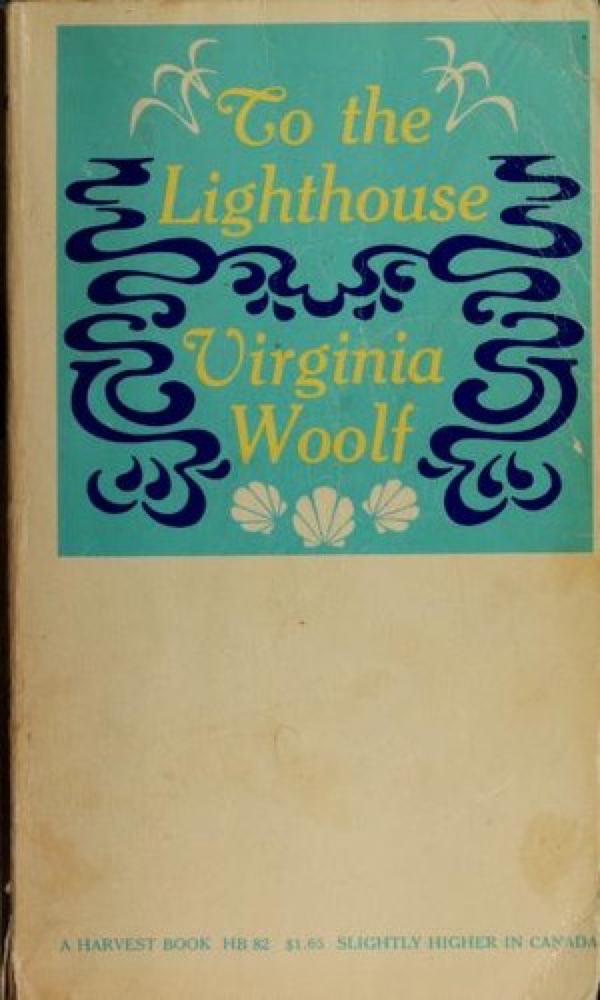
About the book
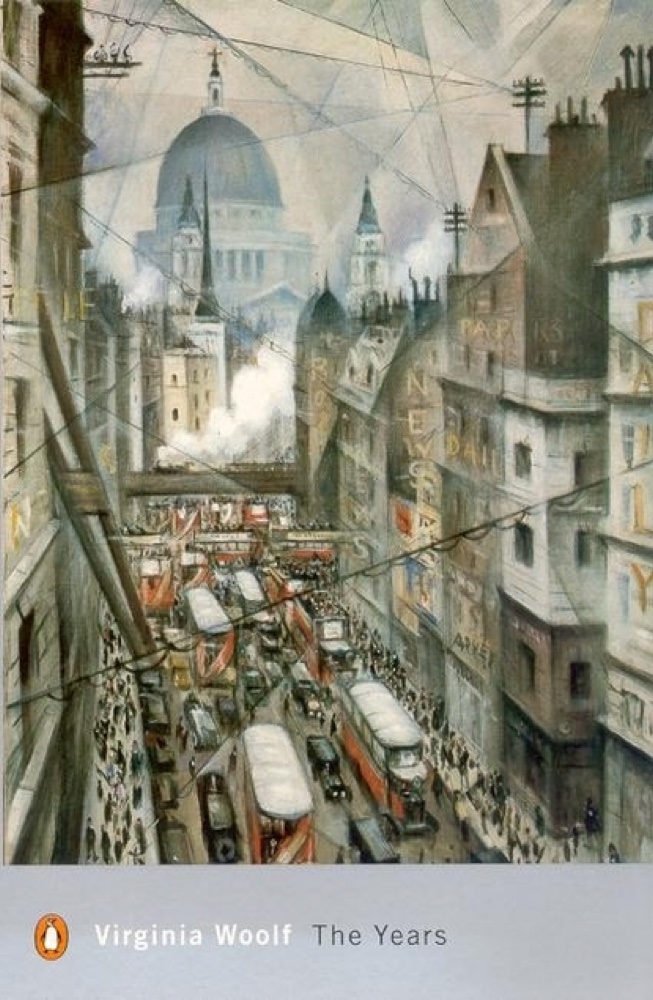
The most popular of Virginia Woolf's novels during her lifetime, The Years is a savage indictment of British society at the turn of the century, edited with an introduction and notes by Jeri Johnson in Penguin Modern Classics.
The Years is the story of three generations of the Pargiter family - their intimacies and estrangements, anxieties and triumphs - mapped out against the bustling rhythms of London's streets during the first decades of the twentieth century. Growing up in a typically Victorian household, the Pargiter children must learn to find their footing in an alternative world, where the rules of etiquette have shifted from the drawing-room to the air-raid shelter. A work of fluid and dazzling lucidity, The Years eschews a simple line of development in favour of a varied and constantly changing style, emphasises the radical discontinuity of personal experiences and historica
Book details
- First published
- 1937
- Author
- Virginia Woolf
- Genre
- Classics
- Goodreads rating
- 3.76 (7k ratings)
The buzz
- The New York TimesReview in The New York Timesprofessional review (via Book Marks)
- The GuardianReview in The Guardianprofessional review (via Book Marks)
- LA Review of BooksReview in LA Review of Booksprofessional review (via Book Marks)
- BookforumReview in Bookforumprofessional review (via Book Marks)
- BetaReview in Betaprofessional review (via Book Marks)
Keep reading
 Between the Acts
 Birds of America
 The Voyage Out
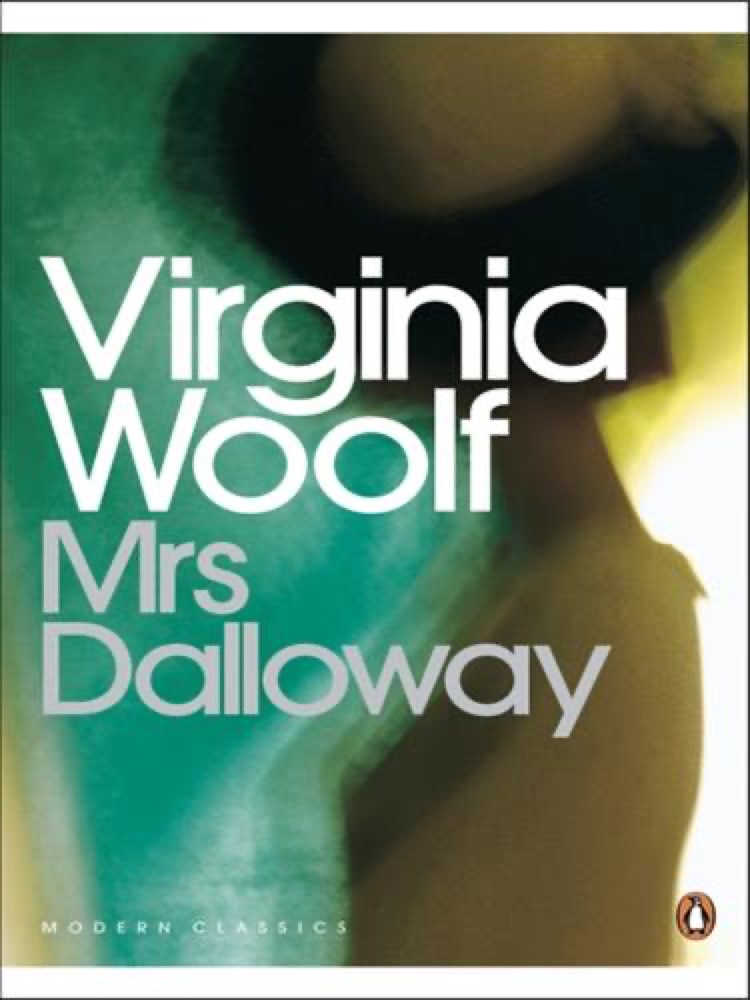 Mrs. Dalloway
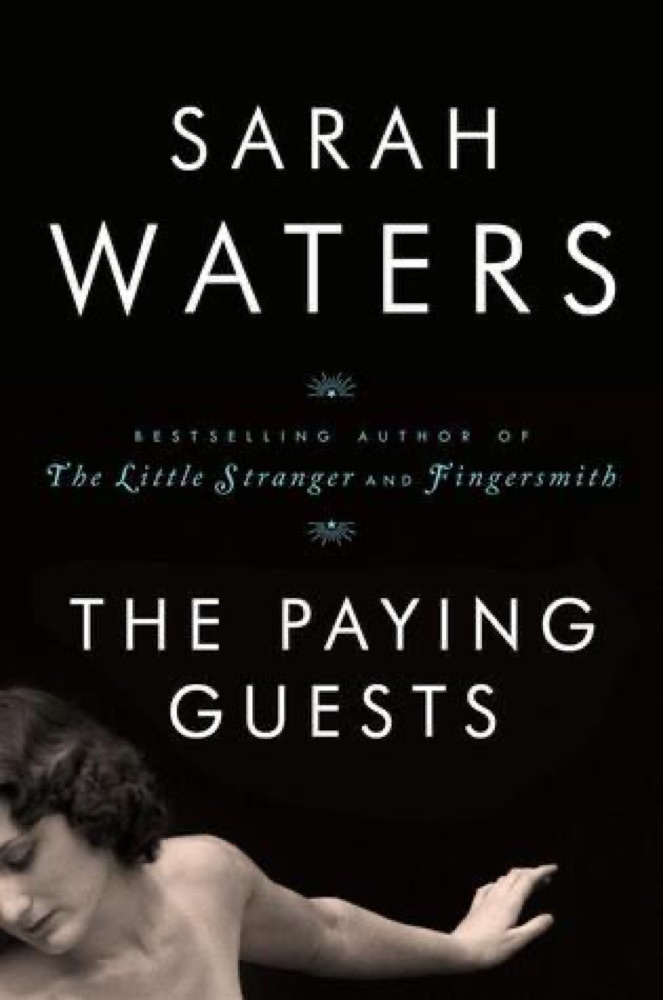 The Paying Guests
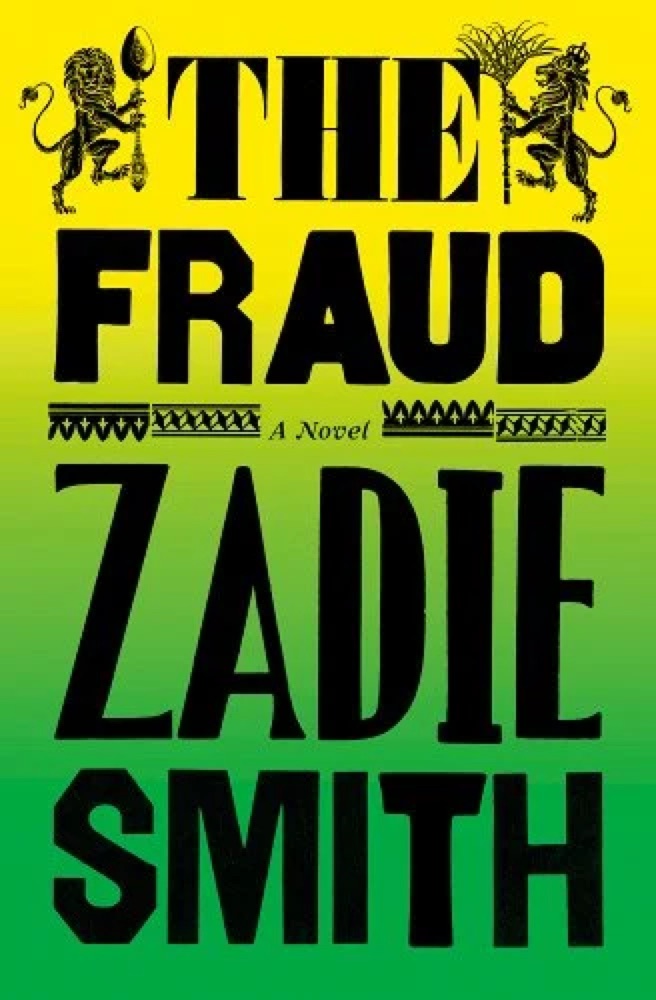 The Fraud
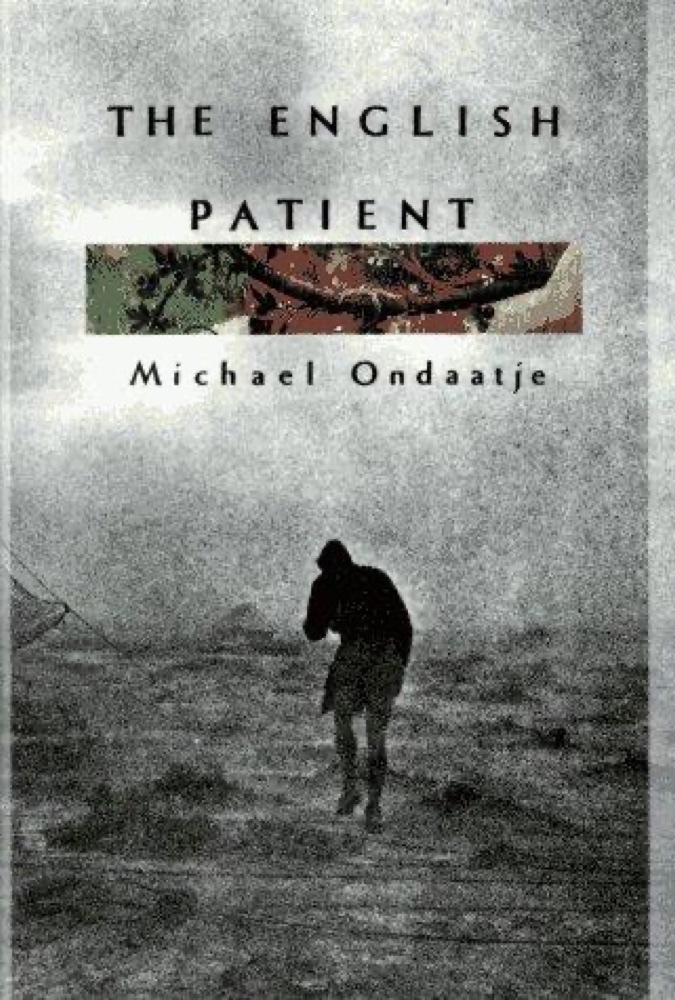 The English Patient
 Too Much Happiness: Stories
 NW
NW
 The Children's Book
 The Stories of John Cheever
 Glass, Irony and God
 The Lowland
 A Slow Fire Burning
 The Novel Habits of Happiness
 The Stone Diaries
 A Reliable Wife
 The Children Act
 Now Is the Time to Open Your Heart
 Briefly, A Delicious Life
 Olive Kitteridge
 The Night Watch
 This Strange Eventful History
 Green Dolphin Street
 Falling Man
 Johnny Panic and the Bible of Dreams: Short Stories, Prose and Diary Excerpts
 Homeseeking
 Dubliners
 Consequences
 The Awakening
 Hamnet
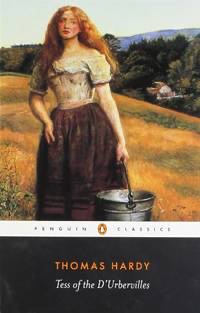 Tess of the D'Urbervilles
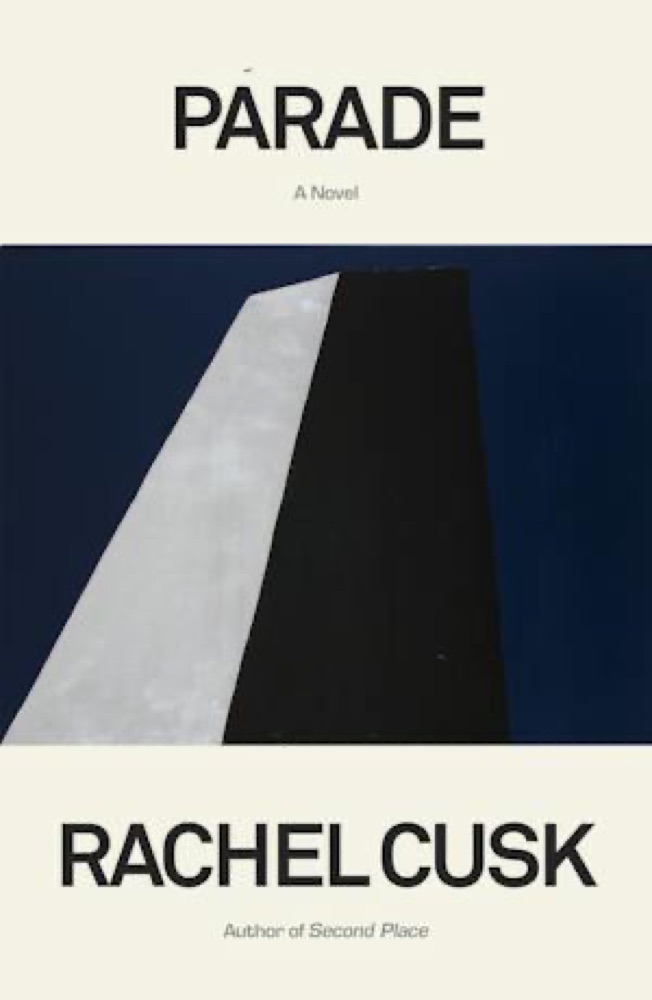 Parade
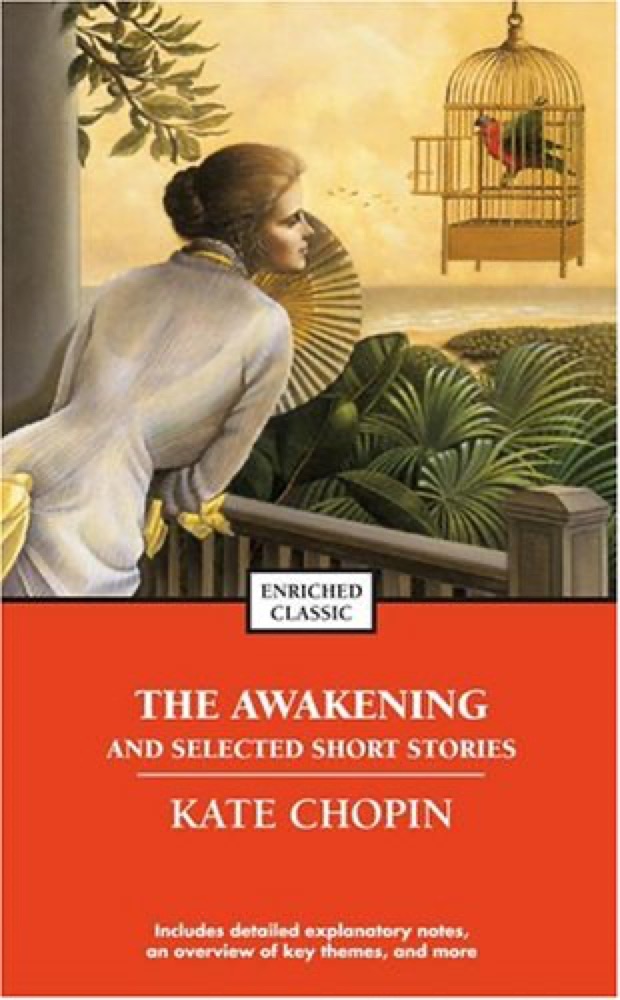 The Awakening and Selected Stories
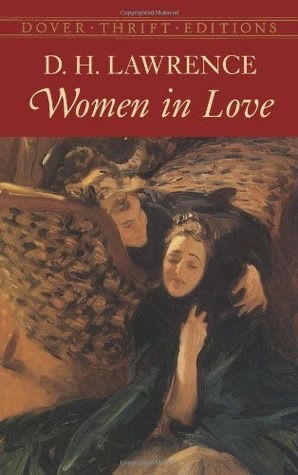 Women in Love
 Jeremy Poldark
 The Garden Party and Other Stories
 Atonement
 After Leaving Mr. Mackenzie
 Crudo
Crudo
 All Passion Spent
 Cold Enough for Snow
 Don't Look Now and Other Stories
 No Name
 The Uncommon Appeal of Clouds
 The Summer Before the Dark
 The White Book
 Ada, or Ardor: A Family Chronicle
 Outline
 Warlight
 The Summer Book
 Palimpsest
 Mr. Fox
 The Impossible Lives of Greta Wells
 The Ministry of Utmost Happiness
 Independent People
 Margaret the First
 In the Heart of the Heart of the Country and Other Stories
 Em and The Big Hoom