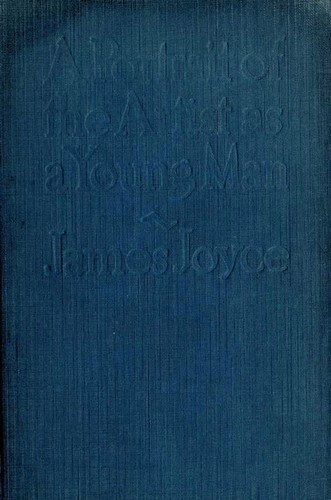
 A Portrait of the Artist as a Young Man
Quotes from the Book
A few light taps upon the pane made him turn to the window. It had begun to snow again. He watched sleepily the flakes, silver and dark, falling obliquely against the lamplight. The time had come for him to set out on his journey westward. Yes, the newspapers were right: snow was general all over Ireland. It was falling on every part of the dark central plain, on the treeless hills, falling softly upon the Bog of Allen and, farther westward, softly falling into the dark mutinous Shannon waves. It was falling, too, upon every part of the lonely churchyard on the hill where Michael Furey lay buried. It lay thickly drifted on the crooked crosses and headstones, on the spears of the little gate, on the barren thorns. His soul swooned slowly as he heard the snow falling faintly through the universe and faintly falling, like the descent of their last end, upon all the living and the dead.
588
But my body was like a harp and her words and gestures were like fingers running upon the wires. from “Araby
444
and yet her name was like a summons to all my foolish blood.
338
One by one they were all becoming shades. Better pass boldly into that other world, in the full glory of some passion, than fade and wither dismally with age.
308
Mr. Duffy lived a short distance from his body.
299
I wanted real adventures to happen to myself. But real adventures, I reflected, do not happen to people who remain at home: they must be sought abroad.
184
Too excited to be genuinely happy
177
He lived at a little distance from his body, regarding his own acts with doubtful side-glances. He had an odd autobiographical habit which led him to compose in his mind from time to time a short sentence about himself containing a subject in the third person and a verb in the past tense.
141
Gazing up into the darkness I saw myself as a creature driven and derided by vanity; and my eyes burned with anguish and anger.
134
The light music of whisky falling into glasses made an agreeable interlude.
121
There's no friends like the old friends.
120
I did not know whether I would ever speak to her or not or, if I spoke to her, how I could tell her of my confused adoration. But my body was like a harp and her words and gestures were like fingers running upon the wires.
94
Sometimes he caught himself listening to the sound of his own voice. He thought that in her eyes he would ascent to an angelical stature; and, as he attached the fervent nature of his companion more and more closely to him, he heard the strange impersonal voice which he recognised as his own, insisting on the soul's incurable lonliness. We cannot give ourselves, it said: we are our own.
94
When the short days of winter came, dusk fell before we had well eaten our dinners. When we met in the street the houses had grown sombre. The space of sky above us was the colour of ever-changing violet and towards it the lamps of the street lifted their feeble lanterns. The cold air stung us and we played till our bodies glowed. Our shouts echoed in the silent street.
68
She respected her husband in the same way as she respected the General Post Office, as something large, secure and fixed: and though she knew the small number of his talents she appreciated his abstract value as a male.
58
Though their life was modest, they believed in eating well.
48
He could not feel her near him in the darkness nor hear her voice touch his ear. He waited for some minutes listening. He could hear nothing: the night was perfectly silent. He listened again: perfectly silent. He felt that he was alone.
42
Love between man and woman is impossible because there must not be sexual intercourse, and friendship between man and woman is impossible because there must be sexual intercourse.
41
No one would think he'd make such a beautiful corpse.
41
There were so many different moods and impressions that he wished to express in verse. He felt them within him. He tried to weigh his soul to see if it was a poet's soul. Melancholy was the dominant note of his temperament, he thought, but it was a melancholy tempered by recurrences of faith and resignation and simple joy.
33
A wave of yet more tender joy escaped from his heart, and went coursing in warm flood along his arteries. Like the tender fires of stars moments of their life together, that no one knew of, or would ever know of, broke upon and illumined his memory..
31
It was cold autumn weather, but in spite of the cold they wandered up and down the roads of the Park for nearly three hours. They agreed to break off their intercourse; every bond, he said, is a bond to sorrow.
31
Generous tears filled Gabriel's eyes. He had never felt like that himself towards any woman, but he knew that such a feeling must be love. The tears gathered more thickly in his eyes and in the partial darkness he imagined he saw the form of a young man standing under a dripping tree. Other forms were near. His soul had approached that region where dwell the vast hosts of the dead. He was conscious of, but could not apprehend, their wayward and flickering existence. His own identity was fading out into a grey impalpable world: the solid world itself, which these dead had one time reared and lived in, was dissolving and dwindling.
29
I could call my wandering thoughts together. I had hardly any patience with the serious work of life which, now that it stood between me and my desire, seemed to me child's play, ugly monotonous child's play.
28
He rushed beyond the barrier and called to her to follow. He was shouted at to go on but he still called to her. She set her white face to him, passive, like a helpless animal. Her eyes gave him no sign of love or farewell or recognition.
23
He watched the scene and thought of life; and (as always happened when he thought of life) he became sad. A gentle melancholy took possession of him. He felt how useless it was to struggle against fortune, this being the burden of wisdom which the ages had bequeathed him.
20
There was no doubt about it: if you wanted to succeed you had to go away. You could do nothing in Dublin.
20
It was hard work-a hard life-but now that she was about to leave it she did not find it a wholly undesirable life.
17
The cold air stung us and we played till our bodies glowed.
13
There was no hope for him this time: it was the third stroke. Night after night I had passed the house (it was vacation time) and studied the lighted square of window: and night after night I had found it lighted in the same way, faintly and evenly. If he was dead, I thought, I would see the reflection of candles on the darkened blind, for I knew that two candles must be set at the head of a corpse. He had often said to me: I am not long for this world and I had thought his words idle. Now I knew they were true. Every night as I gazed up at the window I said softly to myself the word paralysis. It had always sounded strangely in my ears, like the word gnomon in the Euclid and the word simony in the Catechism. But now it sounded to me like the name of some maleficent and sinful being. It filled me with fear, and yet I longed to be nearer to it and to look upon its deadly work.
12
Did you know?
- Joyce reportedly submitted the manuscript many times to numerous publishers over roughly a decade before it was published in 1914.
- Joyce described the collection as intended to be "a nicely polished looking-glass" held up to the Irish people.
- The collection's organizing theme, according to Joyce, was the spiritual "paralysis" of Dublin life.
- The final and longest story, "The Dead," is often classified as a novella and is among Joyce's most celebrated works.
- The publisher Maunsel & Roberts destroyed printed sheets of the book over objections to its content before it finally appeared.
About James Joyce
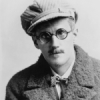
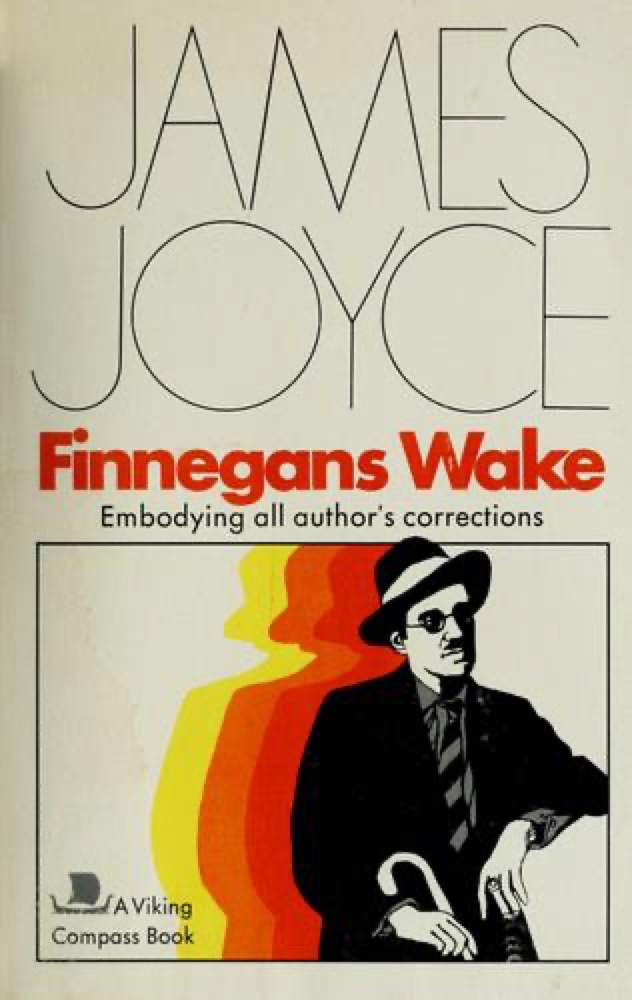
James Joyce (1882-1941) was an Irish novelist and poet, born in Dublin, regarded as one of the most influential writers of the modernist movement. He is best known for Ulysses, A Portrait of the Artist as a Young Man, and Finnegans Wake.
More about the author →More by James Joyce
About the book
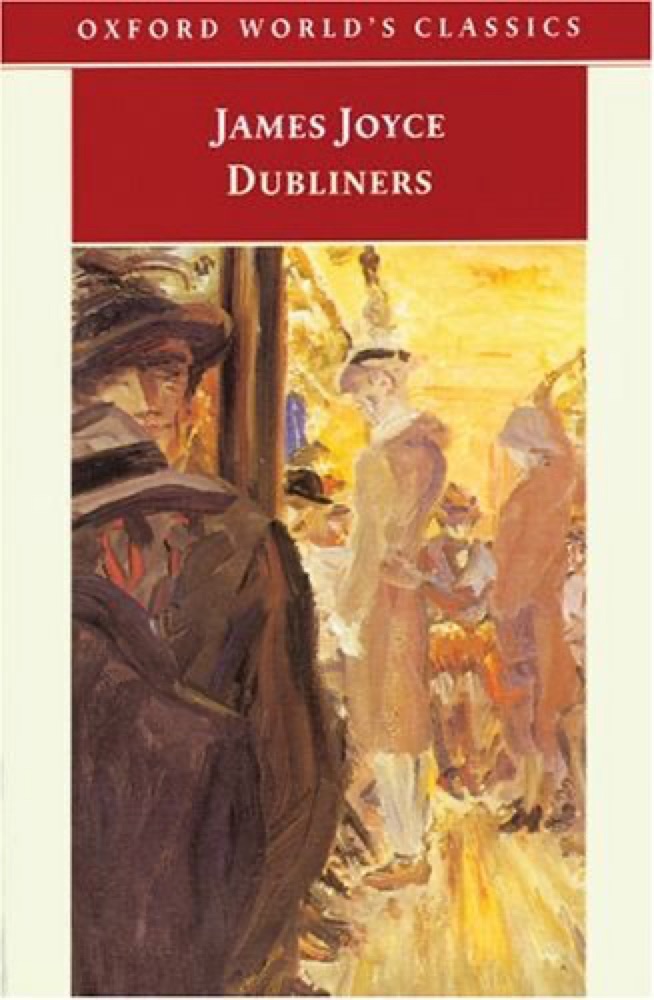
Dubliners is James Joyce's collection of fifteen short stories depicting middle-class life in Dublin in the early years of the twentieth century. The stories are loosely arranged to move through stages of life, opening with tales of childhood ("The Sisters," "Araby"), moving through adolescence and maturity, and closing with the long final story "The Dead." Rather than dramatic plots, Joyce favors realistic, closely observed portraits of ordinary people whose lives stall at decisive moments.
Joyce described the book as a study of the "paralysis" he saw gripping Irish life, a spiritual and moral inertia he tied to the pressures of Catholicism, British rule, and Irish nationalism. Many stories turn on an "epiphany," a sudden moment of self-recognition, a technique that became central to literary modernism. The collection's restrained, naturalistic style and its attention to small revelatory detail mark a deliberate break from sentimental Victorian storytelling.
The book had a famously difficult path to publication, and Joyce battled publishers for years over its frank content before Grant Richards issued it in 1914. It is now regarded as a landmark of modern short fiction and a foundation for Joyce's later work. The final story, "The Dead," is among the most acclaimed short works in English and was adapted into a celebrated 1987 film by John Huston.
Key characters
- Gabriel ConroyProtagonist of "The Dead," a self-conscious Dublin academic
- Gretta ConroyGabriel's wife, whose memory of a past love drives his epiphany in "The Dead"
- EvelineYoung woman in "Eveline" torn between escape and duty to her family
- The boy narratorUnnamed youth at the center of the opening childhood stories such as "Araby"
- Little ChandlerFrustrated would-be poet in "A Little Cloud"
- Mr. DuffySolitary, emotionally repressed man in "A Painful Case"
Book details
- First published
- 1914
- Length
- 152 pages
- Reading time
- 2 hours
- Author
- James Joyce
- Genre
- Classics
- Goodreads rating
- 3.83 (183k ratings)
- First line
- “There was no hope for him this time: it was the third stroke.”
Critical reception
- Now widely regarded as a landmark of modern short fiction and a foundational modernist work.
- Joyce struggled for years with publishers over the book's frank content before its 1914 release by Grant Richards.
- "The Dead" is frequently cited as one of the finest short stories in the English language.
Movie & TV adaptations
- IMDb
- IMDb
If you liked this, read…
- 1A Portrait of the Artist as a Young ManJoyce's own follow-up, deepening his portrait of Dublin and the artist
- 2Winesburg, OhioSherwood Anderson's linked story cycle of small-town lives and quiet revelations
- 3In Our TimeHemingway's early interlinked stories in a similarly spare, modernist mode
Keep reading
 The Dead
 The Stories of John Cheever
 The Return of The Soldier
 Provinces of Night
 Another Country
 The Lifted Veil
 A Dance to the Music of Time: 1st Movement
 After Leaving Mr. Mackenzie
 The Rainbow
 The Dean's Watch
 The Voyage Out
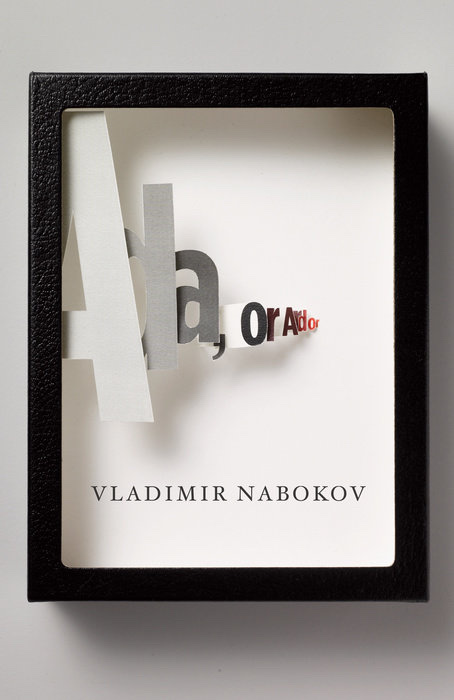 Ada, or Ardor: A Family Chronicle
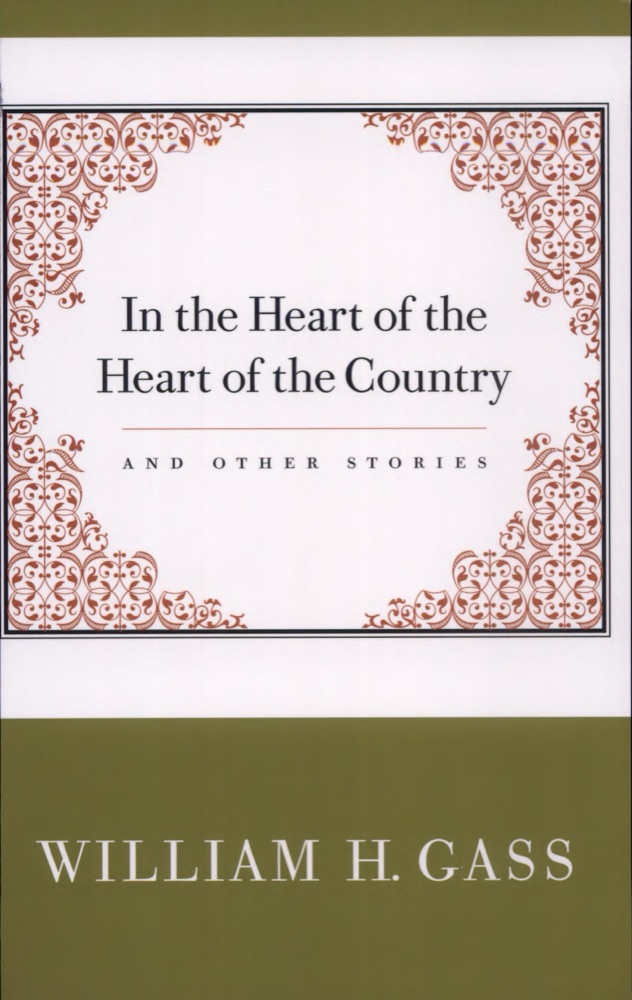 In the Heart of the Heart of the Country and Other Stories
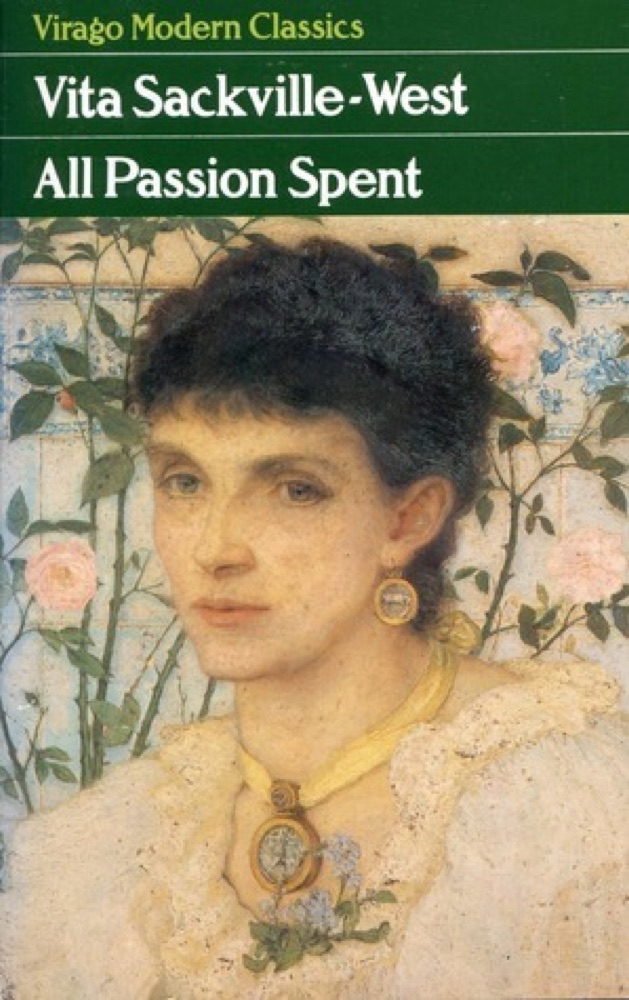 All Passion Spent
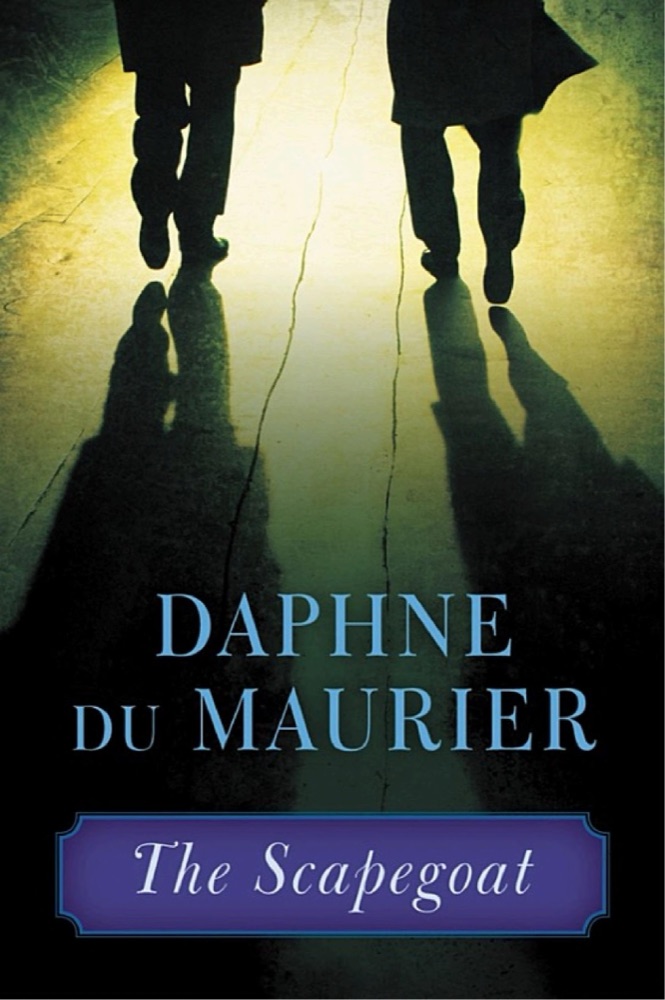 The Scapegoat
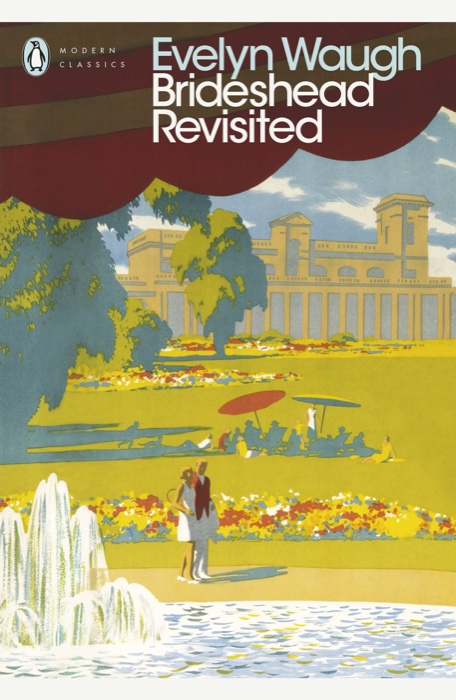 Brideshead Revisited: The Sacred and Profane Memories of Captain Charles Ryder
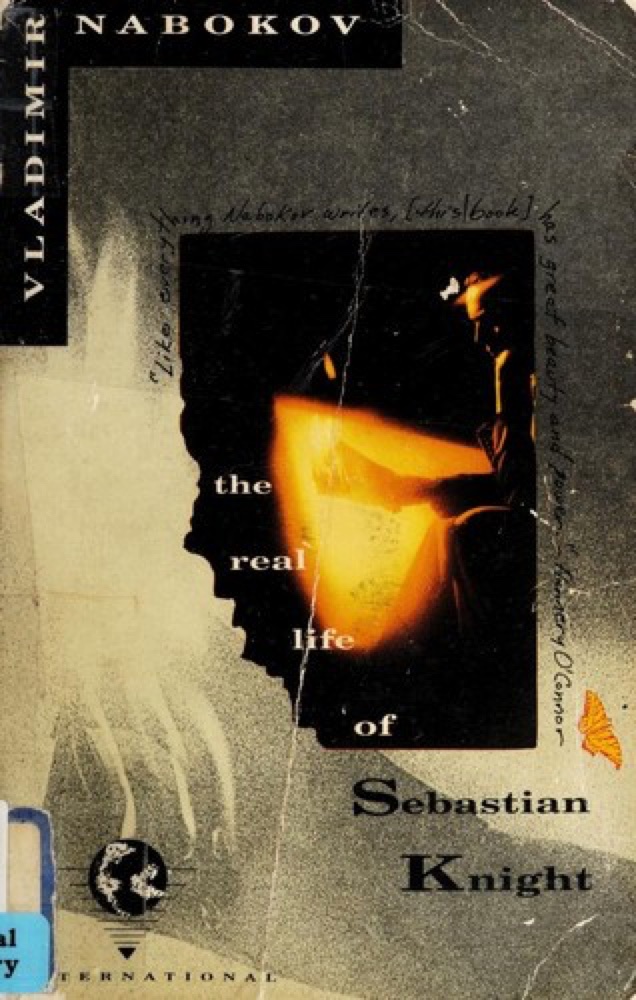 The Real Life of Sebastian Knight
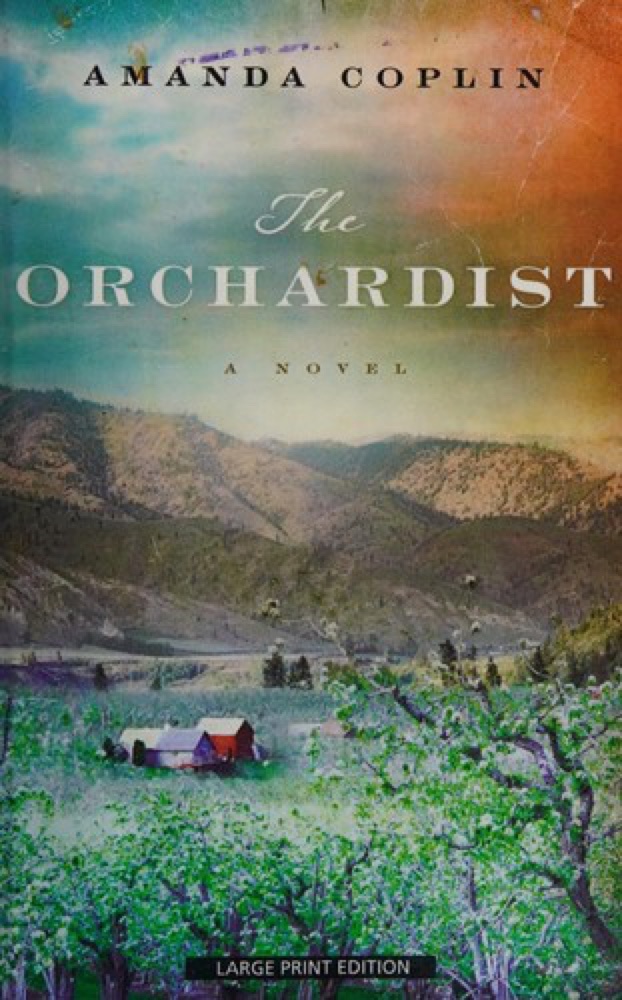 The Orchardist
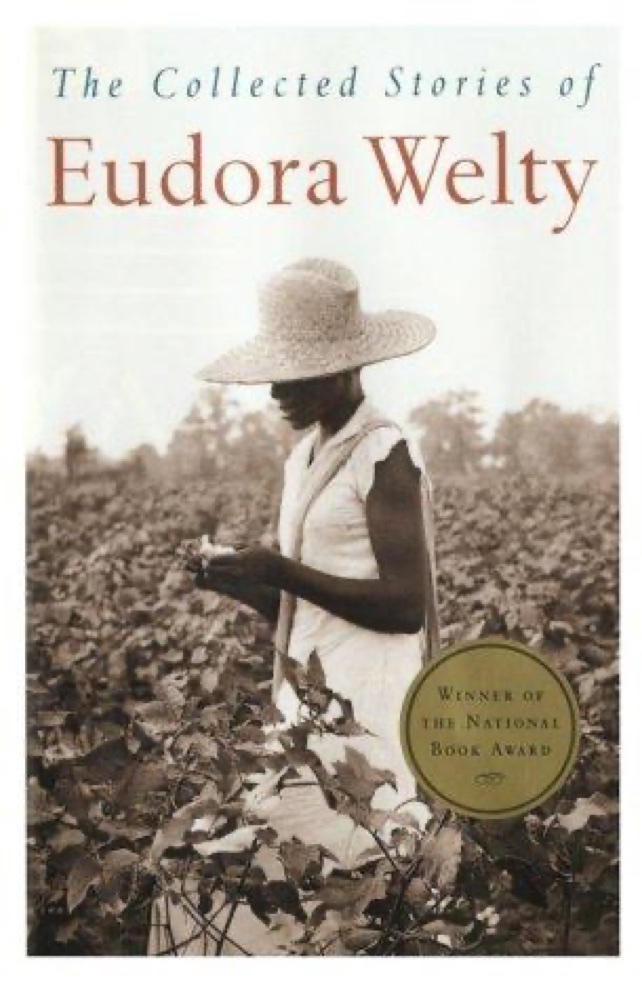 The Collected Stories
 Unaccustomed Earth
 In a Lonely Place
 Swann's Way
 The Wings of the Dove
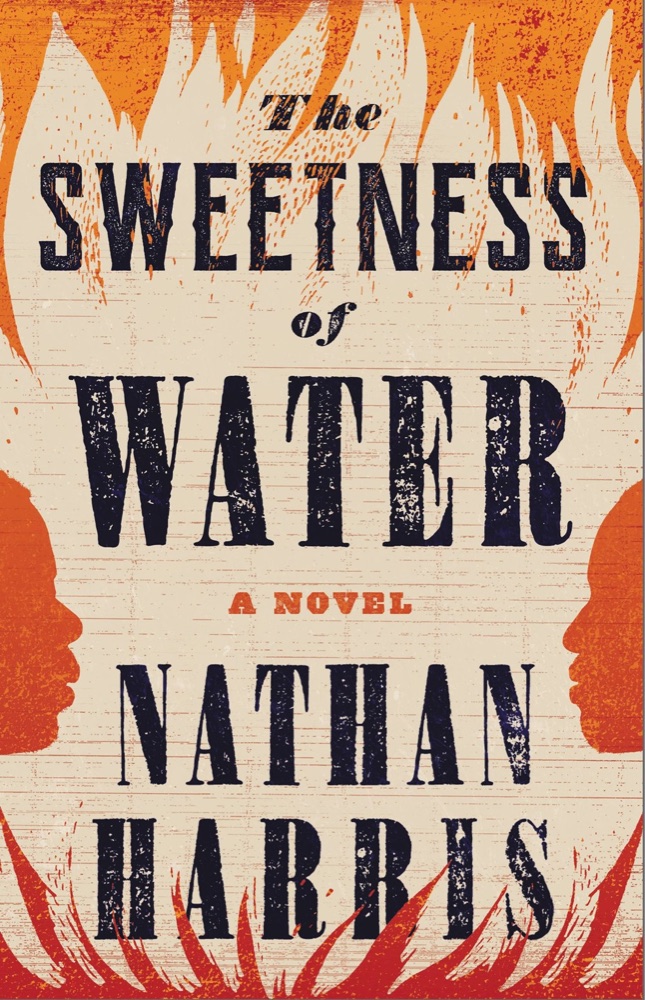 The Sweetness of Water
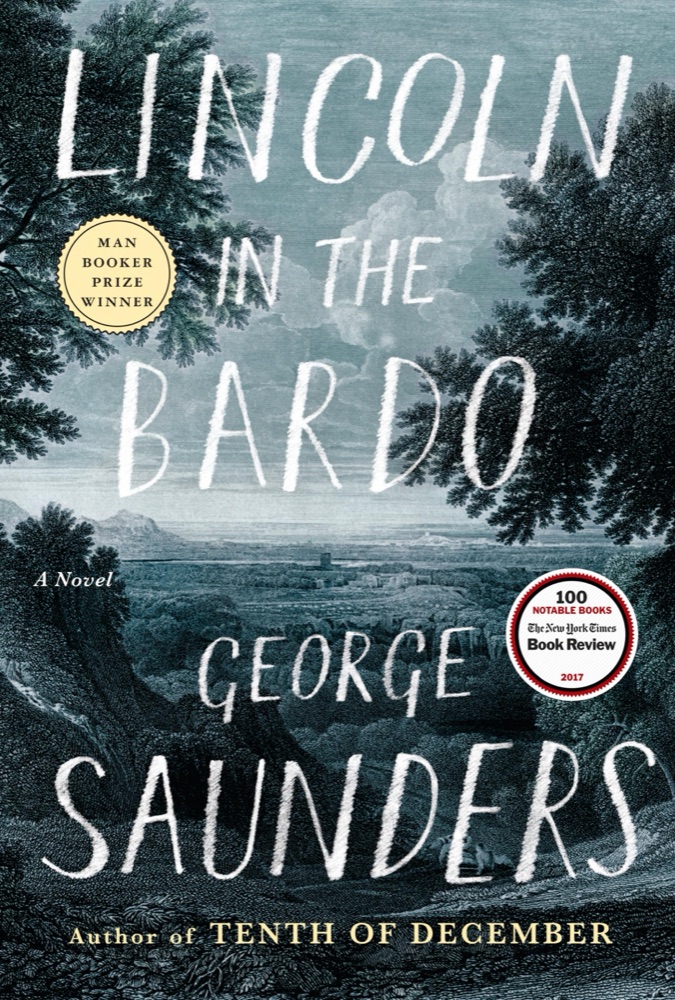 Lincoln in the Bardo
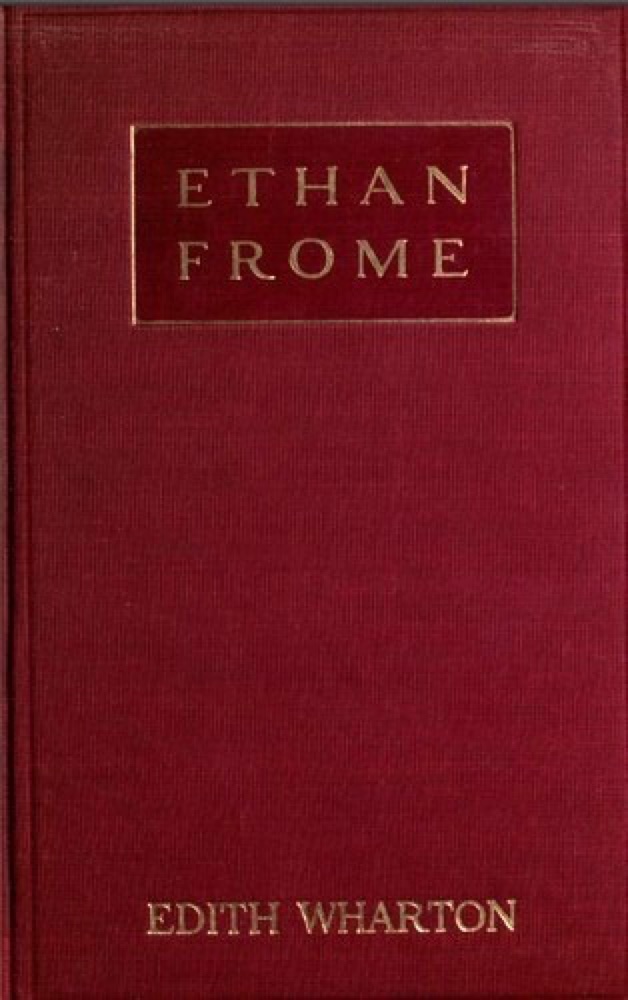 Ethan Frome
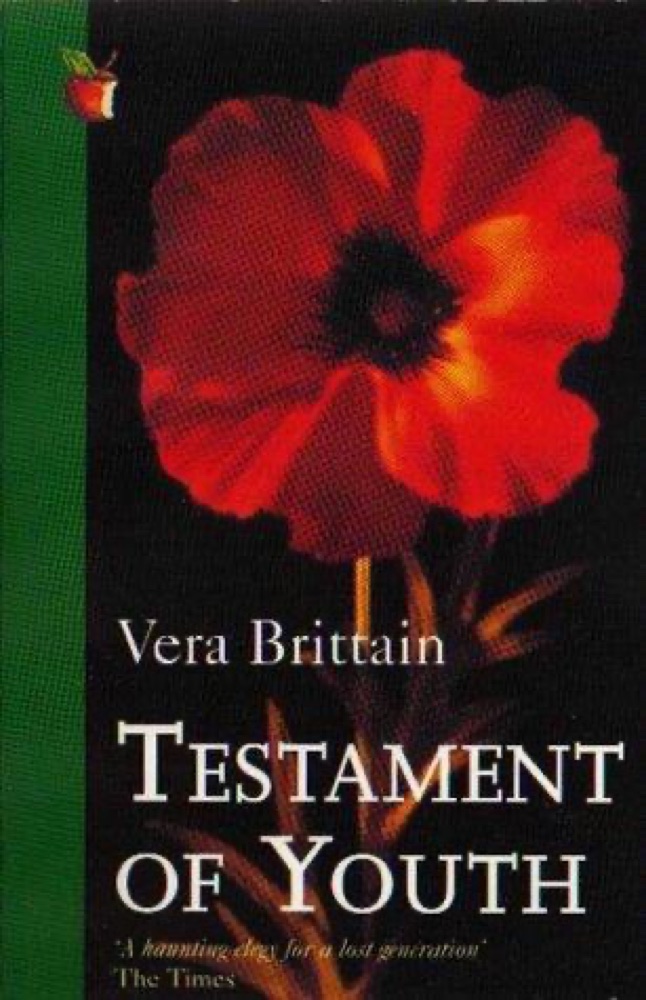 Testament of Youth
 A Severed Head
 Light in August
 Strangers on a Train
 The Hellbound Heart
 The Narrow Road to the Deep North
 Longbourn
 Lethal White
 Johnny Panic and the Bible of Dreams: Short Stories, Prose and Diary Excerpts
 To the Lighthouse
 The Master
 One Hundred Years of Solitude
 Tar Baby
 Look Homeward, Angel
 The Great Gatsby
 Winesburg, Ohio
 The Beast in the Jungle
 The Untouchable
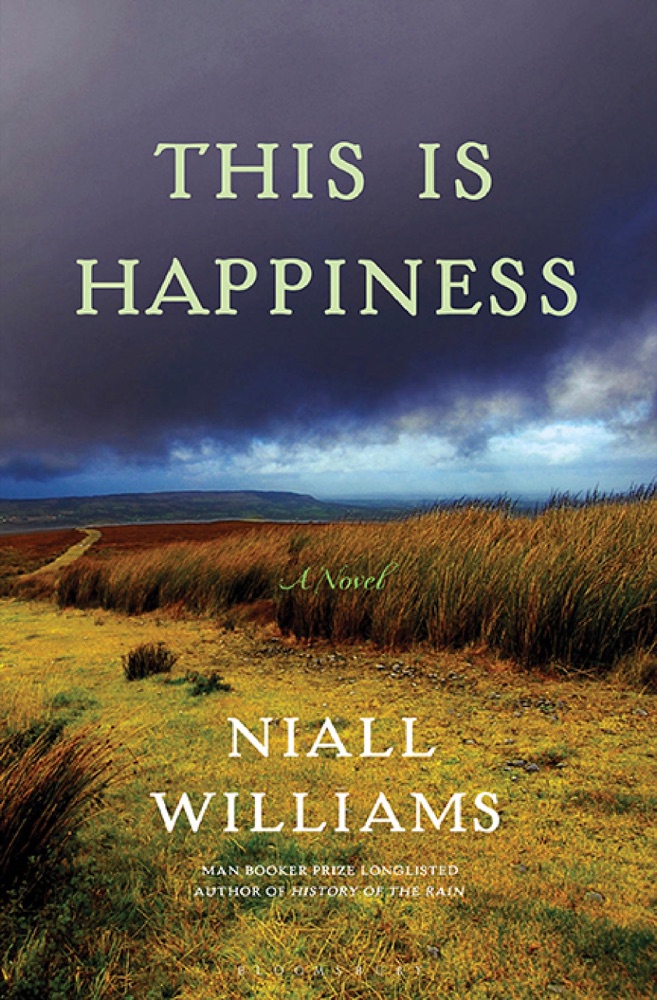 This Is Happiness
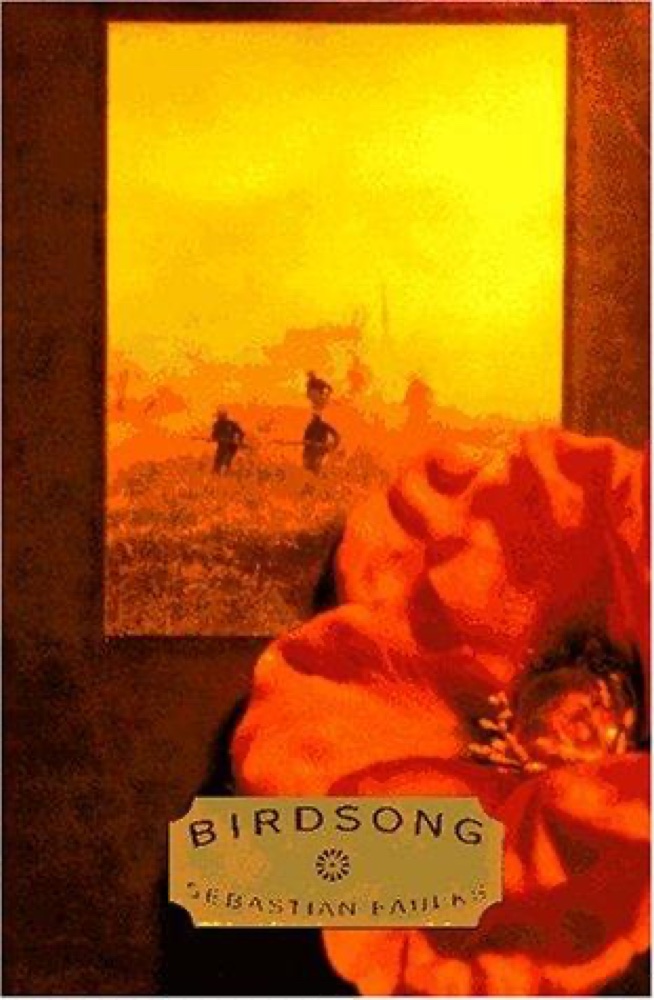 Birdsong
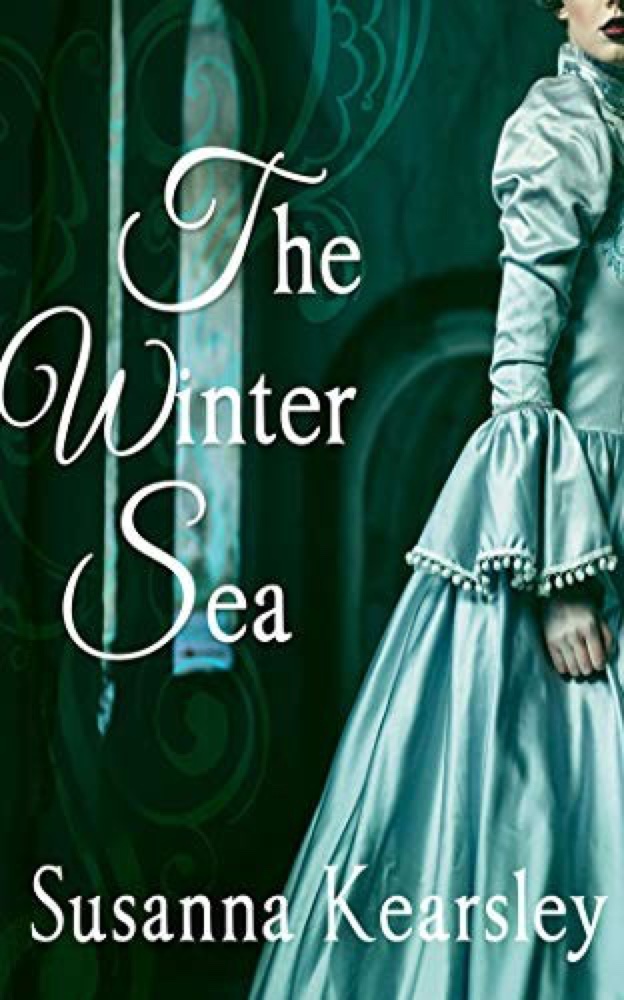 The Winter Sea
 Sons and Lovers
 The Little Friend
 The Well of Loneliness
 The Birds and Other Stories
 Stoner
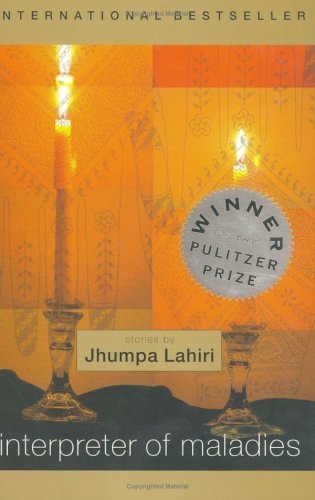 Interpreter of Maladies
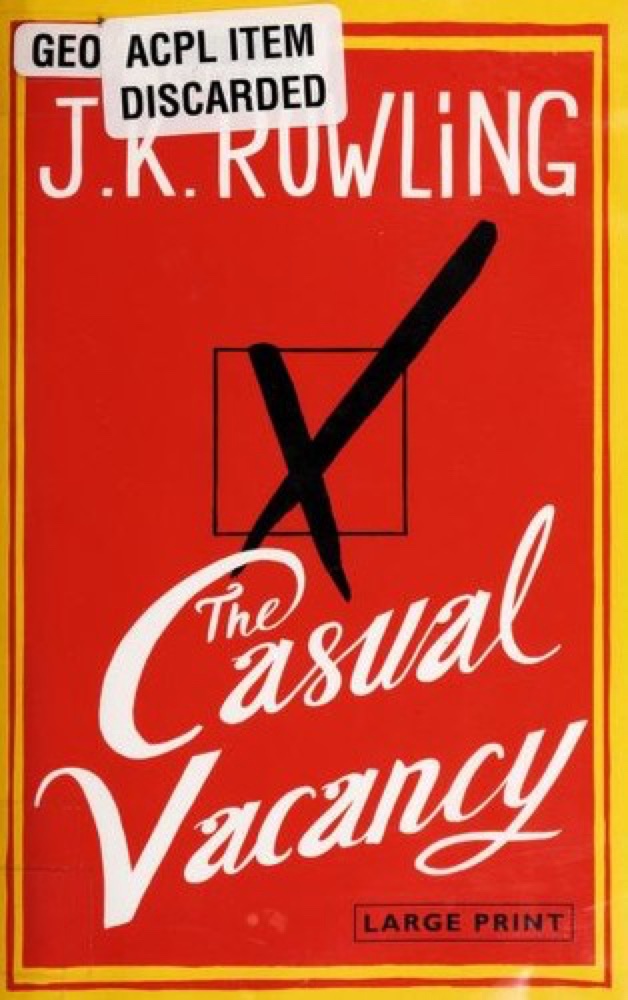 The Casual Vacancy
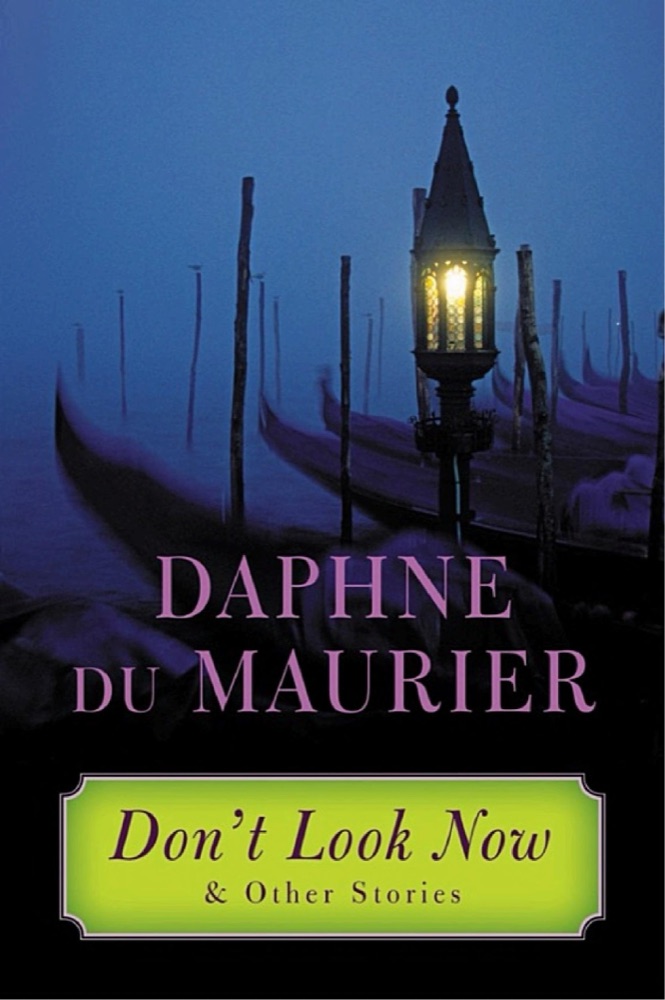 Don't Look Now and Other Stories
 A Room Made of Leaves
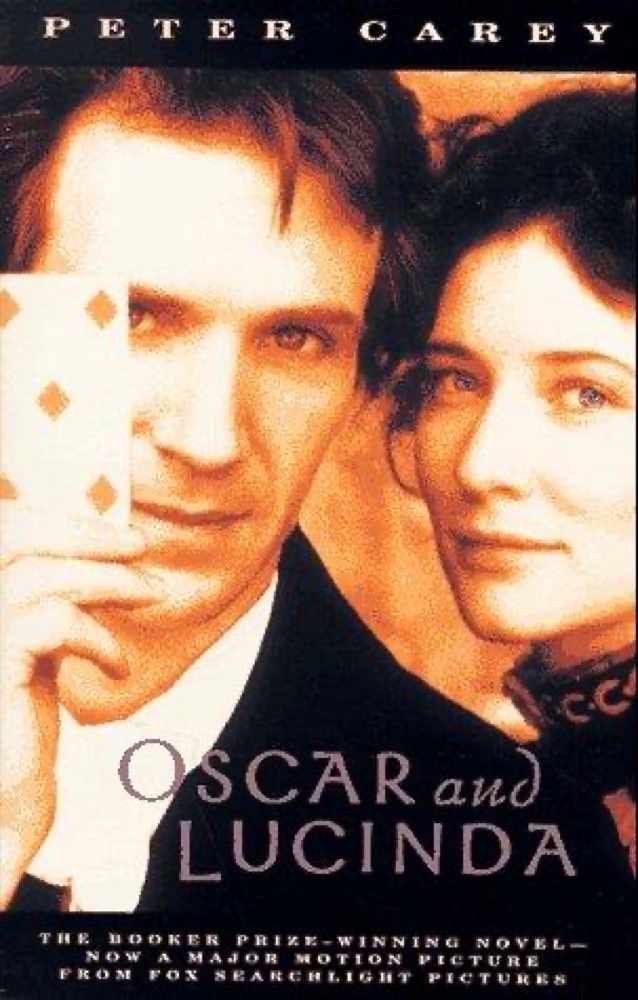 Oscar and Lucinda
 The Bridge of San Luis Rey
 Tuesday Nights in 1980
 The Complete Stories and Poems