 Jude the Obscure
Quotes from the Book
A strong woman who recklessly throws away her strength, she is worse than a weak woman who has never had any strength to throw away.
Beauty lay not in the thing, but in what the thing symbolized.
Did you say the stars were worlds, Tess?" "Yes." "All like ours?" "I don't know, but I think so. They sometimes seem to be like the apples on our stubbard-tree. Most of them splendid and sound - a few blighted." "Which do we live on - a splendid one or a blighted one?" "A blighted one.
Did it never strike your mind that what every woman says, some women may feel?
Why didn’t you tell me there was danger? Why didn’t you warn me? Ladies know what to guard against, because they read novels that tell them of these tricks; but I never had the chance of discovering in that way; and you did not help me!
Ladies know what to guard against, because they read novels that tell them of these tricks…
If an offense come out of the truth, better is it that the offense come than that the truth be concealed.
The beauty or ugliness of a character lay not only in its achievements, but in its aims and impulses; its true history lay, not among things done, but among things willed.
...our impulses are too strong for our judgement sometimes
This hobble of being alive is rather serious, don’t you think so?
My eyes were dazed by you for a little, and that was all.
So each had a private little sun for her soul to bask in; some dream, some affection, some hobby, or at least some remote and distant hope....
I agree to the conditions, Angel; because you know best what my punishment ought to be; only - only - don't make it more than I can bear!
Don't think of what's past!" said she. "I am not going to think outside of now. Why should we! Who knows what tomorrow has in store?
Sometimes I feel I don't want to know anything more about [history] than I know already. [...] Because what's the use of learning that I am one of a long row only--finding out that there is set down in some old book somebody just like me, and to know that I shall only act her part; making me sad, that's all. The best is not to remember that your nature and you past doings have been kist like thousands' and thousands', and that your coming life and doings'll be like thousands' and thousands'. [...] I shouldn't mind learning why--why the sun do shine on the just and the unjust alike, [...] but that's what books will not tell me.
Her affection for him was now the breath and life of Tess's being; it enveloped her as a photosphere, irradiated her into forgetfulness of her past sorrows, keeping back the gloomy spectres that would persist in their attempts to touch her—doubt, fear, moodiness, care, shame. She knew that they were waiting like wolves just outside the circumscribing light, but she had long spells of power to keep them in hungry subjection there.
How very lovable her face was to him. Yet there was nothing ethereal about it; all was real vitality, real warmth, real incarnation. And it was in her mouth that this culminated. Eyes almost as deep and speaking he had seen before, and cheeks perhaps as fair; brows as arched, a chin and throat almost as shapely; her mouth he had seen nothing to equal on the face of the earth. To a young man with the least fire in him that little upward lift in the middle of her red top lip was distracting, infatuating, maddening. He had never before seen a woman’s lips and teeth which forced upon his mind with such persistent iteration the old Elizabethan simile of roses filled with snow. Perfect, he, as a lover, might have called them off-hand. But no — they were not perfect. And it was the touch of the imperfect upon the would-be perfect that gave the sweetness, because it was that which gave the humanity.
You, and those like you, take your fill of pleasure on earth by making the life of such as me bitter and black with sorrow; and then it is a fine thing, when you have had enough of that, to think of securing your pleasure in heaven by becoming converted!
Do you know that I have undergone three quarters of this labour entirely for the sake of the fourth quarter?
In the ill-judged execution of the well-judged plan of things the call seldom produces the comer, the man to love rarely coincides with the hour for loving. Nature does not often say "See!" to her poor creature at a time when seeing can lead to happy doing; or reply "Here!" to a body's cry of "Where?" till the hide-and-seek has become an irksome, outworn game. We may wonder whether at the acme and summit of the human progress these anachronisms will be corrected by a finer intuition, a close interaction of the social machinery than that which now jolts us round and along; but such completeness is not to be prophesied, or even conceived as possible. Enough that in the present case, as in millions, it was not the two halves of a perfect whole that confronted each other at the perfect moment; a missing counterpart wandered independently about the earth waiting in crass obtuseness till the late time came. Out of which maladroit delay sprang anxieties,disappointments, shocks, catastrophes, and passing-strange destinies.
Let not your heart be troubled, neither let it be afraid.
Let truth be told - women do as a rule live through such humiliations, and regain their spirits, and again look about them with an interested eye. While there's life there's hope is a connviction not so entirely unknown to the "betrayed" as some amiable theorists would have us believe.
She was not an existence, an experience, a passion, a structure of sensations, to anybody but herself. To all humankind besides Tess was only a passing thought. Even to friends she was no more than a frequently passing thought.
Never in her life – she could swear it from the bottom of her soul – had she ever intended to do wrong; yet these hard judgments had come. Whatever her sins, they were not sins of intention, but of inadvertence, and why should she have been punished so persistently?
...she moved about in a mental cloud of many-coloured idealities, which eclipsed all sinister contingencies by its brightness.
Tis because we be on a blighted star, and not a sound one, isn't it Tess?
That it would always be summer and autumn, and you always courting me, and always thinking as much of me as you have done through the past summertime!
Meanwhile, the trees were just as green as before; the birds sang and the sun shone as clearly now as ever. The familiar surroundings had not darkened because of her grief, nor sickened because of her pain. She might have seen that what had bowed her head so profoundly -the thought of the world's concern at her situation- was found on an illusion. She was not an existence, an experience, a passion, a structure of sensations, to anybody but herself.
What is it, Angel?" she said, starting up. "Have they come for me?" "Yes, dearest," he said. "They have come." "It is as it should be," she murmured. "Angel, I am almost glad—yes, glad! This happiness could not have lasted. It was too much. I have had enough; and now I shall not live for you to despise me!" She stood up, shook herself, and went forward, neither of the men having moved. "I am ready," she said quietly.
Why it was that upon this beautiful feminine tissue, sensitive as gossamer, and practically blank as snow as yet, there should have been traced such a coarse pattern as it was doomed to receive; why so often the coarse appropriates the finer thus, the wrong man the woman, the wrong women the man, many years of analytical philosophy have failed to explain to our sense of order
Did you know?
- The novel first appeared in a censored, serialised version in the illustrated newspaper The Graphic in 1891 before publication in book form.
- It is subtitled "A Pure Woman Faithfully Presented," a deliberately provocative defense of its heroine.
- The story is set in Hardy's fictional English region of Wessex.
- It was Hardy's twelfth published novel.
- Contemporary critics were divided, with some attacking the book for challenging Victorian moral standards.
About Thomas Hardy
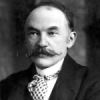
Thomas Hardy (1840-1928) was an English novelist, poet, and architect best known for novels set in his semi-fictional region of Wessex. A Victorian realist influenced by Romanticism, he wrote such works as Far from the Madding Crowd and Tess of the d'Urbervilles, and later gained recognition as a major poet.
More about the author →More by Thomas Hardy
All books by Thomas Hardy →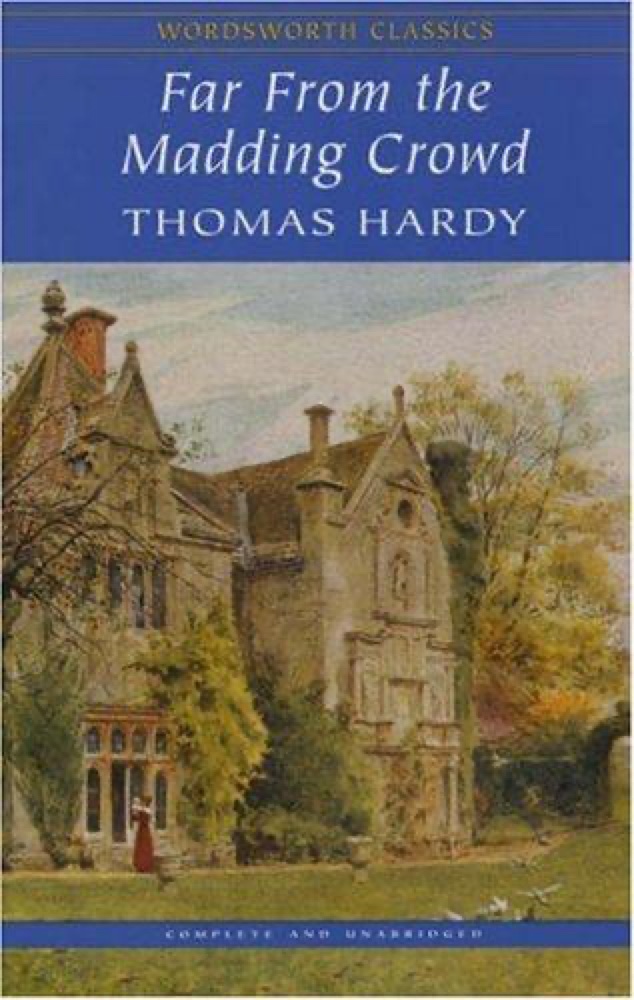

About the book
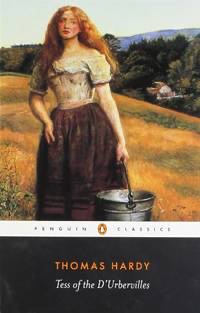
"Tess of the d'Urbervilles: A Pure Woman" is Thomas Hardy's twelfth published novel, appearing first in a censored, serialised form in the illustrated newspaper The Graphic in 1891 and then in book form. Set in Hardy's fictional region of Wessex, it follows Tess Durbeyfield, a poor country girl whose family learns it is descended from the ancient noble d'Urberville line. Sent to "claim kin" with wealthier relations, Tess is drawn into a relationship with Alec d'Urberville that leaves her ruined in the eyes of Victorian society, setting in motion a tragedy that later entangles her with the idealistic Angel Clare.
Hardy uses Tess's story to attack the sexual double standard of his age, the hypocrisy of conventional Christian morality, and the harsh treatment of rural working people amid a changing, industrialising England. The subtitle "A Pure Woman" was itself a provocation, insisting on Tess's innocence against the judgments of her society. Throughout, Hardy frames his heroine in biblical and mythological imagery and against the landscapes of Wessex, giving her fate the weight of both social critique and something closer to ancient tragedy.
When it appeared the novel drew mixed and sometimes hostile reviews for challenging late-Victorian morals, yet it has since become one of the most admired English novels of the nineteenth century. Its unflinching treatment of seduction, class, and the position of women helped provoke debate around gender and social justice, and it remains among Hardy's most widely read and frequently adapted works.
Key characters
- Tess DurbeyfieldThe protagonist, a poor country girl descended from the ancient d'Urberville family
- Alec d'UrbervilleA wealthy young man whose exploitation of Tess ruins her in society's eyes
- Angel ClareAn idealistic gentleman farmer who falls in love with and marries Tess
- John DurbeyfieldTess's feckless father, a poor haggler who learns of the family's noble descent
- Joan DurbeyfieldTess's mother
Book details
- First published
- 1891
- Length
- 592 pages
- Reading time
- 36 hours
- Author
- Thomas Hardy
- Genre
- Classics
- Goodreads rating
- 3.85 (307k ratings) →
- First line
- “On an evening in the latter part of May a middle-aged man was walking homeward from Shaston to the village of Marlott, in the adjoining Vale of Blakemore, or Blackmoor.”
Movie & TV adaptations
- IMDb
- IMDb
- IMDb
If you liked this, read…
- 1Far from the Madding CrowdAnother of Hardy's Wessex novels centered on a strong woman and rural life
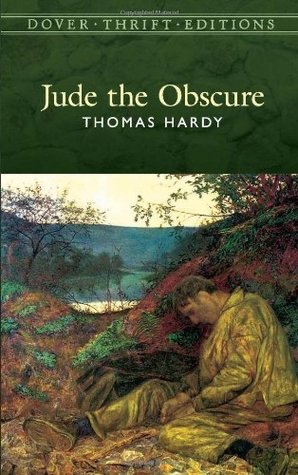
- 2Jude the ObscureHardy's later novel with a similarly bleak view of Victorian social and moral constraints
- 3MiddlemarchA major Victorian novel examining society, marriage, and women's limited choices
Keep reading
 Shirley
 The Portrait of a Lady
 Sister Carry
 Atonement
 The Scarlet Letter
 Agnes Grey
 The Moonstone
 Lady Chatterley's Lover
 Persuasion
 Women in Love
 Ahab's Wife, or The Star-Gazer
 Great Expectations
 A Study in Scarlet Women
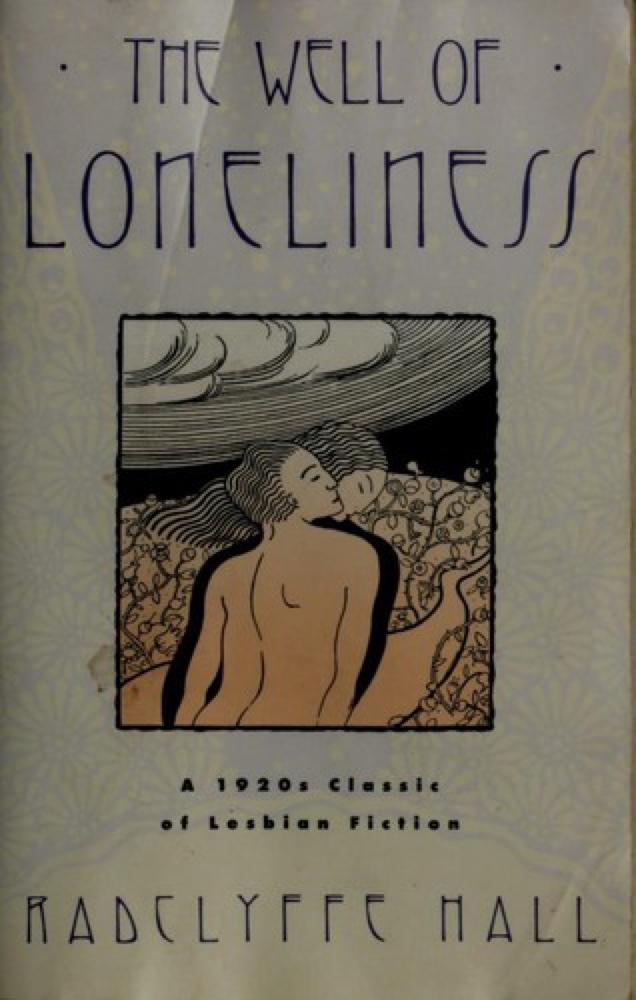 The Well of Loneliness
 Birds of America
 Villette
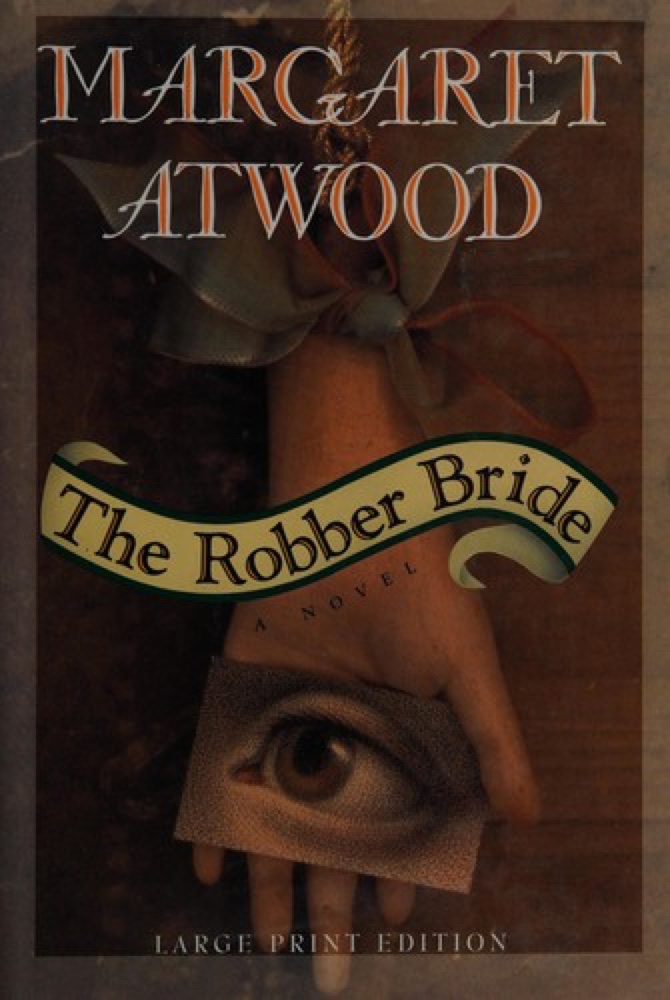 The Robber Bride
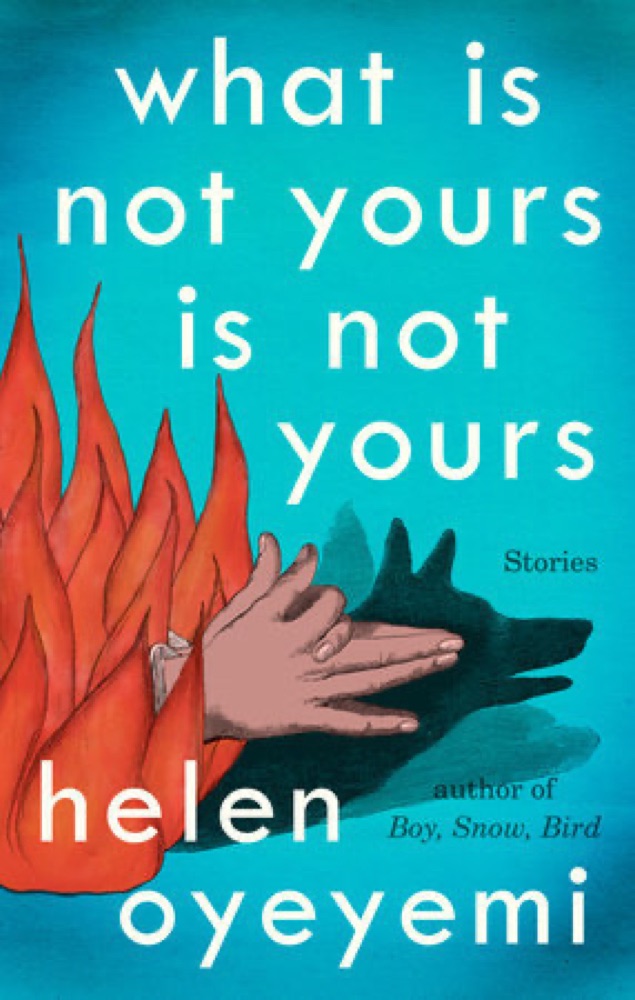 What Is Not Yours Is Not Yours
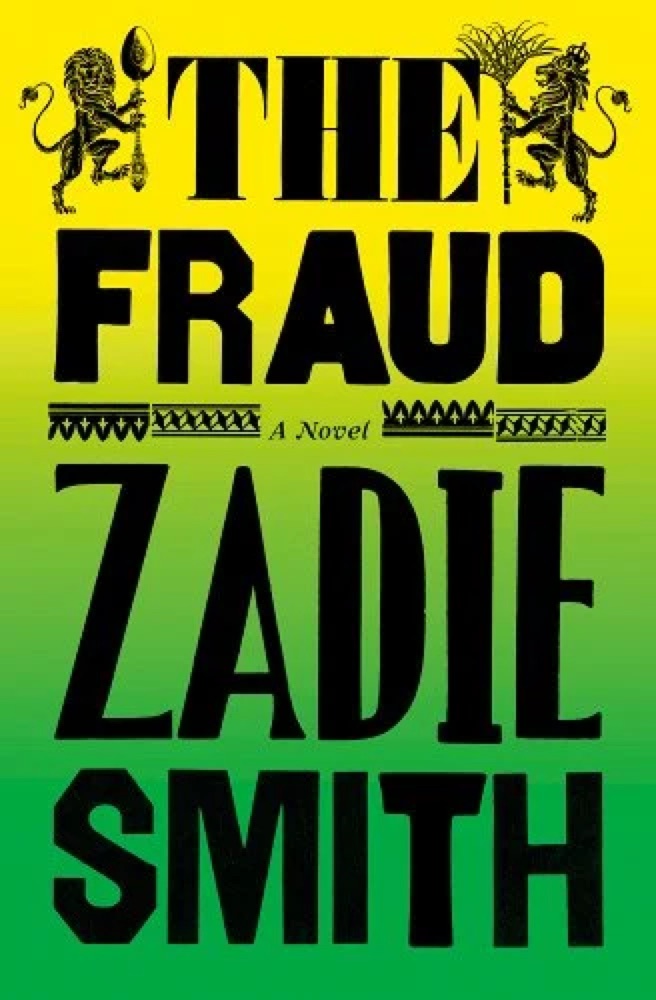 The Fraud
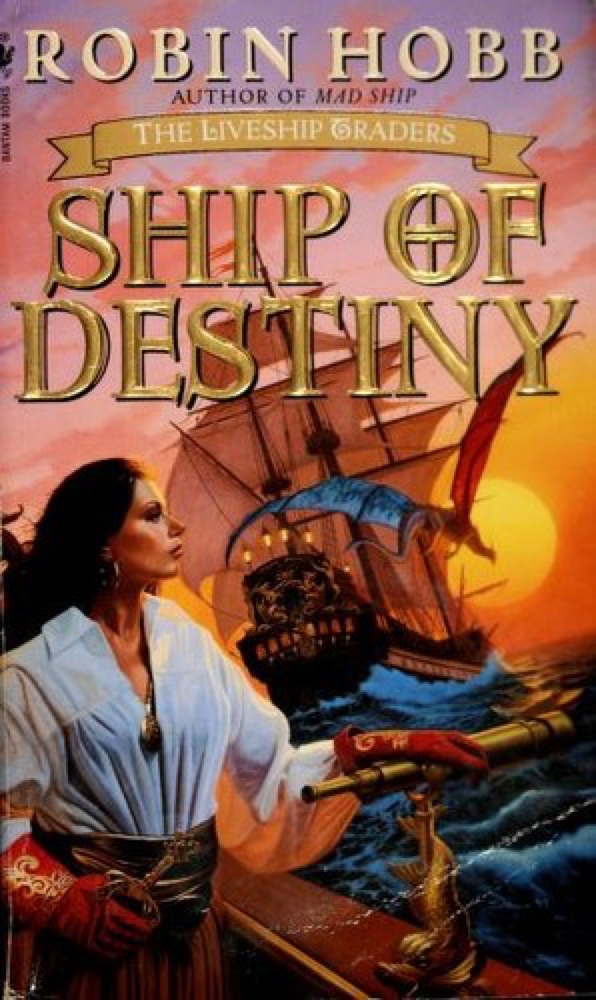 Ship of Destiny
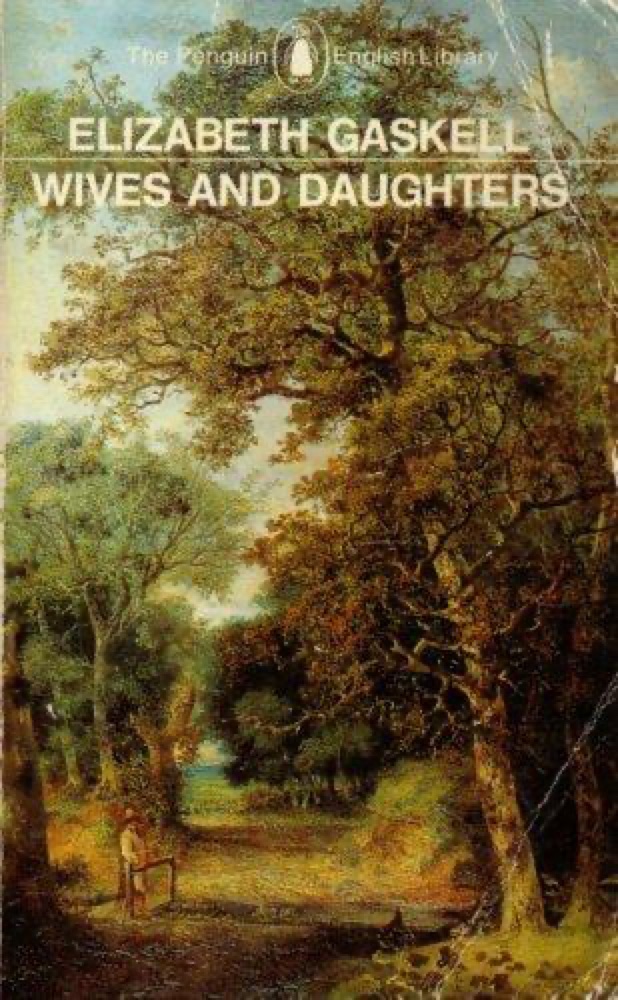 Wives and Daughters
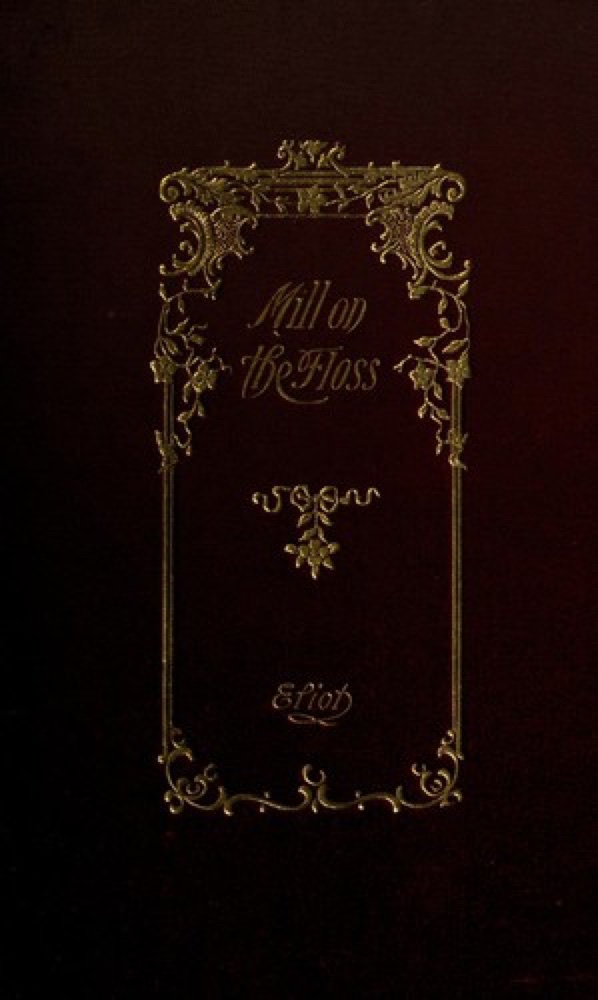 The Mill on the Floss
 The Return of the Native
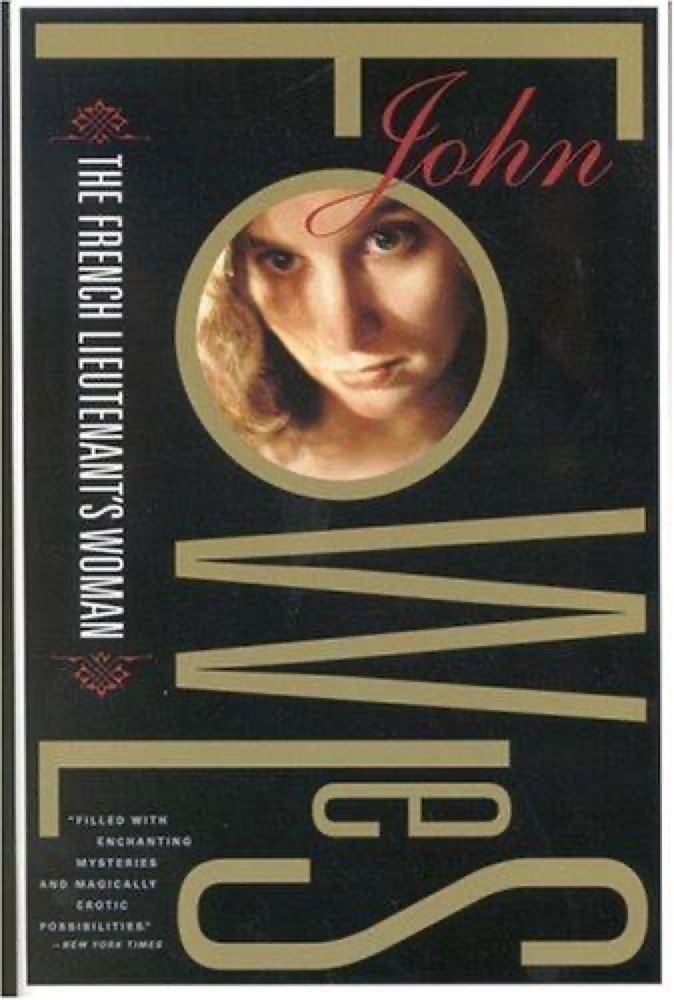 The French Lieutenant's Woman
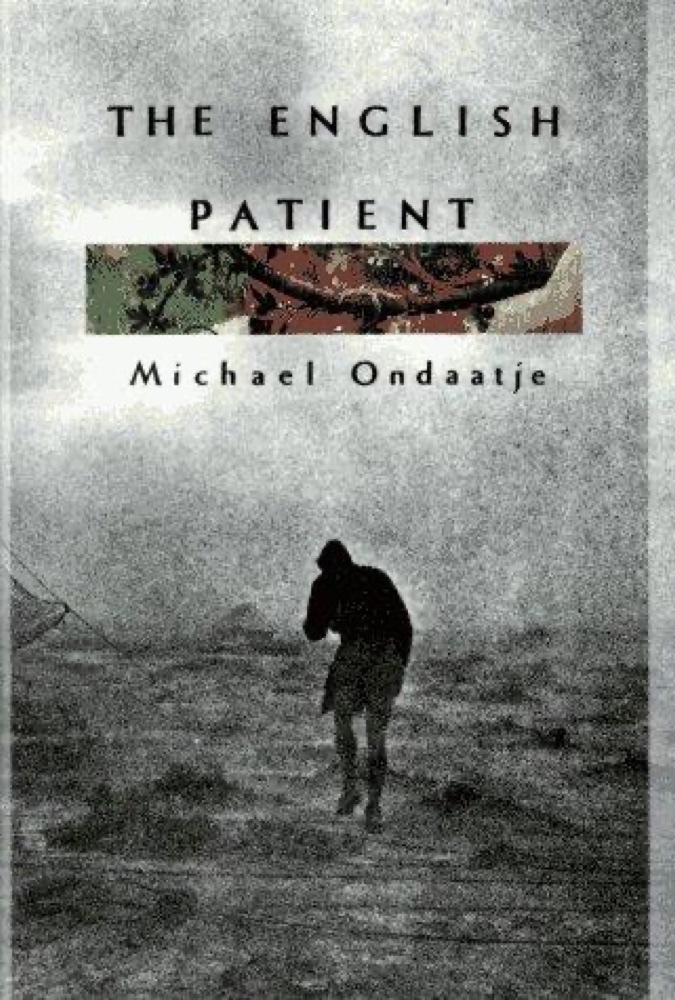 The English Patient
 Uncle Silas
 Rebecca
 The Lady's Guide to Celestial Mechanics
 No Name
 Too Much Happiness: Stories
 The Life of Charlotte Brontë
 Lady Audley's Secret
 The House of Mirth
 The Invasion of the Tearling
 The Beautiful
 A Reliable Wife
 Tess of the Road
Jude the Obscure
Tess of the Road
Jude the Obscure
 The Year of the Flood
 The Night Watch
 The Witching Hour
 Juliet
 The Painted Veil
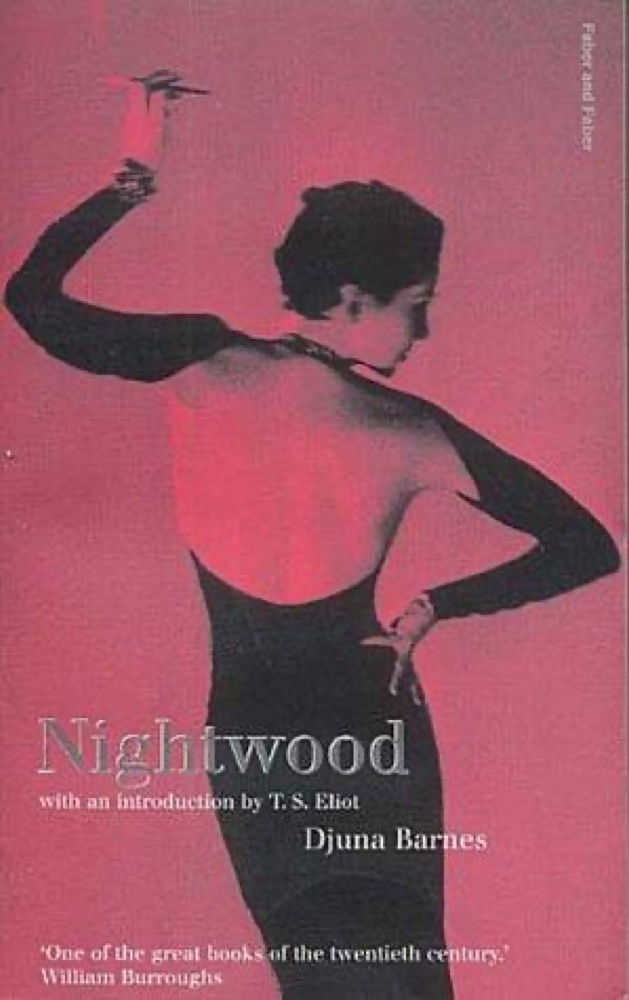 Nightwood
 On Beauty
 Out of Oz
 Old Babes in the Wood: Stories
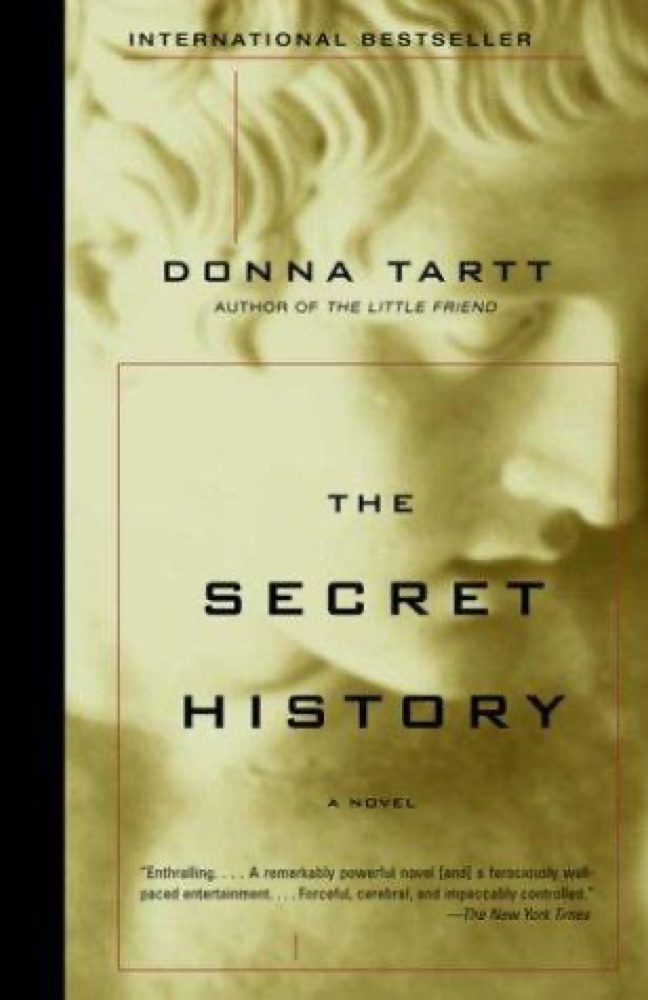 The Secret History
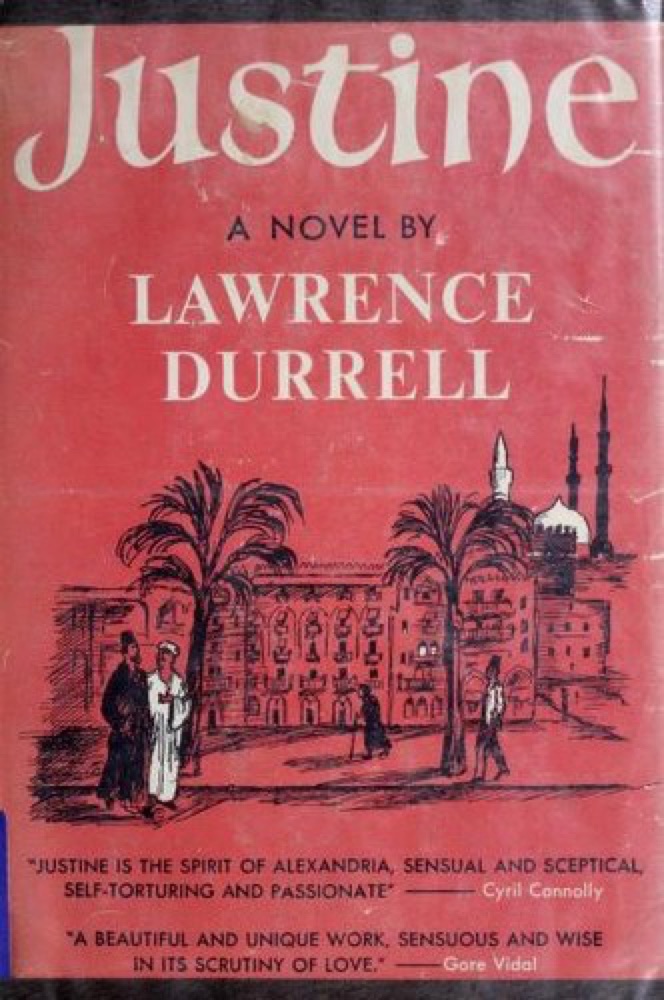 Justine
 Anna Karenina
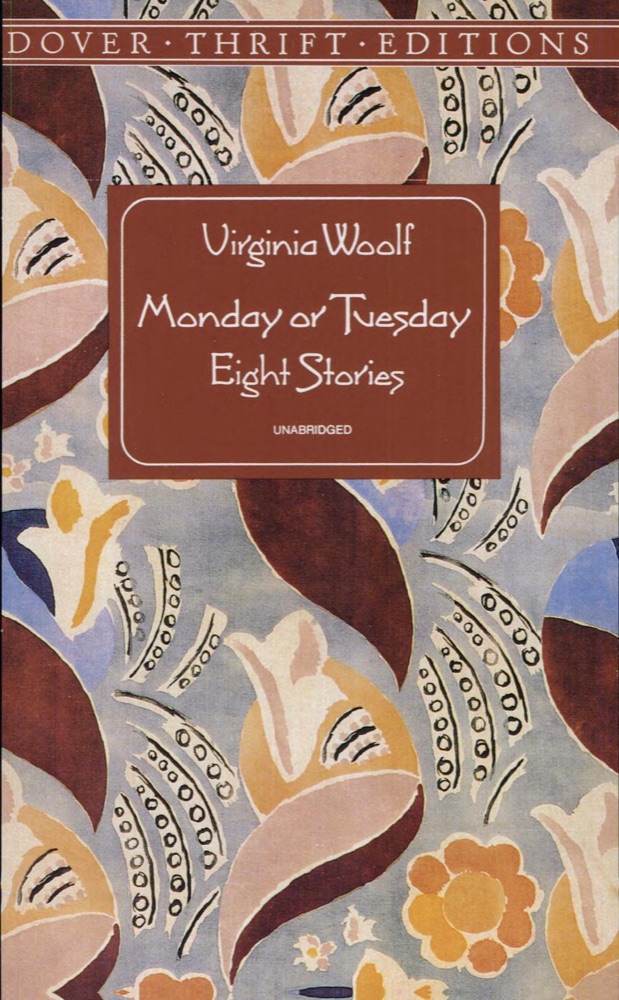 Monday or Tuesday
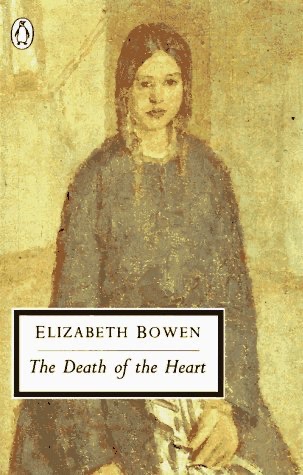 The Death of the Heart
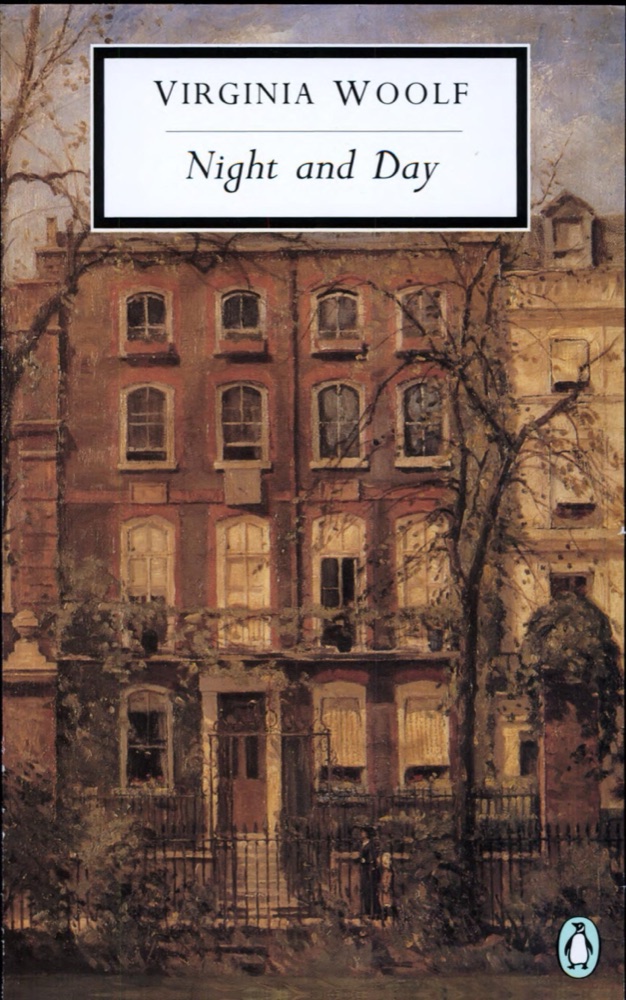 Night and Day
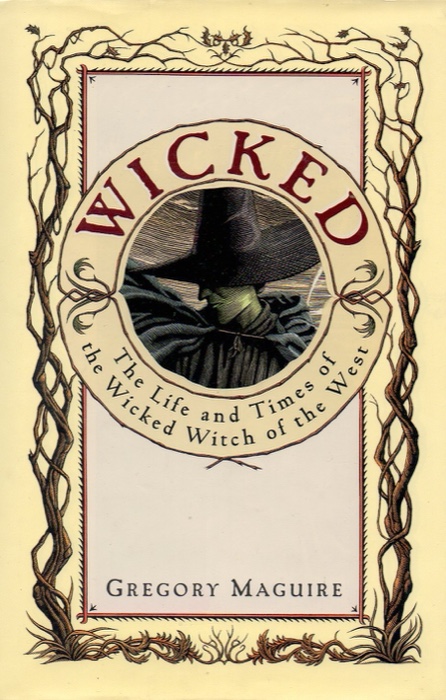 Wicked: The Life and Times of the Wicked Witch of the West
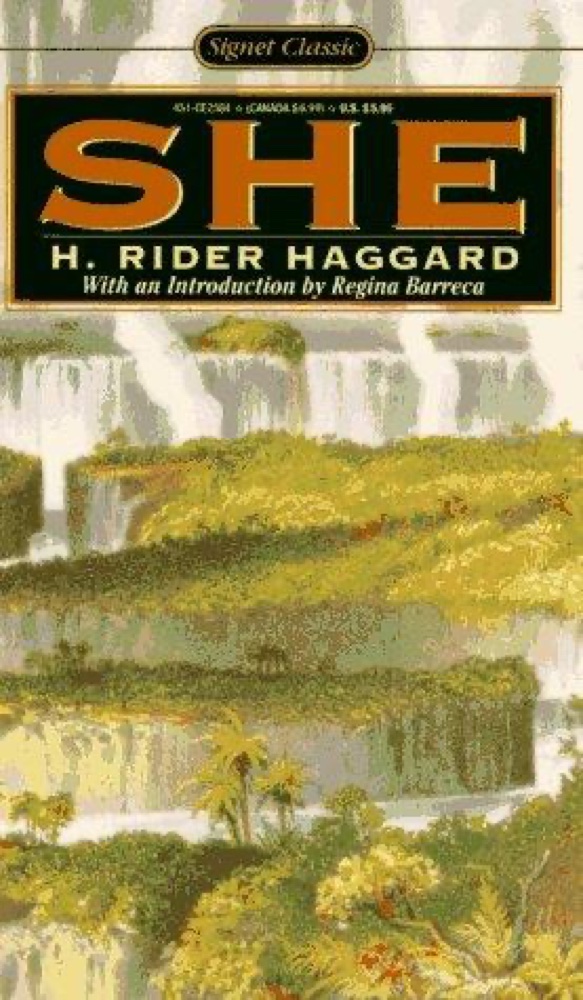 She
She
 The Reader
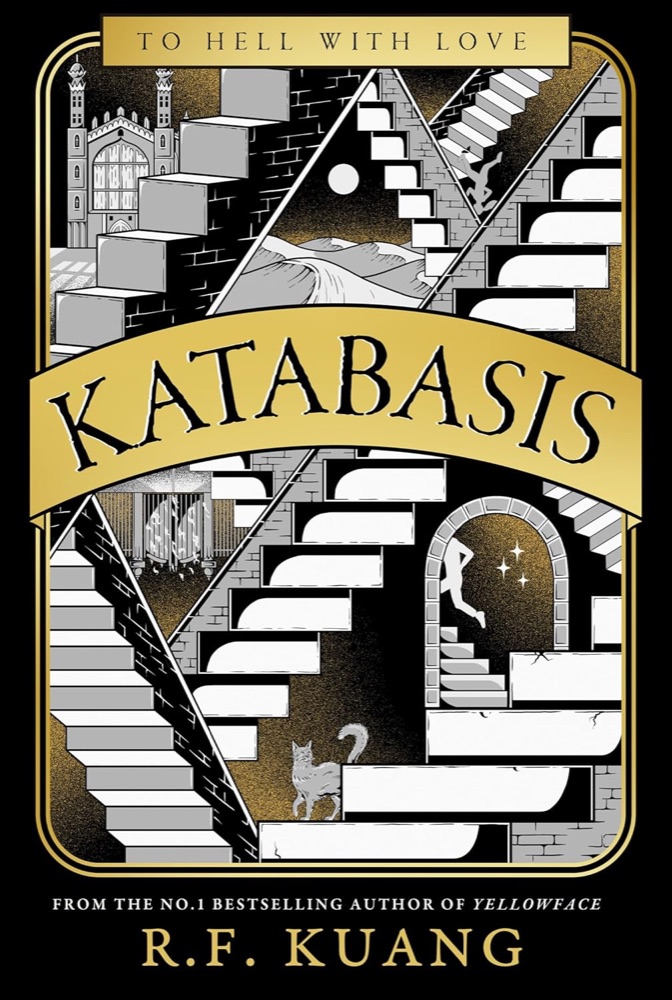 Katabasis
 The Forgotten Garden
 Possession
 Tender Morsels