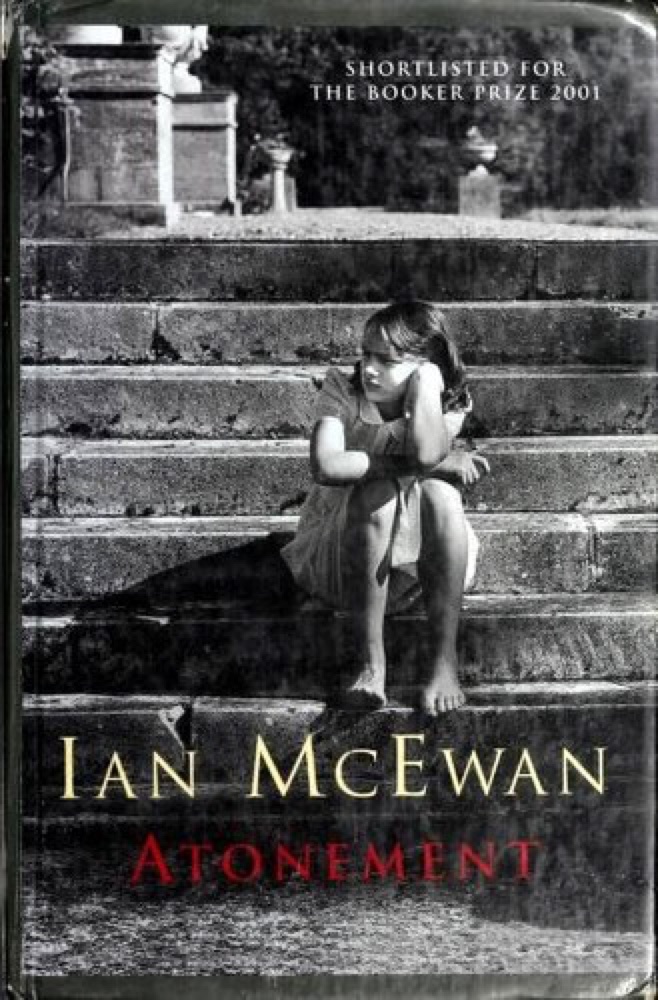

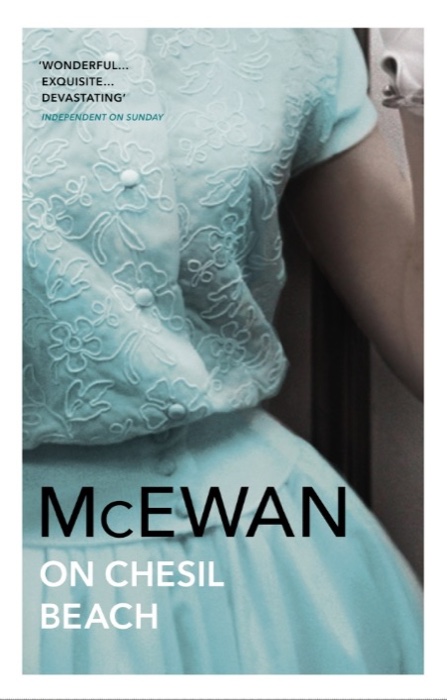
 On Chesil Beach
Quotes from the Book
A person is, among all else, a material thing, easily torn and not easily mended.
It wasn't only wickedness and scheming that made people unhappy, it was confusion and misunderstanding; above all, it was the failure to grasp the simple truth that other people are as real as you.
The cost of oblivious daydreaming was always this moment of return, the realignment with what had been before and now seemed a little worse.
Was everyone else really as alive as she was?... If the answer was yes, then the world, the social world, was unbearably complicated, with two billion voices, and everyone’s thoughts striving in equal importance and everyone’s claim on life as intense, and everyone thinking they were unique, when no one was. One could drown in irrelevance.
...falling in love could be achieved in a single word—a glance.
A story was a form of telepathy. By means of inking symbols onto a page, she was able to send thoughts and feelings from her mind to her reader's. It was a magical process, so commonplace that no one stopped to wonder at it.
Find you, love you, marry you, and live without shame.
And though you think the world is at your feet, it can rise up and tread on you.
Wasn't writing a kind of soaring, an achievable form of flight, of fancy, of the imagination?
I've never had a moment's doubt. I love you. I believe in you completely. You are my dearest one. My reason for life. Cee
She lay in the dark and knew everything.
Finally he spoke the three simple words that no amount of bad art or bad faith can every quite cheapen. She repeated them, with exactly the same slight emphasis on the second word, as though she were the one to say them first. He had no religious belief, but it was impossible not to think of an invisible presence or witness in the room, and that these words spoken aloud were like signatures on an unseen contract.
The anticipation and dread he felt at seeing her was also a kind of sensual pleasure, and surrounding it, like an embrace, was a general elation--it might hurt, it was horribly inconvenient, no good might come of it, but he had found out for himself what it was to be in love, and it thrilled him.
Now and then, an inch below the water's surface, the muscles of his stomach tightened involuntarily as he recalled another detail. A drop of water on her upper arm. Wet. An embroidered flower, a simple daisy, sewn between the cups of her bra. Her breasts wide apart and small. On her back, a mole half covered by a strap. When she climbed out of the pond a glimpse of the triangular darkness her knickers were supposed to conceal. Wet. He saw it, he made himself see it again. The way her pelvic bones stretched the material clear of the skin, the deep curve of her waist, her startling whiteness. When she reached for her skirt, a carelessly raised foot revealed a patch of soil on each pad of her sweetly diminished toes. Another mole the size of a farthing on her thigh and something purplish on her calf--a strawberry mark, a scar. Not blemishes. Adornments.
There did not have to be a moral. She need only show separate minds, as alive as her own, struggling with the idea that other minds were equally alive. It wasn't only wickedness and scheming that made people unhappy, it was confusion and misunderstanding, above all, it was the failure to grasp the simple truth that other people are as real as you. And only in a story could you enter these different minds and show how they had an equal value. That was the only moral a story need have.
How can a novelist achieve atonement when, with her absolute power of deciding outcomes, she is also God? There is no one, no entity or higher form that she can appeal to, or be reconciled with, or that can forgive her. There is nothing outside her. In her imagination she has set the limits and the terms. No atonement for God, or novelists, even if they are atheists. It was always an impossible task, and that was precisely the point. The attempt was all.
It was not generally realized that what children mostly wanted was to be left alone.
come back, come back to me
In my dreams I kiss your cunt, your sweet wet cunt. In my thoughts I make love to you all day long.
How guilt refined the methods of self-torture, threading the beads of detail into an eternal loop, a rosary to be fingered for a lifetime.
But what really happened? The answer is simple: the lovers survive and flourish.
He knew these last lines by heart and mouthed them now in the darkness. My reason for life. Not living, but life. That was the touch. And she was his reason for life, and why he must survive.
Dearest Cecilia, You’d be forgiven for thinking me mad, the way I acted this afternoon. The truth is I feel rather light headed and foolish in your presence, Cee, and I don’t think I can blame the heat.
That love which does not build a foundation on good sense is doomed.
And now she was back in the world, not one she could make, but the one that had made her, and she felt herself shrinking under the early evening sky. She was weary of being outdoors, but she was not ready to go in. Was that really all there was in life, indoors or out? Wasn't there somewhere else for people to go?
From this new and intimate perspective, she learned a simple, obvious thing she had always known, and everyone knew; that a person is, among all else, a material thing, easily torn, not easily mended.
At that moment, the urge to be writing was stronger than any notion she had of what she might write.
Not everything people did could be in a correct, logical order, especially when they were alone.
These were everyday sounds magnified by darkness. And darkness was nothing - it was not a substance, it was not a presence, it was no more than an absence of light.
Nothing that can be, can come between me and the full prospect of my hopes.
Did you know?
- Atonement was first published in 2001 by Jonathan Cape in the UK.
- The novel was shortlisted for the 2001 Booker Prize for Fiction.
- It won the 2002 National Book Critics Circle Award for Fiction.
- Time magazine named it one of the 100 best English-language novels published since 1923.
- McEwan has said the novel emerged in part from the ruins of an earlier abandoned piece of writing.
- The story opens on the hottest day of the summer of 1935 at the Tallis family estate.
About Ian McEwan
Ian McEwan is a British novelist and screenwriter born in 1948 whose acclaimed works include Atonement and Amsterdam. He won the Booker Prize in 1998 for Amsterdam and has received honors including appointment as a Companion of Honour.
More about the author →

About the book
Ian McEwan's Atonement, first published in 2001, opens on the hottest day of the summer of 1935 at the Tallis family's country estate in England. Thirteen-year-old Briony Tallis, an imaginative aspiring writer, misinterprets a charged moment between her older sister Cecilia and Robbie Turner, the housekeeper's son and a Cambridge graduate. When her cousin Lola is assaulted that night, Briony's misreading of events leads her to accuse Robbie of the crime, a false accusation that shatters three lives and sets the novel's tragedy in motion.
The novel then follows the consequences of that childhood error across the coming decades, moving from the retreat to Dunkirk during the Second World War to a London hospital where an older Briony works as a nurse, seeking a way to make amends. Atonement is preoccupied with guilt, the unreliability of perception, and the limits of storytelling as a means of redemption, culminating in a famous metafictional turn that asks what a novelist owes to truth.
Widely regarded as one of McEwan's finest works, Atonement won the 2002 National Book Critics Circle Award for Fiction and the Los Angeles Times Book Prize, and was shortlisted for the 2001 Booker Prize. It was named one of Time's 100 best English-language novels since 1923 and adapted into an acclaimed 2007 film directed by Joe Wright.
Key characters
- Briony TallisThirteen-year-old aspiring writer whose false accusation drives the tragedy
- Cecilia TallisBriony's older sister, who falls in love with Robbie
- Robbie TurnerThe housekeeper's son, wrongly imprisoned for a crime he did not commit
- Lola QuinceyBriony's cousin and the victim of the assault
- Paul MarshallA wealthy visitor and the true assailant
Book details
- First published
- 2001
- Length
- 371 pages
- Reading time
- 6 hours
- Author
- Ian McEwan
- Genre
- Classics
- Goodreads rating
- 3.96 (574k ratings) →
- First line
- “The play - for which Briony had designed the posters, programmes and tickets, constructed the sales booth out of a folding screen tipped on its side, and lined the collection box in red crepe paper - was written by her in a two-day tempest of composition, causing her to miss breakfast and a lunch.”
Movie & TV adaptations
- IMDb
If you liked this, read…
- 1The Remains of the DayAnother English novel of memory, class, and irreversible personal mistakes
- 2On Chesil BeachIan McEwan's own novel of how a single misunderstanding alters lives
- 3The Go-BetweenA child's misreading of adult relationships at a country estate leads to tragedy
Keep reading
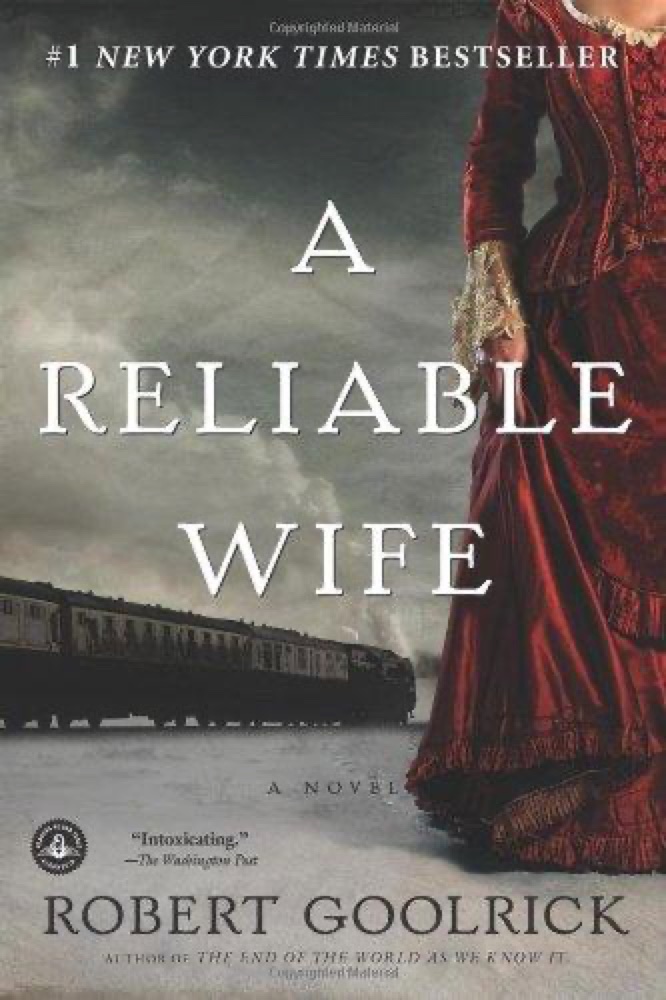 A Reliable Wife
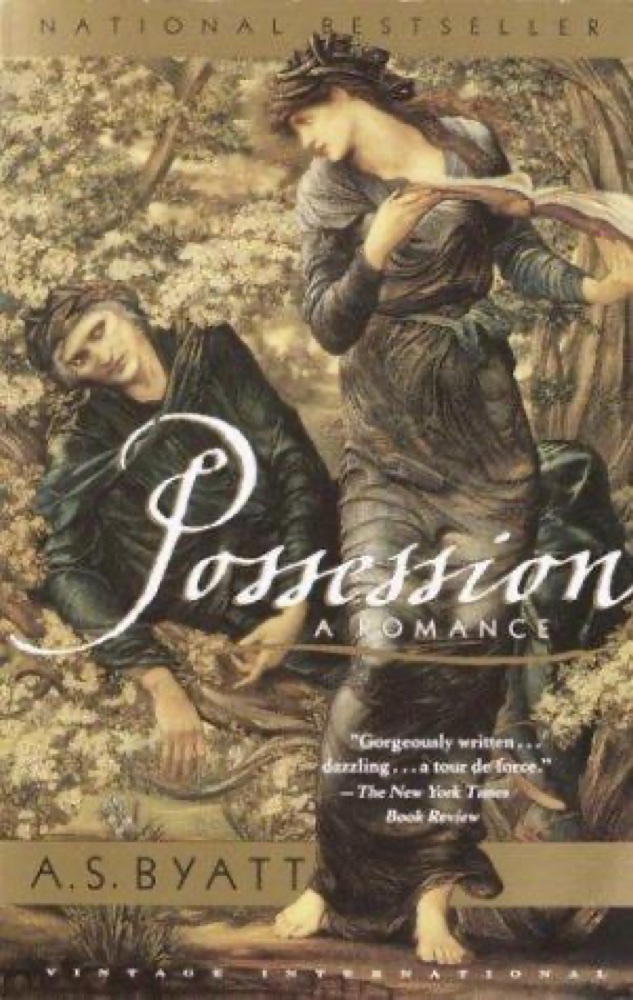 Possession
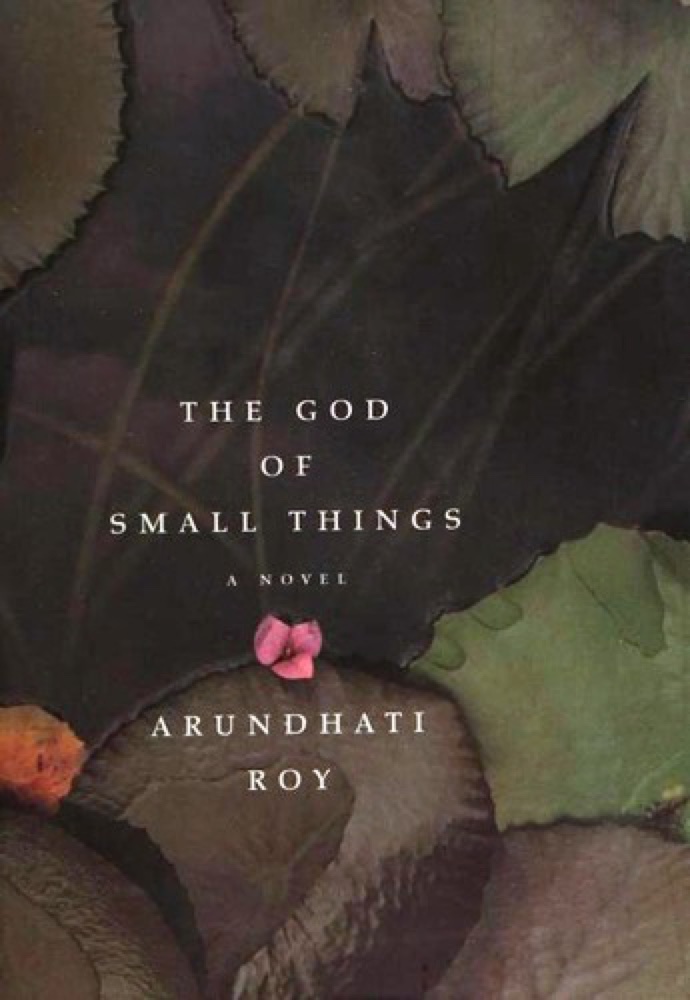 The God of Small Things
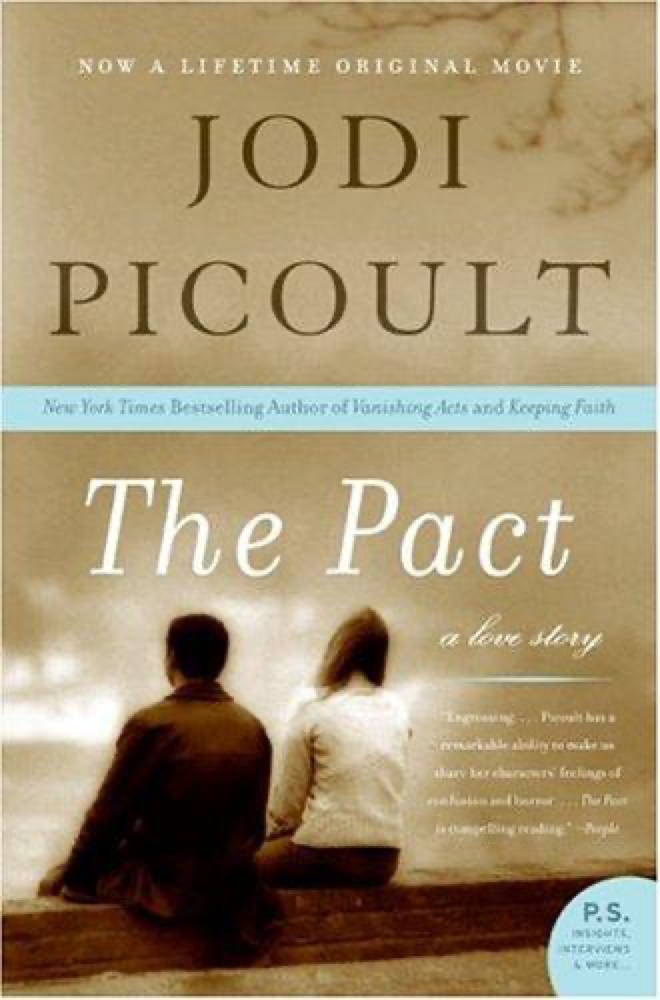 The Pact
 The Witching Hour
 Teardrop
 Mercy
Mercy
 Embers
 Women in Love
 The Passage
 Rebecca
 The English Patient
 The Marriage Plot
 The Ministry of Utmost Happiness
 Justine
 Trust: Betrayed
 A Mercy
 Requiem
 Home Fire
 The Husband's Secret
 Beautiful Redemption
 The Year of the Flood
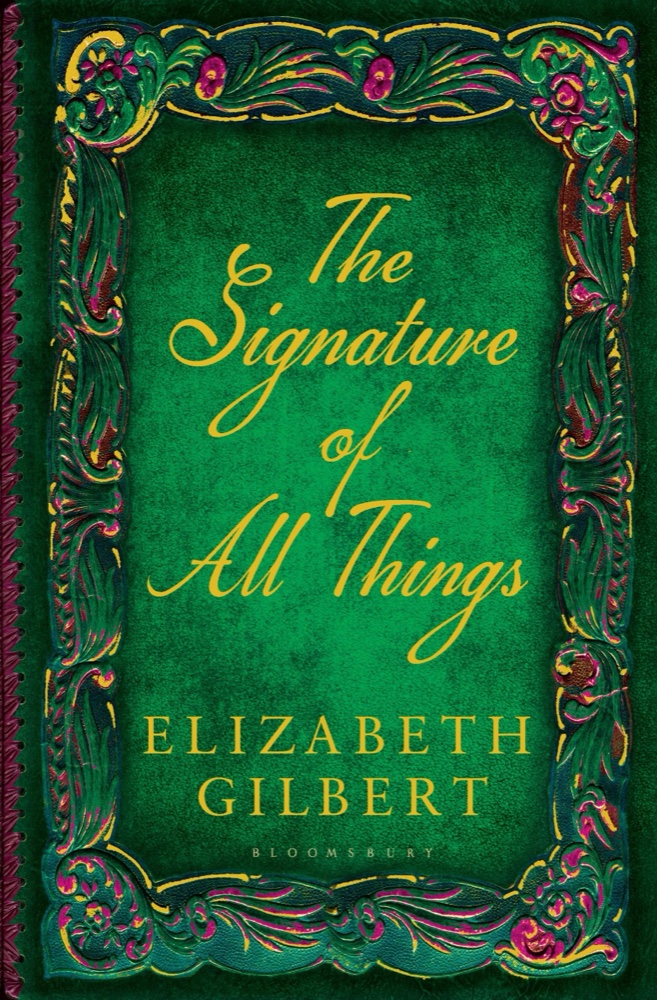 The Signature of All Things
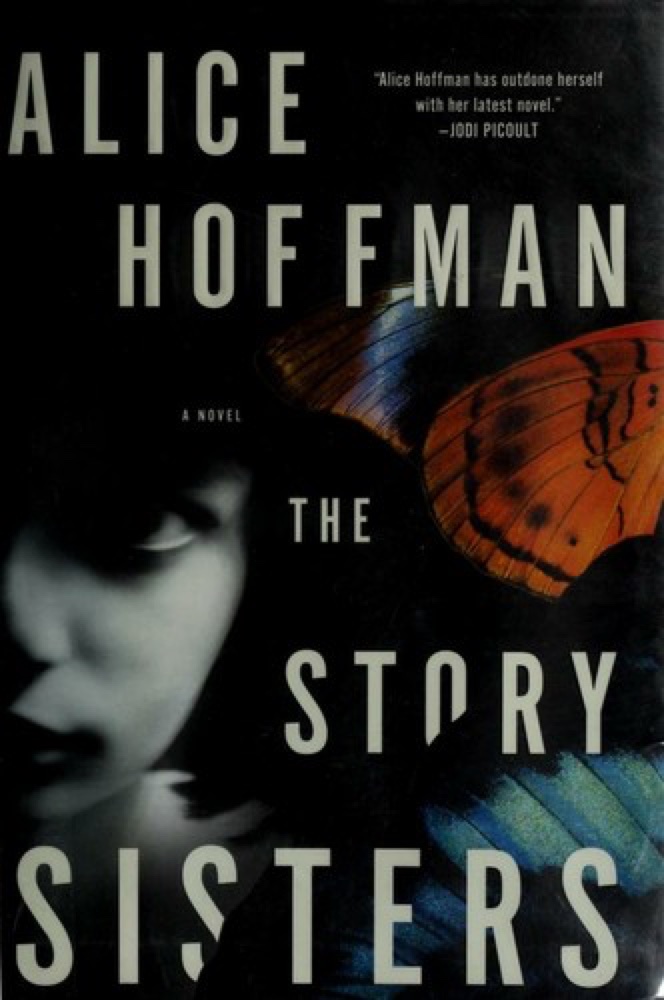 The Story Sisters
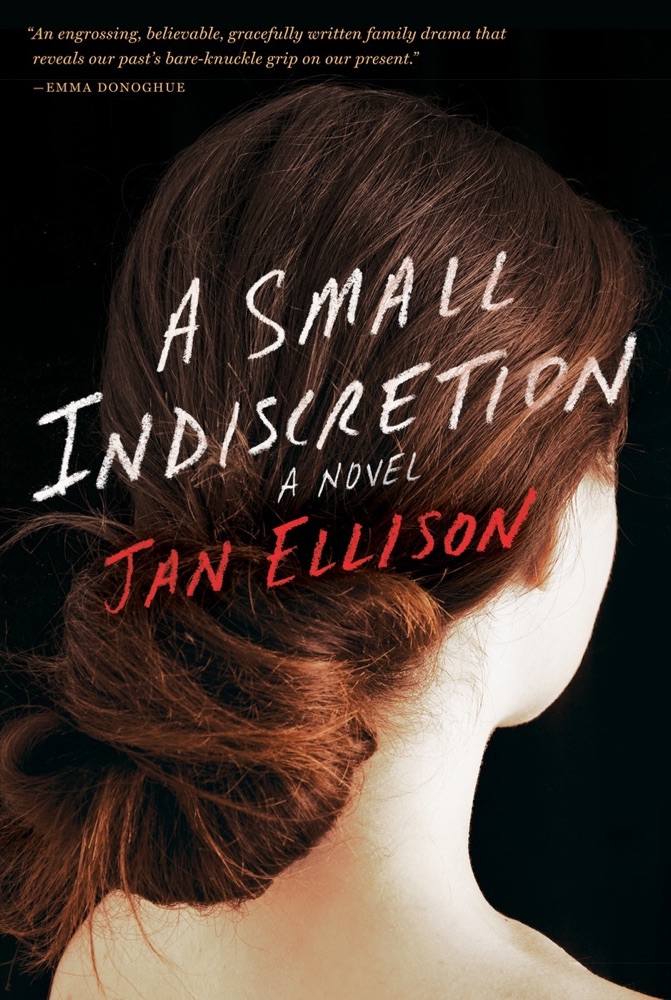 A Small Indiscretion
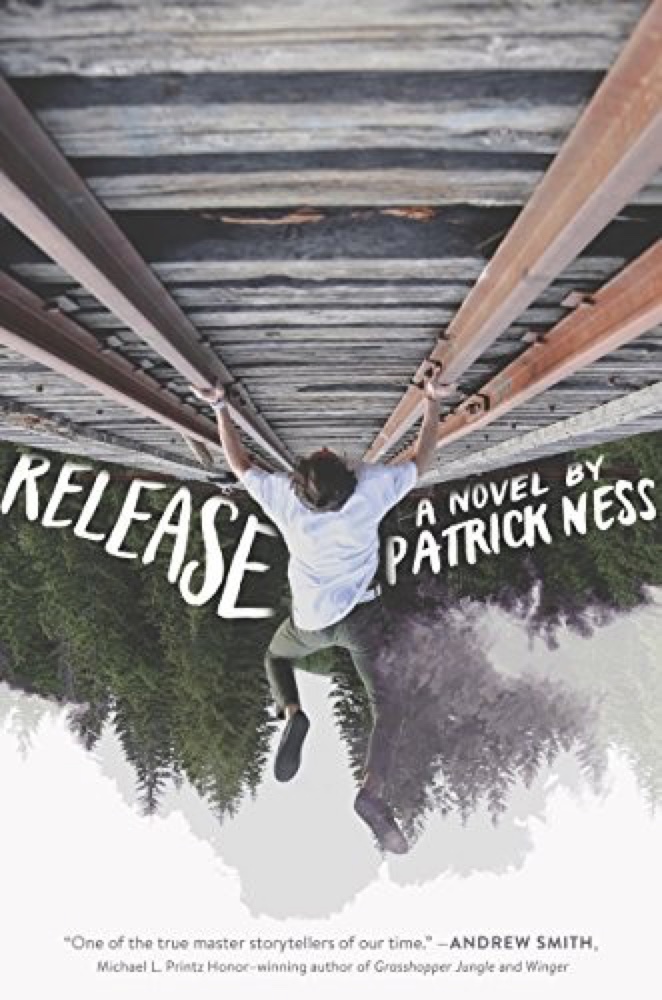 Release
 Tess of the D'Urbervilles
 Forever in Blue: The Fourth Summer of the Sisterhood
 The Memory Keeper's Daughter
 The Girl You Left Behind
 Anna Karenina
 A Conjuring of Light
 The Probable Future
 Palimpsest
 Hell
Hell
 Lila
Lila
 A Theory of Dreaming
 The Story of the Lost Child
 Alone With You in the Ether
 The Void
 The Bonesetter's Daughter
 The Age of Innocence
 Katabasis
 Mr. Fox
 The Awakening
 The Likeness
 Second Glance
 Life After Life
 Birds of America
 Great Expectations
 Under the Udala Trees
 Lisey's Story
 The Distant Hours
 Les Misérables
 The Choice
 The Scarlet Letter
 The Garden of Eden
 The Nice and the Good
 The Blind Assassin
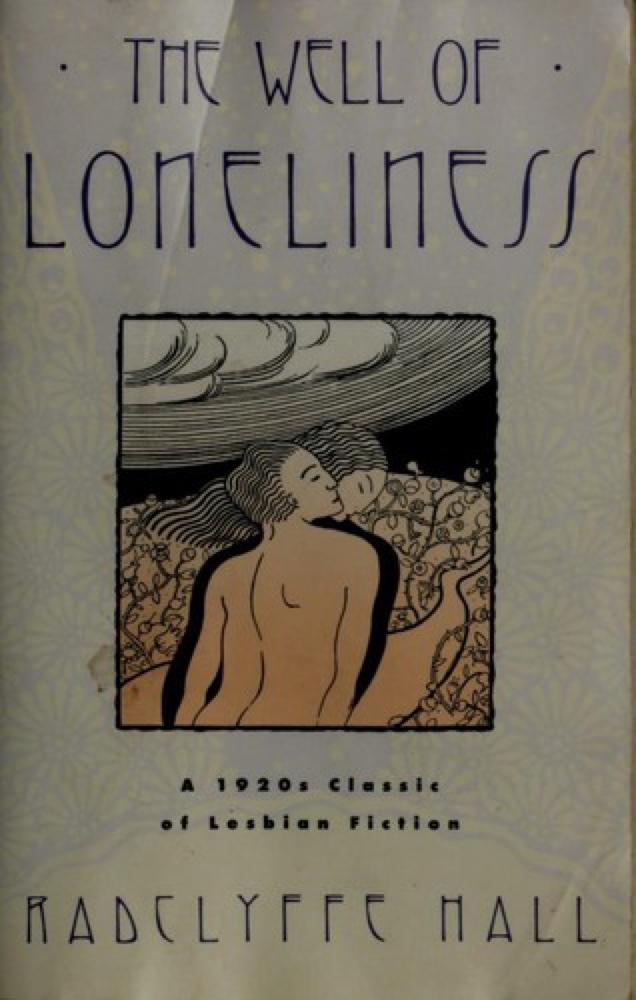 The Well of Loneliness