 The Enchanted April
Quotes from the Book
Isn't life,' she stammered, 'isn't life--' But what life was she couldn't explain. No matter. He quite understood. 'Isn't it, darling?' said Laurie.
69
You are a Queen. Let mine be the joy of giving you your kingdom.
18
And it seemed to her that kisses, voices, tinkling spoons, laughter, the smell of crushed grass were somehow inside her.
11
Oh,' said the little girl, 'my head's on your heart; I can hear it going. What a big heart you've got, father dear.
8
What did garden-parties and baskets and lace frocks matter to him? He was far from all those things. He was wonderful, beautiful.
6
Why does one feel so different at night? Why is it so exciting to be awake when everybody else is asleep? Late—it is very late! And yet every moment you feel more and more wakeful, as though you were slowly, almost with every breath, waking up into a new, wonderful, far more thrilling and exciting world than the daylight one.
5
You're not very fond of your room by day. You never think about it. You're in and out, the door opens and slams, the cupboard creaks. You sit down on the side of your bed, change your shoes and dash out again. A dive down to the glass, two pins in your hair, powder your nose and off again. But now–at night time- it's suddenly dear to you. It's a darling little funny room. It's yours. Oh, what a joy it is to own things!
5
It's not your fault. Don't think that. It's just fate.
5
As for the roses, you could not help feeling they understood that roses are the only flowers that impress people at garden-parties; the only flowers that everybody is certain of knowing.
5
Then something immense came into view; an enormous shock-haired giant with his arms stretched out. It was the big gum-tree outside Mrs. Stubbs' shop, and as they passed by there was a strong whiff of eucalyptus. And now big spots of light gleamed in the mist. The shepherd
4
It seems to me just as imbecile, just as infernal, to have to go to the office on Monday," said Jonathan, "as it always has done and always will do. To spend all the best years of one's life sitting on a stool from nine to five, scratching in somebody's ledger! It's a queer use to make of one's . . . one and only life, isn't it? Or do I fondly dream?" He rolled over on the grass and looked up at Linda. "Tell me, what is the difference between my life and that of an ordinary prisoner?
3
…Oh dear, I sometimes think…whatever would I do if anything happened…But thinking's no good, is it, madam? Thinking won't help. When I find myself doing that, I say to myself, "come along, Ellen! Stop it this moment, my girl! Stop that silly thinking…!
3
The most thrilling day of the year, the first real day of Spring had enclosed its warm delicious beauty even to London eyes. It had put a spangle in every colour and a new tone in every voice, and city folks walked as though they carried real bodies under their clothes with real live hearts pumping the still blood through.
3
And the perfect afternoon slowly ripened, slowly faded, slowly its petals closed.
2
Yes, madam, it was all left to me. Oh, she did look sweet. I did her hair, soft-like, round her forehead, all in dainty
2
The breeze of morning lifted in the bush and the smell of leaves and wet black earth mingled with the sharp smell of the sea. Myriads of birds were singing. A goldfinch flew over the shepherd's head and, perching on the tiptop of a spray, it turned to the sun, ruffling its small breast feathers. And now they had passed the fisherman's hut, passed the charred-looking lit
2
Well, Mr. Arnold, here's Mrs. Hammond at last!" The manager led them through the hall himself and pressed the elevator-bell. Hammond knew there were business pals of his sitting at the little hall tables having a drink before dinner. But he wasn't going to risk interruption; he looked neither to the right nor the left.
2
In a steamer chair, under a manuka tree that grew in the middle of the front grass patch, Linda Burnell dreamed the morning away. She did nothing. She looked up at the dark, close, dry leaves of the manuka, at the chinks of blue between, and now and again a tiny yellowish flower dropped on her. Pretty—yes, if you held one of those flowers on the palm of your hand and looked at it closely, it was an exquisite small thing. Each pale yellow petal shone as if each was the careful work of a loving hand. The tiny tongue in the centre gave it the shape of a bell. And when you turned it over the outside was a deep bronze colour. But as soon as they flowered, they fell and were scattered. You brushed them off your frock as you talked; the horrid little things got caught in one's hair. Why, then, flower at all? Who takes the trouble—or the joy—to make all these things that are wasted, wasted... It was uncanny. On the grass beside her, lying between two pillows, was
2
When Harry came I had his letters all ready, and the ring and a ducky little brooch he'd given me—a silver bird it was, with a chain in its beak, and on the end of the chain a heart with a dagger.
2
Delighted of course. It will only be a very scratch meal—just the sandwich crusts and broken meringue-shells and what's left over. Yes, isn't it a perfect morning?
2
Laura's upbringing made her wonder for a moment whether it was quite respectful of a workman to talk to her of bangs slap in the eye. But she did quite follow him.
2
Stand still. I want to look at you. I haven’t seen you yet.
1
Her first ball! She was only at the beginning of everything. It seemed to her that she had never known what the night was like before. Up till now it had been dark, silent, beautiful very often – oh, yes – but mournful somehow. Solemn. And now it would never be like that again – it had opened dazzling bright.
1
Dark girls, fair girls were patting their hair, tying ribbons again, tucking handkerchiefs down the fronts of their bodices, smoothing marble-white gloves. And because they were all laughing it seemed to Leila that they were all lovely.
1
She would remember for ever. It even gave her a pang to see her cousin Laurie throw away the wisps of tissue paper he pulled from the fastenings of his new gloves. She would like to have kept those wisps as a keepsake, as a remembrance.
1
Oh, dear, how hard it was to be indifferent like the others! She tried not to smile too much; she tried not to care. But every single thing was so new and exciting…
1
Two young girls in red came by and two young soldiers in blue met them, and they laughed and paired and went off arm-in-arm.
1
She had become really quite expert, she thought, at listening as though she didn’t listen, at sitting in other people’s lives for just a minute while they talked round her.
1
No, no.’ Anne squeezed his hand hard. ‘It’s not that. That’s all wrong. I’m not far above you at all. You’re much better than I am. You’re marvellously unselfish and… and kind and simple. I’m none of those things. You don’t know me. I’m the most awful character.’” “‘Isn’t it funny?’ she said. ‘I can say anything to you. I always have been able to from the very beginning.
1
Until the barrel-organ stopped playing Constantia stayed before the Buddha, wondering, but not as usual, not vaguely. This time her wonder was like longing. She remembered the times she had come in here, crept out of bed in her nightgown when the moon was full, and lain on the floor with her arms outstretched, as though she was crucified. Why? The big, pale moon had made her do it. The horrible dancing figures on the carved screen had leered at her and she hadn’t minded. She remembered too how, whenever they were at the seaside, she had gone off by herself and got as close to the sea as she could, and sung something, something she had made up, while she gazed all over that restless water. There had been this other life, running out, bringing things home in bags, getting things on approval, discussing them with Jug, and taking them back to get more things on approval, and arranging father’s trays and trying not to annoy father. But it all seemed to have happened in a kind of tunnel. It wasn’t real. It was only when she came out of the tunnel into the moonlight or by the sea or into a thunderstorm that she really felt herself. What did it mean? What was it she was always wanting? What did it all lead to? Now? Now?
1
Watch on YouTube
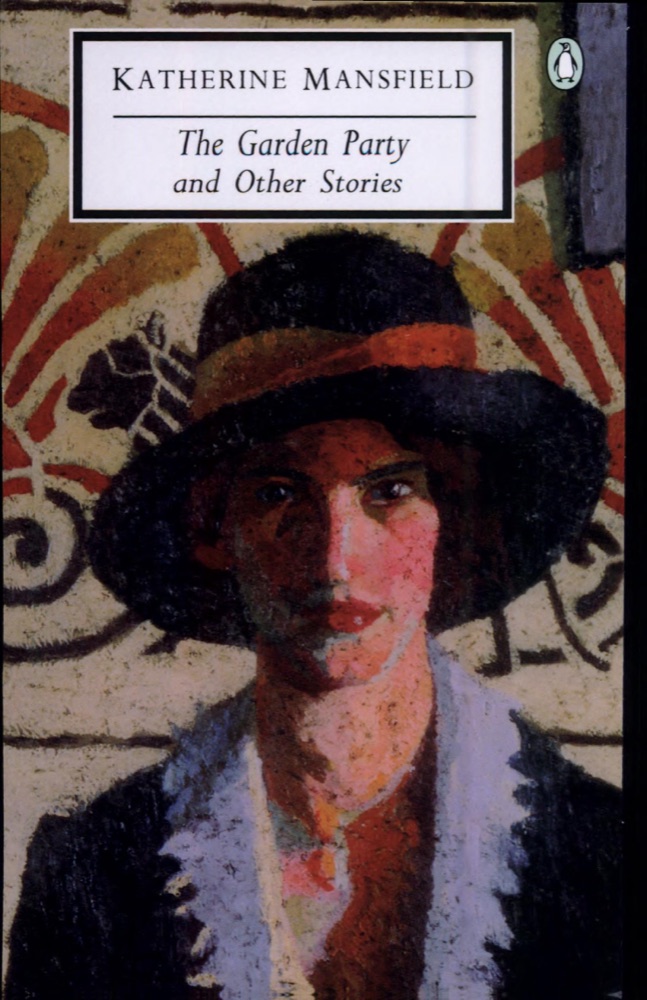
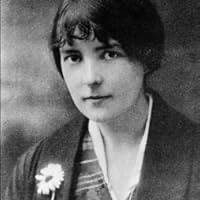
About Katherine Mansfield
We have collected 30 quotes from 1 book by Katherine Mansfield on BookQuoters.
More about the author →About the book
A autora neozelandesa Katherine Mansfield foi a escolhida para começar uma série de traduções de grandes nomes da literatura mundial. Publicado originalmente em 1922, A festa no jardim e outras histórias traz contos sobre amor, solidão, sobre mulheres encarando os desafios da vida com amores, esperanças e até luto. Nas quinze histórias presentes nessa obra, pode-se ver o porquê de Katherine Mansfield ser tão admirada por nomes como Virginia Woolf e D. H. Lawrence.
Nessa edição, um grupo de tradutores se debruça sobre a prosa de Mansfield, tentando mostrar que, cento e dois anos após sua primeira edição, a obra continua atual em sua abordagem a relações sociais, amorosas e familiares, bem como em conflitos e sentimentos.
"Em seu vestido azul, com as bochechas levemente coradas, os olhos muito, muito azuis, e os cachos dourados presos como se fosse a primeira vez — para não atrapalha
Book details
- First published
- 1922
- Author
- Katherine Mansfield
- Genre
- Classics
- Goodreads rating
- 3.82 (11k ratings)
Keep reading
The Enchanted April
 Scandal in Spring
 The Paying Guests
 Briefly, A Delicious Life
 Tipping the Velvet
 Mr. Fox
 Night and Day
 Hateship, Friendship, Courtship, Loveship, Marriage: Stories
 Tender Morsels
 The Price of Salt
 The Wings of the Dove
 What I Did for a Duke
 The Golden Apples of the Sun
 Little, Big
 The Years
 The Witch of Blackbird Pond
 A Girl of the Limberlost
 The Short Stories
 It Happened One Autumn
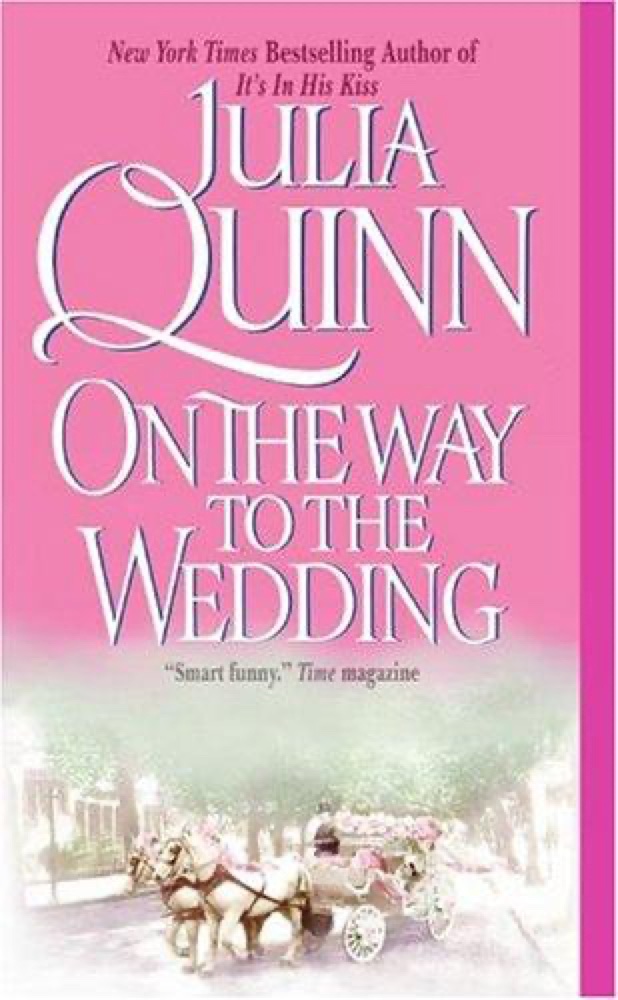 On the Way to the Wedding
 Wicked Lovely
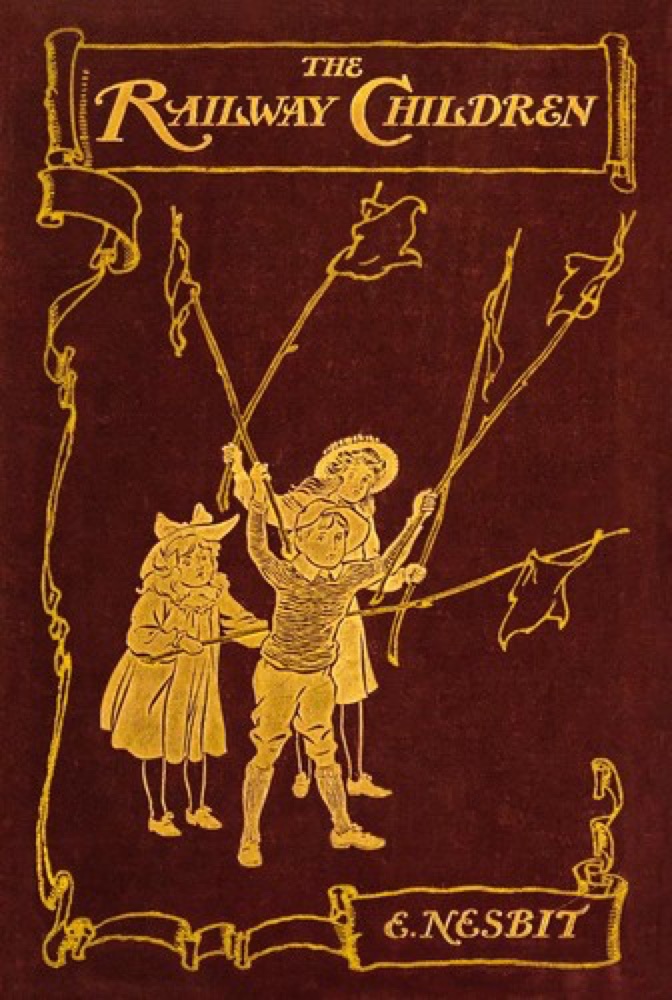 The Railway Children
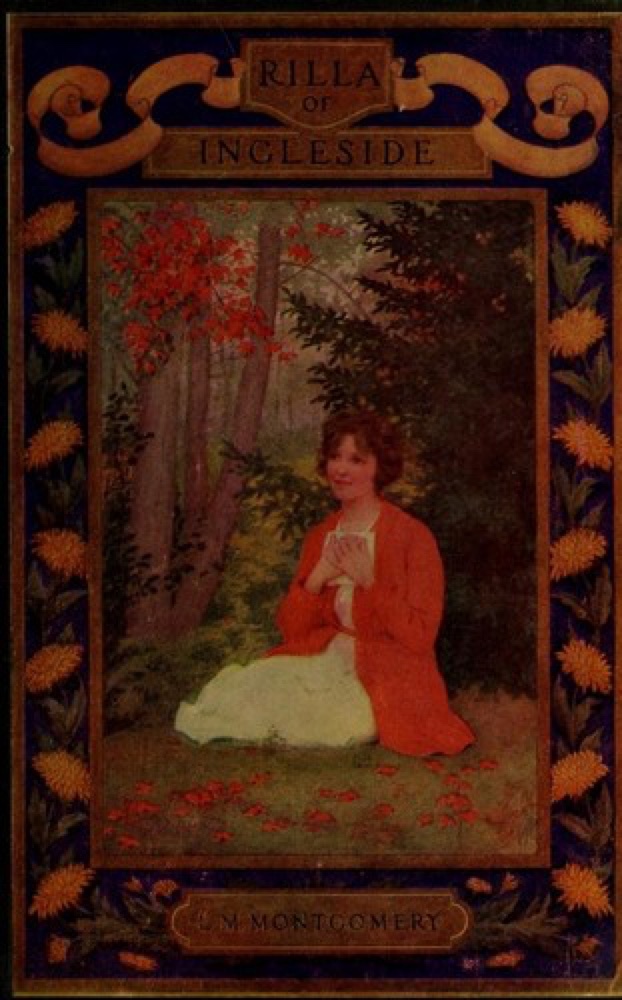 Rilla of Ingleside
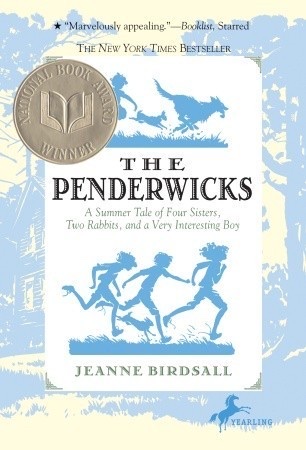 The Penderwicks: A Summer Tale of Four Sisters, Two Rabbits, and a Very Interesting Boy
 Longbourn
 The Night Watch
 The Shell Seekers
 Bitter Greens
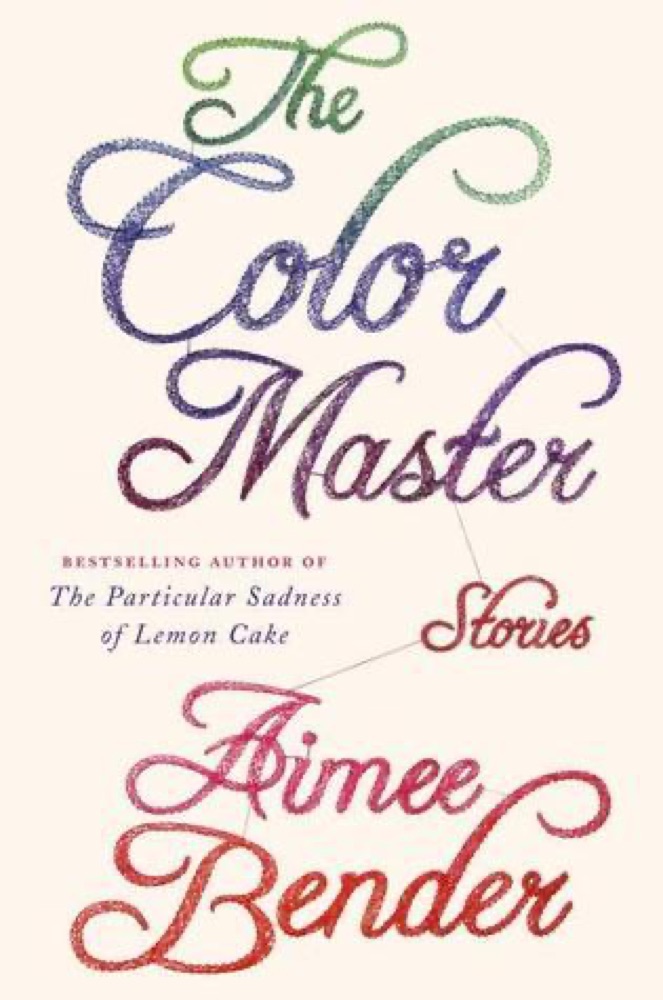 The Color Master: Stories
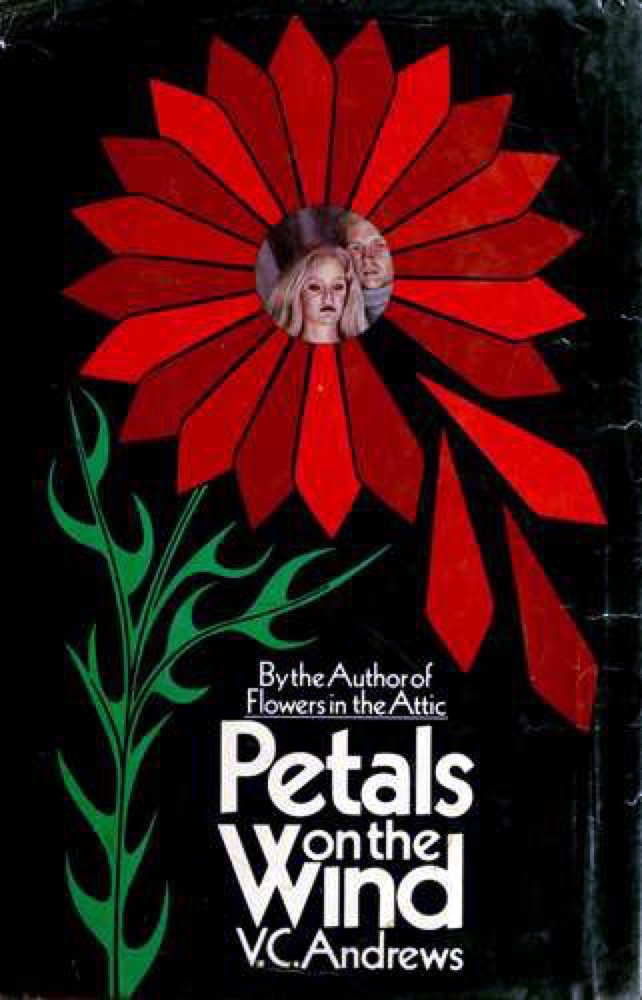 Petals on the Wind
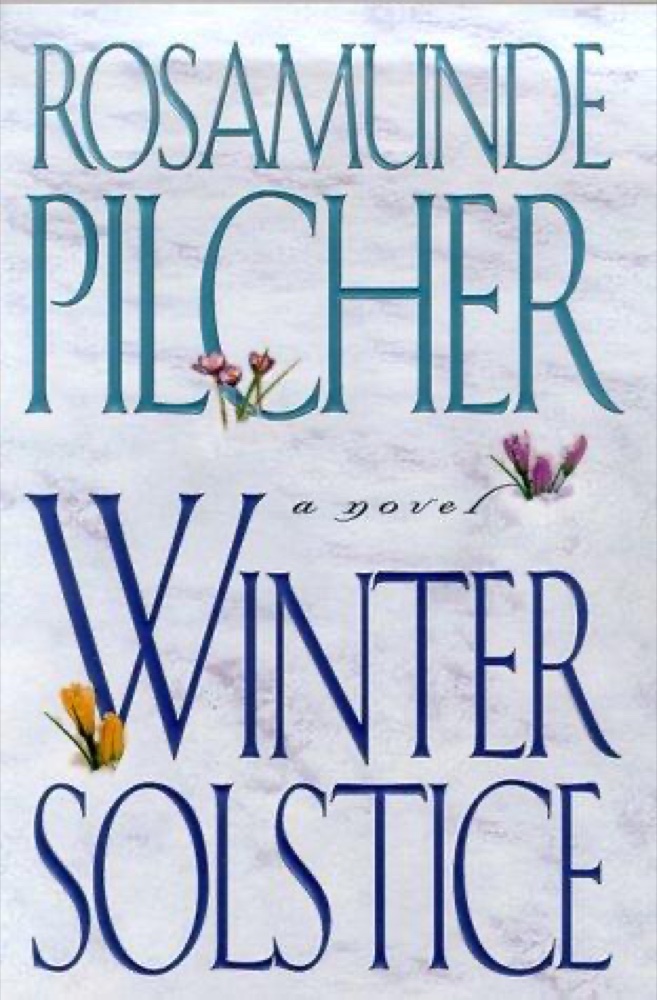 Winter Solstice
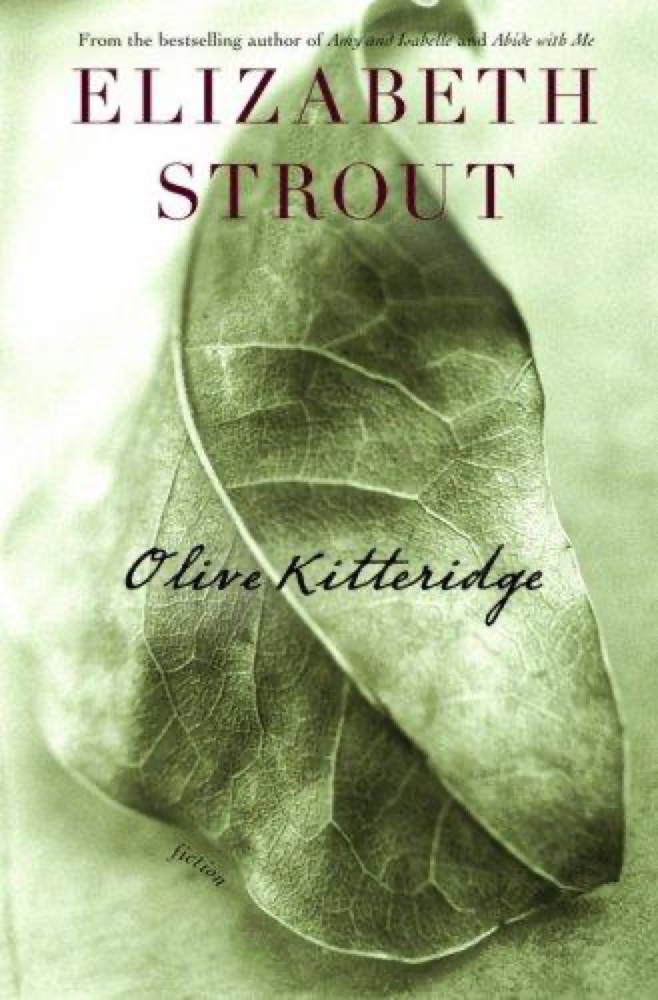 Olive Kitteridge
 Beloved
 Amy Snow
 Ten Things I Love About You
 The American Heiress
 Prodigal Summer
 Birds of America
 Rainbow Valley
 Tess of the D'Urbervilles
 Anne of Windy Poplars
 Stargirl
 Wives and Daughters
 The Sugar Queen
 The Art of Theft
 Tithe
Tithe
 The Portrait of a Lady
 The Viscount Who Loved Me
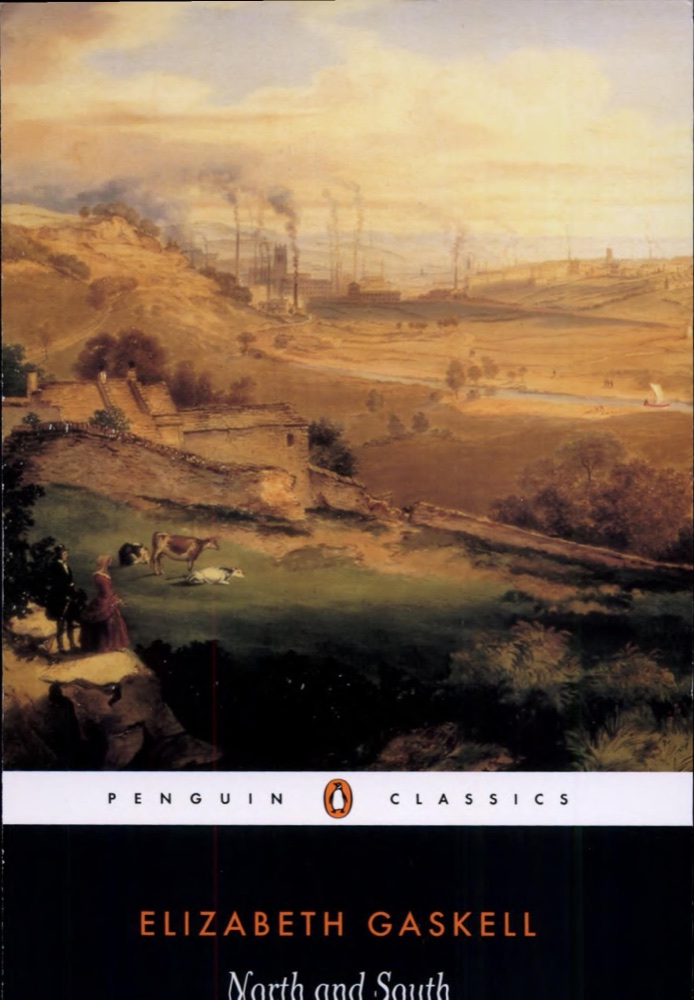 North and South
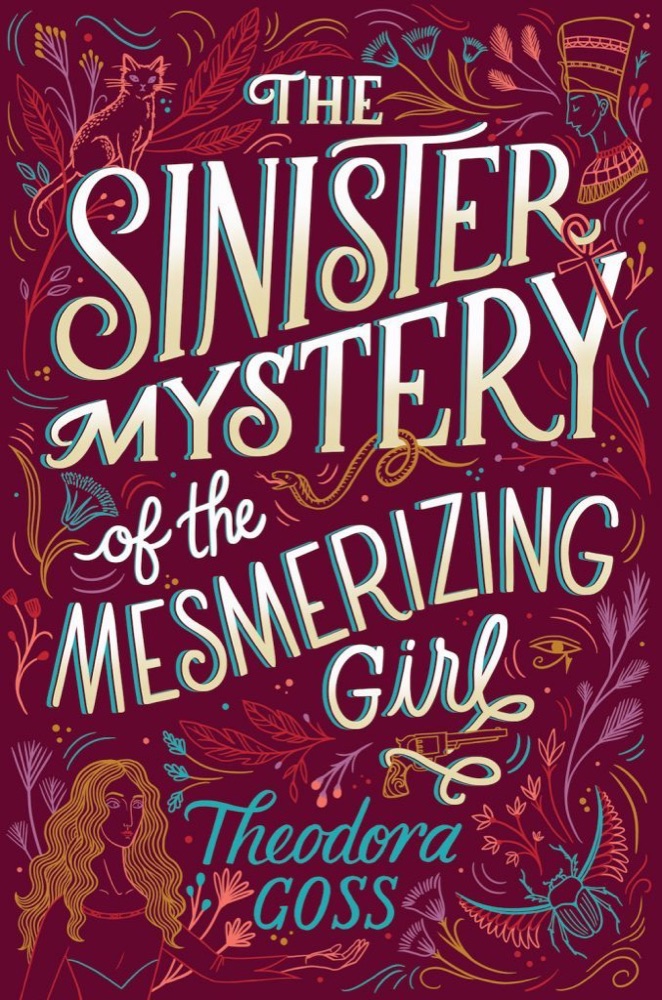 The Sinister Mystery of the Mesmerizing Girl
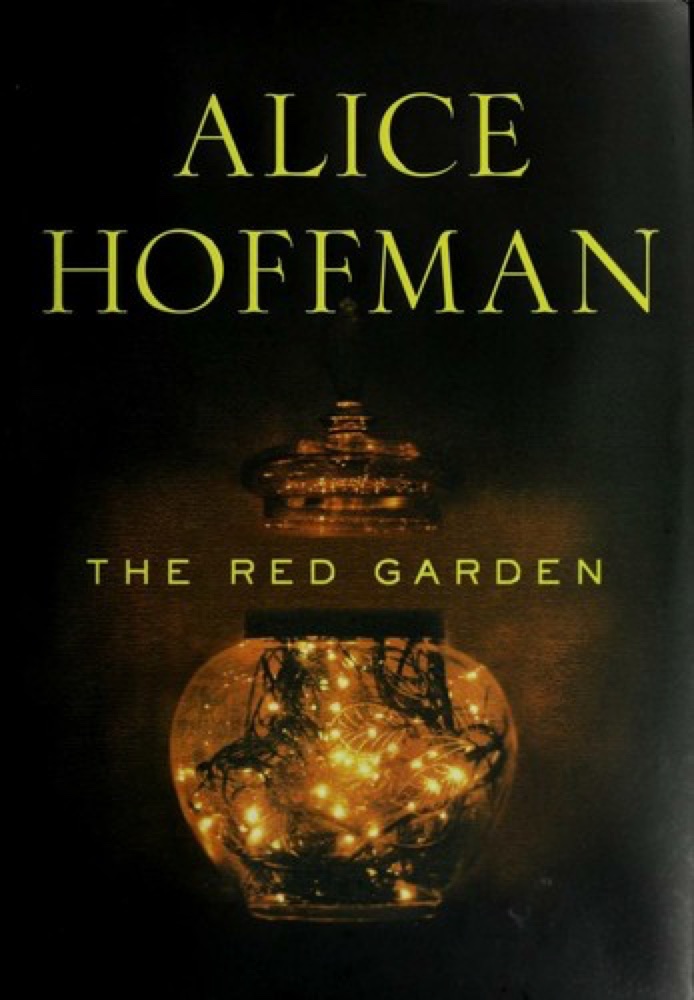 The Red Garden
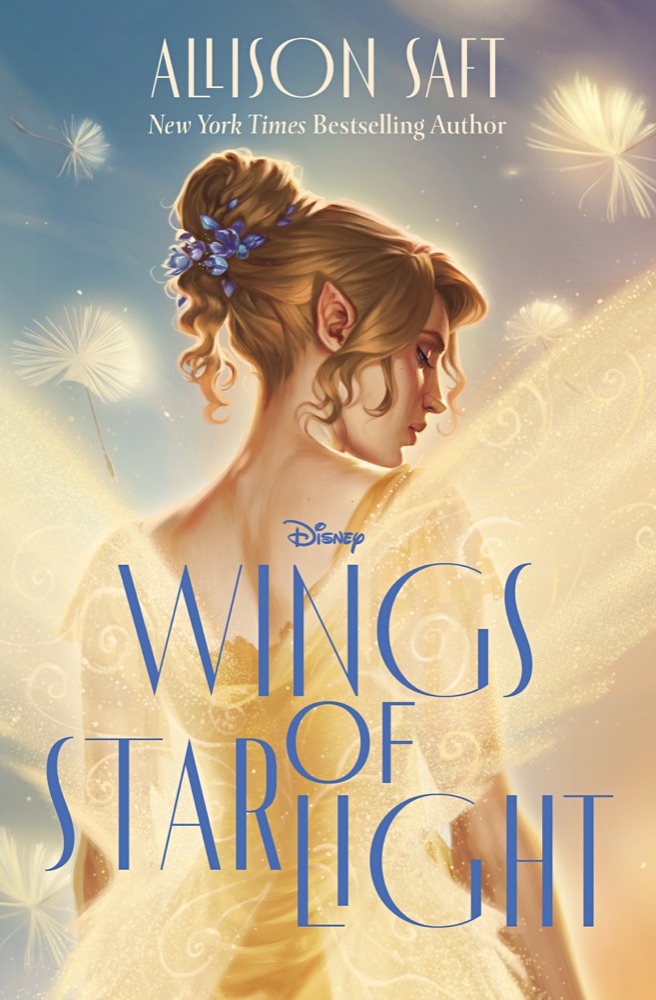 Wings of Starlight
 The Other Boleyn Girl
 Palace of Stone
 The Guardian
 The English Patient
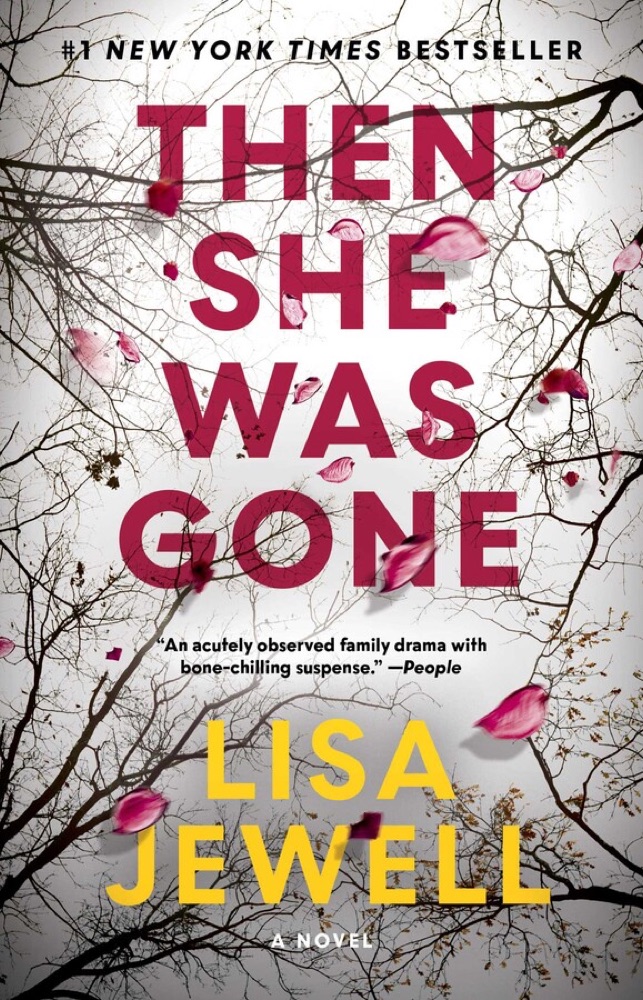 Then She Was Gone
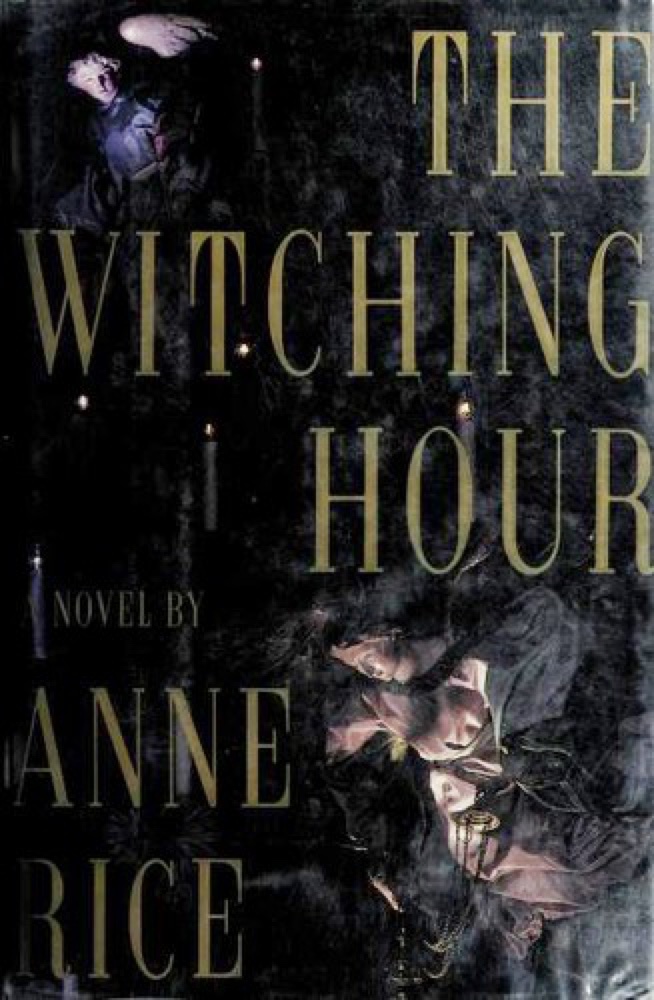 The Witching Hour
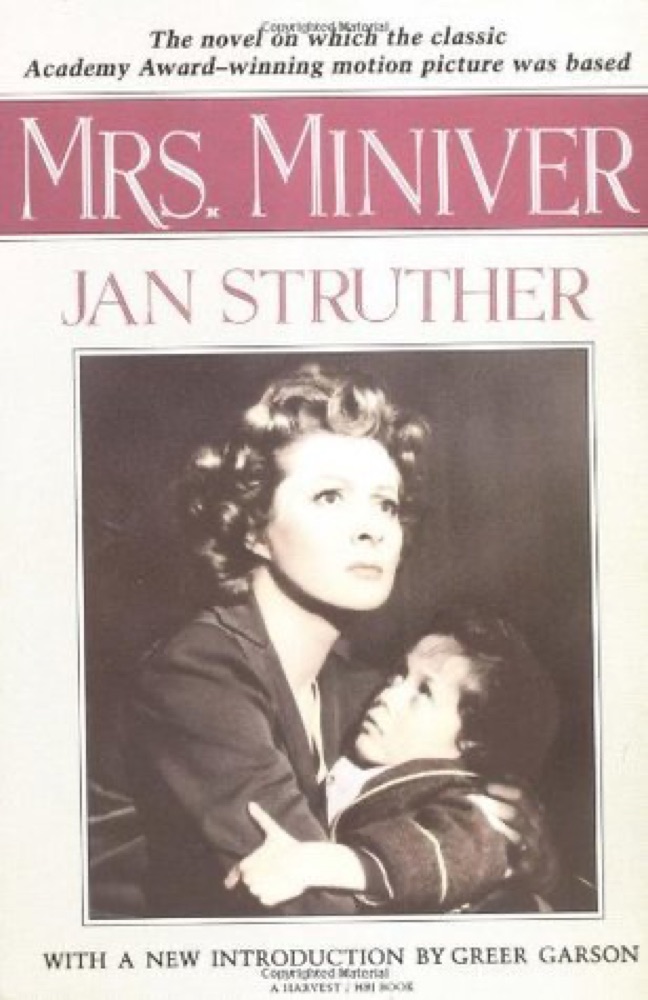 Mrs. Miniver
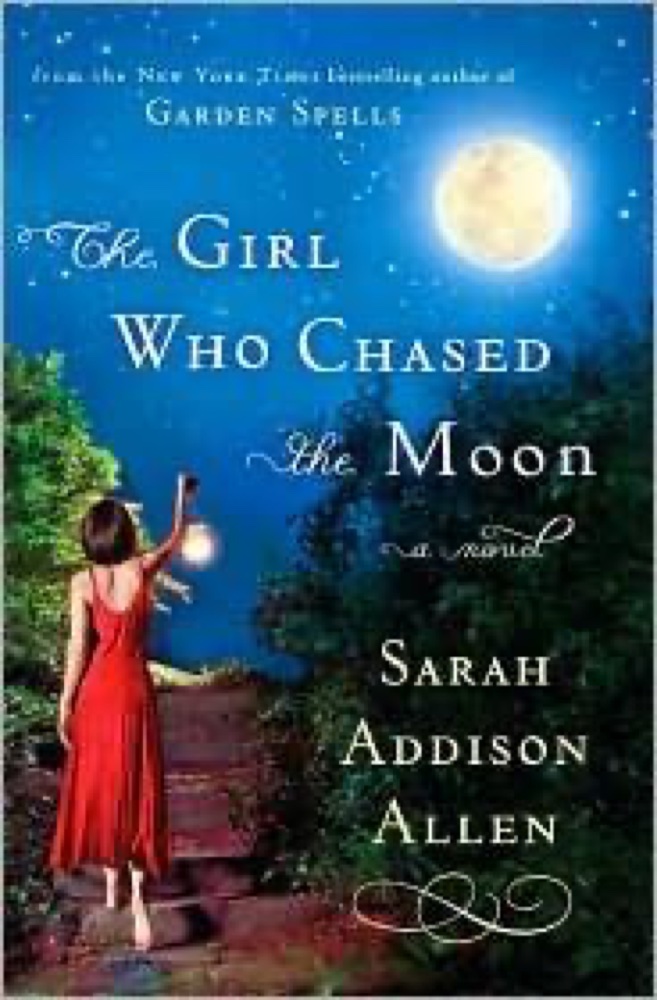 The Girl Who Chased the Moon