
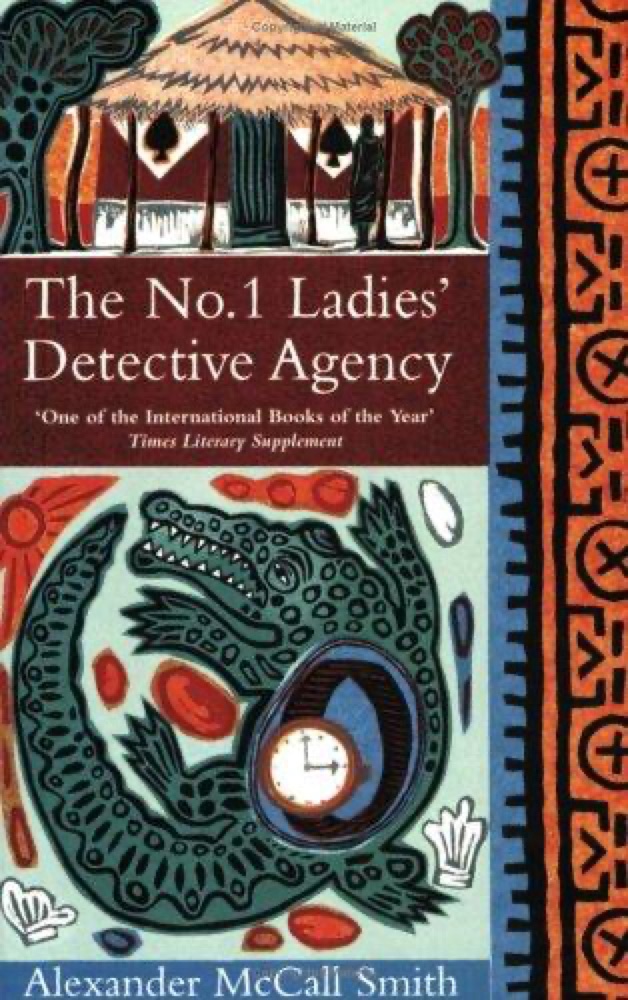
 The No. 1 Ladies' Detective Agency
Quotes from the Book
Look at those clouds," said Jamie, gazing up at the sky. "Look at them." "Yes," said Isabel. "They're very beautiful, aren't they? Clouds are very beautiful and yet so often we fail to appreciate them properly. We should do that. We should look at them and think about how lucky we are to have them." "Look at the shape of the clouds," she said. "What do you see in those beautiful clouds, Jamie?" "I see you," he said.
8
good things that we have in life are on temporary loan, at best, and can be taken away from us in an instant. The borderline between good fortune and disaster, between plenitude and paucity, between the warm hearth of love and the cold chamber of loneliness, was a narrow one. We could cross over from one to the other at any moment, as when we stumbled or fell, or simply walked over to the other side because we were paying insufficient attention to where we were.
2
all the good things that we have in life are on temporary loan, at best, and can be taken away from us in an instant.
1
Those important brain circuits, the ones that enabled most of us to avoid saying the wrong thing, were simply not there in Martha's case; or fired in the wrong order; or were short-circuiting. In other words, Martha Drummond was an electrical problem. And understanding people as electrical problems undoubtedly helped one to tolerate them.
1
She imagined what it must be like to have Charlie's mind - to believe that red shoes are faster then other shoes; to believe, as he did, that ducks could drive fire engines and that pigs built houses out of bricks and straw. There were plenty of people who weren't three-and-three-quarters who believed equally implausible things...and when to war over them.
1
was pure privilege that determined where so many of us ended up in life, Isabel reflected; it was nothing to do with merit, it was privilege. Or, putting it another way, it was a matter of accident, or luck.
Doing the right thing, she knew, was often not as enjoyable as doing the wrong thing. The wrong thing often made for a better story, but it was still the wrong thing--nothing could change that.
She was struck by the naked effrontery of it--an effrontery that was there, she supposed in all deliberate crime. By his acts, the criminal effectively said to the victim: You don't matter.
...honesty required one to remind oneself that when there were bills to be paid, an offer of money was harder to reject than when there were no such bills. Other people's money, we tell ourselves, is always less deserved than our own.
But then one thing you did learn with the passage of time was not to ask too many questions. That was the difference, she decided, between being twenty and being forty. That, and other things, of course.
Charity begins at home. Was that a narrow, selfish adage or was it simply an inescapable, bedrock fact of life in human society? Does the one in need on your doorstep have a greater claim than the one in need in a distant country--if the level of need in each case is exactly the same?
... 'You can't read everything. I've never got beyond the beginning of Proust. I love him, but I can't seem to get beyond about page three.' They were comfortable in each other's company, and this confession seemed to accentuate the ease of their relationship. The confession itself was not entirely true; Isabel had read more Proust than that, but other people undoubtedly found it reassuring to think that one had only read a few pages. Certainly those who claimed to have read Proust in his entirety got scant sympathy from others. And yet, she suddenly wondered, should you actually lie about how much Proust you've read? Some politicians, she reminded herself, did that--or the equivalent--when they claimed to be down-to-earth, no-nonsense types, just like the voters, when all the time they were secretly delighting in Proust . . .
a word, as often happens, can be like a musical worm in the mind and invite repetition. But
Her eyes went to the shelves that stretched up to within a few inches of the ceiling. All four walls were covered; piles of books stood here and there, teetering, vulnerable, she judged, to the slightest footfall. “But who doesn’t have a lot of unread books? It’s nice, though, just to know that they’re there.” He
Isabel smiled. She liked a conversation that went in odd directions; she liked the idea of playfulness in speech. People could be so depressingly literal. Jamie
Innocency: what a wonderful word, and different, in some indefinable way, from innocence. The difference, she thought, lay in the poetry.
Even a battlefield can be peaceful, can be a place for flowers to grow, for children to play; the memories, the sadness, are within us, not part of the world about us.
So one might cry for everything that was wrong with the world, for all the injustice and crudity and cruelty, for all the things that are stolen from people.
But only if youses shift yoursels and get in.” He used the demotic plural of you, a common feature of speech in Scotland.
It was pure privilege that determined where so many of us ended up in life, Isabel reflected; it was nothing to do with merit, it was privilege. Or, putting it another way, it was a matter of accident, or luck.
As she spoke, Isabel found herself thinking of the power of words. A single word, a phrase, a sentence or two could have such extraordinary power; could end a world, break a heart or, as in this case, consign another to moral purdah.
Penury was a matter of hard chairs and mean cushions; prosperity—old money—was a matter of feathers: an absurd reductionist view of it, but at times quite strikingly true.
But who doesn’t have a lot of unread books? It’s nice, though, just to know that they’re there.
but to the north there was a bank of cirro-cumulus, a mackerel sky, or Schaefchenwolken—“sheep cloud”—as she remembered her father calling it. For some reason he had used German when talking about clouds and sea conditions; an odd habit that she had accepted as just being one of the things he did. “The weather,” he had once said to her, smiling, “is German. I don’t know why; it just is. Sorry.
That would have been taken out of the Munrowe voice two or three generations ago through being educated at schools that modelled themselves on the English public-school system, even if they were in Scotland.
We all have people in our lives we don’t really choose as friends but with whom we’re, well, lumbered, I suppose. Heart-sink friends.
Martha simply did not know that virtually everything she said was inappropriate, and so there was no point in remonstrating with her.
The physical world—the world of stone and brick—is indifferent to our suffering, to our dramas, she thought. Even a battlefield can be peaceful, can be a place for flowers to grow, for children to play; the memories, the sadness, are within us, not part of the world about us.
But who doesn't have a lot of unread books? It's nice, though, to know they are there.
How do you calibrate pain?” asked Jamie. “By cutting out the background pain of the world,” answered Isabel. “By cutting all that out, not registering it, and responding only to those painful things that we can do something about. Because otherwise …
Watch on YouTube
About Alexander McCall Smith
We have collected 451 quotes from 19 books by Alexander McCall Smith on BookQuoters.
More about the author →More by Alexander McCall Smith
The No. 1 Ladies' Detective Agency
 Dream Angus: The Celtic God of Dreams
 The Geometry of Holding Hands
 The Novel Habits of Happiness
About the book
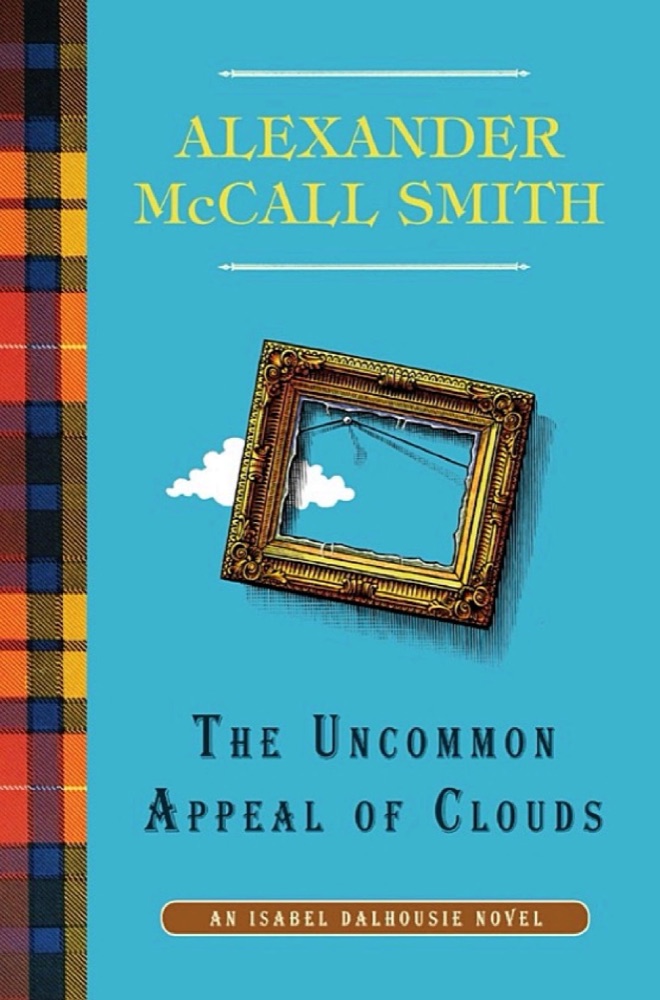
ISABEL DALHOUSIE - Book 9Nothing captures the charm of Edinburgh like the bestselling Isabel Dalhousie series of novels featuring the insatiably curious philosopher and woman detective. Whether investigating a case or a problem of philosophy, the indefatigable Isabel Dalhousie, one of fiction’s most richly developed amateur detectives, is always ready to pursue the answers to all of life’s questions, large and small.In this latest installment of Alexander McCall Smith’s endearing Isabel Dalhousie series, the Edinburgh philosopher and amateur sleuth answers an unexpected appeal from a wealthy Scottish collector who has been robbed of a valuable painting.One afternoon over coffee at Cat’s delicatessen, a friend of Isabel’s shares a call for help from Duncan Munrowe. Crafty thieves have stolen a prized painting from his collection, a work by the celebrated French artist Nicolas Poussin tha
Book details
- First published
- 2012
- Author
- Alexander McCall Smith
- Genre
- Fiction
- Goodreads rating
- 3.78 (5k ratings)
Keep reading
The Novel Habits of Happiness
 Too Much Happiness: Stories
 NW
NW
 Old Babes in the Wood: Stories
 Out of Oz
 The Fraud
 Homecoming
 The Cat Who Saved the Library
 In an Absent Dream
 What Is Not Yours Is Not Yours
The Geometry of Holding Hands
What Is Not Yours Is Not Yours
The Geometry of Holding Hands
 The Children's Book
 Tess of the D'Urbervilles
 The Book of Love
 Bleak House
 The Post-Birthday World
 Journey to Munich
 The Marriage Plot
 Stone Mattress: Nine Tales
 A Slow Fire Burning
 The Christie Affair
 Checkout 19
 The Golden Tresses of the Dead
 Birds of America
 The Blythes Are Quoted
 The Jewel in the Crown
 Howards End
 The Story of the Lost Child
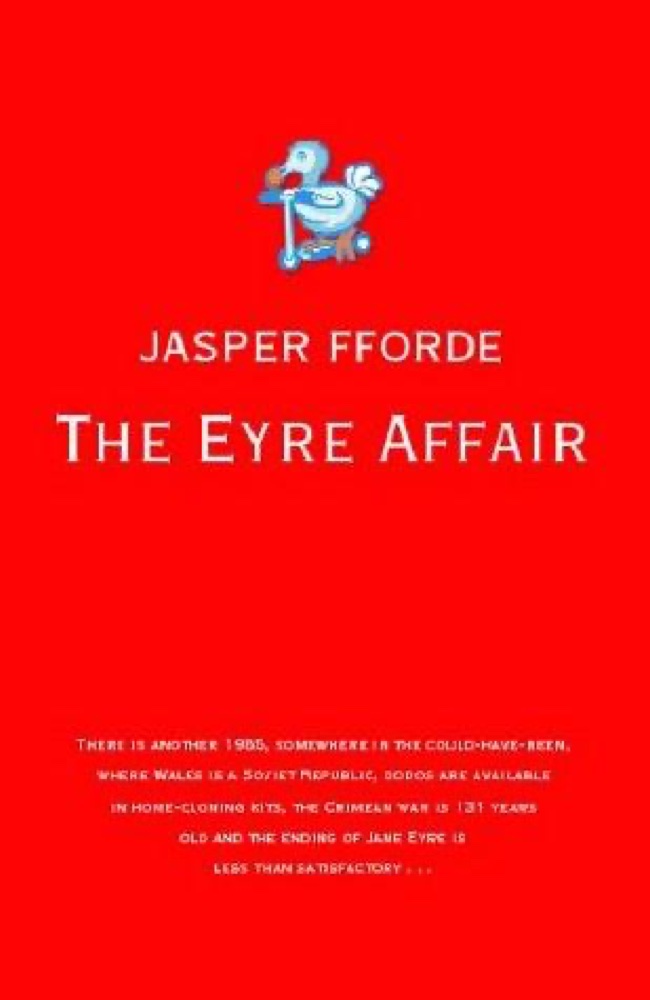 The Eyre Affair
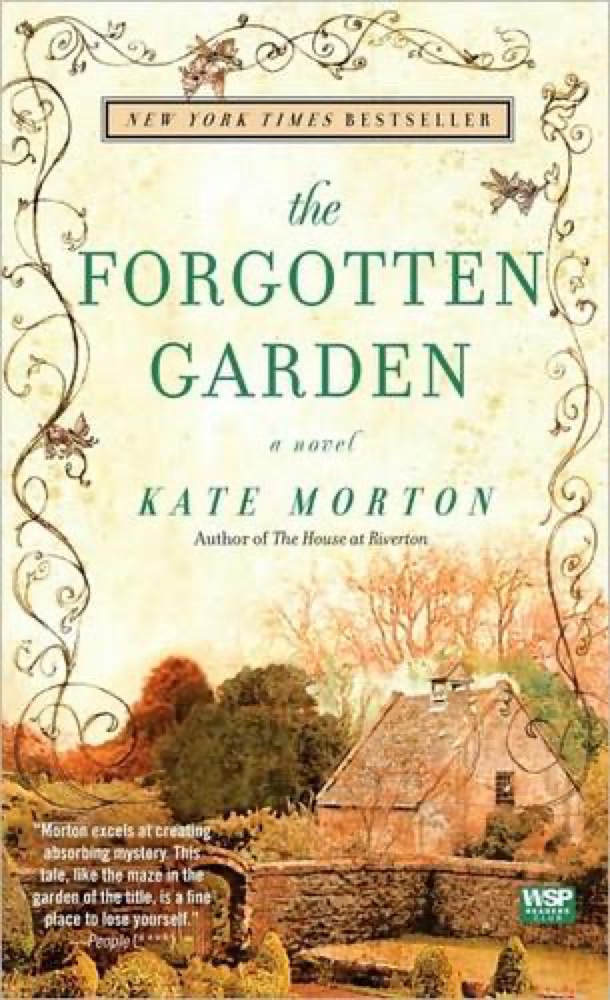 The Forgotten Garden
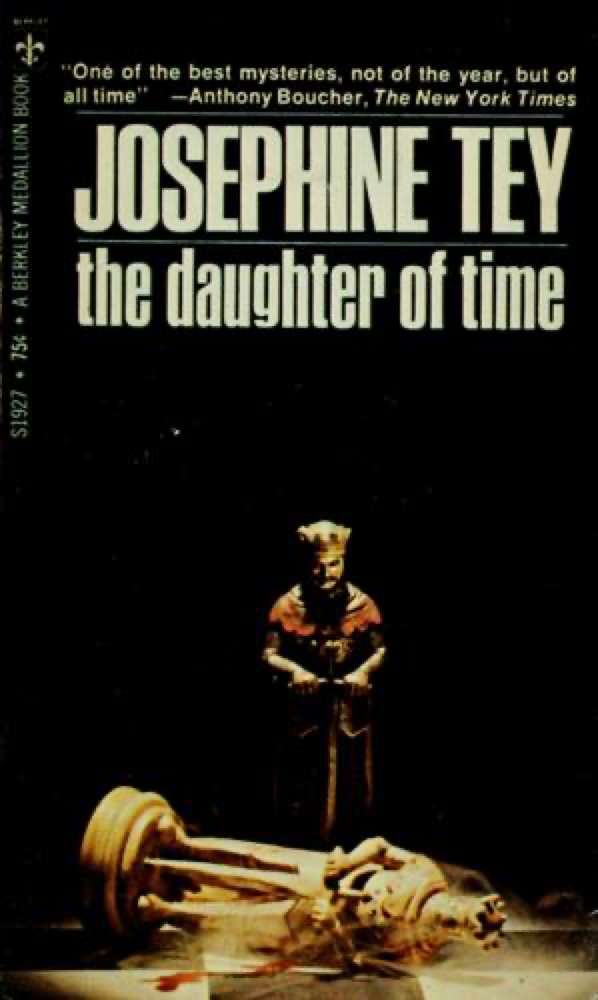 The Daughter of Time
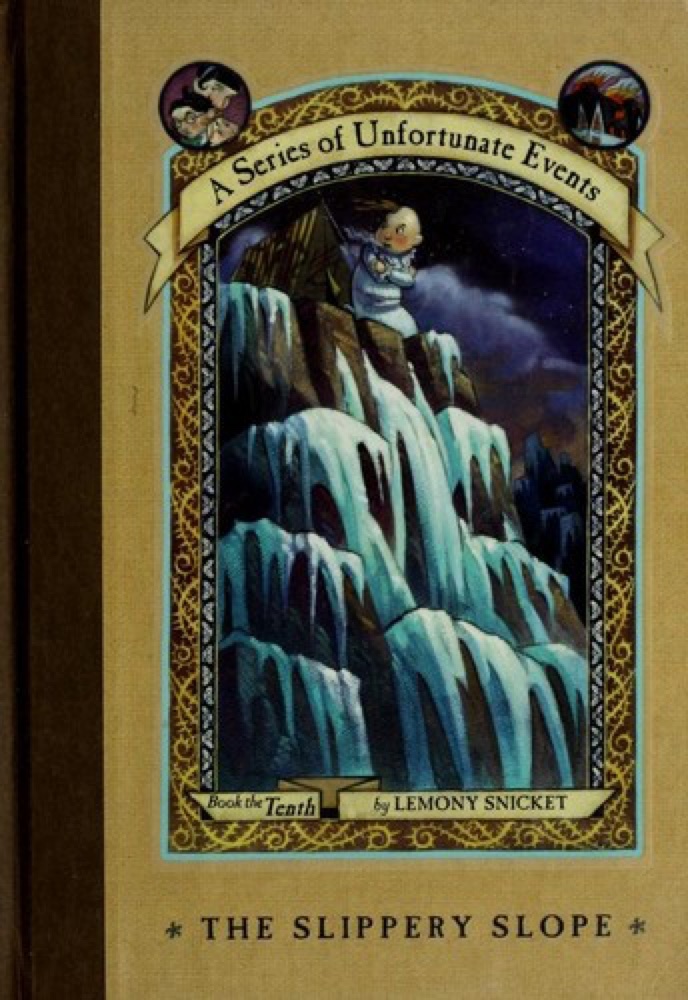 The Slippery Slope
 The Woman Who Walked in Sunshine
 The Moonstone
 The Rescue
 A Widow for One Year
 The Life of Charlotte Brontë
 The Book of Goose
 The Children Act
 The Song of the Lark
 House of Trelawney
 When Women Were Dragons
 Library of Souls
 Honey, Baby, Sweetheart
 A Lion Among Men
 Winter
 The Mill on the Floss
 The Clockmaker's Daughter
 The Swan Thieves
 A Brightness Long Ago
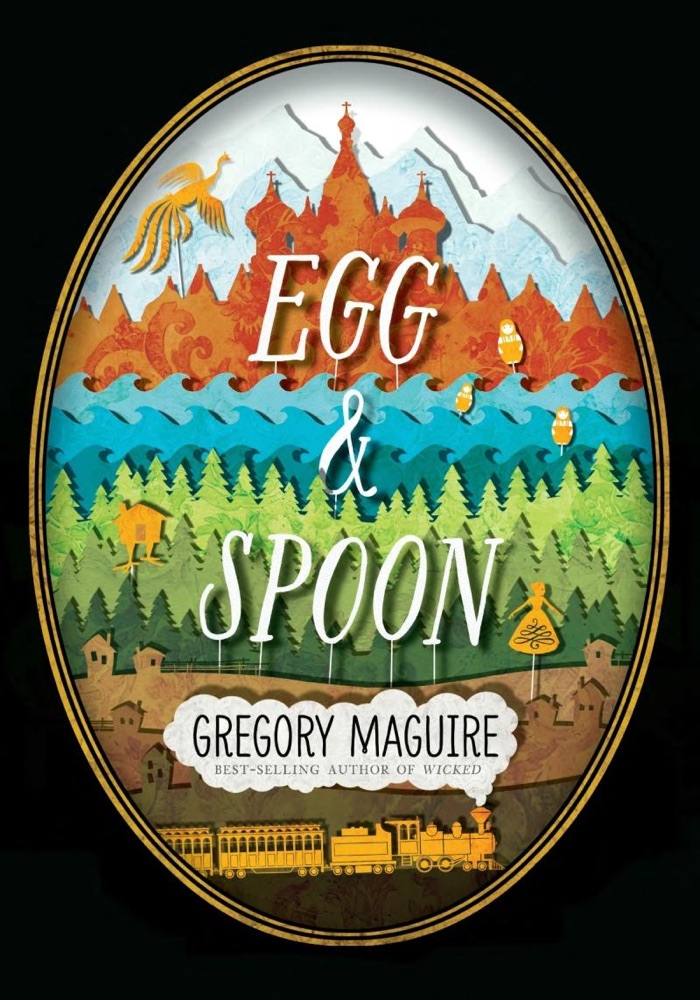 Egg & Spoon
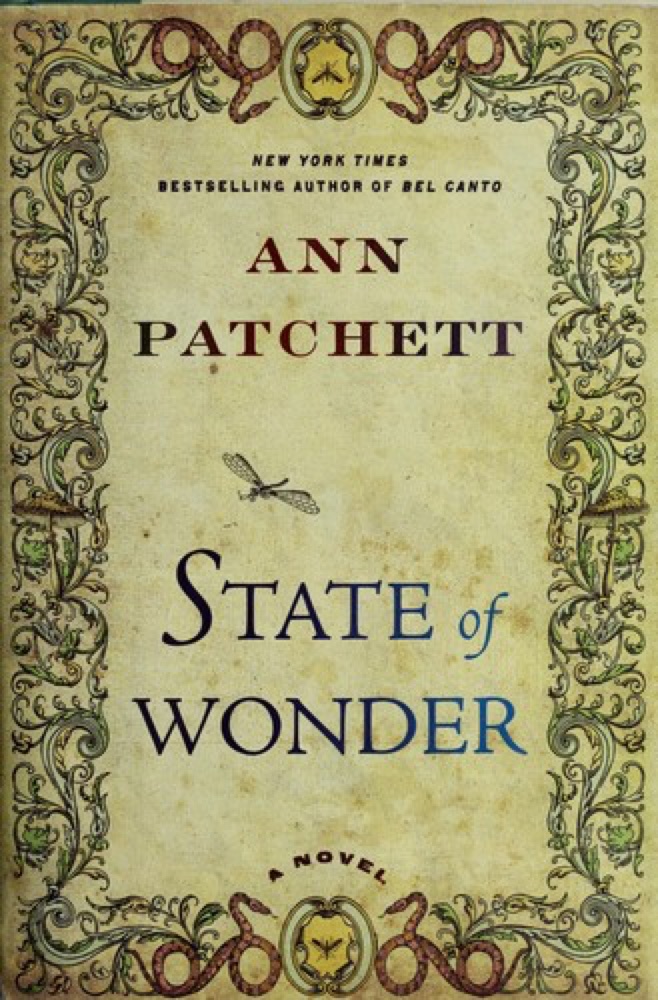 State of Wonder
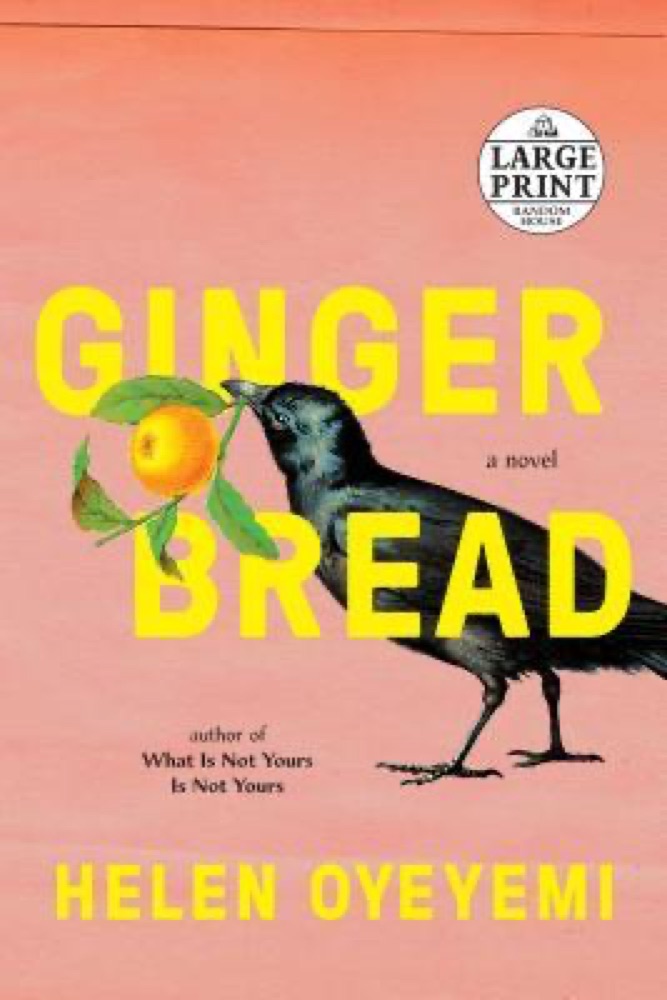 Gingerbread
 Main Street
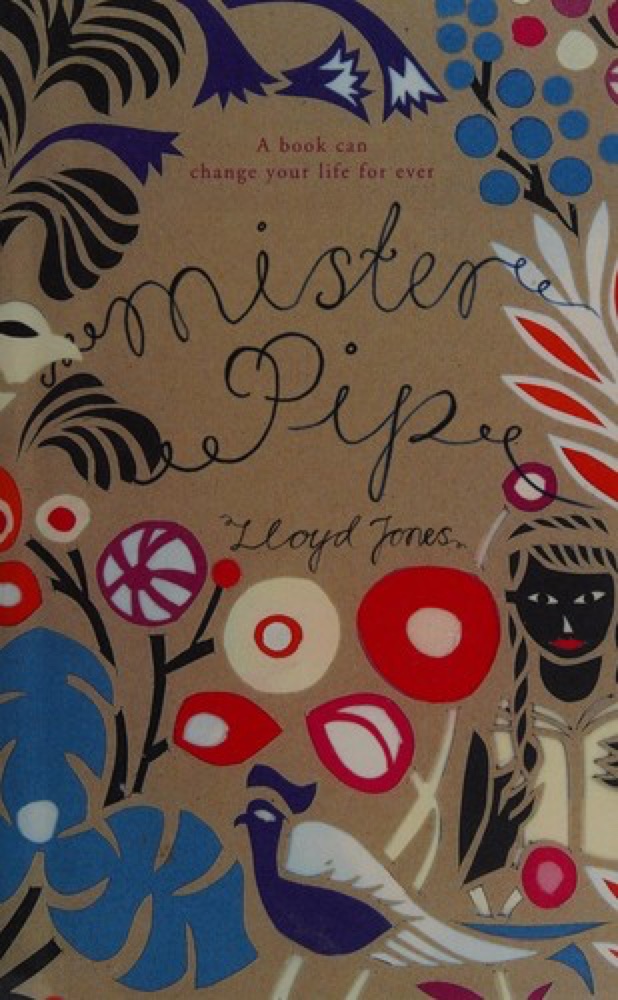 Mister Pip
 The Book That Broke the World
 The French Lieutenant's Woman
 Agnes Grey
 These Precious Days: Essays