

 The Girl on the Train
Quotes from the Book
Everything is material. And comedy equals tragedy plus time. Isn’t that how it goes?
11
Angela was a vandal when it came to books: a cracker of spines, a dog-earer of pages, a scribbler in margins.
8
That we were all so happy. It seems unimaginable. All that happiness, wrecked.
7
Accidents do happen, and they especially happen to drunks, but mother and son, eight weeks apart? In fiction, that would never stand.
6
Miriam had lost the talent for friendship when she was young, and once gone, it was a difficult thing to recover. Like loneliness, the absence of friendship was self-perpetuating: the harder you tried to make people like you, the less likely they were to do so; most people recognized right away that something was off, and they shied away.
6
He captured movement, he registered nuance, he was empathetic on the page in a way he never seemed to achieve in real life.
5
She glimpsed, opening up in front of her, the possibility of a quite different life from the one she currently led, a far richer (in the cultural sense), more peopled life.
5
Nobody felt eighty. When Irene considered it, she thought that she probably felt somewhere around thirty-five. Forty, maybe. That was a good age to feel, wasn’t it? You knew who you were then. You weren’t still flighty or unsure, but you had not yet had time to harden, to become unyielding.
4
She needed to tell him that she’d looked at his latest piece of writing too, that she didn’t like it, all the to-ing and fro-ing, all that jumping around in the timeline. Like the last one, the awful crime thing. Just start at the beginning, for God’s sake.
3
Irene had read in a newspaper article that the happiest people on earth were unmarried childless women. She could see why—there was a lot to be said for that sort of freedom, for not being answerable to anyone, for living exactly how you pleased. Only, once you’d fallen in love you could never be truly free, could you? It was too late by then.
2
When they’re born,” she said, her hand resting on the door handle, “you hold them, and you imagine a glorious, golden future. Not money or success or fame or anything like that, but happiness. Such happiness! You’d see the world burn if only it meant they would be happy.
2
The truth was that you felt a certain way inside, and while the people who had known you your whole life would probably see you that way, the number of new people who could appreciate you as that person, that inside person, rather than just a collection of the frailties of age, was limited.
2
fulfilling their expectations of the aged: sitting in a chair in a room, alone, musing on the past, on former glory, on missed opportunities, on the way things used to be. On dead people.
2
So uneventful, she remembered almost nothing of it except for an oddly sepia-toned mental image of a terraced house on a narrow street, the sensation of dry, scratchy lawn beneath her feet in summer. Her memory seemed only to bloom into full color from around the age of nine,
2
There, in her imagination, was everything Irene feared—seeing herself reduced to a cliché of old age, a person without agency, without hope or future or intention, sitting by herself in a comfortable chair with a blanket over her knees, in the waiting room of death.
2
You do far more exercise when you have a dog. It gets you out of the house, you know it does;
1
who knew the price of everything and the value of nothing
1
Carla was the sort of woman who knew the price of everything and the value of nothing.
1
If you showed up to a work do with Ben, they’d give you a medal for father of the year. If I do it, they’ll say she can’t cope, her mind’s not on the job, there’s no way she can handle any more than she already does.
1
Did you know?
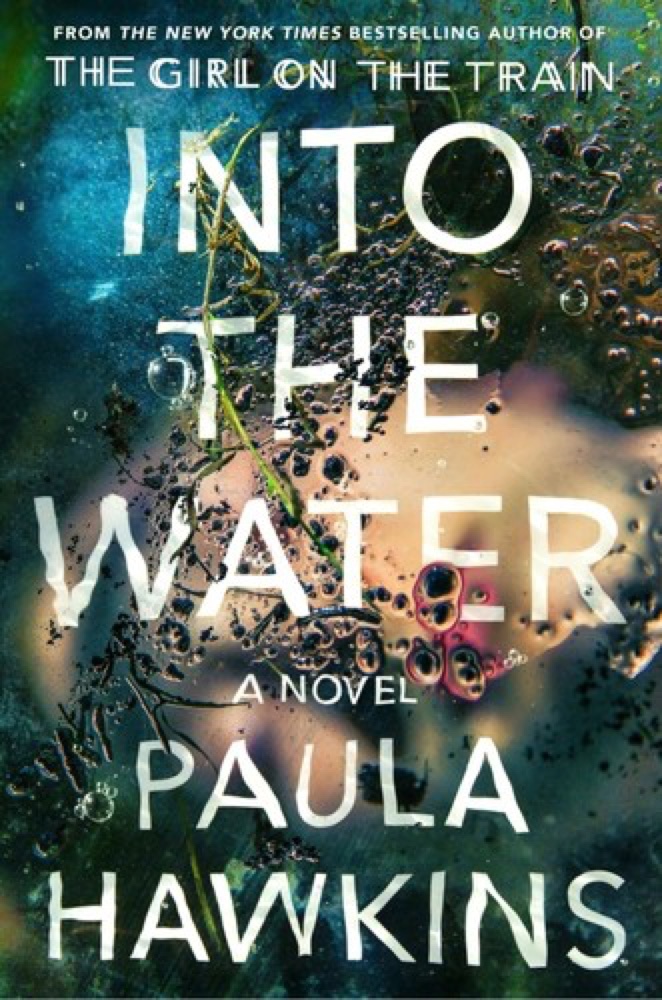
- It is Paula Hawkins's third standalone thriller, following "The Girl on the Train" (2015) and "Into the Water" (2017).
- The U.S. hardcover was published by Riverhead Books on August 31, 2021.
- The novel opens with an epigraph drawn from Emily Skaja's poem "My History As."
- Much of the story is set in and around the canals and houseboats of London.
- A subplot centers on a novelist accused of having appropriated another person's real-life story for his fiction.
About Paula Hawkins
Paula Hawkins is a British author, born in Zimbabwe in 1972, who worked as a journalist before turning to fiction. She became internationally known for her 2015 debut thriller "The Girl on the Train," a global bestseller adapted into a film.
More about the author →More by Paula Hawkins
About the book
"A Slow Fire Burning" is the third standalone psychological thriller from Paula Hawkins, author of "The Girl on the Train." When a young man named Daniel Sutherland is found stabbed to death on a London houseboat, suspicion falls on three women connected to him: Laura, a troubled young woman last seen leaving his boat; Carla, his grieving aunt; and Miriam, a nosy neighbour who discovered the body and is keeping her own secrets from the police. The narrative weaves between their points of view as the investigation peels back layers of buried grief, resentment, and long-held trauma.
At its core the novel is preoccupied with how people are shaped by past wounds and the stories told about them. Hawkins explores grief, the corrosive power of resentment, the unreliability of memory and narrative, and the ways women are judged and dismissed. A recurring motif is the act of storytelling itself, including a subplot involving a successful novelist accused of appropriating someone else's life story, which lets Hawkins probe questions of authorship, ownership, and truth.
The book was a commercial success, debuting at the top of bestseller lists and drawing on Hawkins's established readership after "The Girl on the Train" and "Into the Water." Critical reception was mixed-to-positive: reviewers praised its intricate plotting, complex characters, and emotional depth, while some, including Kirkus, noted that the multiple-perspective structure makes for a confusing or slow opening before the threads cohere.
Key characters
- LauraA troubled young woman, the last person seen leaving the victim's houseboat
- CarlaThe victim's grieving aunt, recently bereaved by another family death
- MiriamA secretive neighbour who discovers the body
- Daniel SutherlandThe young man found murdered on the houseboat
- Theo MyersonA well-known novelist and Carla's estranged husband, Daniel's uncle
Book details
- First published
- 2021
- Length
- 320 pages
- Reading time
- 6 hours
- Author
- Paula Hawkins
- Genre
- Thriller
- Goodreads rating
- 3.50 (183k ratings)
- First line
- “Blood-sodden, the girl staggers into the black.”
Critical reception
- Debuted as a bestseller, building on the success of Hawkins's earlier thrillers.
- Reviewers praised its complex characters and intricate, layered plotting.
- Kirkus Reviews noted the novel gets off to a confusing start due to its shifting points of view.
- Carried advance praise from authors including Lee Child and Kate Mosse.
Keep reading
 A Reliable Wife
 Too Much Happiness: Stories
 Juliet, Naked
 The Paying Guests
 NW
NW
 Case Histories
 Birds of America
 Summer Island
 The Husband's Secret
 After Leaving Mr. Mackenzie
 Mystic River
 Still Life with Bread Crumbs
 Then She Was Gone
 Nine Perfect Strangers
 Distant Shores
 Stone Mattress: Nine Tales
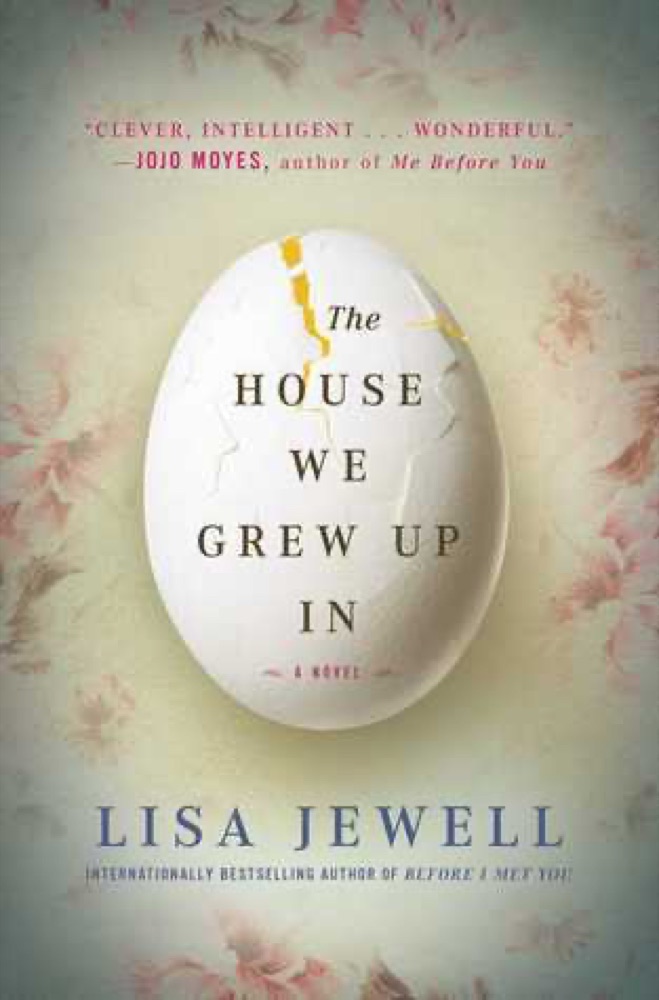 The House We Grew Up In
 The Children Act
 Idaho
Idaho
 The Expats
 Ordinary Human Failings
 The Post-Birthday World
 The Story of a New Name
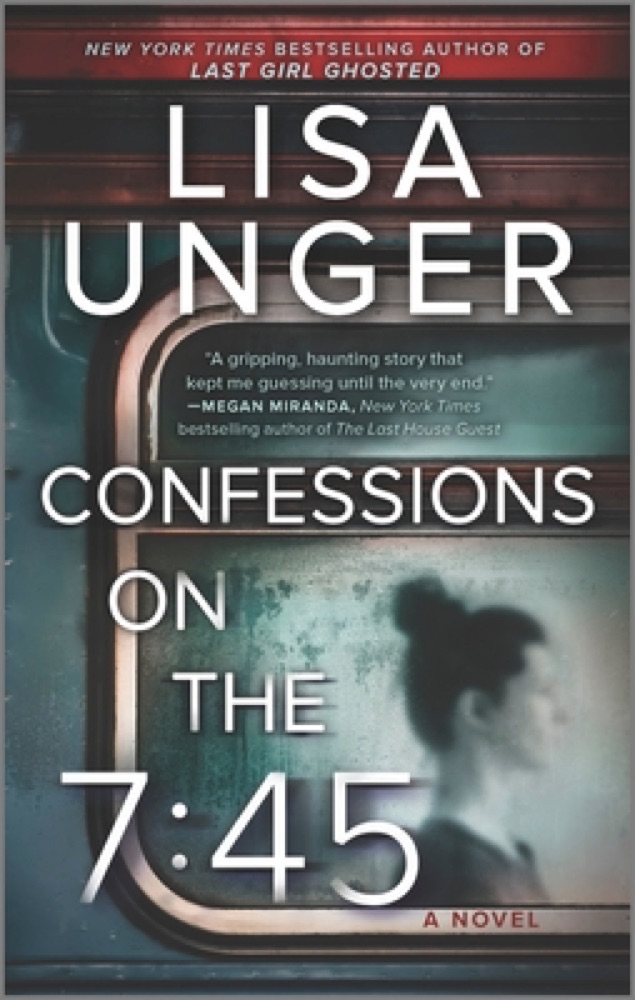 Confessions on the 7:45
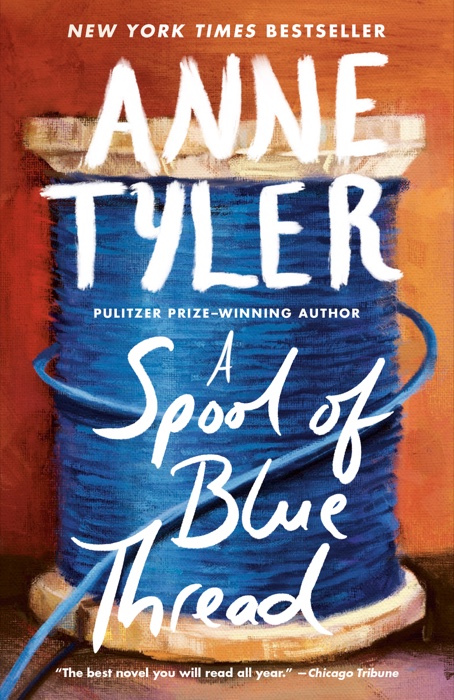 A Spool of Blue Thread
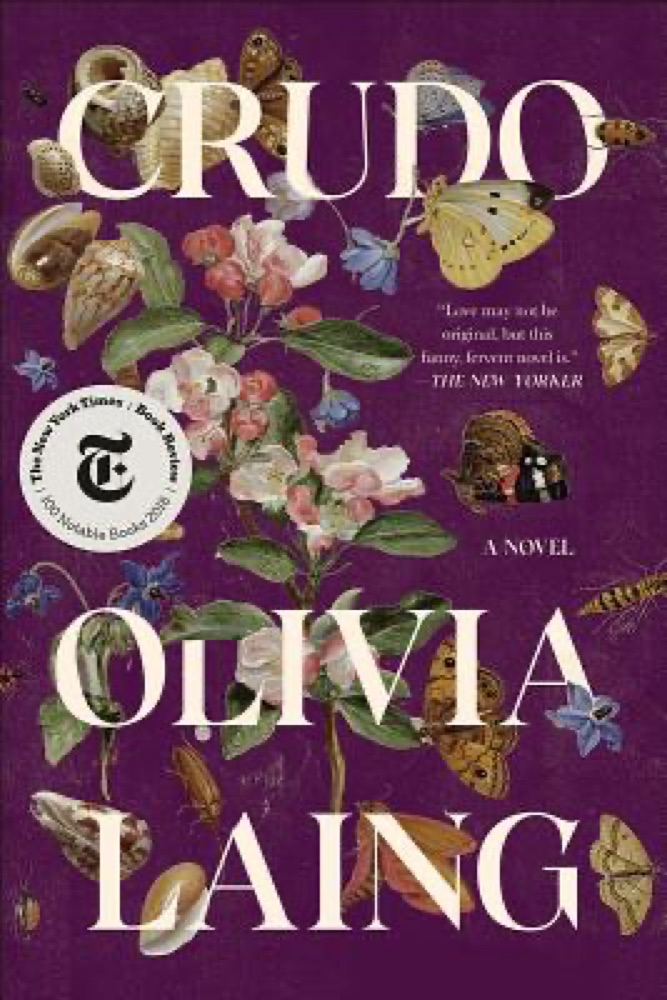 Crudo
Crudo
 Somebody Else's Daughter
 Three Wishes
 What Is Not Yours Is Not Yours
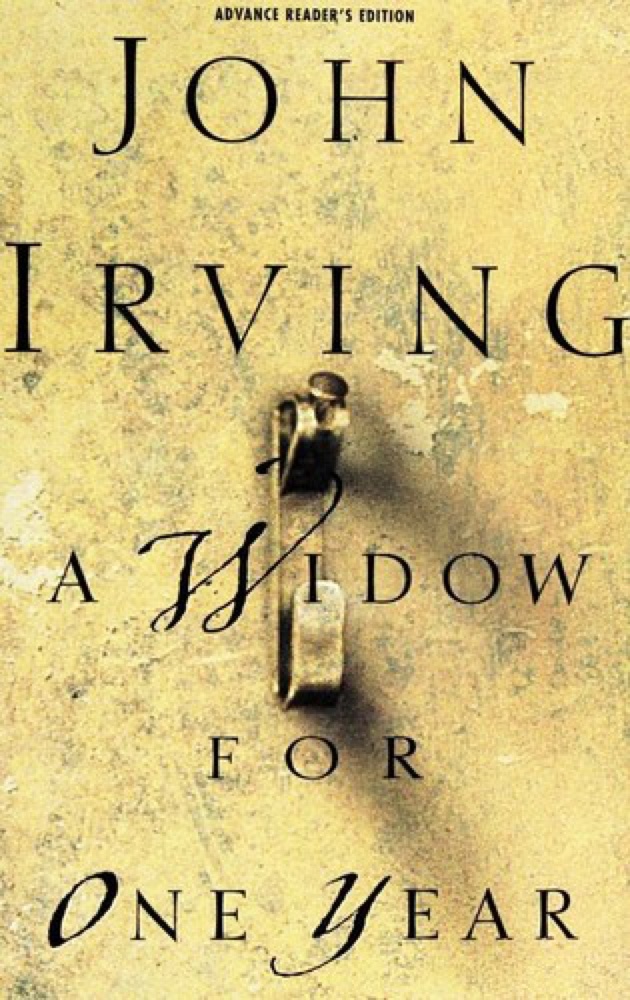 A Widow for One Year
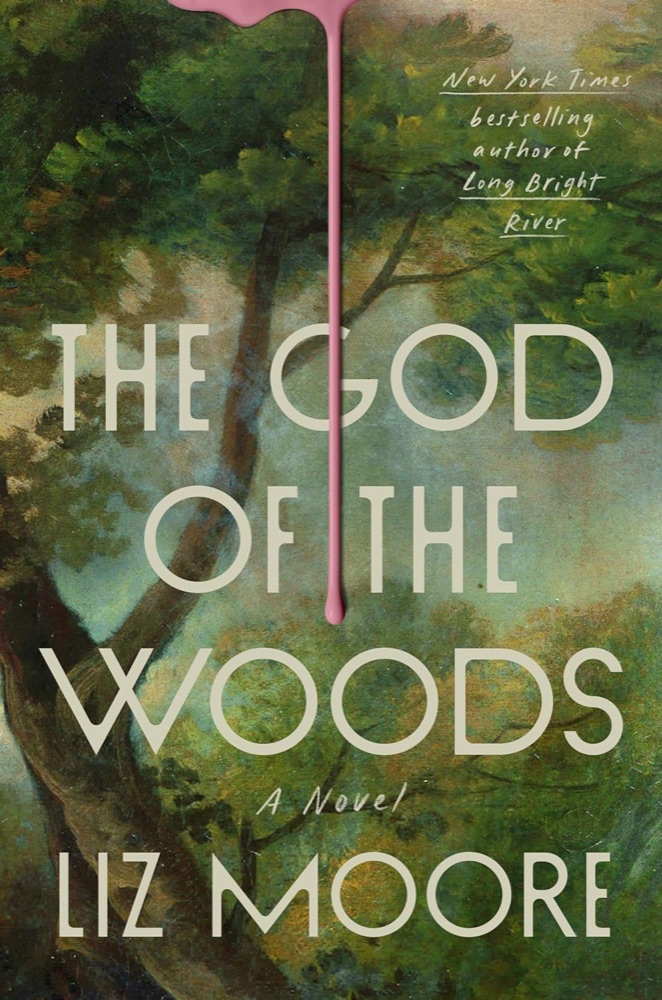 The God of the Woods
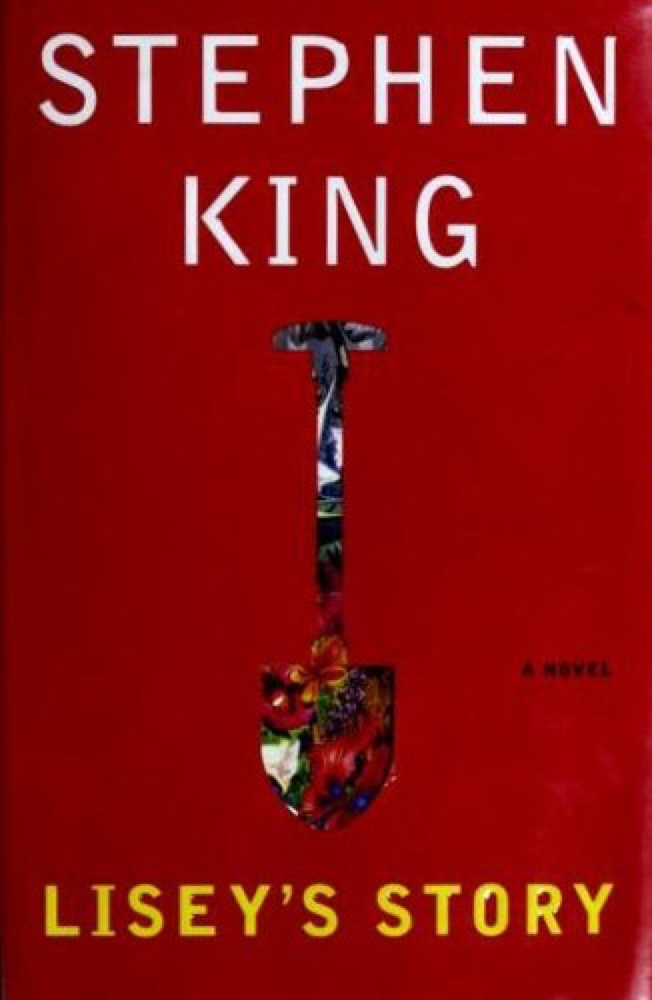 Lisey's Story
 The House of Mirth
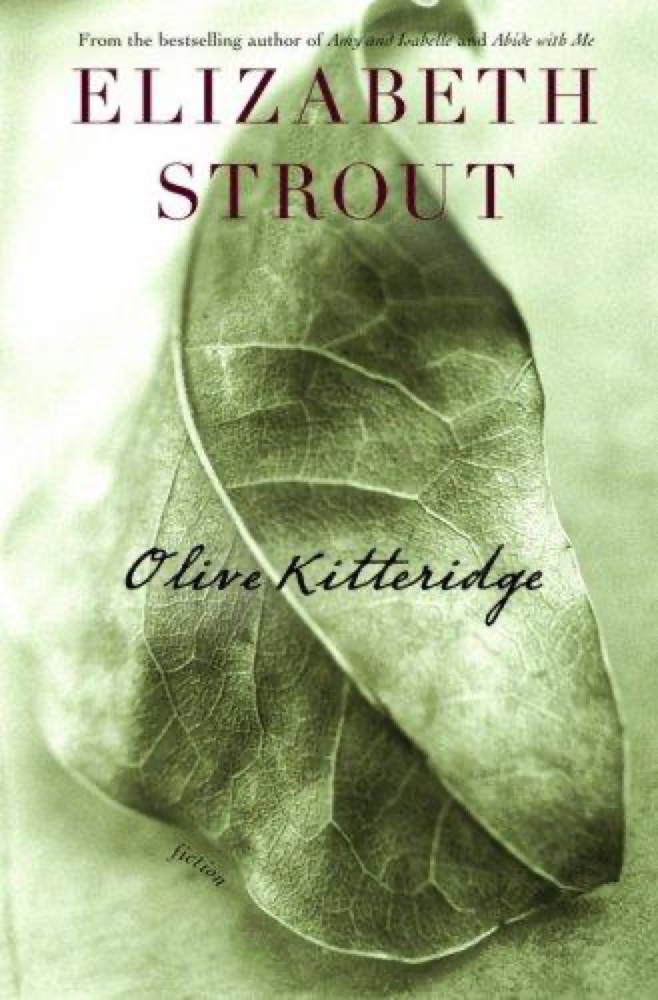 Olive Kitteridge
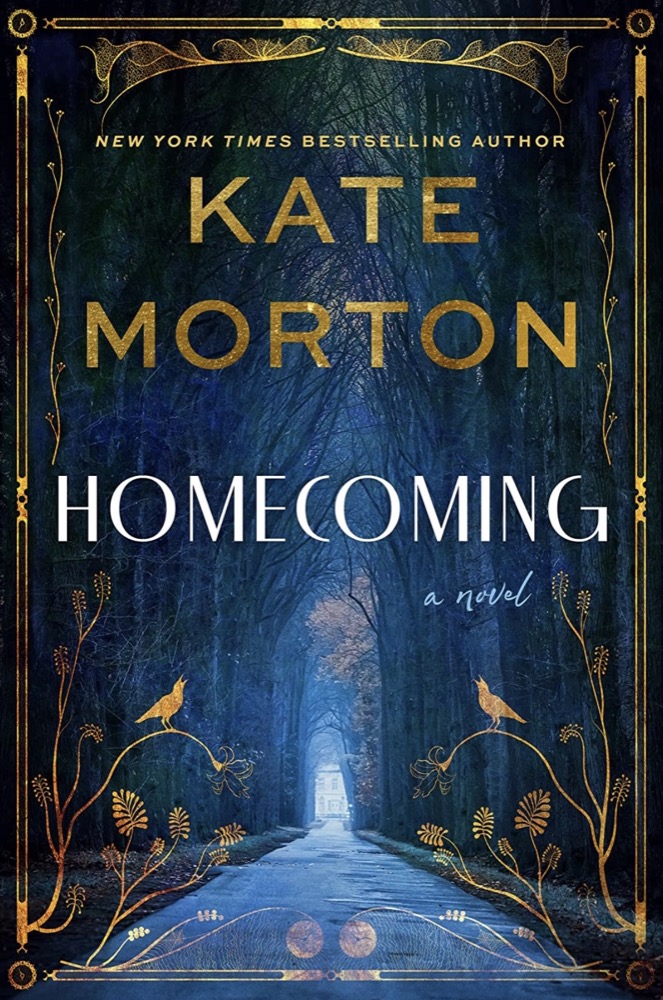 Homecoming
 Anagrams
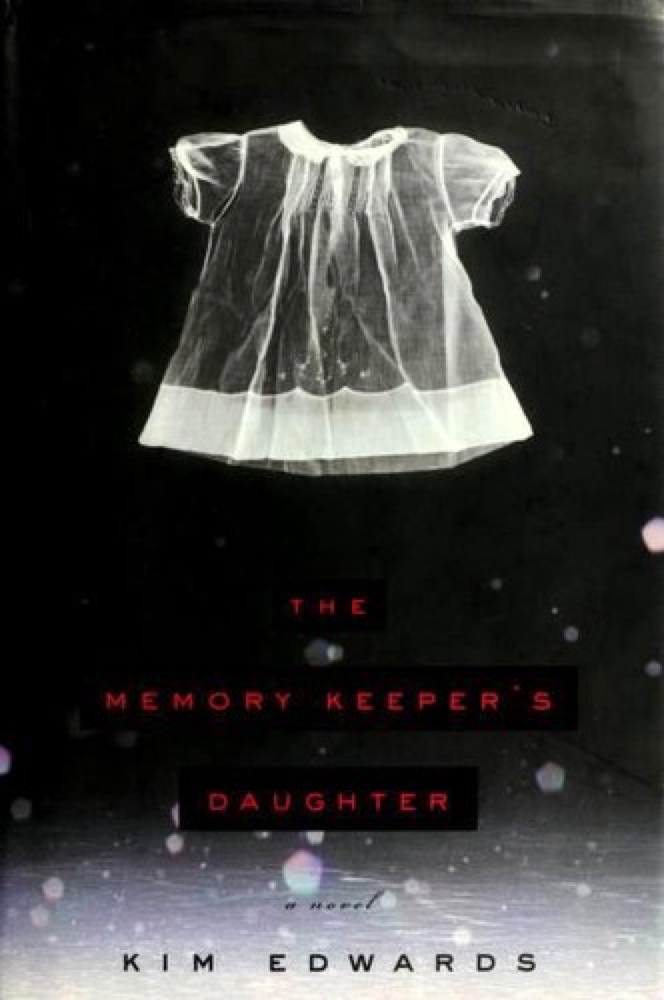 The Memory Keeper's Daughter
 Down Cemetery Road
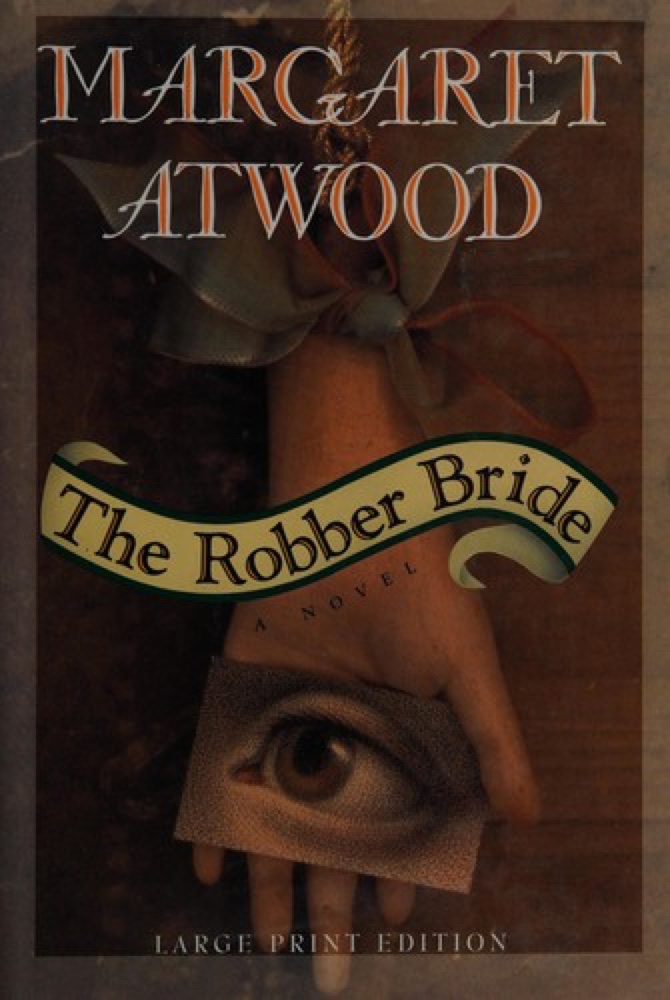 The Robber Bride
 Of Women and Salt
 The Third Hotel
 Forever in Blue: The Fourth Summer of the Sisterhood
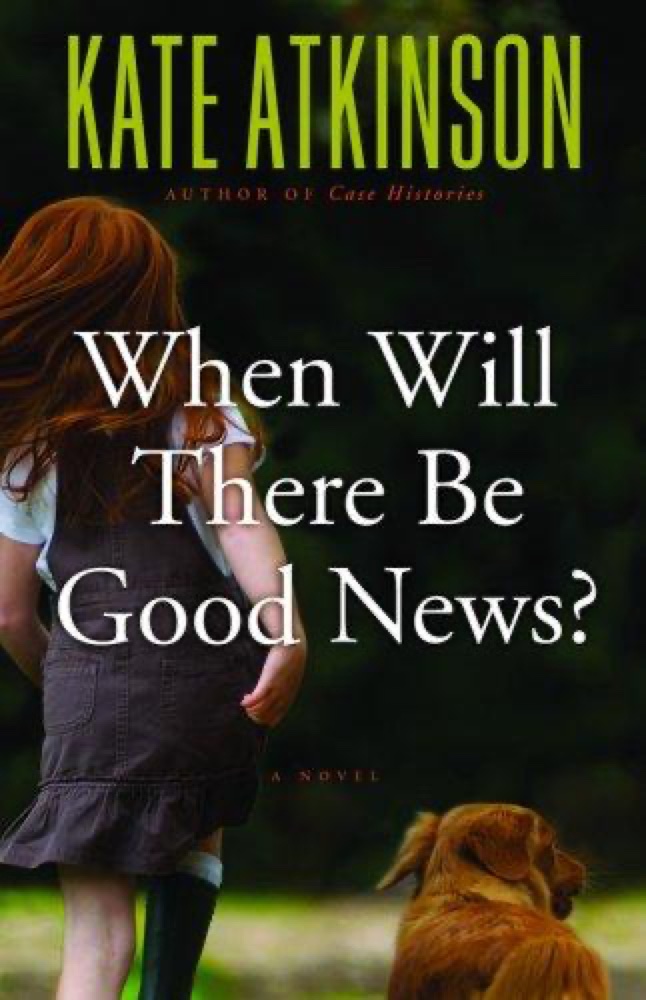 When Will There Be Good News?
 Leave the World Behind
 Instructions for a Heatwave
 The Guest
 Mislaid
 The Marriage Plot
 The Nest
 Dream Count
 The Unfinished Journals of Elizabeth D
 They Call Her Dirty Sally
 Little Fires Everywhere
 The Shell Seekers
 I Hold a Wolf by the Ears: Stories
 Old Babes in the Wood: Stories
 Dept. of Speculation
 My Brilliant Friend
 Ink Blood Sister Scribe