

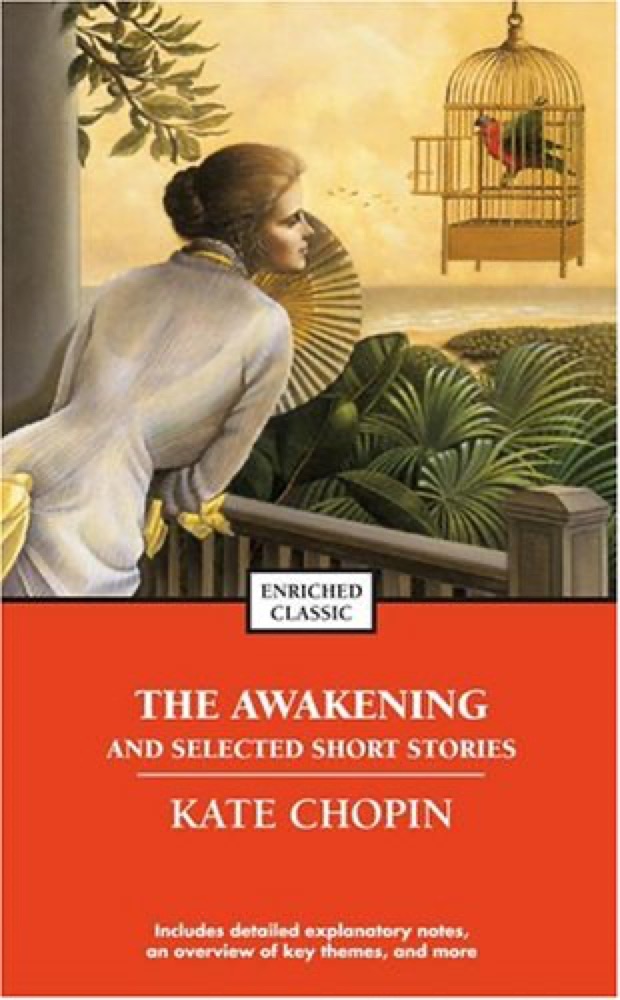
 The Awakening and Selected Stories
Quotes from the Book
The voice of the sea speaks to the soul.
The voice of the sea is seductive, never ceasing, whispering, clamoring, murmuring, inviting the soul to wander in abysses of solitude.
but whatever came, she had resolved never again to belong to another than herself.
The bird that would soar above the level plain of tradition and prejudice must have strong wings. It is a sad spectacle to see the weaklings bruised, exhausted, fluttering back to earth.
She was becoming herself and daily casting aside that fictitious self which we assume like a garment with which to appear before the world.
I would give up the unessential; I would give up my money, I would give up my life for my children; but I wouldn't give myself. I can't make it more clear; it's only something I am beginning to comprehend, which is revealing itself to me.
There were days when she was very happy without knowing why. She was happy to be alive and breathing, when her whole being seemed to be one with the sunlight, the color, the odors, the luxuriant warmth of some perfect Southern day. She liked then to wander alone into strange and unfamiliar places. She discovered many a sunny, sleepy corner, fashioned to dream in. And she found it good to dream and to be alone and unmolested. There were days when she was unhappy, she did not know why—when it did not seem worth while to be glad or sorry, to be alive or dead; when life appeared to her like a grotesque pandemonium and humanity like worms struggling blindly toward inevitable annihilation.
Even as a child she had lived her own small life within herself. At a very early period she had apprehended instinctively the dual life - that outward existence which conforms, the inward life which questions.
He could see plainly that she was not herself. That is, he could not see that she was becoming herself and daily casting aside that fictitious self which we assume like a garment with which to appear before the world.
The bird that would soar above the level plain of tradition and prejudice must have strong wings.
But the beginning of things, of a world especially, is necessarily vague, chaotic, and exceedingly disturbing. How few of us ever emerge from such beginning! How many souls perish in its tumult! The voice of the sea is seductive; never ceasing, whispering, clamoring, murmuring, inviting the soul to wander for a spell in abysses of solitude; to lose itself in mazes of inward contemplation. The voice of the sea speaks to the soul. The touch of the sea is sensuous, enfolding the body in its soft, close embrace.
She was still under the spell of her infatuation. She had tried to forget him, realizing the inutility of remembering. But the thought of him was like an obsession, ever pressing itself upon her. It was not that she dwelt upon details of their acquaintance, or recalled in any special or peculiar way his personality; it was his being, his existence, which dominated her thought, fading sometimes as if it would melt into the mist of the forgotten, reviving again with an intensity which filled her with an incomprehensible longing.
The voice of the sea is seductive; never ceasing, whispering, clamoring, murmuring, inviting the soul to wander for a spell in abysses of solitude; to lose itself in mazes of inward contemplation. The voice of the sea speaks to the soul. The touch of the sea is sensuous, enfolding the body in its soft, close embrace.
We shall be everything to each other. Nothing else shall be of any consequence.
She turned her face seaward to gather in an impression of space and solitude, which the vast expanse of water, meeting and melting with the moonlit sky, conveyed to her excited fancy. As she swam she seemed to be reaching out for the unlimited in which to lose herself.
It was not despair, but it seemed to her as if life were passing by, leaving its promises broken and unfulfilled. Yet there were other days when she listened, was led on and deceived by fresh promises which her youth had held out to her.
...when I left her to-day, she put her arms around me and felt my shoulder blades, to see if my wings were strong, she said. 'The bird that would soar above the level plain of tradition and prejudice must have strong wings. It is a sad spectacle to see the weaklings bruised, exhausted, fluttering back to earth.'
Goodbye -- Because I love you.
A certain light was beginning to dawn dimly within her,—the light which, showing the way, forbids it.
There was a dull pang of regret because it was not the kiss of love which had inflamed her, because it was not love which had held this cup of life to her lips.
You have been a very foolish boy, wasting your time dreaming of impossible things when you speak of Mr. Pontellier setting me free! I am no longer one of Mr. Pontelliere's possessions to dispose of or not. I give myself where I choose. If he were to say, 'Here Robert, take her and be happy; she is yours,' I should laugh at you both.
Why?" asked her companion. "Why do you love him when you ought not to?" Edna, with a motion or two, dragged herself on her knees before Mademoiselle Reisz, who took the glowing face between her two hands. "Why? Because his hair is brown and grows away from his temples; because he opens and shuts his eyes, and his nose is a little out of drawing; because he has two lips and a square chin, and a little finger which he can't straighten from having played baseball too energetically in his youth. Because - " "Because you do, in short," laughed Mademoiselle.
She was moved by a kind of commiseration... a pity for that colorless existence which never uplifted its possessor beyond the region of blind contentment, in which no moment of anguish ever visited her soul, in which she would never have the taste of life's delirium.
She's got some sort of notion in her head concerning the eternal rights of women.
There was no despondency when she fell asleep that night; nor was there hope when she awoke in the morning.
For the first time, she recognized the symptoms of infatuation which she had felt incipiently as a child, as a girl in her early teens, and later as a young woman. The recognition did not lessen the reality, the poignancy of the revelation by any suggestion or promise of instability. The past was nothing to her; offered no lesson which she was willing to heed. The future was a mystery which she never attempted to penetrate. The present alone was significant; was hers, to torture her as it was doing then with the biting conviction that she had lost that which she had held, she had been denied that which her impassioned, newly awakened being demanded.
Some people are born with a vital and responsive energy. It not only enables them to keep abreast of the times; it qualifies them to furnish in their own personality a good bit of the motive power to the mad pace. They are fortunate beings. They do not need to apprehend the significance of things. They do not grow weary nor miss step, nor do they fall out of rank and sink by the wayside to be left contemplating the moving procession. Ah! that moving procession that has left me by the road-side! Its fantastic colors are more brilliant and beautiful than the sun on the undulating waters. What matter if souls and bodies are failing beneath the feet of the ever-pressing multitude! It moves with the majestic rhythm of the spheres. Its discordant clashes sweep upward in one harmonious tone that blends with the music of other worlds--to complete God's orchestra. It is greater than the stars--that moving procession of human energy; greater than the palpitating earth and the things growing thereon. Oh! I could weep at being left by the wayside; left with the grass and the clouds and a few dumb animals. True, I feel at home in the society of these symbols of life's immutability. In the procession I should feel the crushing feet, the clashing discords, the ruthless hands and stifling breath. I could not hear the rhythm of the march. Salve! ye dumb hearts. Let us be still and wait by the roadside.
one who awakens gradually out of a dream, a delicious, grotesque, impossible dream, to feel again the realities pressing into her soul
Does he write to you? Never a line. Does he send you a message? Never a word. It is because he loves you, poor fool, and is trying to forget you, since you are not free to listen to him or to belong to him.
The city atmosphere certainly has improved her. Some way she doesn't seem like the same woman.
Did you know?
- The novel was first published on April 22, 1899, by Herbert S. Stone & Co.
- Chopin's original working title for the book was A Solitary Soul.
- On publication the novel was harshly criticized for its frank depiction of female sexual desire.
- The Awakening was largely neglected for decades before being rediscovered in the 1960s as an early feminist classic.
- The story is set among Louisiana Creole society on Grand Isle and in New Orleans.
About Kate Chopin
Kate Chopin (1850-1904) was an American author of short stories and novels based in Louisiana, best known for her 1899 novel The Awakening. She is considered a forerunner of American feminist literature for her writing about women's desires and autonomy.
More about the author →More by Kate Chopin
The Awakening and Selected Stories
 The Story of an Hour
About the book
The Awakening is an 1899 novel by the American writer Kate Chopin, set among Louisiana Creole society on Grand Isle and in New Orleans. It follows Edna Pontellier, a wife and mother who, during a summer vacation on the Gulf, begins to question the roles of marriage and motherhood that have defined her life. As she grows close to the young Robert Lebrun and discovers her own desires and capacity for independence, Edna gradually withdraws from the expectations placed on her by her husband and her society.
Chopin's novel explores solitude, female autonomy, sexuality, and the tension between individual longing and social constraint. Music, the sea, and the sensuous landscape of the Gulf recur as catalysts for Edna's inner transformation, while figures such as the independent pianist Mademoiselle Reisz and the devoted mother Adele Ratignolle represent contrasting paths available to women of the era.
On its release the book was widely condemned for its frank treatment of a woman's sexual and emotional independence, and it damaged Chopin's reputation during her lifetime. Rediscovered and reassessed in the mid-twentieth century, The Awakening is now regarded as a landmark of early American feminist literature and a classic of the period.
Key characters
- Edna PontellierThe protagonist, a wife and mother who rebels against conventional expectations
- Leonce PontellierEdna's businessman husband, largely oblivious to her unhappiness
- Robert LebrunA charming young man with whom Edna falls in love
- Mademoiselle ReiszAn independent, unmarried pianist and artist
- Adele RatignolleEdna's friend, embodying traditional motherhood and womanhood
- Alcee ArobinA seducer with whom Edna has a brief affair
Book details
- First published
- 1899
- Length
- 303 pages
- Reading time
- 3 hours
- Author
- Kate Chopin
- Genre
- Classics
- Goodreads rating
- 3.69 (232k ratings) →
- First line
- “A green and yellow parrot, which hung in a cage outside the door, kept repeating over and over: "Allez vous-en! Allez vous-en! Sapristi! That's all right!"”
Movie & TV adaptations
- IMDb
- IMDb
If you liked this, read…
- 1Madame BovaryAnother 19th-century novel of a discontented wife seeking passion beyond marriage
- 2The Yellow WallpaperA contemporaneous work about a woman constrained by domestic and gender expectations
- 3The Story of an HourChopin's own short story exploring a wife's sudden sense of freedom
Keep reading
The Awakening and Selected Stories
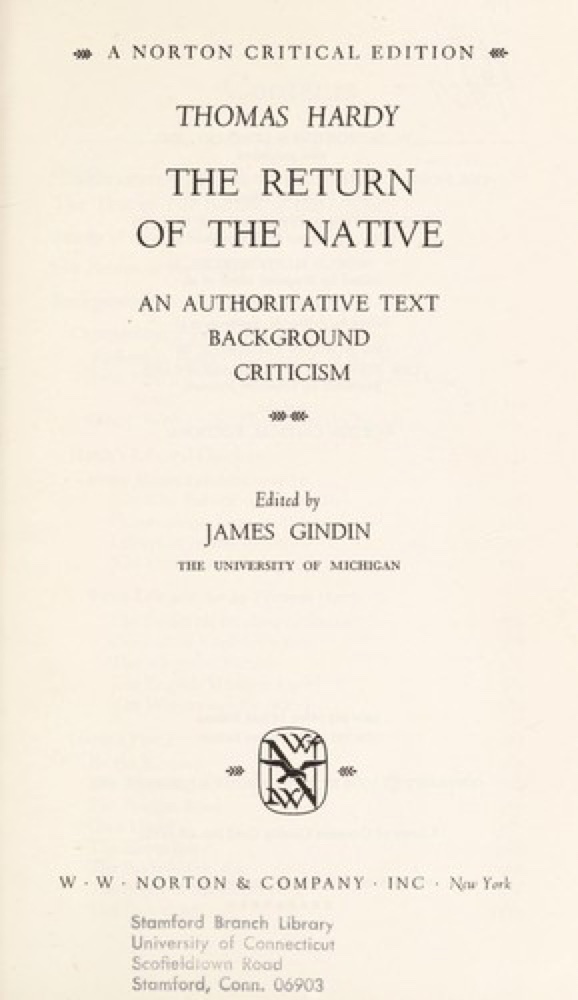 The Return of the Native
 Atonement
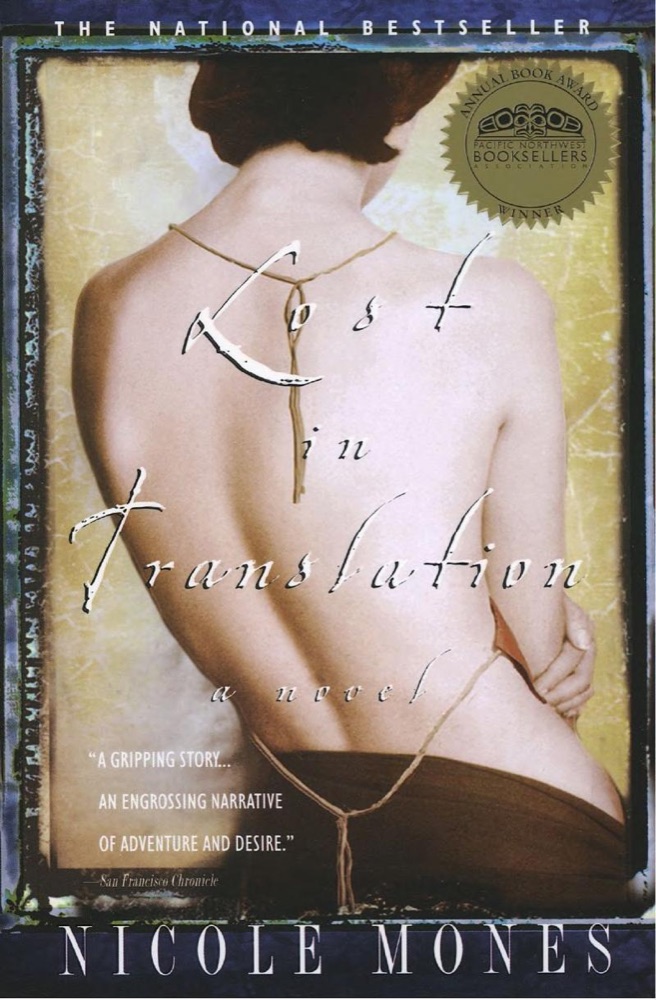 Lost in Translation
 To the Lighthouse
 Night and Day
 The English Patient
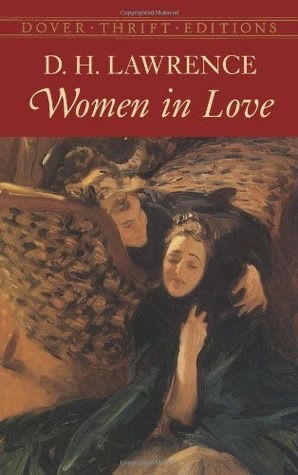 Women in Love
 Mrs. Dalloway
 Devotion
 Green Dolphin Street
 A Reliable Wife
 The Scarlet Letter
 The Wings of the Dove
 Now Is the Time to Open Your Heart
 Madame Bovary
 Tess of the D'Urbervilles
 The Well of Loneliness
 The Song of the Lark
 The Portrait of a Lady
 Phantastes
 The Daughter of Doctor Moreau
 After Leaving Mr. Mackenzie
 The Vegetarian
 The Rainbow
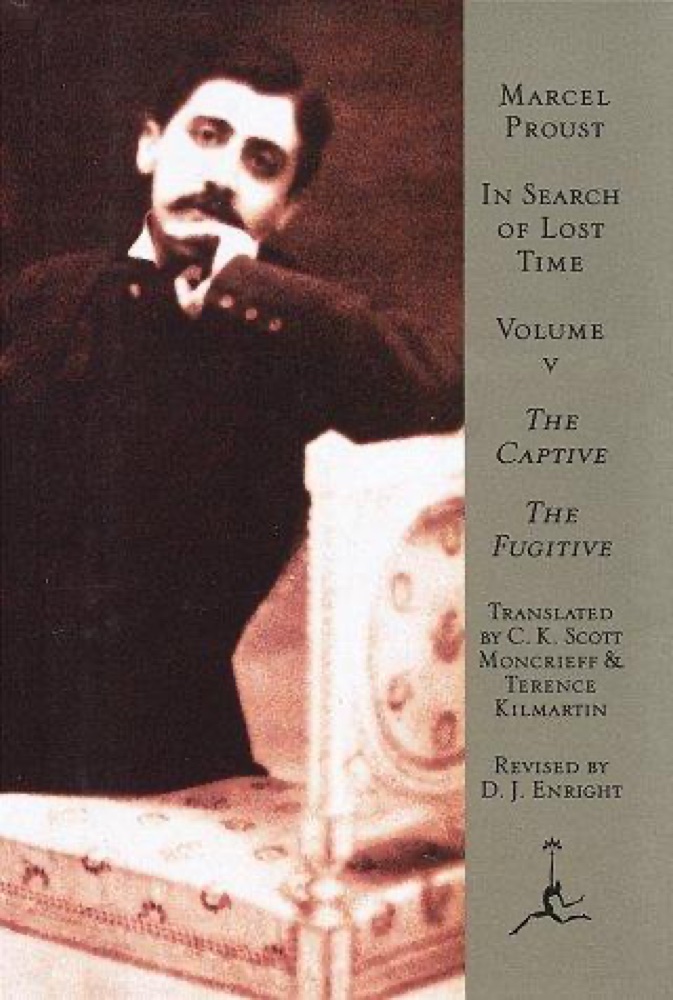 The Captive & The Fugitive
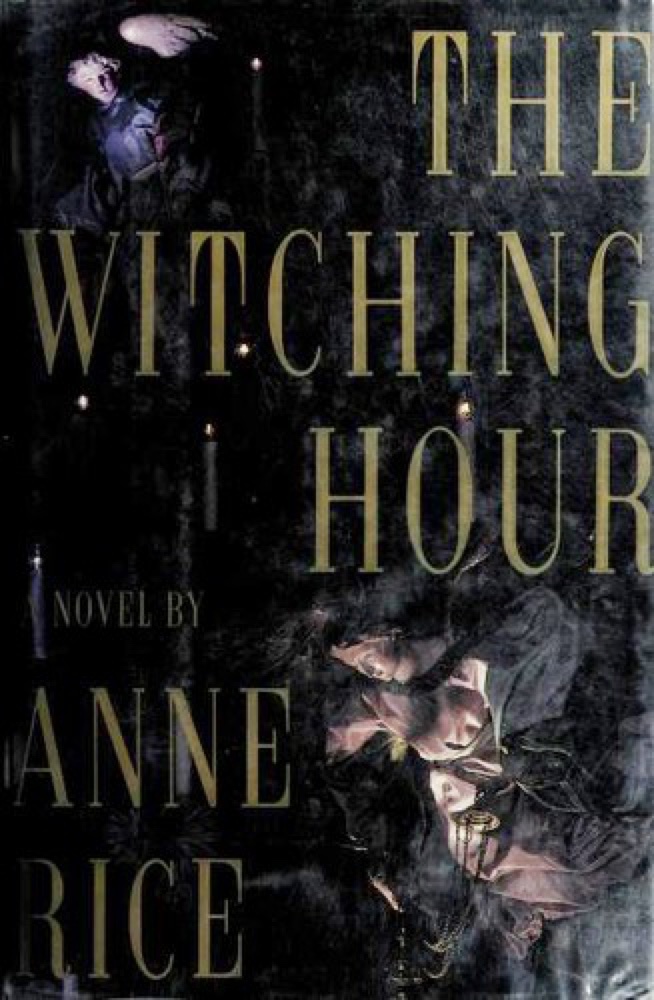 The Witching Hour
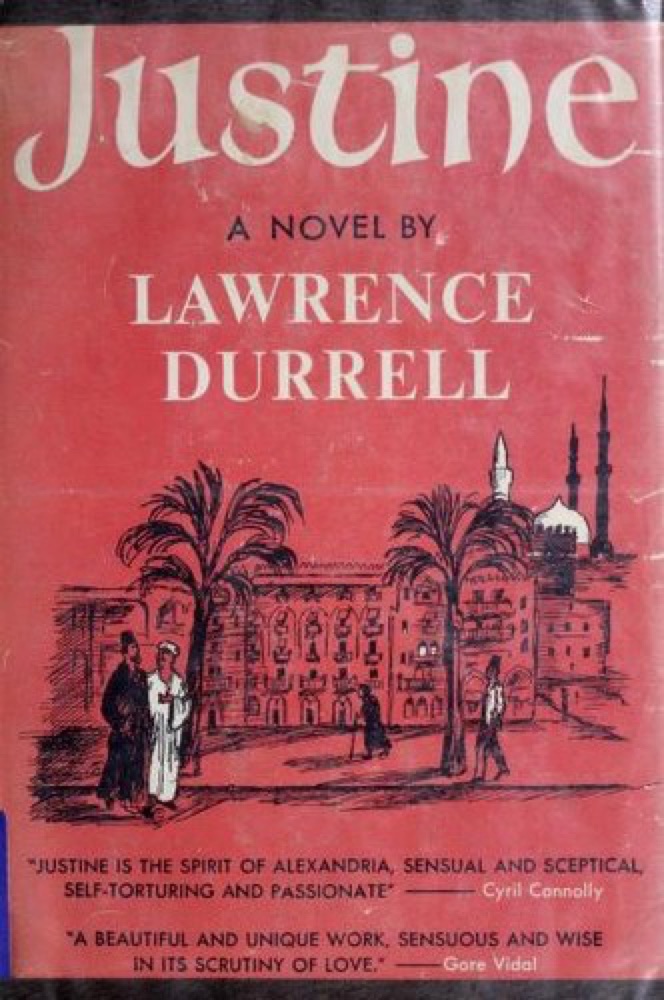 Justine
 Shirley
 The Enchanted April
 The Jewel of Seven Stars
 The House of Mirth
 Tender Morsels
 The Shell Seekers
 Birds of America
 The Memory Keeper's Daughter
 A River Enchanted
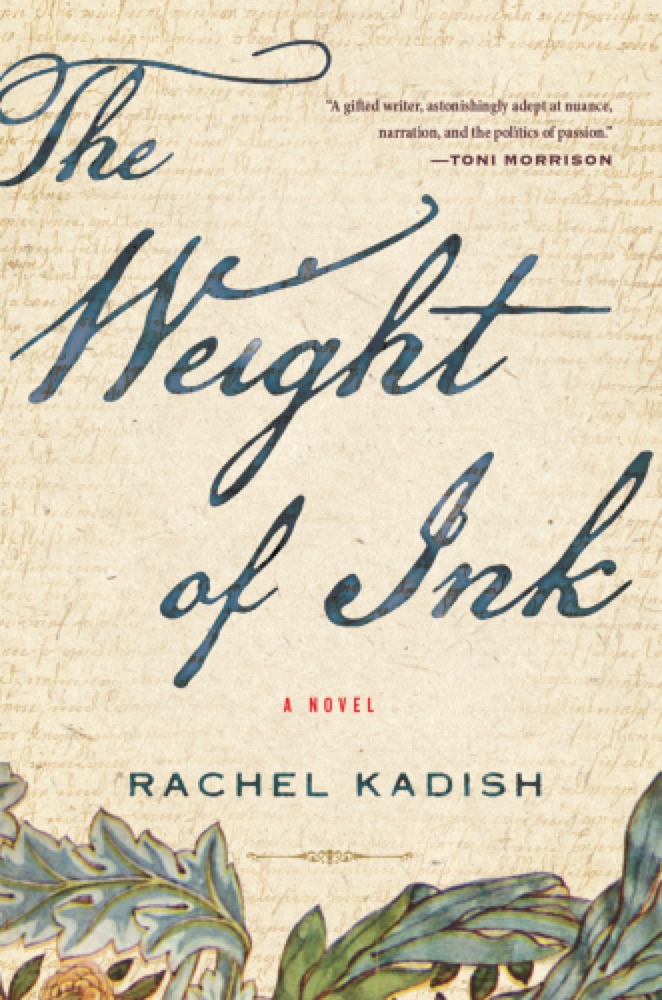 The Weight of Ink
 Near to the Wild Heart
 The Lowland
 The Stone Diaries
 Daughter of Fortune
 The Red Garden
 Swann's Way
 The Lover
 A Spy in the House of Love
 Year of Wonders
 Johnny Panic and the Bible of Dreams: Short Stories, Prose and Diary Excerpts
 The Safekeep
 The Mermaid Chair
 A Day of Fallen Night
 Gods of Jade and Shadow
 The Orchardist
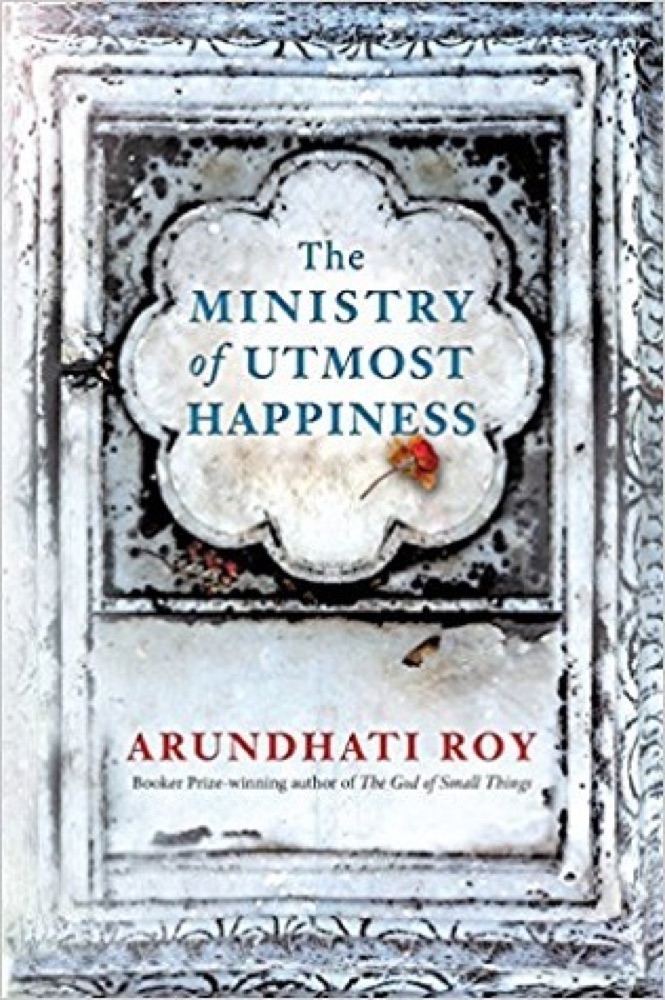 The Ministry of Utmost Happiness
 Simply Love
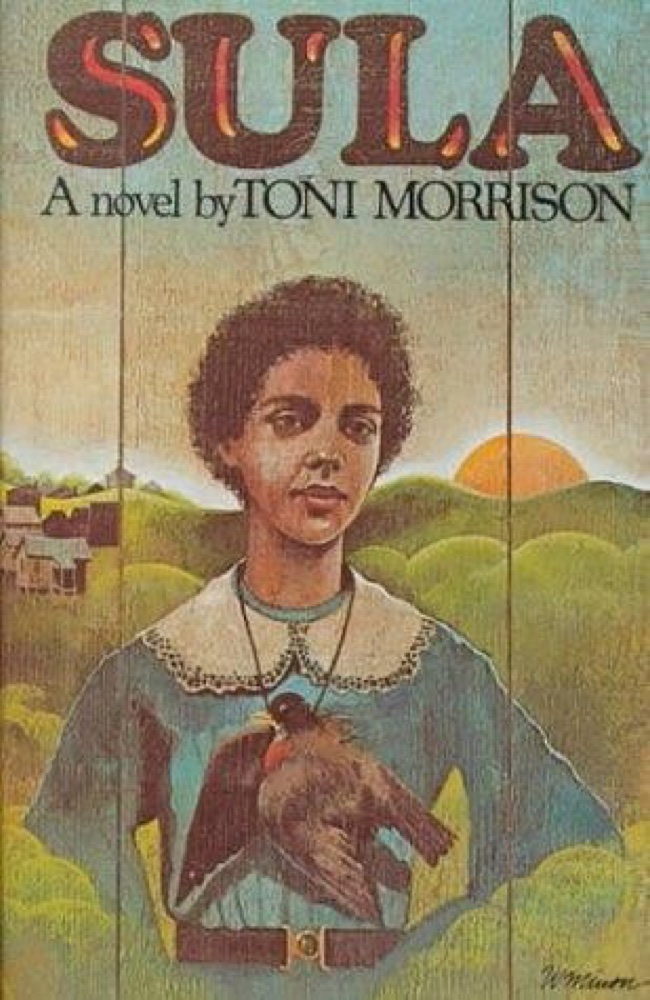 Sula
Sula
 A Mercy
 Those Who Leave and Those Who Stay
 Affinity
 The Strange and Beautiful Sorrows of Ava Lavender