
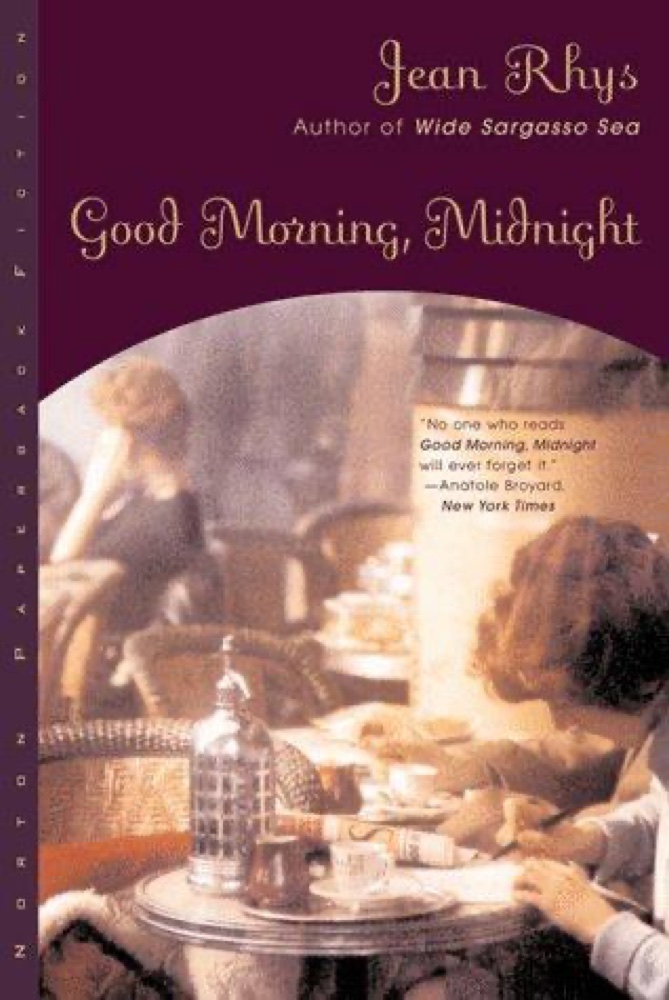
 Good Morning, Midnight
Quotes from the Book
Of course she had some pathetic illusions about herself or she would not be able to go on living.
48
When you are a child you are yourself and you know and see everything prophetically. And then suddenly something happens and you stop being yourself; you become what others force you to be. You lose your wisdom and your soul.
42
It's so easy to make a person who hasn't got anything seem wrong.
30
It was the darkness that got you. It was heavy darkness, greasy and compelling. It made walls round you, and shut you in so that you felt like you could not breathe.
23
The last time you were happy about nothing; the first time you were afraid about nothing. Which came first?
21
If all good, respectable people had one face, I'd spit in it.
18
He had discovered that people who allow themselves to be blown about by the winds of emotion and impulse are always unhappy people.
14
The rumble of the life outside was like the sound of the sea which was rising gradually around her.
11
...morbidly, attracted him to strangeness, to recklessnesss, even unhappiness.
10
Something in her brain that still remained calm told her that she was doing a very foolish thing indeed.
9
You surpise me, because people nearly always force you to ask, don't they?
7
What you take to be hyprocrisy is sometimes a certain caution, sometimes genuine, though ponderous, childish, sometimes a mixture of both.
6
She haunted him, as an ungenerous action haunts one.
6
She was a shadow, kept alive by a flame of hatred for somebody who had long ago forgotten all about her.
5
I wanted it-like iron.
3
There was a vase of flame-coloured tulips in the hall - surely the most graceful of flowers. Some thrust their heads forward like snakes, and some were very erect, stiff, virginal, rather prim. Some were dying, with curved grace in their death.
2
She found pleasure in memories, as an old woman might have done.
1
The car stopped. Everybody walked in a short procession up to the chapel of the Crematorium, where a clergyman with very bright blue yes was waiting. That was a dream, too, but a painful dream, because she was obsessed with the feeling that she was so close to seeing the thing that was behind all this talking and posturing, and that the talking and posturing were there to prevent her from seeing it. Now it's time to get up; now it's time to kneel down; now it's time to stand up. But all the time she stood, knelt, and listened she was tortured because her brain was making a huge effort to grapple with nothingness. And the effort hurt; yet it was almost successful. In another minute she would know. And then a dam inside her head burst, and she leant her head on her arms and sobbed.
1
This was the affair which had ended quietly and decently, without fuss or scenes or hysteria. When you were nineteen, and it was the first time you had been let down, you did not make scenes. You felt as if your back was broken, as if you would never move again. But you did not make a scene. That started later on, when the same thing had happened five or six times over, and you were supposed to be getting used to it.
1
Darling.' She said 'darling' with her lips, but her heart was dead.
But what if it were heaven when she got there?
All through the meal Mr Horsfield talked without thinking of what he was saying. He was full of an absurd feeling of expectancy.
Because he has money he's a kind of god. Because I have none I'm a kind of worm. A worm because I've failed and I have no money. A worm because I'm not even sure if I hate you.
'The fact is,' said Norah, 'that there's something wrong with our family. We're soft, or lazy, or something.'
Norah herself was labelled for all to see. She was labelled 'Middle class, no money.' Hardly enough to keep herself in clean linen. And yet, scrupulously, fiercly clean, but with all the daintiness and prettiness perforce cut out. Everything about her betrayed the woman who has been brought up to certain tastes, then left without the money to gratify them; trained to certain opinions which forbid her even the relief of rebellion against her lot; yet holding desperately to both her tastes and opinions.
She had a sweet voice, a voice with a warm and tender quality. This was strange, because her face was cold, as though warmth and tenderness were dead in her.
An anxious expression spread over his face as he thought to himself that the time was coming when he would have to give up this comfort, and then that comfort, until God knew what would be the end of it all. In this way he was an imaginative man, and when these fits of foreboding overcame him he genuinely forgot that only a succession of highly improbable catastrophes could reduce him to the penury he so feared.
She was certainly rather drunk. Her eyes were fixed as if upon some far-off point. She seemed to be contemplating a future at once monotonous and insecure with an indifference which was after all a sort of hard-won courage.
Watch on YouTube
About Jean Rhys
We have collected 102 quotes from 4 books by Jean Rhys on BookQuoters.
More about the author →More by Jean Rhys


About the book
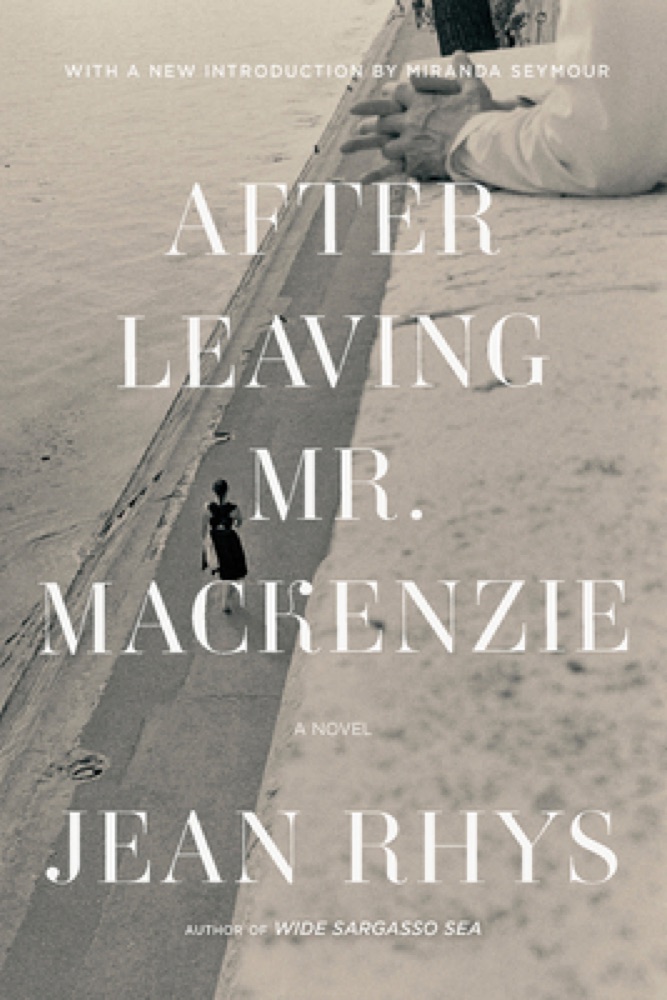
“Lucid, exact, and swift.… An essential part of the [Rhys] record.” ―V. S. Naipaul, New York Review of Books Julia Martin is in Paris and at the end of her rope. Once beautiful, she was taken care of by men. Now, after being dropped by her latest lover, Mr. Mackenzie, Julia is running out of luck and chances. A visit to London to see her ailing mother might offer an opportunity to start over―but it also brings her face to face with her distrustful sister, Norah, who can’t help but feel that Julia has only changed for the worse in the years since they last saw one another. And it proves difficult to escape the desultory romantic entanglements of Paris when a suitor follows her to England. Nowhere is Jean Rhys’s talent for fully inhabiting the minds of her characters more apparent than in After Leaving Mr. Mackenzie , her masterful second novel. Rhys lays bare the desires and contradiction
Keep reading
 The House of Mirth
 Birds of America
 Mrs. Dalloway
 A Reliable Wife
 The Casual Vacancy
 The Paying Guests
 Tar Baby
 The Cuckoo's Calling
 Apprentice to the Villain
 Uncle Silas
 The Vegetarian
 The Slow Regard of Silent Things
 The Wings of the Dove
 A Slow Fire Burning
 The Stories of John Cheever
 Everything That Rises Must Converge: Stories
 Fool Me Twice
 The Story of a New Name
 Case Histories
 Dubliners
 Slammerkin
 A Face Like Glass
 Under the Skin
 The Safekeep
 What Is Not Yours Is Not Yours
 Her Fearful Symmetry
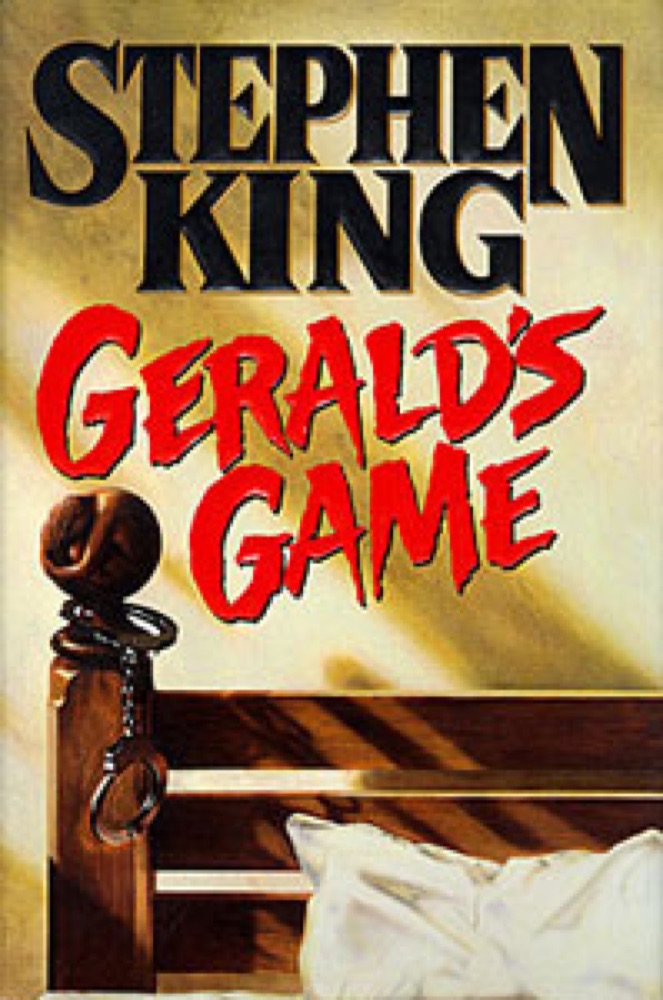 Gerald's Game
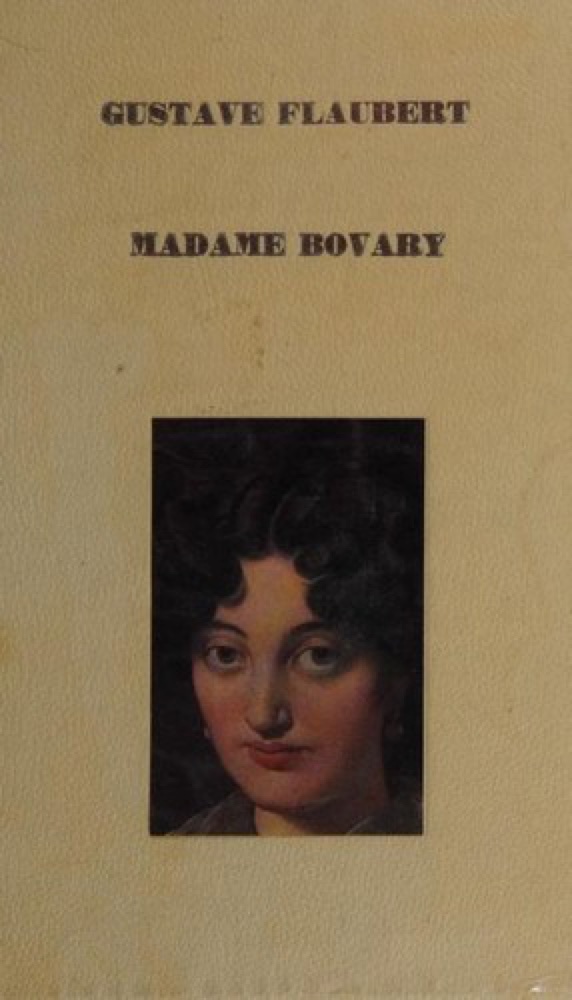 Madame Bovary
 Envy
Envy
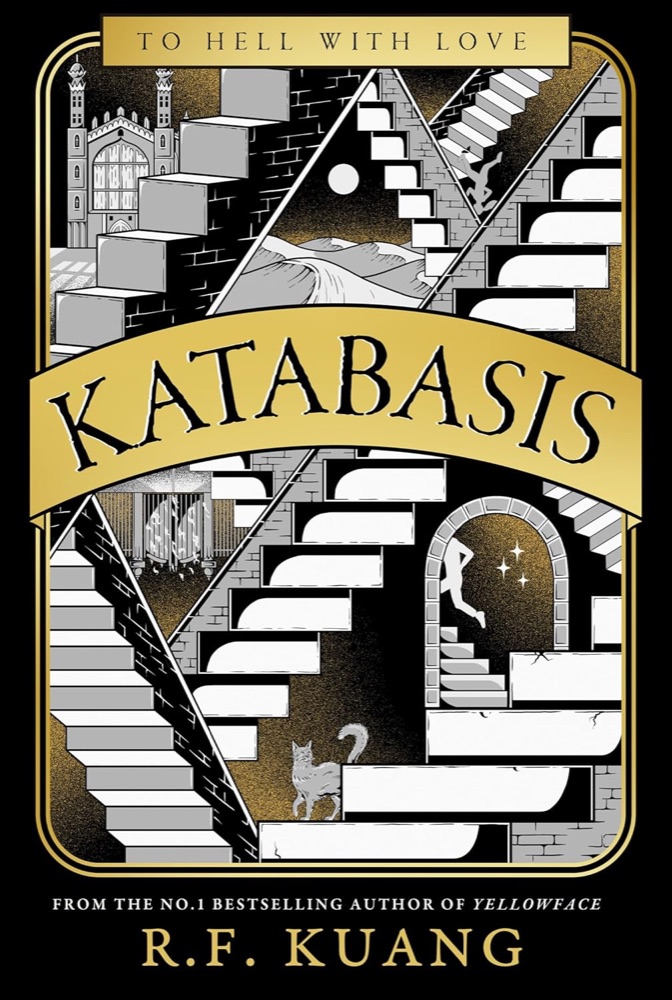 Katabasis
 The Portrait of a Lady
 The Mayor of Casterbridge
 No Name
 The Pursuit of Love
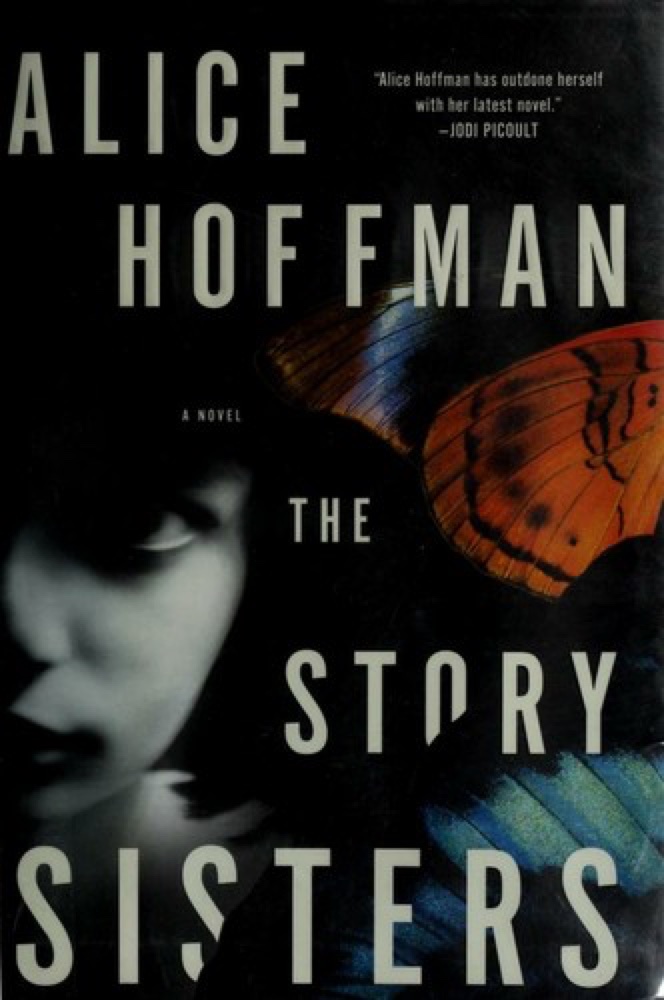 The Story Sisters
 A Dance to the Music of Time: 1st Movement
 The Rainbow
 Stone Mattress: Nine Tales
 Lethal White
 Atonement
 Rumors
 At Last
 An Unsuitable Job for a Woman
 The Daughter of Doctor Moreau
 Mr. Fox
 A Severed Head
 Darling Girls
 Too Much Happiness: Stories
 When Will There Be Good News?
 Home Fire
 Tess of the D'Urbervilles
 I Hold a Wolf by the Ears: Stories
 The Enchanted April
 The Little Friend
 Mexican Gothic
 The Custom of the Country
 The Robber Bride
 Lisey's Story
 Olive Kitteridge
 The Hellbound Heart