
 A Room of One's Own
Quotes from the Book
What is the meaning of life? That was all- a simple question; one that tended to close in on one with years, the great revelation had never come. The great revelation perhaps never did come. Instead, there were little daily miracles, illuminations, matches struck unexpectedly in the dark; here was one.
For now she need not think of anybody. She could be herself, by herself. And that was what now she often felt the need of - to think; well not even to think. To be silent; to be alone. All the being and the doing, expansive, glittering, vocal, evaporated; and one shrunk, with a sense of solemnity, to being oneself, a wedge-shaped core of darkness, something invisible to others... and this self having shed its attachments was free for the strangest adventures.
He smiled the most exquisite smile, veiled by memory, tinged by dreams.
To want and not to have, sent all up her body a hardness, a hollowness, a strain. And then to want and not to have- to want and want- how that wrung the heart, and wrung it again and again!
And all the lives we ever lived and all the lives to be are full of trees and changing leaves.
She felt... how life, from being made up of little separate incidents which one lived one by one, became curled and whole like a wave which bore one up with it and threw one down with it, there, with a dash on the beach.
Friendships, even the best of them, are frail things. One drifts apart.
Beauty was not everything. Beauty had this penalty — it came too readily, came too completely. It stilled life — froze it.
So fine was the morning except for a streak of wind here and there that the sea and sky looked all one fabric, as if sails were stuck high up in the sky, or the clouds had dropped down into the sea.
...she took her hand and raised her brush. For a moment it stayed trembling in a painful but exciting ecstacy in the air. Where to begin?--that was the question at what point to make the first mark? One line placed on the canvas committed her to innumerable risks, to frequent and irrevocable decisions. All that in idea seemed simple became in practice immediately complex; as the waves shape themselves symmetrically from the cliff top, but to the swimmer among them are divided by steep gulfs, and foaming crests. Still the risk must run; the mark made.
There it was before her - life. Life: she thought but she did not finish her thought. She took a look at life, for she had a clear sense of it there, something real, something private, which she shared neither with her children nor with her husband. A sort of transaction went on between them, in which she was on one side, and life was on another, and she was always trying to get the better of it, as it was of her; and sometimes they parleyed (when she sat alone); there were, she remembered, great reconciliation scenes; but for the most part, oddly enough, she must admit that she felt this thing that she called life terrible, hostile, and quick to pounce on you if you gave it a chance.
She had known happiness, exquisite happiness, intense happiness, and it silvered the rough waves a little more brightly, as daylight faded, and the blue went out of the sea and it rolled in waves of pure lemon which curved and swelled and broke upon the beach and the ecstasy burst in her eyes and waves of pure delight raced over the floor of her mind and she felt, It is enough! It is enough!
All the being and the doing, expansive, glittering, vocal, evaporated; and one shrunk, with a sense of solemnity, to being oneself, a wedge-shaped core of darkness, something invisible to others.
No, she thought, one could say nothing to nobody. The urgency of the moment always missed its mark. Words fluttered sideways and struck the object inches too low.
Yes, she thought, laying down her brush in extreme fatigues, I have had my vision.
With her foot on the threshold she waited a moment longer in a scene which was vanishing even as she looked, and then, as she moved and took Minta's arm and left the room, it changed, it shaped itself differently; it had become, she knew, giving one last look at it over her shoulder, already the past.
Was there no safety? No learning by heart of the ways of the world? No guide, no shelter, but all was miracle, and leaping from the pinnacle of a tower into the air? Could it be, even for elderly people, that this was life?--startling, unexpected, unknown?
for it was not knowledge but unity that she desired, not inscriptions on tablets, nothing that could be written in any language known to men, but intimacy itself, which is knowledge
The very stone one kicks with one's boot will outlast Shakespeare.
It was odd, she thought, how if one was alone, one leant to inanimate things; trees, streams, flowers; felt they expressed one; felt they became one; felt they knew one, in a sense were one; felt an irrational tenderness thus (she looked at that long steady light) as for oneself.
A sort of transaction went on between them, in which she was on one side, and life was on another, and she was always trying to get the better of it, as it was of her.
One wanted, she thought, dipping her brush deliberately, to be on a level with ordinary experience, to feel simply that's a chair, that's a table, and yet at the same time, It's a miracle, it's an ecstasy.
Our apparitions, the things you know us by, are simply childish. Beneath it is all dark, it is all spreading, it is unfathomably deep; but now and again we rise to the surface and that is what you see us by.
Never did anybody look so sad. Bitter and black, halfway down, in the darkness, in the shaft which ran from the sunlight to the depths, perhaps a tear formed; a tear fell; the waves swayed this way and that, received it, and were at rest. Never did anybody look so sad.
But nevertheless, the fact remained, it was almost impossible to dislike anyone if one looked at them.
So that is marriage, Lily thought, a man and a woman looking at a girl throwing a ball
The sigh of all the seas breaking in measure round the isles soothed them; the night wrapped them; nothing broke their sleep, until, the birds beginning and the dawn weaving their thin voices in to its whiteness
If Shakespeare had never existed, he asked, would the world have differed much from what it is today? Does the progress of civilization depend upon great men? Is the lot of the average human being better now that in the time of the Pharaohs?
Well, we must wait for the future to show.
Did you know?
- The novel was first published on 5 May 1927 by the Hogarth Press, the London firm run by Virginia and Leonard Woolf.
- The first edition was printed in 3,000 copies, bound in light blue cloth with gold lettering.
- The dust jacket was designed by Woolf's sister, the artist Vanessa Bell.
- The book is divided into three parts titled "The Window," "Time Passes," and "The Lighthouse."
- Woolf drew on her own family and childhood summers in Cornwall in creating the Ramsays.
- In its middle section, "Time Passes," Mrs. Ramsay's death is reported briefly within brackets as the empty house endures the passing years.
About Virginia Woolf
Virginia Woolf (1882-1941) was an English writer and a central figure of literary modernism and the Bloomsbury Group. With her husband Leonard she founded the Hogarth Press, and her novels and essays include Mrs Dalloway, Orlando, and A Room of One's Own.
More about the author →More by Virginia Woolf
All books by Virginia Woolf →

About the book
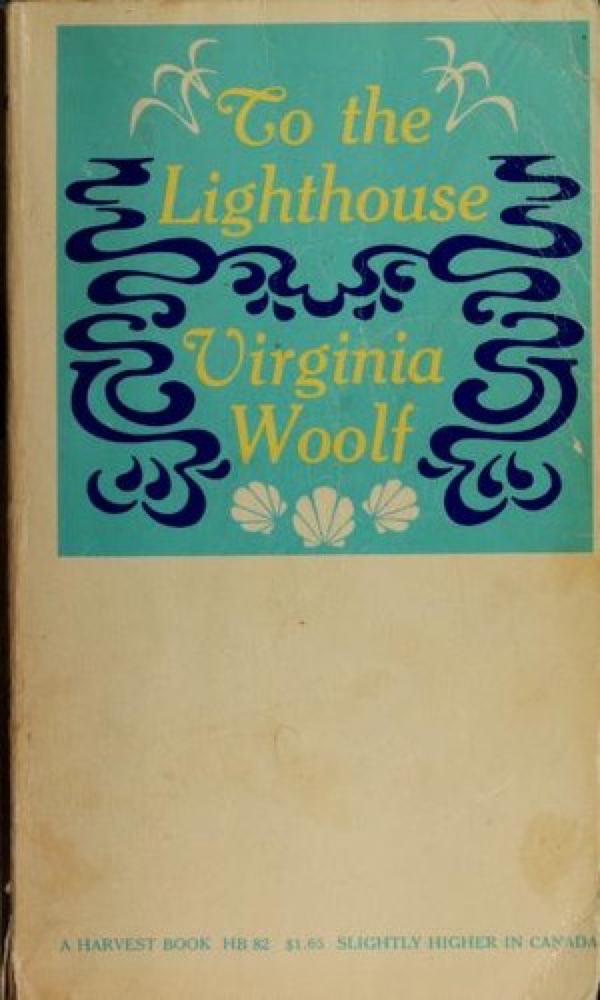
To the Lighthouse is Virginia Woolf's 1927 modernist novel centered on the Ramsay family and their guests at a summer house in the Hebrides. It unfolds in three parts: "The Window," in which a promised boat trip to a nearby lighthouse is postponed because of the weather; "Time Passes," a lyrical interlude spanning roughly a decade in which the house stands empty, Mrs. Ramsay dies, and the First World War intervenes; and "The Lighthouse," in which surviving members of the family finally make the long-deferred voyage.
Rather than a plot-driven story, the novel is built from the interior thoughts and shifting perceptions of its characters, moving fluidly between minds. Its central figures are the nurturing Mrs. Ramsay and her demanding philosopher husband, while the painter Lily Briscoe, a family guest, struggles across the years to complete a picture that mirrors the book's own search for form. Woolf drew on memories of her own parents and childhood holidays in Cornwall.
Widely regarded as one of the landmark works of literary modernism, the book extends the stream-of-consciousness techniques of writers like Proust and Joyce, foregrounding time, memory, loss, and the tension between artistic and domestic vocations. It was ranked No. 15 on the Modern Library's 1998 list of the 100 best English-language novels of the 20th century and appeared on Time magazine's 2005 list of the 100 best English-language novels published since 1923.
Key characters
- Mrs. RamsayThe warm, nurturing mother at the emotional center of the household
- Mr. RamsayHer husband, a demanding philosopher preoccupied with his intellectual legacy
- James RamsayThe youngest Ramsay son, who longs to visit the lighthouse
- Cam RamsayA Ramsay daughter who joins the later voyage to the lighthouse
- Lily BriscoeA guest and painter struggling to finish her picture
- Charles TansleyAn abrasive young admirer and protege of Mr. Ramsay
- Augustus CarmichaelAn aging poet and houseguest of the Ramsays
Book details
- First published
- 1927
- Length
- 320 pages
- Reading time
- 5 hours
- Author
- Virginia Woolf
- Genre
- Classics
- Goodreads rating
- 3.81 (222k ratings) →
- First line
- “"Yes, of course, if it's fine tomorrow," said Mrs. Ramsay.”
If you liked this, read…
- 1Mrs DallowayWoolf's earlier stream-of-consciousness novel tracing a single day's inner lives
- 2In Search of Lost TimeProust's landmark exploration of memory, time, and consciousness
- 3UlyssesJoyce's modernist experiment in rendering interior thought
Keep reading
 The Wings of the Dove
 The Rainbow
 The Voyage Out
 The Awakening
 Atonement
 Little, Big
 Mrs. Dalloway
 Longbourn
 The Return of the Native
 Their Eyes Were Watching God
 The Slow Regard of Silent Things
 The Memory Keeper's Daughter
 Between the Acts
 Dubliners
 A Reliable Wife
 The Lowland
 The Shell Seekers
 The Girl Who Chased the Moon
 The Passage
 The Awakening and Selected Stories
 Birds of America
 Under the Skin
 Falling Man
 The Shell Collector
 The Enchanted April
 The Well of Loneliness
 The Orchardist
 Frenchman's Creek
 The Last Report on the Miracles at Little No Horse
 On Chesil Beach
 Sula
Sula
 The Probable Future
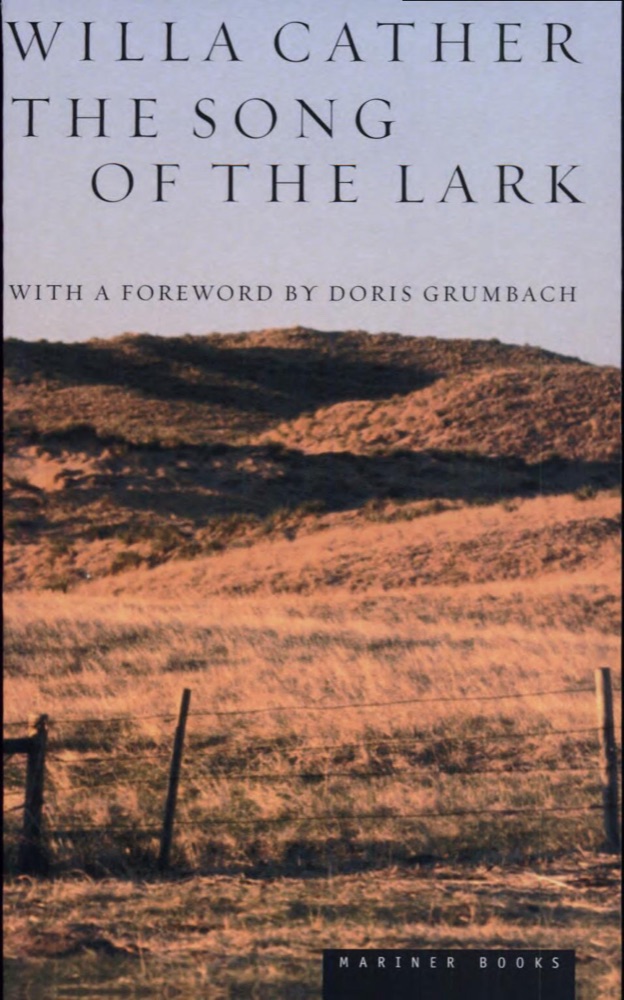 The Song of the Lark
 The House of Mirth
 Green Dolphin Street
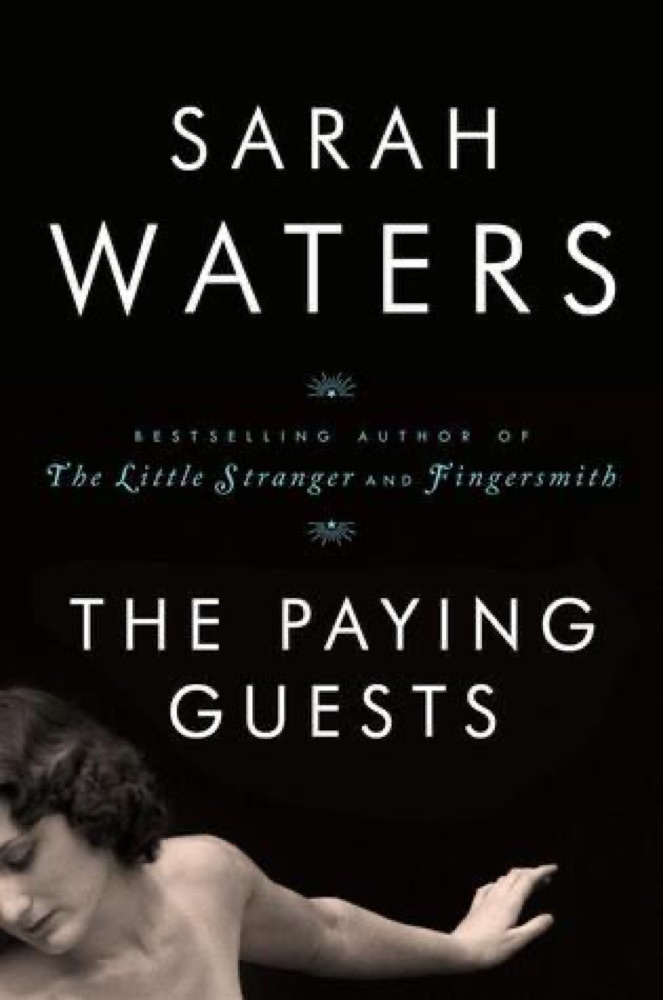 The Paying Guests
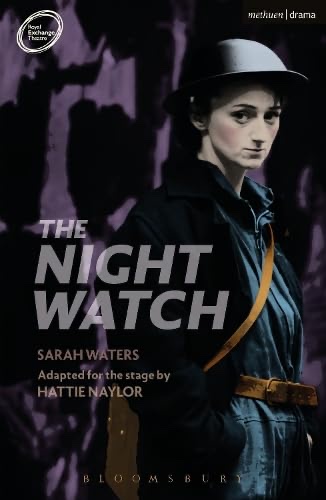 The Night Watch
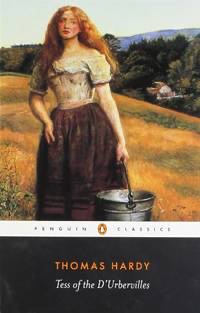 Tess of the D'Urbervilles
 Madame Bovary
 The Stone Diaries
 The Pilot's Wife
 Women in Love
 The Scarlet Letter
 The Girl With Glass Feet
 A Dangerous Place
 Prodigal Summer
 A Conjuring of Light
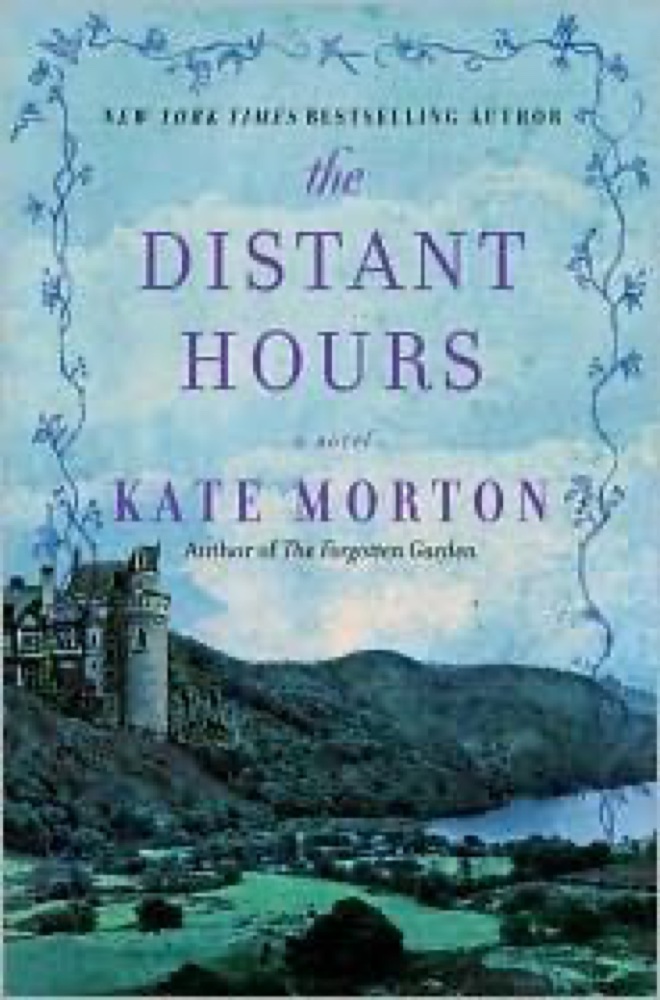 The Distant Hours
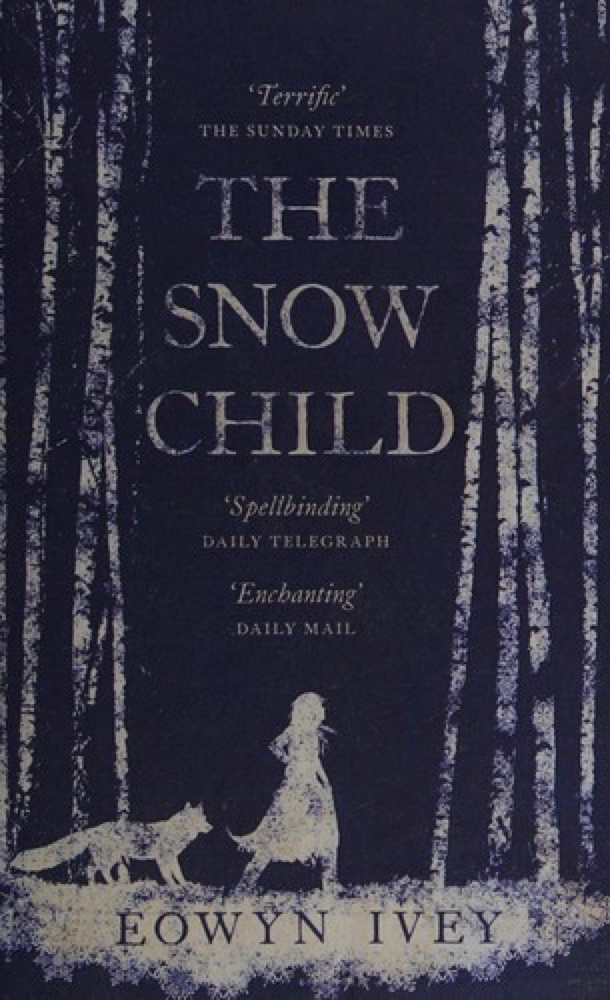 The Snow Child
 Angel Falls
 Johnny Panic and the Bible of Dreams: Short Stories, Prose and Diary Excerpts
 Ash
Ash
 The Clockmaker's Daughter
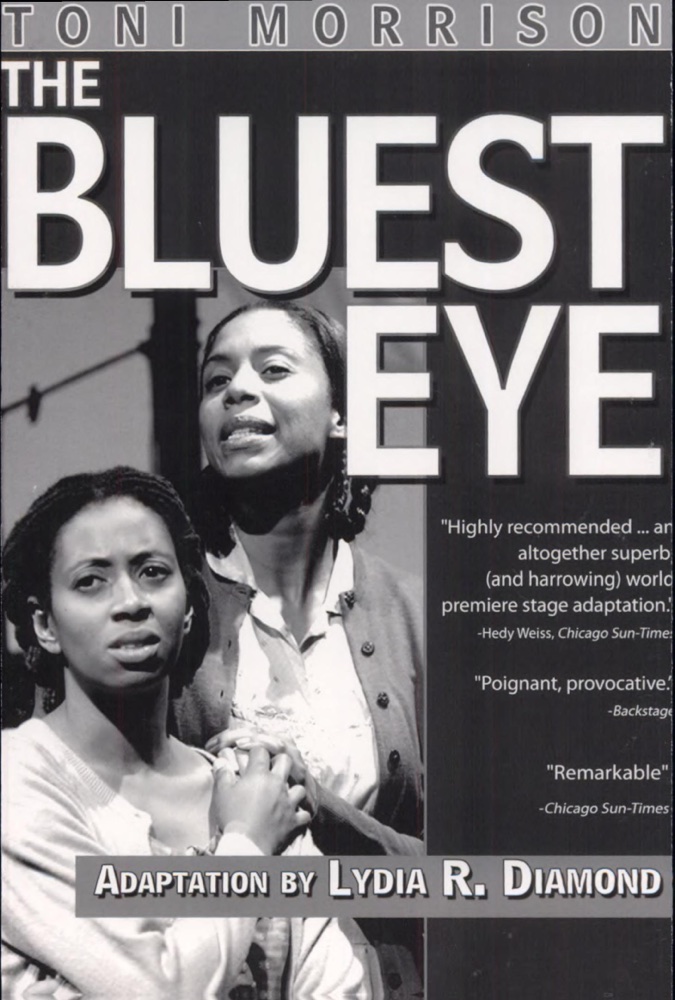 The Bluest Eye
 Weaveworld
 The Heat of the Day
 On Mystic Lake
 The Custom of the Country
 After Leaving Mr. Mackenzie
 The Bridge of San Luis Rey