
 Rebecca
Quotes from the Book
The soft humidity of the evening, so pleasant to walk about in earlier, had turned to rain. The strolling tourists had melted away. One or two people hurried by under umbrellas. This is what the inhabitants who live here see, he thought. This is the true life. Empty streets by night, the dank stillness of a stagnant canal beneath shuttered houses. The rest is a bright façade put on for show, glittering by sunlight.
10
It embarrassed her, as a child, to think that her father had fallen in love, or, if men must love, then it should have been someone else, someone dark, mysterious and profoundly clever, not an ordinary person who was impatient for no reason and cross when one was late for lunch.
7
My complaint is universal, and has been so through the ages, an excuse for jest and hilarious laughter from earliest times, until one of us oversteps the mark and becomes a menace to society. Then we are given the boot. The passerby averts his gaze, and we are left to crawl out of the ditch alone, or stay there and die.
6
So death, Shelagh decided, was a moment for compliments, for everyone saying polite things about everybody else which they would not dream of saying at another time.
5
Curious thing that the younger men of today were glib enough when they talked of ideals and how everyone must progress in a changing world, but when the crunch came they were very ready to let the older generation pay the piper.
3
The experts are right, he thought, Venice is sinking. The whole city is slowly dying. One day the tourists will travel here by boat to peer down into the waters, and they will see pillars and columns and marble far, far beneath them, slime and mud uncovering for brief moments a lost underworld of stone.
2
The rest of the little party had moved away, embarrassed, distressed, unwilling witnesses of what appeared to be an excess of faith.
2
What a bore! Especially when the day had gone so well. She had no desire to read or listen to records. His taste would be like her father’s, old Peter Cheyneys and John Buchans, he used to read them over and over again. And music of the lighter sort, probably South Pacific. The steward brought in her tea, and this time there were cherry jam and scones, freshly baked, what’s more. She wolfed the lot. Then she pottered around the room, inspecting the shelves. No Peter Cheyney, no John Buchan, endless books on Ireland, which she expected anyway, Yeats forever, Synge, A.E., a volume on the Abbey Theatre.
2
many impressions to seize and hold, familiar loved façades, balconies, windows, water lapping the cellar steps of decaying palaces, the little red house where D’Annunzio lived, with its garden—our house, Laura called it, pretending it was theirs—and too soon the ferry would be turning left on the direct route to the Piazzale Roma, so missing the best of the Canal, the Rialto, the further palaces.
2
It seemed to Lady Althea, as she stood there above the steps, that all the people pressing forward were staring, not at the Dome of Rock, but at her alone, and were nudging on another, whispering, smiling; for she knew, from her own experience of mocking others, that there is nothing more likely to unite a crowd of strangers in a wave of laughter than the sight of someone who, with dignity shattered, becomes suddenly grotesque.
2
This is the true life. Empty streets by night, the dank stillness of a stagnant canal beneath shuttered houses. The rest is a bright façade put on for show, glittering by sunlight.
1
The proprietor bowed, and walked with him to the entrance. 'In Venice the whole world meets,' he said smiling. 'It is possible the signore will find his friends tonight. Arrivederci, signore.
1
This is ours for the moment, but no more. While we are in it we bring it life. When we have gone it no longer exists, it fades into anonymity.
1
Fine,” I answered. “Now what about a drink?” I followed him up the corridor once more, across the entrance hall, and on through a swing door at the far end. I heard the light clack-clack of ping-pong balls, and braced myself for frivolity. The room we entered was empty. The sportsmen, whoever they were, were playing in the room beyond. Here there were easy chairs, a table or two, an electric fire and a bar in the far corner, behind which my youthful companion installed himself. I noticed, with misgiving, two enormous urns. “Coffee or cocoa?” he asked. “Or do you prefer something cool? I can recommend the orange juice with a splash of soda.” “I’d like a Scotch,” I said. He looked distressed. His expression became that of an anxious host whose guest demands fresh strawberries in midwinter.
1
Perhaps,” thought Robin, “the soldiers didn’t actually mock Jesus at all. It was just a game, which they let him join in. He might even have thrown dice with them. The crown and the purple robe were just dressing-up. It was the Romans’ idea of fun. I don’t believe when a prisoner is condemned to death the people guarding him are beastly. They try and make the time go quickly, because they feel sorry for him.
1
He leaned over the rail and stared down into the Pool with interest. It was certainly not much of a place, the water dark and rather slimy, the steps slippery-looking too. Grandfather must be right, and it formed part of the city drain. The man who had been lame for thirty-eight years was lucky when Jesus came along and healed him instantly, rather than waiting for someone to lift him into the Pool. Perhaps Jesus realized the water was bad. There they go, he said to himself, as the father, ignoring the child’s terrified screams, slowly descended the steps. Freeing one hand, he dipped it in the Pool and sloshed the water three times over his daughter, wetting her face, her neck, her arms. Then, smiling in triumph at the curious watchers above, he ascended the steps to safety, his wife smiling with him, mopping the child’s face with a towel. The child herself, bewildered, distraught, rolled her frightened eyes over the heads of the crowd. Robin waited to see if the father would put her down, cured. Nothing happened, though. She began screaming again, and the father, making soothing sounds, bore her away from the top of the steps and was lost in the crowd. Robin turned to the Rev. Babcock. “No luck, I’m afraid. There
1
And so,” the Colonel was saying, “the Mandate was handed over to the U.N. in May, and we were all out of the country by July 1st. To my mind we should have stayed. The whole thing has been a bloody nonsense ever since. No one will ever settle down in this part of the world, and they’ll still be fighting over Jerusalem when you and I have been in our graves for years. Beautiful spot, you know, from this distance. Used to be pretty scruffy inside the Old City.
1
Friendship and duty are two separate things,” he said, “and I put duty first. You are another generation, you wouldn’t understand.
1
Dogs that had been his which she had not known. “There’s dear old Punch…” (Punch, he used to tell her, always knew when his ship was due home, and waited at an upstairs window.) Naval officers riding donkeys… playing tennis… running races, all this before the war, and it had made her think, “unconscious of their doom, the little victims play,” because on the next page it became suddenly sad, the ship he had loved blown up, and so many of those laughing young men lost.
1
Had I known, that last hour sitting there, talking and laughing about trivial things, that there was a clot forming like a time bomb close to his heart, ready to explode, I would surely have behaved differently, held on to him, at least thanked him for all my nineteen years of happiness and love. Not flipped over the photographs in the album, mocking bygone fashions, nor yawned halfway through, so that, sensing boredom, he let the album drop to the floor and murmured, “Don’t bother about me, pet, I’ll have a kip.
1
He was not staring at her anymore. He was still. He had gone. The moment of truth had vanished forever, and she would never know. What had happened was Then, was already past, in some other dimension of time, and the present was Now, part of a future he could not share. This present, this future, was all blank to him, like the empty spaces in the photograph album beside the bed, waiting to be filled. Even, she thought, if he had read my mind, which he often did, he would not have cared.
1
I am probably a dull man. Emotionally I have had no complications. I was engaged to a pretty girl, a neighbor, when I was twenty-five, but she married somebody else. It hurt at the time, but the wound healed in less than a year. One fault, if fault it is, I have always had, which perhaps accounts for my hitherto monotonous life. This is an aversion to becoming involved with people. Friends I possess, but at a distance. Once involved, trouble occurs, and too often disaster follows.
1
Watch on YouTube
About Daphne du Maurier
We have collected 218 quotes from 10 books by Daphne du Maurier on BookQuoters.
More about the author →More by Daphne du Maurier
All books by Daphne du Maurier →
About the book
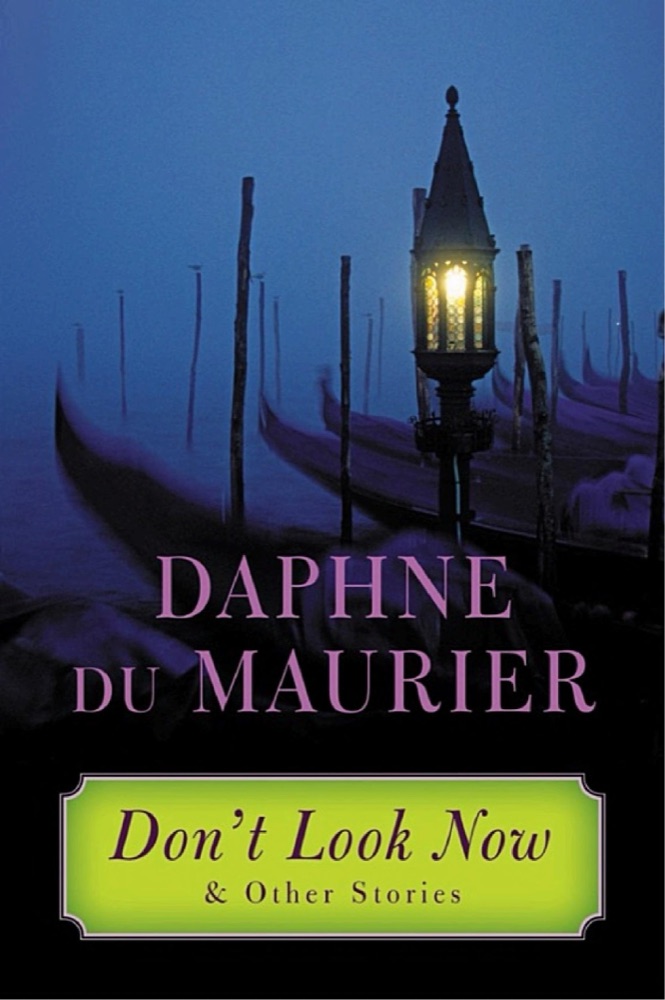
A married couple on holiday in Venice are caught up in a sinister series of events. A lonely schoolmaster is impelled to investigate a mysterious American couple. A young woman loses her cool when she confronts her father's old friend on a lonely island. A party of British pilgrims meet strange phenomena and possible disaster in the Holy Land. A scientist abandons his scruples while trying to tap the energy of the dying mind. Collecting five stories of mystery and slow, creeping horror, Daphne Du Maurier's Don't Look Now and Other Stories showcases her unique blend of sympathy and spinetingling suspense.
Book details
- First published
- 1971
- Author
- Daphne du Maurier
- Genre
- Horror
- Goodreads rating
- 3.82 (10k ratings)
Keep reading
 The Stories of John Cheever
 Parade's End
 Dubliners
 The Return of The Soldier
 Another Country
 The Voyage Out
 The Cat's Table
 The Paying Guests
 Death Watch
 Strangers on a Train
 Ross Poldark
 The Brutal Telling
 The Years
 The Quick and the Dead
 The Leopard
 The Shipping News
 The Complete Stories
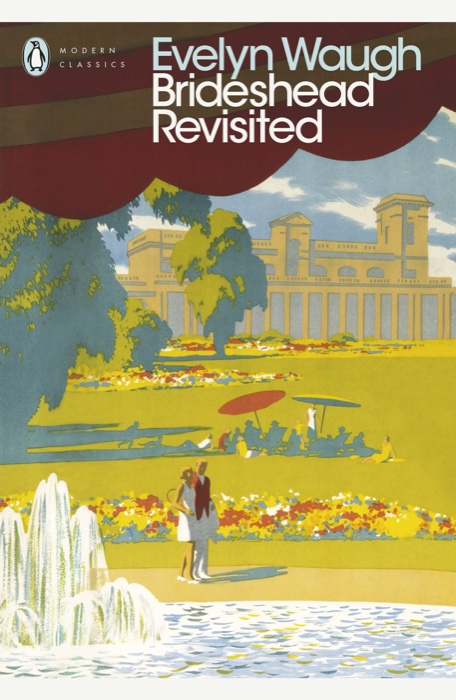 Brideshead Revisited: The Sacred and Profane Memories of Captain Charles Ryder
 Dombey and Son
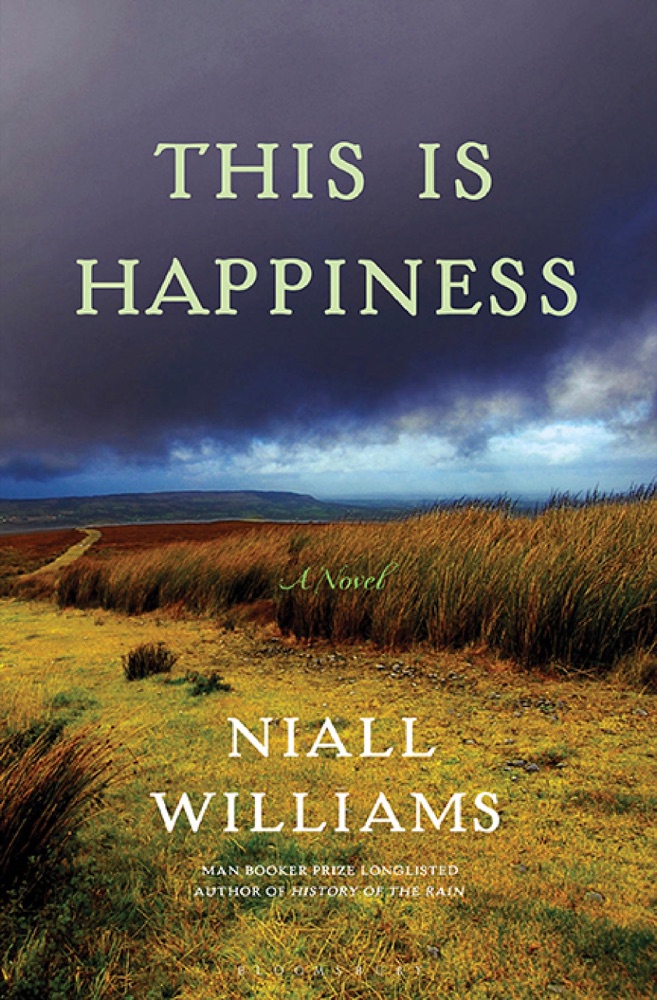 This Is Happiness
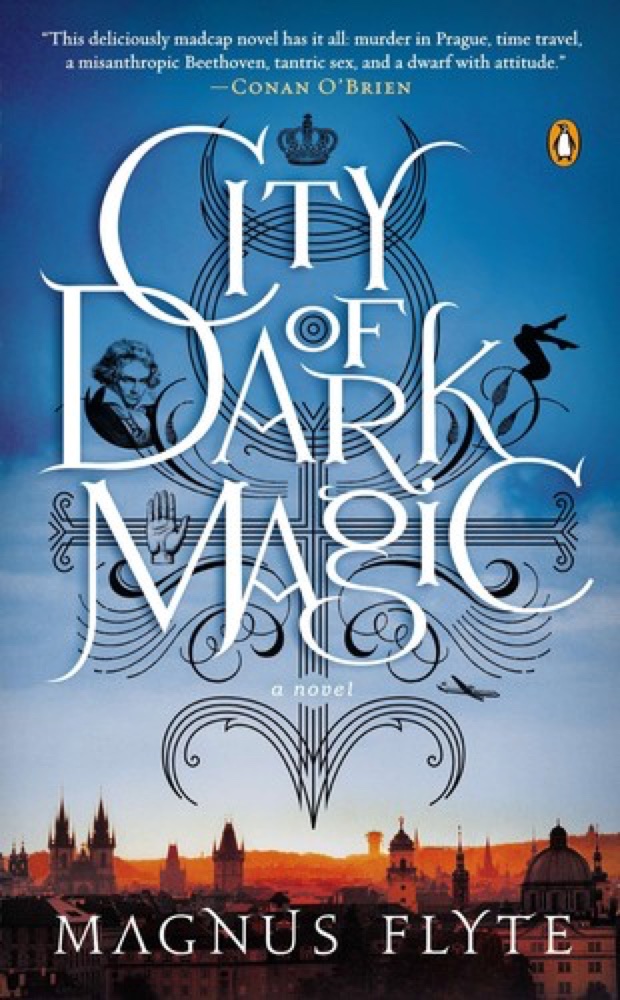 City of Dark Magic
 The Collected Stories
 Under the Volcano
 The Scapegoat
 The Round House
 And Then There Were None
 The Professor's House
 The Burgess Boys
 Rain and Other South Sea Stories
 20th Century Ghosts
 Birdsong
 Jeremy Poldark
 The Mandarins
 I Hold a Wolf by the Ears: Stories
 The Wars
 A Dance to the Music of Time: 1st Movement
 Oliver Twist
 The Blythes Are Quoted
 The Honourable Schoolboy
 A Rule Against Murder
 The Complete Works of Charles Dickens
 Black Lamb and Grey Falcon
 The Dead
 A Burnt-Out Case
 Selected Stories
 V.
V.
 Bradbury Stories: 100 of His Most Celebrated Tales
 The Night Watch
 Too Much Happiness: Stories
 The Bedlam Stacks
 When Christ and His Saints Slept
 The Post-Birthday World
 Down Cemetery Road
 Death at the Sign of the Rook
 So Long, See You Tomorrow
 Lorna Doone
 10 Minutes 38 Seconds in This Strange World
 From Here to Eternity
 The Tunnel
 Our Country Friends