
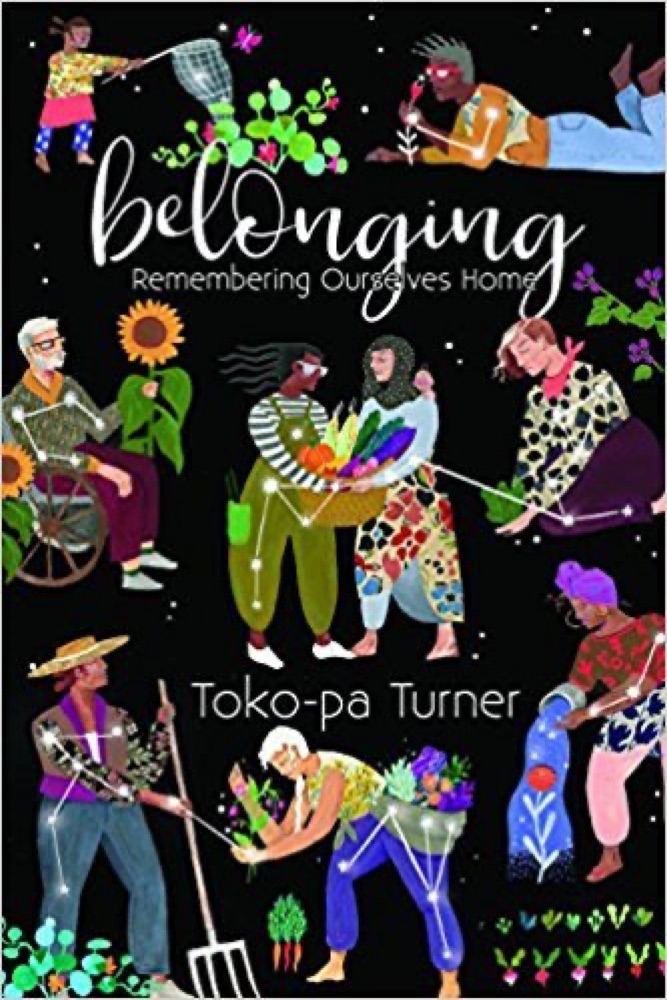
 Belonging: Remembering Ourselves Home
Quotes from the Book
Grief and love are sisters, woven together from the beginning. Their kinship reminds us that there is no love that does not contain loss and no loss that is not a reminder of the love we carry for what we once held close.
51
My daily practice is to wake and immediately bring my attention to this thought: “I am one day closer to my death. So how will I live this day? How will I greet those I meet? How will I bring soul to each moment? I do not want to waste this day.
24
When our grief cannot be spoken, it falls into the shadow and re-arises in us as symptoms. So many of us are depressed, anxious, and lonely. We struggle with addictions and find ourselves moving at a breathless pace, trying to keep up with the machinery of culture.
23
My grief says that I dared to love, that I allowed another to enter the very core of my being and find a home in my heart. Grief is akin to praise; it is how the soul recounts the depth to which someone has touched our lives. To love is to accept the rites of grief.
21
At the core of this grief is our longing to belong. This longing is wired into us by necessity. It assures our safety and our ability to extend out into the world with confidence. This feeling of belonging is rooted in the village and, at times, in extended families. It was in this setting that we emerged as a species. It was in this setting that what we require to become fully human was established. Jean Liedloff writes, "the design of each individual was a reflection of the experience it expected to encounter." We are designed to receive touch, to hear sounds and words entering our ears that soothe and comfort. We are shaped for closeness and for intimacy with our surroundings. Our profound feelings of lacking something are not reflection of personal failure, but the reflection of a society that has failed to offer us what we were designed to expect. Liedloff concludes, "what was once man's confident expectations for suitable treatment and surroundings is now so frustrated that a person often thinks himself lucky if he is not actually homeless or in pain. But even as he is saying, 'I am all right,' there is in him a sense of loss, a longing for something he cannot name, a feeling of being off-center, of missing something. Asked point blank, he will seldom deny it.
15
Silence is a practice of emptying, of letting go. It is a process of hollowing ourselves out so we can open to what is emerging. Our work is to make ourselves receptive. The organ of receiving is the human heart, and it is here that we feel the deep ache of loss, the bittersweet reminders of all that we loved, the piercing artifacts of betrayal, and the sheer truth of impermanence. Love and loss, as we know so well, forever entwined.
14
I’m not sure how or when I began my apprenticeship with sorrow. I do know that it was my gateway back into the breathing and animate world. It was through the dark waters of grief that I came to touch my unlived life. . . . There is some strange intimacy between grief and aliveness, some sacred exchange between what seems unbearable and what is most exquisitely alive. Through this, I have come to have a lasting faith in grief.
13
Imagine the feeling of relief that would flood our whole being if we knew that when we were in the grip of sorrow or illness, our village would respond to our need. This would not be out of pity, but out of a realization that every one of us will take our turn at being ill, and we will need one another. The indigenous thought is when one of us is ill, all of us are ill. Taking this thought a little further, we see that healing is a matter, in great part, of having our, connections to the community and the cosmos restored. This truth has been acknowledged in many studies. Our immune response is strengthened when we feel our connection with community. By regularly renewing the bonds of belonging, we support our ability to remain healthy and whole.
13
Deep in our bones lies an intuition that we arrive here carrying a bundle of gifts to offer to the community. Over time, these gifts are meant to be seen, developed, and called into the village at times of need. To feel valued for the gifts with which we are born affirms our worth and dignity. In a sense, it is a form of spiritual employment - simply being who we are confirms our place in the village. That is one of the fundamental understanding about gifts: we can only offer them by being ourselves fully. Gifts are a consequence of authenticity; when we are being true to our natures, the gifts can emerge.
12
Rebecca del Rio offers a poem, “Prescription for the Disillusioned,” as an invitation to renewal and beginnings. Come new to this day. Remove the rigid overcoat of experience, the notion of knowing, the beliefs that cloud your vision. Leave behind the stories of your life. Spit out the sour taste of unmet expectation. Let the stale scent of what-ifs waft back into the swamp of your useless fears. Arrive curious, without the armor of certainty, the plans and planned results of the life you’ve imagined. Live the life that chooses you, new every breath, every blink of your astonished eyes.
10
Psychotherapist Miriam Greenspan uses the term intervulnerability to describe the need for this mutually held space. When asked about this idea in an interview, she replied, When I say we are “intervulnerable,” I mean we suffer together, whether consciously or unconsciously. Albert Einstein called the idea of a separate self an “optical delusion of consciousness.” Martin Luther King Jr. said that we are all connected in an “inescapable web of mutuality.” There’s no way out, though we try to escape by armoring ourselves against pain and in the process diminishing our lives and our consciousness. But in our intervulnerability is our salvation, because awareness of the mutuality of suffering impels us to search for ways to heal the whole, rather than encase ourselves in a bubble of denial and impossible individualism. At this point in history, it seems that we will either destroy ourselves or find a way to build a sustainable life together.
9
Shame ruptures our connection with life and with our soul. It is, indeed, a sickness of the soul. When feelings of shame arise, we pull back from the world, avoiding contact that could cause or risk exposure. The last thing we want in times of excruciating self-consciousness is to be seen. We find ourselves avoiding the gaze of others, we become silent and withdrawn, all in hopes of slipping under the radar. I remember sharing with the audience that the goal of the shame-bound person was to get from birth to death without ever being an echo on the radar of life. My tombstone was going to read “Safe at Last.” Gershon Kaufman, one of the most important writers on shame, has said that shame leaves us feeling “unspeakably and irreparably defective.”29 It is unspeakable because we do not want anyone to know how we feel inside. We fear it is irreparable because we think it is not something we have done wrong—it is simply who we are. We cannot remove the stain from our core. We search and search for the defect, hoping that that, once found, it can be exorcised like some grotesque demon. But it lingers, remaining there our entire lives, anxious that it will be seen and simultaneously longing to be seen and touched with compassion.
7
Coming to trust the darkness takes time and often involves many visits to this land. Our arrival here is rarely a chosen thing. We are thrown into the darkness or are carried there on the back of a blue mood. What we make of this visit is up to us. Recalling that the darkness is also a dwelling place of the sacred allows us to find value in the descent. In this place of lightlessness, we develop a second sight.
7
Grief keeps the heart flexible, fluid, and open to others.
7
When I first consciously faced my own emptiness, it felt like a sheer drop off a cliff; I could not find the way back up. I was floating in a sea of pain and sorrow that had no words. All I could do was try to welcome what came, weep every day, and let those close to me know what I was going through. I needed to tend and care for this vulnerable place. This well of grief was deeper than anything else I had faced in my life, and the terrain was suffused with emptiness and darkness. There was no one else in this place, no hands to comfort, no arms to hold and support. No other voices could assure me of my connection to the world. I felt utterly alone. Whether or not there is any personal history to this perception is not what is important. What did matter was that I stumbled into this place, and its truth was undeniable. Daily weeping was something I had never experienced before. In fact, I had always been in control of myself emotionally, having shaped a life made up only of the known. I stayed in the well-lit areas, at the shallow end of the pool. I kept other people outside safe peripheries. I had built a strategically controlled life in which I was appreciated and respected. But when I plunged into this place of emptiness, it was like a wall that had been blocking my view was shattered, and I could finally see how I was limiting my life in hopes of avoiding the emptiness.
6
Gudrun Zomerland has written about trauma as “the shaking of a soul.” “The German word for trauma [is] ‘Seelenerschütterung.’ The first part, ‘Seele’ means soul. . . . ‘Erschütterung’ is something that shakes us out of the ordinary flow and out of our usual sense of time into an extraordinary state.”32 Trauma, then, is a soul-shaking experience that ruptures the continuity of our lives and tosses us into an alternate existence. When this soul shaking occurs frequently and early in life, as a result of prolonged neglect, what was originally an extraordinary state gradually becomes ordinary. It is the world as we know it—unsafe, unreliable, and frightening. This is a profound loss and a lingering sorrow that is difficult to hold. The failure of the world to offer us comfort in the face of trauma causes us to retreat from the world. We live on our heels, cautiously assessing whether it is safe to step in; we rarely feel it is. One man I worked with slowly revealed how he expected less than zero from life. He deserved nothing. He had a hard time asking for salt at a restaurant. His persistent image in therapy was of a small boy hiding behind a wall. It was not safe for him to venture into the world. He was terrified of being seen. I know, because I lived this way for forty years, wary and determined to prevent further pain by remaining on the margins of life, untouchable and seemingly safe.
6
Still, the ground beneath me felt unsteady, as though at any moment it could shake and easily take me to the ground. I stumbled upon what Zen priest and author Susan Murphy calls the koan of the earth. How do we answer the riddle of our times? How do we sift through the shards of our broken culture, our fragmented psyches, and come once again into “our original undividedness and the freedom it bestows, right there in the suffocating fear itself.”90 This was the question at the heart of my despair, ripening in the vessel of my sorrow. What felt different this time was the interior experience of the grief and despair. It was not centered on personal losses—my history, wounds, losses, failures, and disappointments. It was arising from the greater pulse of the earth itself, winding its way through sidewalks and grocery lists, traffic snarls and utility bills. Somewhere in all the demands of modern life, the intimate link between earth and psyche was being reestablished or, more accurately, remembered. The conditioned fantasy of the segregated self was being dismantled, and I was being reunited, through the unexpected grace of fear, despair, and grief, with the body of the earth.
6
To die before we die means that we must become radically honest with ourselves. We must shed the skins that do not foster aliveness. One man, while participating in the first weekend of the Men of Spirit initiation, suddenly realized how conscripted and narrow his life was. At that moment, he jumped out of his chair and flung it across the room in disgust. He clearly saw that he had unwittingly made an agreement to live small and to consistently tell himself what a good life he was living. This realization broke him open to the great well of grief he was carrying in his heart from all the times he had abandoned himself for the sake of fitting in and getting approval.
6
In the absence of this depth of community, the safe container is difficult to find. By default, we become the container ourselves, and when this happens, we cannot drop into the well of grief in which we can fully let go of the sorrows we carry. We recycle our grief, moving into it and then pulling it back into our bodies unreleased. Frequently in my practice patients tell me that they often cry in private. I ask them whether, at some point in this process, they ever allow their grief to be witnessed and shared with others. There is usually a quick retort of “No, I couldn’t do that. I don’t want to be a burden to anyone else.” When I push it a little further and ask them how it would feel if a friend came to them with his or her sorrows and pain, they respond that they would feel honored to sit with their friend and offer support. This disconnection between what we would offer others and what we feel we can ask for is extreme. We need to recover our right to ask for help in grief, otherwise it will continue to recycle perpetually. Grief has never been private; it has always been communal. Subconsciously, we are awaiting the presence of others, before we can feel safe enough to drop to our knees on the holy ground of sorrow.
6
To alter the amnesia of our times, we must be willing to look into the face of the loss and keep it nearby. In this way, we may be able to honor the losses and live our lives as carriers of their unfinished stories. This is an ancient thought - how we tend the dead is as important as how we tend the living.
6
It is important to look into the shadows of our lives and to see who lives there, tattered, withered, hungry, and alone. Bringing these parts of soul back to the table is a central element of our work. Ending their exile means releasing the contempt we hold for these parts of who we are. It means welcoming the full range of our being and restoring our wholeness. Until then, we will continue to carry a feeling of worthlessness and brokenness.
4
The territory of grief is heavy. Even the word carries weight. Grief comes from the Latin word 'gravis,' meaning 'heavy,' from which we also get grave, gravity and gravid. We use the word gravitas to speak of a quality in some people who are able to carry the weight of the world with a dignified bearing. And so it is, when we learn to carry our grief with dignity.
4
While we have much to learn from indigenous cultures about forms of rituals and how ritual works, we cannot simply adopt their rituals and settle them neatly onto our psyches. It is important that we listen deeply, once again, to the dreaming earth and craft rituals that are indigenous to us, that reflect our unique patterns of wounding and disconnection from the land. These rituals will have the potency to mend what has been torn, heal what has been neglected. This is one way that we may return to the land and offer our deepest amends to those we have harmed.
3
When we are born, and as we pass through childhood, adolescence, and the stages of adulthood, we are designed to anticipate a certain quality of welcome, engagement, touch, and reflection. In short, we expect what our deep-time ancestors experienced as their birthright, namely, the container of the village. We are born expecting a rich and sensuous relationship with the earth and communal rituals of celebration, grief, and healing that keep us in connection with the sacred. As T. S. Eliot wrote in The Waste Land “Once upon a time, we knew the world from birth.” This is our inheritance, our birthright, which has been lost and abandoned. The absence of these requirements haunts us, even if we can’t give them a name, and we feel their loss as an ache, a vague sadness that settles over us like a fog. This lack is simultaneously one of the primary sources of our grief and one of the reasons we find it difficult to grieve. On some level, we are waiting for the village to appear so we can fully acknowledge our sorrows.
3
In that moment, I understood powerfully the cost to a child who had to be the one to make the overture of repair. If I hadn’t gone in there, my son would have had to ingest his fear that I did not want to be his father any longer. The worst part of it, however, is that he would have felt it was his fault—if he hadn’t been so exuberant, so needy for my attention, I might still hold him in my heart. He would feel he had to restrain these parts of himself in the future if he was to receive my love once again.
3
This ritual brought us face-to-face with the reality of losing those we love. Letting go is a difficult skill to acquire, and yet we are offered no option but to practice. Every loss, personal or shared, prepares us for our own time of leaving. Letting go is not a passive state of acceptance but a recognition of the brevity of all things. This realization invites us to love fully now, in this moment, when what we love is here.
3
Silence and solitude allow us to move beyond thought and into our embodied experience. Grief is felt, sensed in the viscera of our bellies, the inner walls of our chests, the curve of our shoulders, the heaviness in our thighs. Grief is registered in our sinews and muscles. It feels laboured, as though a great weight has settled on our chest or a heaviness has entered our bones. We know grief by its felt experience; it is tangible. It is here, in our sighing and sensing body, that we encounter the terrain of sorrow.
3
Tis a fearful thing To love What death can touch. To love, to hope, to dream, And oh, to lose. A thing for fools, this, Love, But a holy thing To love what death can touch.
2
I see this work as soul activism, a form of deep resistance to the disconnected way in which our society has conditioned us to live. Grief is subversive, undermining our society’s quiet agreement that we will behave and be in control of our emotions. It is an act of protest that declares our refusal to live numb and small. There is something feral about grief, something essentially outside the ordained and sanctioned behaviors of our culture. Because of that, grief is necessary to the vitality of the soul. Contrary to our fears, grief is suffused with life force. It is riddled with energy, an acknowledgment of the erotic coupling with another soul, whether human, animal, plant, or ecosystem. It is not a state of deadness or emotional flatness. Grief is alive, wild, untamed; it cannot be domesticated. It resists the demands to remain passive and still. We move in jangled, unsettled, and riotous ways when grief takes hold of us. It is truly an emotion that rises from soul.
2
To honor our grief, to grant it space and time in our frantic world, is to fulfill a covenant with soul—to welcome all that is, thereby granting room for our most authentic life.
2
Watch on YouTube
About Francis Weller
About the book
Noted psychotherapist Francis Weller provides an essential guide for navigating the deep waters of sorrow and loss in this lyrical yet practical handbook for mastering the art of grieving. Describing how Western patterns of amnesia and anesthesia affect our capacity to cope with personal and collective sorrows, Weller reveals the new vitality we may encounter when we welcome, rather than fear, the pain of loss. Through moving personal stories, poetry, and insightful reflections he leads us into the central energy of sorrow, and to the profound healing and heightened communion with each other and our planet that reside alongside it.The Wild Edge of Sorrow explains that grief has always been communal and illustrates how we need the healing touch of others, an atmosphere of compassion, and the comfort of ritual in order to fully metabolize our grief. Weller describes how we often hide our p
Book details
- First published
- 2015
- Author
- Francis Weller
- Genre
- Nonfiction
- Goodreads rating
- 4.35 (4k ratings)
Keep reading
Belonging: Remembering Ourselves Home
 Bittersweet: How Sorrow and Longing Make Us Whole
 Confessions of a Funeral Director: How the Business of Death Saved My Life
 Lost & Found: A Memoir
 Kitchen Table Wisdom: Stories that Heal
 It's OK That You're Not OK
 This Here Flesh: Spirituality, Liberation, and the Stories That Make Us
 The Book of Awakening: Having the Life You Want by Being Present to the Life You Have
 True Refuge: Finding Peace and Freedom in Your Own Awakened Heart
 Grief Is for People
 See No Stranger: A Memoir and Manifesto of Revolutionary Love
 Grief Is Love: Living with Loss
 Briefly Perfectly Human: Making an Authentic Life by Getting Real About the End
 Faith, Hope and Carnage
 The Invitation
 Consolations: The Solace, Nourishment and Underlying Meaning of Everyday Words
 Letting Go of the Person You Used to Be: Lessons on Change, Loss, and Spiritual Transformation
 A Grace Disguised: How the Soul Grows through Loss
 On Grief and Grieving: Finding the Meaning of Grief Through the Five Stages of Loss
 A Hidden Wholeness: The Journey Toward an Undivided Life : Welcoming the soul and weaving community in a wounded world
 Split Tooth
 Inciting Joy: Essays
 Anam Cara: A Book of Celtic Wisdom
 Staring at the Sun: Overcoming the Terror of Death
 Prayer in the Night: For Those Who Work or Watch or Weep
 Love and Will
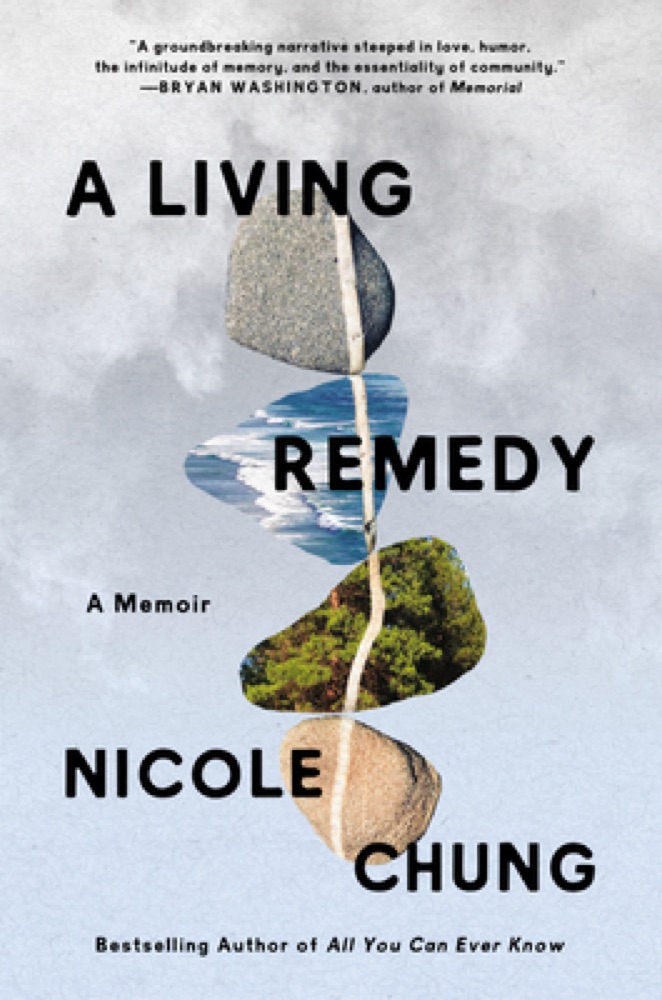 A Living Remedy: A Memoir – A Daughter's Narrative of Adoption, Class Inequality, and Grief in America
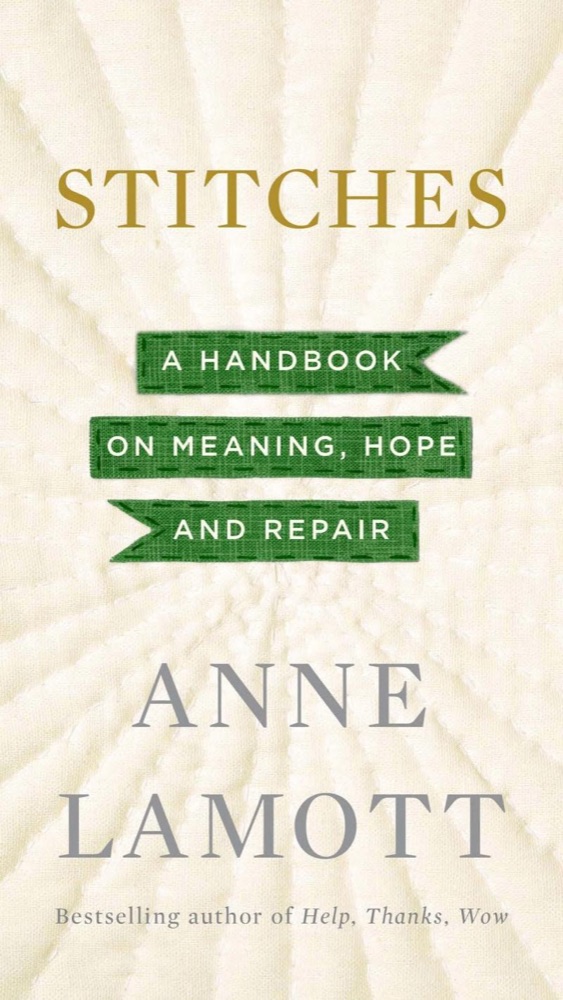 Stitches: A Handbook on Meaning, Hope, and Repair
 Wild Mercy: Living the Fierce and Tender Wisdom of the Women Mystics
 Now Is the Time to Open Your Heart
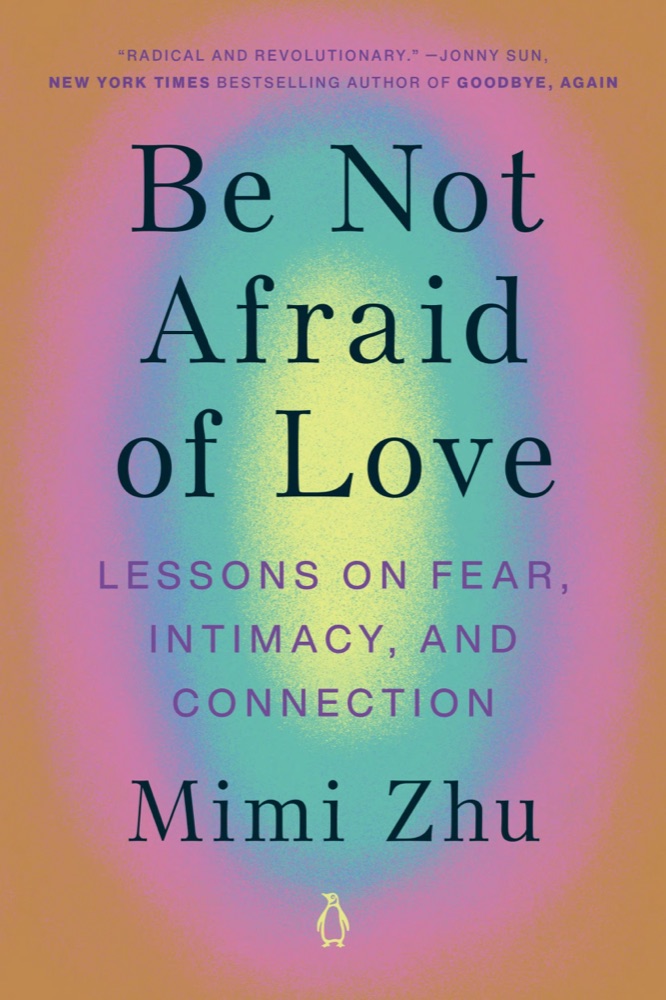 Be Not Afraid of Love: Lessons on Fear, Intimacy, and Connection
 Aftershocks
 Crazy Brave
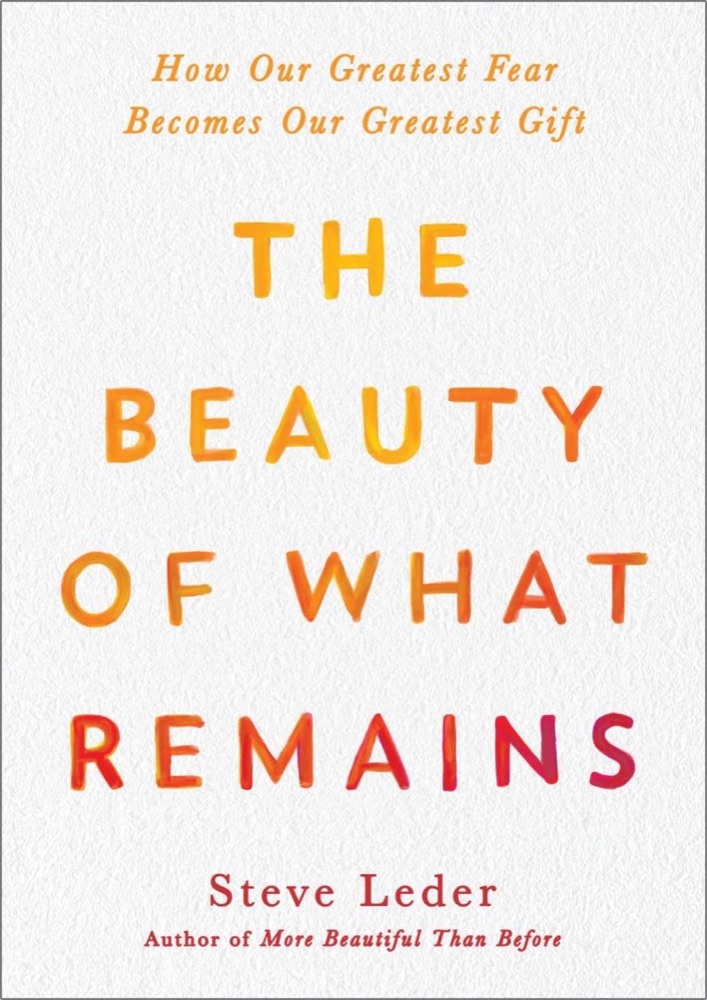 The Beauty of What Remains: How Our Greatest Fear Becomes Our Greatest Gift
 WayMaker: Finding the Way to the Life You’ve Always Dreamed Of
 A Matter of Death and Life
 The Year of Magical Thinking
 When Things Fall Apart: Heart Advice for Difficult Times
 Notes on Grief
 Becoming Human
 The Wise Heart: A Guide to the Universal Teachings of Buddhist Psychology
 Why Religion? A Personal Story
 What It Takes to Heal: How Transforming Ourselves Can Change the World
 Refuge: An Unnatural History of Family and Place
 The Places That Scare You: A Guide to Fearlessness in Difficult Times
 In an Unspoken Voice: How the Body Releases Trauma and Restores Goodness
 Make It Scream, Make It Burn
 Living Beautifully with Uncertainty and Change
 Any Ordinary Day
 Messages from the Masters: Tapping into the Power of Love
 Reconciliation: Healing the Inner Child
 Finding Meaning in the Second Half of Life: How to Finally, Really Grow Up
 Anthropology of an American Girl
 The Wisdom of Your Body: Finding Healing, Wholeness, and Connection through Embodied Living
 Necessary Losses: The Loves, Illusions, Dependencies, and Impossible Expectations That All of Us Have to Give Up in Order to Grow
 The Cancer Journals
 Journal of a Solitude
 Levels of Life