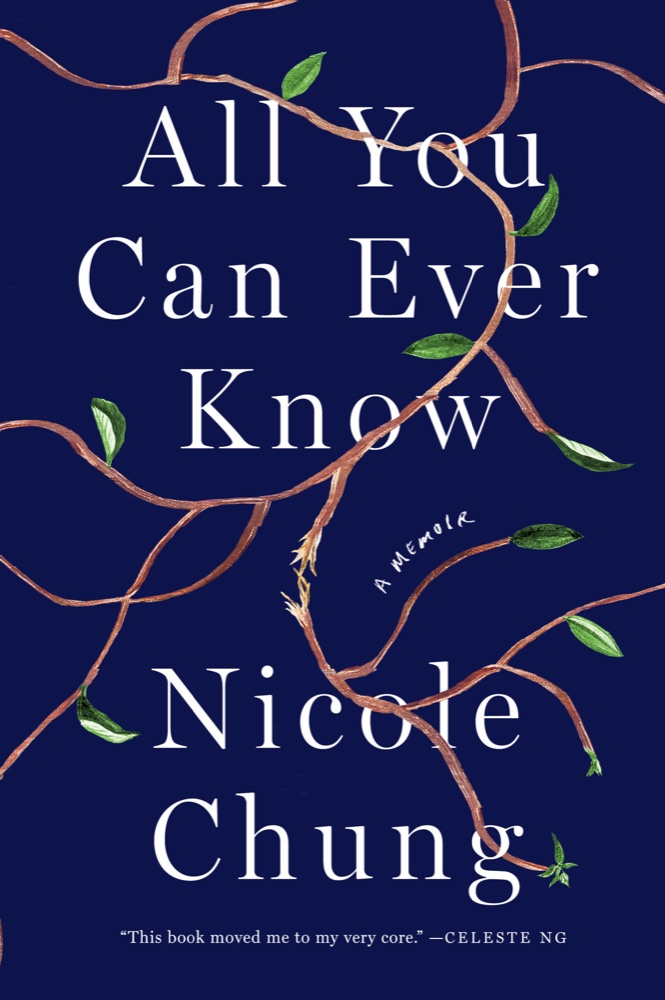
 All You Can Ever Know
Quotes from the Book
How do you learn to cherish yourself, your life, when grief has made it unrecognizable? I am starting to feel that we do so not by trying to fill a void that can never be filled but by living as best as we can in this strange, yawning terrain our loved ones have left behind, exploring its jagged boundaries and learning to see it as something new.
4
For me, grief is like waking up every day in a different house. I feel as though I ought to know my way around by now. I have been grieving for my father for more than 2 years but find that I am continually losing my bearings, struggling to learn the layout anew. I will walk through a door in my mind that I didn't even notice the day before, trip over a memory I've relived a thousand times, and it's as if I were seeing the space around me, breathing in this hushed loneliness, for the first time. I try to talk to my husband and children about my mother but soon stop. It's too much of an effort. It feels forced. I have to explain so much before they can understand, and even then, there's no way for them to join me in the past. It's the same when I bring up my father or my grandmother. The three people who saw me through my childhood, who remember best what I was like as a baby and a little girl, are gone, and now I carry these stories and memories alone. Three deaths. One composite lump of grief.
2
I am often reminded that this, too, is part of mourning: trying to find new joy where we can.
2
He said he always felt that Dad loved people beyond their merits, a sentiment to which I could relate; while Dad and I sometimes disappointed each other, our love was never in question, and he usually thought better of me than I thought of myself.
1
All the while, I keep daydreaming about walking into traffic. From the moment the thought pushes its way into my grief-muddled brain, I know that I could never act on it. It’s not that I want to hurt myself—it’s that I cannot seem to work up any remorse when I think about no longer being alive. Nor does the thought frighten me, as it always did before. What if you didn’t have to feel this way anymore? my mind proposes, in moments that are deceptively calm, moments when I am not sobbing in the shower or screaming in my car because I cannot scream at home. What if the pain could just end?
1
I have always felt as though I have something to prove: I have to do more, be better, to make other people's gifts and offerings worthwhile; to earn their care or justify their faith. I spent years trying to live up to the enable sacrifice I believed my birth parents had made, while also trying to be good enough for other people to love. I am still living as if the choices made by others - from my first parents giving me up, to my adoptive parents loving me and then letting me leave - are debts I have to repay, marks in a ledger I can never hope to expunge.
I am still caught in the first wave of grief; I have no way of knowing what future tides will bring. I know that this is not pain without aim or form, even if it is pain without end. It is proof of how much I miss her, my love for her in another shape.
The beach is the only place where I now how it feels, even temporarily, to live without anxiety: I'm able to feel a kind of soul-deep calm I never get close to anywhere else.
...sometimes, I think, I lean too far into it, let my mind run away with worrying and planning, so that grief is not all that I feel. When my thoughts are churning, trying to find some way to avert catastrophe and wish us into a different, better world, I don't have to focus on the fact that I live in this one, where my heart is still broken.
And though my father felt so far from me after he died, he no longer feels so distant, lost beyond my reach - it's as if she has given a part of him back to me now that they are wherever they are, together, my ancestors by love and choice if not by blood.
I wonder if, no matter what lies ahead, I'll spend the rest of my life looking backward, reliving the endless days and nights when my mother was dying and I couldn't be with her.
Sometimes I almost imagine that there must exist some ideal state of mourning, a perfectly balanced equation that will allow me to miss my parents, feel sad that they are gone, but remain myself, somehow, in control, anchored in the life I have to continue living without them. But of course no perfect balance exists. There will be days ahead that are all joy and days that are all grief - right now, I know only the latter - and an infinite number of combinations and feelings in between. I will control none of it. I can only let it be what it's going to be.
Am I not still doing what needs to be done: getting up every morning and going to work, taking care of my family, saying yes to anything anyone asks me to do? I haven't dropped a single ball at work. My publishing team has thanked me for my promptness in replying to their emails, for being so great to work with. I am an expert at grieving under capitalism. Watch and learn. All the while, I keep daydreaming about walking into traffic.
What did these generous, open-hearted people have in common? Only their love for me.
In the Christian sense, these are calls to repentance, but they can also be ready as invitations to surrender: to accept our limitations and our mortality; to be prepared, not consumed with clawing fear, for our life's eventual end; to focus on doing good and not harm, because any day could be our last.
Don't despair," she told me. "This is our hope in the Resurrection." The words might have upset me coming from anyone else in that church, anyone else in the world. But I felt her sorrow as something deeper and more powerful than my own, a great river spilling its banks. I couldn't help but feel awed by her abiding faith in what she saw as my father's victory over death. She was a warrior, even in grief.
But their love for me was never about ownership, or control, or whether I followed the path they expected. They were grateful that Dan and I had found each other, and they weren't afraid that we would struggle, because they themselves had not experienced a life free from struggle. We're lucky, my father said in his wedding toast, to get to witness your love and commitment. We can't wait to see the life you'll build together. They never saw me as choosing one kind of family over another, one dream or one life over another. They could not imagine a future in which I did not pursue everything I wanted.
Throughout my childhood, I often struggled to understand myself as Korean in part because my white family, encouraged by "experts," did not see my race or theirs as relevant within our household or outside it. I cannot recall a single conversation we had about anti-Asian prejudice, specifically - not the model-minority myth, not perpetual-foreigner syndrome, not the exotification and fetishization of Asian women, not the legacy of America's imperialist wars that was partially responsible for my birth family's and my presence here. The closest we came to talking about race when I was a child was my parents' assertion that they would have adopted me whether I was black, white, or purple with polka dots.
I learned new words that day: endometriosis, fibroids, hysterectomy. She had been in pain for months. She never told me why she had not sought treatment earlier; there could have been any number of reasons. What I now know is that my parents' employment at the time was tenuous, and we had no health coverage.
Though my mother's cancer was her trauma first and foremost, its aftershocks reverberated through my life as well. Her illness almost loomed larger in hindsight, because the initial jolt had faded, and in its place was a new awareness of my family's vulnerability. I remember feeling less sure, less safe, as if anything could befall us now. I found it harder to relax, struggled to fall asleep at night. My greatest fear was losing my mother, my father, or both - to illness, fire, a car accident - and her cancer seemed to justify every anxiety I'd ever harbored.
I have no doubt that my parents would have relished having more time as my primary family, the people I thought of as *home.* They could have chosen to disapprove of or resent me when I made choices that they did not anticipate, choices that kept me far away form them. But their love for me was never about ownership, or control, or whether I followed the path they expected. They were grateful that Dan and I had found each other, and they weren't afraid that we would struggle, because they themselves had not experienced a life free from struggle. *We're lucky,* my father said in his wedding toast, *to get to witness your love and commitment. We can't wait to see the life you'll build together.* They never saw me as choosing one kind of family over another, one dream or one life over another. They could not imagine a future in which I did not pursue everything I wanted.
Then I would fly back home and it would hit me anew, that could prickle of awareness somewhere between my shoulder blades. I felt small and somehow trapped whenever I returned, as though I wouldn't be allowed to leave, even though I was only a visitor now, the interloper I'd always looked like. My visits got shorter and shorter, and it was impossible to ignore the mingled guilt and relief I felt every time I boarded a flight headed east. Campus was where I had a life, a purpose, new ideas to absorb--where things were always changing, where no one stared at me when I entered a room, where I no longer questioned the fact that I belonged.
Perhaps it's no surprise that when they let me go, it was not with the grudging wonder of my father's family when they left Ohio, nor the secret shame of the birth parents who gave me up as a baby--they encouraged me because their priority was my happiness, even if the pursuit of it took me away from them. That they frequently saw promise where others might have seen only risk is something I cannot help but admire. Sometimes I wonder if being their child, a product of their choices and their faith if not their genes, is what made me believe that another life might be within my reach.
He needed access to quality health care in order to manage and treat his illnesses. He needed it throughout his life, not only in his final years, when it was granted as a crisis response only after his kidneys had failed.
A country that first abandons and then condemns people without money who have the temerity to get sick, accusing them of causing their own deaths. It is still hard for me not to think of my father’s death as a kind of negligent homicide, facilitated and sped by the state’s failure to fulfill its most basic responsibilities to him and others like him. With
Beside my chair, our dog’s paws drag at the sand; these are the first holes she has ever dug, and now digging is her vocation. My kids giggle at her industriousness, though it’s clear that they are ready to no longer be sandy, to return to the house for showers and games and ice cream. As they begin rolling up their towels, folding up their chairs, I pull my phone out of my pocket and search for a poem I saved long ago: “What the Living Do,” by Marie Howe. I first encountered it when I was twenty-two, an age when I’d barely known grief, and was so moved by Howe’s words that I kept the poem to reread and eventually bought all of her books. Addressed to her brother John, who died of complications from AIDS, “What the Living Do” has always seemed to me a perfect expression of love, and loss, and what it means to survive. It’s been a few years since I last thought of it, but now that I need it, it’s waiting for me, as the best poems do.
I soon realized that being with Dan, whether we were talking or working in silence, was as effortless as being alone, if considerably more fun. I felt more like myself in his company, which was of course partly why I had been seeking it out so often.
I rarely stopped to think about what it meant that I was now far more comfortable in the rarefied air of campus than I had ever been in my hometown. Then I would fly back home and it would hit me anew, that cold prickle of awareness somewhere between my shoulder blades. I felt small and somehow trapped whenever I returned, as though I wouldn’t be allowed to leave, even though I was only a visitor now, the interloper I’d always looked like.
Watch on YouTube
About Nicole Chung
More by Nicole Chung
All You Can Ever Know
About the book
A searing memoir of family, class and grief—a daughter’s search to understand the lives her adoptive parents led, the life she forged as an adult, and the lives she’s lost.
In this country, unless you attain extraordinary wealth, you will likely be unable to help your loved ones in all the ways you’d hoped. You will learn to live with the specific, hollow guilt of those who leave hardship behind, yet are unable to bring anyone else with them.
Nicole Chung couldn’t hightail it out of her overwhelmingly white Oregon hometown fast enough. As a scholarship student at a private university on the East Coast, no longer the only Korean she knew, she found community and a path to the life she'd long wanted. But the middle class world she begins to raise a family in – where there are big homes, college funds, nice vacations – looks very different from the middle class world she thought she g
Book details
- First published
- 2023
- Author
- Nicole Chung
- Genre
- Biography
- Goodreads rating
- 3.99 (6k ratings)
Keep reading
 The First Time She Drowned
 Never Stop Walking: A Memoir of Finding Home Across the World
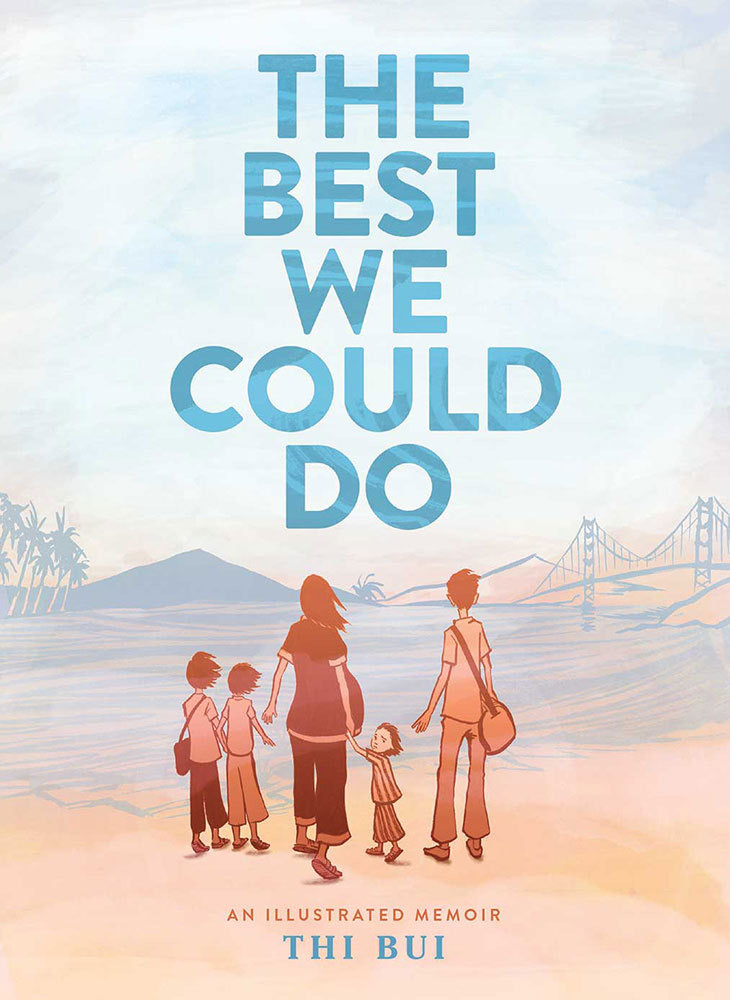 The Best We Could Do
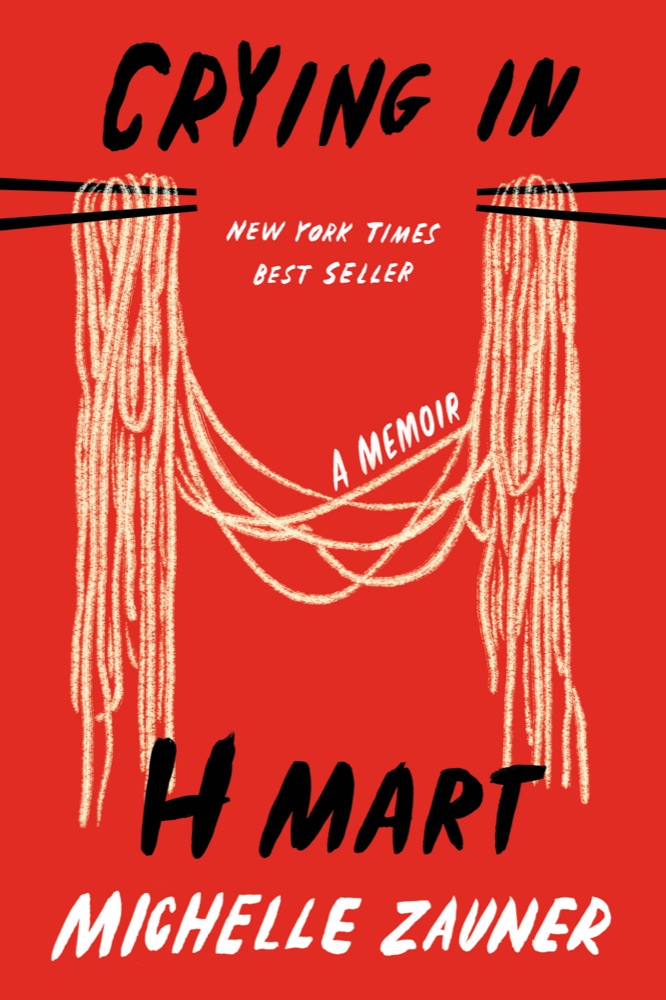 Crying in H Mart
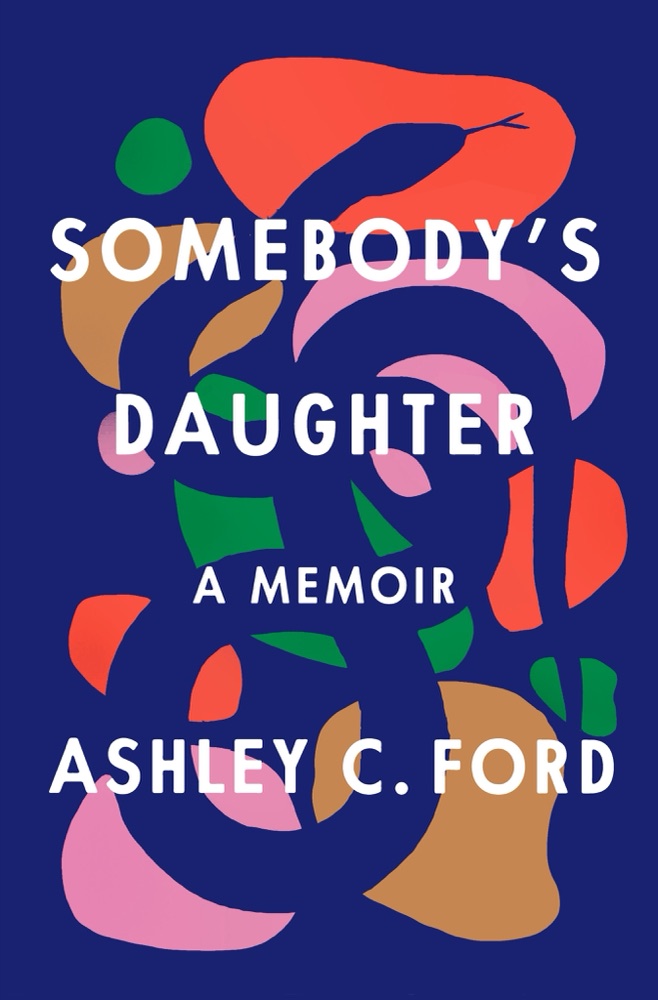 Somebody's Daughter
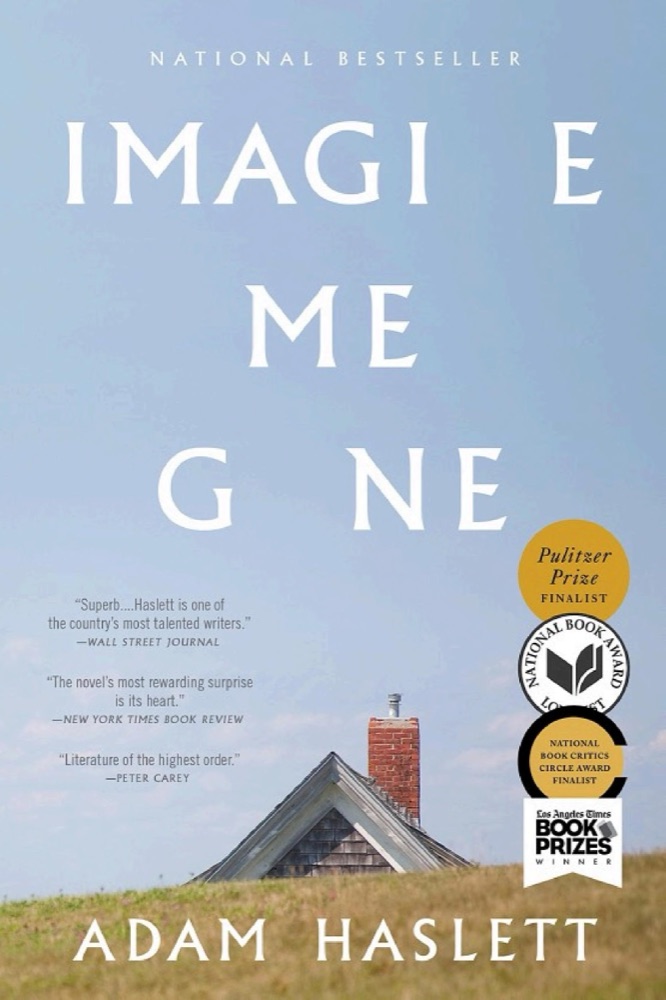 Imagine Me Gone
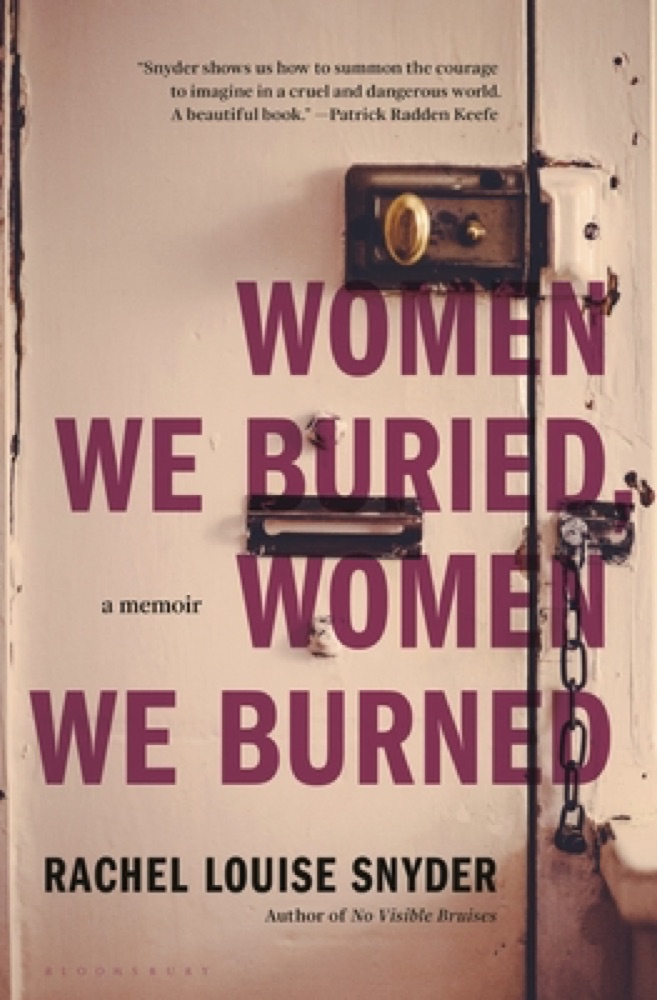 Women We Buried, Women We Burned: A Memoir
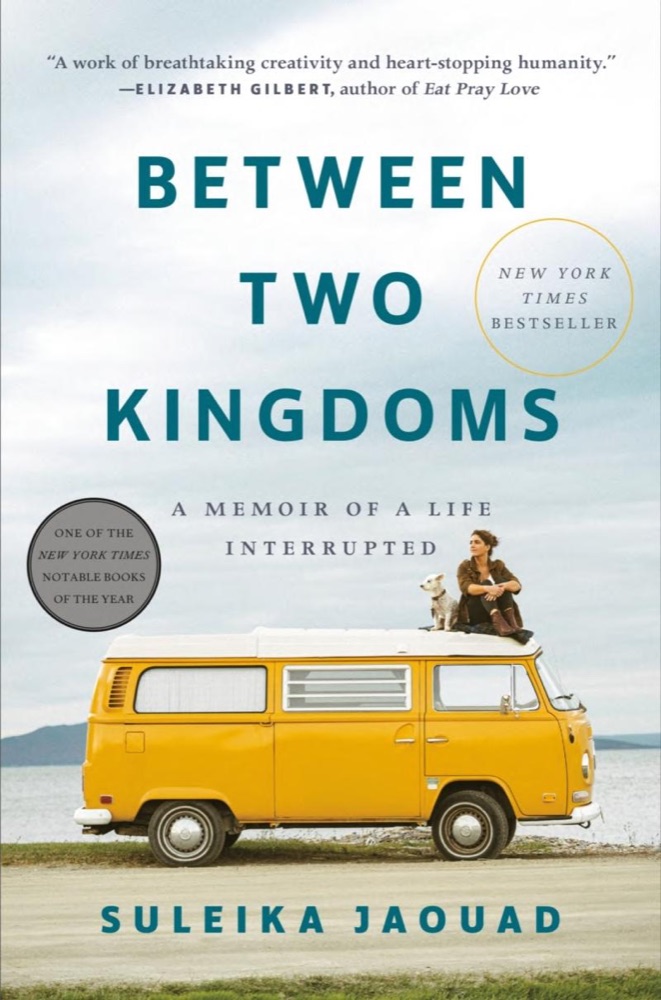 Between Two Kingdoms: A Memoir of a Life Interrupted
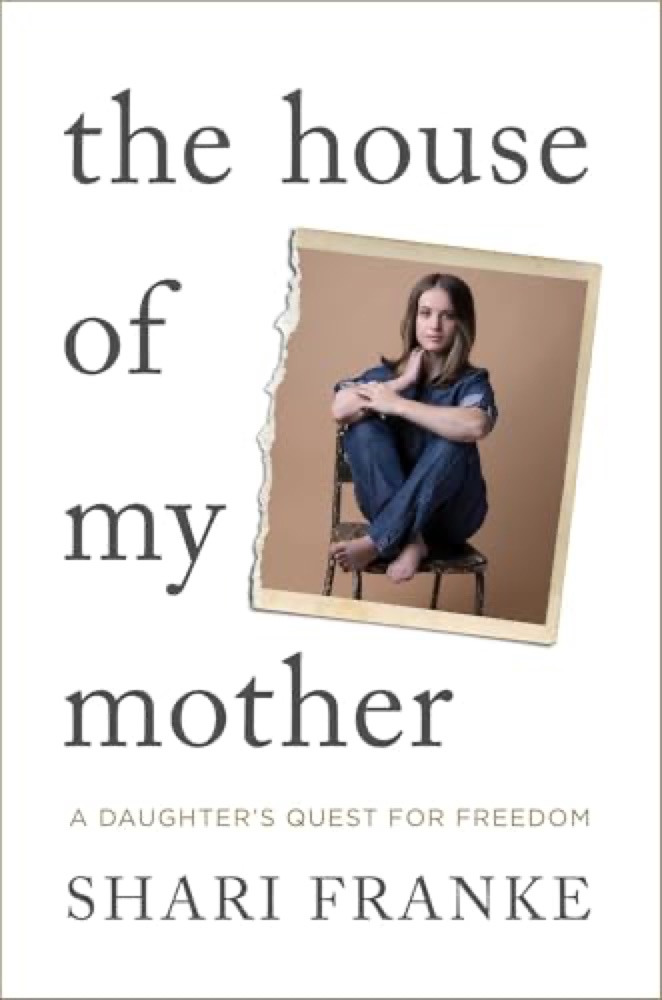 The House of My Mother: A Daughter's Quest for Freedom
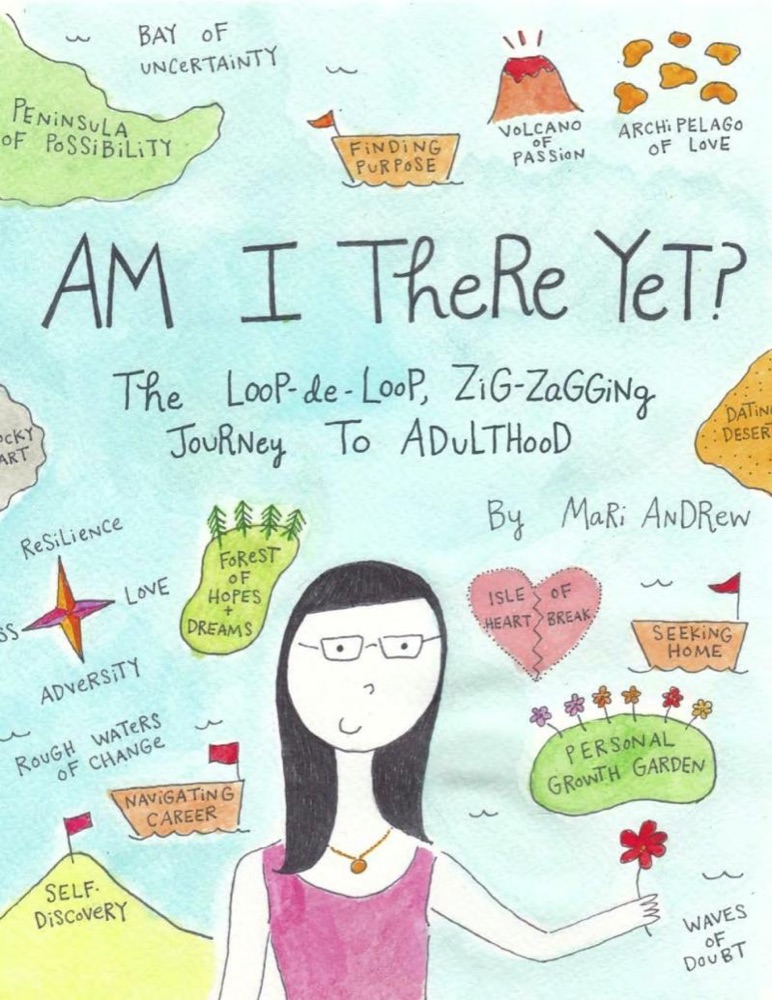 Am I There Yet? The Loop-de-Loop, Zigzagging Journey to Adulthood
 Notes on Grief
 Breaking Night: A Memoir of Forgiveness, Survival, and My Journey from Homeless to Harvard
 Afterparties
 One True Thing
 What My Mother and I Don't Talk About: Fifteen Writers Break the Silence
 Just Ignore Him
 Everything Happens for a Reason: And Other Lies I've Loved
 Whereabouts
 Dreams of Falling
 The Beauty of Living Twice
 Devotion
 We Are Okay
 All But My Life: A Memoir
 Banyan Moon
 The Tell: A Memoir
 The Death of Vivek Oji
 Managing Expectations: A Memoir in Essays – A Poignant Collection of Personal Stories on Acting, Failure, and Motherhood's Joy
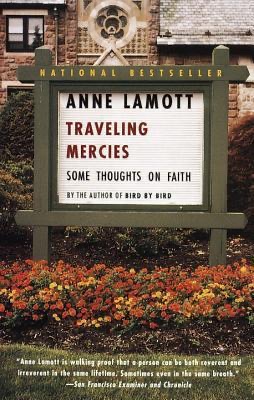 Traveling Mercies: Some Thoughts on Faith
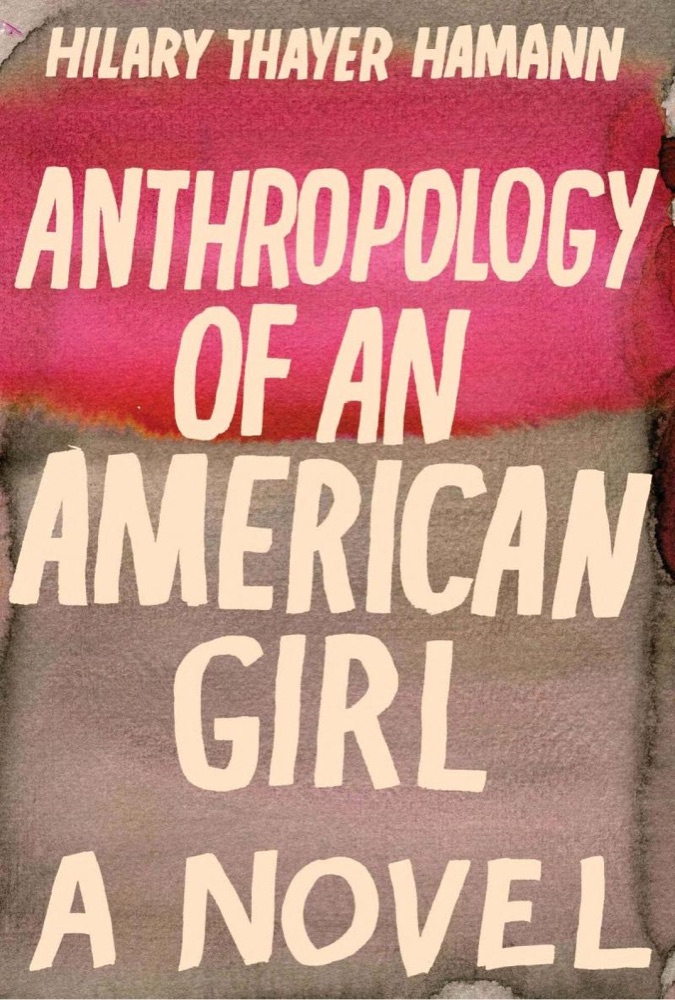 Anthropology of an American Girl
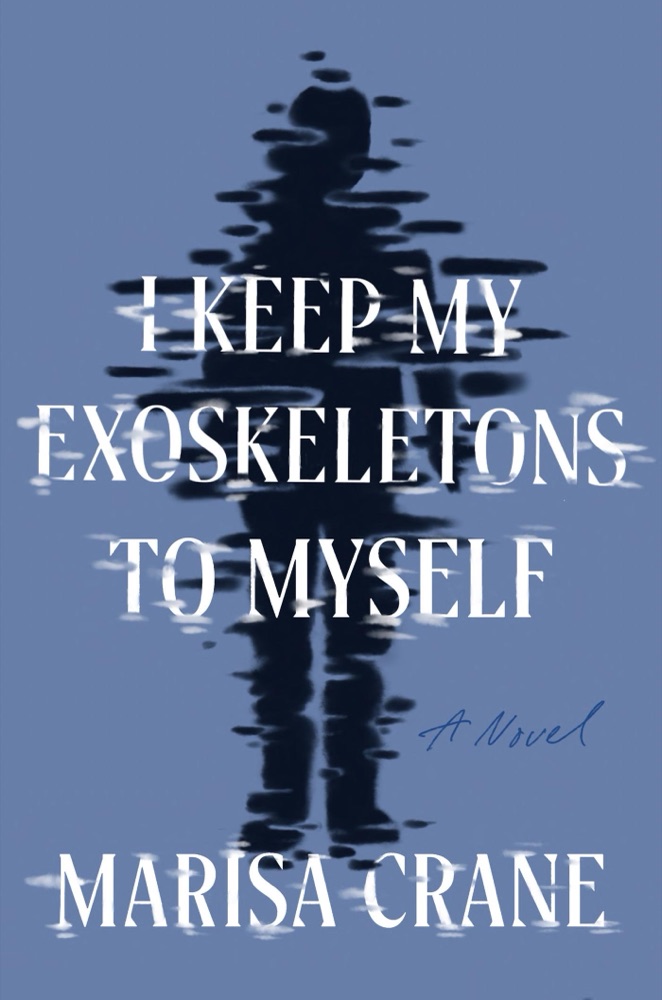 I Keep My Exoskeletons to Myself
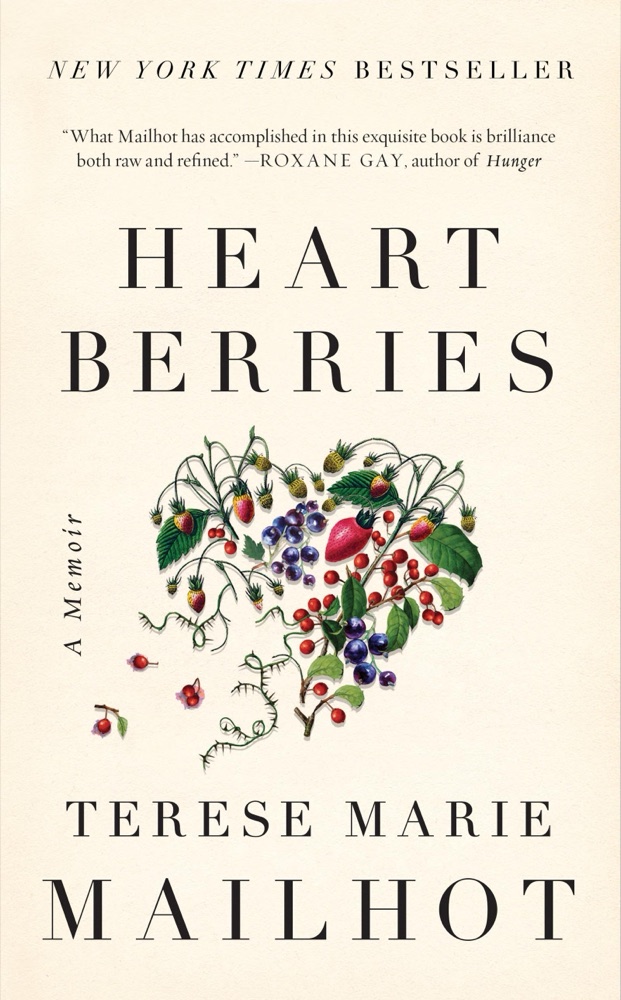 Heart Berries
 You Could Make This Place Beautiful
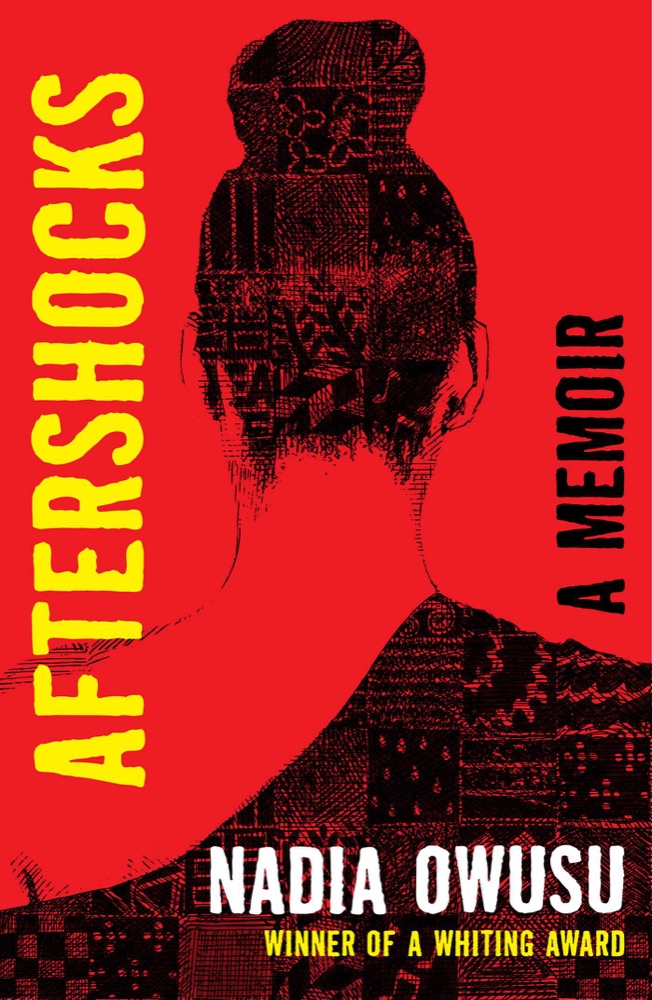 Aftershocks
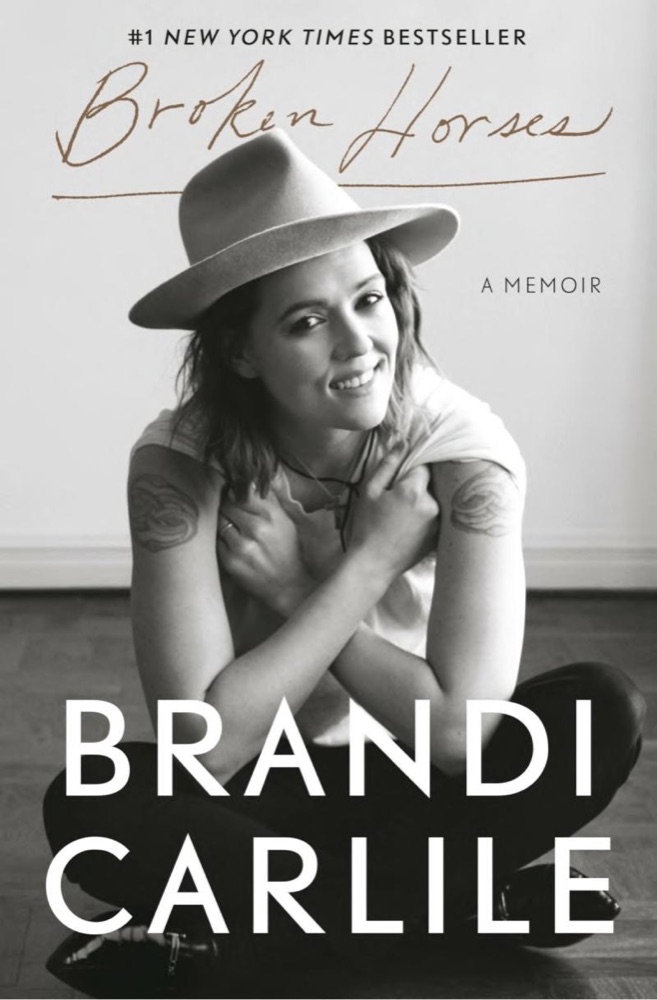 Broken Horses
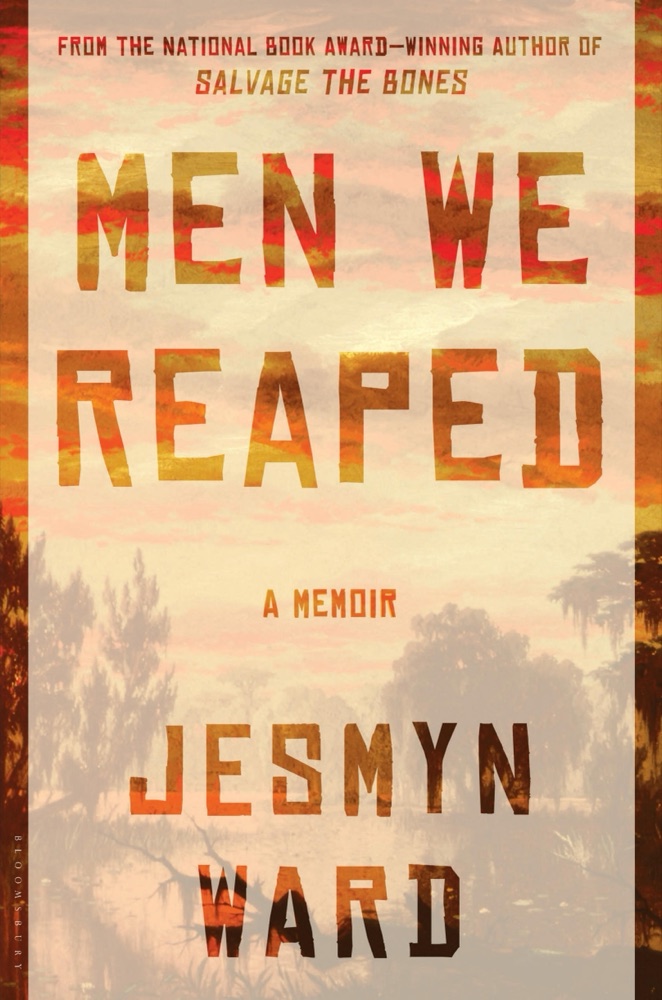 Men We Reaped
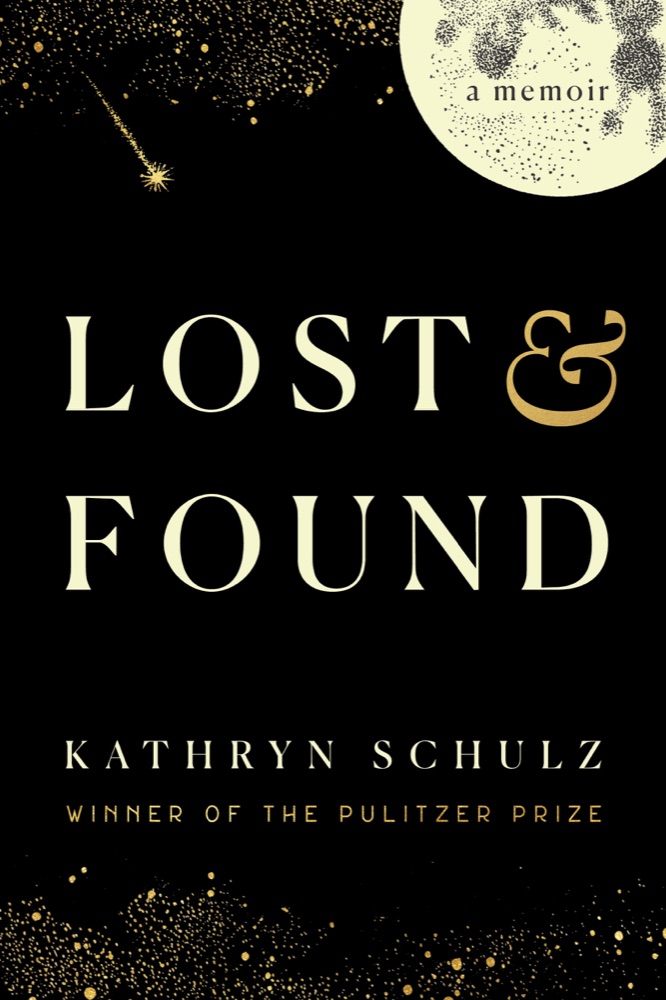 Lost & Found: A Memoir
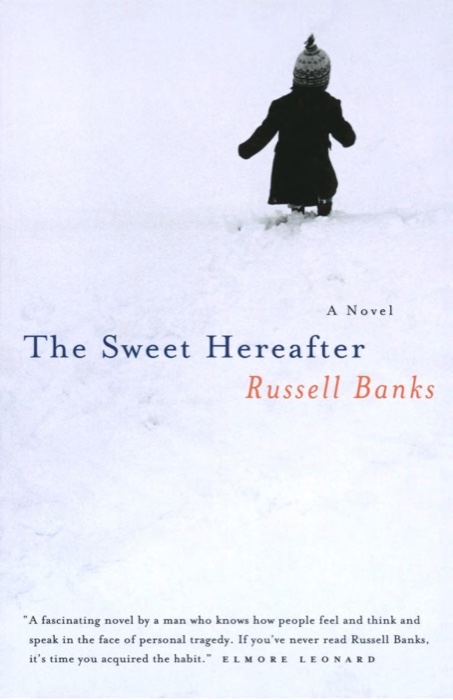 The Sweet Hereafter
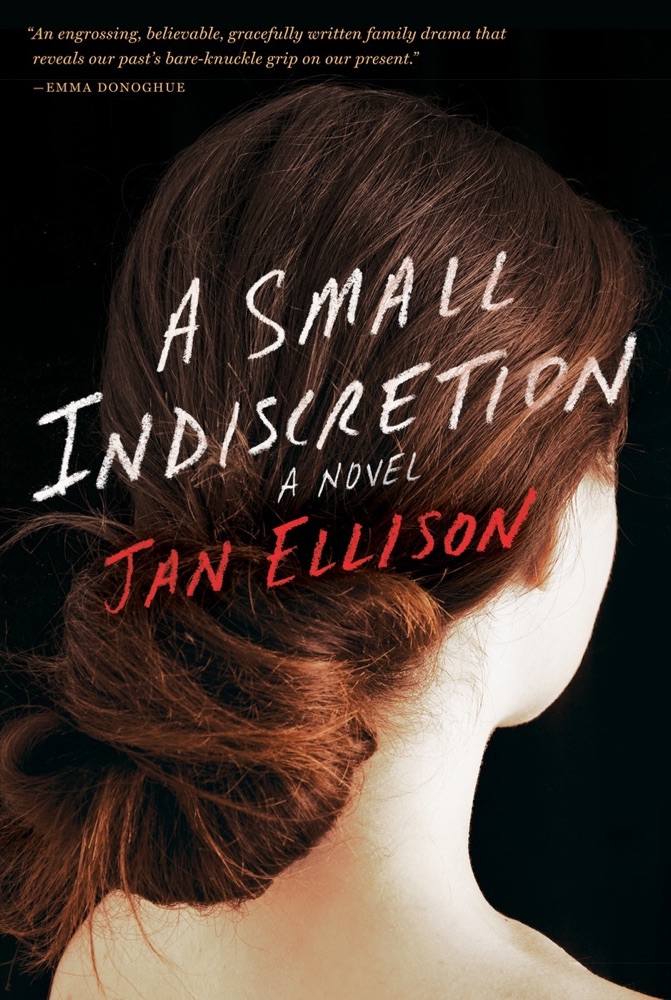 A Small Indiscretion
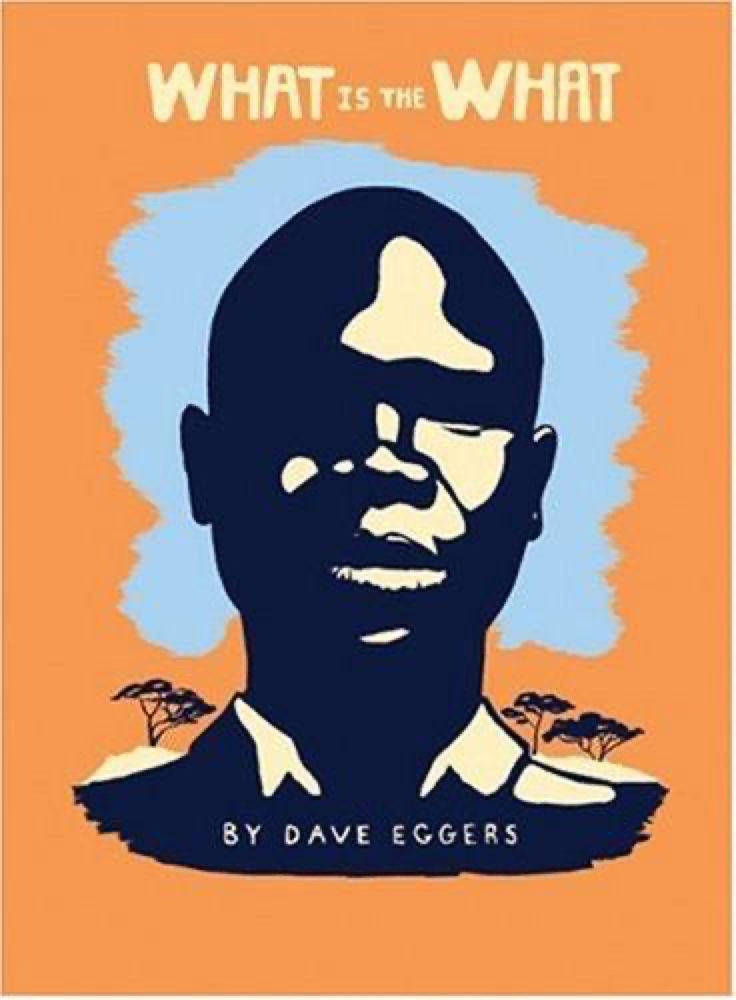 What Is the What
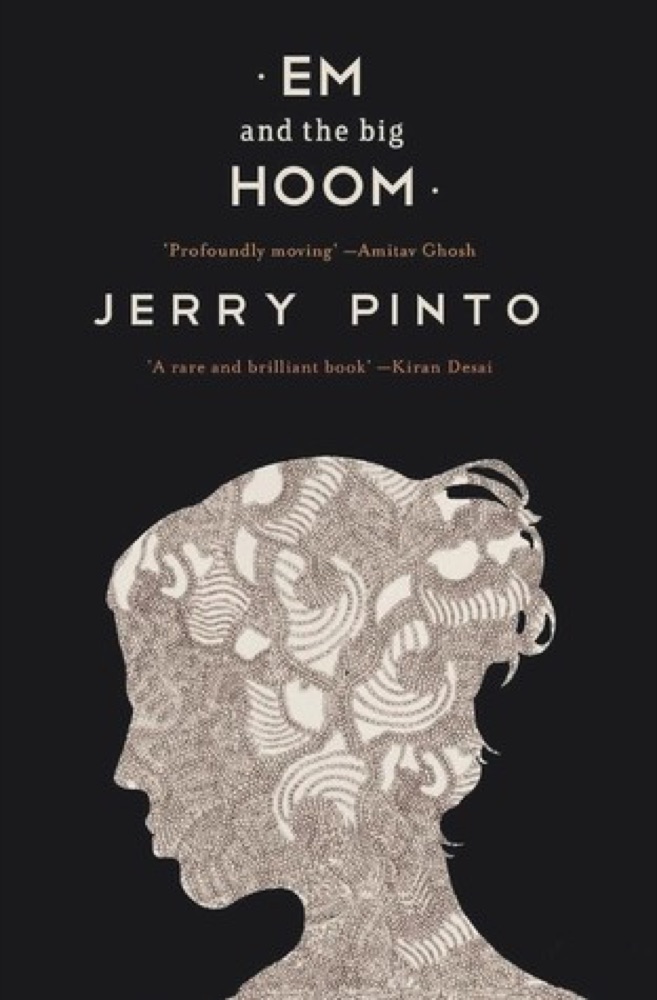 Em and The Big Hoom
 The Fact of a Body: A Murder and a Memoir
 I Am, I Am, I Am: Seventeen Brushes with Death
 My Mother's Secret
 The Harder I Fight the More I Love You: A Memoir
 Jasmine Days
 Orphan Train
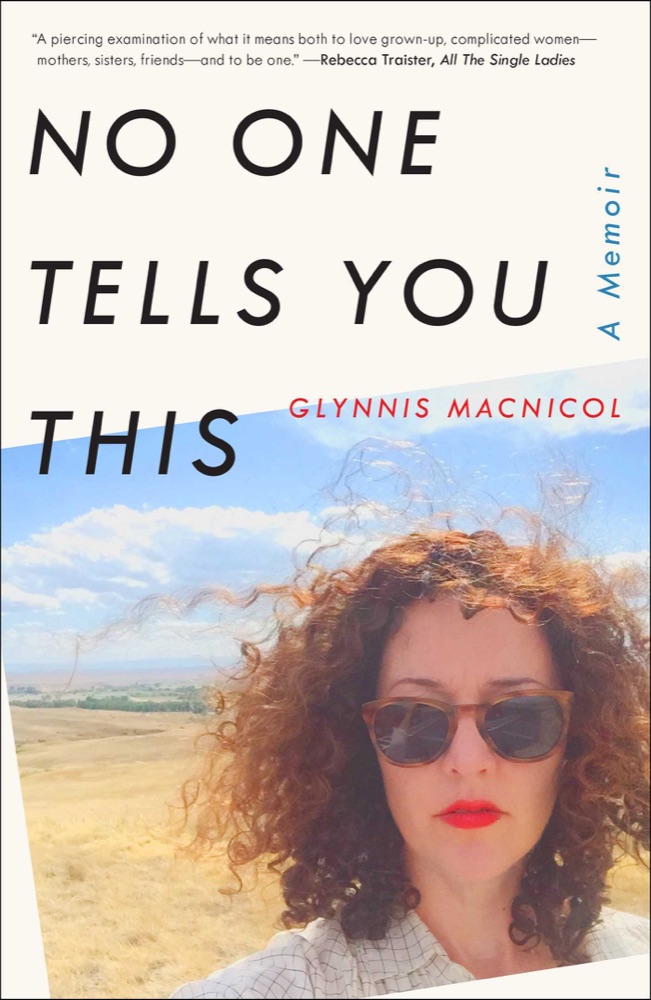 No One Tells You This
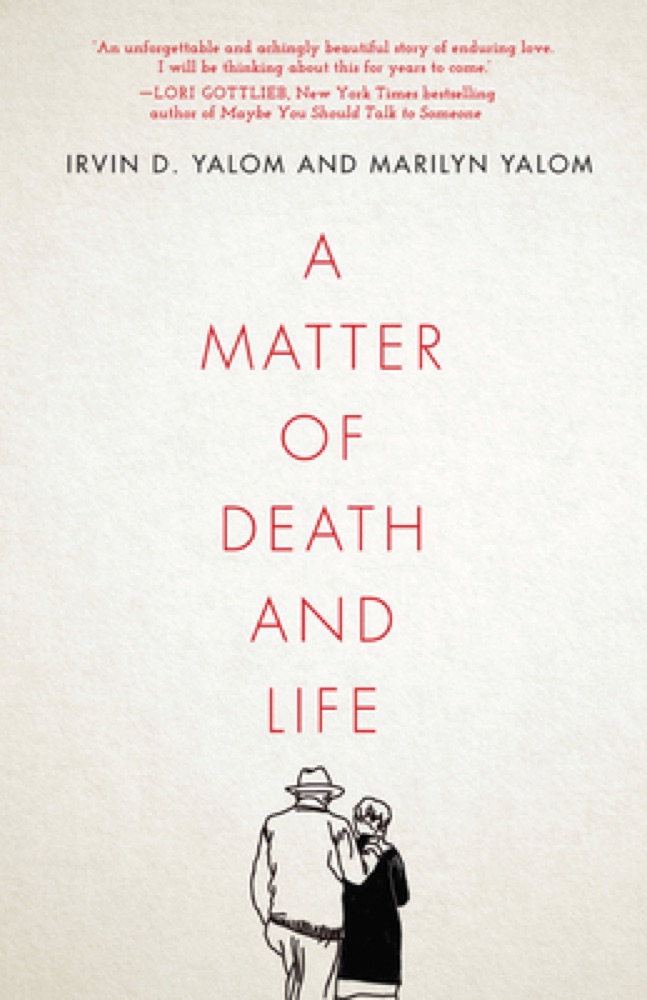 A Matter of Death and Life
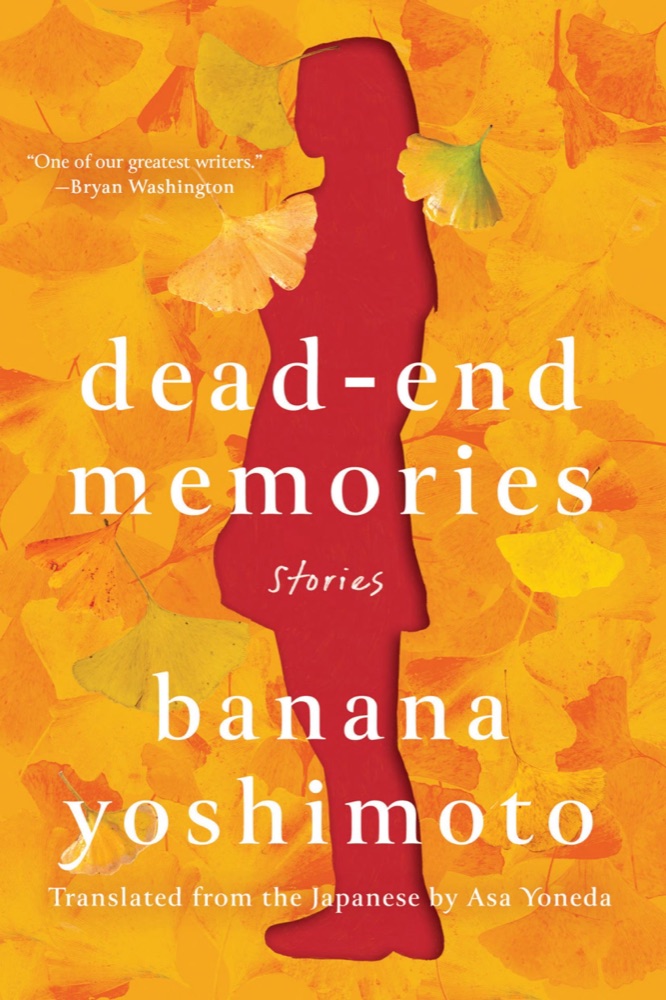 Dead-End Memories: Stories
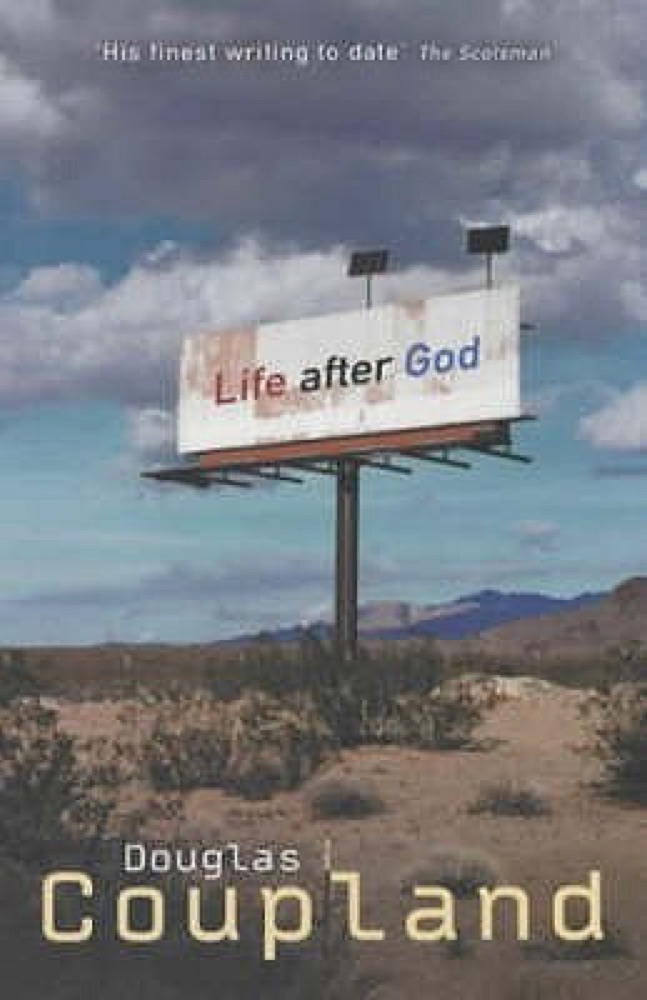 Life After God
 Grief Is Love: Living with Loss
 Finding My Way: A Memoir
 Dream Count
 Stay with Me
 Bettyville: A Memoir
 Aftermath: On Marriage and Separation
 Let's Take the Long Way Home: A Memoir of Friendship
 Why Religion? A Personal Story
 Grief Is for People