
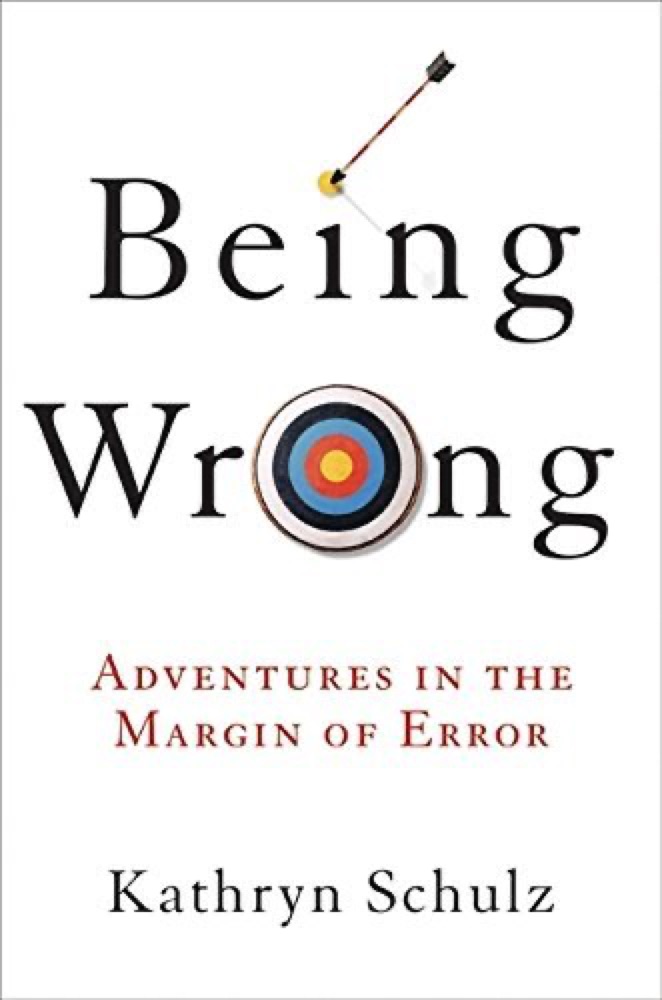
 Being Wrong: Adventures in the Margin of Error
Quotes from the Book
Grief, by contrast, is a private experience, unconstrained by ritual or time. Popular wisdom will tell you that it comes in stages—denial, anger, bargaining, depression, acceptance—and that may be true. But the Paleozoic era also came in stages—Cambrian, Ordovician, Silurian, Devonian, Carboniferous, Permian—and it lasted two hundred and ninety million years.
10
Grief confuses us by spinning us around to face backward, because memories are all we have left, but of course it isn’t the past we mourn when someone dies; it’s the future.
9
So many losses routinely precede the final one now: loss of memory, mobility, autonomy, physical strength, intellectual aptitude, a longtime home, the kind of identity derived from vocation, whole habits of being, and perhaps above all a certain forward-tilting sense of self—the feeling that we are still becoming, that there are things left in this world we may yet do.
8
It is this harsh corrective to our sense of being central, competent, and powerful that makes even trivial losses so difficult to accept. To lose something is a profoundly humbling act. It forces us to confront the limits of our mind: the fact that we left our wallet at the restaurant; the fact that we can’t remember where we left our wallet at all. It forces us to confront the limits of our will: the fact that we are powerless to protect the things we love from time and change and chance. Above all, it forces us to confront the limits of existence: the fact that, sooner or later, it is in the nature of almost everything to vanish or perish. Over and over, loss calls on us to reckon with this universal impermanence—with the baffling, maddening, heartbreaking fact that something that was just here can be, all of a sudden, just gone.
7
We live remarkable lives because life itself is remarkable, a fact that is impossible not to notice if only suffering leaves us alone for long enough.
7
Disappearance reminds us to notice, transience to cherish, fragility to defend. Loss is a kind of external conscience, urging us to make better use of our finite days. Our crossing is a brief one, best spent bearing witness to all that we see: honoring what we find noble, tending what we know needs our care, recognizing that we are inseparably connected to all of it, including what is not yet upon us, including what is already gone. We are here to keep watch, not to keep.
6
What an astonishing thing it is to find someone. Loss may alter our sense of scale, reminding us that the world is overwhelmingly large while we are incredibly tiny. But finding does the same; the only difference is that it makes us marvel rather than despair. In all the vast reaches of space, among all of life's infinite permutations, out of all the trajectories and possibilities and people on the planet, here I was, in this house, following along beside C. as she took my hand and led me out of the living room and into the kitchen, where, she told me, there was something else she wanted me to see.
6
Life, too, goes by contraries. It is by turns crushing and restorative, busy and boring, awful and absurd and comic and uplifting. We can't get away from this constant amalgamation of feeling, can't strain out the ostensible impurities in pursuit of some imaginary essence. And we shouldn't want to if we could. The world, in all its complexities, calls on us to respond in kind. So that to be conflicted is not to be adulterated--it is to be complete.
5
Once, after I somehow came across the word “circumjoviating” and had to look it up—it means “orbiting around Jupiter”—I challenged him to define it. He thought for perhaps five seconds, then guessed, logically and sublimely: “avoiding God.” I have used it that way ever since then—for what other word so concisely describes the experience of ducking one’s deity or conscience or responsibilities? Like so much of what I got from my father, it is a gift of ethics inside a gift of language. And so it came back to me after he died, when I sat there impassively and watched it start to define me: avoiding work, avoiding books, avoiding time, avoiding joy, avoiding reality. I
4
That is how I feel: that finding one’s beloved is an “Astonishment,” to borrow the title of that Szymborska poem, because, cosmically speaking, there is so much time and space in which not to do so.
3
meaning. I have always thought that this was true; our time here, it seems to me, is made precious by virtue of being scarce. But, as I have discovered again and again, what one thinks and how one feels can part ways radically in the face of grief.
3
One consequence of losing a parent—obvious enough, although it hadn't occurred to me beforehand—is that it reconfigures the rest of your family. All my life, it had been the four of us; to the extent that had ever changed, it had only been joyfully, in the direction of more. But part of mourning my father involved acclimating to a new family geometry, a triangle instead of a square. As a unit, we were smaller, differently balanced, and, at first, unavoidably sadder.
3
For now, at least, the world is ours to notice and to change, and that seems to me sufficient. It is true that loss will ultimately part us from it, but it is also true, as I said earlier, that we have many bindings. Our works of art, our honorable deeds, our acts of kindness and generosity; all of these link us in unseen ways to future generations.
2
I lost my father; my father lost everything. That is the absolute loss that his silence in the hospital foretold: the end of the mind, the end of the self, the end of being a part of all of this—the harbor, the city, the poetry, the world. “He became his admirers,” a different poet, W. H. Auden, wrote of Yeats when the latter died. Now we who loved my father are all that is left of him.
2
This idea inverts the logic of Elizabeth Bishop: our largest losses, it suggests, can help us cope with our smaller ones, by putting them in perspective.
2
All of this makes dying sound meaningful and sweet. And it is true that, if you are lucky, there is a seam of sweetness and meaning to be found within it, a vein of silver in a dark cave a thousand feet underground. Still, the cave is a cave.
1
One of the many ways that loss instructs us is by correcting our sense of scale, showing us the world as it really is: so enormous, complex, and mysterious that there is nothing too large to be lost — and, conversely, no place too small for something to get lost there… Like awe and grief, to which it is closely related, loss has the power to instantly resize us against our surroundings; we are never smaller and the world never larger than when something important goes missing.
1
And we love as we mourn, with wildly variegated, equally sincere emotions. In addition to everything lofty and lusty, love is also being hurt when your wife is brusque with you or annoyed when you realize that your husband has walked past the cat vomit all day without cleaning it up; it is alternately intervening and forbearing when your beloved bites her nails, and listening patiently as your partner vents at length about his boss when you really just want to get back to reading your book. There is no enduring love on the planet, nor ever has been, that isn’t characterized by these crisscrossing moods. “Whoever supposes,” Montaigne once wrote, “to see me look sometimes coldly, sometimes lovingly, on my wife, that either look is feigned, is a fool.
1
Lately I have found this everyday remarkableness almost overwhelming. As I said, I’ve never been much for stoicism, but these last few years, I have been even more susceptible than usual to emotion—or, rather, to one emotion in particular. As far as I know, it has no name in our language, although it is close to what the Portuguese call saudade and the Japanese call mono no aware. It is the feeling of registering, on the basis of some slight exposure, our existential condition: how lovely life is, and how fragile, and how fleeting. Although this feeling is partly a response to our place in the universe, it is not quite the same as awe, because it has too much of the everyday in it, and too much sorrow, too.
1
The heart can think of no devotion Greater than being shore to the ocean— Holding the curve of one position, Counting an endless repetition. I have thought of those lines more often than I can say, at night when C. and I are curled up in bed together, her body wrapped around mine, her long fingers holding mine against my heart, or on mornings when I wake up to her magic eyes and bright morning cheer and smile through my sleepiness. All I ever want is this, I think in those moments and countless others, over and over and over again for a hundred thousand years. That is the essence of requited love and, surely, the luckiest of all conditions: to wish only for what we already have.
1
But, like Anteros, it is largely overlooked in our culture, victim of the general consensus that happiness is pleasant but uninteresting.
1
Most of us alive today will survive into old age, and although that is a welcome development, the price of experiencing more life is sometimes experiencing less of it, too. So many losses routinely precede the final one now: loss of memory, mobility, autonomy, physical strength, intellectual aptitude, a longtime home, the kind of identity derived from vocation, whole habits of being, and perhaps above all a certain forward-tilting sense of self—the feeling that we are still becoming, that there are things left in this world we may yet do. It is possible to live a long life and experience very few of these changes, and it is possible to experience them all and find in them, or alongside them, meaning and gratitude. But for most of us, they will provoke, at one point or another, the usual gamut of emotions inspired by loss, from mild irritation to genuine grief. I don’t mean to suggest that my father was unhappy at the end of his life; he was not.
1
Much of the experience of heartbreak falls into this category, since an unwanted breakup or divorce entails the loss not only of someone we love but also the familiar texture of our days and a cherished vision of the future.
1
A regrettable truth about our species is that our capacity to love is matched only by our ability to harm and hinder that capacity. And one measure of how fortunate you are with respect to fate, family, and society is how much you have been left free to find happiness with another person. Still, even if you have a relatively unimpeded capacity to love, sooner or later you or your partner, or the two of you in collusion, will find plenty of ways to tax it.
I love my life and wouldn’t exchange it for any other, but I am not sure the faint contrails of longing left behind by all these other imagined futures ever fully disappear. That’s not because some part of me still wonders who else I could have been; it is just a general mourning for the foreclosure of possibility. So many opportunities are out of reach from the moment we
Entire spiritual traditions are built on the idea of nonattachment, on the belief that we can learn to face even our gravest losses with acceptance, equilibrium, and grace.
As for my father, his loss was palpable to me throughout, but only in the way the moon is sometimes visible by day: faint and strangely beautiful, there because it is always there.
His discoveries are, like those of the navigator, the chemist, the biologist, scarce more than alert recognitions. He comes upon the interesting thing as Columbus came upon the isle of San Salvador, because he had moved in the right direction for it.
One of them, akin to the feeling of losing something, is that the universe is dauntingly large and we are terrifyingly insignificant. The other, akin to the feeling of finding, is that the universe is dauntingly large and yet here we are, unimaginably unlikely and therefore precious beyond measure. As with so many other contrasting feelings, most of us will experience both of these eventually. It is easy to feel small and powerless; easy, too,
As someone who gets teary-eyed at rom-coms, analyzes my feelings about my feelings, and shows off my cuts and bruises like a six-year-old, I naturally find stoicism absurd. But the truth is that C. really is good at self-soothing, both physically and emotionally, and if I had been able to leave her in peace for twenty minutes that day on the trail, the whole thing would have blown over like the wispy little cirrus clouds overhead. But I could not, so I goaded her into talking to me, whereupon I learned that what she had heard, in “just out hiking for the day” was dismissiveness—an implication that the activity we were engaged in was a pale version of what I really wanted to be doing.
Watch on YouTube
About Kathryn Schulz
We have collected 60 quotes from 2 books by Kathryn Schulz on BookQuoters.
More about the author →More by Kathryn Schulz
Being Wrong: Adventures in the Margin of Error
About the book
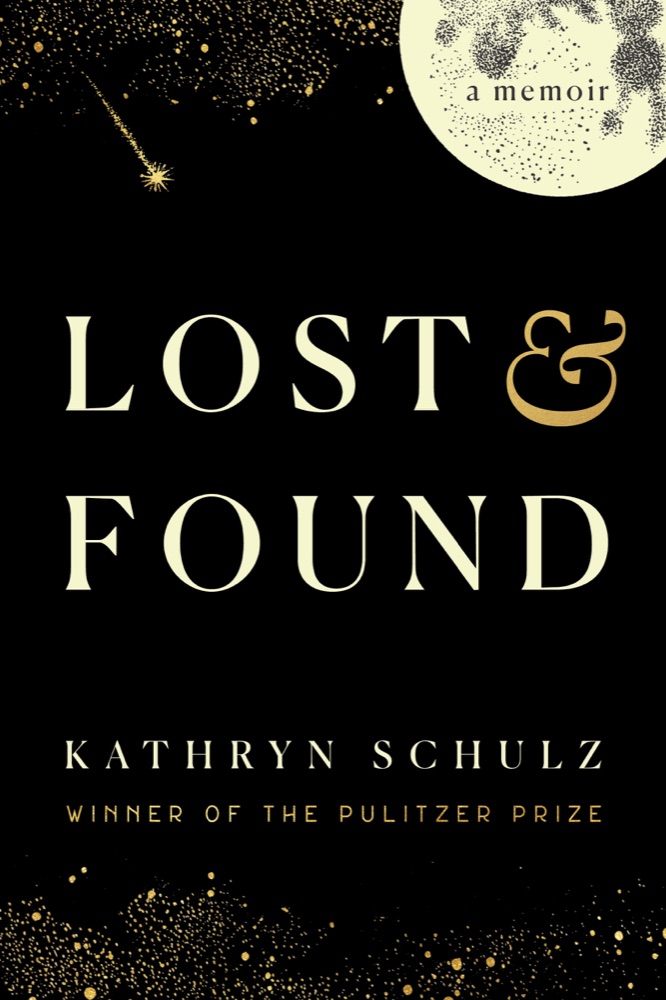
Eighteen months before Kathryn Schulz's father died, she met the woman she would marry. In Lost & Found, she weaves the story of those relationships into a brilliant exploration of the role that loss and discovery play in all of our lives. The resulting book is part memoir, part guidebook to living in a world that is simultaneously full of wonder and joy and wretchedness and suffering--a world that always demands both our gratitude and our grief. A staff writer at The New Yorker and winner of the Pulitzer Prize, Schulz writes with curiosity, tenderness, erudition, and wit about our finite yet infinitely complicated lives. Lost & Found is an enduring account of love in all its many forms from one of the great writers of our time.
Book details
- First published
- 2022
- Author
- Kathryn Schulz
- Genre
- Biography
- Goodreads rating
- 4.11 (10k ratings)
The buzz
- The New York TimesReview in The New York Timesprofessional review (via Book Marks)
- The GuardianReview in The Guardianprofessional review (via Book Marks)
- NPRReview in NPRprofessional review (via Book Marks)
- The TimesReview in The Timesprofessional review (via Book Marks)
- LA Review of BooksReview in LA Review of Booksprofessional review (via Book Marks)
- The Boston GlobeReview in The Boston Globeprofessional review (via Book Marks)
Keep reading
 Levels of Life
 Grief Is for People
 First Person Singular: Stories
 On Grief and Grieving: Finding the Meaning of Grief Through the Five Stages of Loss
 Bittersweet: How Sorrow and Longing Make Us Whole
 In Search of Lost Time
 The Year of Magical Thinking
 Dearest Josephine
 The Wild Edge of Sorrow: Rituals of Renewal and the Sacred Work of Grief
 Hourglass: Time, Memory, Marriage
 A Matter of Death and Life
 Make It Scream, Make It Burn
 The Examined Life: How We Lose and Find Ourselves
 The Mountain Shadow
 The Lost Garden
 The Island of Missing Trees
 Let's Take the Long Way Home: A Memoir of Friendship
 Journal of a Solitude
 The Book of Awakening: Having the Life You Want by Being Present to the Life You Have
 A Widow's Story
 A Grace Disguised: How the Soul Grows through Loss
 Housekeeping
 Things in Nature Merely Grow
 Anthropology of an American Girl
 Just Above My Head
 A Field Guide to Getting Lost
 These Precious Days: Essays
 The City and Its Uncertain Walls
 When Breath Becomes Air
 A Living Remedy: A Memoir – A Daughter's Narrative of Adoption, Class Inequality, and Grief in America
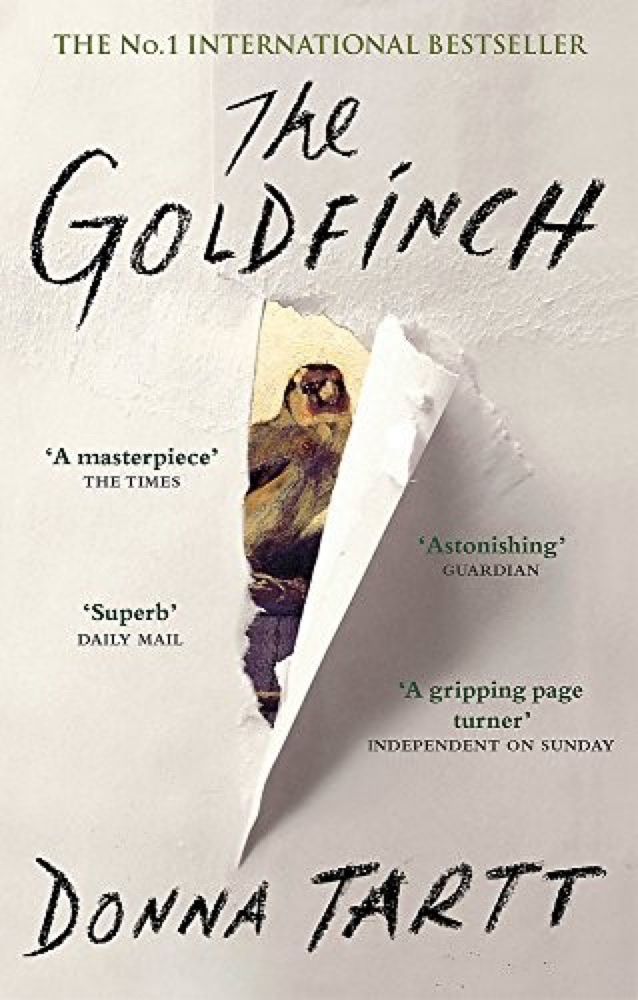 The Goldfinch
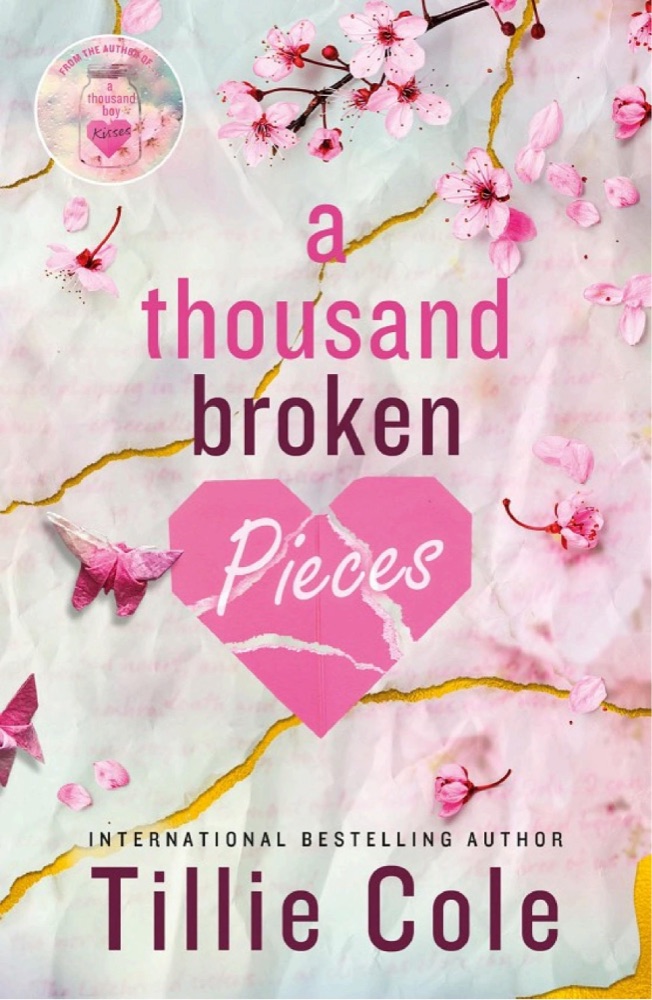 A Thousand Broken Pieces
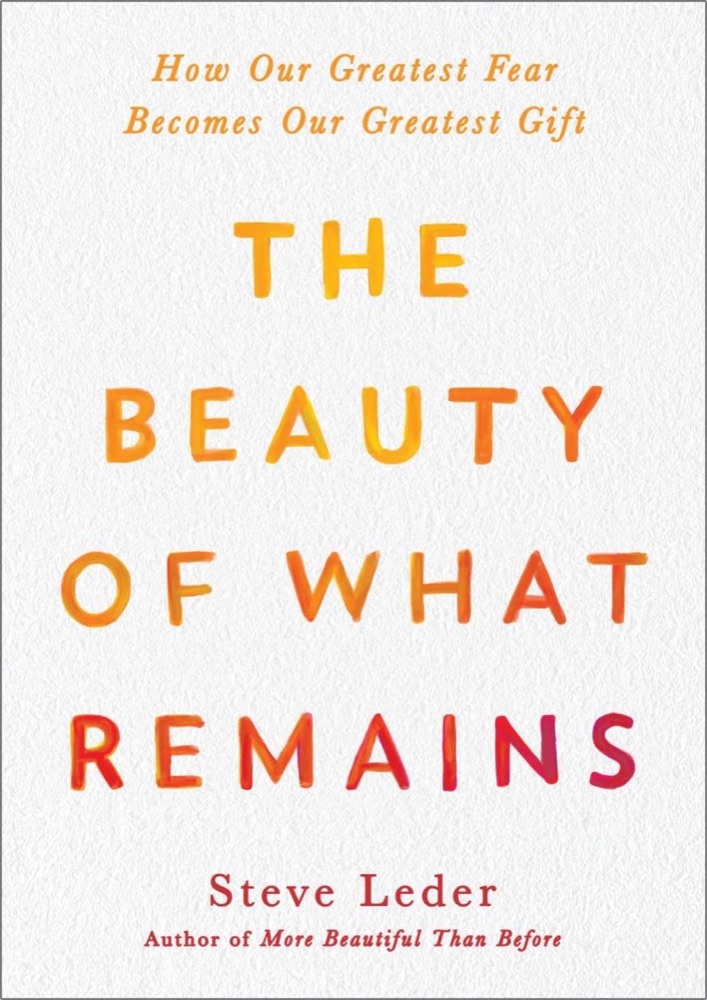 The Beauty of What Remains: How Our Greatest Fear Becomes Our Greatest Gift
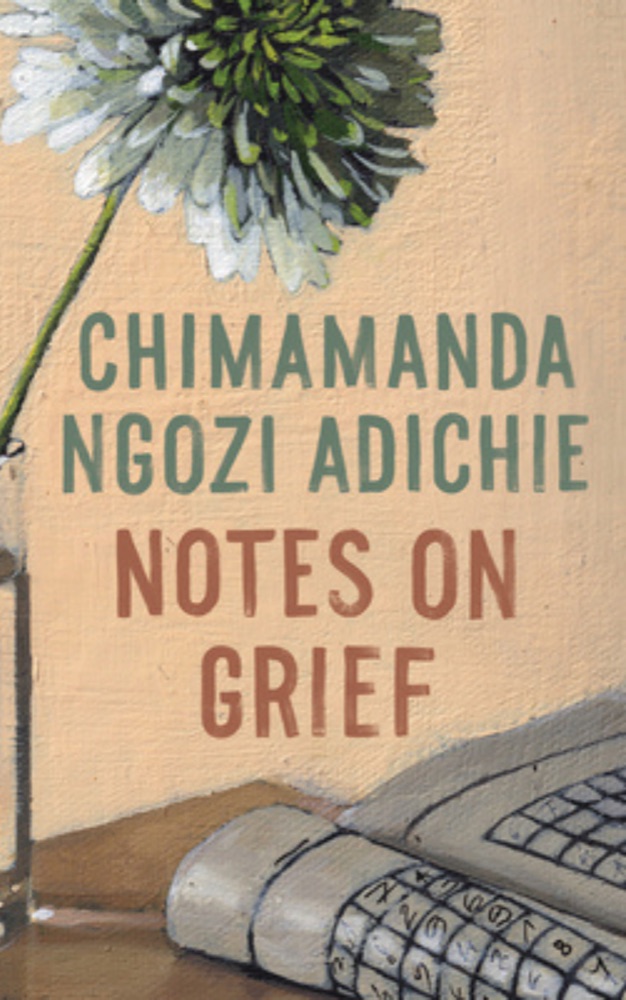 Notes on Grief
 Consolations: The Solace, Nourishment and Underlying Meaning of Everyday Words
 Letting Go of the Person You Used to Be: Lessons on Change, Loss, and Spiritual Transformation
 Inciting Joy: Essays
 Kafka on the Shore
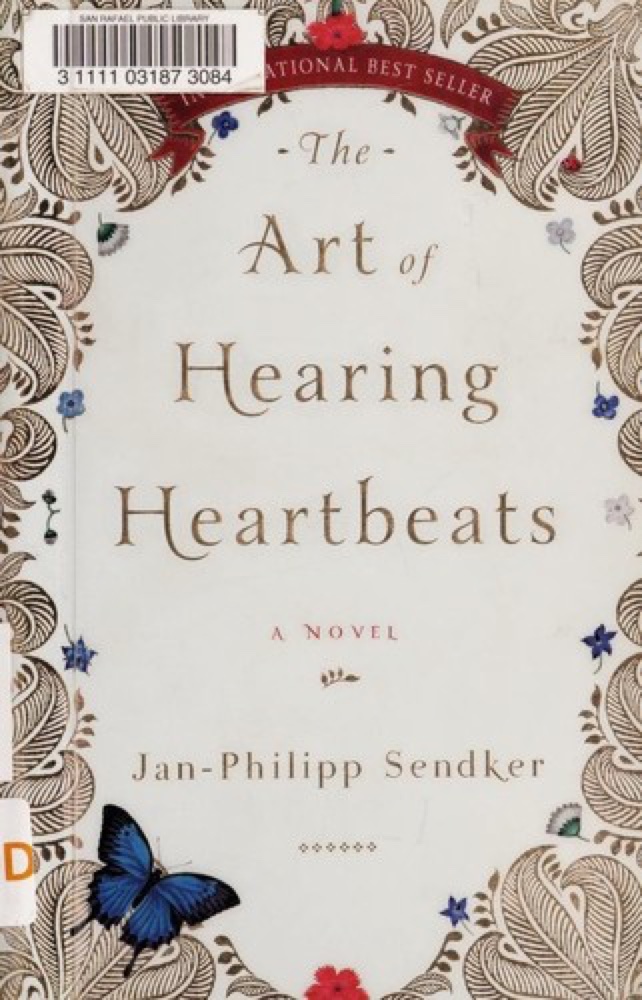 The Art of Hearing Heartbeats
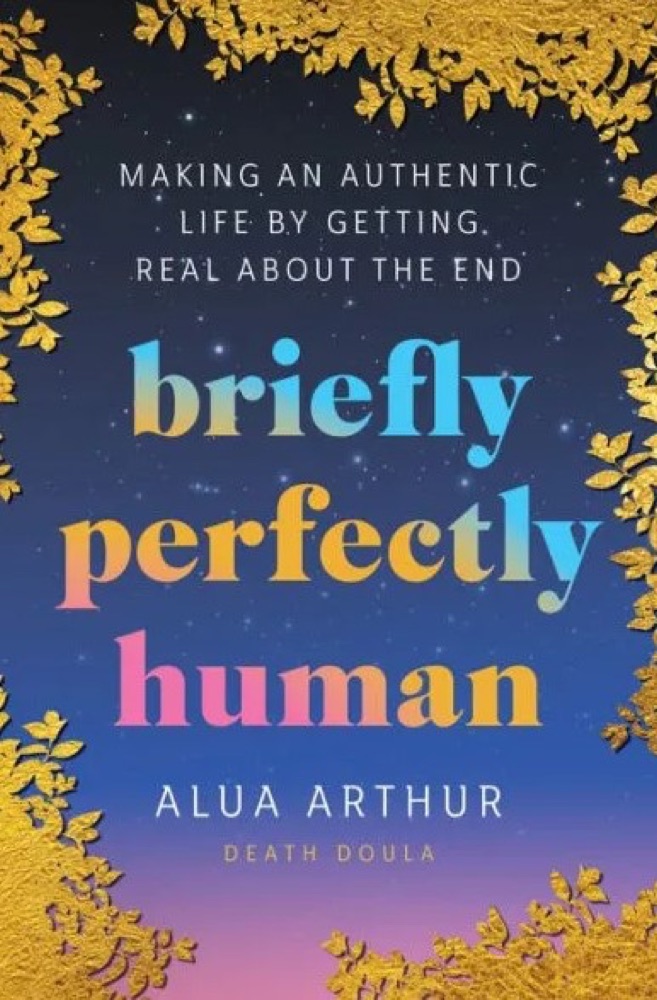 Briefly Perfectly Human: Making an Authentic Life by Getting Real About the End
 A Place Called Here
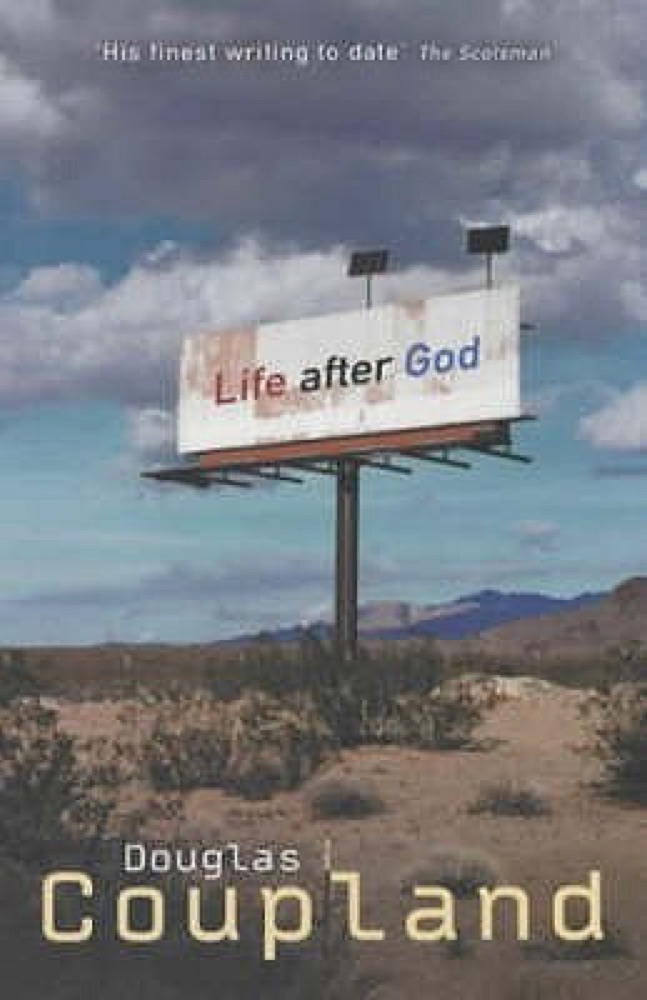 Life After God
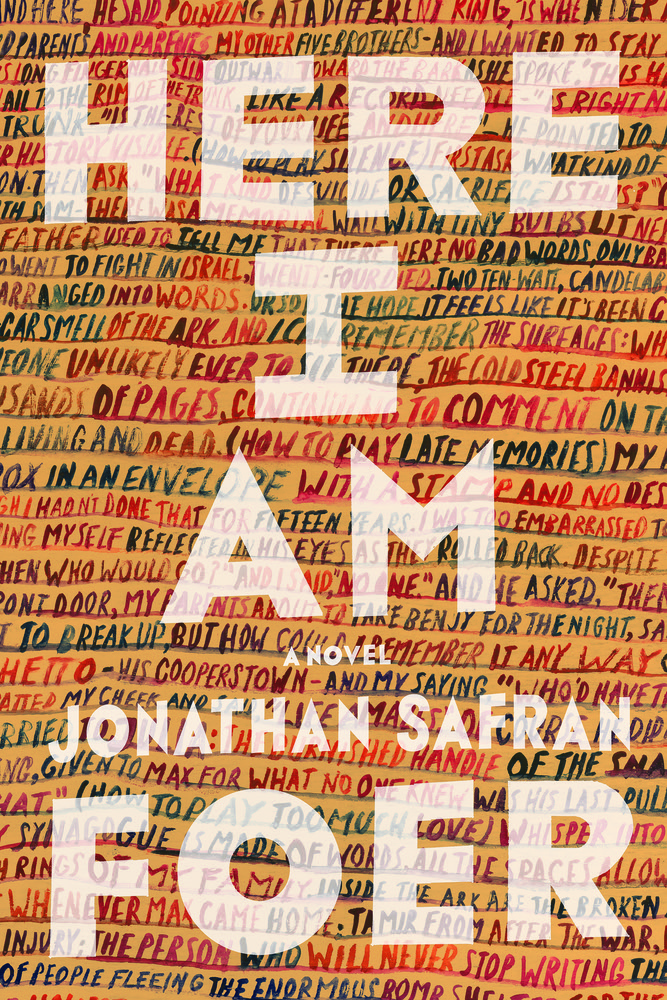 Here I Am
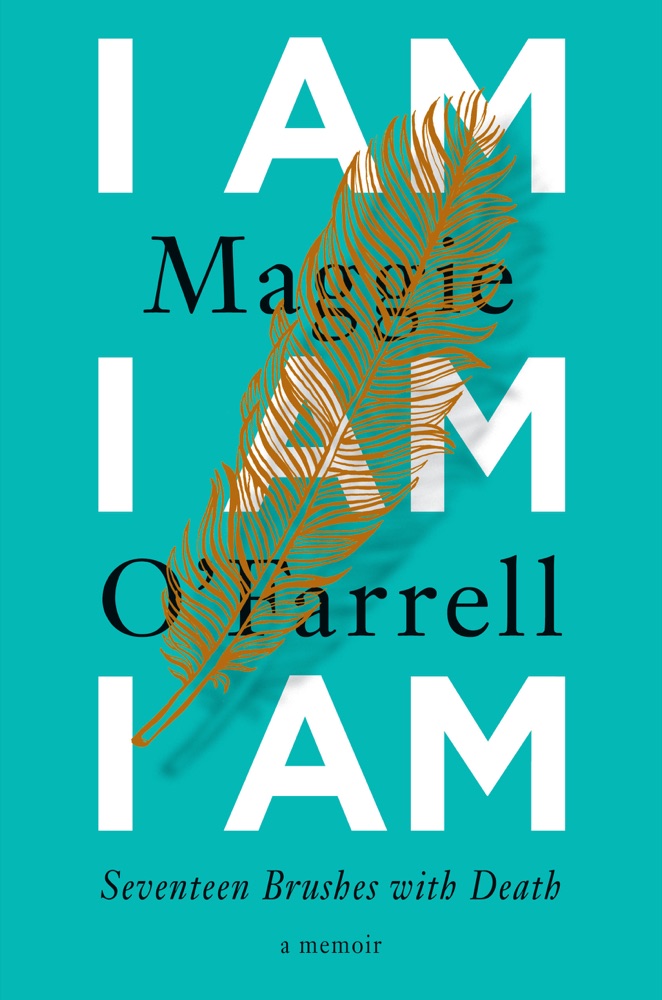 I Am, I Am, I Am: Seventeen Brushes with Death
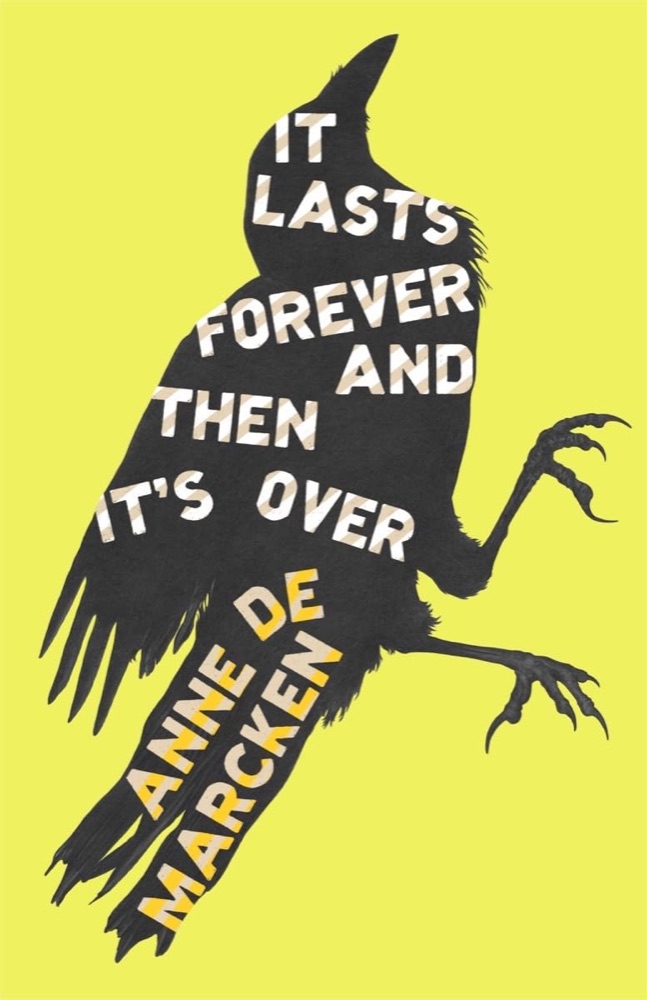 It Lasts Forever and Then It's Over
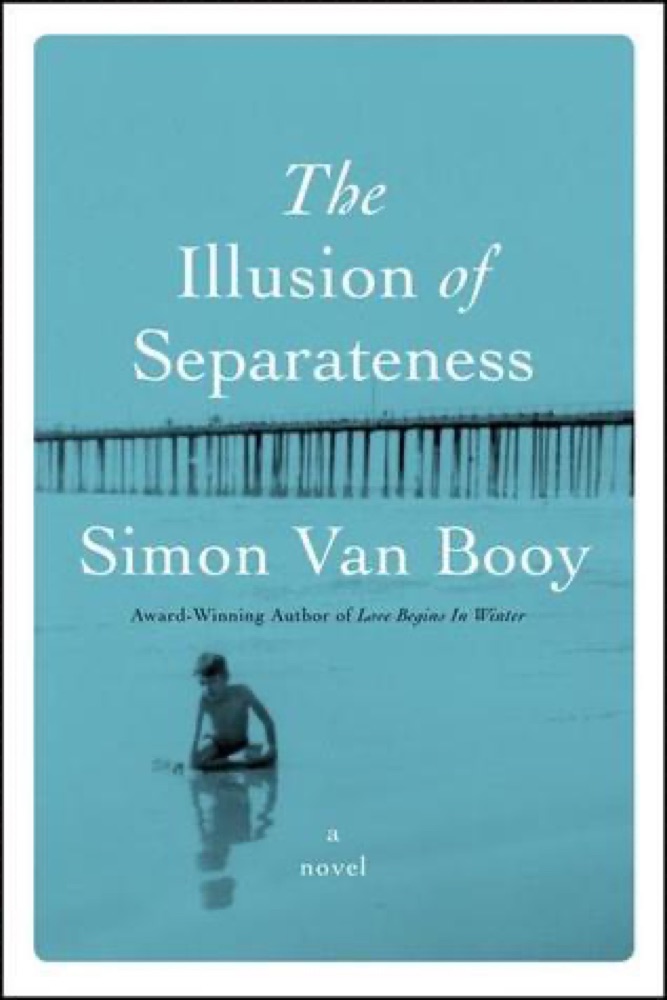 The Illusion of Separateness
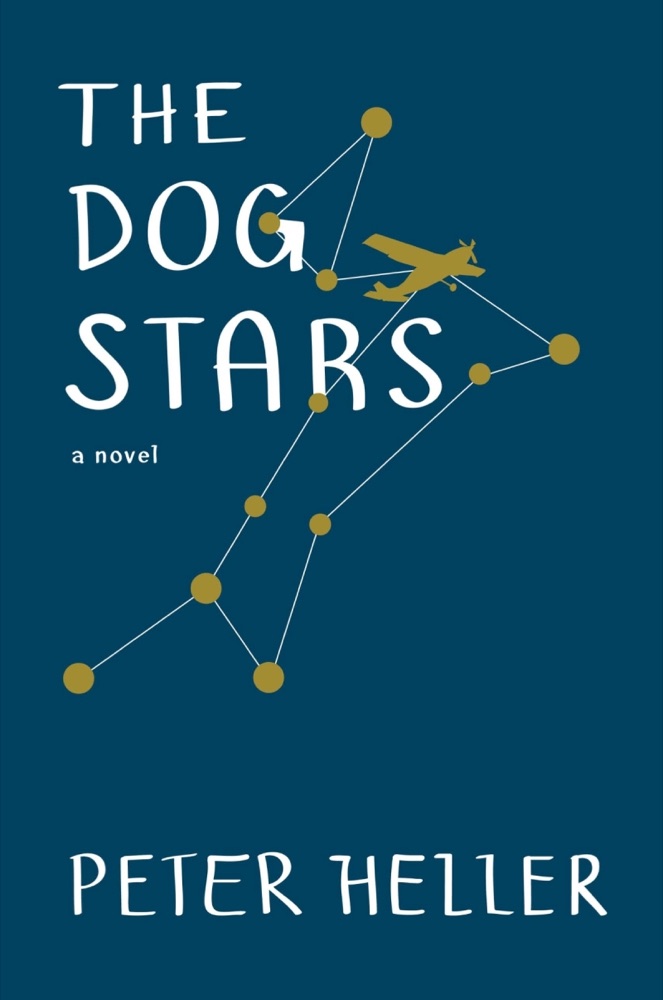 The Dog Stars
 Creatures of a Day: And Other Tales of Psychotherapy
 Life of Pi
 A Small Indiscretion
 Stitches: A Handbook on Meaning, Hope, and Repair
 Figuring
 Deep Creek: Finding Hope in the High Country
 Shadow Man
 Conversations on Love
 You Could Make This Place Beautiful
 Faith, Hope and Carnage
 Night Train to Lisbon
 Finding Meaning in the Second Half of Life: How to Finally, Really Grow Up
 The Faraway Nearby