
 The Thing Around Your Neck
Quotes from the Book
Grief is a cruel kind of education. You learn how ungentle mourning can be, how full of anger. You learn how glib condolences can feel. You learn how much grief is about language, the failure of language and the grasping for language
152
For the rest of my life, I will live with my hands outstretched for things that are no longer there.
85
I finally understand why people get tattoos of those they have lost. The need to proclaim not merely the loss but the love, the continuity. I am my father’s daughter. It is an act of resistance and refusal: grief telling you it is over and your heart saying it is not; grief trying to shrink your love to the past and your heart saying it is present.
79
How is it that the world keeps going, breathing in and out unchanged, while in my soul there is a permanent scattering?
68
Age is irrelevant in grief; at issue is not how old he was but how loved.
55
It does not matter whether I want to be changed, because I am changed.
53
I wince now at the words I said in the past to grieving friends. "Find peace in your memories," I used to say. To have love snatched from you, especially unexpectedly, and then to be told to turn to memories. Rather than succor, my memories bring eloquent stabs of pain that say, "This is what you will never again have.
46
A friend sends me a line from my novel: 'Grief was the celebration of love, those who could feel real grief were lucky to have loved.' How odd to find it so exquisitely painful to read my own words.
31
Does love bring, even if unconsciously, the delusional arrogance of expecting never to be touched by grief?
30
Never' has come to say. 'Never' feels so unfairly punitive. For the rest of my life, I will live with my hands outstretched for things that are no longer there.
29
We don't know how we will grieve until we grieve.
27
Another revelation: how much laughter is a part of grief. Laughter is tightly braided into our family argot, and now we laugh remembering my father, but somewhere in the background there is a haze of disbelief. The laughter trails off. The laughter becomes tears and becomes sadness and becomes rage. I am unprepared for my wretched, roaring rage. In the face of this inferno that is sorrow, I am callow and unformed.
24
Grief is not gauzy; it is substantial, oppressive, a thing opaque. The weight is heaviest in the mornings, post-sleep: a leaden heart, a stubborn reality that refuses to budge. I will never see my father again. Never again. It feels as if I wake up only to sink and sink. In those moments, I am sure that I do not ever want to face the world again.
20
It is an act of resistance and refusal: grief telling you it is over and your heart saying it is not; grief trying to shrink your love to the past and your heart saying it is present.
18
I am writing about my father in the past tense, and I cannot believe I am writing about my father in the past tense.
17
I back away from condolences. People are kind, people mean well, but knowing this does not make their words rankle less.
17
I did not know that we cry with our muscles. The pain is not surprising, but its physicality is: my tongue unbearably bitter, as though I ate a loathed meal and forgot to clean my teeth; on my chest, a heavy, awful weight; and inside my body, a sensation of eternal dissolving. My heart – my actual physical heart, nothing figurative here – is running away from me, has become its own separate thing, beating too fast, its rhythms at odds with mine. This is an affliction not merely of the spirit but of the body, of aches and lagging strength.
16
A thing like this, dreaded for so long, finally arrives and among the avalanche of emotions there is a bitter and unbearable relief. It comes as a form of aggression, this relief, bringing with it strangely pugnacious thoughts. Enemies beware: the worst has happened. My father is gone. My madness will now bare itself.
14
I am afraid of tomorrow, and all the tomorrows after...
12
There is such a thing as the worst day of a life, and please, dear universe, I do not want anything ever to top it.
12
I wish.. I wish.. the guilt gnaws at my soul. I think of all the things that could've happened, and all the ways the world could've been reshaped to prevent what happened on that day...
8
My breathing is difficult. Is this what shock means, that the air turns to glue?
7
Part of grief's tyranny is that it robs you of remembering the things that matter.
6
It is instinctive my recoiling. I imagine the confusion of some relatives, their disapproval even, when faced with my withdrawal; the calls I leave unanswered, the messages unread..
6
The layers of loss make life feel papery thin.
5
But how can it be that in the morning he is joking and talking, and at night he is gone forever?
5
Never’ has come to stay. ‘Never’ feels so unfairly punitive. For the rest of my life, I will live with my hands outstretched for things that are no longer here.
5
It was not supposed to happen like this, not like a malicious surprise..
5
Is it possible to be possessive of one's pain?
4
Watch on YouTube
About Chimamanda Ngozi Adichie
We have collected 255 quotes from 9 books by Chimamanda Ngozi Adichie on BookQuoters.
More about the author →More by Chimamanda Ngozi Adichie
All books by Chimamanda Ngozi Adichie →
About the book
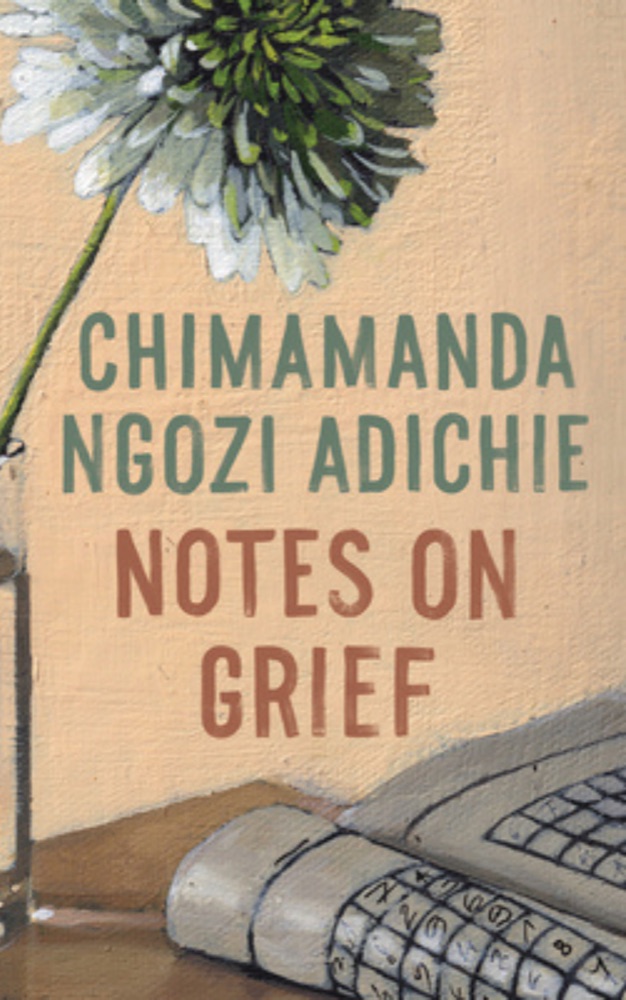
Notes on Grief is an exquisite work of meditation, remembrance, and hope, written in the wake of Chimamanda Ngozi Adichie's beloved father’s death in the summer of 2020. As the COVID-19 pandemic raged around the world, and kept Adichie and her family members separated from one another, her father succumbed unexpectedly to complications of kidney failure.
Expanding on her original New Yorker piece, Adichie shares how this loss shook her to her core. She writes about being one of the millions of people grieving this year; about the familial and cultural dimensions of grief and also about the loneliness and anger that are unavoidable in it. With signature precision of language, and glittering, devastating detail on the page--and never without touches of rich, honest humor--Adichie weaves together her own experience of her father’s death with threads of his life story, from his remarkab
Book details
- First published
- 2021
- Author
- Chimamanda Ngozi Adichie
- Genre
- Nonfiction
- Goodreads rating
- 4.21 (42k ratings)
The buzz
- The New York TimesReview in The New York Timesprofessional review (via Book Marks)
- The Washington PostReview in The Washington Postprofessional review (via Book Marks)
- The GuardianReview in The Guardianprofessional review (via Book Marks)
- Los Angeles TimesReview in Los Angeles Timesprofessional review (via Book Marks)
- The Times Literary SupplementReview in The Times Literary Supplementprofessional review (via Book Marks)
- The TimesReview in The Timesprofessional review (via Book Marks)
Keep reading
 Grief Is for People
 A Grief Observed
 On Grief and Grieving: Finding the Meaning of Grief Through the Five Stages of Loss
 A Widow's Story
 Bad Cree
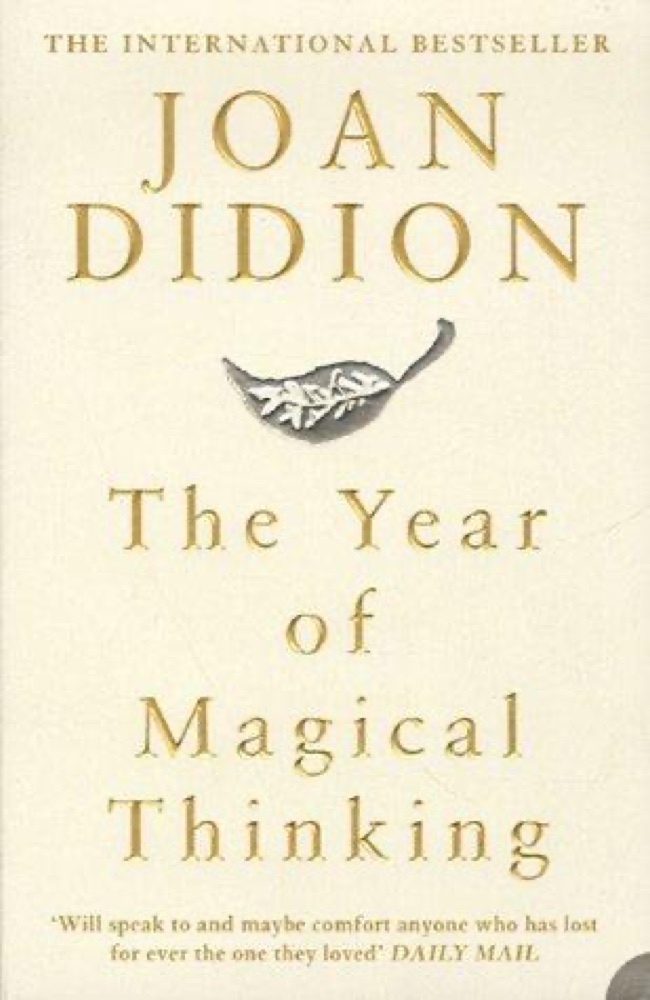 The Year of Magical Thinking
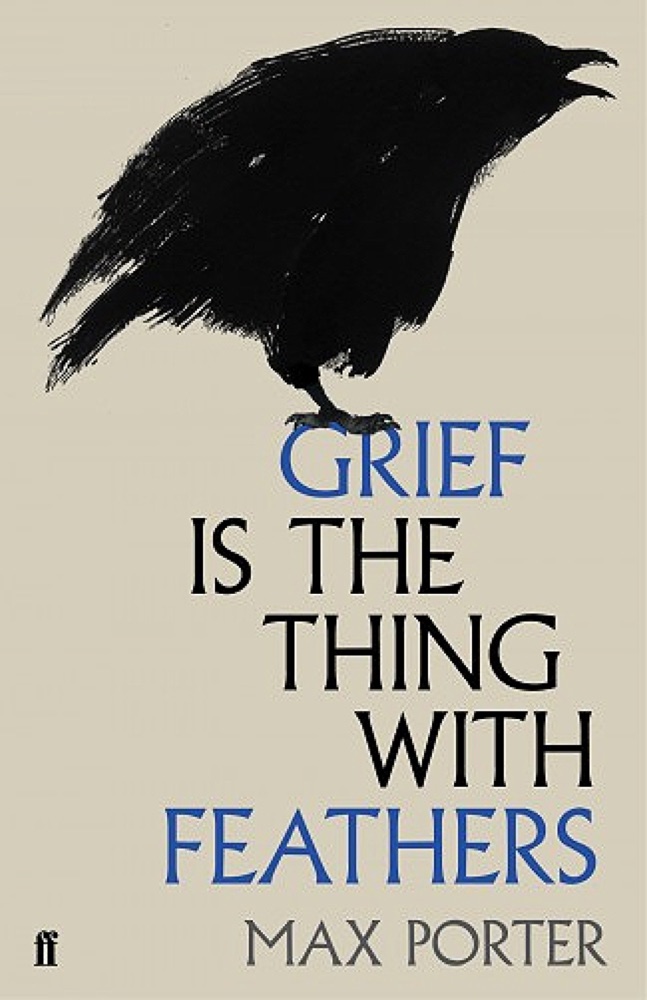 Grief Is the Thing with Feathers
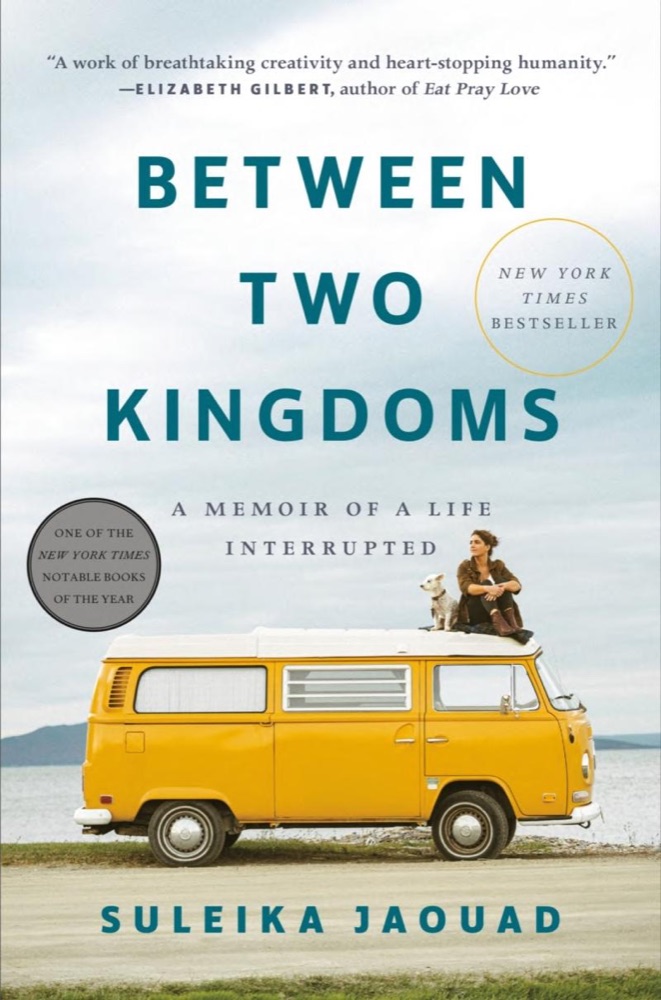 Between Two Kingdoms: A Memoir of a Life Interrupted
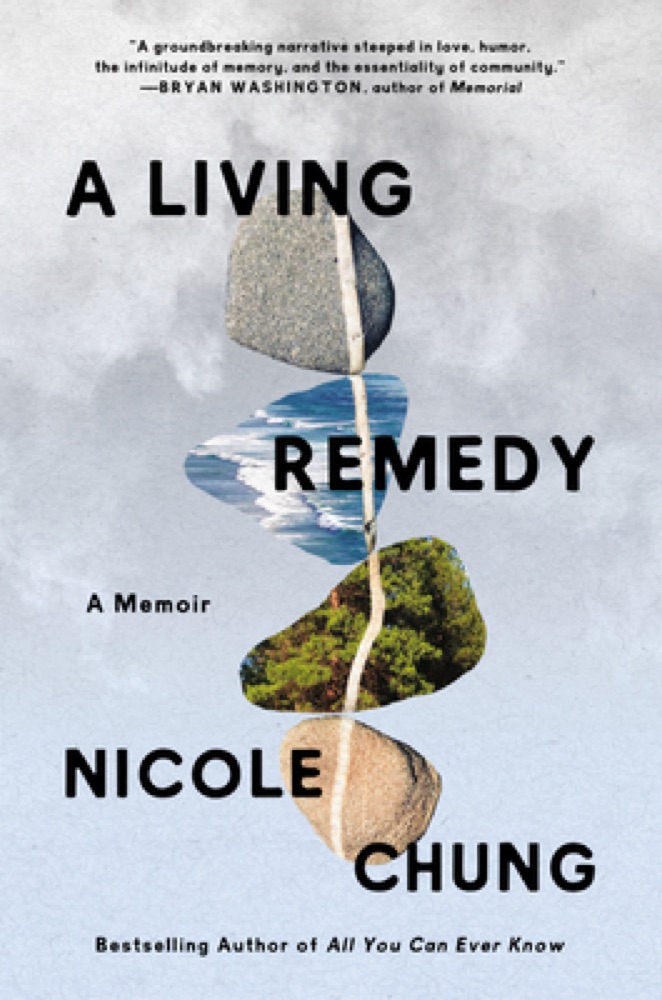 A Living Remedy: A Memoir – A Daughter's Narrative of Adoption, Class Inequality, and Grief in America
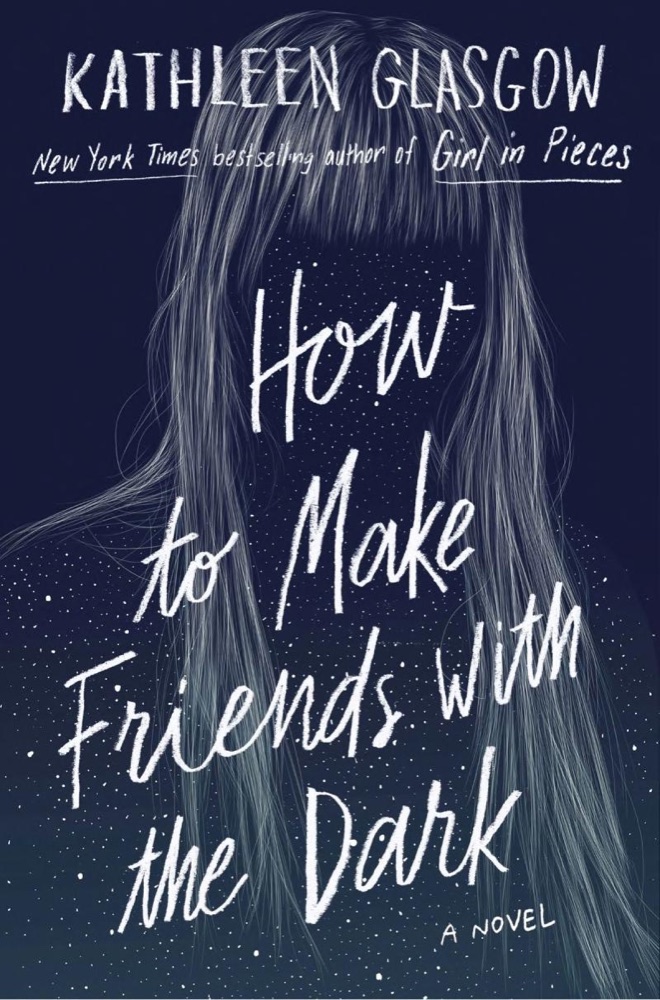 How to Make Friends with the Dark
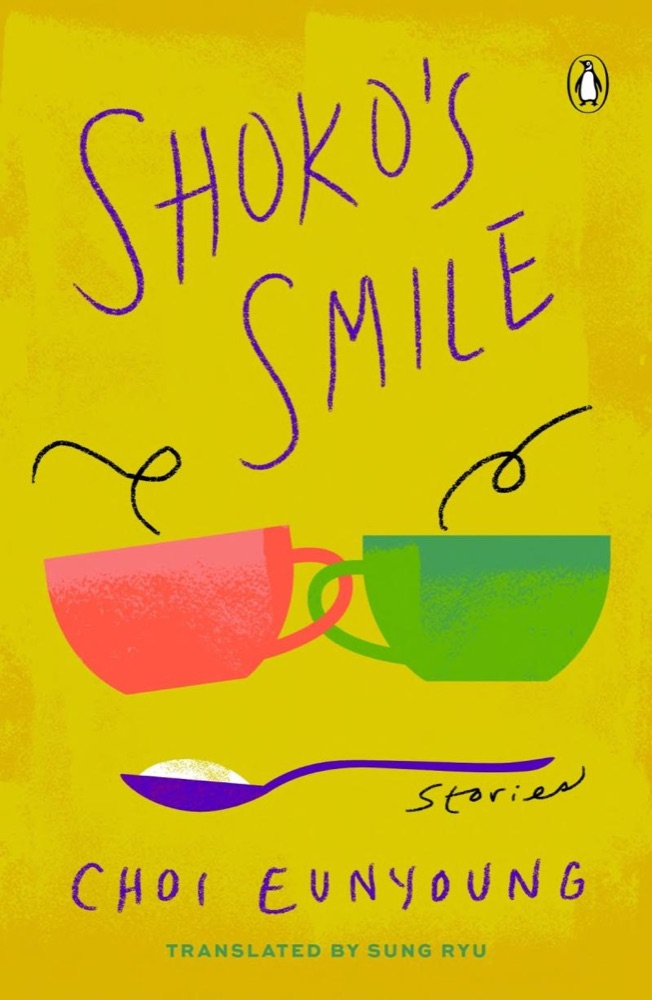 Shoko's Smile: Stories
 Wave
Wave
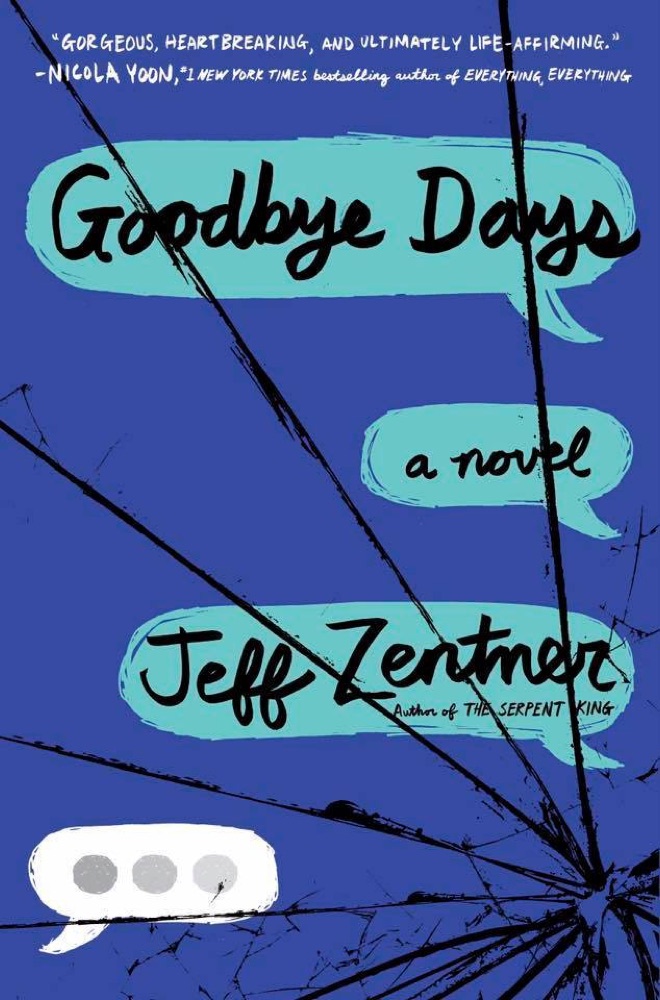 Goodbye Days
 I Keep My Exoskeletons to Myself
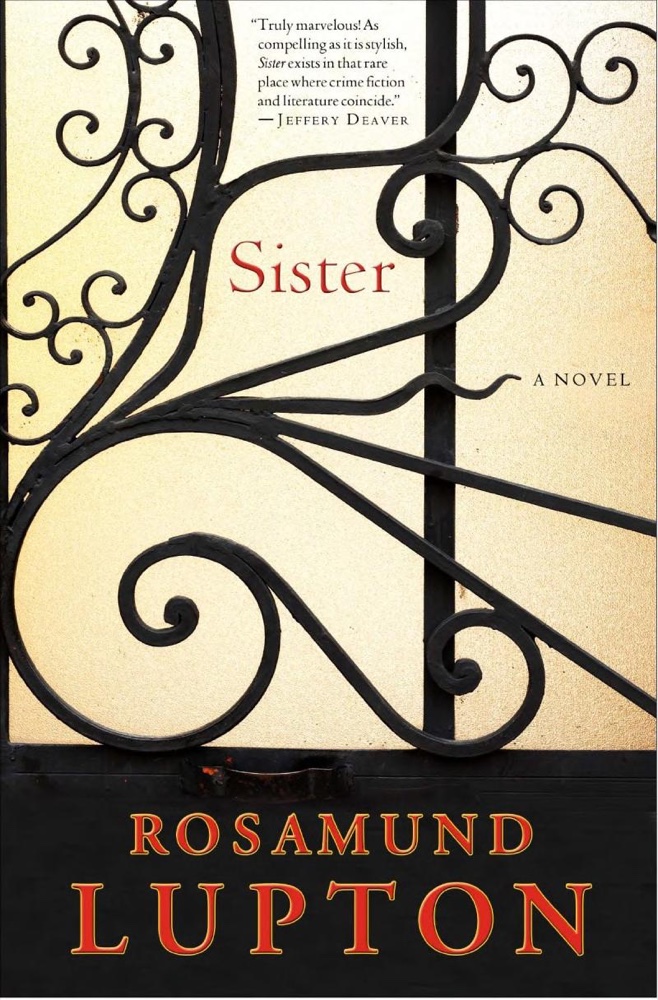 Sister
 How To Talk To A Widower
 Lost & Found: A Memoir
 Paperweight
 The Shock of the Fall
 What Is the What
 It's OK That You're Not OK
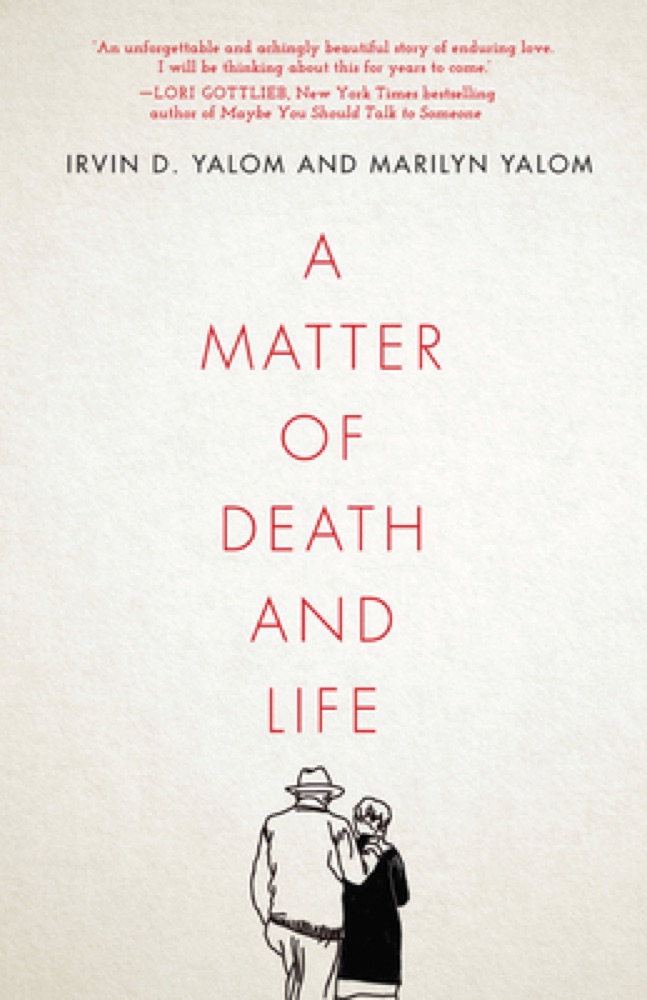 A Matter of Death and Life
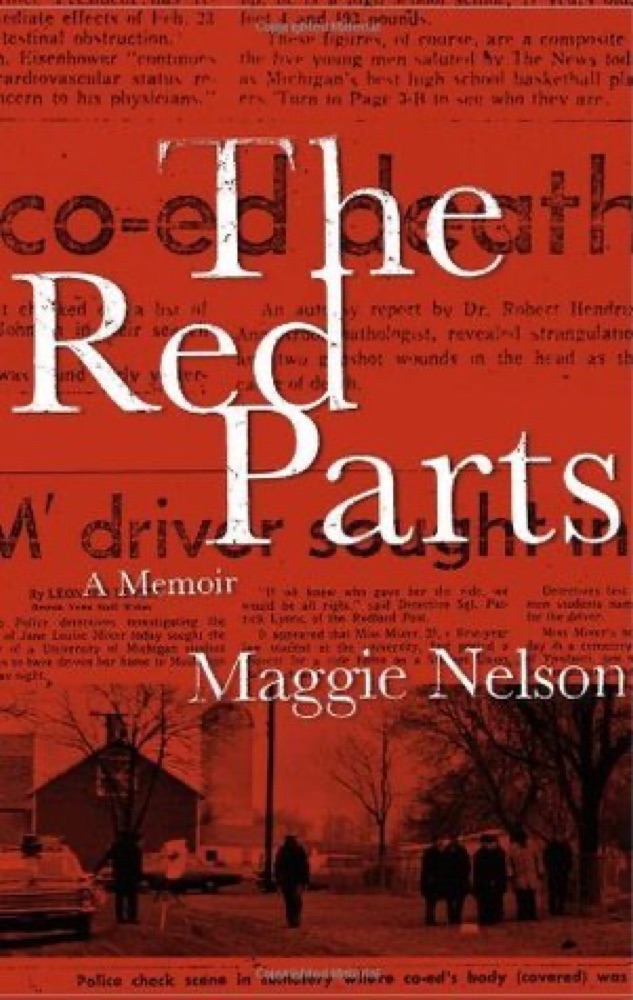 The Red Parts
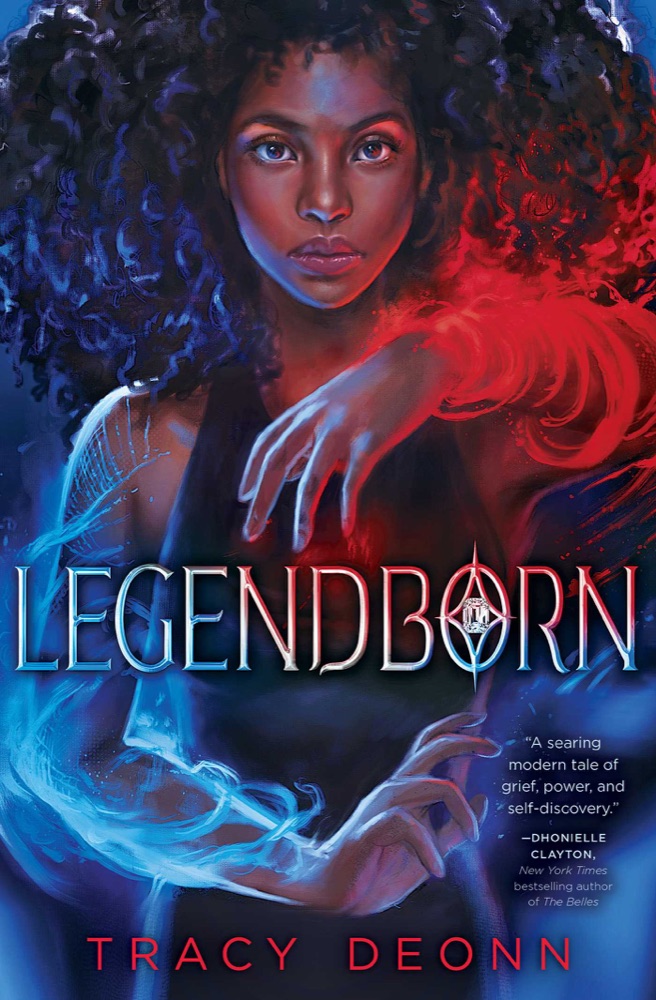 Legendborn
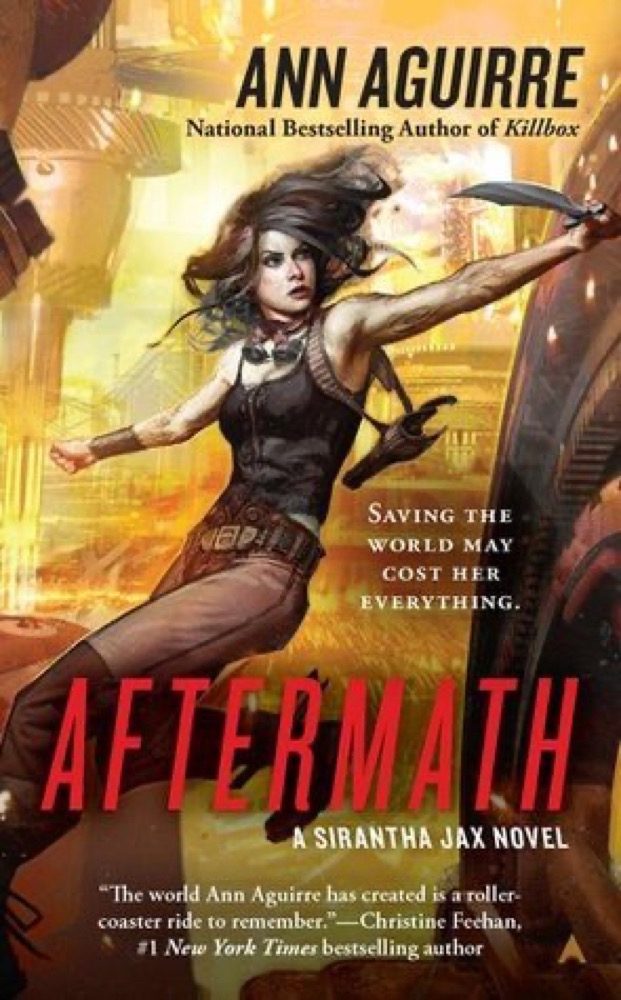 Aftermath
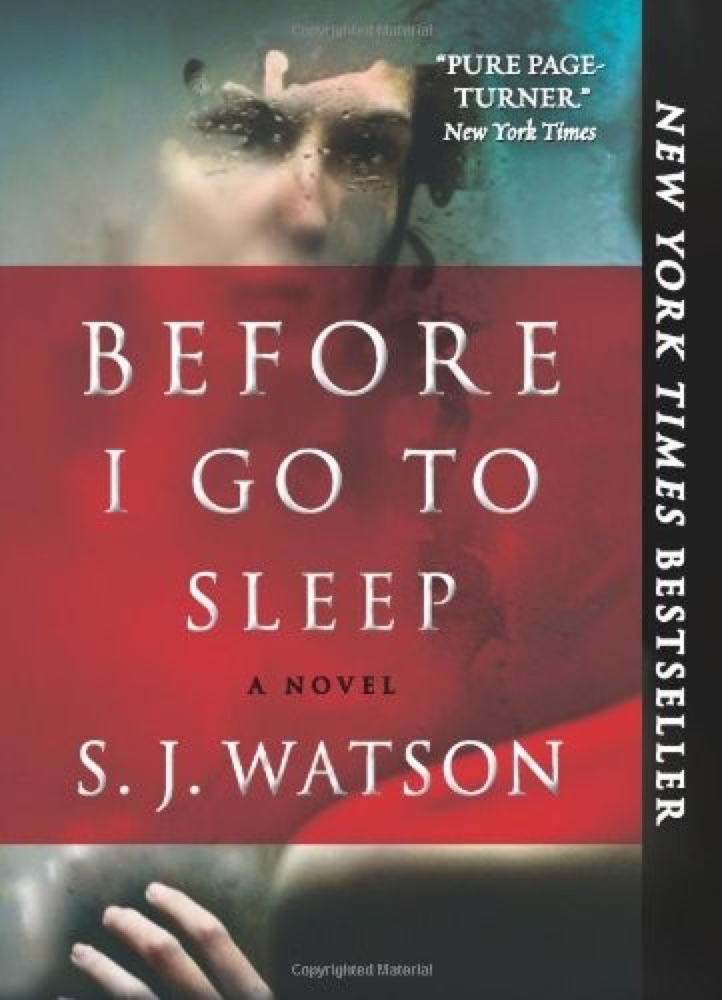 Before I Go to Sleep
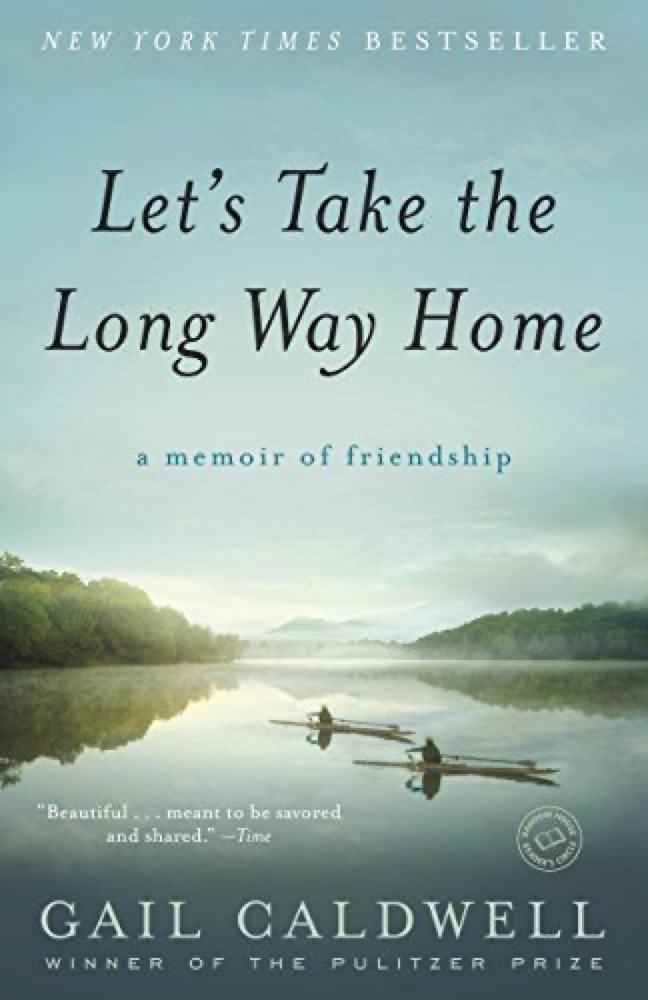 Let's Take the Long Way Home: A Memoir of Friendship
 These Silent Woods
 Notes on Heartbreak
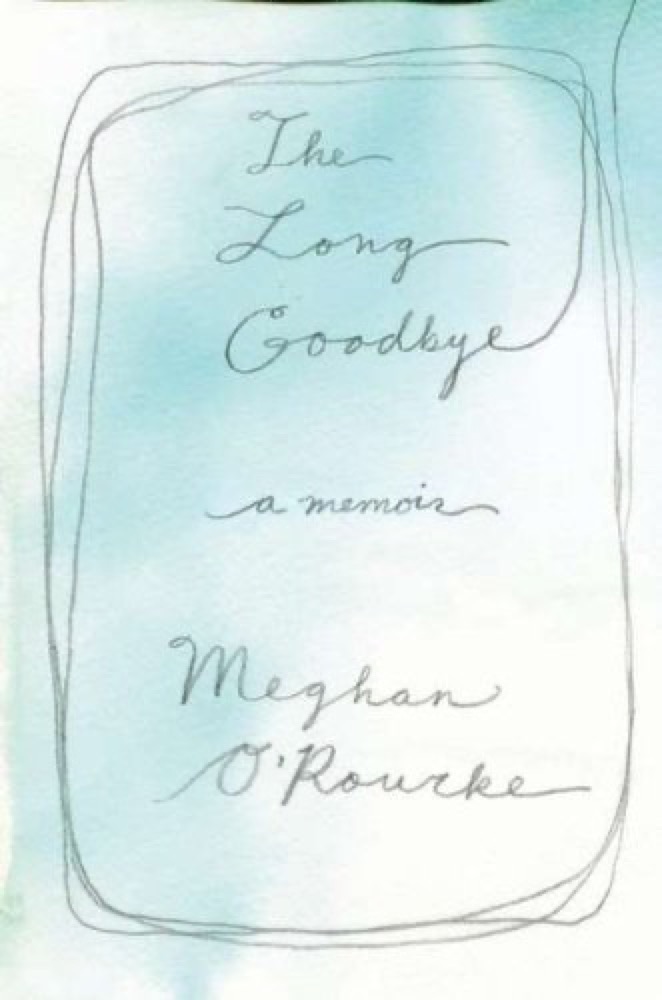 The Long Goodbye
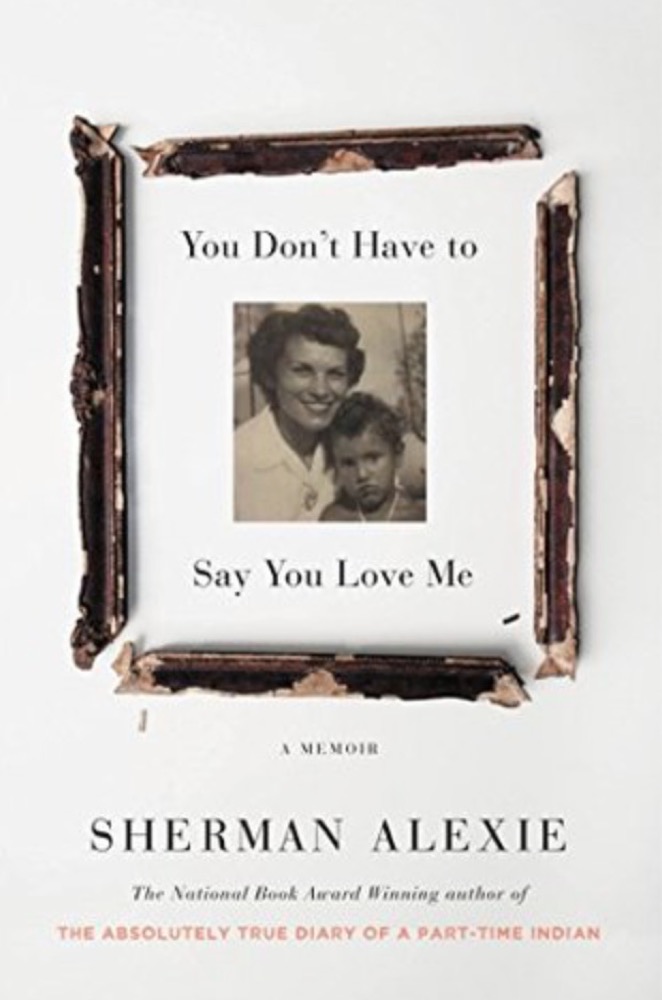 You Don't Have to Say You Love Me
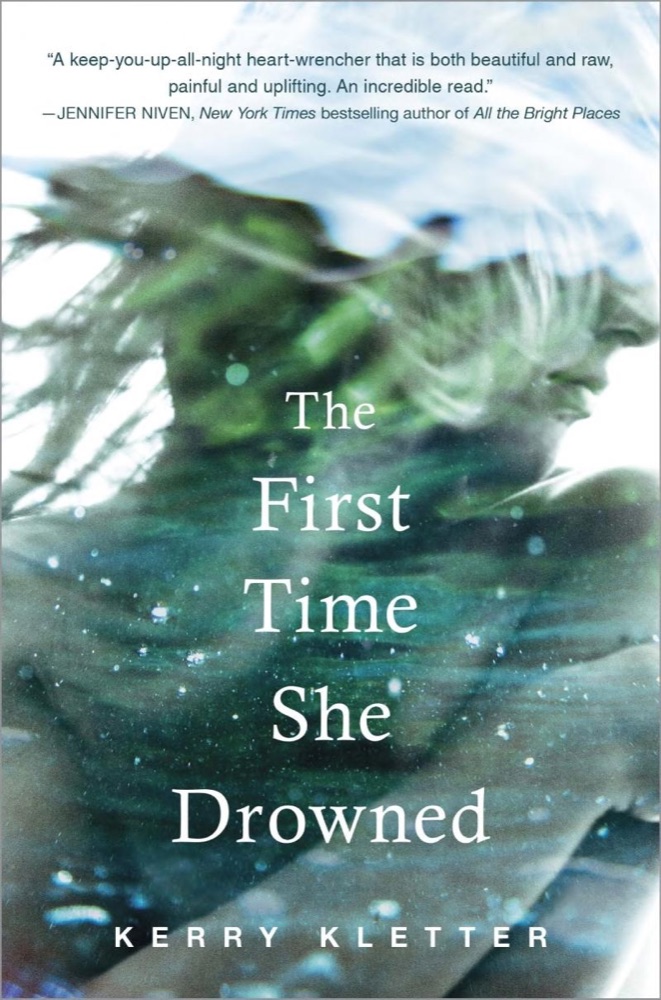 The First Time She Drowned
 The Forest of Hands and Teeth
 I'll Be Seeing You
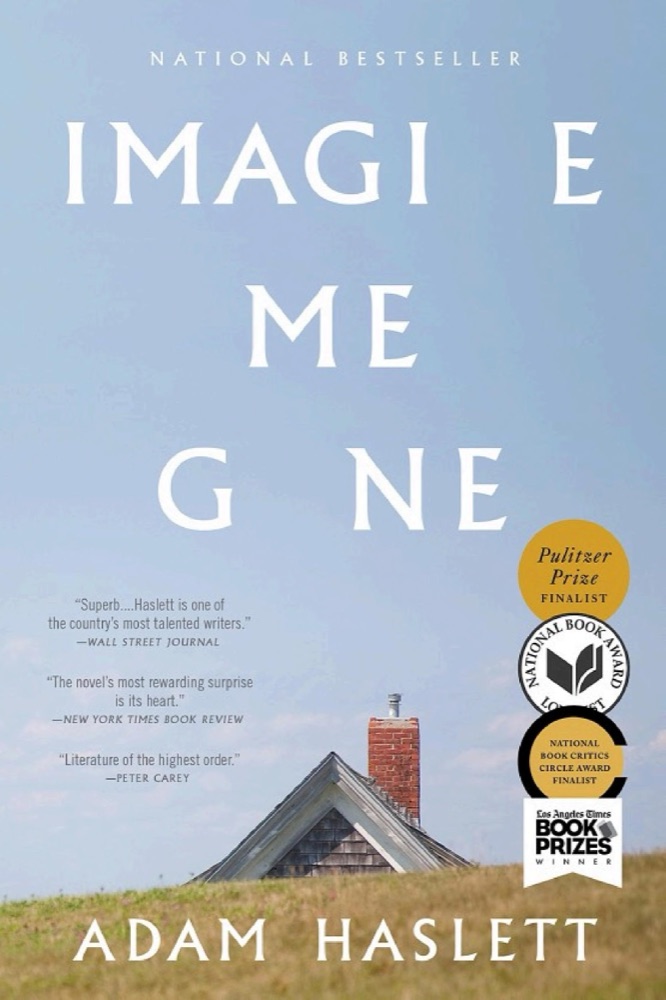 Imagine Me Gone
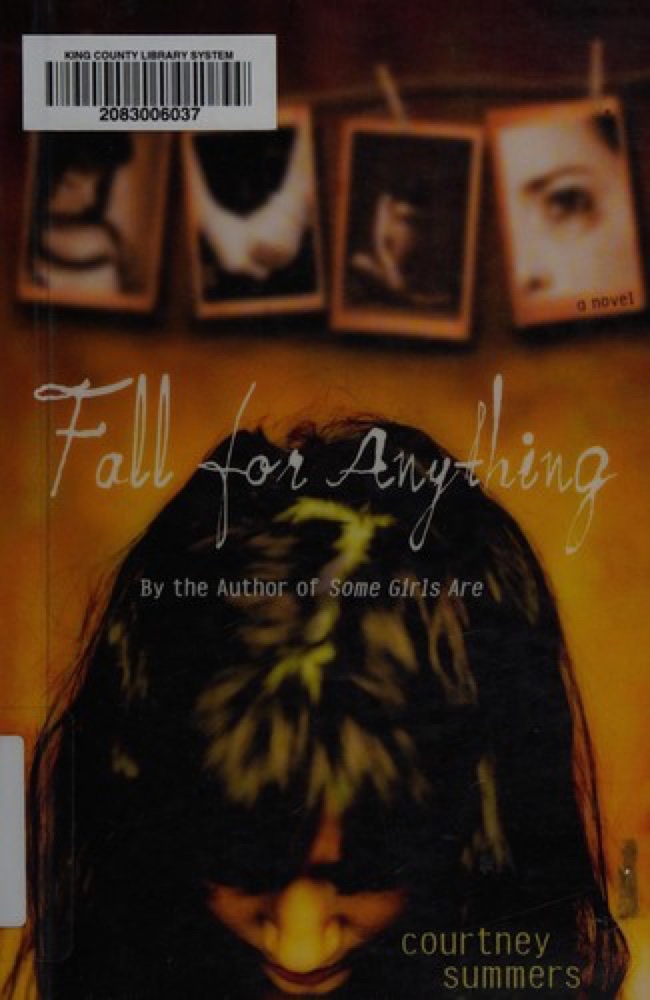 Fall for Anything
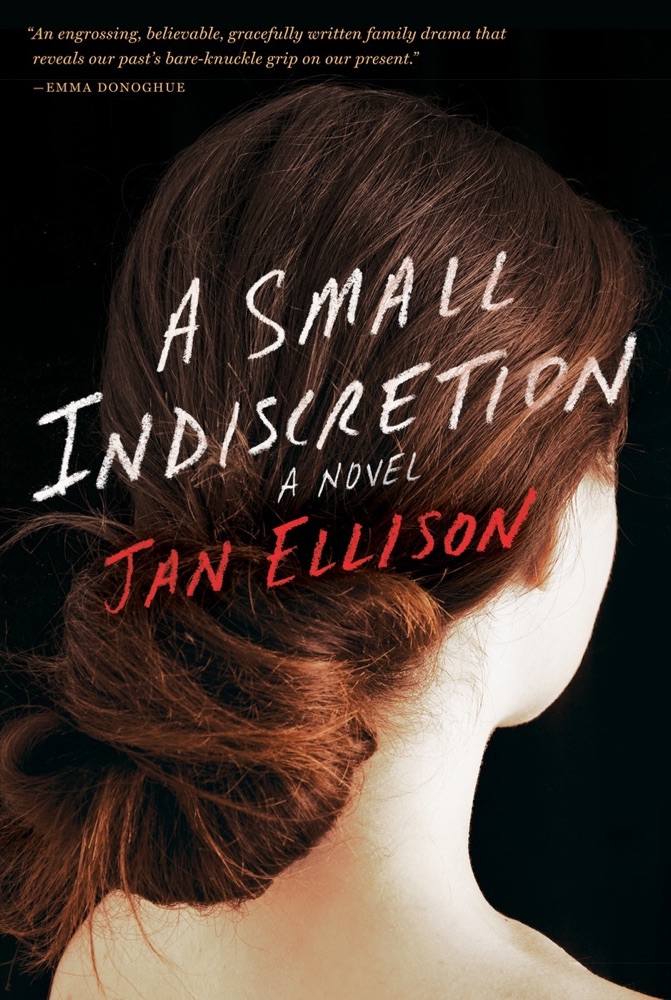 A Small Indiscretion
 On Canaan's Side
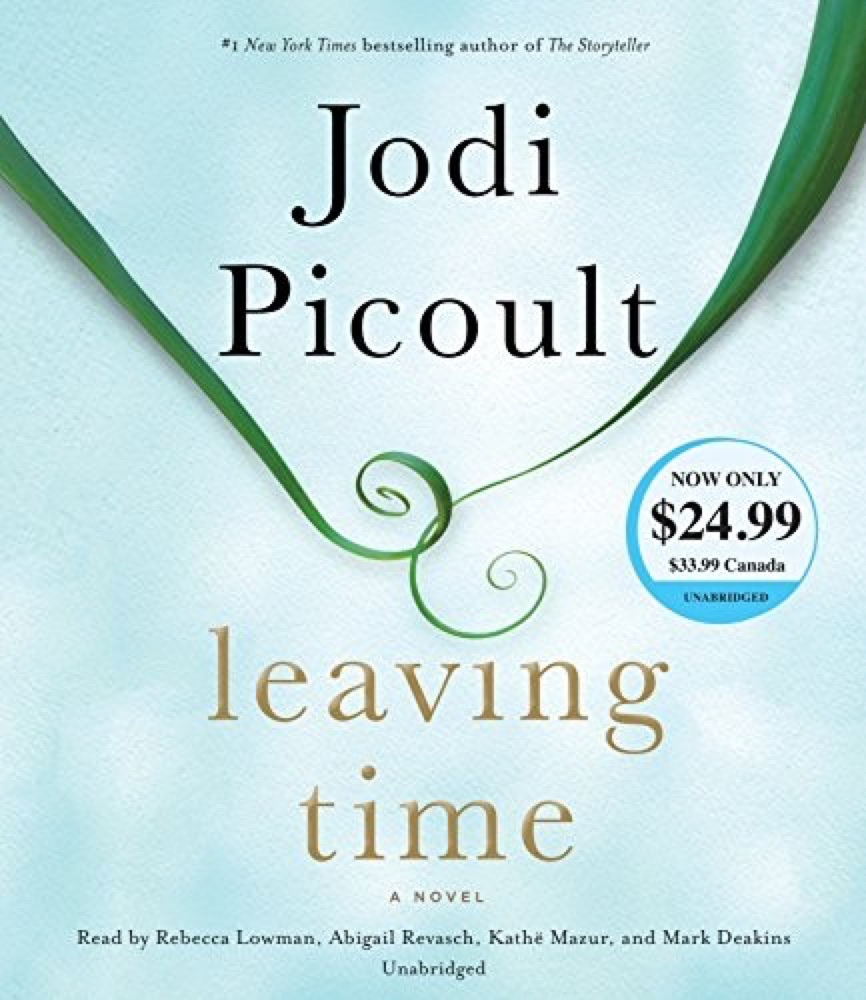 Leaving Time
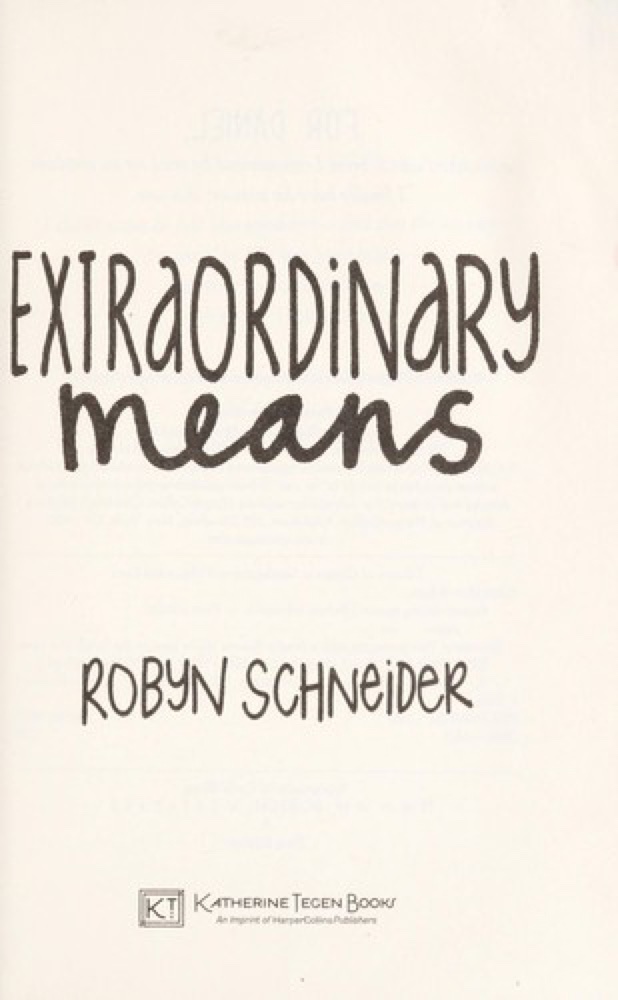 Extraordinary Means
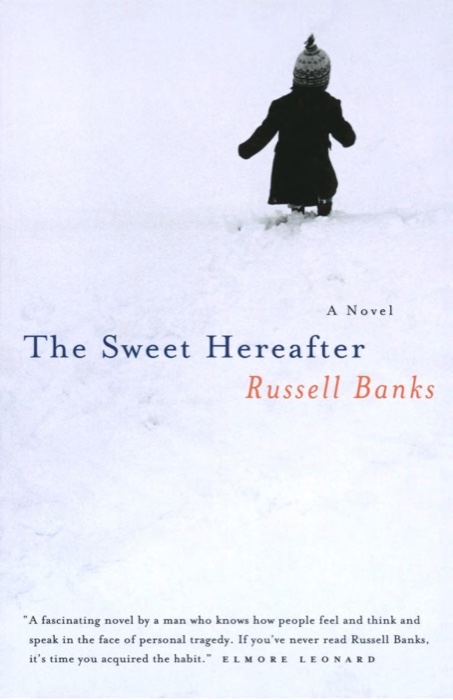 The Sweet Hereafter
 New Animal
 A Little Devil in America: Notes in Praise of Black Performance
 Biography of X
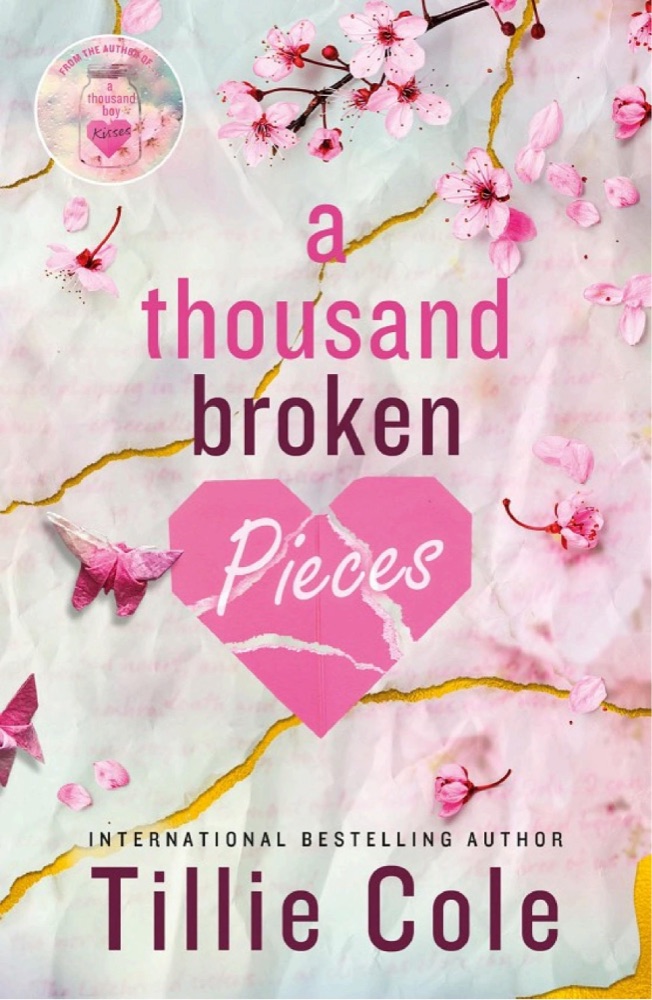 A Thousand Broken Pieces
 I Fell in Love With Hope
 Reminders of Him
 Levels of Life
 Things in Nature Merely Grow
 Diaries, 1910-1923
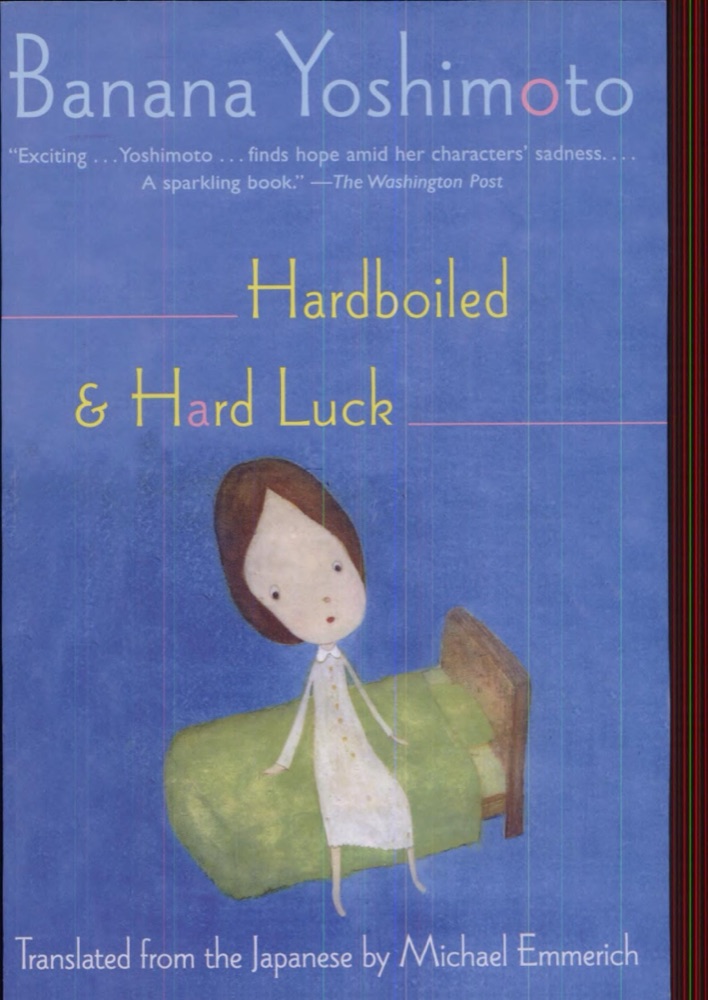 Hardboiled & Hard Luck
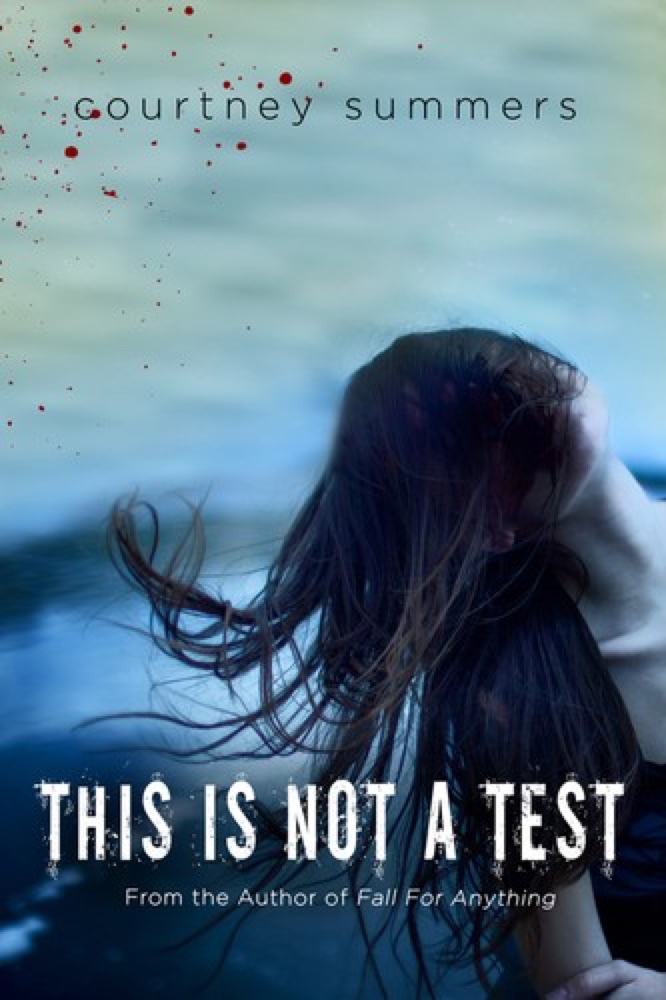 This is Not a Test
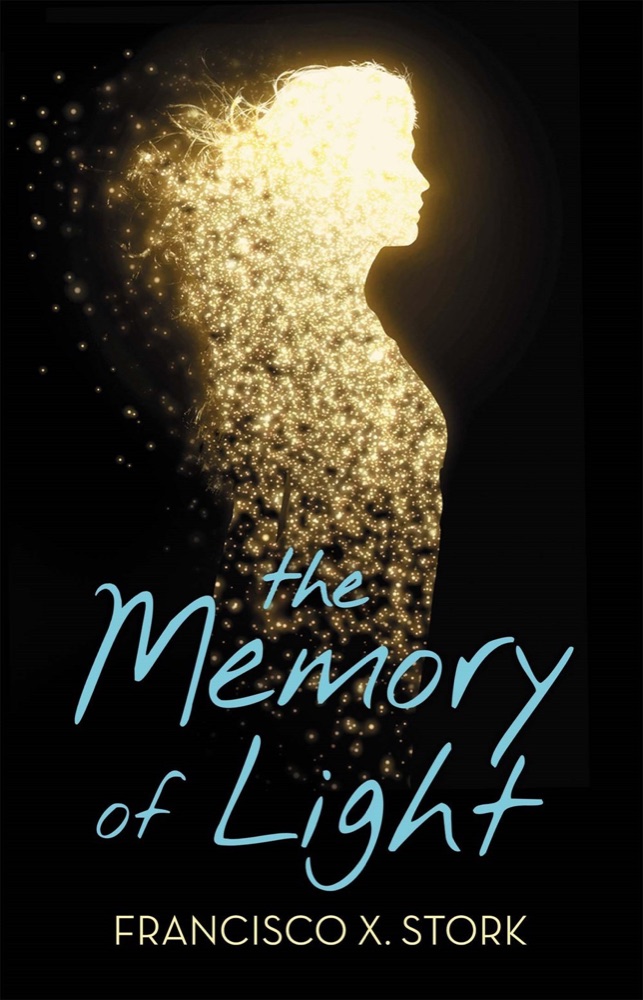 The Memory of Light
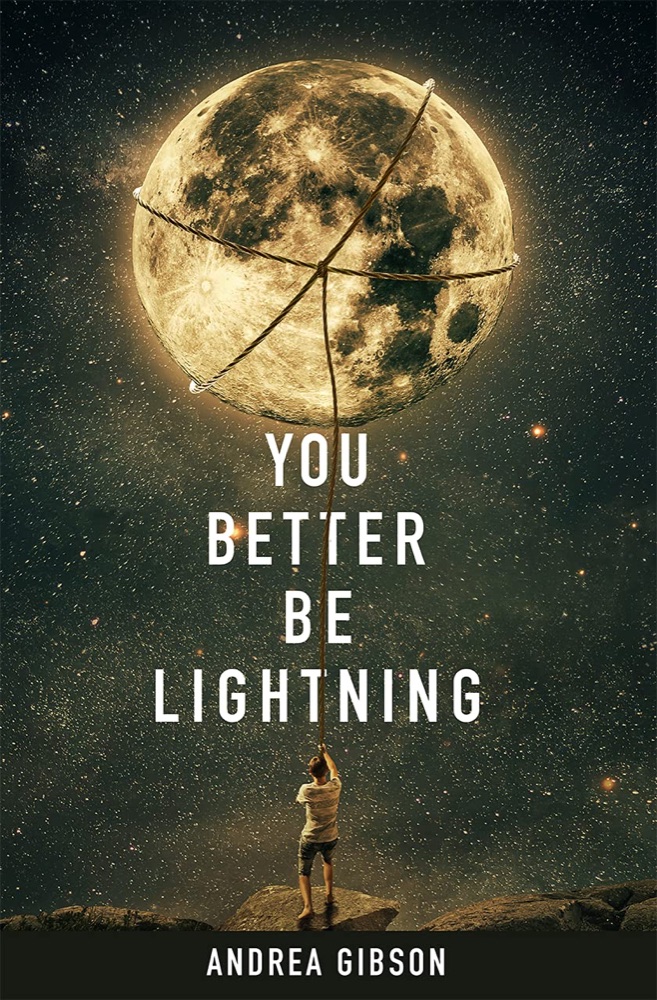 You Better Be Lightning
 The End of Men
 Where the Lost Wander
 Broken Country