
 The Schopenhauer Cure
Quotes from the Book
... sooner or later she had to give up the hope for a better past.
193
...the more unlived your life, the greater your death anxiety. The more you fail to experience your life fully, the more you will fear death.
159
The pain is there; when you close one door on it, it knocks to come in somewhere else...
91
Self-awareness is a supreme gift, a treasure as precious as life. This is what makes us human. But it comes with a costly price: the wound of mortality. Our existence is forever shadowed by the knowledge that we will grow, blossom, and, inevitably, diminish and die.
51
Why, you may ask, take on this unpleasant, frightening subject? Why stare into the sun? Why not follow the advice of the venerable dean of American psychiatry, Adolph Meyer, who, a century ago, cautioned psychiatrists, 'Don't scratch where it doesn't itch'? Why grapple with the most terrible, the darkest and most unchangeable aspect of life? ... Death, however, DOES itch. It itches all the time; it is always with us, scratching at some inner door, whirring softly, barely audibly, just under the membrane of consciousness.
24
I urge you not to distract yourself. Instead, savor awakening. Take advantage of it. Pause as you stare into the photograph of the younger you. Let the poignant moment sweep over you and linger a bit; taste the sweetness of it as well as the bitterness. Keep in mind the advantage of remaining aware of death, of hugging its shadow to you. Such awareness can integrate the darkness with your spark of life and enhance your life while you still have it. To way to value life, the way to feel compassion for others, the way to love anything with greatest depth is to be aware that these experiences are destined to be lost.
19
Let me adapt some of Nietzsche's words and say this to you: "To become wise, you must learn to listen to the wild dogs barking in your cellar.
15
would you be willing to live this past year again and again for all eternity?
15
though the physicality of death destroys us, the idea of death saves us.
14
Nu experientele in sine, ci felul in care le interpretam determina calitatea vietii noastre.
12
He was saying, fulfill yourself, realize your potential, live boldly and fully. Then, and only then, die without regret.
8
I was able to make her own dynamics crystal clear to her by quoting Otto Rank, one of Freud's colleagues, who said, "Some refuse the loan of life to avoid the debt of death." This dynamic is not uncommon. I think most of us have known individuals who numb themselves and avoid entering life with gusto because of the dread of losing too much.
7
The more unlived your life, the greater your death anxiety.
5
Each person fears death in his or her own way. For some people, death anxiety is the background music of life, and any activity evokes the thought that a particular moment will never come again. Even an old movie feels poignant to those who cannot stop thinking that all the actors are now only dust.
5
Everyone needs to believe that there are truly wise men and women out there. I sought out such when younger, and now I, elderly and prominent, have become the suitable vessel for others' wishes. I believe that our need for mentors reflects much about our vulnerability and wish for a superior or supreme being.
5
Each of us has a taste of death when slipping into sleep every night or when losing consciousness under anesthesia. Death and sleep, Thanatos and Hypnos in the Greek vocabulary, were twins. The Czech existential novelist Milan Kundera suggests that we also have a foretaste of death through the act of forgetting: "What terrifies most about death is not the loss of the future but the loss of the past. In fact, the act of forgetting is a form of death always present within life.
4
The way to value life, the way to feel compassion for others, the way to love anything with greatest depth is to be aware that these experiences are destined to be lost.
3
How can you live now without building new regrets? What do you have to change in your life?
3
Properly used, regret is a tool that can help you take actions to prevent its further accumulation.
3
At some point in life-sometimes in youth, sometimes late-each of us is due to awaken to our mortality. There are so many triggers: a glance in a mirror at your sagging jowls, graying hair, stooping shoulders; the march of birthdays, especially those round decades-fifty, sixty, seventy; meeting a friend you have not seen in a long while and being shocked at how he or she has aged; seeing old photographs of yourself and those long dead who peopled your childhood; encountering Mister Death in a dream. What do you feel when you have such experiences? What do you do with them? Do you plunge into frenetic activity to burn off the anxiety and avoid the subject? Try to remove wrinkles with cosmetic surgery or dye your hair? Decide to stay thirty-nine for a few more years? Distract yourself quickly with work and everyday life routine? Forget all such experiences? Ignore your dreams? I urge you not to distract yourself. Instead, savor awakening. Take advantage of it. Pause as you stare into the photograph of the younger you. Let the poignant moment sweep over you and linger a bit; taste the sweetness of it as well as the bitterness. Keep in mind the advantage of remaining aware of death, of hugging its shadow to you. Such awareness can integrate the darkness with your spark of life and enhance your life while you still have it. The way to value life, the way to feel compassion for others, the way to love anything with greatest depth is to be aware that these experiences are destined to be lost.
2
But despite the staunchest, most venerable defenses, we can never completely subdue death anxiety: it is always there, lurking in some hidden ravine of the mind. Perhaps, as Plato says, we cannot lie to the deepest part of ourselves. Had I been a citizen of ancient Athens circa 300 R.C.E. (a time often called the golden age of philosophy) and experienced a death panic or a nightmare, to whom would I have turned to clear my mind of the web of fear? It's likely I'd have trudged off to the agora, a section of ancient Athens where many of the important schools of philosophy were located. I'd have walked past the Academy founded by Plato, now directed by his nephew, Speucippus; and also the Lyceum, the school of Aristotle, once a student of Plato, but too philosophically divergent to be appointed his successor. I'd have passed the schools of the Stoics and the Cynics and ignored any itinerant philosophers searching for students. Finally, I'd have reached the Garden of Epicurus, and there I think I would have found help.
2
I believe we should confront death as we confront other fears. We should contemplate our ultimate end, familiarize ourselves with it, dissect and analyze it, reason with it, and discard terrifying childhood death distortions. Let's not conclude that death is too painful to bear, that the thought will destroy us, that transiency must be denied lets the truth render life meaningless. Such denial always exacts a price - narrowing our inner life, blurring our vision, blunting our rationality. Ultimately self-deception catches up with us.
2
Right, that's exactly what I mean by your being both the prisoner and the jailer.
2
Sterven is echter de eenzaamste gebeurtenis van het leven. We worden er niet alleen door van anderen afgescheiden, maar daarnaast stelt het ons ook bloot aan een nog angstaanjagender vorm van eenzaamheid: het is een scheiding van de wereld zelf.
2
we suffer also from our inevitable confrontation with the human condition-the "givens" of existence. What precisely are these "givens"? The answer is within each of us and readily available. Set aside some time and meditate on your own existence. Screen out diversions, bracket all preexisting theories and beliefs, and reflect on your "situation" in the world. In time you will inevitably arrive at the deep structures of existence or, to use the theologian Paul Tillich's felicitous term, ultimate concerns. In my view, four ultimate concerns are particularly germane to the practice of therapy: death, isolation, meaning in life, and freedom. These four ultimate concerns constitute the spine of my 1980 textbook, Existential Psychotherapy, in which I discuss, in detail, the phenomenology and the therapeutic implications of each of these concerns.
1
What we have. Material goods are a will-o'-the-wisp. Schopenhauer argues elegantly that the accumulation of wealth and goods is endless and unsatisfying; the more we possess, the more our claims multiply. Wealth is like seawater: the more we drink, the thirstier we become. In the end, we don't have our goods-they have us.
1
Watch on YouTube
About Irvin D. Yalom
We have collected 227 quotes from 11 books by Irvin D. Yalom on BookQuoters.
More about the author →More by Irvin D. Yalom
The Schopenhauer Cure
 Lying on the Couch
 The Spinoza Problem
 Love's Executioner and Other Tales of Psychotherapy
About the book
Written in Irv Yalom's inimitable story-telling style, Staring at the Sun is a profoundly encouraging approach to the universal issue of mortality. In this magisterial opus, capping a lifetime of work and personal experience, Dr. Yalom helps us recognize that the fear of death is at the heart of much of our anxiety. Such recognition is often catalyzed by an "awakening experience"—a dream, or loss (the death of a loved one, divorce, loss of a job or home), illness, trauma, or aging. Once we confront our own mortality, Dr. Yalom writes, we are inspired to rearrange our priorities, communicate more deeply with those we love, appreciate more keenly the beauty of life, and increase our willingness to take the risks necessary for personal fulfillment.
Book details
- First published
- 2008
- Author
- Irvin D. Yalom
- Genre
- Nonfiction
- Goodreads rating
- 4.23 (17k ratings)
Keep reading
 A Matter of Death and Life
 Briefly Perfectly Human: Making an Authentic Life by Getting Real About the End
 Creatures of a Day: And Other Tales of Psychotherapy
 The Tibetan Book of Living and Dying
 Existential Psychotherapy
 When Breath Becomes Air
 When Things Fall Apart: Heart Advice for Difficult Times
 Many Lives, Many Masters: The True Story of a Prominent Psychiatrist, His Young Patient, and the Past Life Therapy That Changed Both Their Lives
 No Cure for Being Human: And Other Truths I Need to Hear
 Nothing to Be Frightened Of
 Letting Go of the Person You Used to Be: Lessons on Change, Loss, and Spiritual Transformation
 I Am, I Am, I Am: Seventeen Brushes with Death
 The Wisdom of Insecurity: A Message for an Age of Anxiety
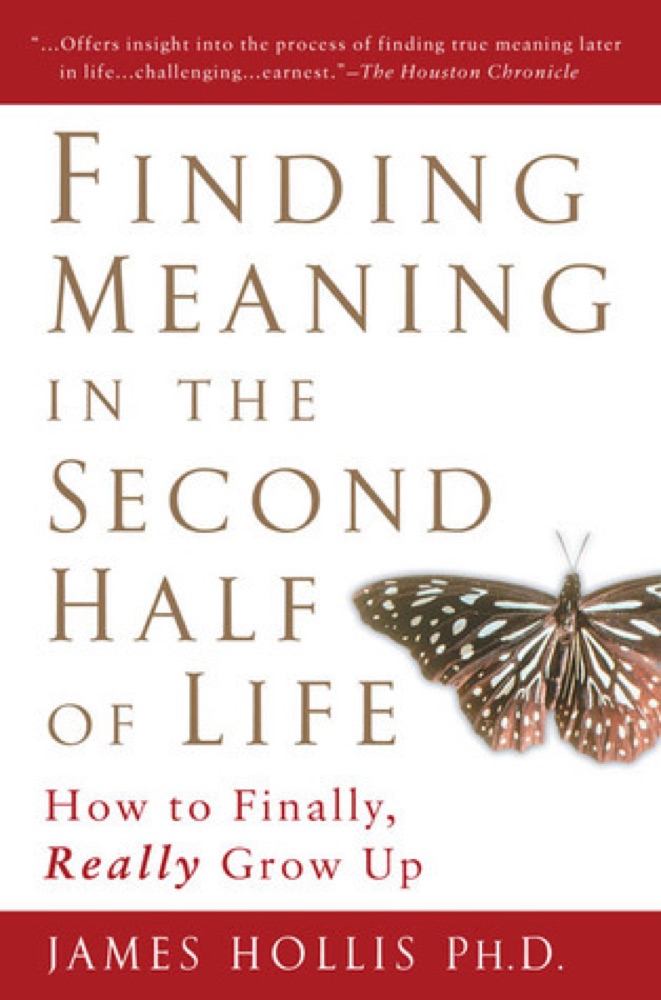 Finding Meaning in the Second Half of Life: How to Finally, Really Grow Up
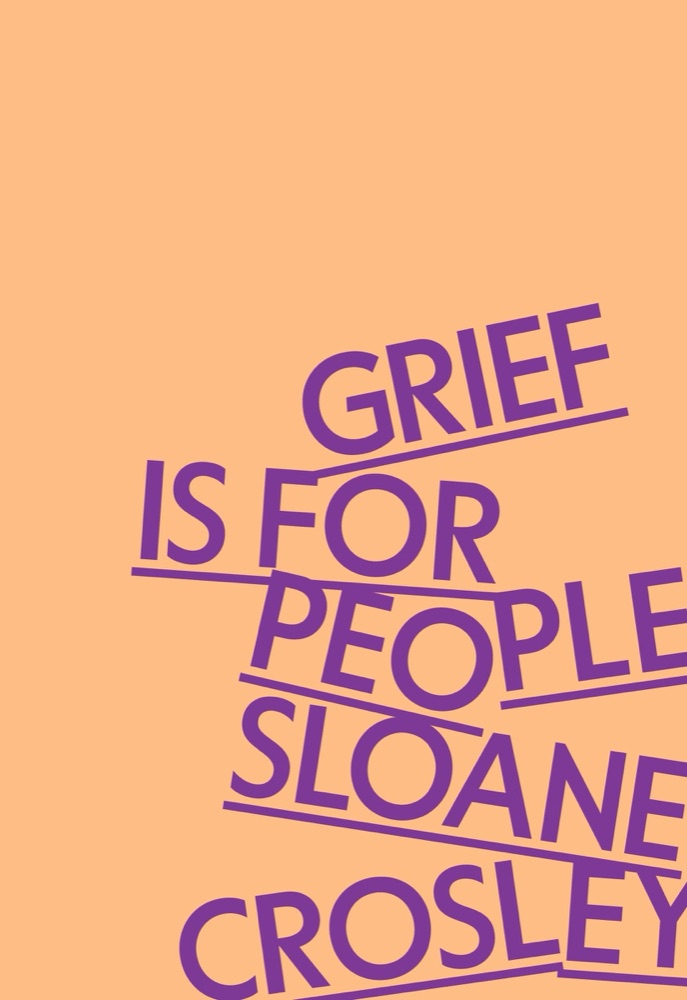 Grief Is for People
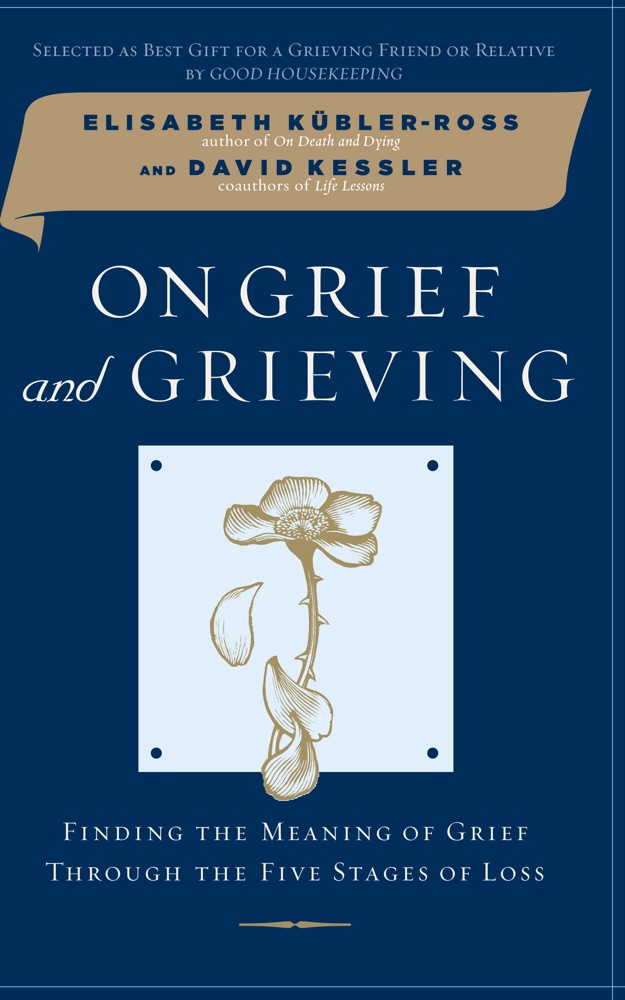 On Grief and Grieving: Finding the Meaning of Grief Through the Five Stages of Loss
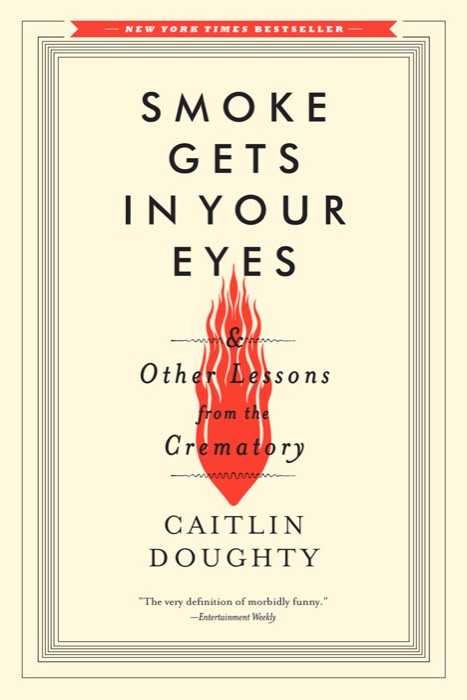 Smoke Gets in Your Eyes: And Other Lessons from the Crematory
 Living Beautifully with Uncertainty and Change
 Memento Mori
 The Beauty of What Remains: How Our Greatest Fear Becomes Our Greatest Gift
 Being Mortal: Medicine and What Matters in the End
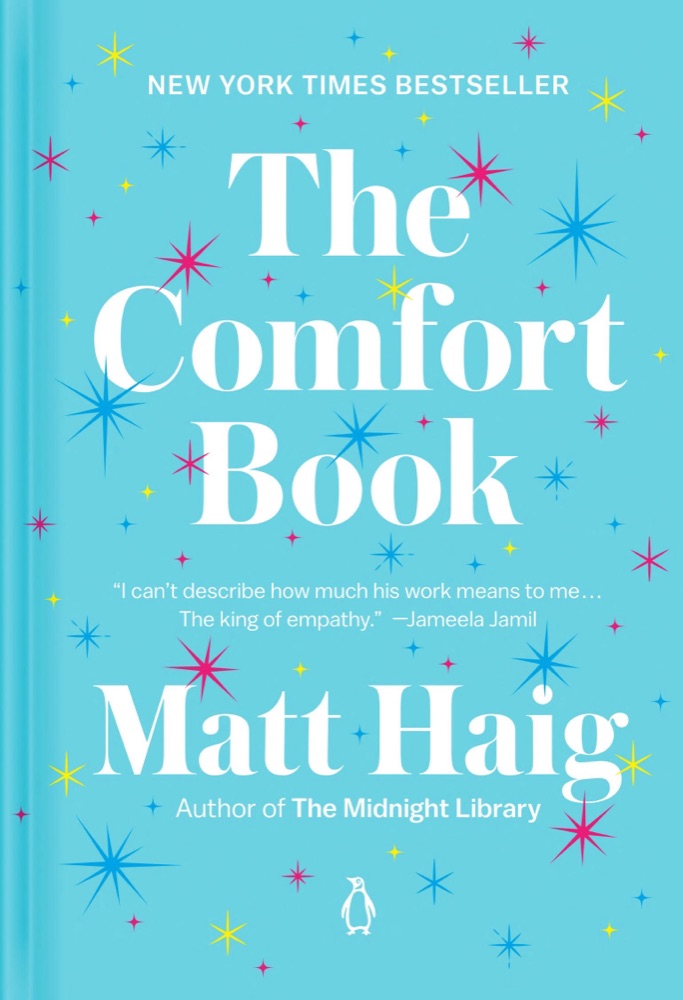 The Comfort Book
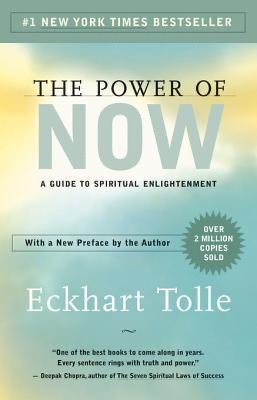 The Power of Now: A Guide to Spiritual Enlightenment
 A Joseph Campbell Companion: Reflections on the Art of Living
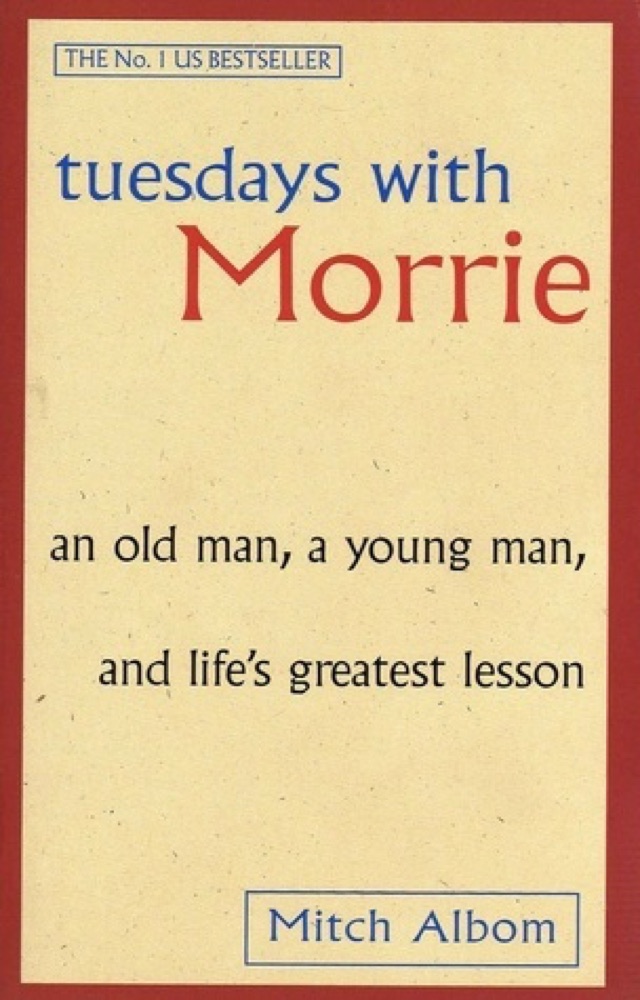 Tuesdays with Morrie
 Life of Pi
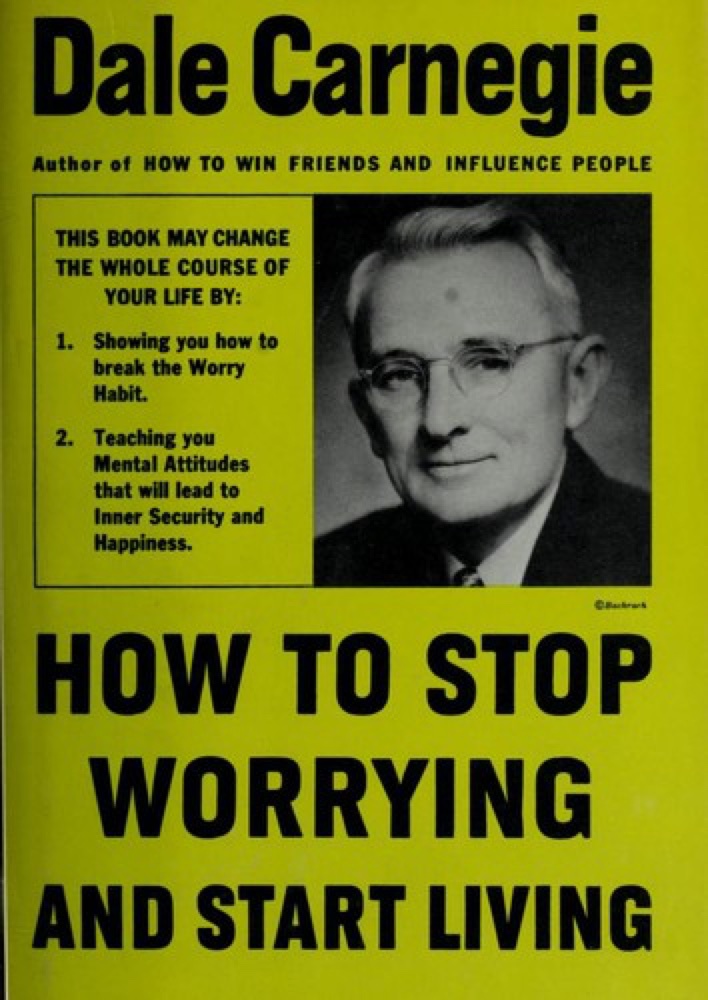 How to Stop Worrying and Start Living
 Confessions of a Funeral Director: How the Business of Death Saved My Life
 On Fire: The 7 Choices to Ignite a Radically Inspired Life
 Night Train to Lisbon
 Fear: Essential Wisdom for Getting Through the Storm
 This Is How: Proven Aid in Overcoming Shyness, Molestation, Fatness, Spinsterhood, Grief, Disease, Lushery, Decrepitude & More. For Young and Old Alike.
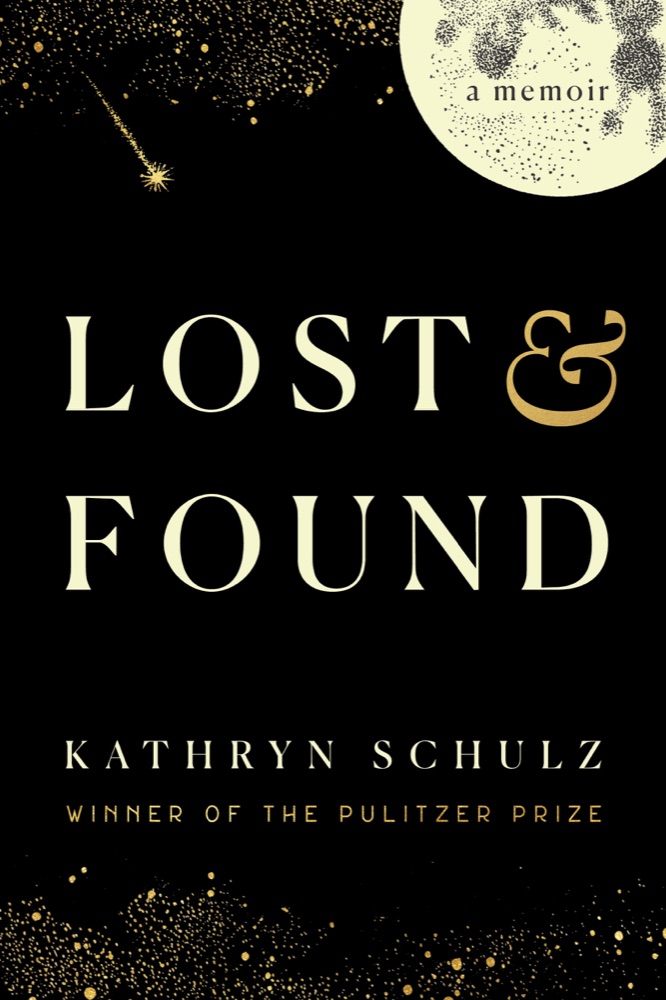 Lost & Found: A Memoir
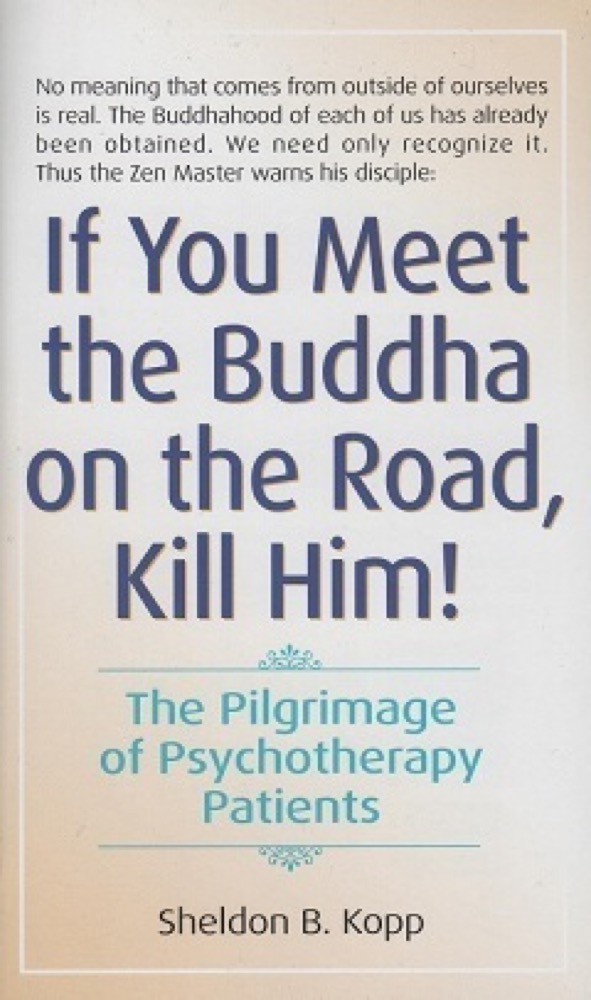 If You Meet the Buddha on the Road, Kill Him! The Pilgrimage of Psychotherapy Patients
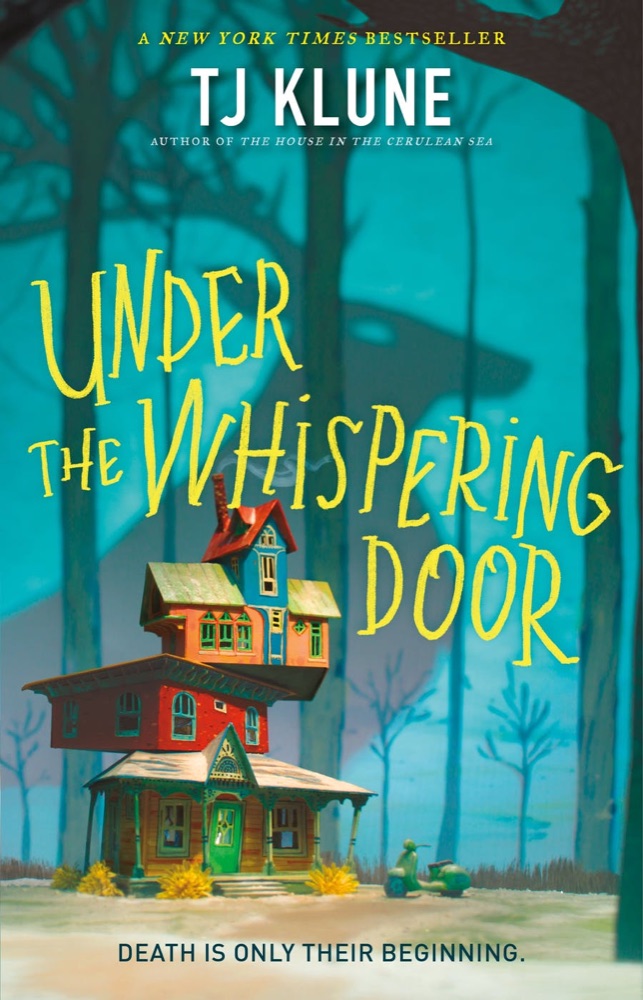 Under the Whispering Door
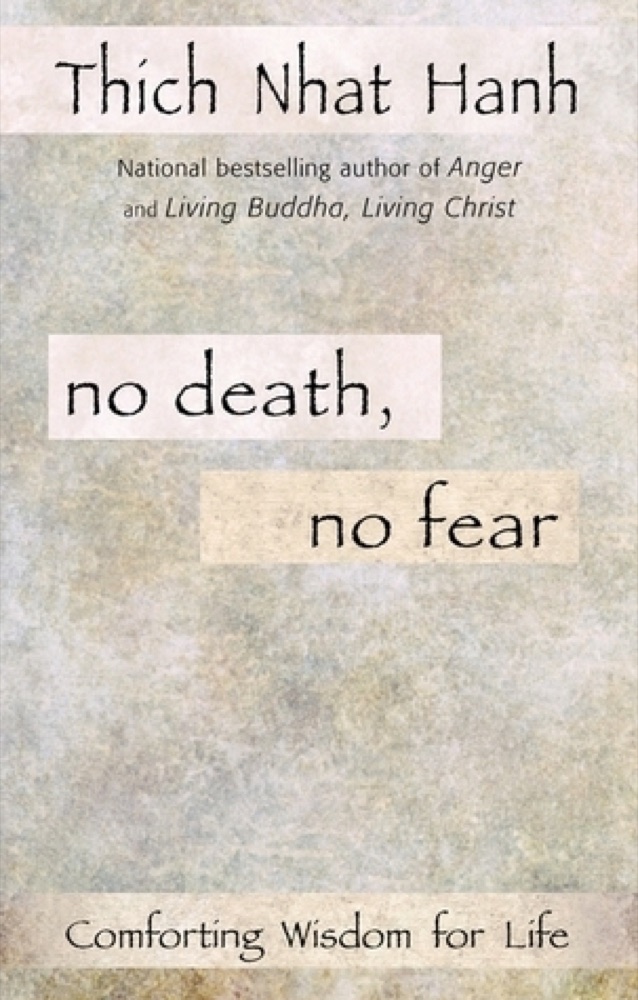 No Death, No Fear: Comforting Wisdom for Life
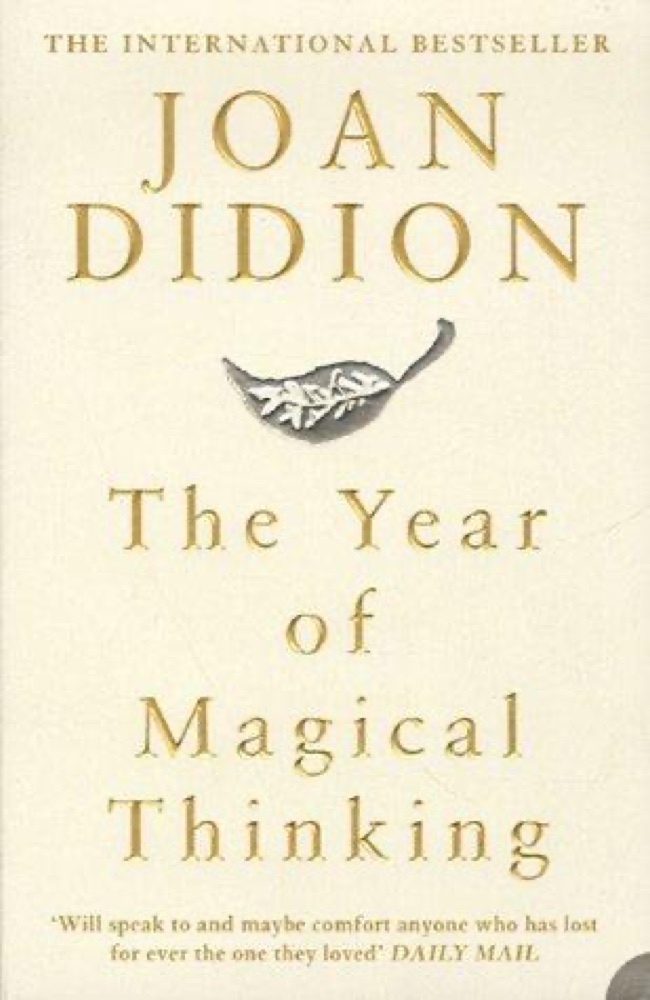 The Year of Magical Thinking
 Finding Parker
 Split Tooth
 F**k It: The Ultimate Spiritual Way
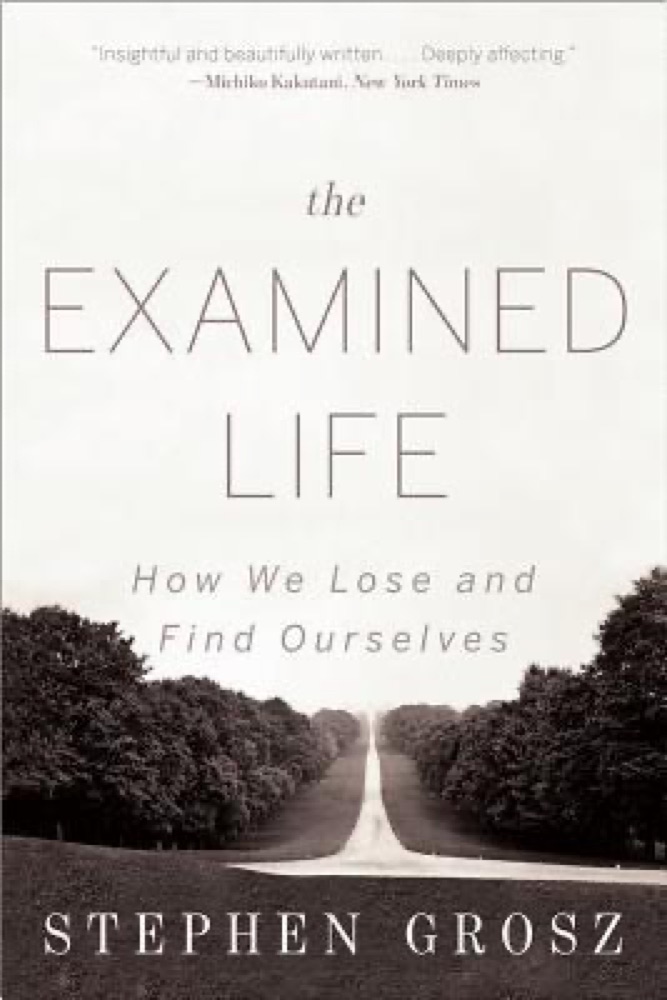 The Examined Life: How We Lose and Find Ourselves
 Kafka on the Shore
 Dear Senthuran: A Black Spirit Memoir
 Tibetan Book of the Dead
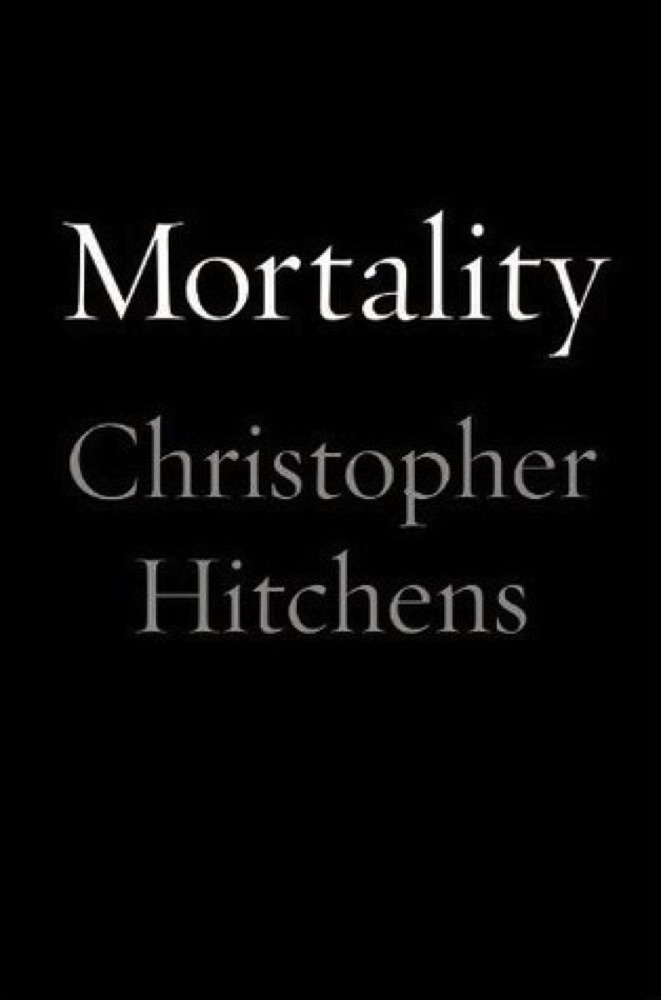 Mortality
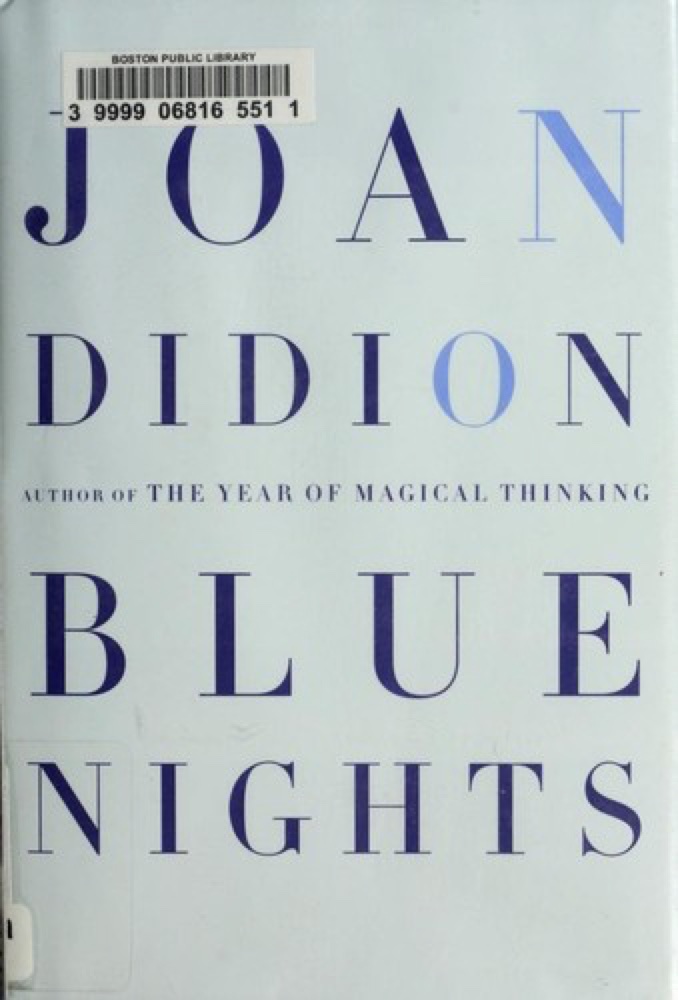 Blue Nights
 The Antidote: Happiness for People Who Can't Stand Positive Thinking
 The Tools: Transform Your Problems into Courage, Confidence, and Creativity
 The Way to Love: The Last Meditations of Anthony de Mello
 Smilla's Sense of Snow
 Day
Day
 Journey of Souls: Case Studies of Life Between Lives
 Sacred Journey of the Peaceful Warrior
 Nutshell
 The Sense of an Ending
 How to See Yourself As You Really Are
 We Are the Luckiest: The Surprising Magic of a Sober Life
 Like Streams to the Ocean: Notes on Ego, Love, and the Things That Make Us Who We Are
 Imagine Me Gone