
 Coraline
Quotes from the Book
I lived in books more than I lived anywhere else.
Grown-ups don't look like grown-ups on the inside either. Outside, they're big and thoughtless and they always know what they're doing. Inside, they look just like they always have. Like they did when they were your age. Truth is, there aren't any grown-ups. Not one, in the whole wide world.
I do not miss childhood, but I miss the way I took pleasure in small things, even as greater things crumbled. I could not control the world I was in, could not walk away from things or people or moments that hurt, but I took joy in the things that made me happy.
Nobody looks like what they really are on the inside. You don’t. I don’t. People are much more complicated than that. It’s true of everybody.
Adults follow paths. Children explore. Adults are content to walk the same way, hundreds of times, or thousands; perhaps it never occurs to adults to step off the paths, to creep beneath rhododendrons, to find the spaces between fences. I was a child, which meant that I knew a dozen different ways of getting out of our property and into the lane, ways that would not involve walking down our drive.
I went away in my head, into a book. That was where I went whenever real life was too hard or too inflexible.
Oh, monsters are scared," said Lettie. "That's why they're monsters.
And did I pass?" The face of the old woman on my right was unreadable in the gathering dusk. On my left the younger woman said, "You don't pass or fail at being a person, dear.
Monsters come in all shapes and sizes. Some of them are things people are scared of. Some of them are things that look like things people used to be scared of a long time ago. Sometimes monsters are things people should be scared of, but they aren't.
I liked myths. They weren't adult stories and they weren't children's stories. They were better than that. They just were.
You don't pass or fail at being a person, dear.
Nothing's ever the same," she said. "Be it a second later or a hundred years. It's always churning and roiling. And people change as much as oceans.
Different people remember things differently, and you'll not get any two people to remember anything the same, whether they were there or not.
That's the trouble with living things. Don't last very long. Kittens one day, old cats the next. And then just memories. And the memories fade and blend and smudge together.
Growing up, I took so many cues from books. They taught me most of what I knew about what people did, about how to behave. They were my teachers and my advisers.
. . . I lay on the bed and lost myself in the stories. I liked that. Books were safer than other people anyway.
I make art, sometimes I make true art, and sometimes it fills the empty places in my life. Some of them. Not all.
How can you be happy in this world? You have a hole in your heart. You have a gateway inside you to lands beyond the world you know. They will call you, as you grow.
I saw the world I had walked since my birth and I understood how fragile it was, that the reality was a thin layer of icing on a great dark birthday cake writhing with grubs and nightmares and hunger.
As we age, we become our parents; live long enough and we see faces repeat in time.
Adults should not weep, I knew. They did not have mothers who would comfort them.
A story only matters, I suspect, to the extent that the people in the story change.
Childhood memories are sometimes covered and obscured beneath the things that come later, like childhood toys forgotten at the bottom of a crammed adult closet, but they are never lost for good.
It's always too late for sorries, but I appreciate the sentiment.
I was a normal child. Which is to say, I was selfish and I was not entirely convinced of the existence of things that were not me, and I was certain, rock-solid, unshakeably certain, that I was the most important thing in creation. There was nothing that was more important to me than I was.
Does it make you feel big to make a little boy cry?
I liked myths. They weren't adult stories and they weren't children stories. They were better than than that. They just were. Adult stories never made sense, and they were slow to start. They made me feel like there were secrets, Masonic, mythic secrets, to adulthood. Why didn't adults want to read about Narnia, about secret islands and smugglers and dangerous fairies?
Peas baffled me. I could not understand why grown-ups would take things that tasted so good raw, and then put them in tins, and make them revolting.
Did you know?
- The novel was first published on June 18, 2013, by William Morrow.
- It reached number one on The New York Times Best Seller list for hardcover fiction in 2013.
- It won the Locus Award for Best Fantasy Novel in 2014.
- It was named Book of the Year at the 2013 British National Book Awards.
- A stage adaptation premiered at the Royal National Theatre in London in 2019.
About Neil Gaiman
Neil Gaiman is an English author of fiction, comics, and screenplays, born in 1960, known for works including the Sandman comics, American Gods, Coraline, and Good Omens (co-written with Terry Pratchett). He has won numerous awards including the Hugo, Nebula, and Newbery medals.
More about the author →More by Neil Gaiman
All books by Neil Gaiman →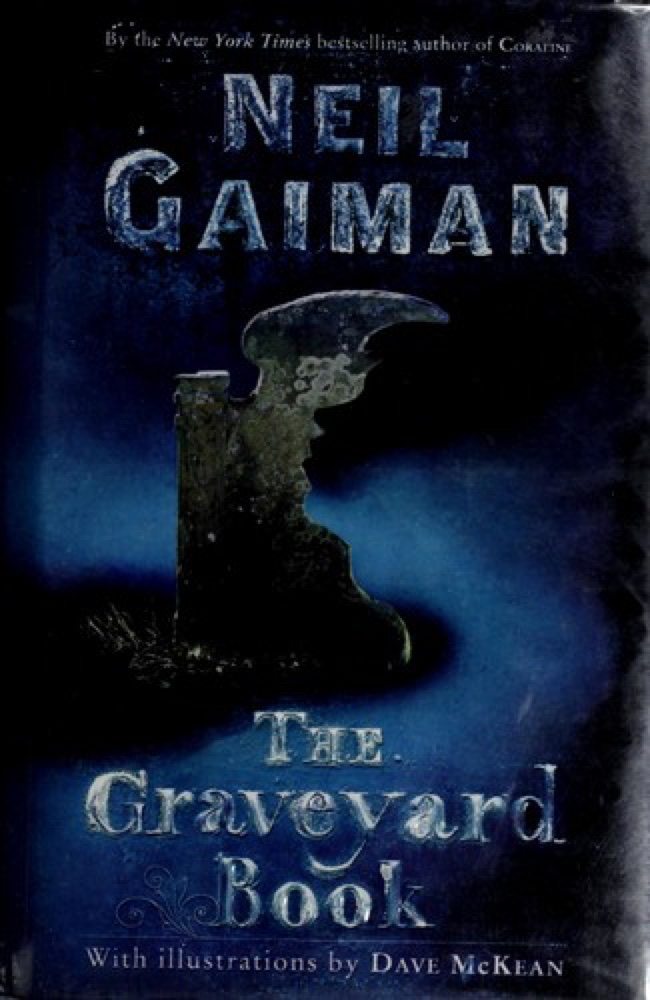
About the book
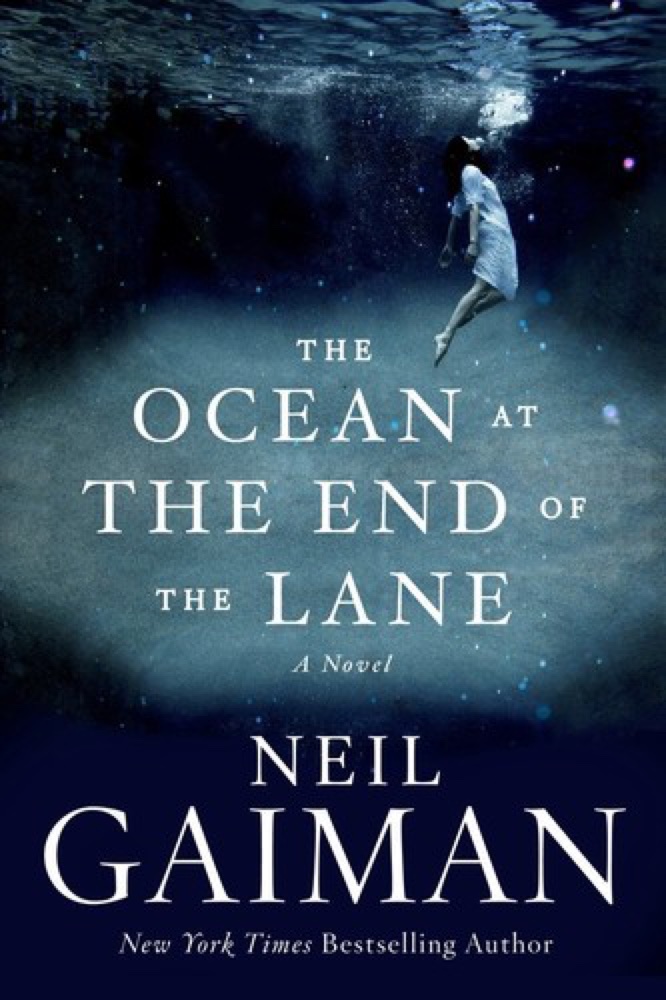
The Ocean at the End of the Lane is a dark fantasy novel by Neil Gaiman, first published in 2013. A middle-aged man returns to his childhood home in rural Sussex to attend a funeral and finds himself drawn to a farm at the end of the lane, where the duck pond that a girl named Lettie Hempstock once insisted was an ocean triggers a flood of buried memories. He recalls being seven years old, when a lodger's suicide unleashed a strange and menacing supernatural force into his world, and how Lettie and the extraordinary women of the Hempstock farm stood between him and that danger.
Told through the eyes of a bookish, lonely boy, the novel explores memory, the fragility and terror of childhood, and the gulf between how children and adults perceive the world. Gaiman weaves domestic realism together with ancient, mythic power embodied in the three generations of Hempstock women, using the small scale of a single boy's crisis to probe large questions of sacrifice, identity, and what we forget in order to keep living.
Widely praised on publication, the book reached number one on The New York Times hardcover fiction list and won the Locus Award for Best Fantasy Novel as well as being named Book of the Year at the British National Book Awards. It has since been adapted for the stage by the Royal National Theatre, cementing its place as one of Gaiman's most personal and acclaimed works.
Key characters
- The narratorAn unnamed man recalling events from when he was a seven-year-old boy
- Lettie HempstockA mysterious girl who befriends and protects the narrator
- Ginnie HempstockLettie's mother, one of the farm's guardian women
- Old Mrs. HempstockLettie's ancient grandmother, who seems to remember the beginning of the world
- Ursula MonktonA supernatural entity who takes human form and menaces the narrator's family
Book details
- First published
- 2013
- Length
- 178 pages
- Reading time
- 2 hours
- Author
- Neil Gaiman
- Genre
- Fiction
- Goodreads rating
- 4.01 (664k ratings) →
- First line
- “I wore a black suit and a white shirt, a black tie and black shoes, all polished and shiny.”
Movie & TV adaptations
- IMDb
If you liked this, read…
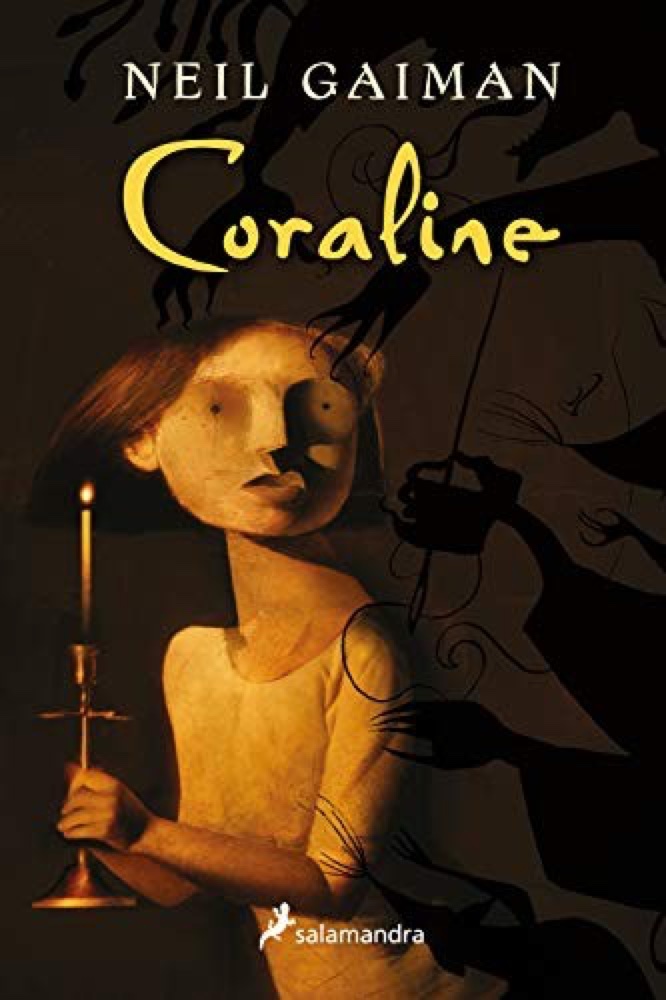
- 1CoralineAnother Gaiman tale of a child confronting a menacing otherworldly force at home.
- 2The Graveyard BookGaiman's atmospheric coming-of-age fantasy blending the ordinary and the uncanny.
Keep reading
 The Saturday Night Ghost Club
 Middlesex
 Boy's Life
 Every Exquisite Thing
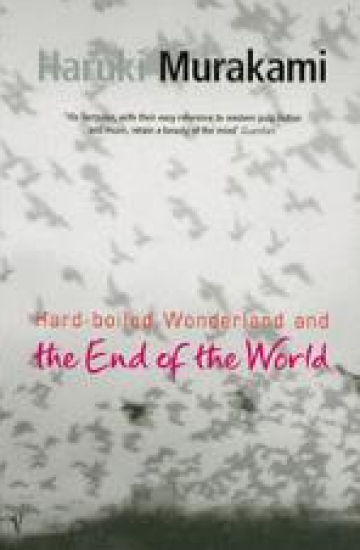 Hard-Boiled Wonderland and the End of the World
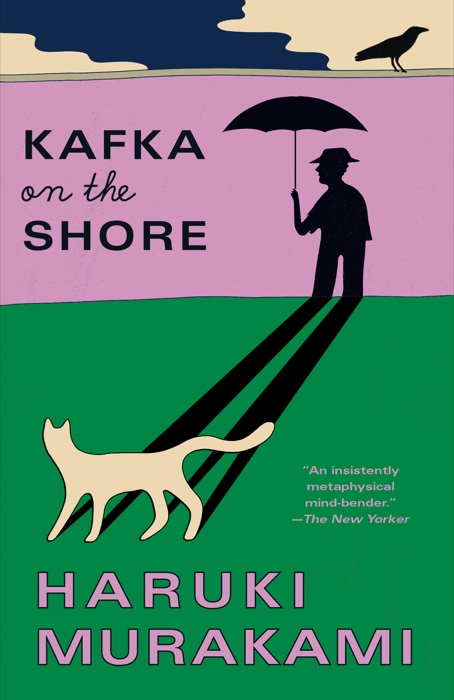 Kafka on the Shore
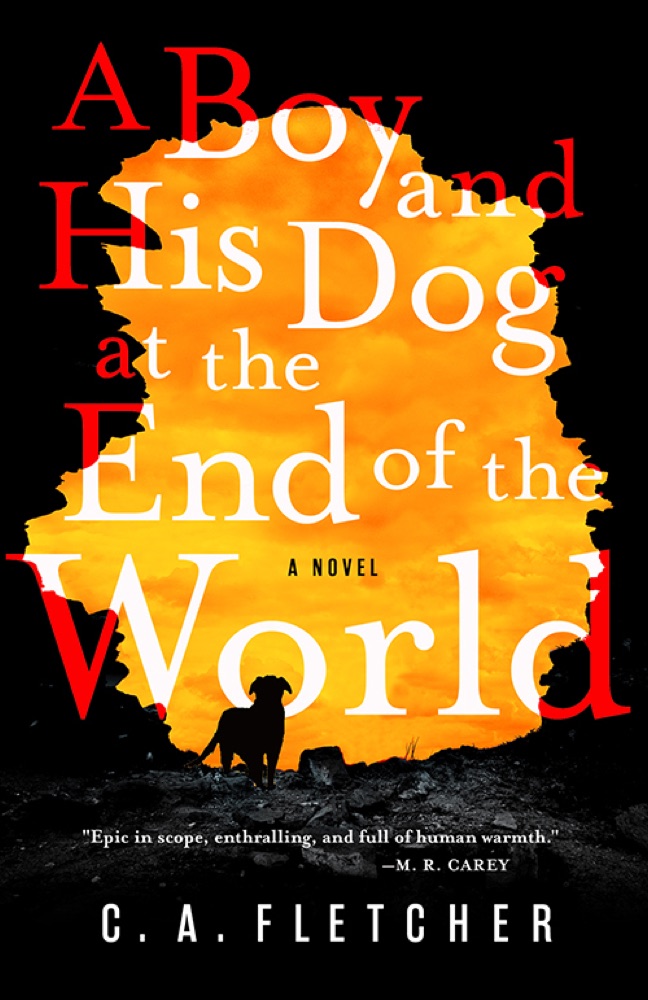 A Boy and His Dog at the End of the World
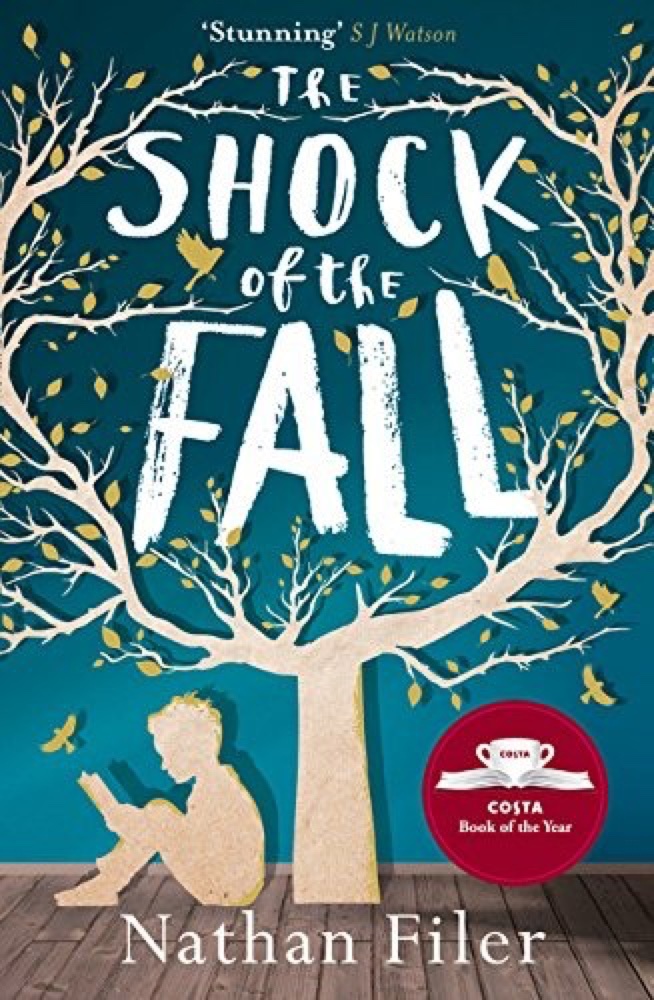 The Shock of the Fall
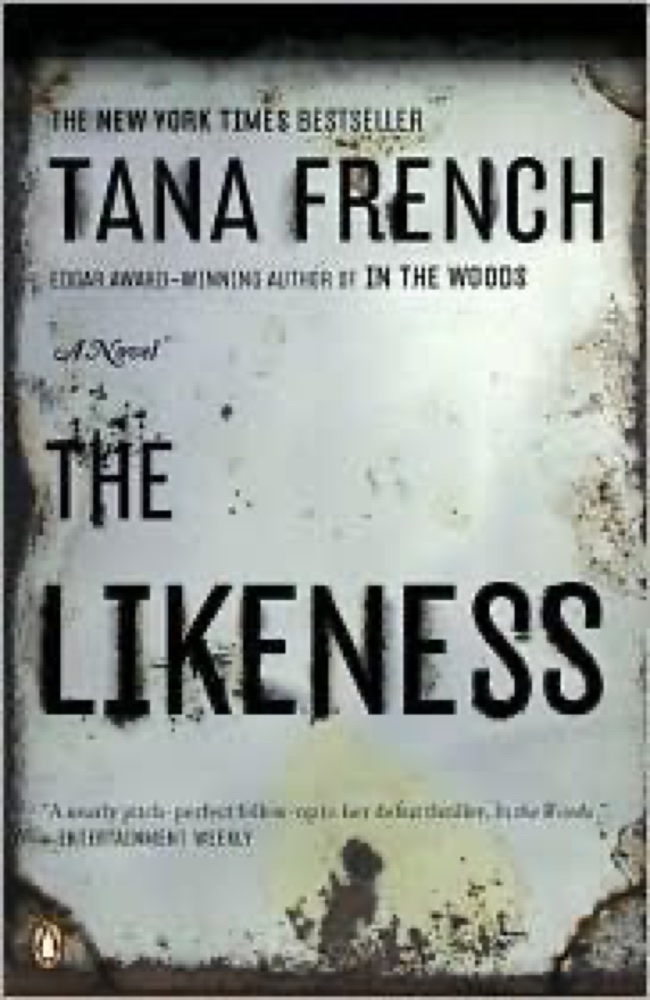 The Likeness
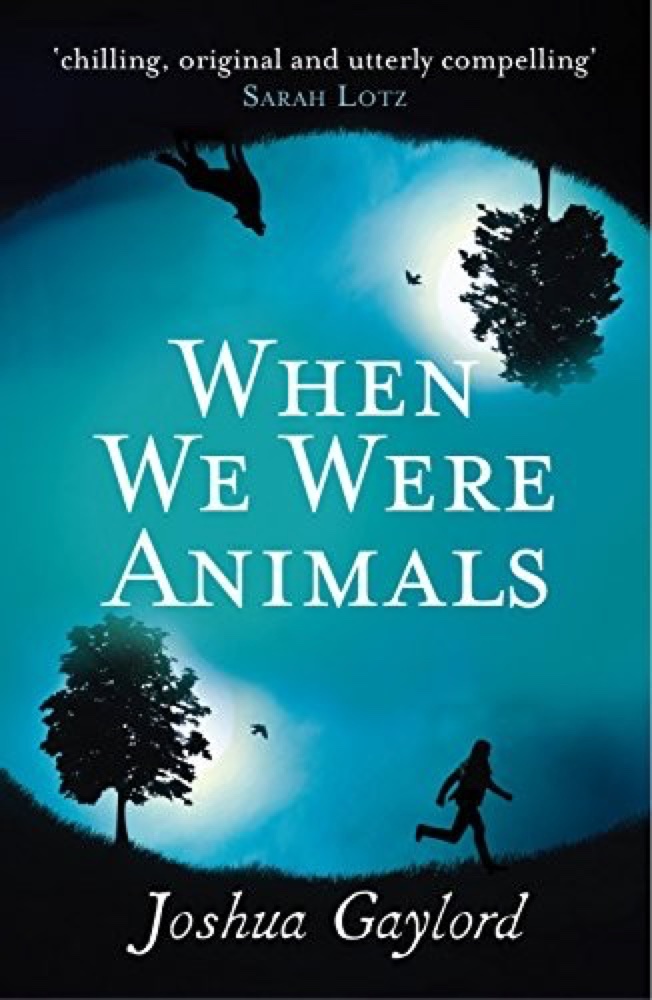 When We Were Animals
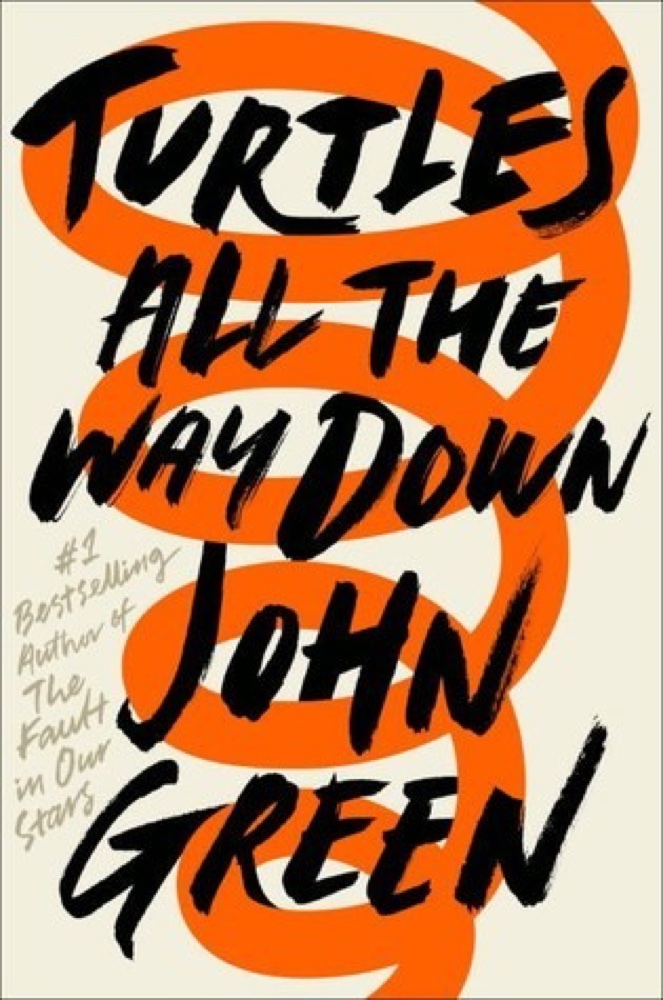 Turtles All the Way Down
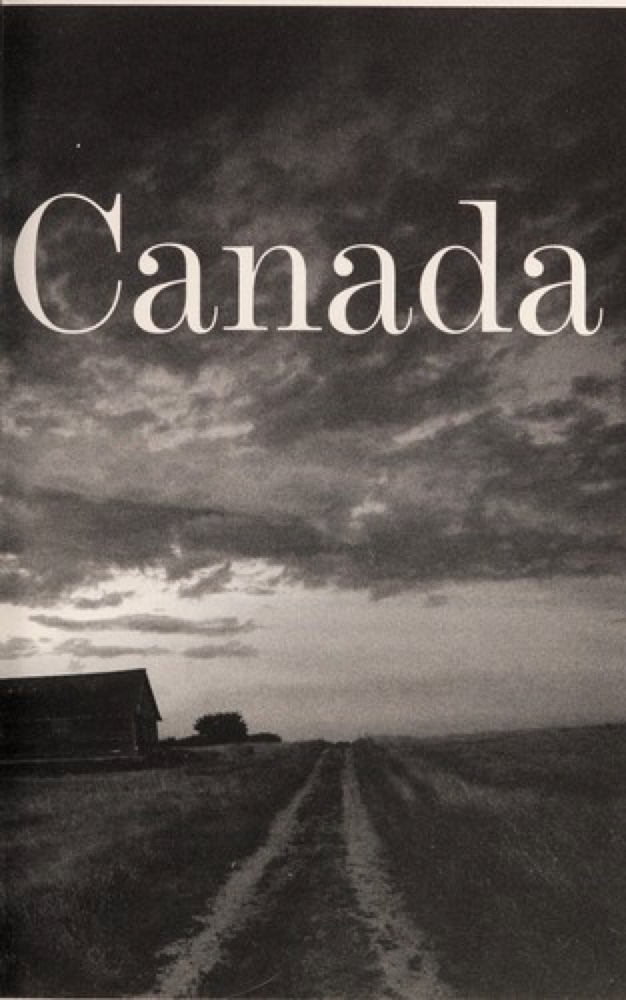 Canada
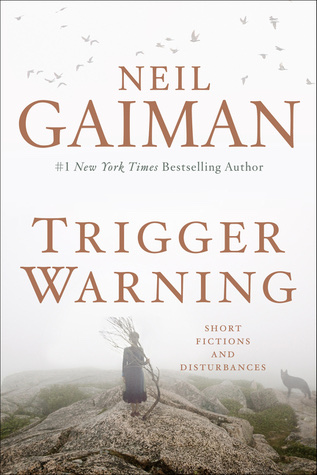 Trigger Warning: Short Fictions and Disturbances
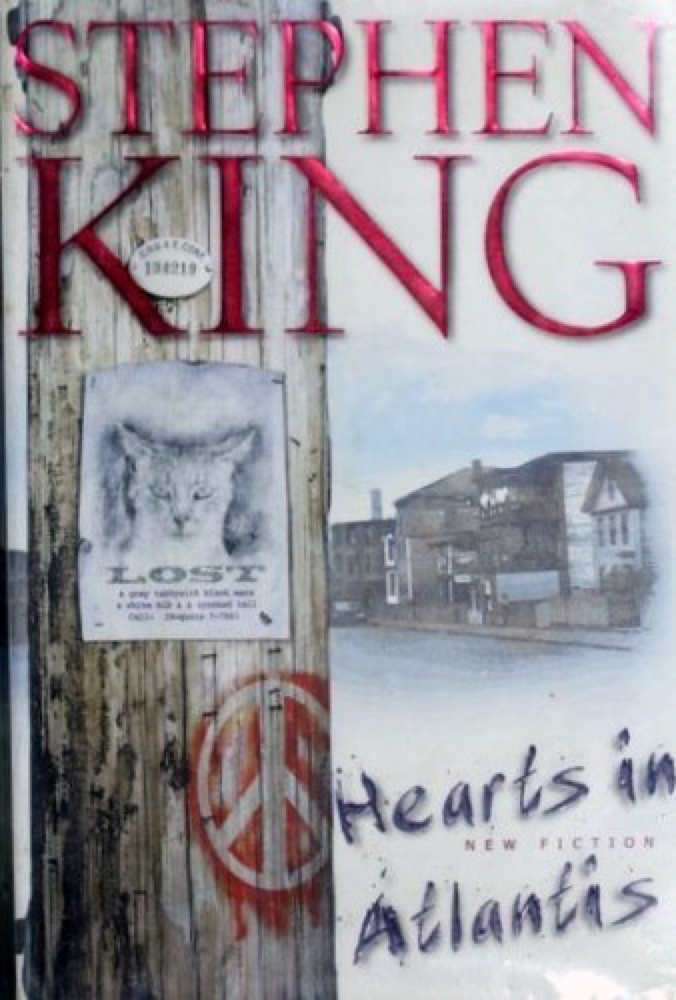 Hearts in Atlantis
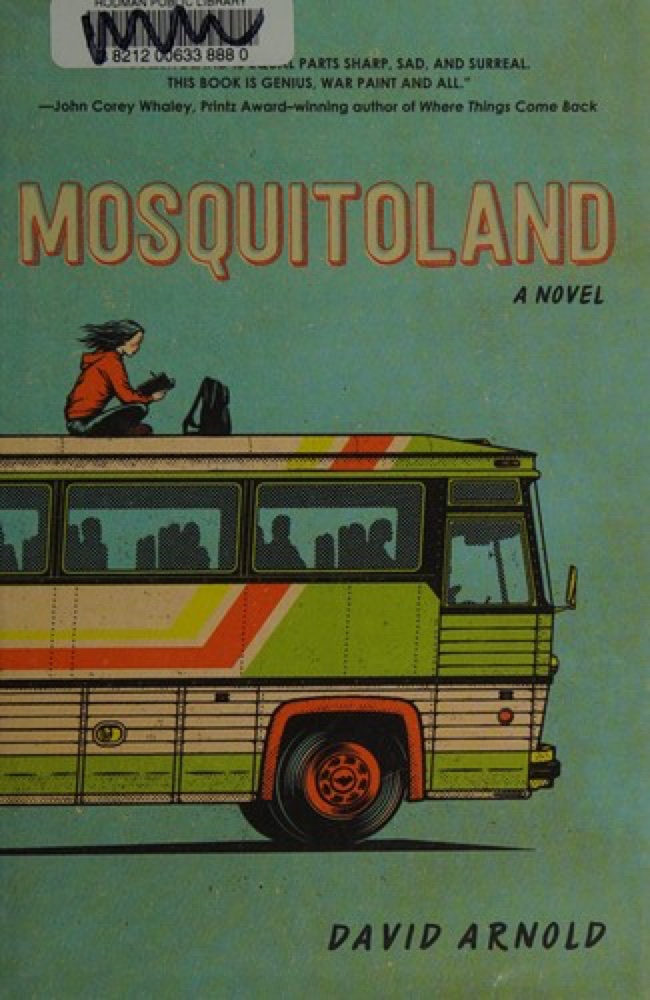 Mosquitoland
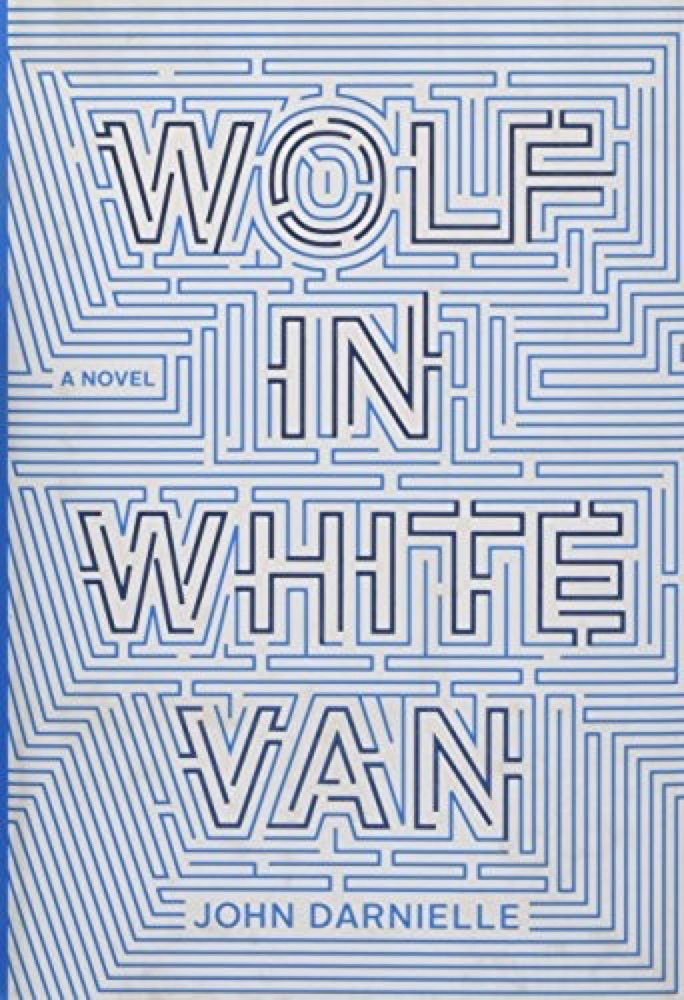 Wolf in White Van
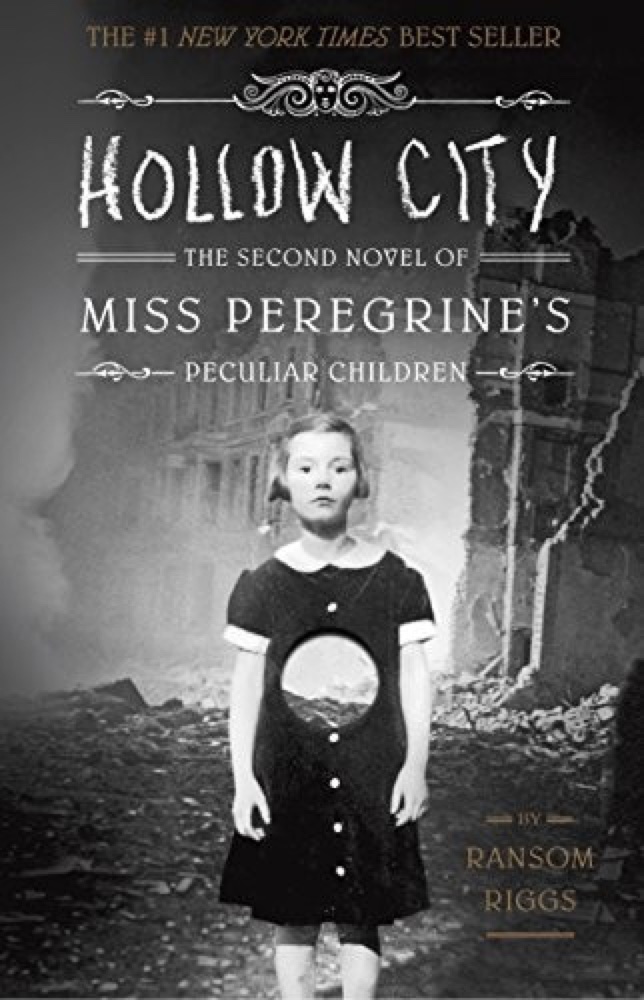 Hollow City
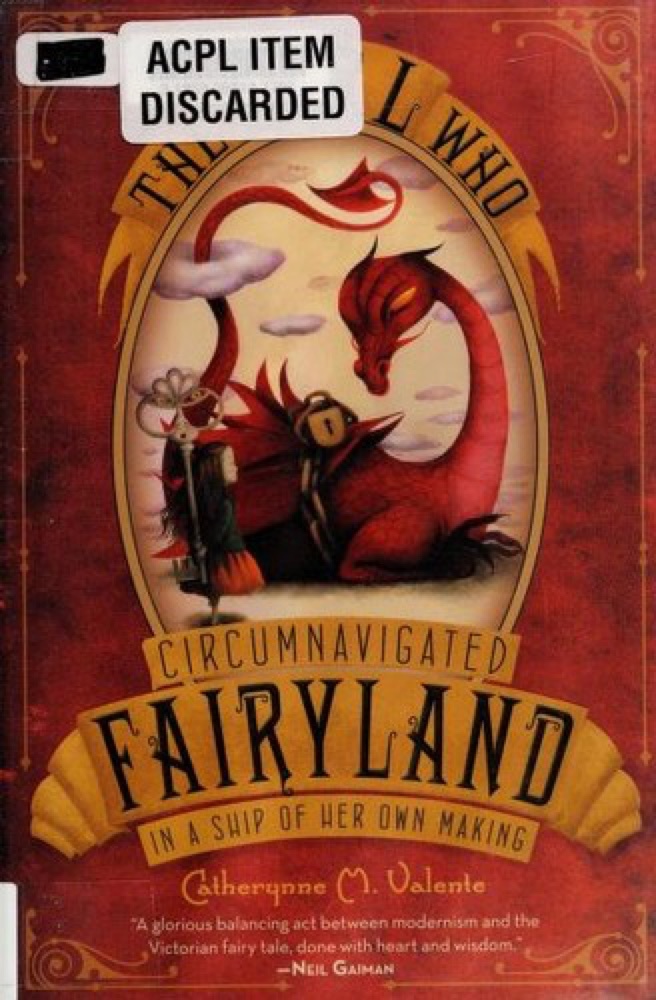 The Girl Who Circumnavigated Fairyland in a Ship of Her Own Making
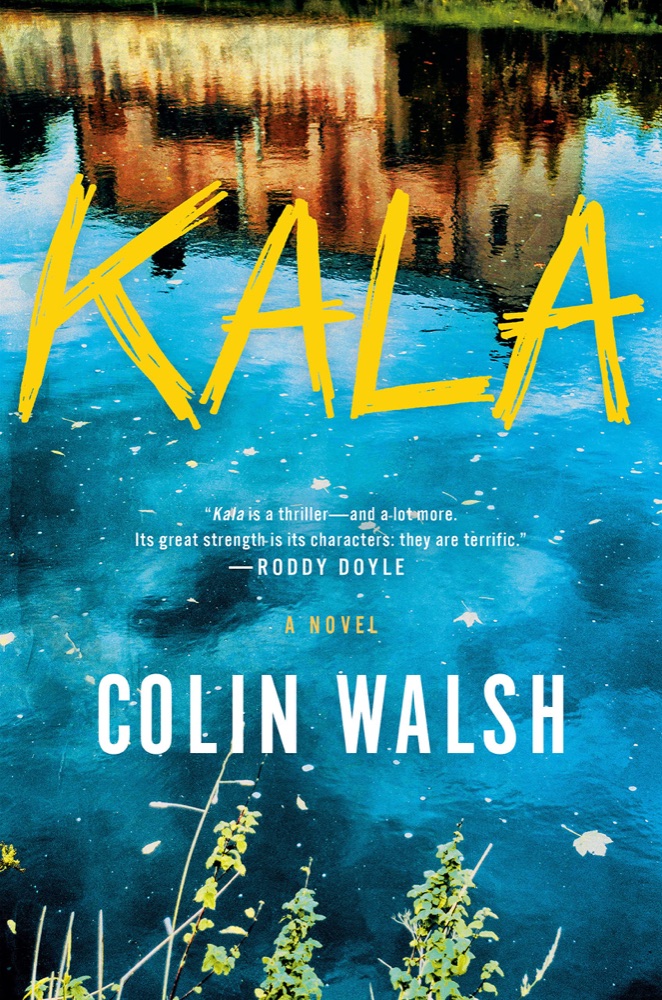 Kala
Kala
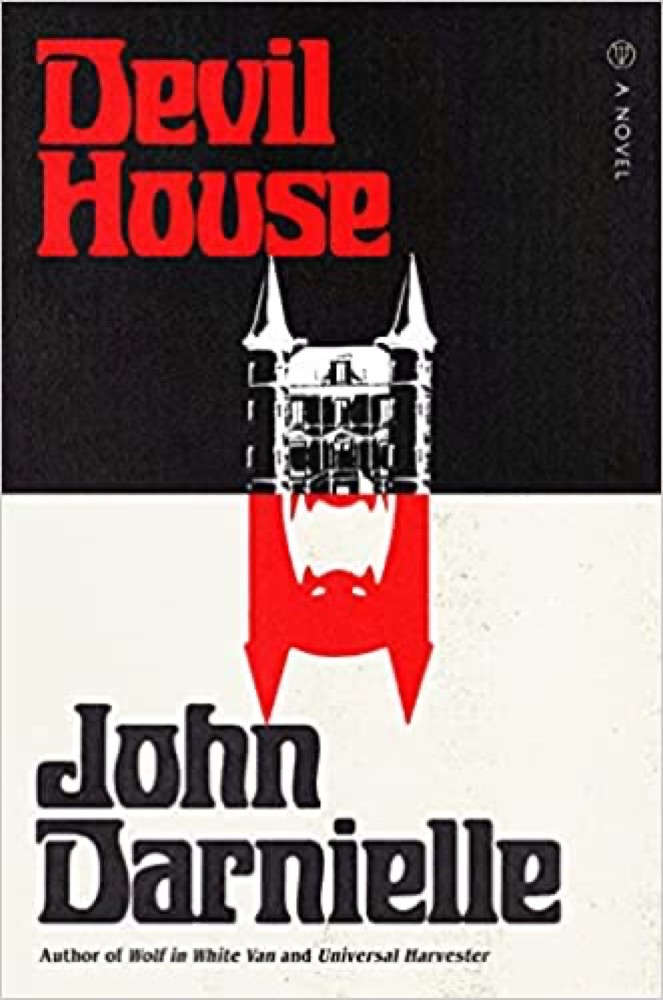 Devil House
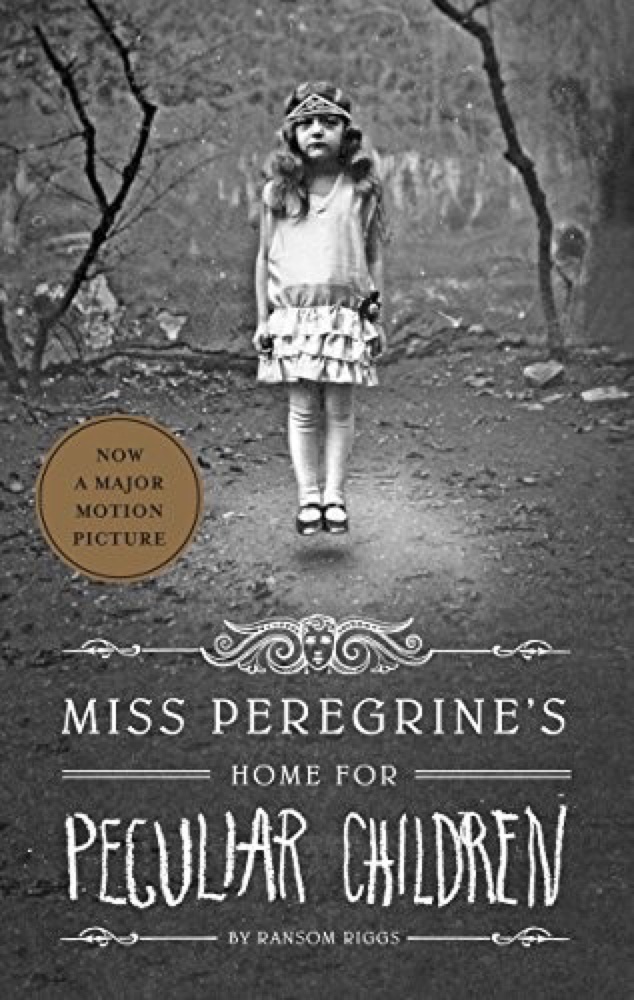 Miss Peregrine’s Home for Peculiar Children
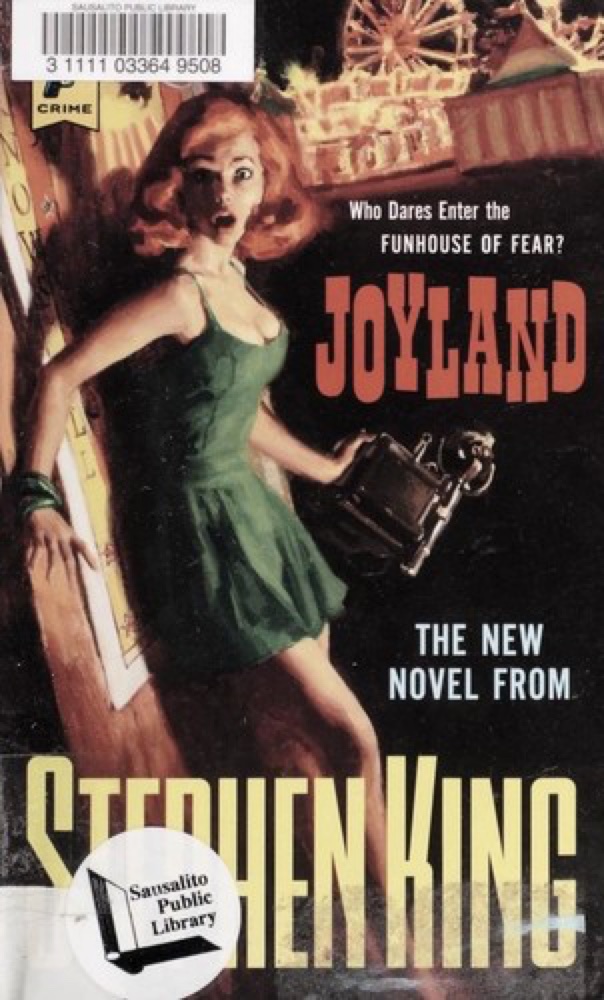 Joyland
 The Wind-Up Bird Chronicle
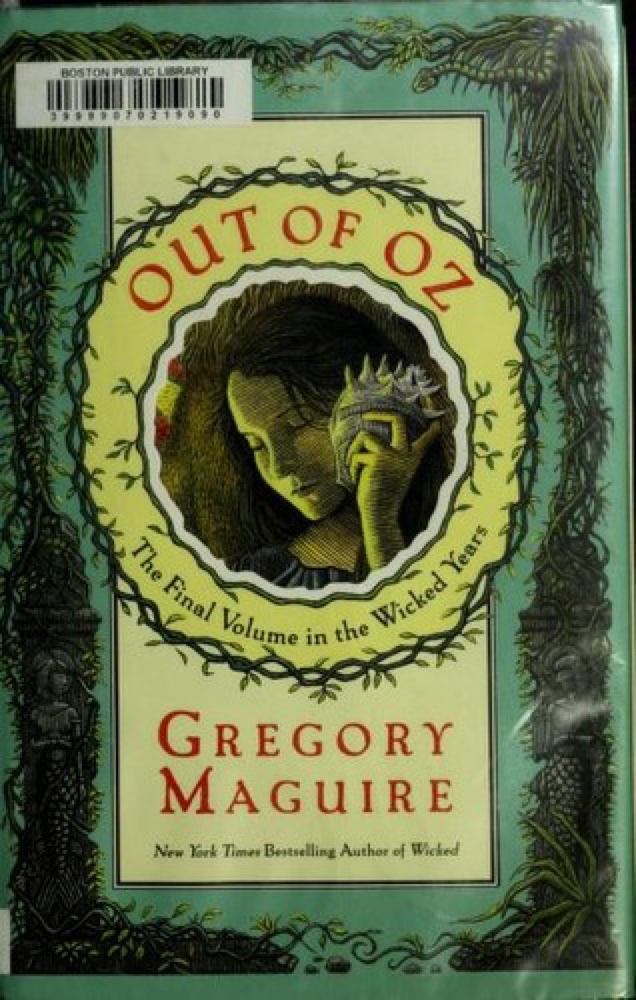 Out of Oz
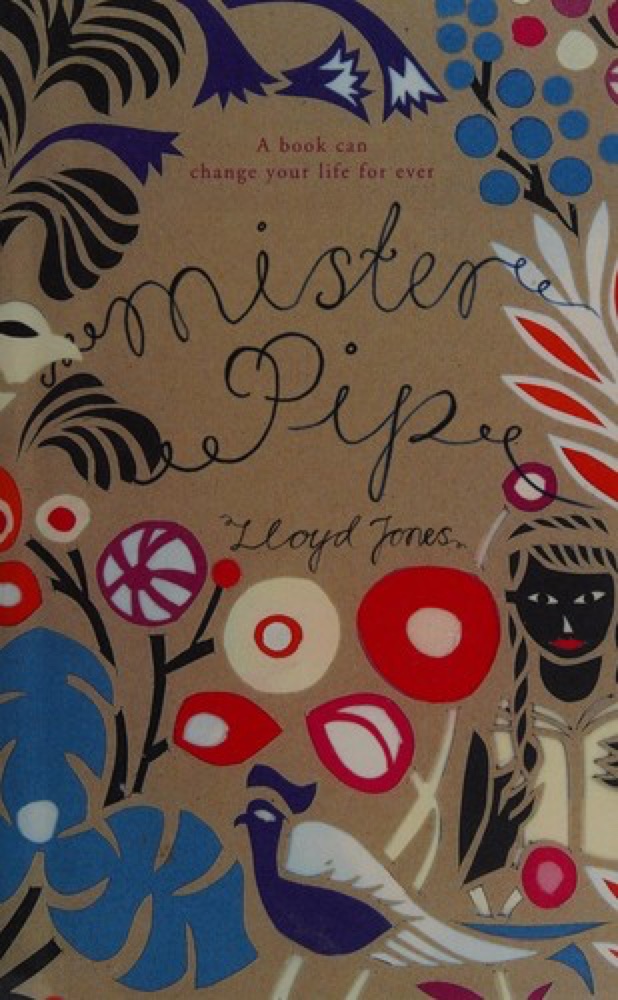 Mister Pip
 Broken Harbor
 What I Loved
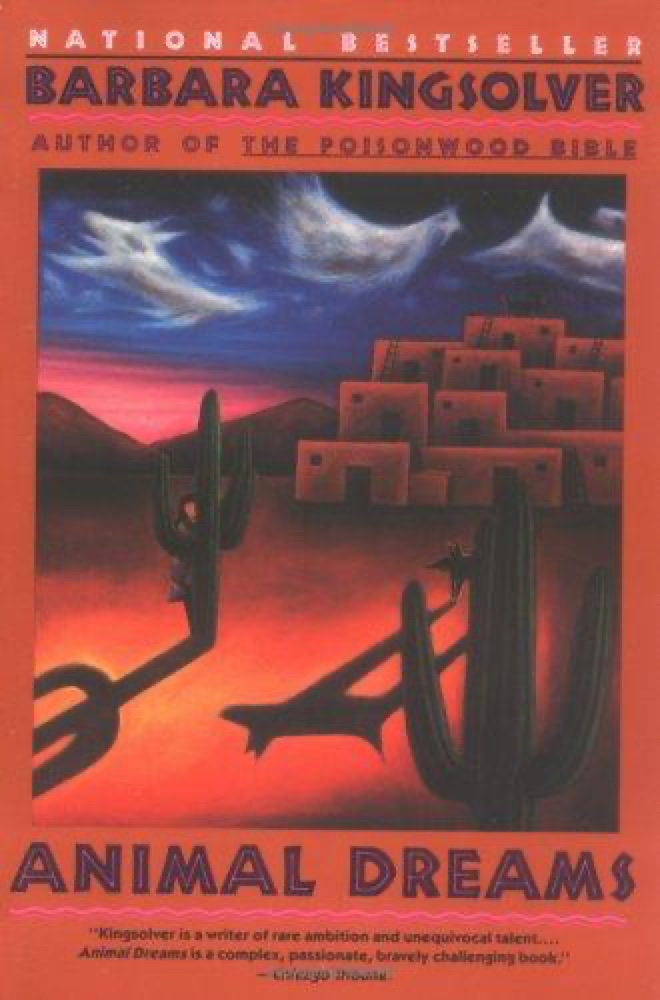 Animal Dreams
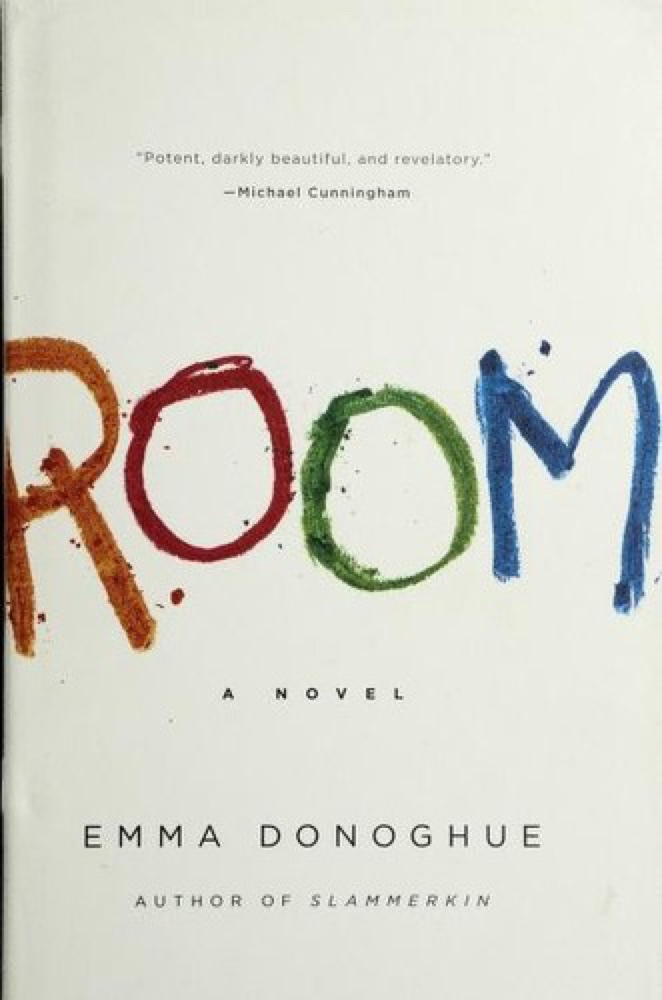 Room
Room
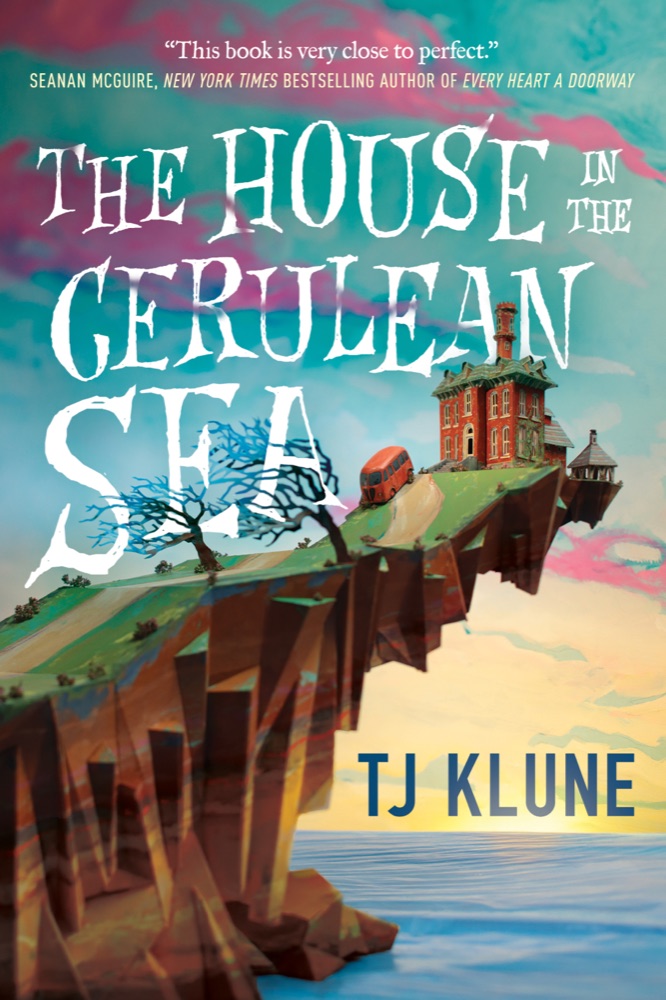 The House in the Cerulean Sea
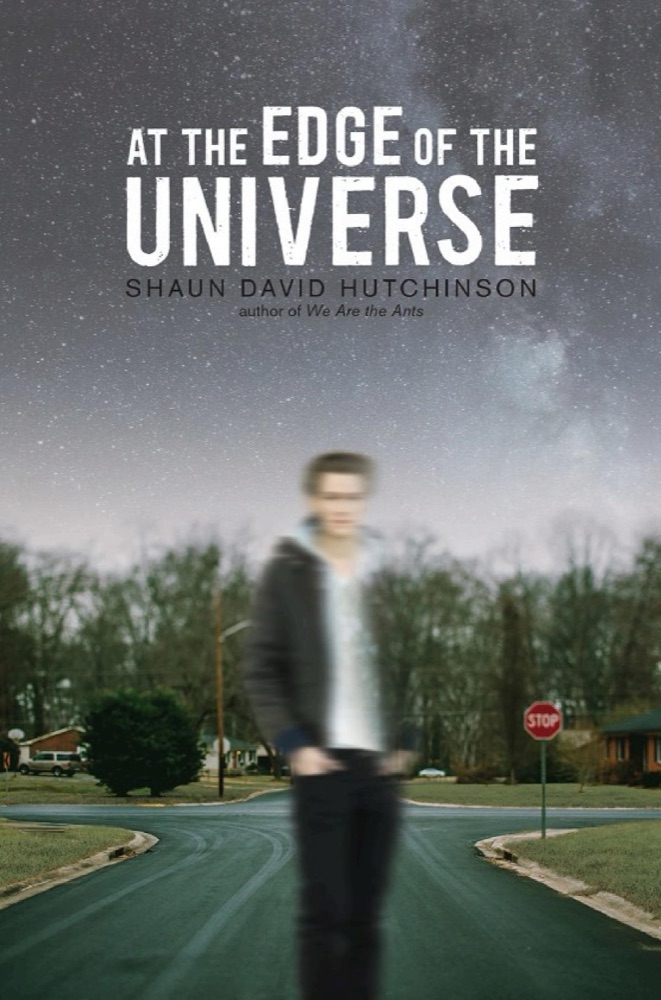 At the Edge of the Universe
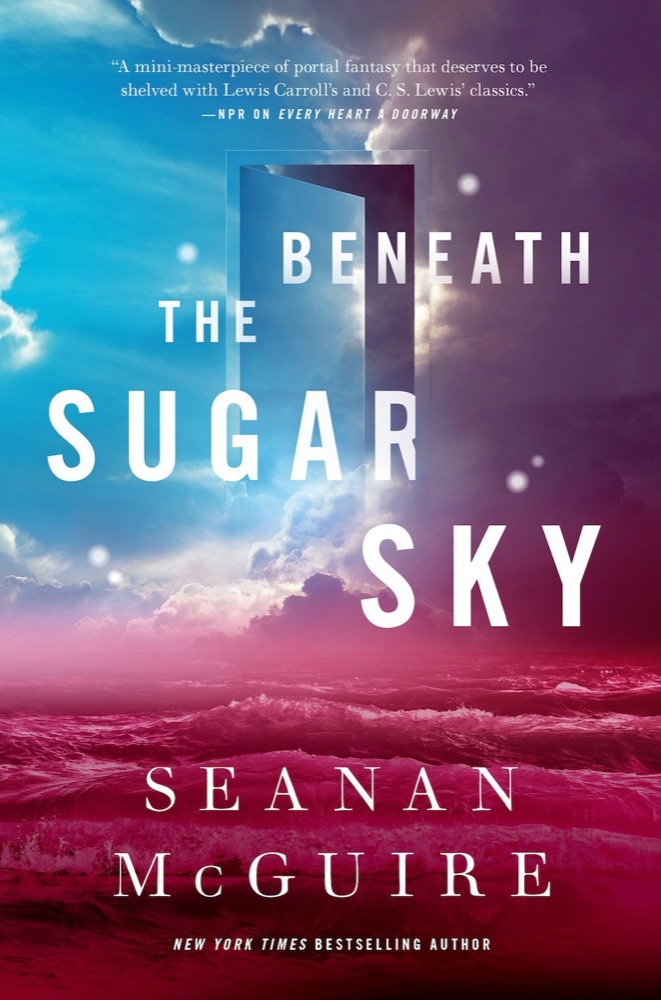 Beneath the Sugar Sky
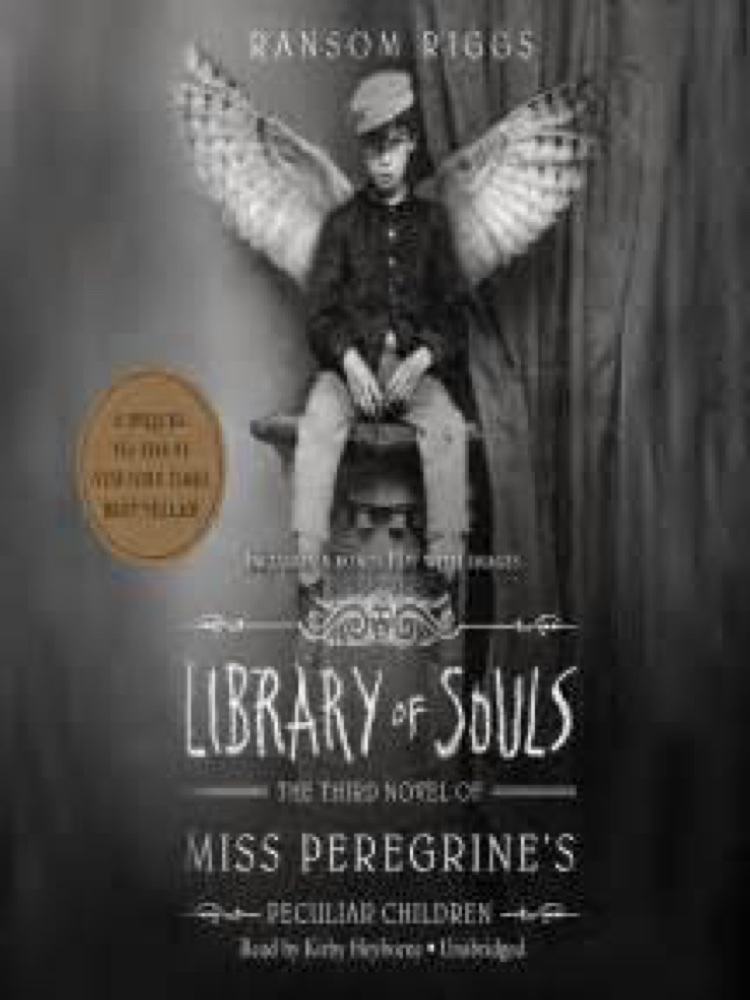 Library of Souls
 Odd Hours
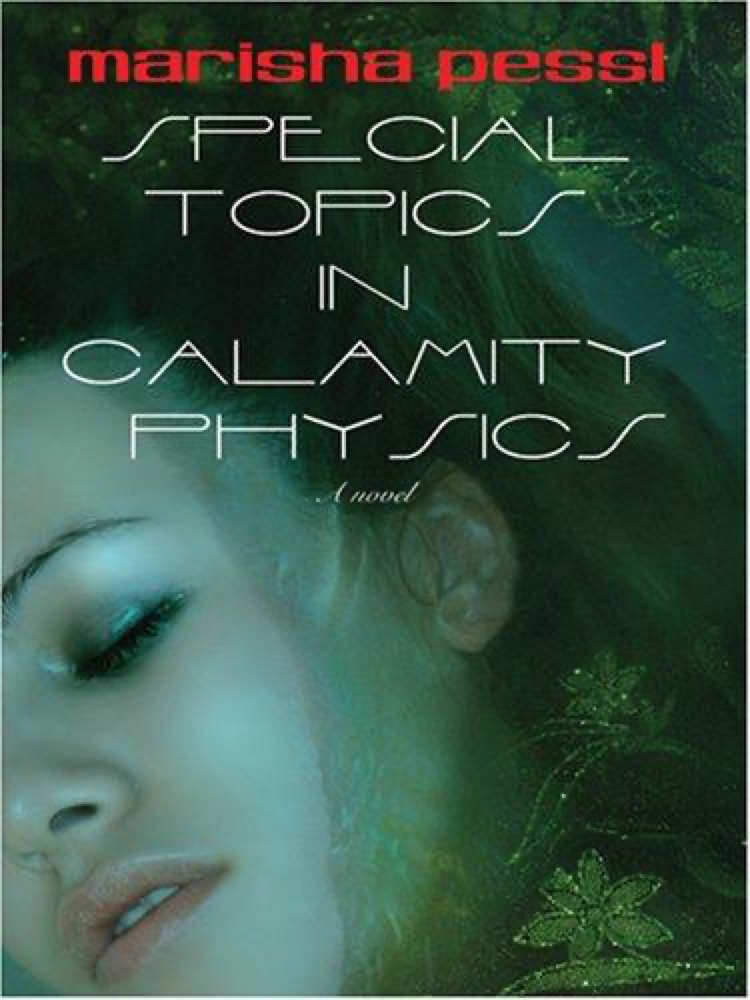 Special Topics in Calamity Physics
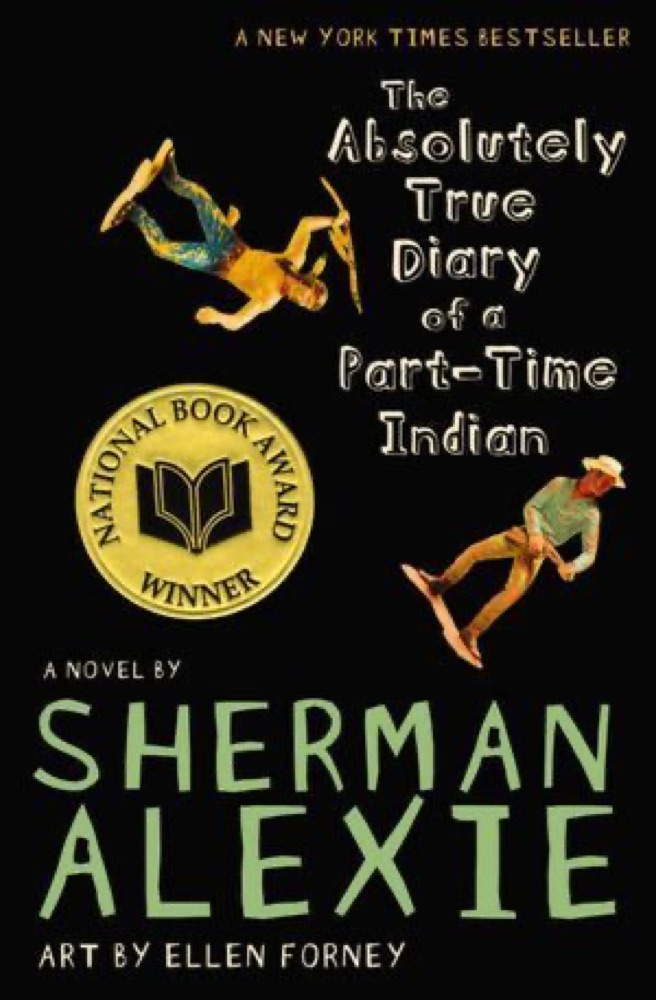 The Absolutely True Diary of a Part-Time Indian
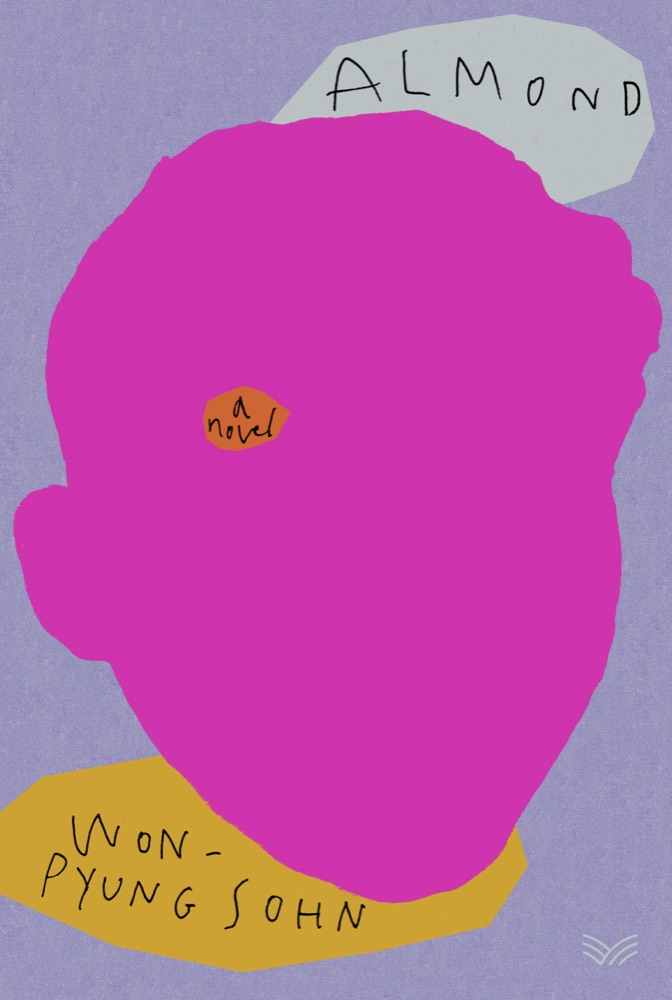 Almond
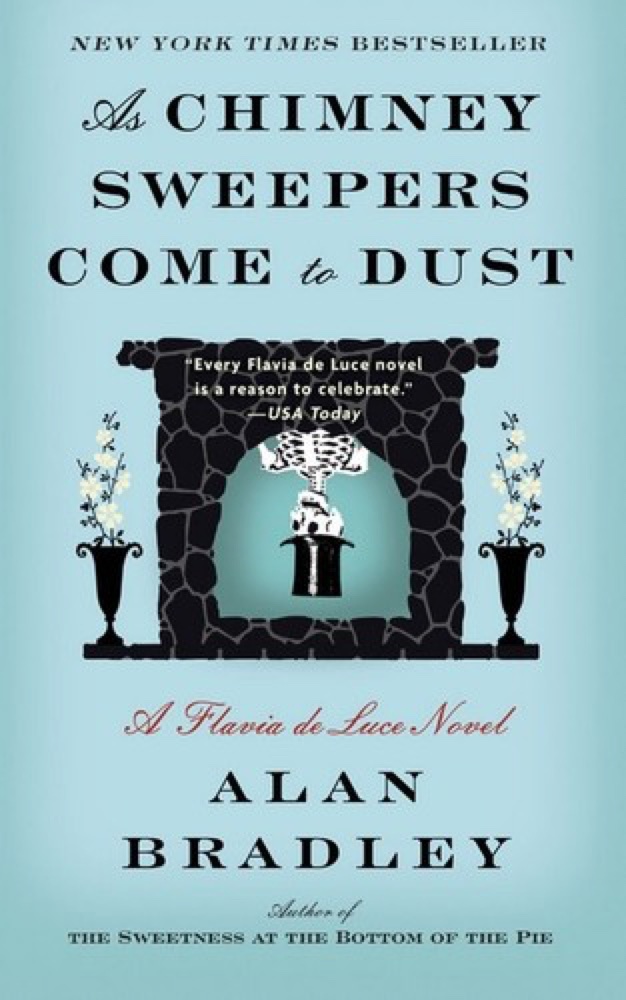 As Chimney Sweepers Come to Dust
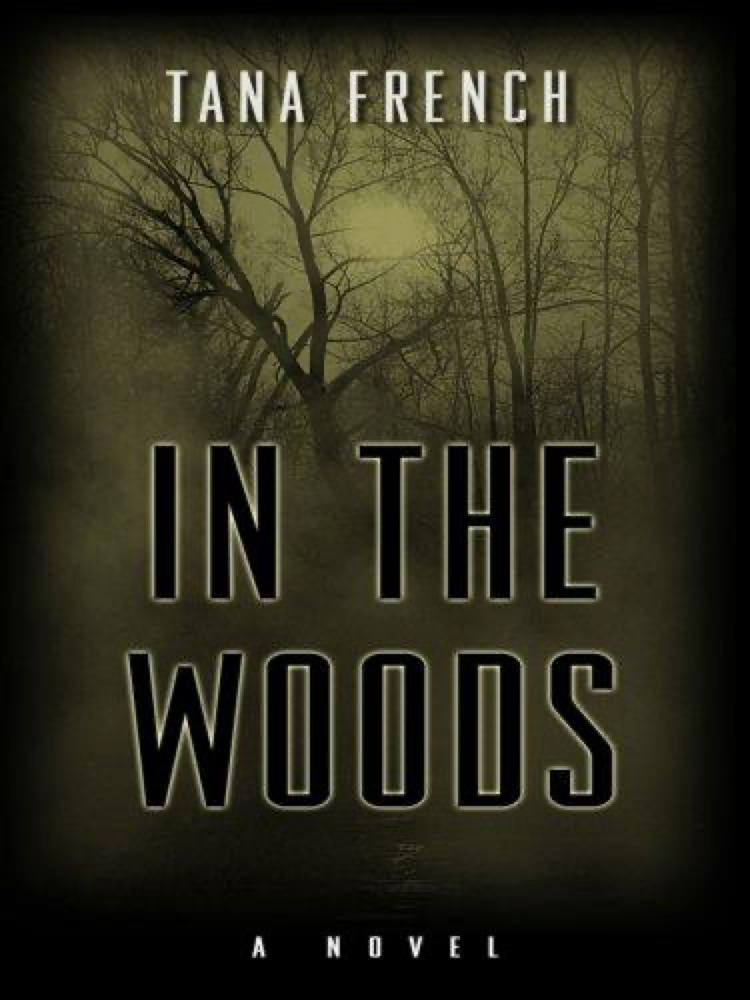 In the Woods
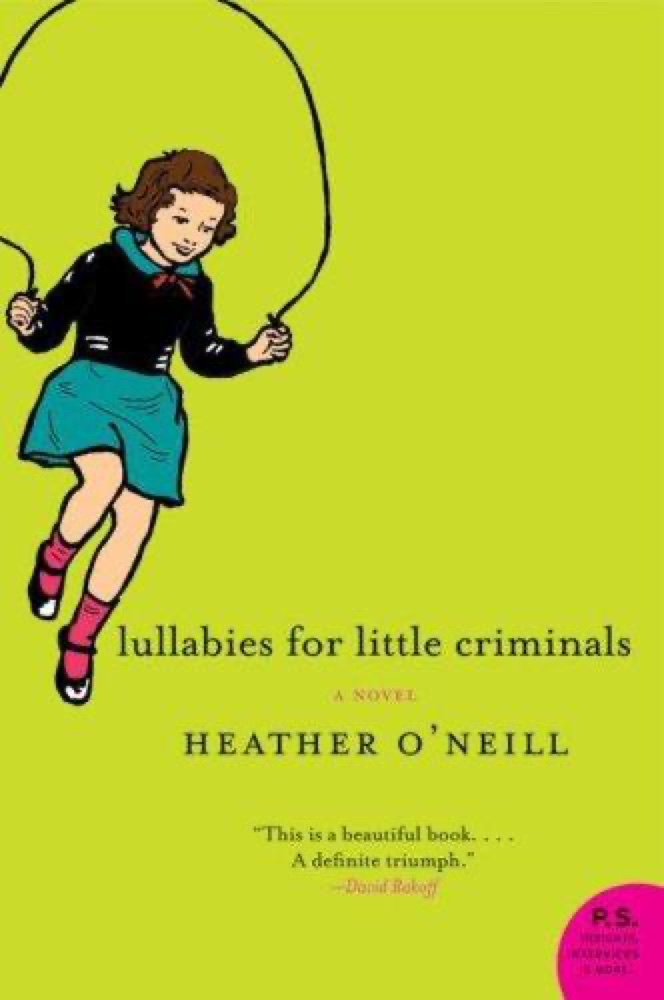 Lullabies for Little Criminals
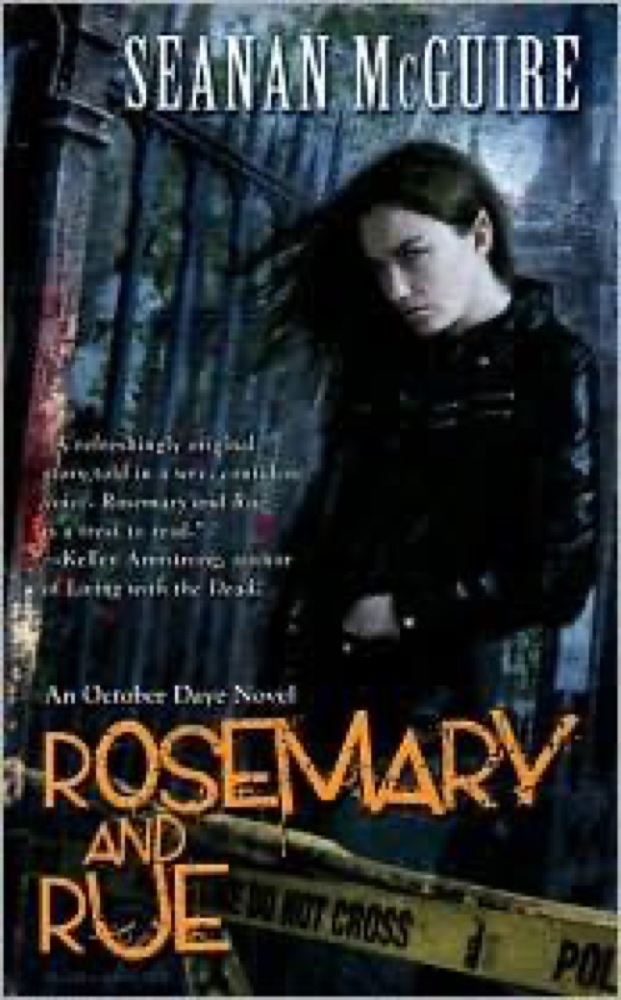 Rosemary and Rue
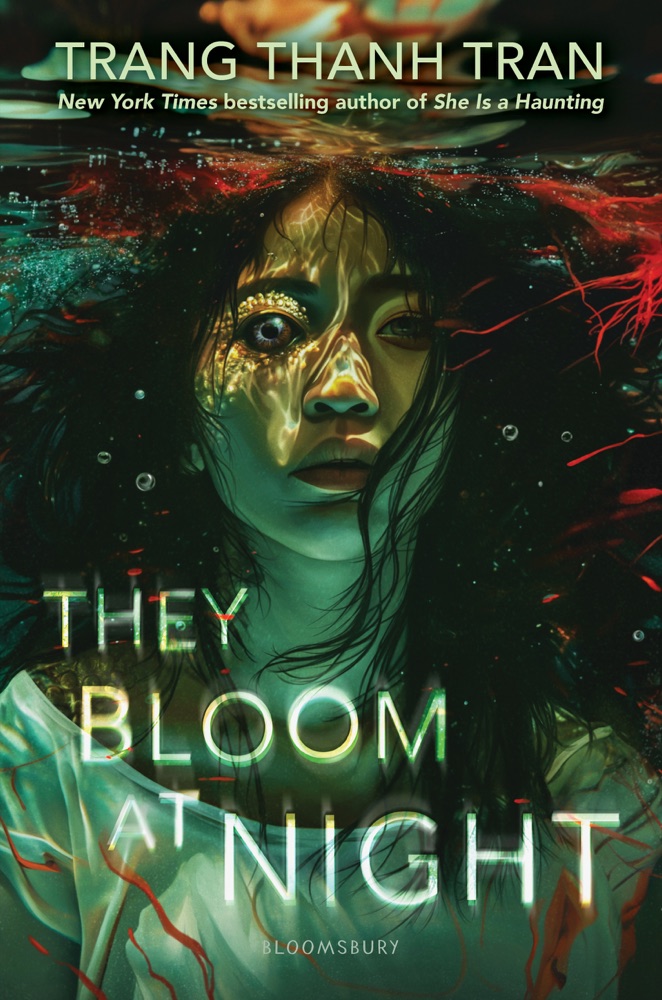 They Bloom at Night
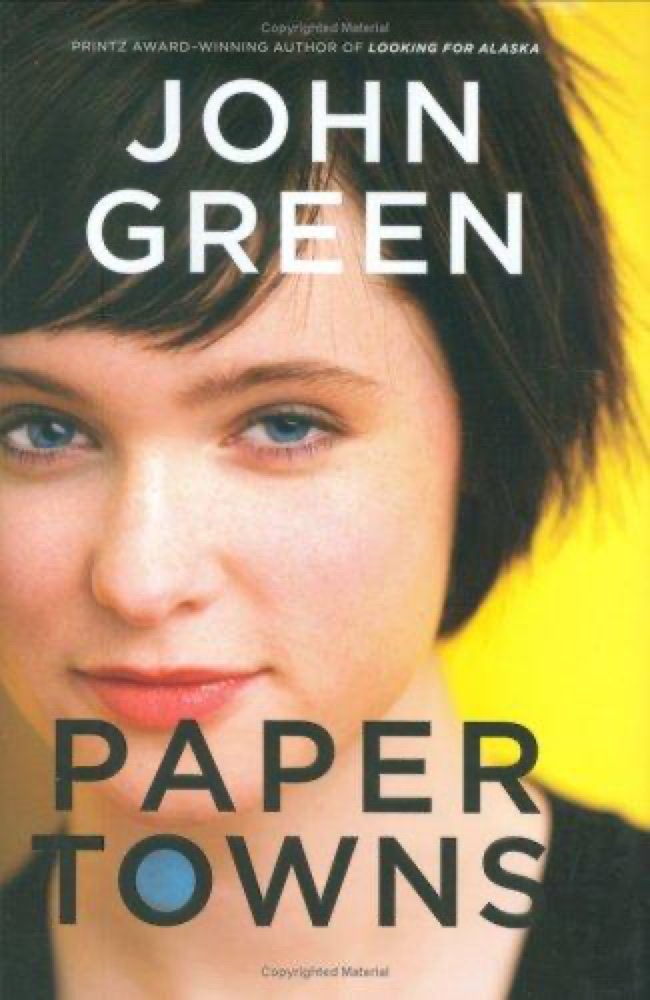 Paper Towns
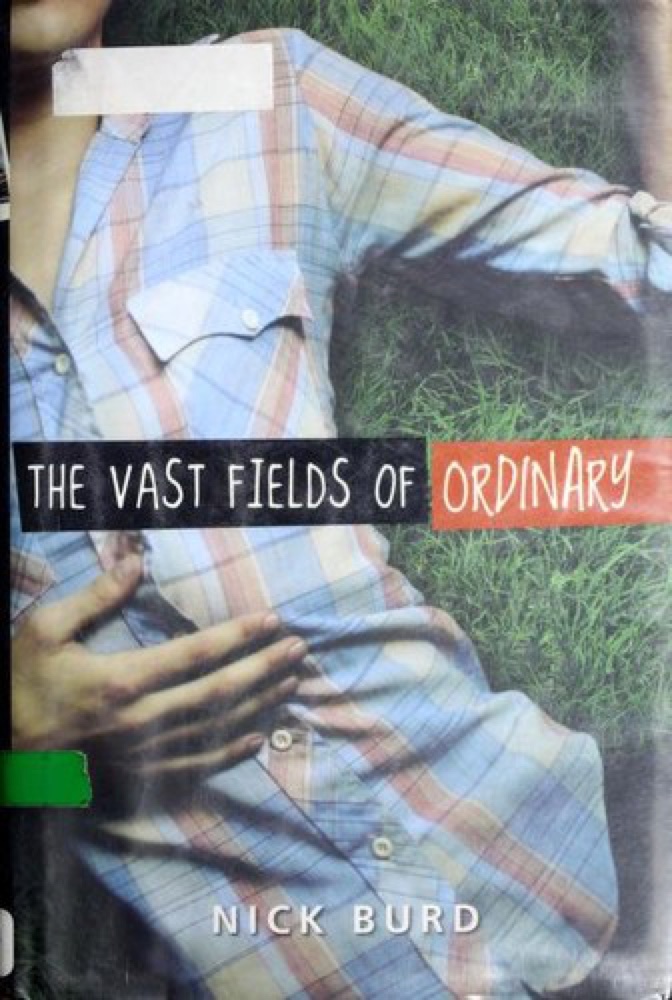 The Vast Fields of Ordinary
 Shouldn't You Be in School?
 Somebody's Daughter
 Afterworlds
 Open City
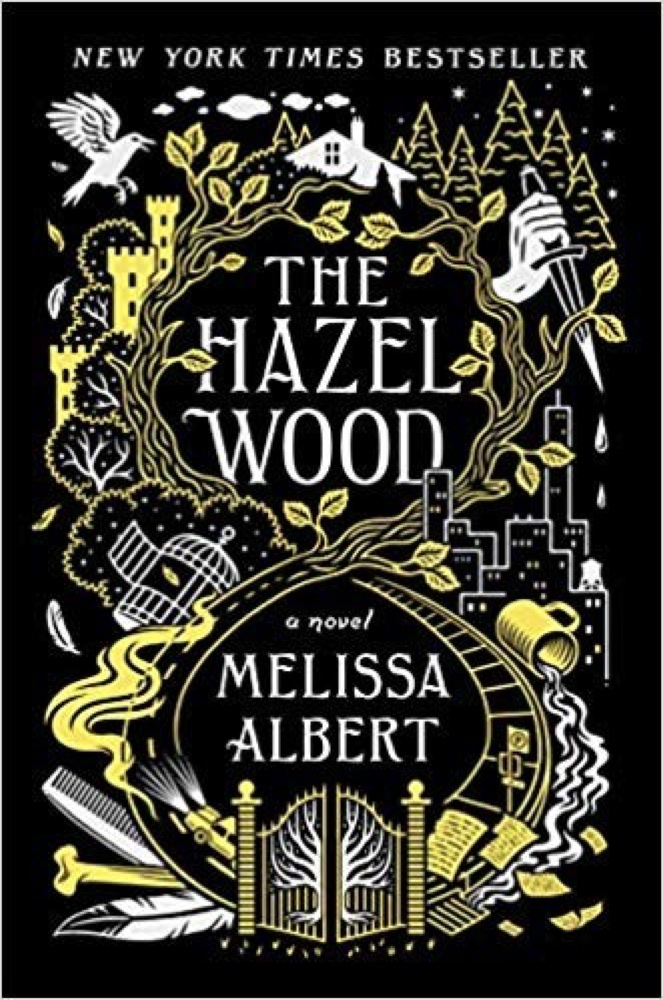 The Hazel Wood
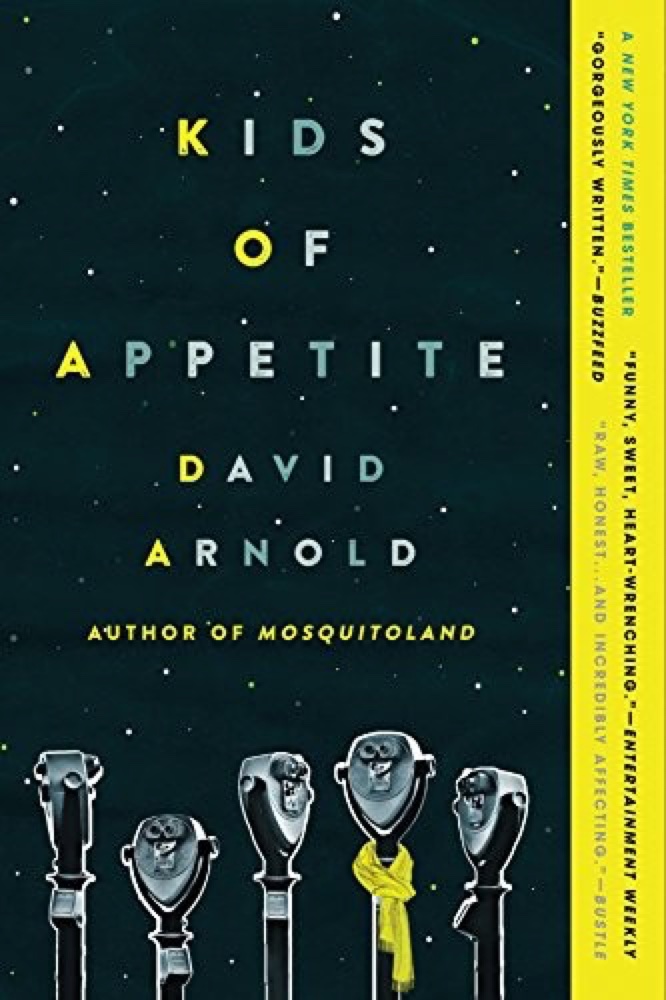 Kids of Appetite
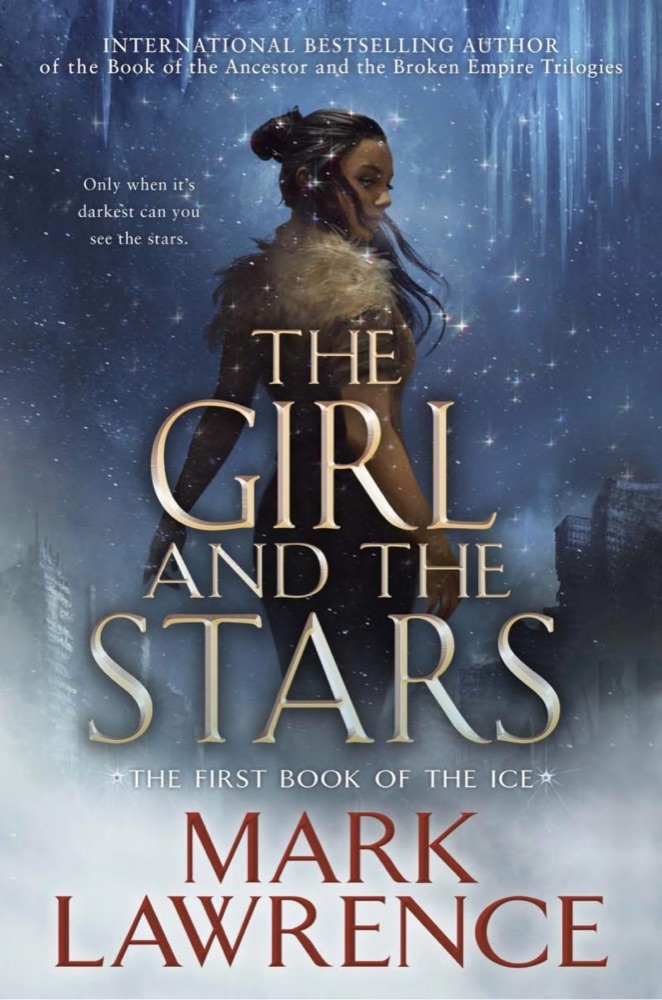 The Girl and the Stars
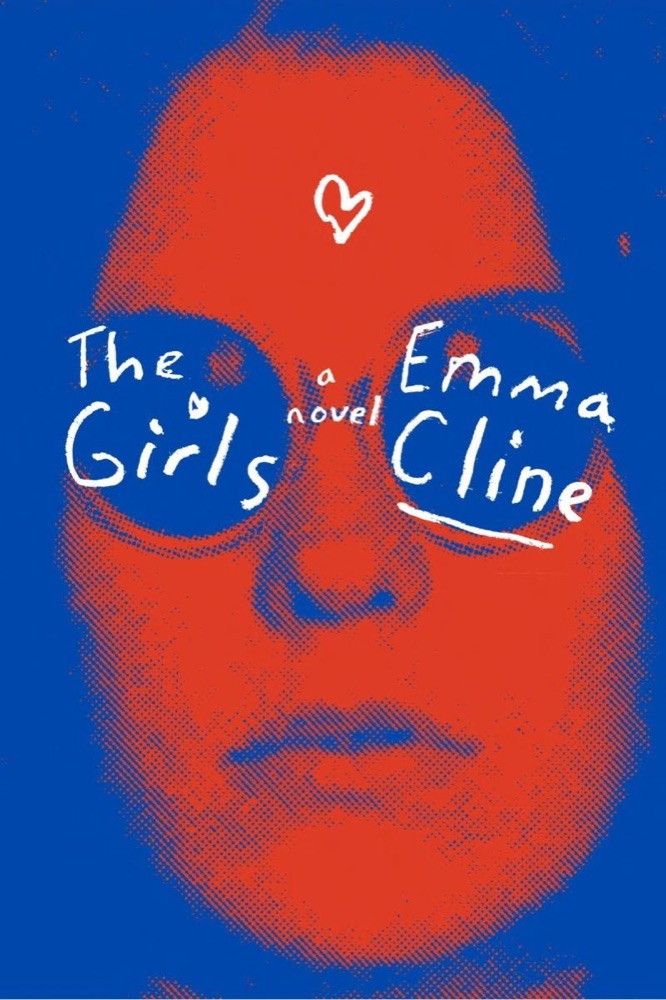 The Girls
 The Secrets She Keeps
 Fragile Things: Short Fictions and Wonders
 Oranges Are Not the Only Fruit
 No and Me
 The Sea, the Sea
 Fairy Tale
 A Fraction of the Whole
 Doll Bones