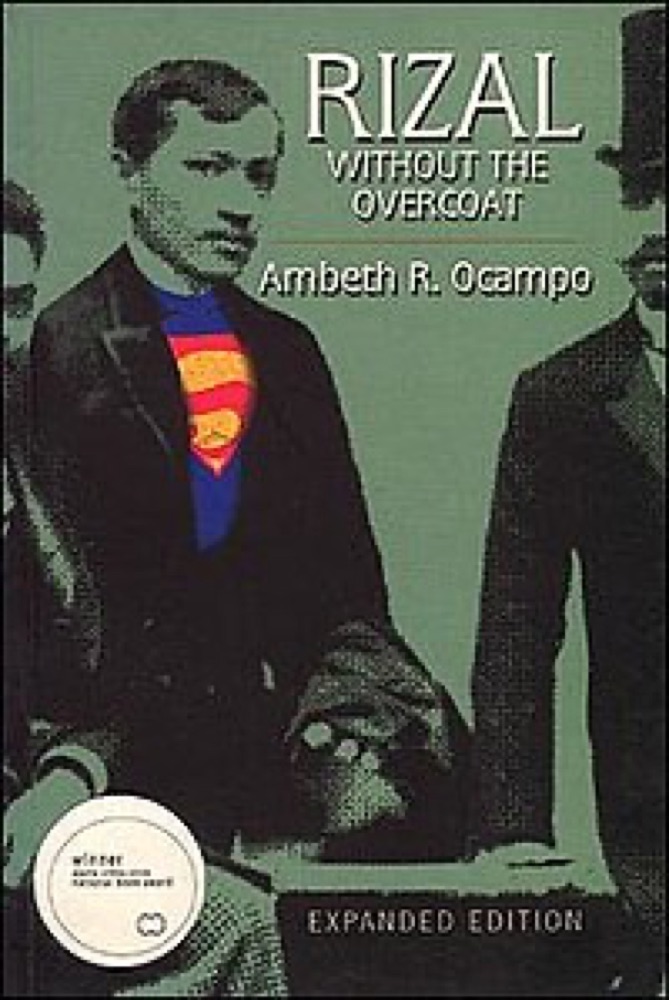

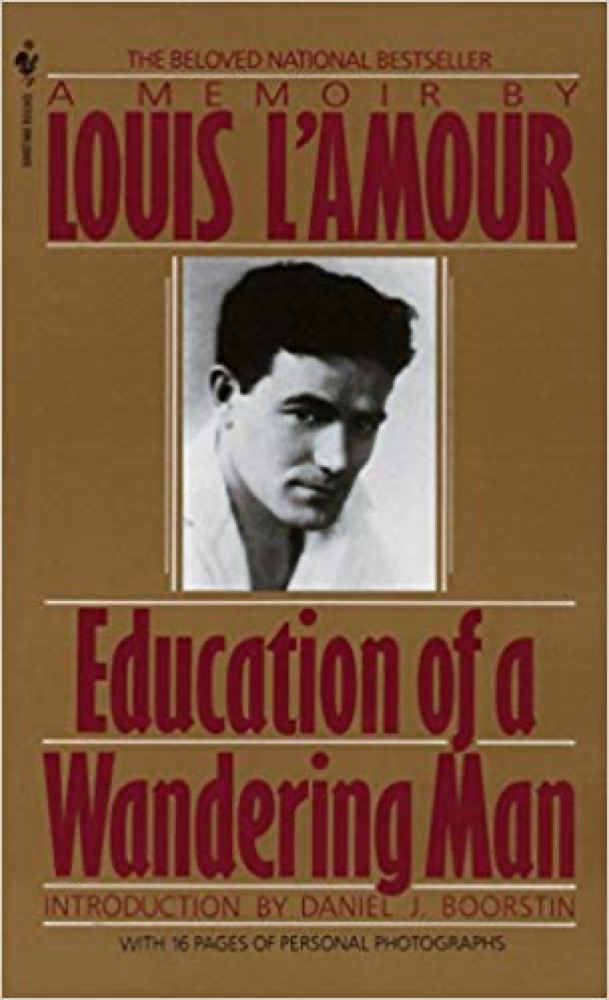
 Education of a Wandering Man: A Memoir
Quotes from the Book
It is ironic that many Filipinos learn to love the Philippines while abroad, not at home.
43
As you can see, there are quite a number of things taught in school that one has to unlearn or at least correct.
38
Filipinos are not a reading people, and despite the compulsory course on the life and works of Rizal today, from the elementary to the university levels, it is accepted that the 'Noli me Tangere' and 'El Filibusterismo' are highly regarded but seldom read (if not totally ignored). Therefore one asks, how can unread novels exert any influence?
19
Sometimes it pays not to be interested in what happened but in what did not happen.
19
Rizal learned the right ideas at the wrong time, and for this he was shot.
15
Who says history is stagnant? For a historian, facts do not change; it is the way we look at things, our interpretations, that are always changing. This is what makes history exciting - that we can always find something new in what is old.
14
Rizal" is a compulsory course in school, but few teachers make Rizal's novels interesting. If students are taught to enjoy Rizal's works as literature instead of as a lodemine of 'patriotic' allusions I am sure they would not mind reading and rereading the 'Noli me Tangere'.
9
Can you imagine the feeling of being an oppressed colonial being addressed respectfully by a colonizer in the mother country?
7
Filipinos have an aversion to blank walls.
4
I was to discover that like the overcoat that snugly wraps Rizal in all his statues and photographs, Rizal is obscured by countless myths and preconceived ideas... Without his overcoat, Rizal was human, like you and me.
4
Doreen Fernandez' foreword to "Rizal Without the Overcoat": His essays remind us that history need not and should not be relegated to schoolbooks and classrooms, where it often becomes a set of names and dates to memorize and spew out on test papers. History is a living and lively account of what we were and are; it could and should be as real to each of us as stories about family or about recent and past events.. If all of that makes us understand humanity better, so does history make us understand ourselves, and our country infinitely better, in the context of our culture and our society.
3
I guess if you go around with famous people you are assured of some reflected (or deflected) glory.
2
Watch on YouTube
About Ambeth R. Ocampo
We have collected 12 quotes from 1 book by Ambeth R. Ocampo on BookQuoters.
More about the author →About the book
"Through writing about history, Ocampo writes on Rizal as if he happened yesterday. In the clean, cool style of a good journalist...Ocampo is one historian who has never known to impose dogmas and definitive treatises. Reading Ocampo's history is like sitting down with a friend who shares what he has learned. But what he does best is to share the certainty of his doubts. Which probably makes him less of a historian. But then history is too serious to be left to historians." Philippine Daily Enquirer Rizal Day Editorial, 1996
Book details
- First published
- 1990
- Author
- Ambeth R. Ocampo
- Genre
- History
- Goodreads rating
- 4.28 (3k ratings)
Keep reading
Education of a Wandering Man: A Memoir
 A Collection of Essays
 Noli Me Tángere
 Death in the Afternoon
 Brave Companions: Portraits in History
 The Librarian of Burned Books
 The Autobiography of Eleanor Roosevelt
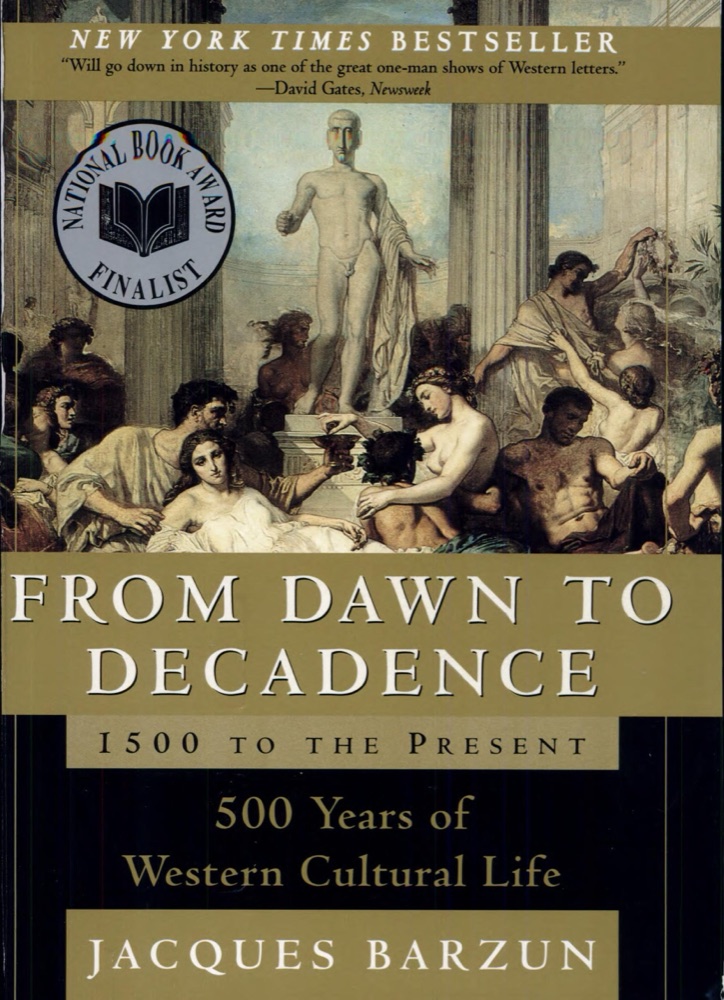 From Dawn to Decadence: 500 Years of Western Cultural Life, 1500 to the Present
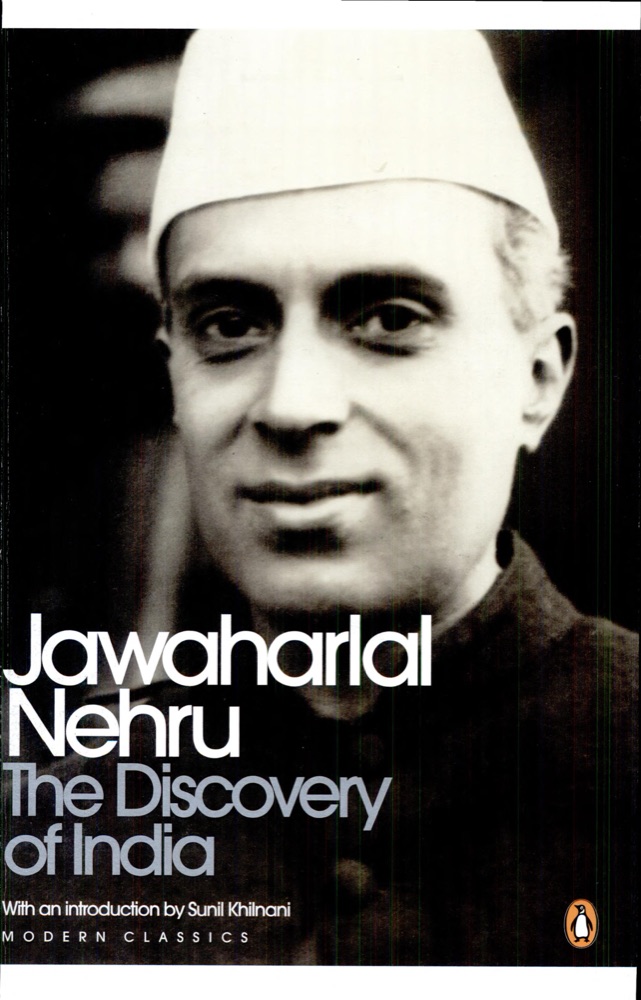 The Discovery of India
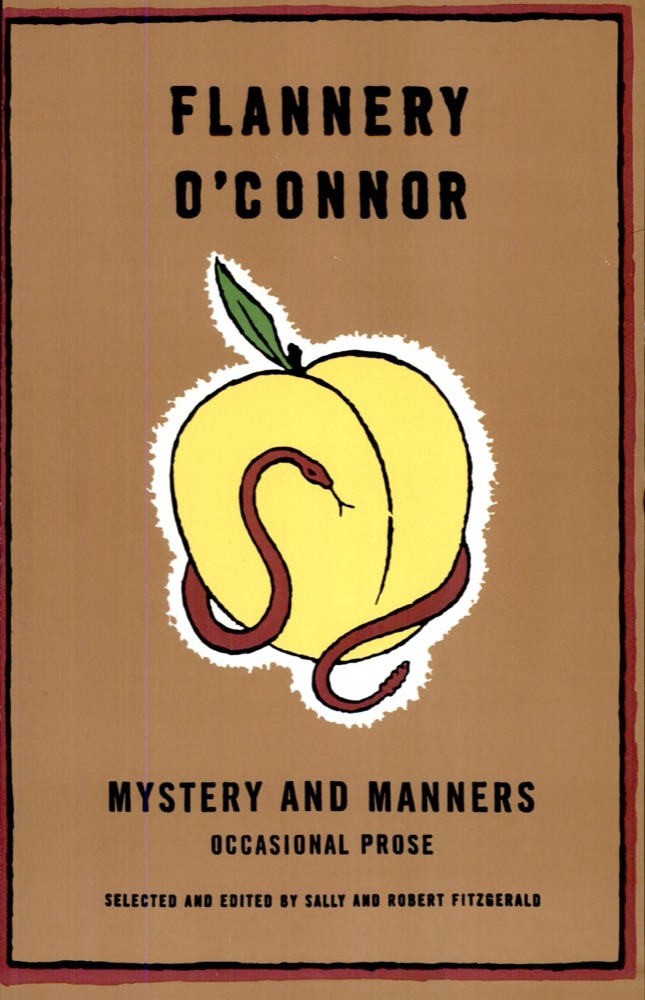 Mystery and Manners: Occasional Prose
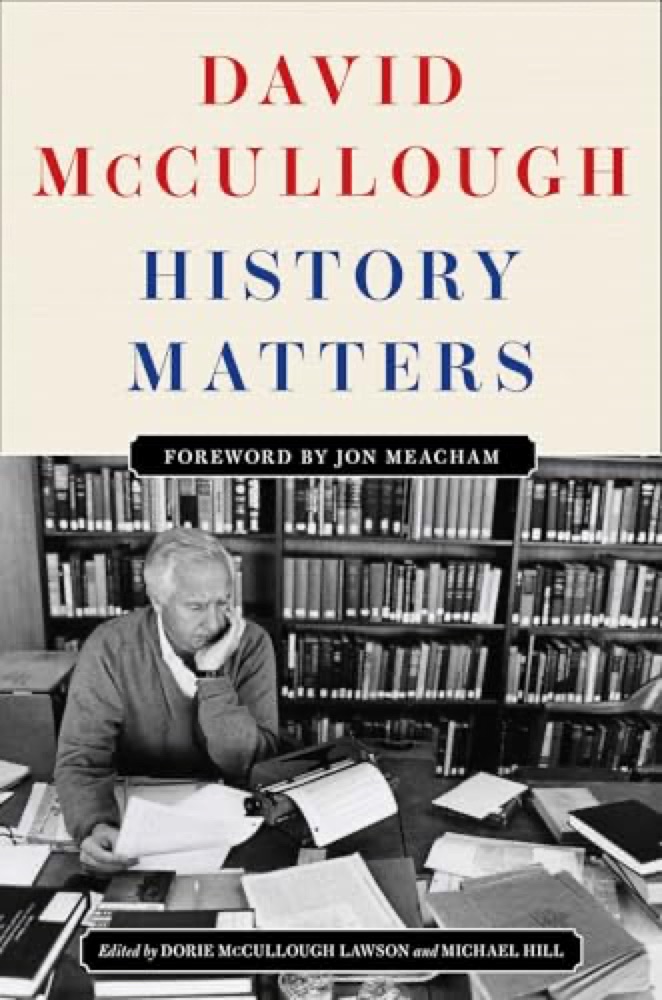 History Matters
 Anthills of the Savannah
 Flaubert's Parrot
 How to Read Literature
 The Fall of Babel
 Shame
Shame
 An Artist of the Floating World
 Dæmon Voices
 The Cat's Table
 The Jewel in the Crown
 The Fountains of Silence
 You Can't Be Neutral on a Moving Train: A Personal History of Our Times
 Lies My Teacher Told Me: Everything Your American History Textbook Got Wrong
 Things I've Been Silent About
 Ilustrado
 Travels With My Aunt
 Cultural Amnesia: Necessary Memories from History and the Arts
 Joseph Anton: A Memoir
 The Message
 Elizabeth I
 The Education of Henry Adams
 The History Boys
 When I Was a Child I Read Books
 In the Light of What We Know
 How to Read Literature Like a Professor
 The Innocents Abroad
 Reading Lolita in Tehran: A Memoir in Books
 Independent Study
 Going After Cacciato
 Patron Saints of Nothing
 Illuminations: Essays and Reflections
 The American Spirit: Who We Are and What We Stand For
 Elizabeth Finch
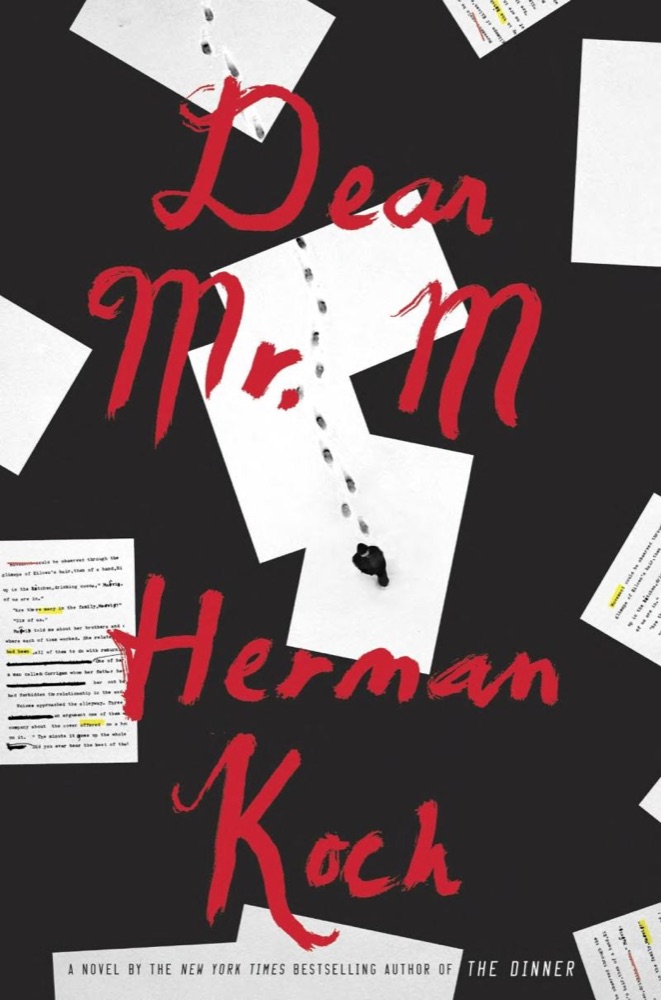 Dear Mr. M
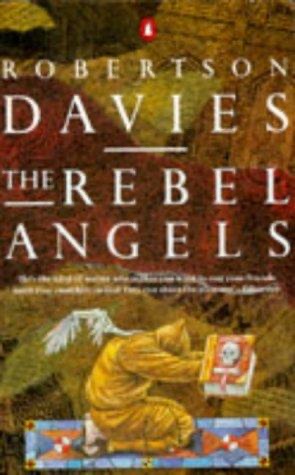 The Rebel Angels
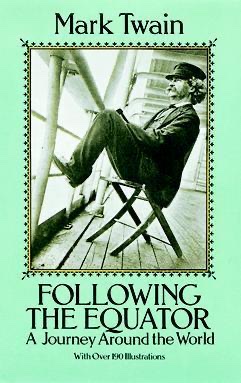 Following the Equator: A Journey Around the World
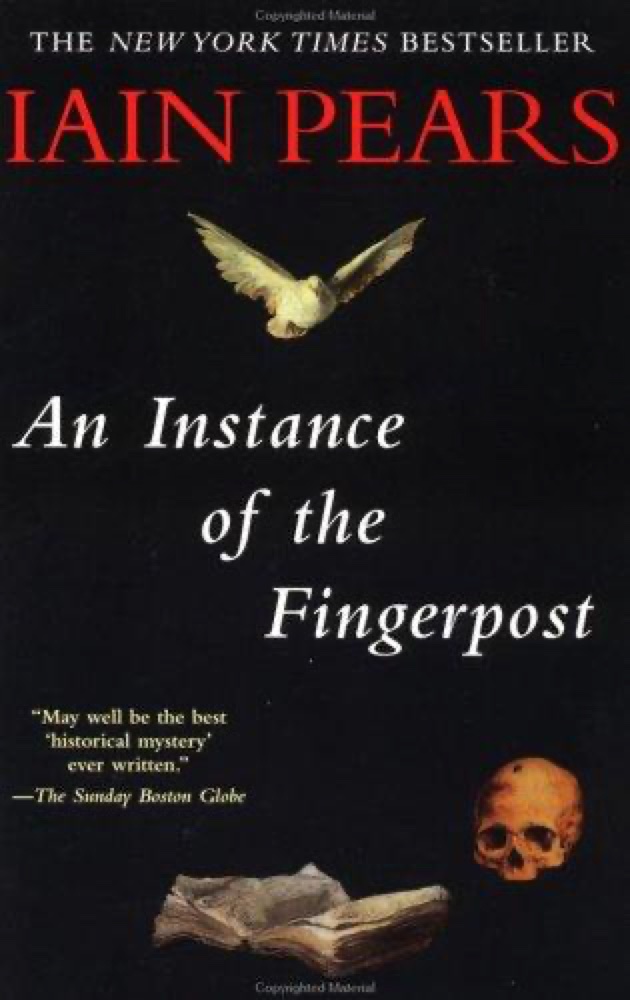 An Instance of the Fingerpost
 The Committed
 City of Stairs
 A People's History of the United States
 Notes from No Man's Land
 The Proud Tower: A Portrait of the World Before the War, 1890-1914
 Victory City
 The Austere Academy
 The Book That Broke the World
 One Man's Meat
 Too Much Happiness: Stories
 The Daughter of Time
 The Republic
 The Volcano Lover: A Romance