
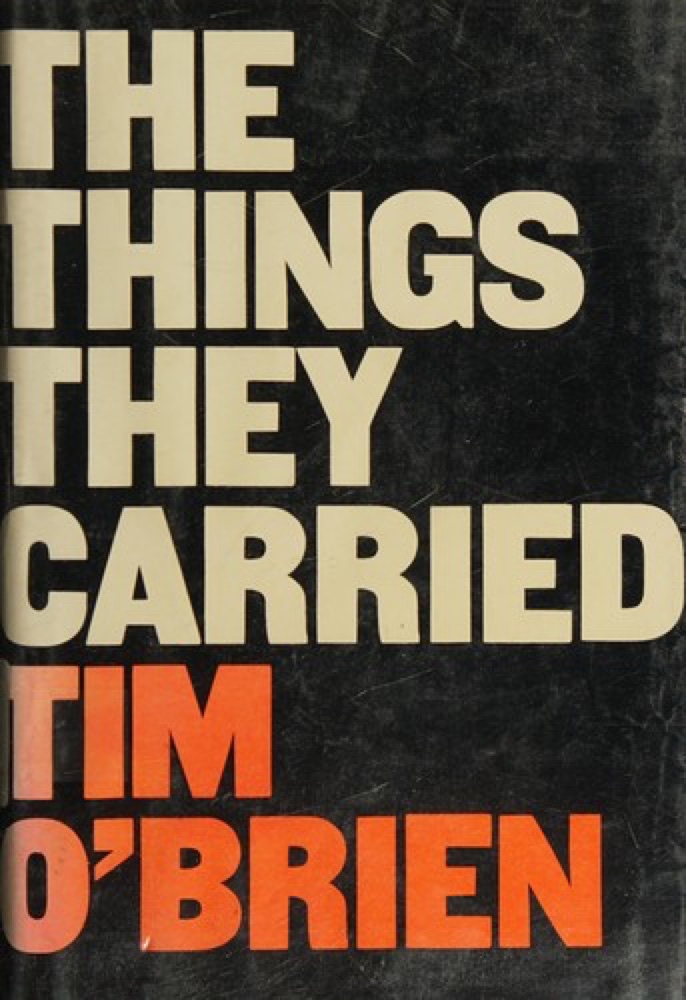
 The Things They Carried
Quotes from the Book
It is easy, of course, to fear happiness. There is often complacency in the acceptance of misery. We fear parting from our familiar roles. We fear the consequences of such a parting. We fear happiness because we fear failure. But we must overcome these fears. We must be brave. It is one thing to speculate about what might be. It is quite another to act in behalf of our dreams, to treat them as objectives that are achievable and worth achieving. It is one thing to run from unhappiness; it is another to take action to realize those qualities of dignity and well-being that are the true standards of the human spirit.
A miracle to confound natural law, a baffling reversal of the inevitable consequences . . . a miracle. . . . An act of high imagination -- daring and lurid and impossible. Yes, a cartoon of the mind.
What happened, and what might have happened?
Peace never bragged. If you didn't look for it, it wasn't there.
And now it is time for a final act of courage. I urge you: March proudly into your own dream.
He showed me how...See, he says he's going up through Laos, then into Burma, and then some other country, I forget, and then India and Iran and Turkey, and then Greece, and the rest is easy. That's what he said. The rest is easy, he said.
He thought about the difference between good times and bad times, and how funny it was that he could not state the difference, only feel it.
In battle, in a war, a soldier sees only a tiny fragment of what is available to be seen. The soldier is not a photographic machine. He is not a camera. He registers, so to speak, only those few items that he is predisposed to register and not a single thing more. Do you understand this? So I am saying to you that after a battle each soldier will have different stories to tell, vastly different stories, and that when a was is ended it is as if there have been a million wars, or as many wars as there were soldiers.
A few names were known in full, some in part, some not at all. No one cared. Except in clearly unreasonable cases, a soldier was generally called by the name he preferred, or by what he called himself, and no great effort was made to disentangle Christian names from surnames from nicknames.
He believed in mission. But . . . he did not believe in it as an intellectual imperative, or even as a professional standard. Mission . . . was an abstract notion that took meaning in concrete situations.
Money was never a problem, passports were never required. There were always new places to dance.
Yes,” she said, “television is one of those unique products of the American genius. A means of keeping a complex country intact. Just as America begins to explode every which way, riches and opportunity and complexity, just then along comes the TV to bring it all together. Rich and poor, black and white—they share the same heroes, Matt Dillon and Paladin. In January the talk is of Superbowl. In October, baseball. Say what you will, but only Americans could so skillfully build instant bridges among the classes, bind together diversity.
Watch on YouTube
About Tim O'Brien
We have collected 73 quotes from 5 books by Tim O'Brien on BookQuoters.
More about the author →More by Tim O'Brien
The Things They Carried
 In the Lake of the Woods
 Tomcat in Love
 If I Die in a Combat Zone, Box Me Up and Ship Me Home
Book details
- Author
- Tim O'Brien
- Genre
- Literature
- Goodreads rating
- 3.91 (15k ratings) →
Keep reading
 Use of Weapons
 Familiaris
 From Here to Eternity
 A Soldier of the Great War
 Radio Free Albemuth
 Sometimes a Great Notion
 The Bedlam Stacks
 Alas, Babylon
 Sackett's Land
 A Bend in the River
 Eifelheim
 A Connecticut Yankee in King Arthur's Court
 The Sunlit Man
 The Hour I First Believed
 Victory
 The Wars
 Another Country
 Cities of the Plain
 Flight Behavior
 Fifth Business
 Wolf Hall
 The Affair
 New York
 The Great Mistake
 The Man Who Was Thursday
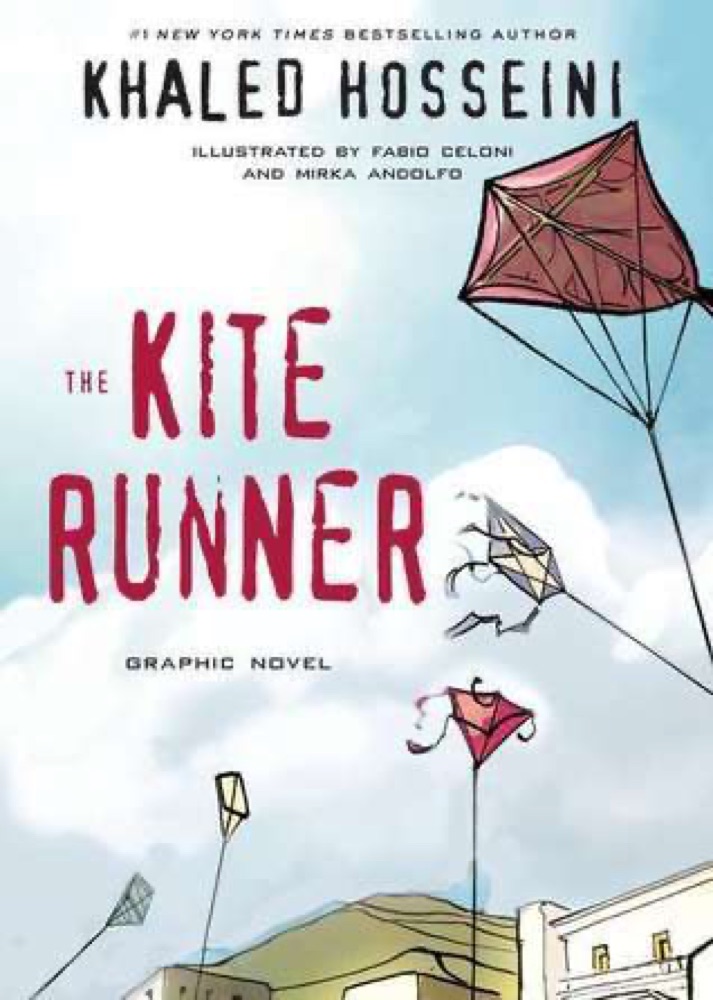 The Kite Runner
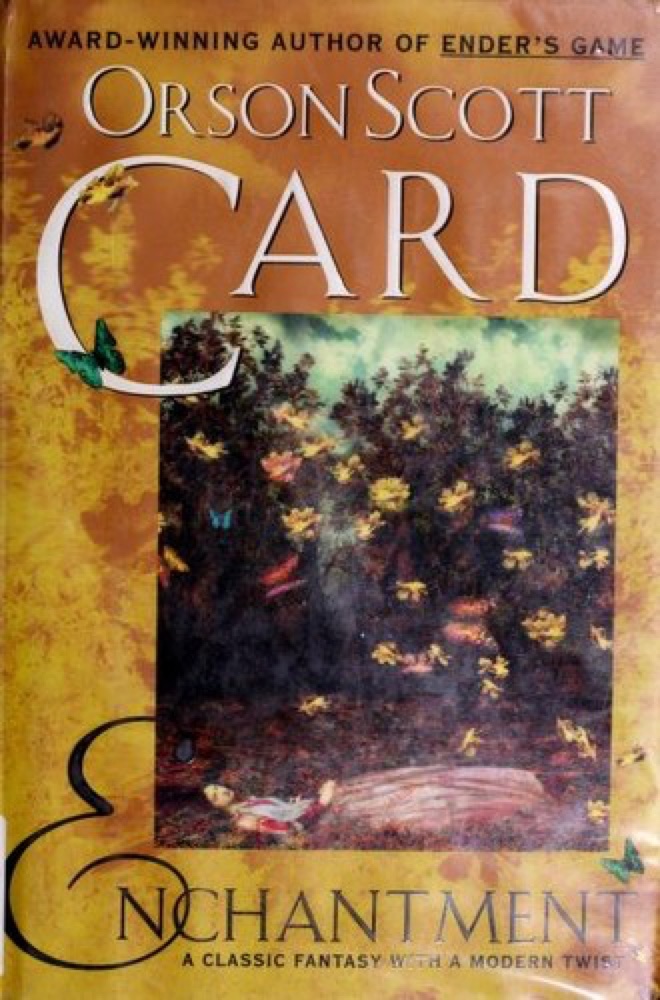 Enchantment
 Open City
 Tigerman
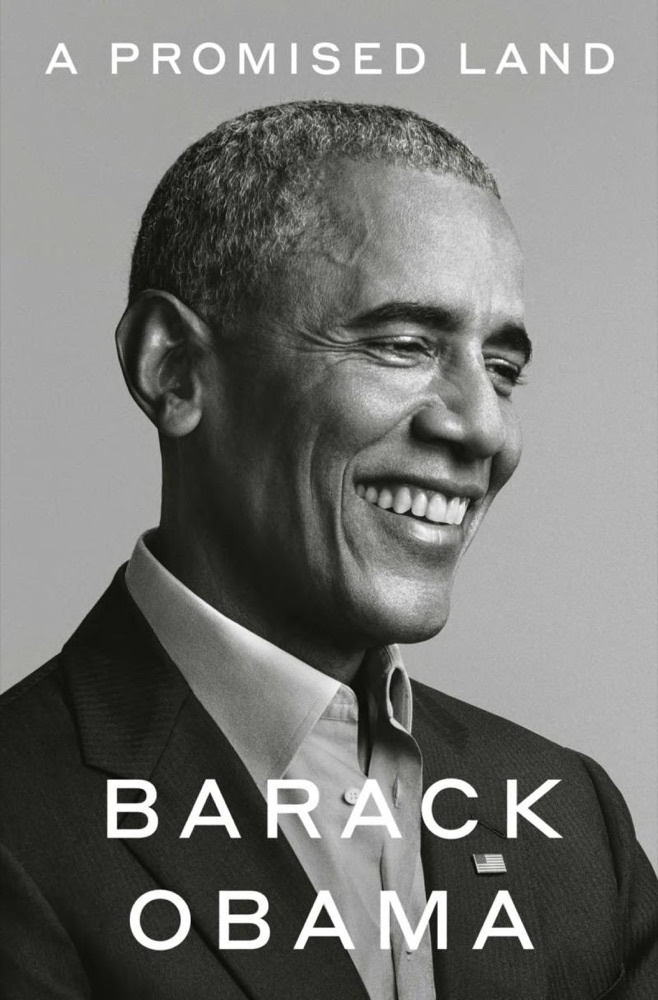 A Promised Land
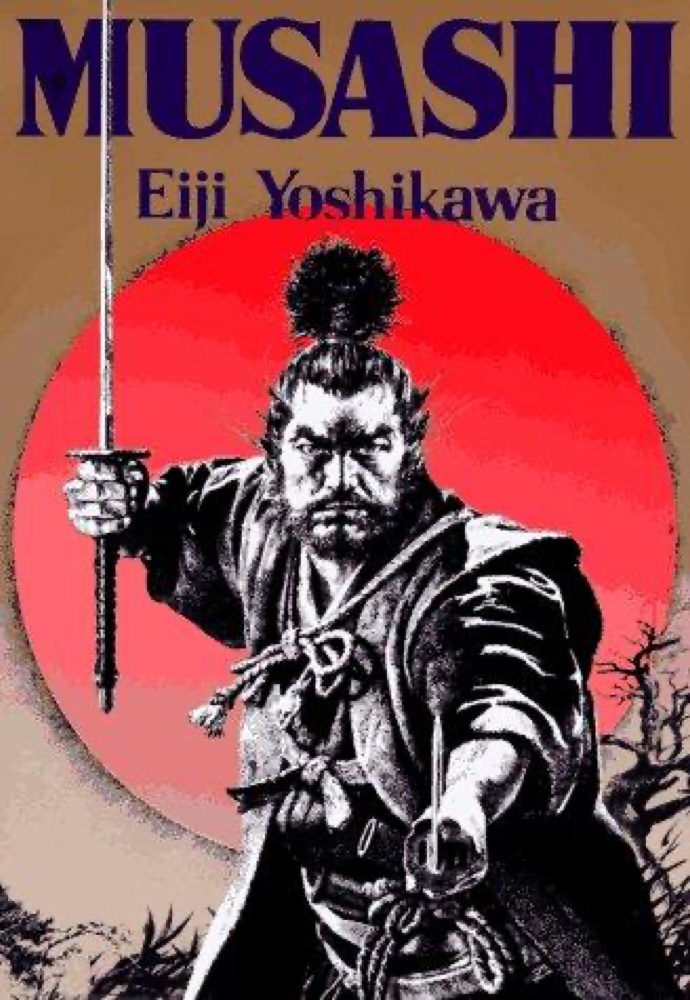 Musashi
 The Pursuit of Happyness
 In the Light of What We Know
 Our Man in Havana
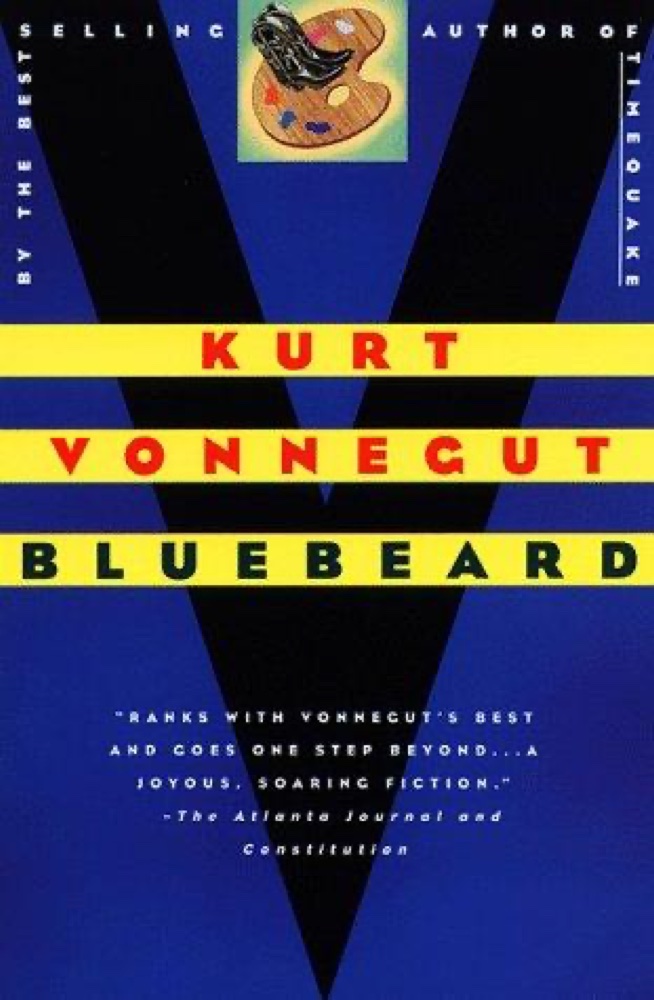 Bluebeard
 The Autobiography of Eleanor Roosevelt
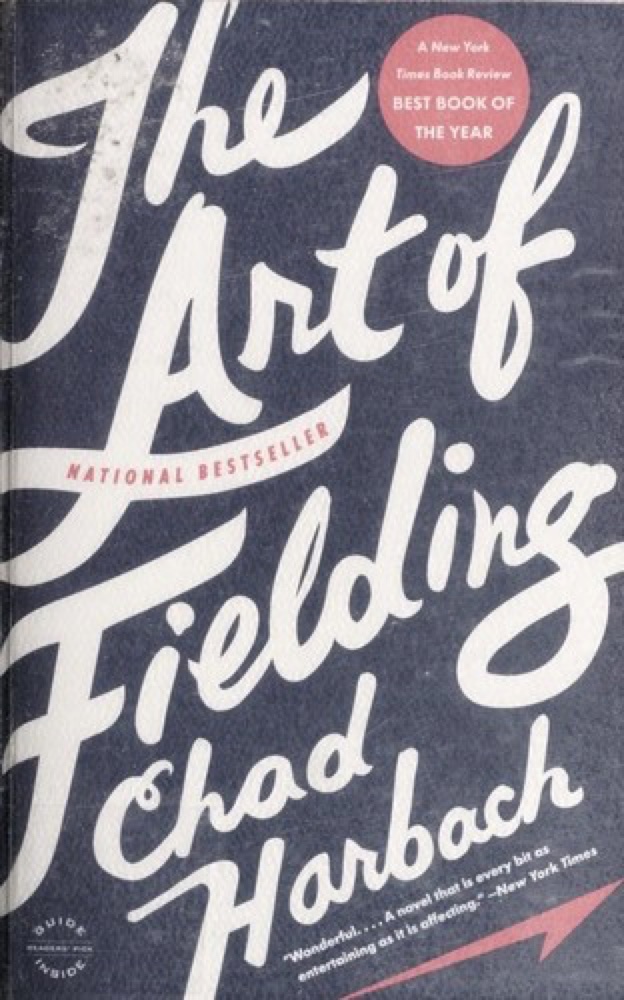 The Art of Fielding
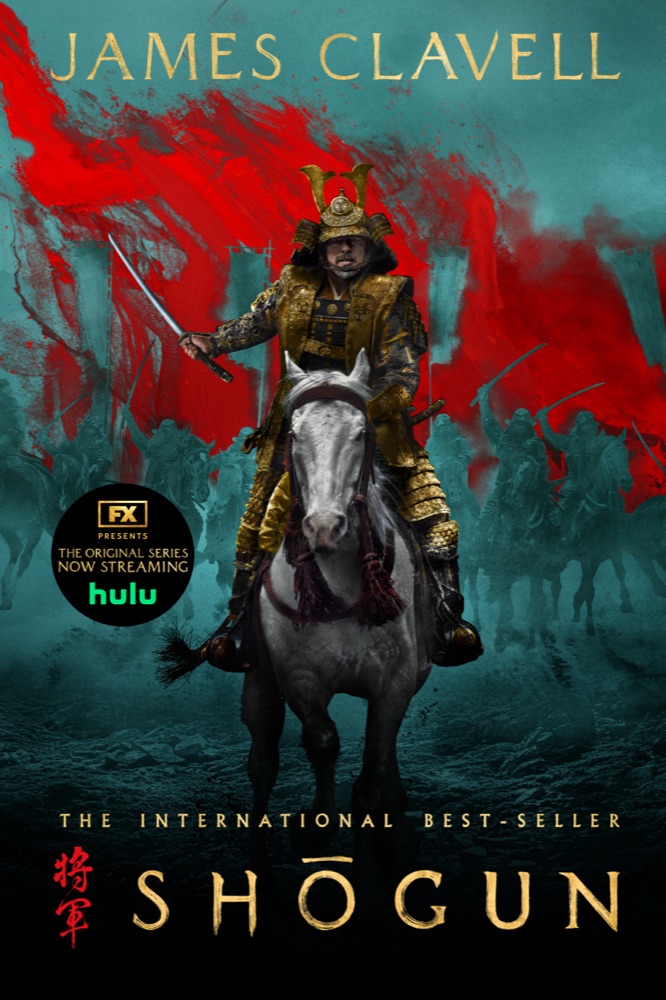 Shōgun
 Royal Assassin
 Winter's Tale
 The Adventures of Augie March
 Lord of Light
 Norwegian by Night
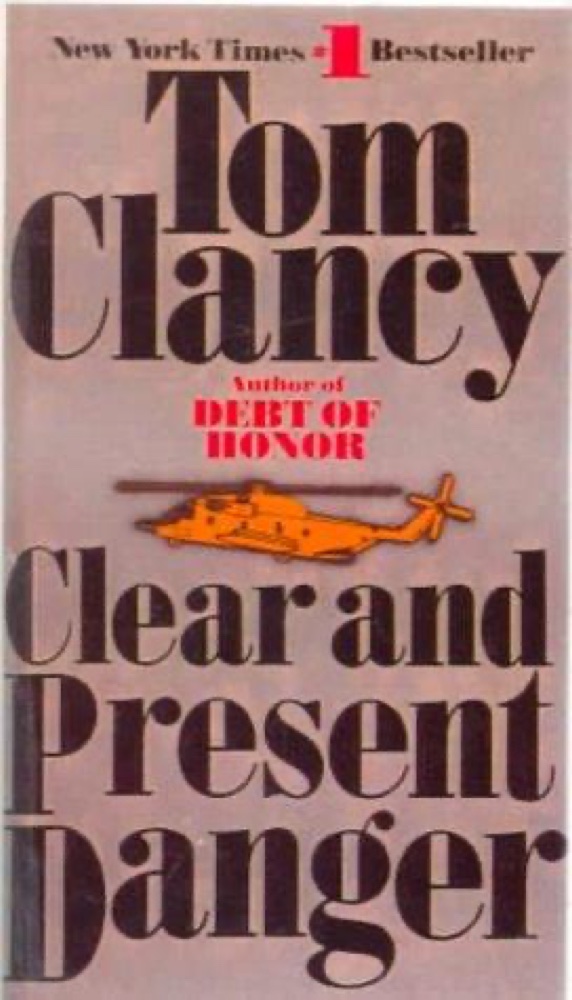 Clear and Present Danger
 Interesting Times
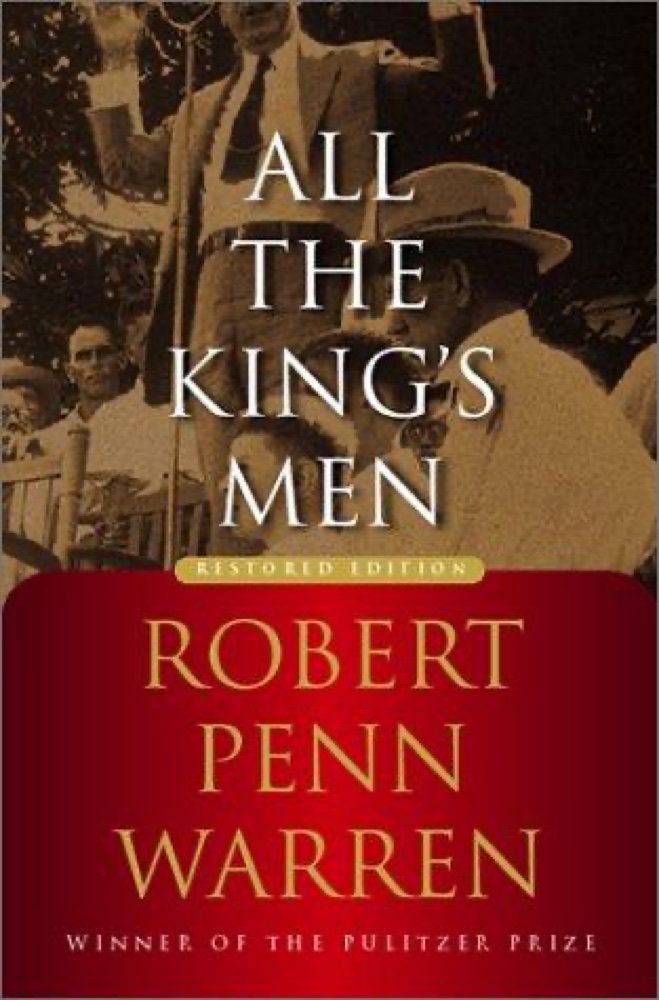 All the King's Men
 A Single Man
 The Hands of the Emperor
 The Golden House
 The Wednesday Wars
 Ancillary Justice
 The Gun Seller
 Mostly Harmless
 Debt of Honor
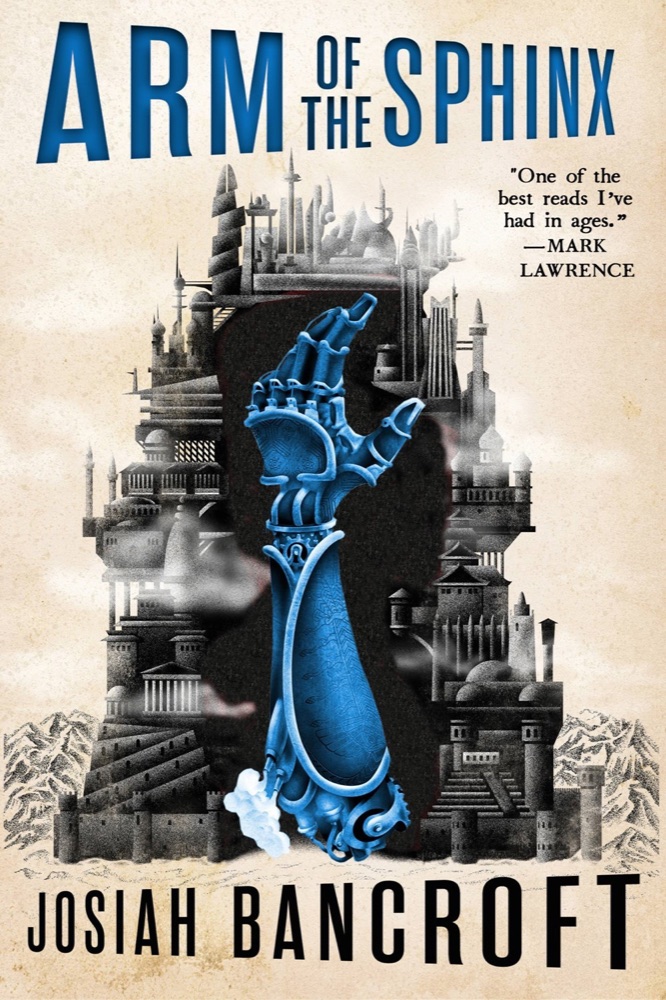 Arm of the Sphinx
 The Unvanquished
 Out of Oz
 The Consuming Fire
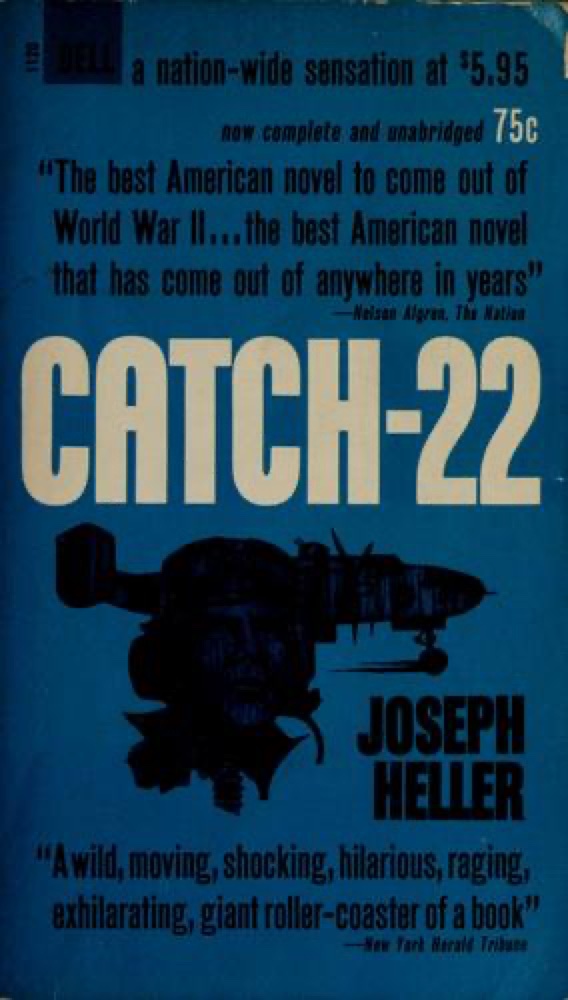 Catch-22
 A Better World