
 Between Two Kingdoms: A Memoir of a Life Interrupted
Quotes from the Book
I know now that we never get over great losses; we absorb them, and they carve us into different, often kinder, creatures.
296
What they never tell you about grief is that missing someone is the simple part.
96
Hope in the beginning feels like such a violation of the loss, and yet without it we couldn't survive.
58
The real hell of this," he told her, "is that you're going to get through it.
43
It's and old, old story: I had a friend and we shared everything, and then she died and so we shared that, too.
33
Maybe this is the point: to embrace the core sadness of life without toppling headlong into it, or assuming it will define your days.
32
Grief is what tells you who you are alone.
29
Scratch a fantasy and you'll find a nightmare.
28
Like a starfish, the heart endures its amputation.
28
The only education in grief that any of us ever gets is a crash course. Until Caroline had died I had belonged to that other world, the place of innocence, and linear expectations, where I thught grief was a simple, wrenching realm of sadness and longing that graduallu receded. What that definition left out was the body blow that loss inflicts, as well as the temporary madness, and a range of less straightforward emotions shocking in their intensity.
22
It's taken years for me to understand that dying doesn't end the story; it transforms it. Edits, rewrites, the blur, aand epiphany of one-way dialogue. Most of us wander in and out of one another's lives until not death, but distance, does us part-- time and space and heart's weariness are the blander executioners or human connection.
21
I'd confused need with love and love with sacrifice.
12
That she was irreplaceable became a bittersweet loyalty: Her death was what I had now instead of her.
11
Most of us wander in and out of one another's lives until not death, but distance, does us part--time and space and the heart's weariness are the blander executioners of human connection.
10
Near the end I asked him one night in the hospital corridor what he thought was happening, and he said, "Tell her everything you haven't said," and I smiled with relief. "There's nothing," I said. "I've already told her everything.
10
The belief that life was hard and often its worst battles were fought in private, that it was possible to walk through fear and come out scorched but still breathing.
9
If writers possess a common temperament, it's that they tend to be shy egomaniacs; publicity is the spotlight they suffer for the recognition they crave.
8
Everything about death is a cliché until you're in it.
8
The rest of the family tree had a root system soggy with alcohol... One aunt had fallen asleep with her face in the mashed potatoes at Thanksgiving dinner; another's fondness for Coors was so unwavering that I can still remember the musky smell of the beer and the coldness of the cans. Most of the men drank the way all Texas men drank, or so I believed, which meant that they were tough guys who could hold their liquor until they couldn't anymore--a capacity that often led to some cloudy version of doom, be it financial ruin or suicide or the lesser betrayal of simple estrangement. Both social drinkers, my parents had eluded these tragic endings; in the postwar Texas of suburbs and cocktails, their drinking was routine but undramatic.
8
We found out that day, fairly quickly, how great and complex our fondness was for each other; I also had my first sense of something central about Caroline that would become a pillar of our friendship. When she was confronted with any emotional difficulty, however slight or major, her response as to approach rather than to flee. There she would stay until the matter was resolved, and the emotional aftermath was free of any hangover or recrimination. My instincts toward resolution were similar: I knew that silence and distance were far more pernicious than head-on engagement. This compatibility helped to ensure that there was no unclaimed baggage between us in the years to come.
7
Death is a divorce nobody asked for; to live through it is to find a way to disengage from what you thought you couldn't stand to lose.
5
Counting on each other became automatic. When I found a sweater in Texas I wanted, I learned to buy two, which was easier than seeing the look of disappointment on Caroline's face when I returned home with only one. When she went out from the boathouse on a windy day, she gave me her schedule in advance, which assuaged her worst-case scenario of flipping the boat, being hit on the head by an oar, and leaving Lucille stranded at home. I still have my set of keys to her house, to locks and doors that no longer exist, and I keep them in my glove compartment, where they have been moved from one car to another in the past couple of years. Someday I will throw them in the Charles, where I lost the seat to her boat and so much else.
5
Mostly I couldn't bear... the paltry notion that memory was all that eternal life really meant, and I spent too much time wondering where people got the fortitude or delusion to keep on moving past the static dead.
5
From the first winter afternoon in the Harvard ball fields, "Oh no--I need you" had become an admission and a clarion call--the tenet of dependency that forms the weft of friendship. We needed each other so that we could count the endless days of forests and flat water, but the real need was soldered by the sadder, harder moments--discord or helplessness or fear--that we dared to expose to each other. It took me years to grasp that this grit and discomfort in any relationship are an indicator of closeness, not it's opposite.
4
All of this seems as though it were yesterday, or forever ago, in that crevasse between space and time that stays fixed in the imagination. I remember it all because I remember it all. In crisis with someone you love, the dialogue is as burnished as a scar on a tree.
4
When I wept and told him I was afraid I was too intense, too much, he interrupted my tears and said, "If someone came down from above and told me I could keep only one thing about you, it would be your too-muchness.
3
...gregarious hermit. I wanted the warmth of spontaneous connection and the freedom to be left alone.
3
This was a hard-won but brilliant education: I had realized, as life is always willing to instruct, that the world as we see it is only the published version. The subterranean realms, whether churches or hospital rooms or smoke-filled basements, are part of what holds up the rest. The realized life versus the external picture of it: the assumption and projections that we all make about other people's lives.
3
Watch on YouTube
About Gail Caldwell
We have collected 28 quotes from 1 book by Gail Caldwell on BookQuoters.
More about the author →About the book
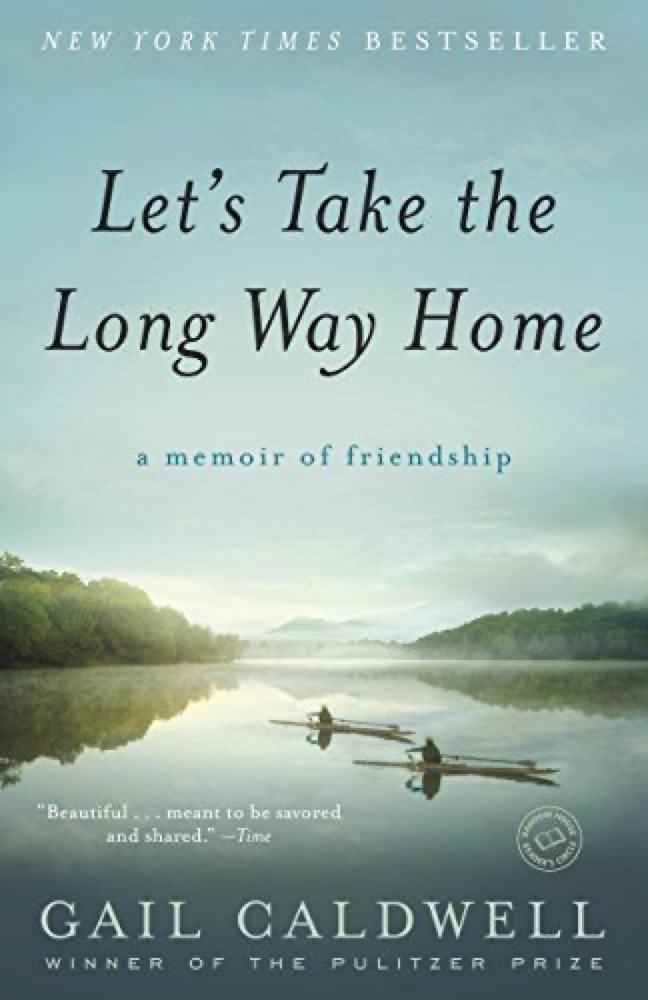
In Let’s Take the Long Walk Home, Pulitzer Prize-winning author Gail Caldwell has written a powerful and moving memoir about her coming-of-age in mid-life, and her extraordinary friendship with the author of Drinking: A Love Story, Caroline Knapp—fellow writers, AA members, dog lovers, and observers of life. In her younger years, Caldwell defined herself by rebellion and independence, a passion for books, and an aversion to intimacy and a distrust of others. Then while living in Cambridge in her early 40s, “an age when the view from the hill can be clear and poignant both,” Caldwell adopts a rambunctious puppy named Clementine. On one of their bucolic walks, she meets Caroline and her dog, Lucille, and both women’s lives change forever.Though they are more different than alike, these two fiercely private, independent women quickly relax into a friendship more profound than either of
Book details
- First published
- 2010
- Author
- Gail Caldwell
- Genre
- Biography
- Goodreads rating
- 3.96 (12k ratings)
Keep reading
Between Two Kingdoms: A Memoir of a Life Interrupted
 Chances Are...
 Grief Is for People
 A Small Indiscretion
 Dreams of Falling
 The Words We Lost
 Traveling Mercies: Some Thoughts on Faith
 The People Look Like Flowers at Last
 We Are Okay
 The Bright Years
 Lisey's Story
 Biography of X
 Enduring Love
 Bad Cree
 Paperweight
 The Likeness
 The City and Its Uncertain Walls
 Imagine Me Gone
 My Friends
 A Thousand Broken Pieces
 Goodbye Days
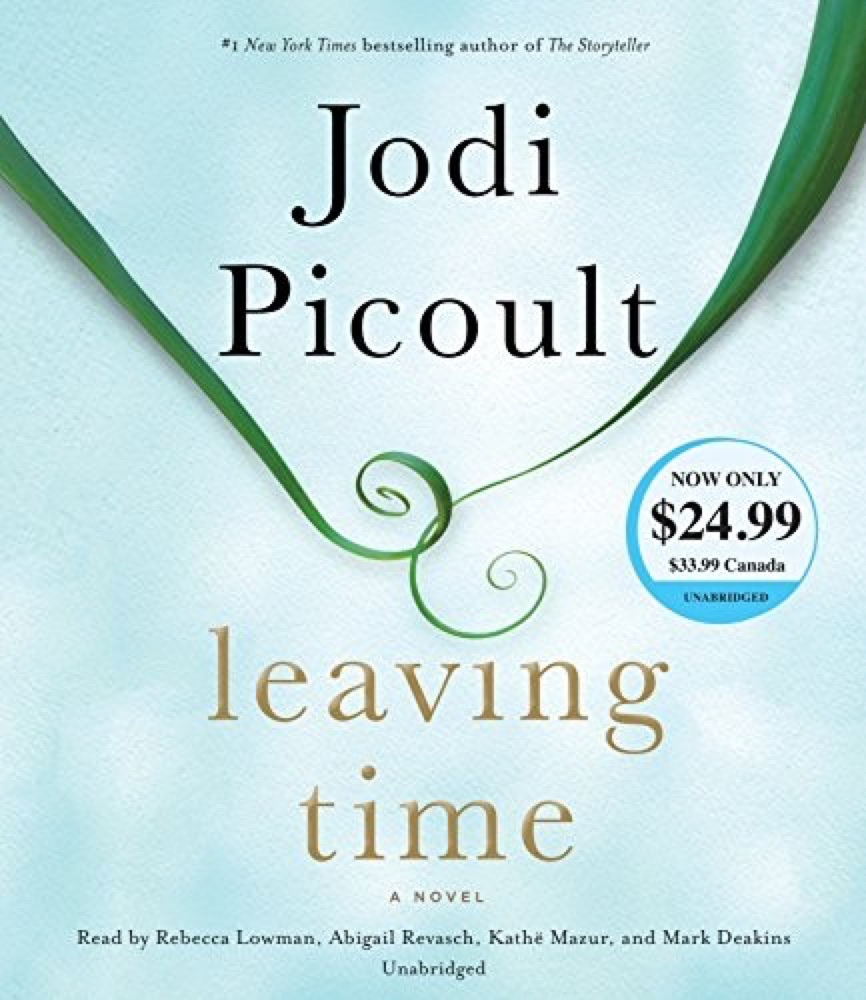 Leaving Time
 10 Minutes 38 Seconds in This Strange World
 When the World Tips Over
 All My Puny Sorrows
 The Bookshop at Water's End
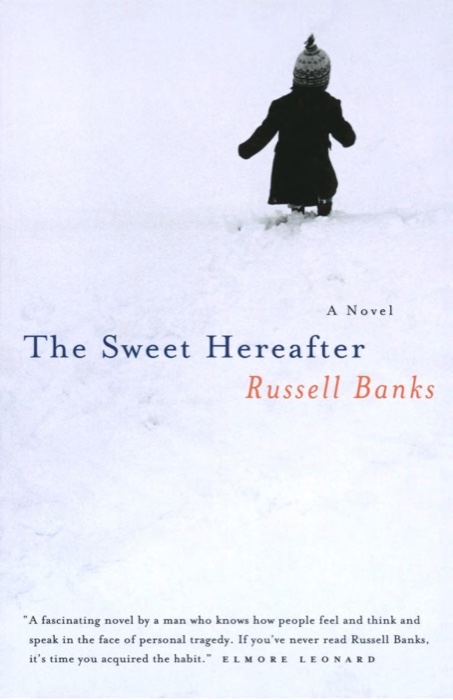 The Sweet Hereafter
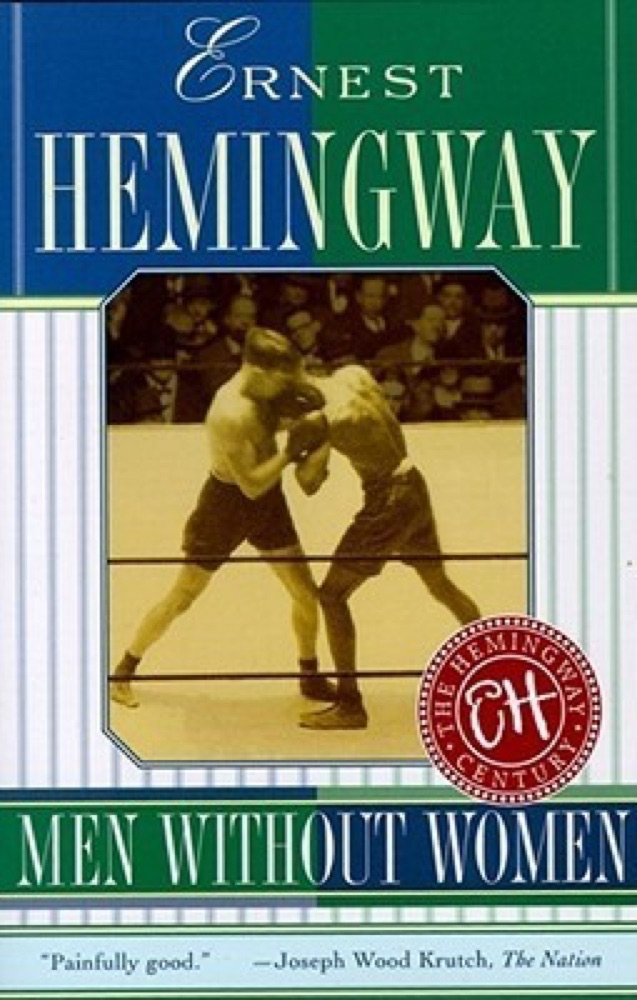 Men Without Women
 Our Wives Under the Sea
 Lit
Lit
 The Nice and the Good
 Requiem
 When God Was a Rabbit
 Extraordinary Means
 Crossed
 Sad Girls
 The Story of the Lost Child
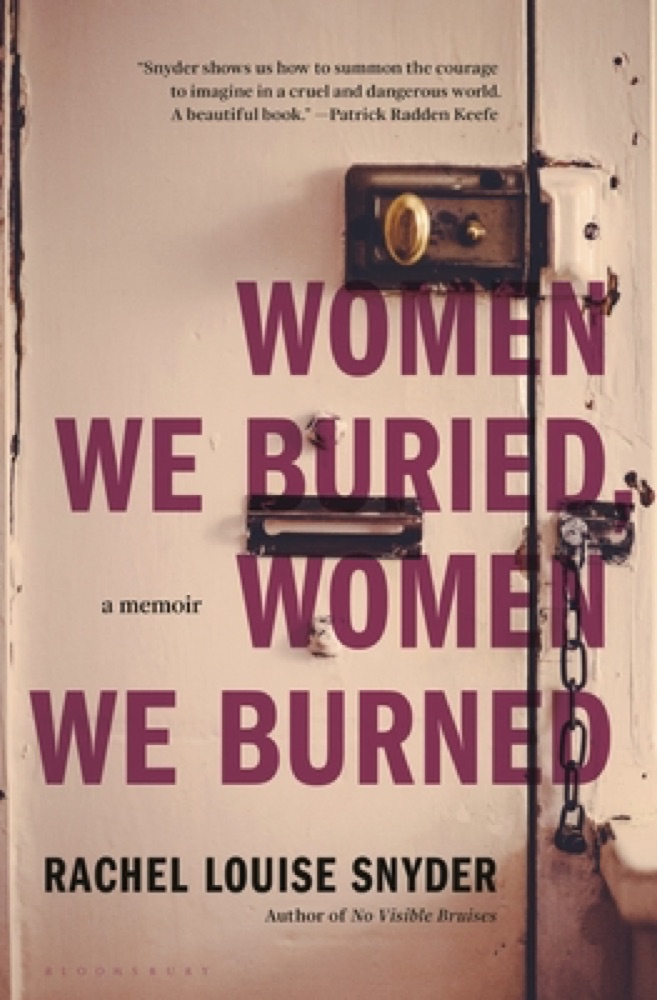 Women We Buried, Women We Burned: A Memoir
 The Year of Magical Thinking
 One True Thing
 1Q84
1Q84
 Warlight
 Truth & Beauty
 Brideshead Revisited: The Sacred and Profane Memories of Captain Charles Ryder
 The Cost of Living: A Working Autobiography
 Embers
 The Brief History of the Dead
 Swimming in the Dark
 Great House
 Anagrams
 All But My Life: A Memoir
 Looking Glass Sound
 A Widow's Story
 The Dead-Tossed Waves
 Memoirs of a Geisha
 Sisterhood Everlasting
 And the Mountains Echoed
 Dream Count
 The Lies About Truth