
 The Art of Loving
Quotes from the Book
A person's rightful due is to be treated as an object of love, not as an object for use.
148
Love between man and woman cannot be built without sacrifices and self-denial.
77
Love consists of a commitment which limits one's freedom - it is a giving of the self, and to give oneself means just that: to limit one's freedom on behalf of another.
67
Friendship, as has been said, consists in a full commitment of the will to another person with a view to that person's good.
62
Take away from love the fullness of self surrender, the completeness of personal commitment, and what remains will be a total denial and negation of it.
46
Limitation of one's freedom might seem to be something negative and unpleasant, but love makes it a positive, joyful and creative thing. Freedom exists for the sake of love.
45
Treating a person as a means to an end, and an end moreover which in this case is pleasure, the maximization of pleasure, will always stand in the way of love.
22
...if desire is predominant it can deform love between man and woman and rob them both of it.
19
Love is never something ready made, something merely 'given' to man and woman, it is always at the same time a 'task' which they are set. Love should be seen as something which in a sense never 'is' but is always only 'becoming', and what it becomes depends up on the contribution of both persons and the depth of their commitment.
17
A person is an entity of a sort to which the only proper and adequate way to relate is love.
16
No one else can want for me. No one can substitute his act of will for mine. It does sometimes happen that someone very much wants me to want what he wants. This is the moment when the impassable frontier between him and me, which is drawn by free will, becomes most obvious. I may not want that which he wants me to want - and in this precisely I am incommunicabilis. I am, and I must be, independent in my actions. All human relationships are posited on this fact.
14
God allows man to learn His supernatural ends, but the decision to strive towards an end, the choice of course, is left to man's free will. God does not redeem man against his will.
11
The capacity to love is determined by the fact that man is ready to seek the good consciously with others, to subordinate himself to this good because of others, or to subordinate himself to others because of this good.
8
The person—especially a woman—may be disillusioned by the fact that over time a man’s affection turns out to be only, so to speak, a cover for desire or even for an explicit will to use. Both a woman and a man may be disillusioned by the fact that the values attributed to the beloved person turn out to be fiction. Because of the dissonance between the ideal and the reality, affective love is sometimes not only extinguished but even transformed into affective hatred.
8
Only the chaste man and the chaste woman are capable of true love.
7
Humility is the proper attitude towards all true greatness, including one's own greatness as a human being, but above all towards the greatness which is not oneself, which is beyond one's self
4
Love is of its nature reciprocal: he who knows how to receive knows also how to give. We love the person complete with all his or her virtues and faults, and up to a point independently of those virtues and in spite of those faults. The strength of such a love emerges most clearly when the beloved person stumbles, when his or her weaknesses or even sins come into the open. One who truly loves does not then withdraw his love, but loves all the more, loves in full consciousness of the other's shortcomings and faults, and without in the least approving them.
3
The interior life is the spiritual life. It focuses on truth and the good. It
3
The only thing that is demanded from the rational human being is that he does not destroy and squander these natural resources, and that he uses them with the moderation that will not impede the personal development of man himself and will guarantee for human societies a just and harmonious coexistence. In
1
Es debido a la persona ser tratada como objeto de amor, y no como objeto de placer
Watch on YouTube
About Pope John Paul II
We have collected 20 quotes from 1 book by Pope John Paul II on BookQuoters.
More about the author →About the book
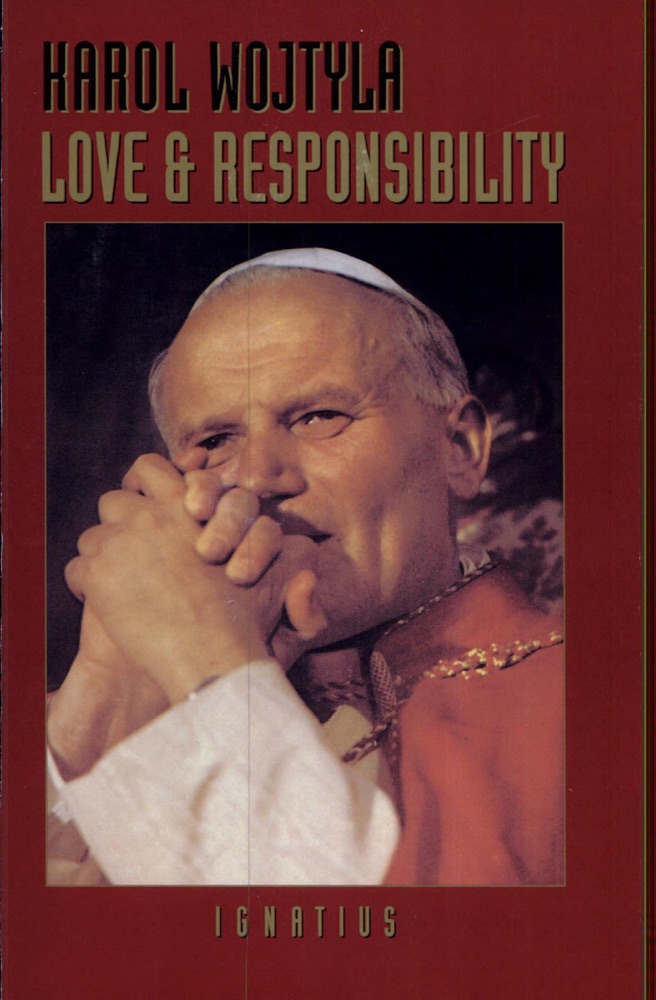
Drawing from his own pastoral experience as a priest and bishop before he became Pope John Paul II, Karol Wojtyla has produced a remarkably eloquent and resourceful defense of Catholic tradition in the sphere of family life and sexual morality. He writes in the conviction that science--biology, psychology, sociology--can provide valuable information on particular aspects of relations between the sexes, but that a full understanding can be obtained only by study of the human person as a whole. Central to his argument is the contrast between the personalistic and the utilitarian views of marriage and of sexual relations. The former views marriage as an interpersonal relationship, in which the well-being and self-realization of each partner are of overriding importance to the other. It is only within this framework that the full purpose of marriage can be realized. The alternative, utilitar
Book details
- First published
- 1960
- Author
- Pope John Paul II
- Genre
- Philosophy
- Goodreads rating
- 4.54 (3k ratings)
Keep reading
The Art of Loving
 Works of Love
 The Symposium
 The Road Less Travelled
 The Five Love Languages for Singles
 The Love Dare
 Love, Freedom, and Aloneness: The Koan of Relationships
 All About Love: New Visions
 The Mastery of Love: A Practical Guide to the Art of Relationship: A Toltec Wisdom Book
 The 5 Love Languages: The Secret to Love that Lasts
 De Profundis
 Aphorisms on Love and Hate
 How to Be an Adult in Relationships: The Five Keys to Mindful Loving
 Man's Search for Meaning
 Intimacy: Trusting Oneself and the Other
 Ethics
 The Truth: An Uncomfortable Book About Relationships
 Love and Will
 On Love
 The Course of Love
 Committed: A Skeptic Makes Peace with Marriage
 No Man Is an Island
 Changes That Heal: How to Understand the Past to Ensure a Healthier Future
 Passion and Purity: Learning to Bring Your Love Life Under Christ's Control
 Shantaram
 Mating in Captivity: Reconciling the Erotic and the Domestic
 Boundaries in Marriage: Understanding the Choices That Make or Break Loving Relationships
 Messages from the Masters: Tapping into the Power of Love
 The Unbearable Lightness of Being
 Sex God: Exploring the Endless Connections Between Sexuality and Spirituality
 The Problem of Pain
 A Return to Love: Reflections on the Principles of "A Course in Miracles"
 The Meaning of Marriage: Facing the Complexities of Commitment with the Wisdom of God
 Man's Search for Ultimate Meaning
 Gravity and Grace
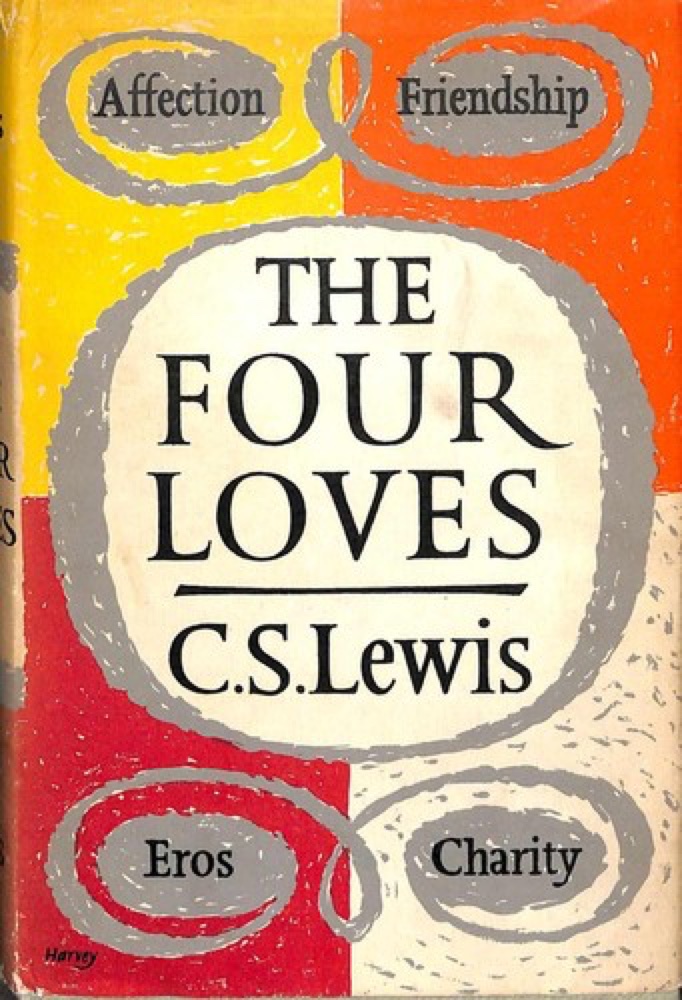 The Four Loves
 Love
Love
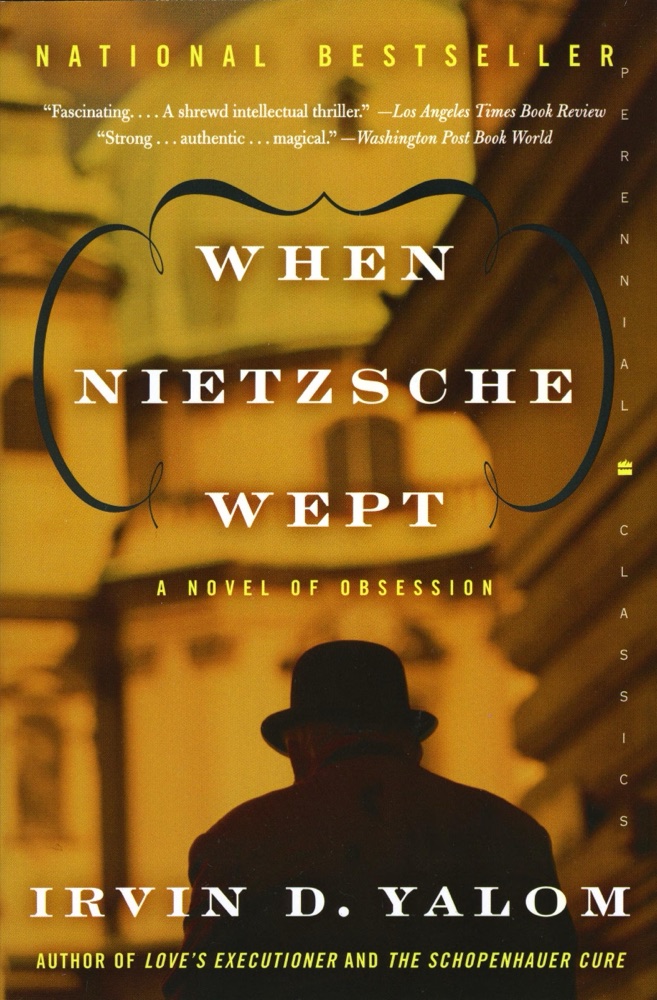 When Nietzsche Wept
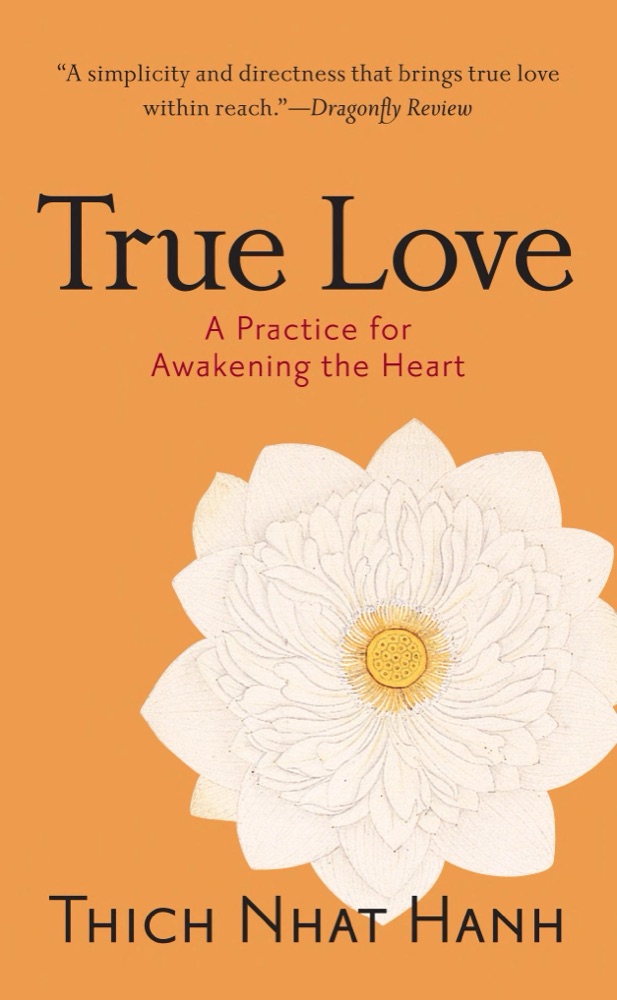 True Love: A Practice for Awakening the Heart
 Let Me Be a Woman
 Sacred Marriage: Celebrating Marriage as a Spiritual Discipline
 Civilization and Its Discontents
 Strength to Love
 The Second Mountain
 The Ethical Slut: A Guide to Infinite Sexual Possibilities
 8 Rules of Love: How to Find It, Keep It, and Let It Go
 Twilight of the Idols
 I Kissed Dating Goodbye
 Love and War: Finding the Marriage You've Dreamed Of
 The Will to Power
 Les Liaisons dangereuses
 The Nicomachean Ethics
 Conversations on Love
 The Forty Rules of Love
 The Way to Love: The Last Meditations of Anthony de Mello
 The Way of Perfection
 Eleven Minutes
 The Brothers Karamazov
 Confessor
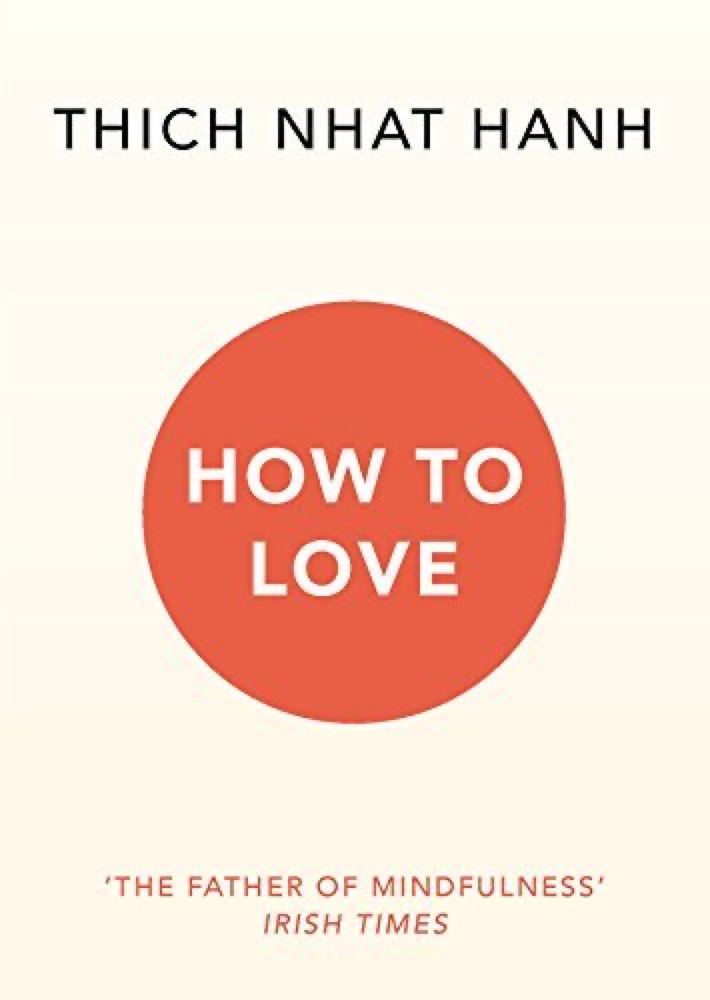 How to Love