
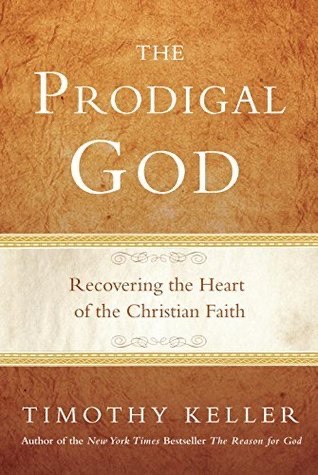
 The Prodigal God: Recovering the Heart of the Christian Faith
Quotes from the Book
To be loved but not known is comforting but superficial. To be known and not loved is our greatest fear. But to be fully known and truly loved is, well, a lot like being loved by God. It is what we need more than anything. It liberates us from pretense, humbles us out of our self-righteousness, and fortifies us for any difficulty life can throw at us.
971
The gospel is this: We are more sinful and flawed in ourselves than we ever dared believe, yet at the very same time we are more loved and accepted in Jesus Christ than we ever dared hope.
390
In any relationship, there will be frightening spells in which your feelings of love dry up. And when that happens you must remember that the essence of marriage is that it is a covenant, a commitment, a promise of future love. So what do you do? You do the acts of love, despite your lack of feeling. You may not feel tender, sympathetic, and eager to please, but in your actions you must BE tender, understanding, forgiving and helpful. And, if you do that, as time goes on you will not only get through the dry spells, but they will become less frequent and deep, and you will become more constant in your feelings. This is what can happen if you decide to love.
222
Within this Christian vision of marriage, here's what it means to fall in love. It is to look at another person and get a glimpse of what God is creating, and to say, "I see who God is making you, and it excites me! I want to be part of that. I want to partner with you and God in the journey you are taking to his throne. And when we get there, I will look at your magnificence and say, 'I always knew you could be like this. I got glimpses of it on earth, but now look at you!
152
Friendship is a deep oneness that develops when two people, speaking the truth in love to one another, journey together to the same horizon.
151
Love without truth is sentimentality; it supports and affirms us but keeps us in denial about our flaws. Truth without love is harshness; it gives us information but in such a way that we cannot really hear it. God's saving love in Christ, however, is marked by both radical truthfulness about who we are and yet also radical, unconditional commitment to us. The merciful commitment strengthens us to see the truth about ourselves and repent. The conviction and repentance moves us to cling to and rest in God's mercy and grace.
137
...We must say to ourselves something like this: 'Well, when Jesus looked down from the cross, he didn't think "I am giving myself to you because you are so attractive to me." No, he was in agony, and he looked down at us - denying him, abandoning him, and betraying him - and in the greatest act of love in history, he STAYED. He said, "Father, forgive them, they don't know what they are doing." He loved us, not because we were lovely to him, but to make us lovely. That is why I am going to love my spouse.' Speak to your heart like that, and then fulfill the promises you made on your wedding day.
124
When over the years someone has seen you at your worst, and knows you with all your strengths and flaws, yet commits him- or herself to you wholly, it is a consummate experience. To be loved but not known is comforting but superficial. To be known and not loved is our greatest fear. But to be fully known and truly loved is, well, a lot like being loved by God. It is what we need more than anything. It liberates us from pretense, humbles us out of our self-righteousness, and fortifies us for any difficulty life can throw at us.
108
You can only afford to be generous if you actually have some money in the bank to give. In the same way, if your only source of love and meaning is your spouse, then anytime he or she fails you, it will not just cause grief but a psychological cataclysm. If, however, you know something of the work of the Spirit in your life, you have enough love "in the bank" to be generous to your spouse even when you are not getting much affection or kindness at the moment.
105
Only with time do we really learn who the other person is and come to love the person for him- or herself and not just for the feelings and experiences they give us.
75
Our culture says that feelings of love are the basis for actions of love. And of course that can be true. But it is truer to say that actions of love can lead consistently to feelings of love.
52
This principle - that your spouse should be capable of becoming your best friend - is a game changer when you address the question of compatibility in a prospective spouse. If you think of marriage largely in terms of erotic love, then compatibility means sexual chemistry and appeal. If you think of marriage largely as a way to move into the kind of social status in life you desire, then compatibility means being part of the desired social class, and perhaps common tastes and aspirations for lifestyle. The problem with these factors is that they are not durable. Physical attractiveness will wane, no matter how hard you work to delay its departure. And socio-economic status unfortunately can change almost overnight. When people think they have found compatibility based on these things, they often make the painful discovery that they have built their relationship on unstable ground. A woman 'lets herself go' or a man loses his job, and the compatibility foundation falls apart.
52
Both men and women today see marriage not as a way of creating character and community but as a way to reach personal life goals. They are looking for a marriage partner who will 'fulfill their emotional, sexual, and spiritual desires.' And that creates an extreme idealism that in turn leads to a deep pessimism that you will ever find the right person to marry.
50
[Spiritual friendship] is eagerly helping one another know, serve, love, and resemble God in deeper and deeper ways.
48
Marriage has the power to set the course of your life as a whole. If your marriage is strong, even if all the circumstances in your life around you are filled with trouble and weakness, it won't matter. You will be able to move out into the world in strength.
47
Friends become wiser together through a healthy clash of viewpoints.
45
Those dreaming of the perfect match are outnumbered by those who don't really want it at all, though perhaps they can't admit it. After all, our culture makes individual freedom, autonomy and fulfillment the very highest values, and thoughtful people know deep down that any love relationship at all means the loss of all three. You can say, 'I want someone who will accept me just as I am,' but in your heart of hearts you know that you are not perfect, that there are plenty of things about you that need to be changed, and that anyone who gets to know you up close and personal will want to change them.
41
Like a surgeon, friends cut you in order to heal you.
39
In sharp contrast with our culture, the Bible teaches that the essence of marriage is a sacrificial commitment to the good of the other. That means that love is more fundamentally action than emotion. But in talking this way, there is a danger of falling into the opposite error that characterized many ancient and traditional societies. It is possible to see marriage as merely a social transaction, a way of doing your duty to family, tribe and society. Traditional societies made the family the ultimate value in life, and so marriage was a mere transaction that helped your family's interest. By contrast, contemporary Western societies make the individual's happiness the ultimate value, and so marriage becomes primarily an experience of romantic fulfillment. But the Bible sees GOD as the supreme good - not the individual or the family - and that gives us a view of marriage that intimately unites feelings AND duty, passion AND promise. That is because at the heart of the Biblical idea of marriage is the covenant.
28
Within this Christian vision for marriage, here's what it means to fall in love. It is to look at another person and get a glimpse of the person God is creating, and to say, "I see who God is making you, and it excites me! I want to be part of that. I want to partner with you and God in the journey you are taking to his throne. And when we get there, I will look at your magnificence and say, 'I always knew you could be like this. I got glimpses of it on earth, but now look at you!'" Each spouse should see the great thing that Jesus is doing in the life of their mate through the Word, the gospel. Each spouse then should give him- or herself to be a vehicle for that work and envision the day that you will stand together before God, seeing each other presented in spotless beauty and glory.
27
Do not waste time bothering whether you “love” your neighbor; act as if you did.
27
Sociologists argue that in contemporary Western society the marketplace has become so dominant that the consumer model increasingly characterizes most relationships that historically were covenantal, including marriage. Today we stay connected to people only as long as they are meeting our particular needs at an acceptable cost to us. When we cease to make a profit - that is, when the relationship appears to require more love and affirmation from us than we are getting back - then we "cut our loses" and drop the relationship. This has also been called "commodification," a process by which social relationships are reduced to economic exchange relationships, and so the very idea of "covenant" is disappearing in our culture. Covenant is therefore a concept increasingly foreign to us, and yet the Bible says it is the essence of marriage.
27
What marriage is for: It is a way for two spiritual friends to help each other on their journey to become the persons God designed them to be.
25
When God brought the first man his spouse, he brought him not just a lover but the friend his heart had been seeking. Proverbs 2:17 speaks of one's spouse as your "'allup," a unique word that the lexicons define as your "special confidant" or "best friend." In an age where women were often seen as the husband's property, and marriages were mainly business deals and transactions seeking to increase the family's social status and security, it was startling for the Bible to describe a spouse in this way. But in today's society, with its emphasis on romance and sex, it is just as radical to insist that your spouse should be your best friend, though for a different reason. In tribal societies, romance doesn't matter as much as social status, and in individualistic Western societies, romance and great sex matter far more than anything else. The Bible, however, without ignoring the importance of romance, puts great emphasis on marriage as companionship.
25
...Singles, too, must see the penultimate status of marriage. If single Christians don't develop a deeply fulfilling love relationship with Jesus, they will put too much pressure on their DREAM of marriage, and that will create pathology in their lives as well.
25
A common vision can unite people of very different temperaments.
24
It seems almost oxymoronic to believe that this new idealism has led to a new pessimism about marriage, but that is exactly what has happened. In generations past there was far less talk about "compatibility" and finding the ideal soul mate. Today we are looking for someone who accepts us as we are and fulfills our desires, and this creates an unrealistic set of expectations that frustrates both the searchers and the searched for.
21
The reason that marriage is so painful and yet wonderful is because it is a reflection of the gospel, which is painful and wonderful at once. The gospel is this: We are more sinful and flawed in ourselves than we ever dared believe, yet at the very same time we are more loved and accepted in Jesus Christ than we ever dared hope. This is the only kind of relationship that will really transform us.
20
Watch on YouTube
About Timothy J. Keller
We have collected 286 quotes from 10 books by Timothy J. Keller on BookQuoters.
More about the author →More by Timothy J. Keller
The Prodigal God: Recovering the Heart of the Christian Faith
 Counterfeit Gods: The Empty Promises of Money, Sex, and Power, and the Only Hope That Matters
 The Reason for God: Belief in an Age of Skepticism
 Generous Justice: How God's Grace Makes Us Just
About the book
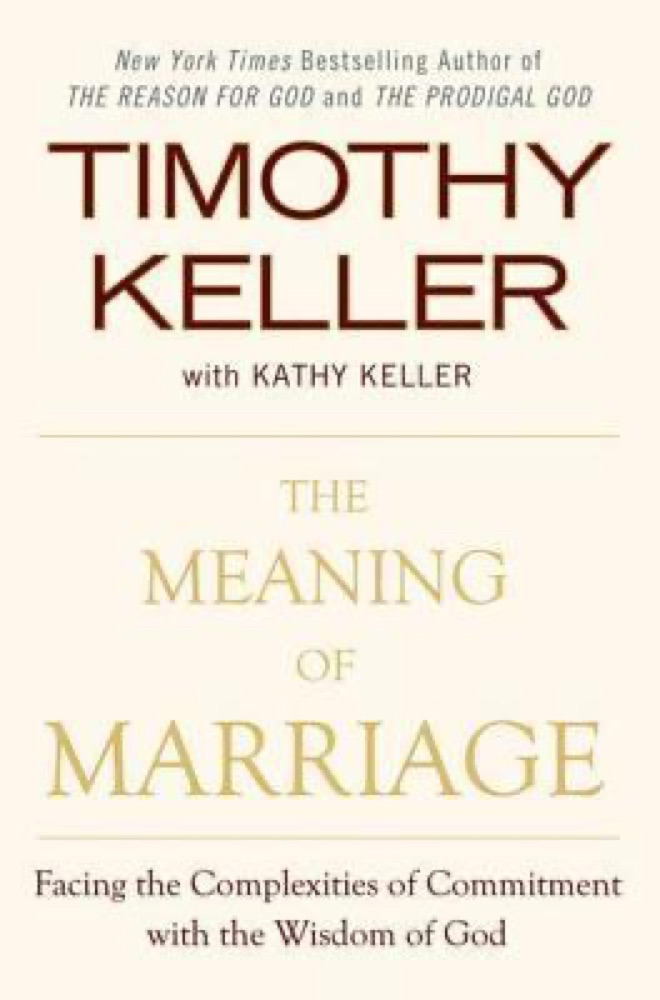
Renowned pastor of New York’s Redeemer Presbyterian Church and author of The Songs of Jesus, Timothy Keller with his wife of 36 years, delivers The Meaning of Marriage, an extraordinarily insightful look at the keys to happiness in marriage that will inspire Christians, skeptics, singles, long-time married couples, and those about to be engaged.
Modern culture would make you believe that everyone has a soul-mate; that romance is the most important part of a successful marriage; that your spouse is there to help you realize your potential; that marriage does not mean forever, but merely for now; that starting over after a divorce is the best solution to seemingly intractable marriage issues. All those modern-day assumptions are, in a word, wrong.
Using the Bible as his guide, coupled with insightful commentary from his wife of thirty-six years, Kathy, Timothy Keller shows that God c
Book details
- First published
- 2011
- Author
- Timothy J. Keller
- Genre
- Nonfiction
- Goodreads rating
- 4.49 (54k ratings)
Keep reading
 Sacred Marriage: Celebrating Marriage as a Spiritual Discipline
 What Did You Expect?: Redeeming the Realities of Marriage
 Love and War: Finding the Marriage You've Dreamed Of
 I Kissed Dating Goodbye
 The Love Dare
 Committed: A Skeptic Makes Peace with Marriage
 7 Myths about Singleness
 Relationships: A Mess Worth Making
 Real Marriage: The Truth About Sex, Friendship, & Life Together
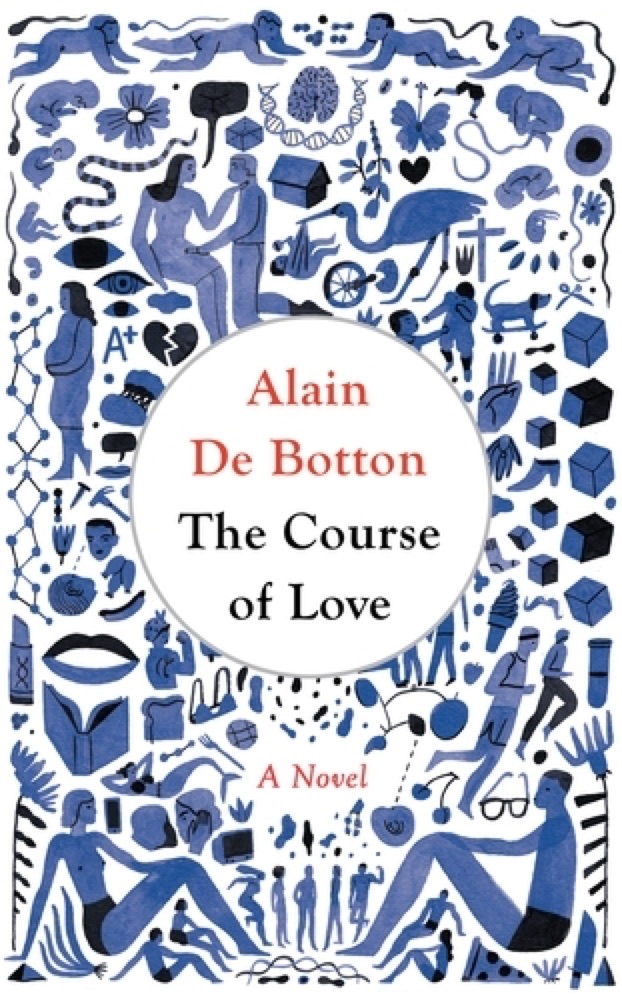 The Course of Love
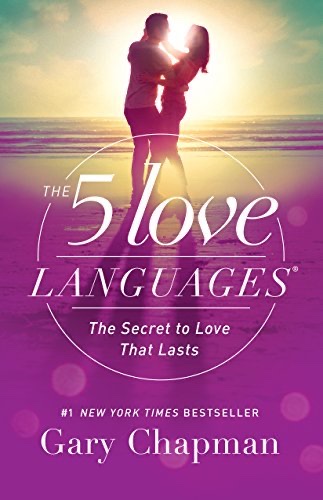 The 5 Love Languages: The Secret to Love that Lasts
 Boy Meets Girl: Say Hello to Courtship
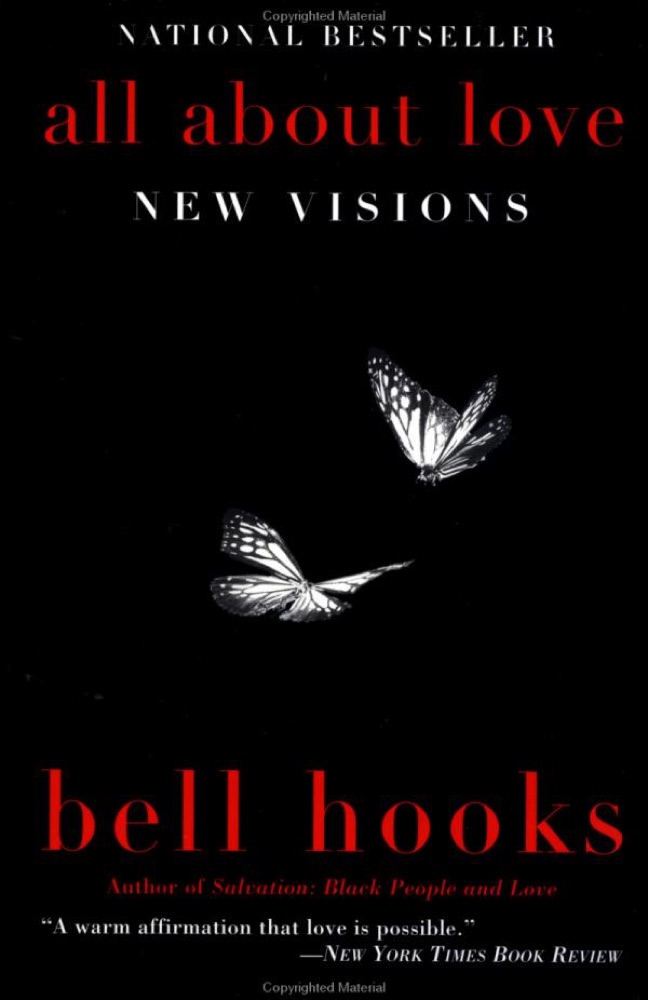 All About Love: New Visions
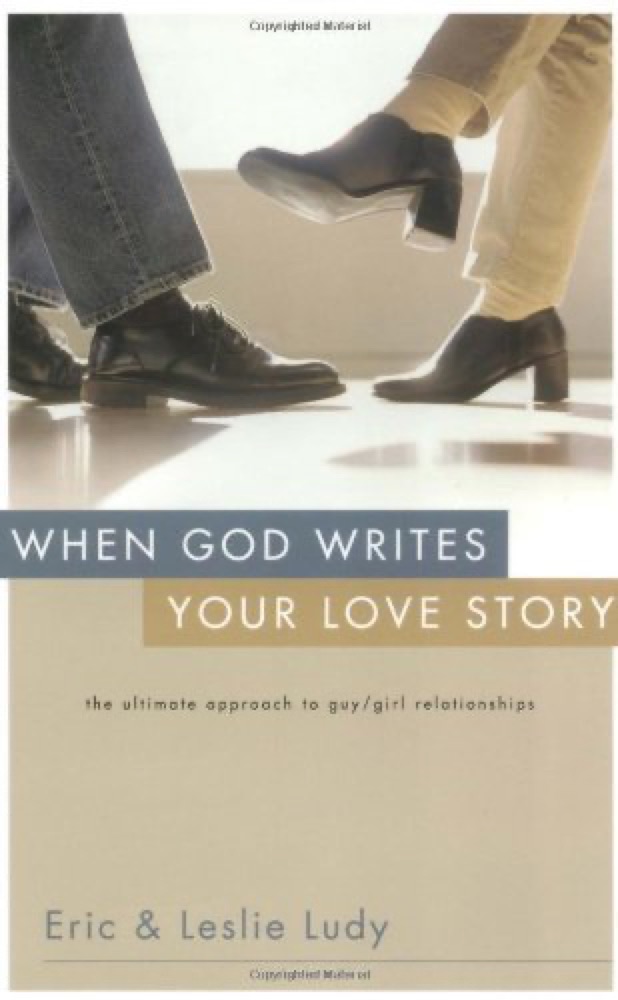 When God Writes Your Love Story
 The Antelope in the Living Room: The Real Story of Two People Sharing One Life
 The Four Loves
 Searching for God Knows What
 A Return to Love: Reflections on the Principles of "A Course in Miracles"
 Boundaries in Marriage: Understanding the Choices That Make or Break Loving Relationships
 Conversations on Love
 The Five Love Languages for Singles
 If the Buddha Dated: A Handbook for Finding Love on a Spiritual Path
 Changes That Heal: How to Understand the Past to Ensure a Healthier Future
 For the Love: Fighting for Grace in a World of Impossible Standards
 Of Mess and Moxie: Wrangling Delight Out of This Wild and Glorious Life
 The Art of Loving
 Emotionally Healthy Spirituality: Unleash A Revolution In Your Life in Christ
 The Sacred Romance: Drawing Closer to the Heart of God
 Works of Love
 Love, Freedom, and Aloneness: The Koan of Relationships
 Let Me Be a Woman
 The Sacred Romance Drawing Closer To The Heart Of God
 Blue Like Jazz: Nonreligious Thoughts on Christian Spirituality
 Passion and Purity: Learning to Bring Your Love Life Under Christ's Control
 Mating in Captivity: Reconciling the Erotic and the Domestic
 Passionate Marriage: Keeping Love and Intimacy Alive in Committed Relationships
 The Shack
 The Truth: An Uncomfortable Book About Relationships
 Amazing Grace: A Vocabulary of Faith
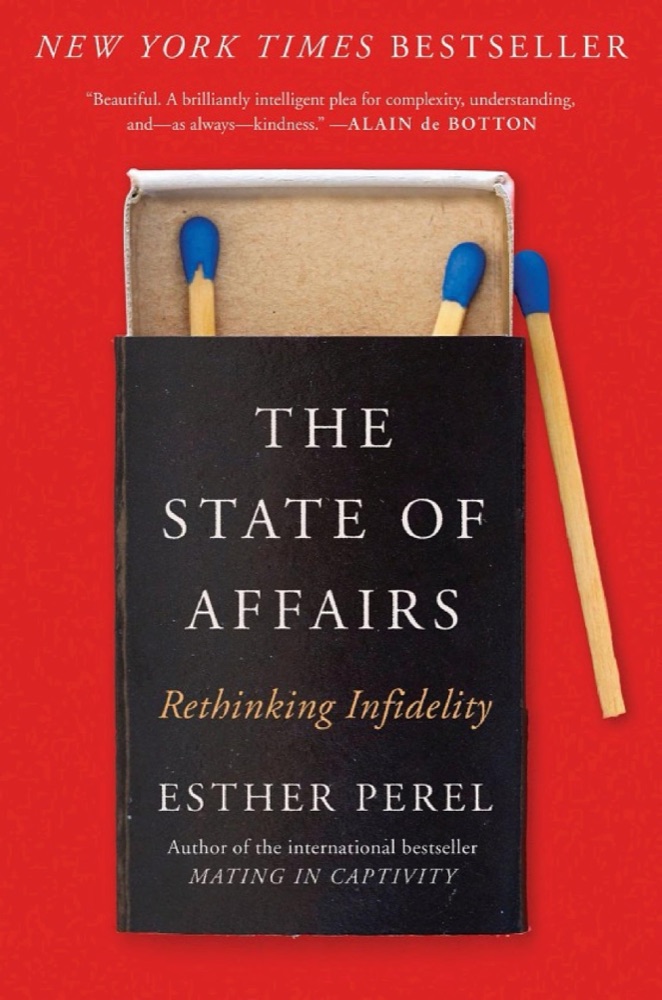 The State of Affairs: Rethinking Infidelity
 King's Cross: The Story of the World in the Life of Jesus
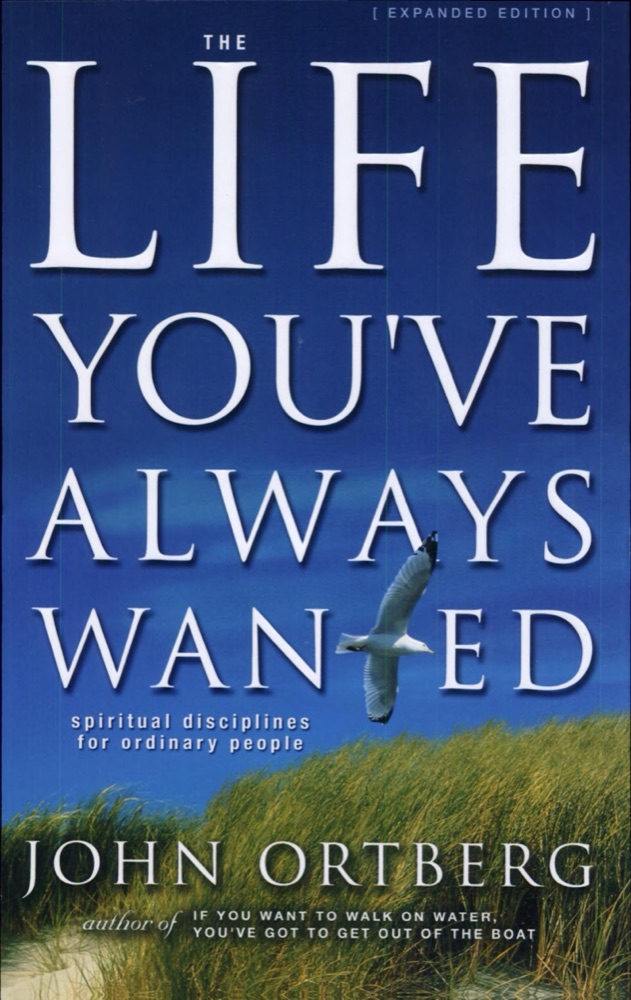 The Life You've Always Wanted: Spiritual Disciplines for Ordinary People
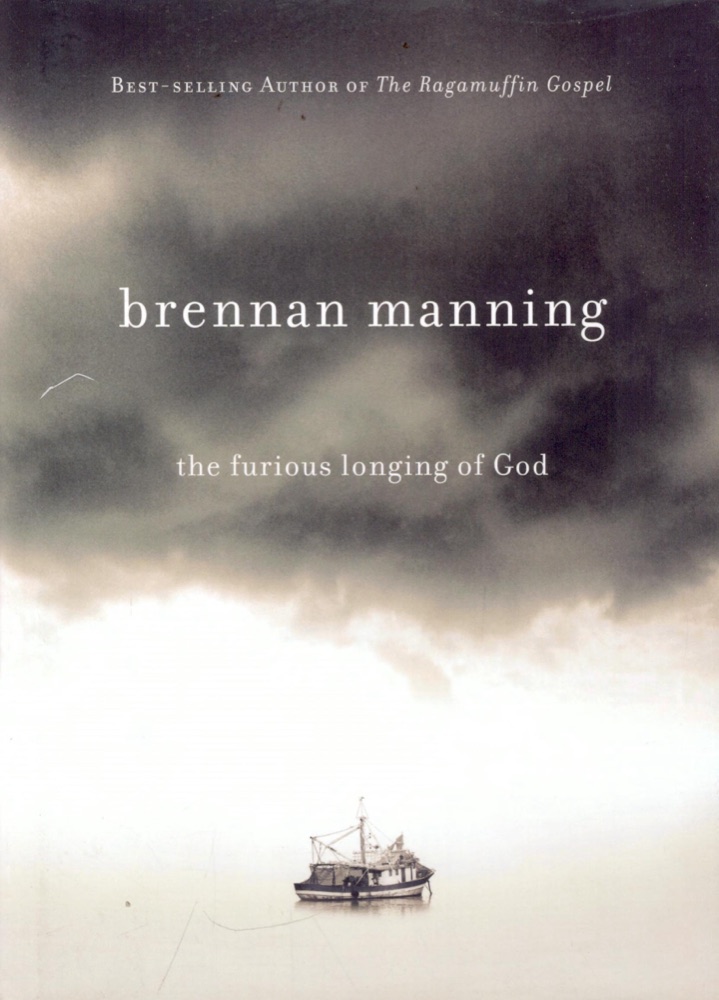 The Furious Longing of God
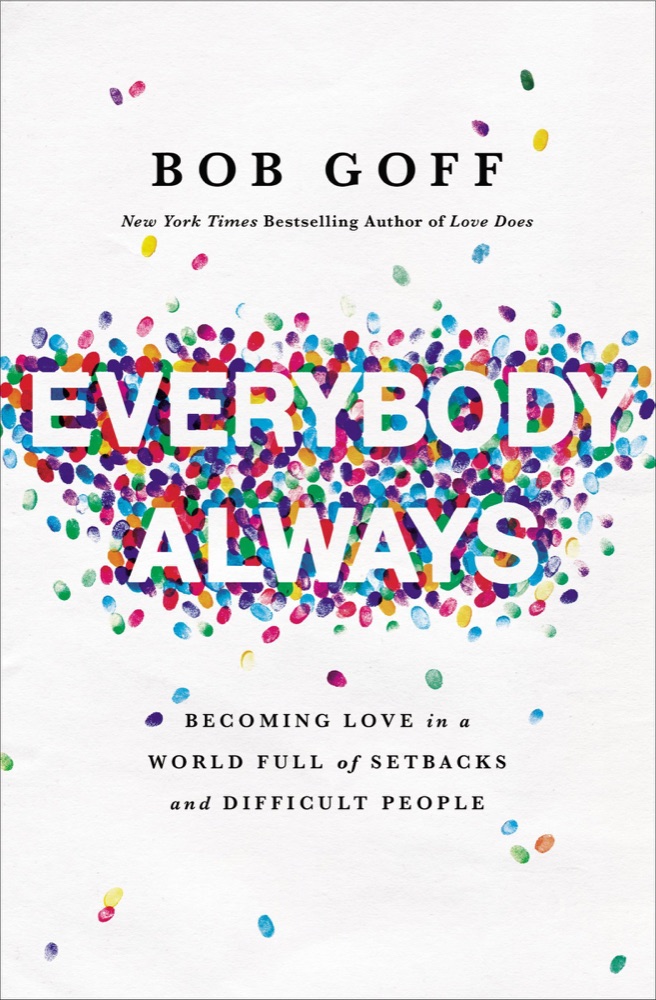 Everybody, Always: Becoming Love in a World Full of Setbacks and Difficult People
 The Zimzum of Love: A New Way of Understanding Marriage
 Love Wins Low Price CD: Love Wins Low Price CD
 Jesus Over Everything: Uncomplicating the Daily Struggle to Put Jesus First
 Life of the Beloved: Spiritual Living in a Secular World
 The Mastery of Love: A Practical Guide to the Art of Relationship: A Toltec Wisdom Book
 Tattoos on the Heart: The Power of Boundless Compassion
 Christ Plays in Ten Thousand Places: A Conversation in Spiritual Theology
 It's Not What You Think: Why Christianity is About So Much More Than Going to Heaven When You Die
 Messages from the Masters: Tapping into the Power of Love
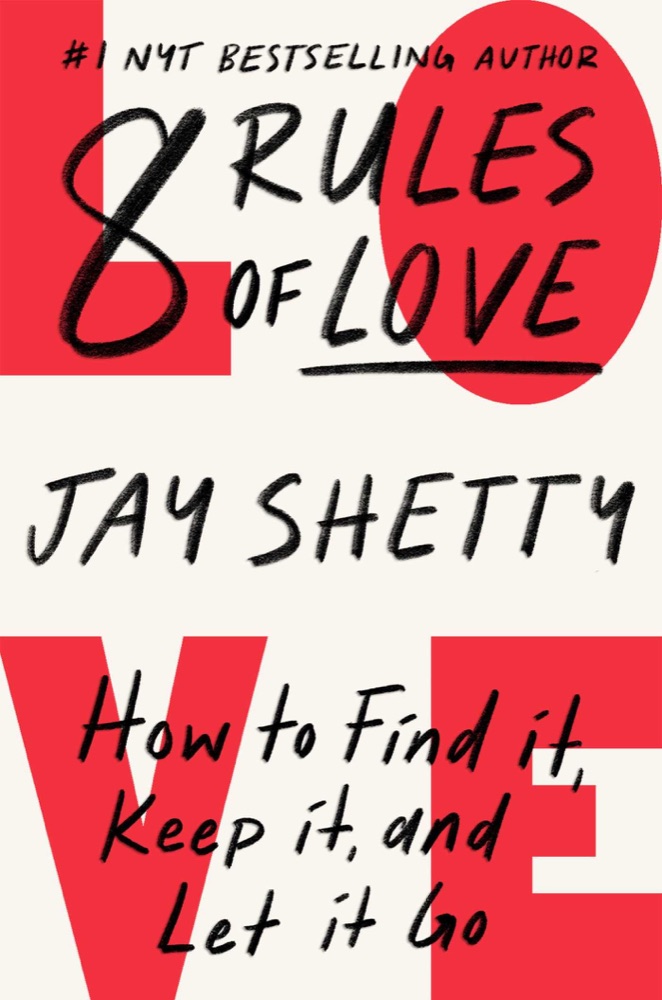 8 Rules of Love: How to Find It, Keep It, and Let It Go
 No Man Is an Island
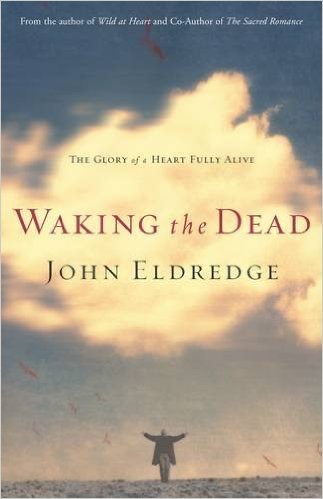 Waking the Dead: The Glory of a Heart Fully Alive
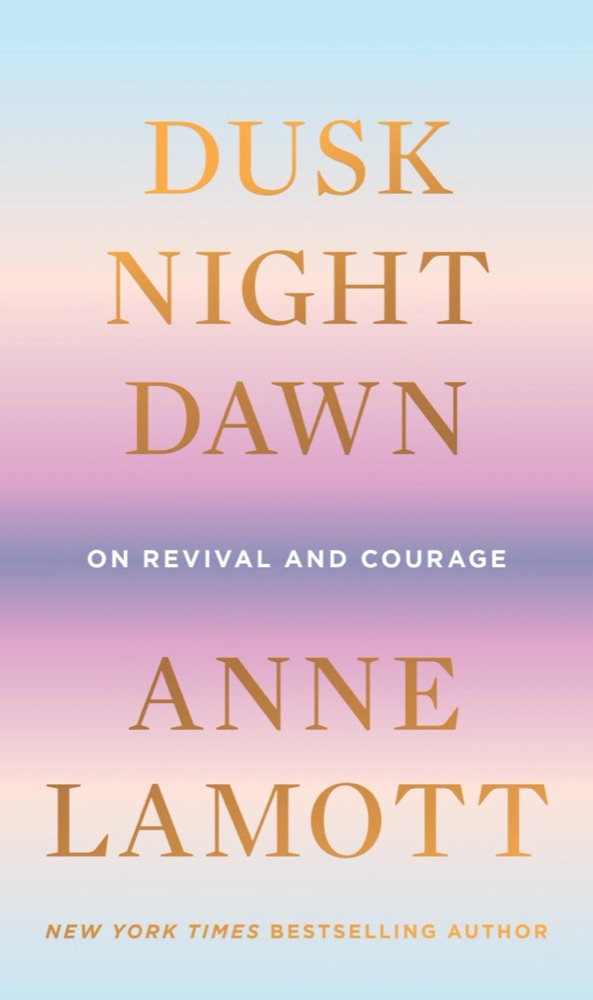 Dusk, Night, Dawn: On Revival and Courage
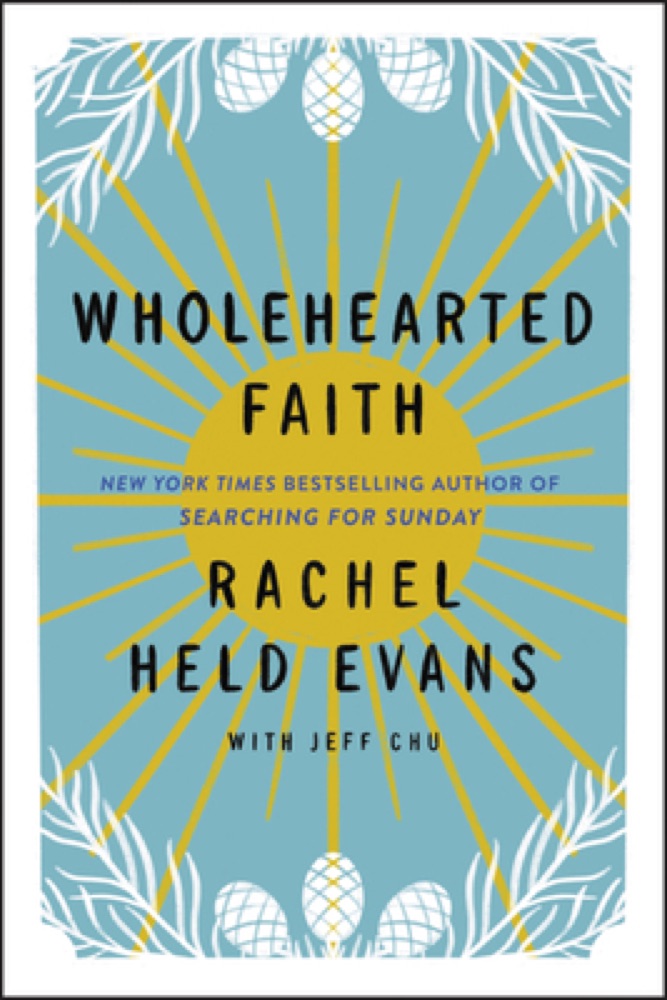 Wholehearted Faith