
 1Q84
1Q84
Quotes from the Book
Memories warm you up from the inside. But they also tear you apart.
If you remember me, then I don't care if everyone else forgets.
Sometimes fate is like a small sandstorm that keeps changing directions. You change direction but the sandstorm chases you. You turn again, but the storm adjusts. Over and over you play this out, like some ominous dance with death just before dawn. Why? Because this storm isn't something that blew in from far away, something that has nothing to do with you. This storm is you. Something inside of you. So all you can do is give in to it, step right inside the storm, closing your eyes and plugging up your ears so the sand doesn't get in, and walk through it, step by step. There's no sun there, no moon, no direction, no sense of time. Just fine white sand swirling up into the sky like pulverized bones. That's the kind of sandstorm you need to imagine. An you really will have to make it through that violent, metaphysical, symbolic storm. No matter how metaphysical or symbolic it might be, make no mistake about it: it will cut through flesh like a thousand razor blades. People will bleed there, and you will bleed too. Hot, red blood. You'll catch that blood in your hands, your own blood and the blood of others. And once the storm is over you won't remember how you made it through, how you managed to survive. You won't even be sure, in fact, whether the storm is really over. But one thing is certain. When you come out of the storm you won't be the same person who walked in. That's what this storm's all about.
It's like Tolstoy said. Happiness is an allegory, unhappiness a story.
Lost opportunities, lost possibilities, feelings we can never get back. That's part of what it means to be alive. But inside our heads - at least that's where I imagine it - there's a little room where we store those memories. A room like the stacks in this library. And to understand the workings of our own heart we have to keep on making new reference cards. We have to dust things off every once in awhile, let in fresh air, change the water in the flower vases. In other words, you'll live forever in your own private library.
Listen up - there's no war that will end all wars.
Silence, I discover, is something you can actually hear.
Every one of us is losing something precious to us. Lost opportunities, lost possibilities, feelings we can never get back again. That’s part of what it means to be alive.
Taking crazy things seriously is a serious waste of time.
In everybody’s life there’s a point of no return. And in a very few cases, a point where you can’t go forward anymore. And when we reach that point, all we can do is quietly accept the fact. That’s how we survive.
Closing your eyes isn't going to change anything. Nothing's going to disappear just because you can't see what's going on. In fact, things will even be worse the next time you open your eyes. That's the kind of world we live in. Keep your eyes wide open. Only a coward closes his eyes. Closing your eyes and plugging up your ears won't make time stand still.
Not just beautiful, though--the stars are like the trees in the forest, alive and breathing. And they're watching me.
Narrow minds devoid of imagination. Intolerance, theories cut off from reality, empty terminology, usurped ideals, inflexible systems. Those are the things that really frighten me. What I absolutely fear and loathe.
A certain type of perfection can only be realized through a limitless accumulation of the imperfect.
Chance encounters are what keep us going.
What do you think? I'm not a starfish or a pepper tree. I'm a living, breathing human being. Of course I've been in love.
Being with her I feel a pain, like a frozen knife stuck in my chest. An awful pain, but the funny thing is I'm thankful for it. It's like that frozen pain and my very existence are one. The pain is an anchor, mooring me here.
It's hard to tell the difference between sea and sky, between voyager and sea. Between reality and the workings of the heart.
Time weighs down on you like an old, ambiguous dream. You keep on moving, trying to sleep through it. But even if you go to the ends of the earth, you won't be able to escape it. Still, you have to go there- to the edge of the world. There's something you can't do unless you get there.
Most things are forgotten over time. Even the war itself, the life-and-death struggle people went through is now like something from the distant past. We’re so caught up in our everyday lives that events of the past are no longer in orbit around our minds. There are just too many things we have to think about everyday, too many new things we have to learn. But still, no matter how much time passes, no matter what takes place in the interim, there are some things we can never assign to oblivion, memories we can never rub away. They remain with us forever, like a touchstone.
When you come out of the storm, you won’t be the same person who walked in. That’s what this storm’s all about.
Even chance meetings are the result of karma… Things in life are fated by our previous lives. That even in the smallest events there’s no such thing as coincidence.
According to Aristophanes in Plato's The Banquet, in the ancient world of legend there were three types of people. In ancient times people weren't simply male or female, but one of three types : male/male, male/female or female/female. In other words, each person was made out of the components of two people. Everyone was happy with this arrangment and never really gave it much thought. But then God took a knife and cut everyone in half, right down the middle. So after that the world was divided just into male and female, the upshot being that people spend their time running around trying to locate their missing half.
Each person feels pain in his own way, each has his own scars.
When I open them, most of the books have the smell of an earlier time leaking out between the pages - a special odor of the knowledge and emotions that for ages have been calmly resting between the covers. Breathing it in, I glance through a few pages before returning each book to its shelf.
Adults constantly raise the bar on smart children, precisely because they're able to handle it. The children get overwhelmed by the tasks in front of them and gradually lose the sort of openness and sense of accomplishment they innately have. When they're treated like that, children start to crawl inside a shell and keep everything inside. It takes a lot of time and effort to get them to open up again. Kids' hearts are malleable, but once they gel it's hard to get them back the way they were.
Things outside you are projections of what's inside you, and what's inside you is a projection of what's outside. So when you step into the labyrinth outside you, at the same time you're stepping into the labyrinth inside.
The sense of tragedy - according to Aristotle - comes, ironically enough, not from the protagonist's weak points but from his good qualities. Do you know what I'm getting at? People are drawn deeper into tragedy not by their defects but by their virtues. ... [But] we accept irony through a device called metaphor. And through that we grow and become deeper human beings.
That’s how stories happen — with a turning point, an unexpected twist. There’s only one kind of happiness, but misfortune comes in all shapes and sizes. It’s like Tolstoy said. Happiness is an allegory, unhappiness a story.
Did you know?
- The novel was first published in Japanese as "Umibe no Kafuka" by Shinchosha in 2002.
- The English translation is by Philip Gabriel and was published in 2005.
- It was named one of The New York Times' 10 Best Books of 2005.
- The young protagonist adopts the name Kafka in homage to the writer Franz Kafka.
- The character Nakata has the ability to talk to cats after a childhood wartime incident.
- Frank Galati adapted the novel into a stage play that premiered at Steppenwolf Theatre in 2008.
About Haruki Murakami
Haruki Murakami is a Japanese writer, born in Kyoto in 1949, whose surreal, genre-blending novels and stories have been translated into dozens of languages and earned him a global readership. His best-known works include "Norwegian Wood," "The Wind-Up Bird Chronicle," and "1Q84."
More about the author →More by Haruki Murakami
All books by Haruki Murakami →

About the book
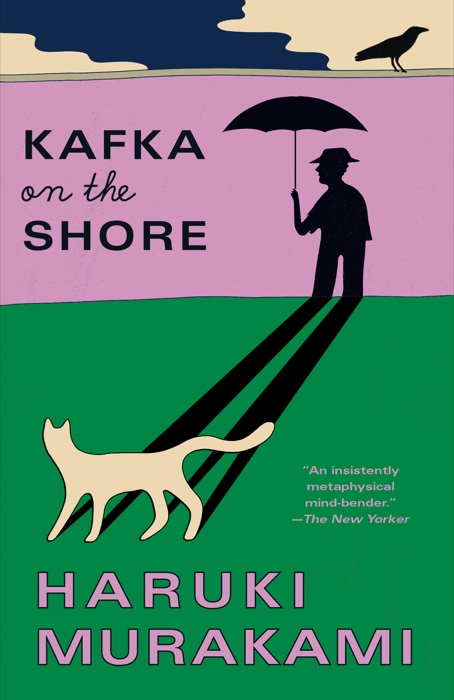
"Kafka on the Shore" is a novel by Haruki Murakami, first published in Japanese in 2002 and released in Philip Gabriel's English translation in 2005. It braids together two storylines that gradually converge. In one, a fifteen-year-old runaway who calls himself Kafka Tamura flees Tokyo for the city of Takamatsu on the island of Shikoku, driven by an ominous prophecy from his father and a longing to find his lost mother and sister; he takes shelter in a private library. In the other, an elderly man named Satoru Nakata, who lost much of his memory and learning in a wartime incident but gained the uncanny ability to speak with cats, sets out on a journey of his own that pulls him toward the same corner of Japan.
The book is a work of magic realism in which the borders between everyday reality, dreams, memory, and the subconscious dissolve. Music, fate, prophecy, and metaphysical mystery recur throughout, and the two quests unfold as parallel searches for identity and connection, with seemingly unrelated lives drawn together by forces that resist rational explanation. Murakami weaves in echoes of Greek tragedy and of Franz Kafka, whose name the young protagonist adopts, while grounding the strangeness in vivid, concrete detail.
"Kafka on the Shore" is one of Murakami's most acclaimed novels and helped cement his international reputation. It was named one of The New York Times' 10 Best Books of 2005 and won the World Fantasy Award in 2006. Its blend of coming-of-age quest, wartime mystery, and dreamlike fantasy has made it a touchstone of contemporary literary fiction and a frequent entry point for new readers of Murakami's work.
Key characters
- Kafka TamuraA fifteen-year-old boy who runs away from home to Takamatsu
- Satoru NakataAn elderly man who can talk to cats after a wartime incident
- Miss SaekiThe manager of the private library and a former singer
- OshimaA young librarian who becomes Kafka's mentor
- HoshinoA truck driver who befriends and helps Nakata on his journey
- CrowKafka's inner alter ego who advises him
Book details
- First published
- 2002
- Length
- 436 pages
- Reading time
- 8 hours
- Author
- Haruki Murakami
- Genre
- Fiction
- Goodreads rating
- 4.11 (567k ratings) →
Movie & TV adaptations
- IMDb
If you liked this, read…
- 1The Wind-Up Bird ChronicleAnother Murakami novel blending realism with surreal, dreamlike mystery
- 21Q84Murakami's later epic weaving parallel storylines and an altered reality
- 3Norwegian WoodMurakami's coming-of-age novel exploring memory, loss, and longing
Keep reading
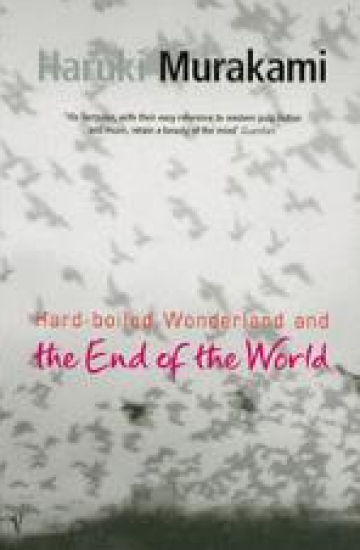 Hard-Boiled Wonderland and the End of the World
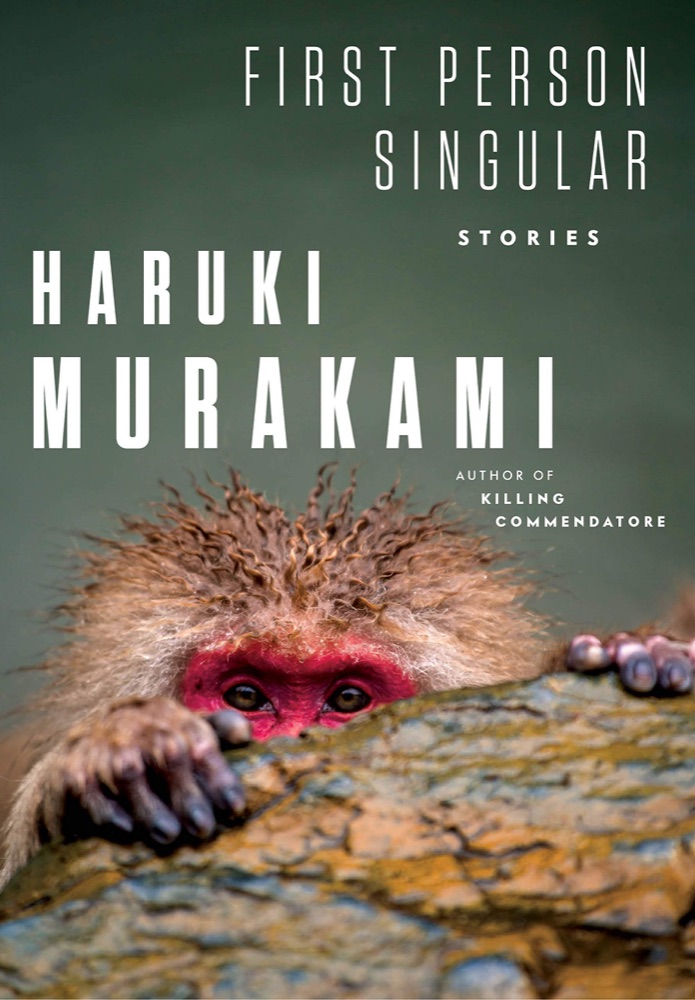 First Person Singular: Stories
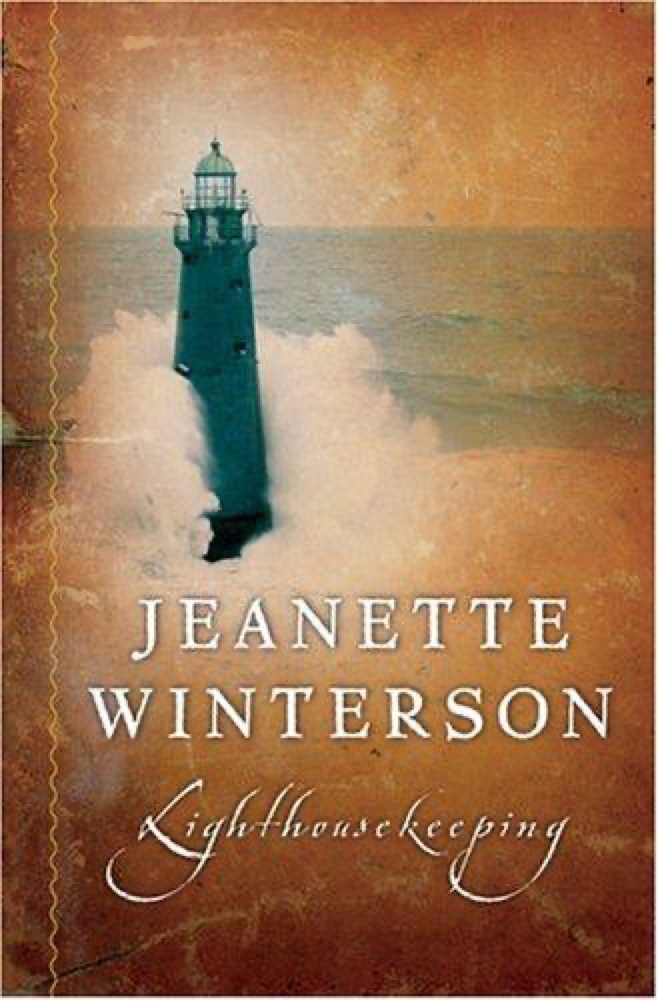 Lighthousekeeping
 House of Leaves
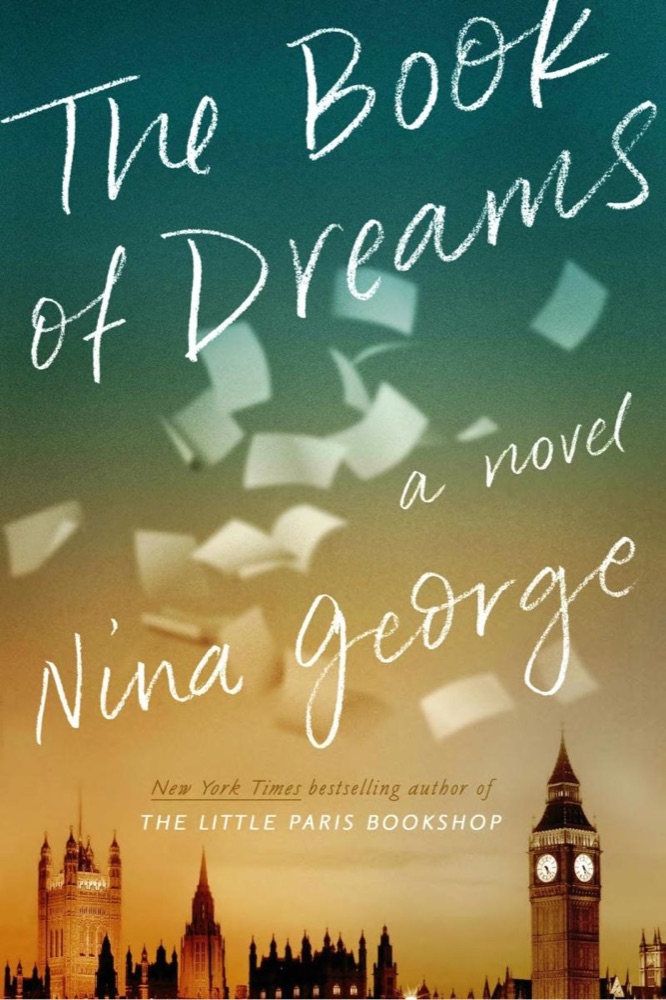 The Book of Dreams
 Colorless Tsukuru Tazaki and His Years of Pilgrimage
 The Shock of the Fall
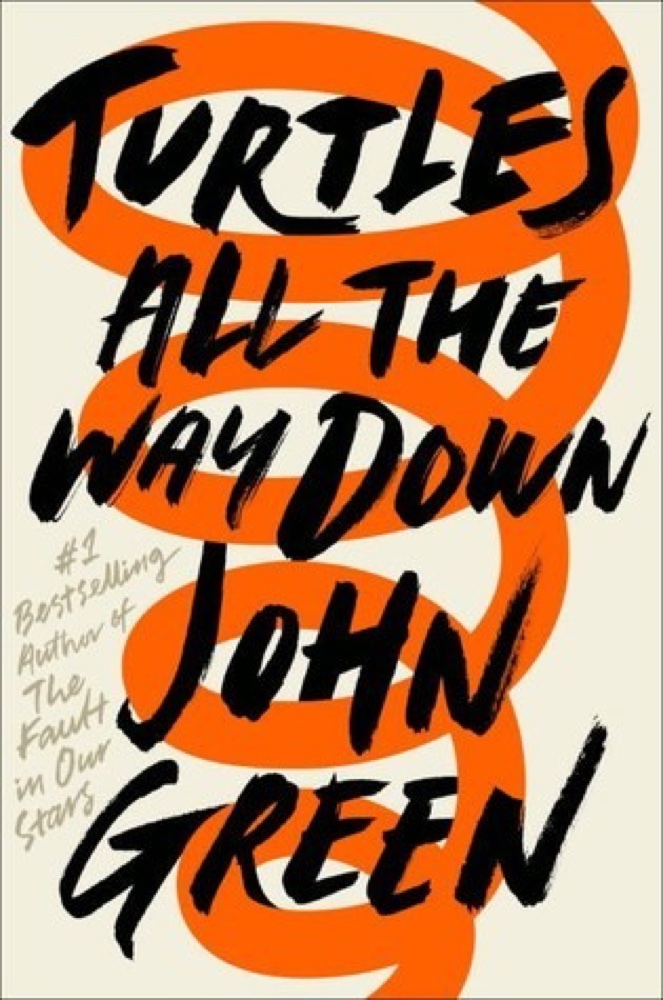 Turtles All the Way Down
 Invisibility
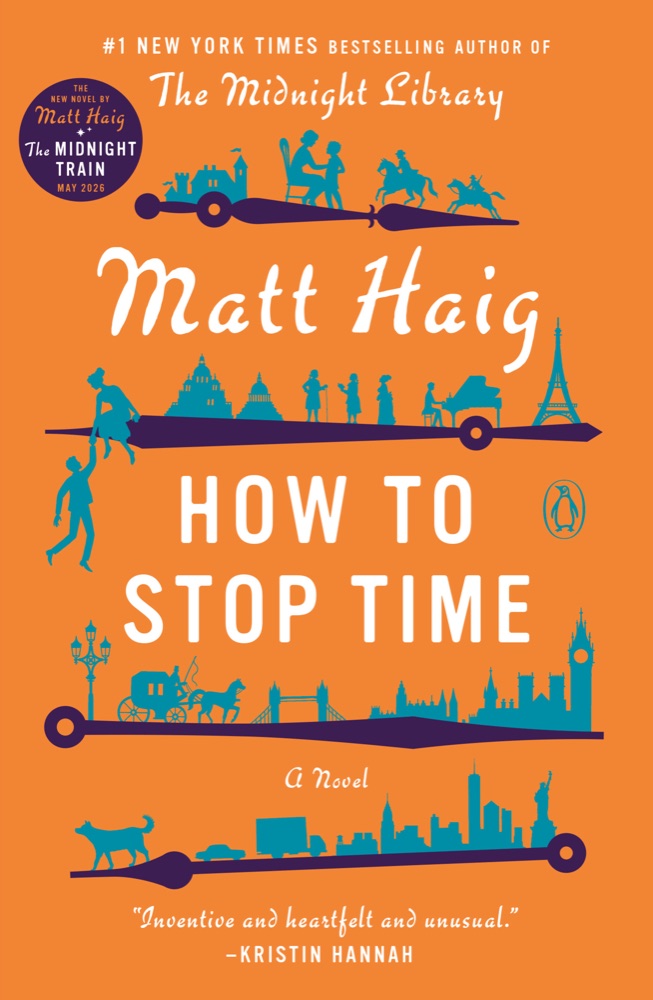 How to Stop Time
 The Sea, the Sea
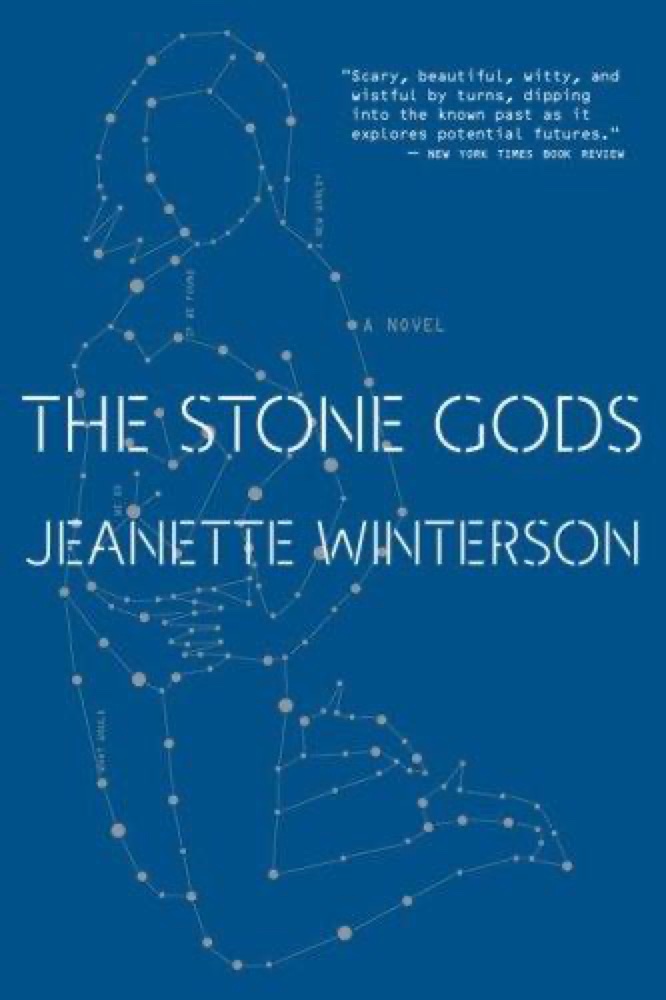 The Stone Gods
 No One Writes Back
 Goodbye Days
 Fragile Things: Short Fictions and Wonders
 Life After Death
 At the Edge of the Universe
 The Ground Beneath Her Feet
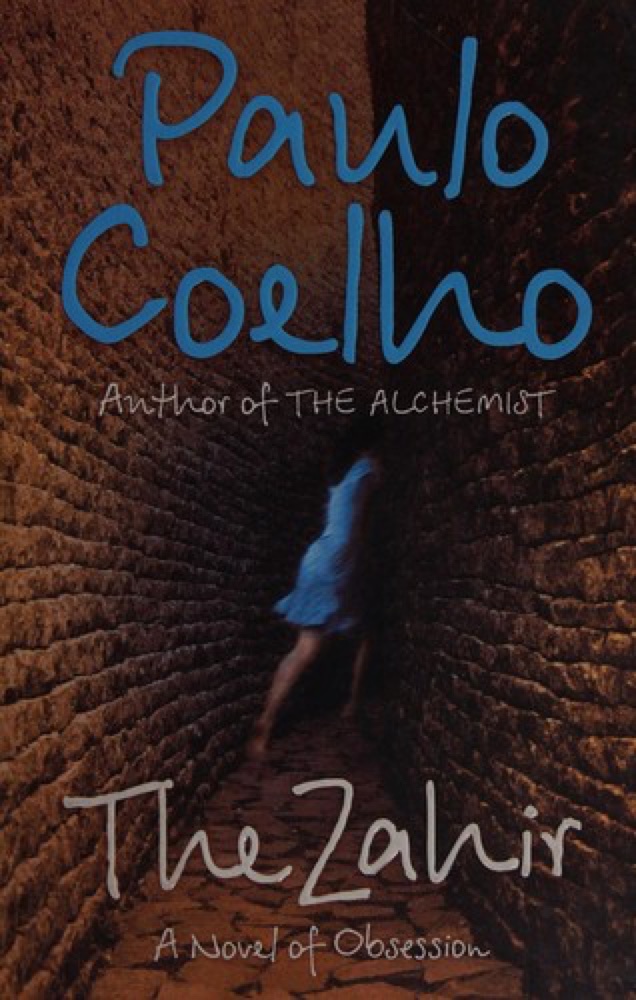 The Zahir
 The Dark and Hollow Places
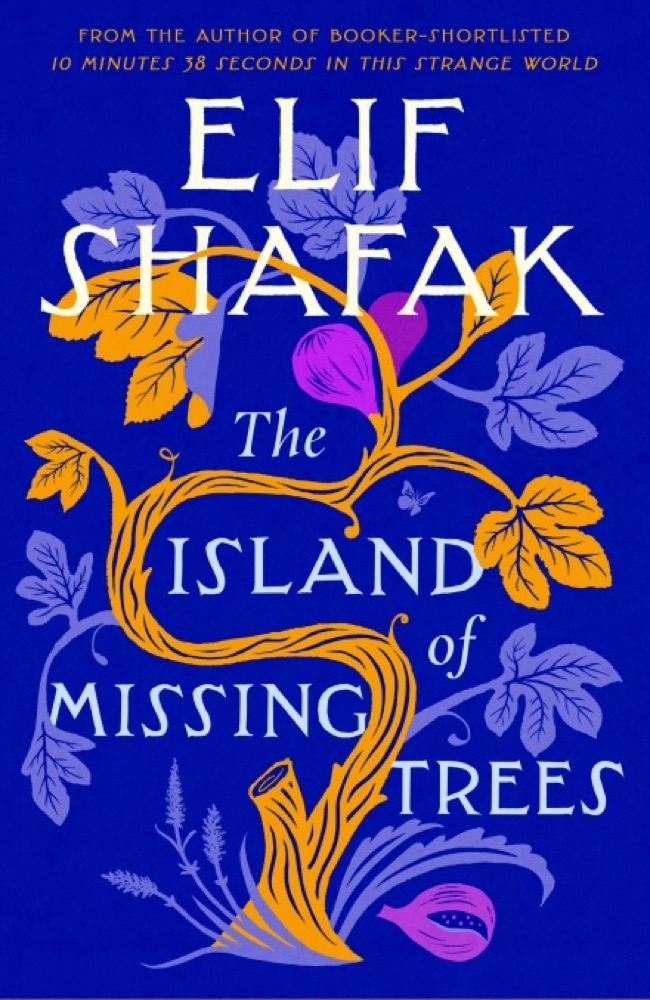 The Island of Missing Trees
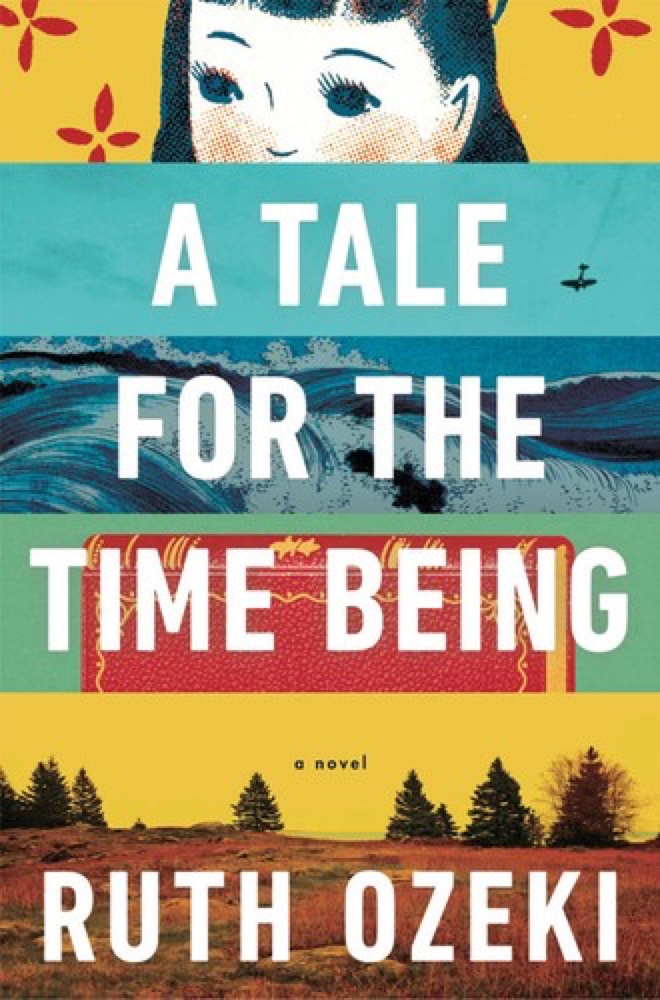 A Tale for the Time Being
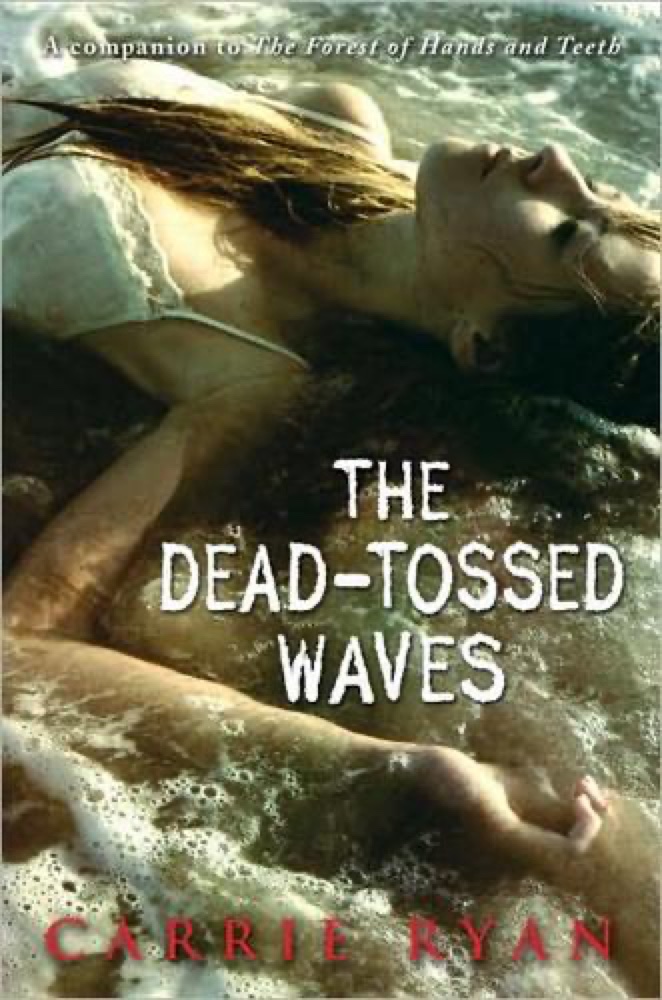 The Dead-Tossed Waves
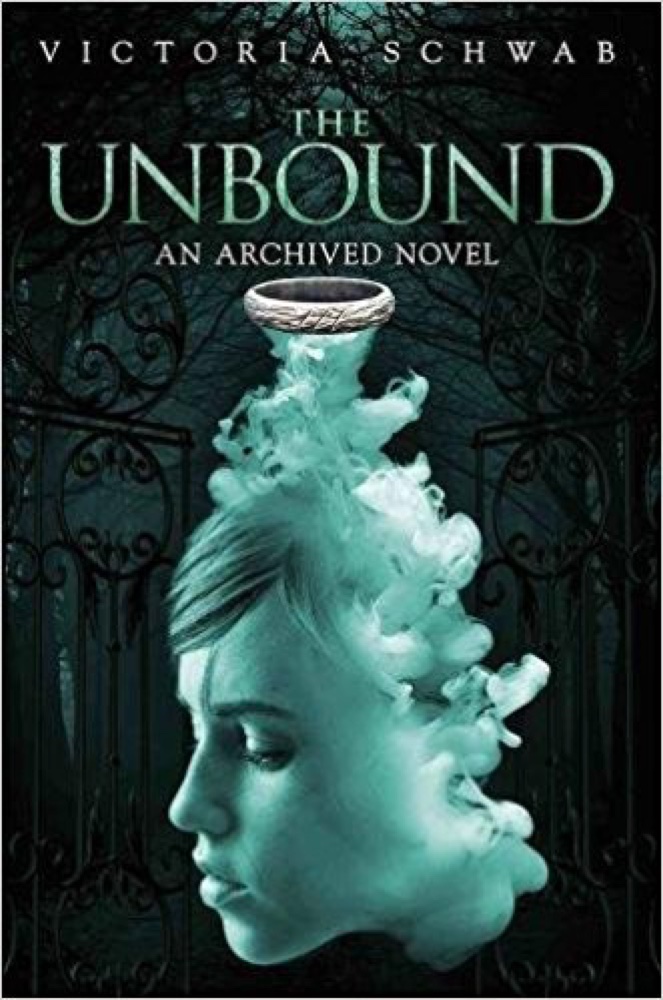 The Unbound
 Drive Your Plow Over the Bones of the Dead
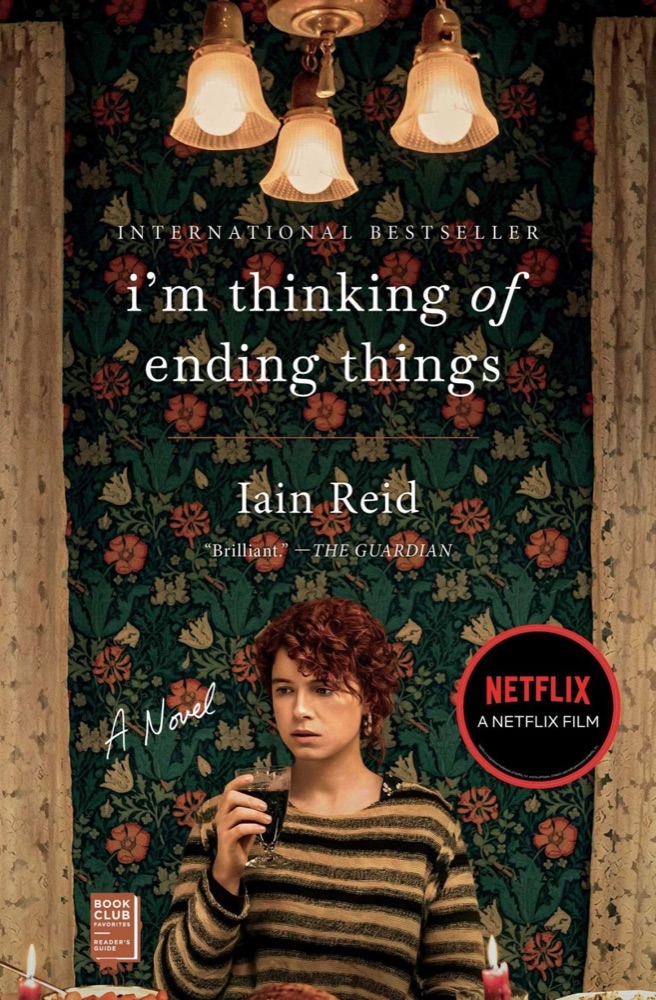 I'm Thinking of Ending Things
 Flights
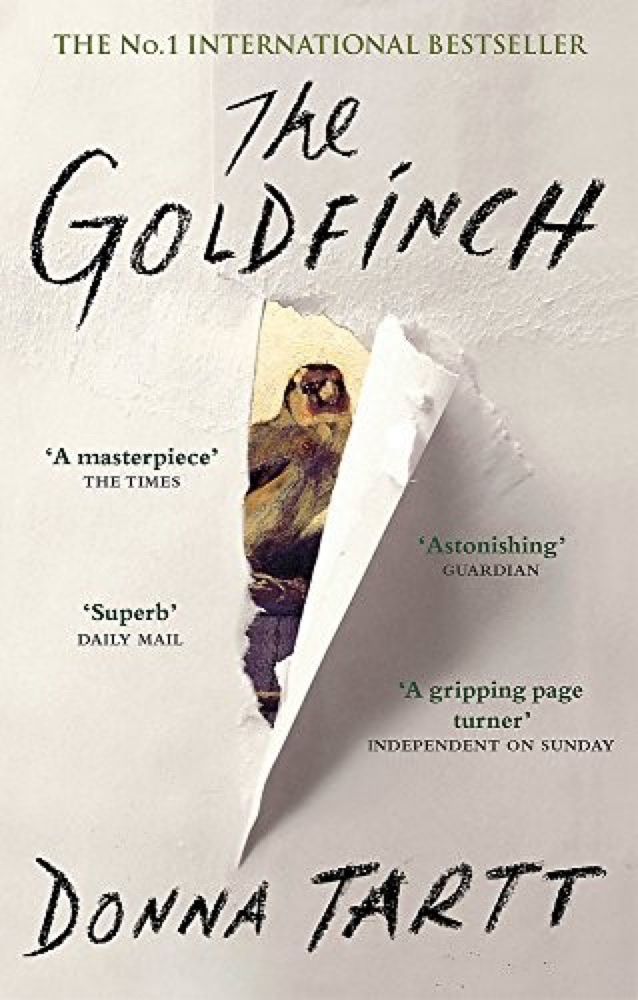 The Goldfinch
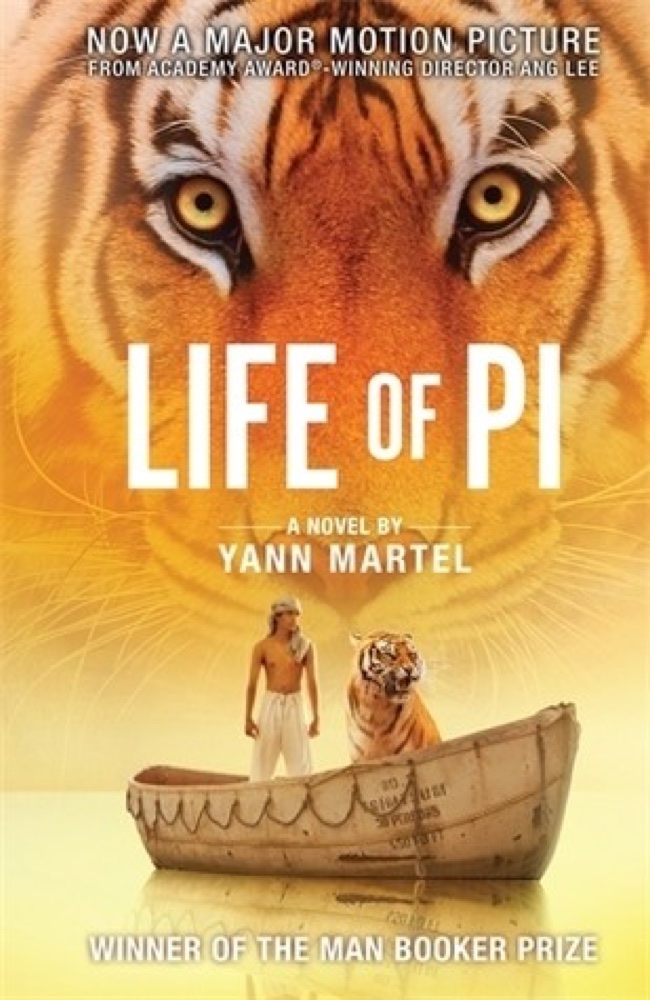 Life of Pi
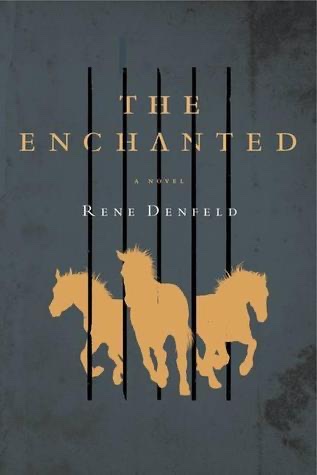 The Enchanted
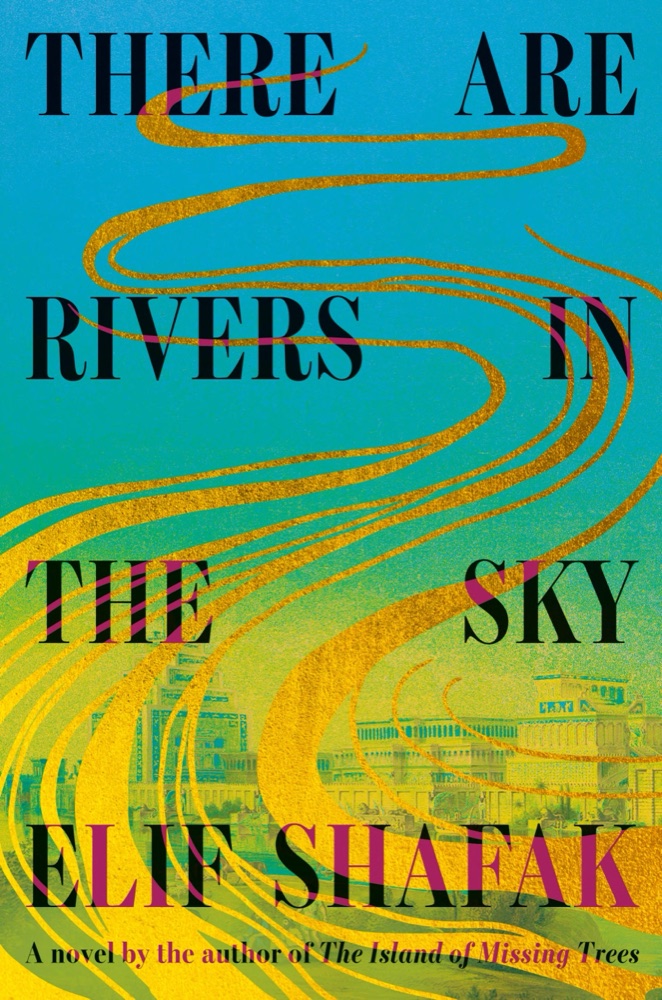 There Are Rivers in the Sky
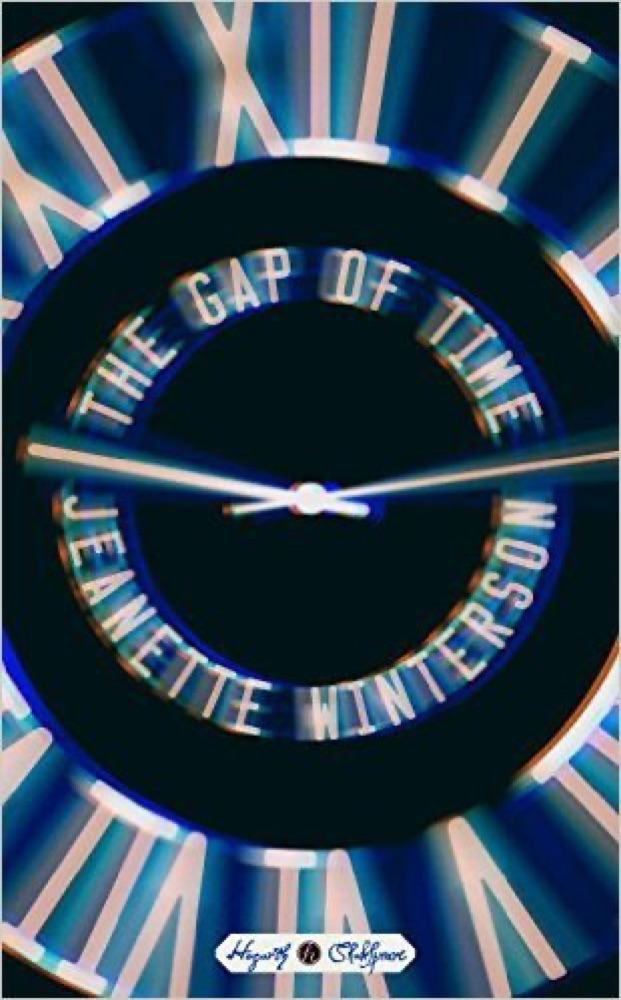 The Gap of Time
 This Is Where the World Ends
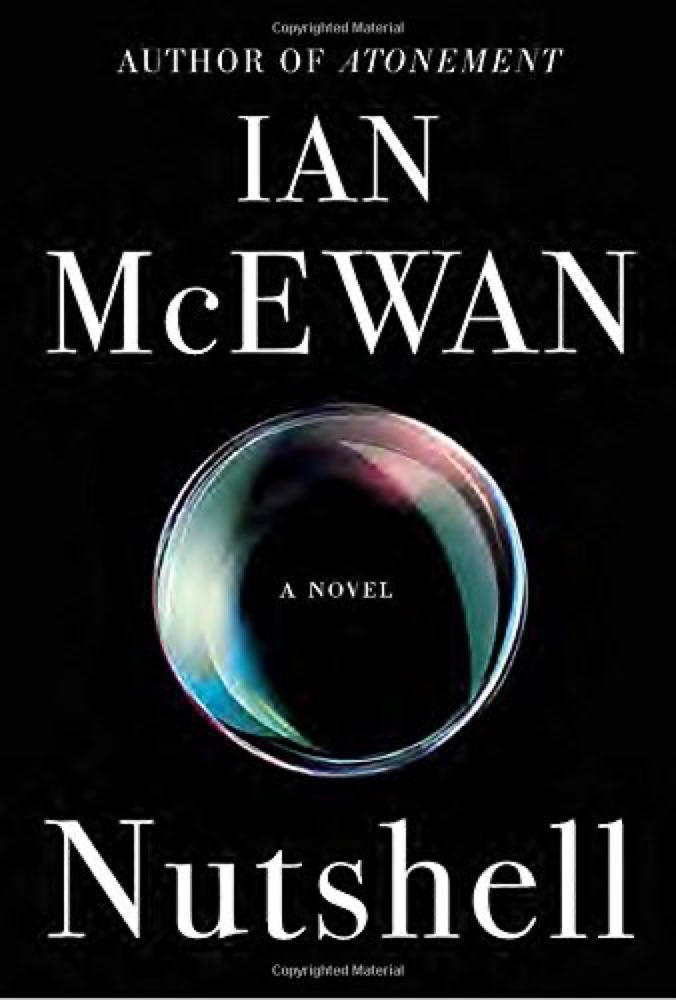 Nutshell
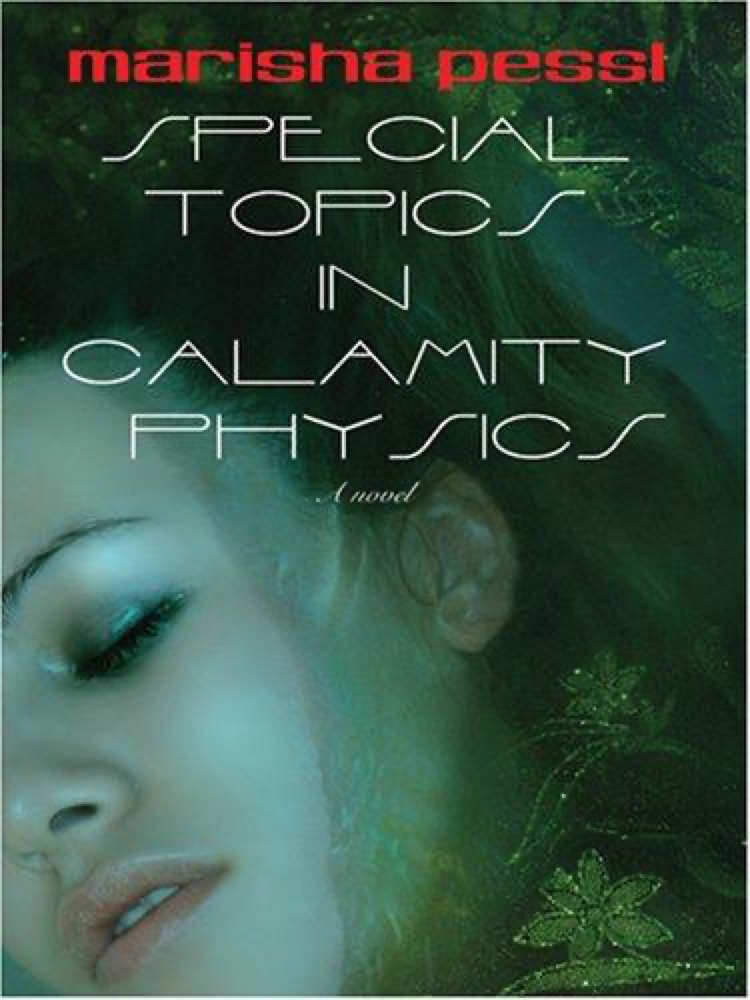 Special Topics in Calamity Physics
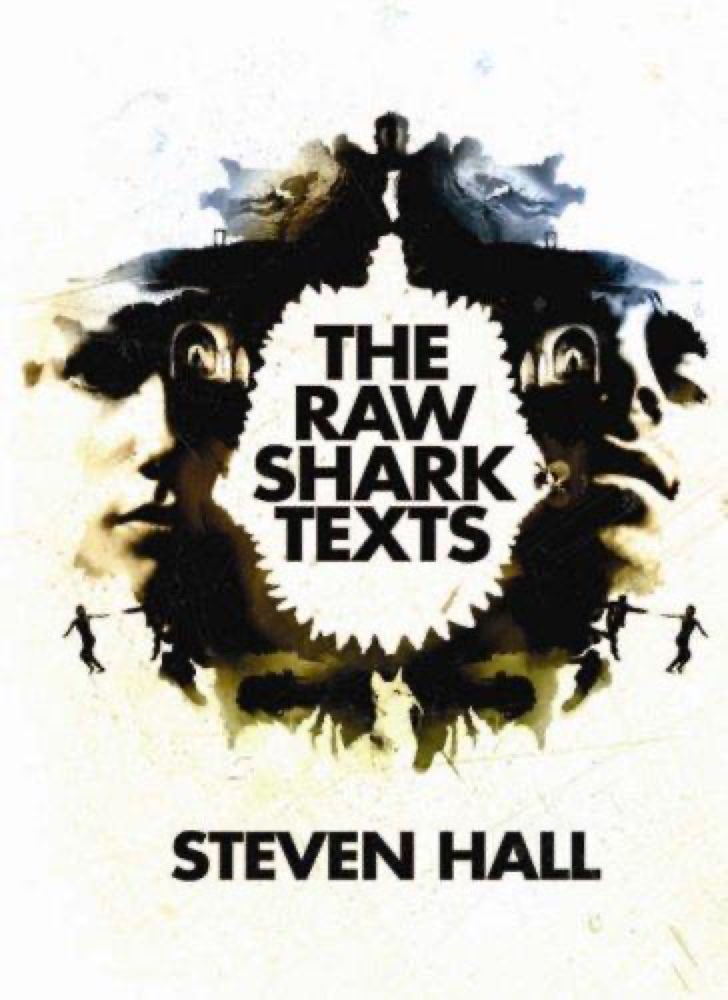 The Raw Shark Texts
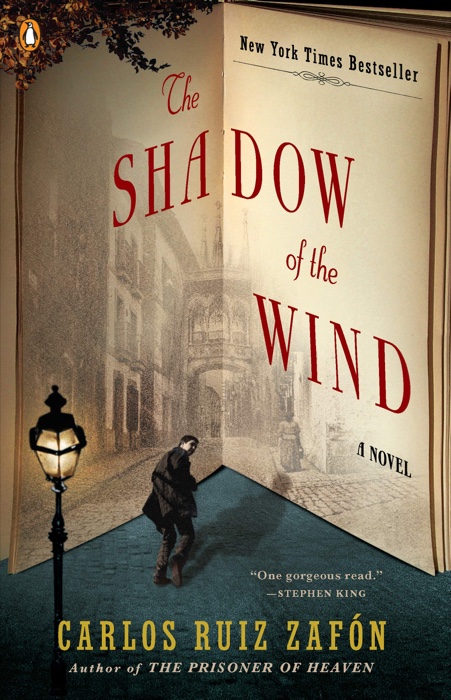 The Shadow of the Wind
 Night Train to Lisbon
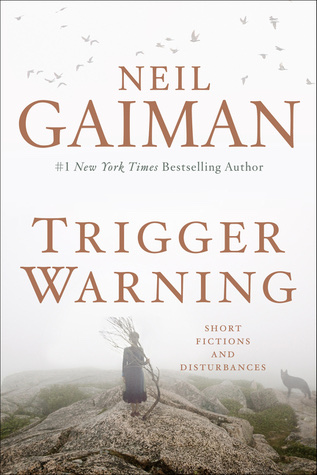 Trigger Warning: Short Fictions and Disturbances
 The Book of Tomorrow
 Plainwater: Essays and Poetry
 Children of the Mind
 A Boy and His Dog at the End of the World
 Here I Am
 Smilla's Sense of Snow
 The Book of Form and Emptiness
 Any Human Heart
 Little Bee
 Everything Sad Is Untrue
 Pandemonium
 Beautiful Ugly
 The Emperor of Gladness
 Buffering: Unshared Tales of a Life Fully Loaded
 Embers
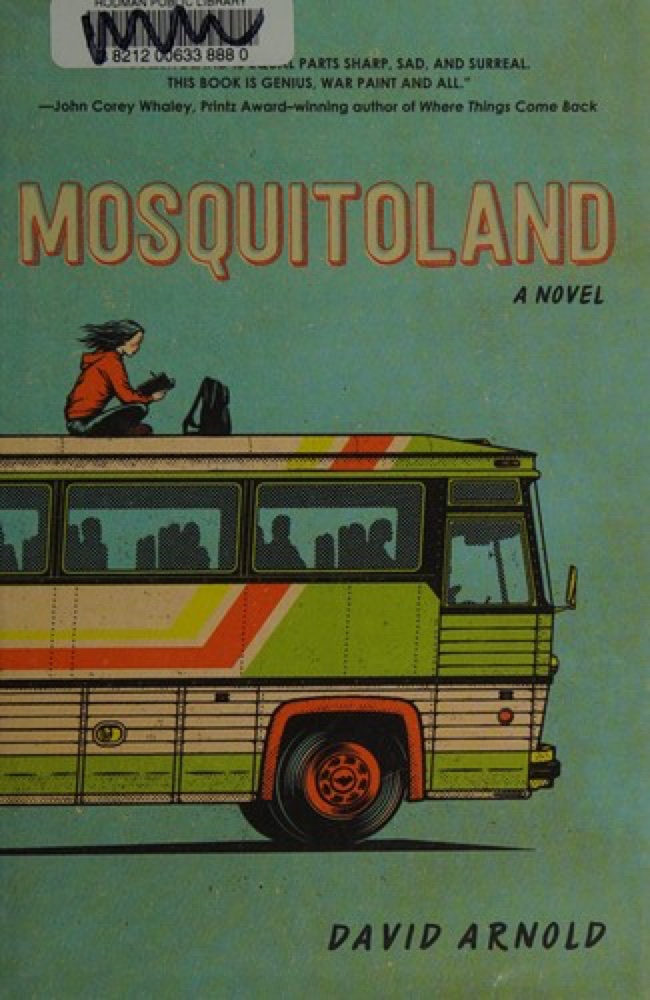 Mosquitoland
 Levels of Life
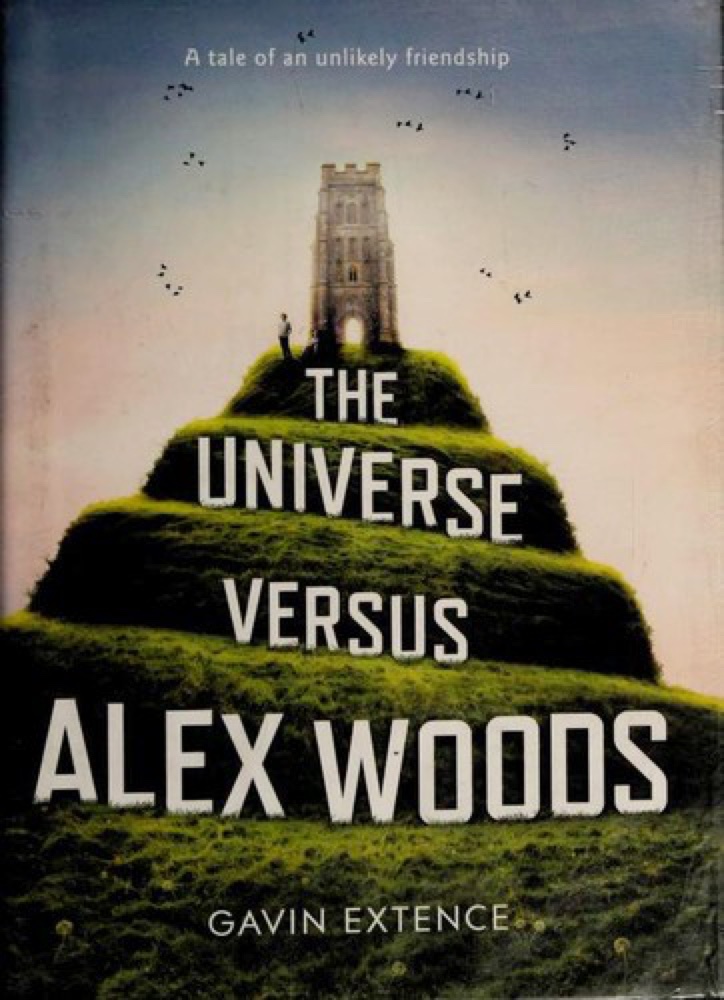 The Universe Versus Alex Woods
 View with a Grain of Sand: Selected Poems
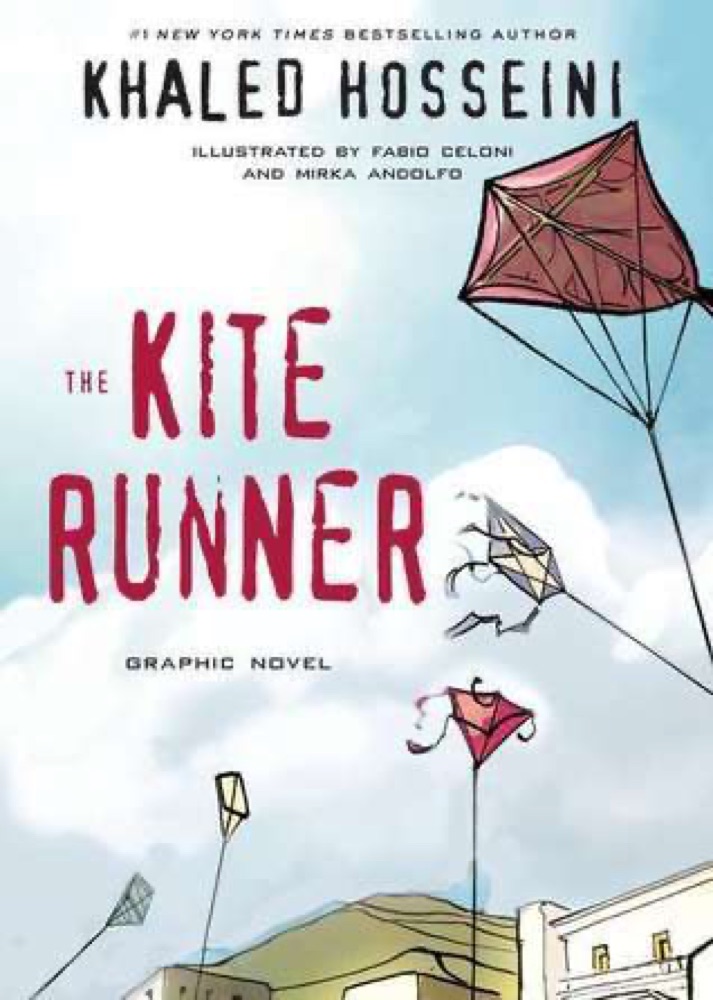 The Kite Runner
 Kala
Kala