
 Blonde
Quotes from the Book
There is an hour, a minute - you will remember it forever - when you know instinctively on the basis of the most inconsequential evidence, that something is wrong. You don't know - can't know - that it is the first of a series of "wrongful" events that will culminate in the utter devastation of your life as you have known it.
125
Our great American philosopher William James has said - "We have as many personalities as there are people who know us." To which I would add "We have no personalities unless there are people who know us. Unless there are people we hope to convince that we deserve to exist.
13
I am made to think, not for the first time, that in my writing I have plunged ahead-head-on, heedlessly one might say-or 'fearlessly'- into my own future: this time of utter raw anguished loss. Though I may have had, since adolescence, a kind of intellectual/literary precocity, I had not experienced much;nor would I experience much until I was well into middle age-the illnesses and deaths of my parents, this unexpected death of my husband. We play at paste till qualified for pearl says Emily Dickinson. Playing at paste is much of our early lives. And then, with the violence of a door slammed shut by wind rushing through a house, life catches up with us.
7
The gardener is the quintessential optimist: not only does he believe that the future will bear out the fruits of his efforts, he believes in the future.
5
It's a taboo subject. How the dead are betrayed by the living. We who are living--we who have survived--understand that our guilt is what links us to the dead. At all times we can hear them calling to us, a growing incredulity in their voices, You will not forget me -- will you? How can you forget me? I have no one but you.
5
The challenge is, to live in a house from which meaning has departed, like air leaking from a balloon. A slow leak, yet lethal. And one day, the balloon is flat: it is not a balloon any longer. By
4
For writing is a solitary occupation, and one of its hazards is loneliness. But an advantage of loneliness is privacy, autonomy, freedom.
4
In this way unwittingly the Widow-to-Be is assuring her husband’s death—his doom. Even as she believes she is behaving intelligently—“shrewdly” and “reasonably”—she is taking him to a teeming petri dish of lethal bacteria where within a week he will succumb to a virulent staph infection—a “hospital” infection acquired in the course of his treatment for pneumonia. Even as she is fantasizing that he will be home for dinner she is assuring that he will never return home. How unwitting, all Widows-to-Be who imagine that they are doing the right thing, in innocence and ignorance!
4
How strange it is, to be walking away. Is it possible that I am really going to leave Ray—here? Is it possible that he won’t be coming home with me in another day or two, as we’d planned? Such a thought is too profound for me to grasp. It’s like fitting a large unwieldy object in a small space. My brain hurts, trying to contain it.
3
That I was sleeping at a time when my husband was dying is so horrible a thought, I can’t confront it.
3
It is utterly naive, futile, uninformed—to think that our species is exceptional. So designated to master the beasts of the Earth, as in the Book of Genesis!
3
The minutiae of our lives! Telephone calls, errands, appointments. None of these is of the slightest significance to others and but fleetingly to us yet they constitute such a portion of our lives, it might be argued that our lives are a concatenation of minutiae interrupted at unpredictable times by significant events.
3
But you are a solace just by existing, vividly in my thoughts if not here before me.
3
I am thinking of having a T-shirt printed: Yes my husband died. Yes I am very sad. Yes you are kind to offer condolences. Now can we change the subject?
3
Suicide is in fact a consoling thought. Suicide is the secret door by which you can exit the world at any time—it’s wholly up to you. For who can prevent you, if suicide is truly your wish? Who has the moral authority,
2
Nor do I like being told upsetting news—unless there is a good reason. I can’t help but feel that there is an element of cruelty, if not sadism, in friends telling one another upsetting things for no reason except to observe their reactions.
2
In our marriage it was our practice not to share anything that was upsetting, depressing, demoralizing, tedious—unless it was unavoidable. Because so much in a writer’s life can be distressing—negative reviews, rejections by magazines, difficulties with editors, publishers, book designers—disappointment with one’s own work, on a daily/hourly basis!—it seemed to me a very good idea to shield Ray from this side of my life as much as I could. For what is the purpose of sharing your misery with another person, except to make that person miserable, too?
2
Still, I am angry with him. I am very angry with him. With my poor dead defenseless husband, I am furious as I was rarely—perhaps never—furious with him, in life. How can I forgive you, you’ve ruined both our lives.
2
She will speculate that she didn’t fully know her husband—this will give her leverage to seek him, to come to know him. It will keep her husband “alive” in her memory—elusive, teasing.
2
Hospital vigils inspire us to such nostalgia. Hospital vigils take place in slow-time during which the mind floats free, a frail balloon drifting into the sky as into infinity.
2
Nowhere in a hospital can you walk without blundering into the memory pools of strangers—their dread of what was imminent in their lives, their false hopes, the wild elation of their hopes, their sudden terrible and irrefutable knowledge; you would not wish to hear echoes of their whispered exchanges—But he was looking so well yesterday, what has happened to him overnight—
2
It may be that actual tears have stained the tile floors or soaked into the carpets of such places. It may be that these tears can never be removed. And everywhere the odor of melancholy, that is the very odor of memory.
2
Loving our parents, we bring them into us. They inhabit us. For a long time I believed that I could not bear to live without Mom and Dad—I could not bear to “outlive” them—for to be a daughter without parents did not seem possible to me.
2
Like editing, gardening requires infinite patience; it requires an essential selflessness, and optimism.
2
This determination to manage—to cope—to do as much unassisted as possible—is the Widow’s prerogative. You might argue that it’s a sign of her wish to appear to be—which is not the same as being—self-sufficient; or you might argue that it is a symptom of her derangement. But then, in the early minutes/hours/days of Widowhood—what is not, if examined closely, a symptom of derangement?
2
For the widow inhabits a tale not of her own telling.
2
it might be argued that our lives are a concatenation of minutiae interrupted at unpredictable times by significant events.
2
How exhausted I am suddenly!—though this has been Ray’s best day in the hospital so far, and we are feeling—almost—exhilarated.
1
The coolly calibrated manipulation of the credulous American public, by an administration bent upon stoking paranoid patriotism!
1
There are those—a blessed lot—who can experience life without the slightest glimmer of a need to add anything to it—any sort of “creative” effort; and there are those—an accursed lot?—for whom the activities of their own brains and imaginations are paramount. The world for these individuals may be infinitely rich, rewarding and seductive—but it is not paramount. The world may be interpreted as a gift, earned only if one has created something over and above the world.
Watch on YouTube
About Joyce Carol Oates
We have collected 184 quotes from 9 books by Joyce Carol Oates on BookQuoters.
More about the author →More by Joyce Carol Oates
All books by Joyce Carol Oates →

About the book
Unlike anything Joyce Carol Oates has written before, A Widow’s Story is the universally acclaimed author's poignant, intimate memoir about the unexpected death of Raymond Smith, her husband of forty-six years, and its wrenching, surprising aftermath. A recent recipient of National Book Critics Circle Ivan Sandrof Lifetime Achievement Award, Oates, whose novels (Blonde, The Gravedigger’s Daughter, Little Bird of Heaven, etc.) rank among the very finest in contemporary American fiction, offers an achingly personal story of love and loss. A Widow’s Story is a literary memoir on a par with The Year of Magical Thinking by Joan Didion and Calvin Trillin’s About Alice.
Book details
- First published
- 2011
- Author
- Joyce Carol Oates
- Genre
- Biography
- Goodreads rating
- 3.76 (4k ratings)
Keep reading
 Grief Is for People
 Imagine Me Gone
 Old Babes in the Wood: Stories
 Journal of a Solitude
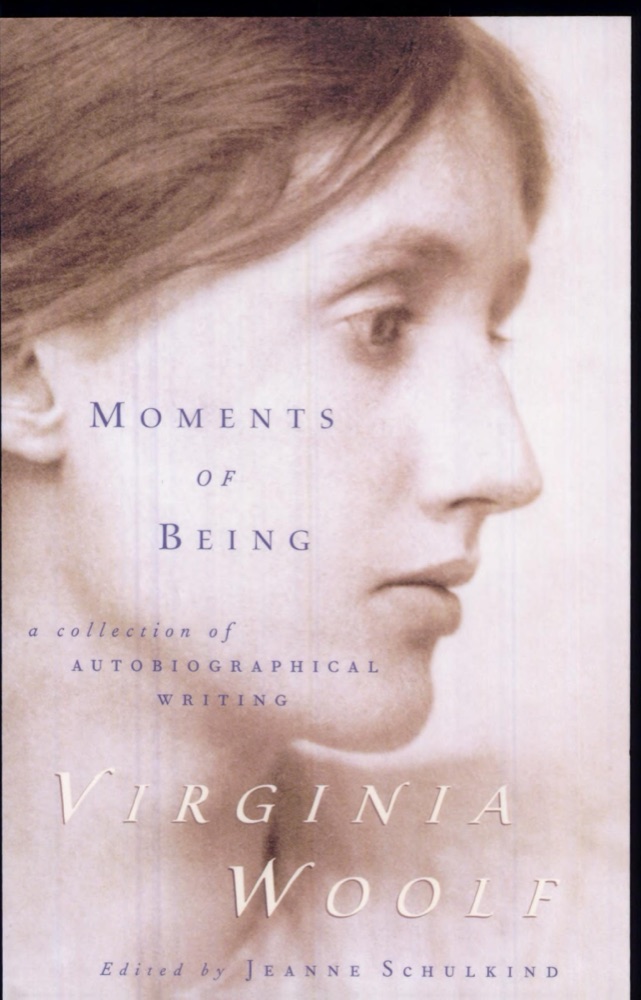 Moments of Being: A Collection of Autobiographical Writing
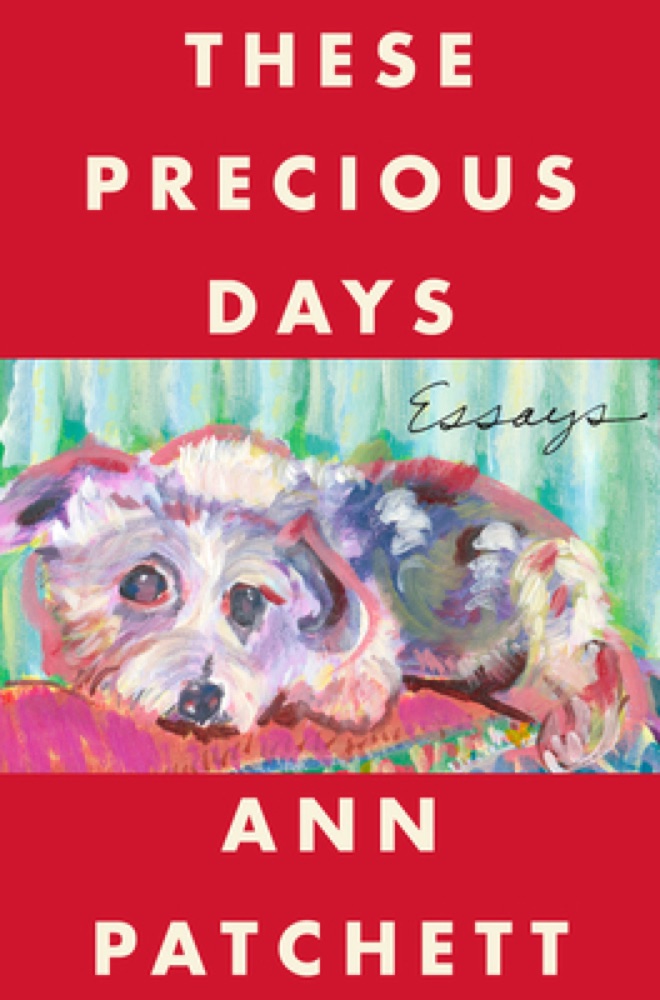 These Precious Days: Essays
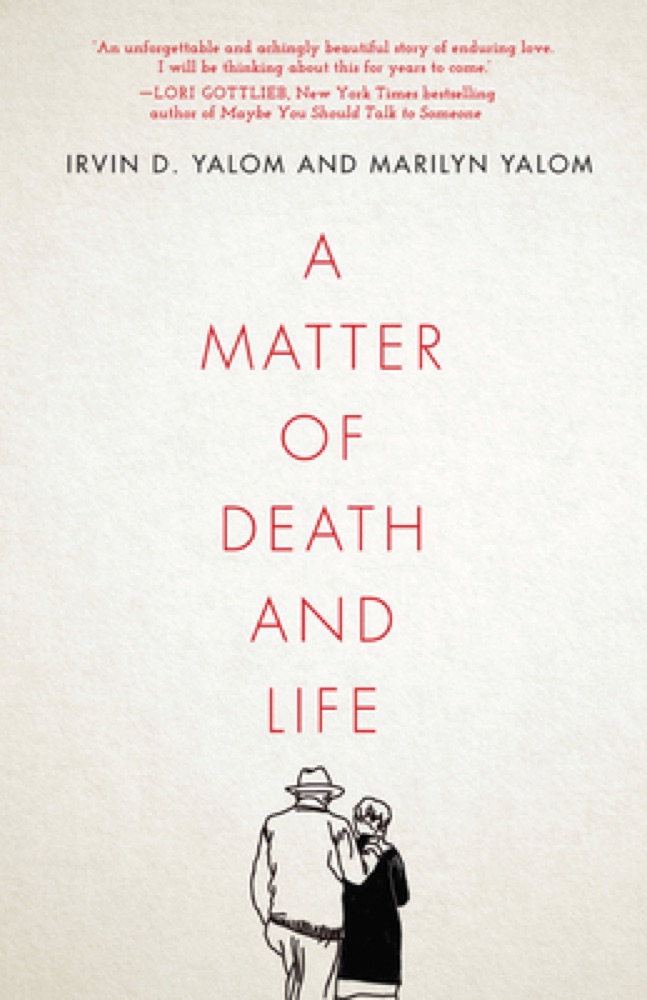 A Matter of Death and Life
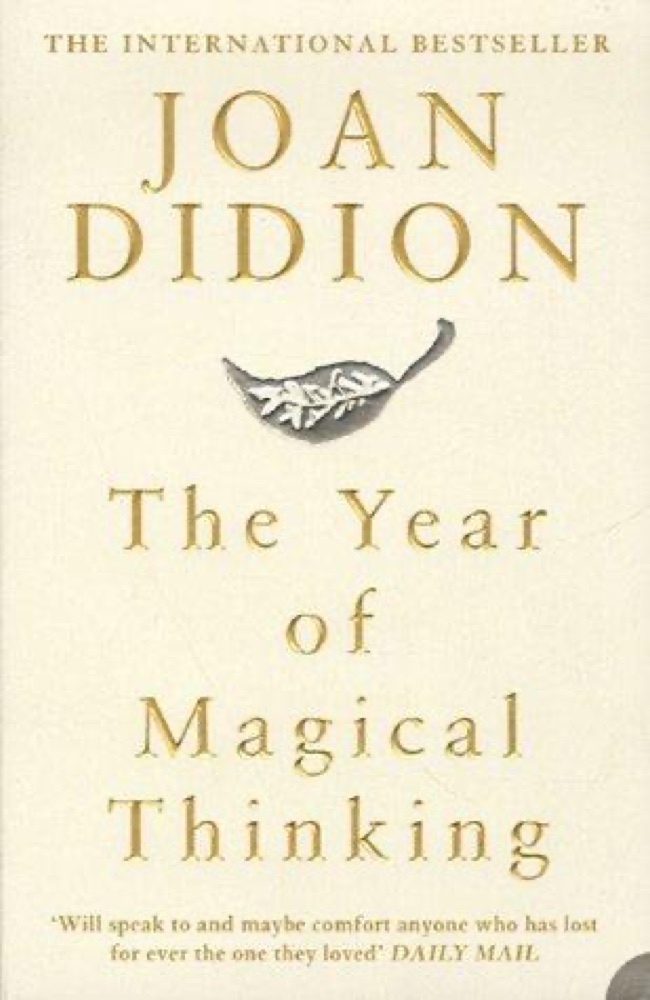 The Year of Magical Thinking
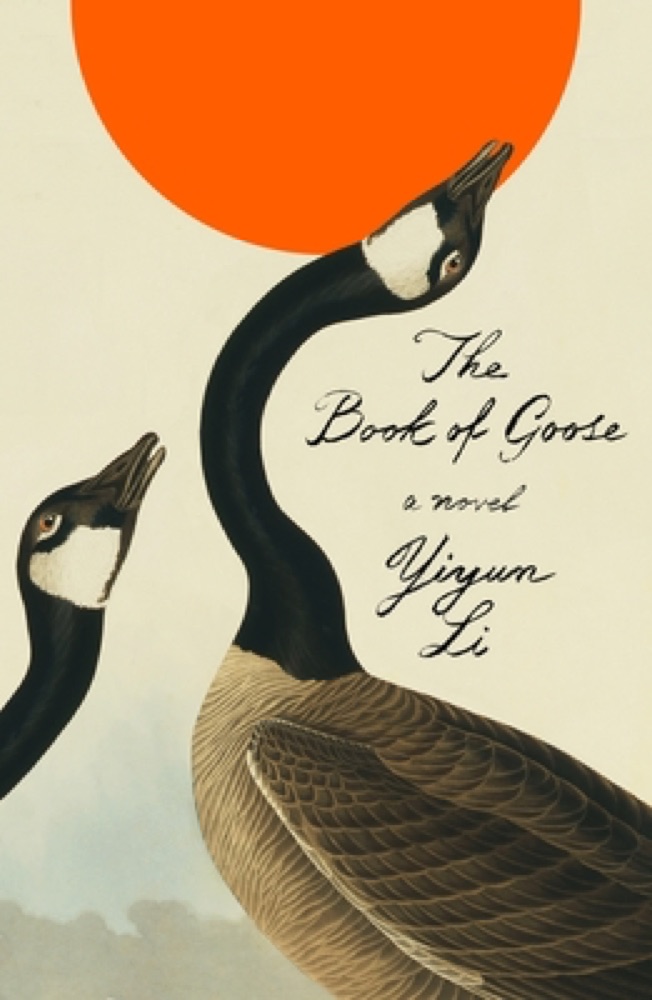 The Book of Goose
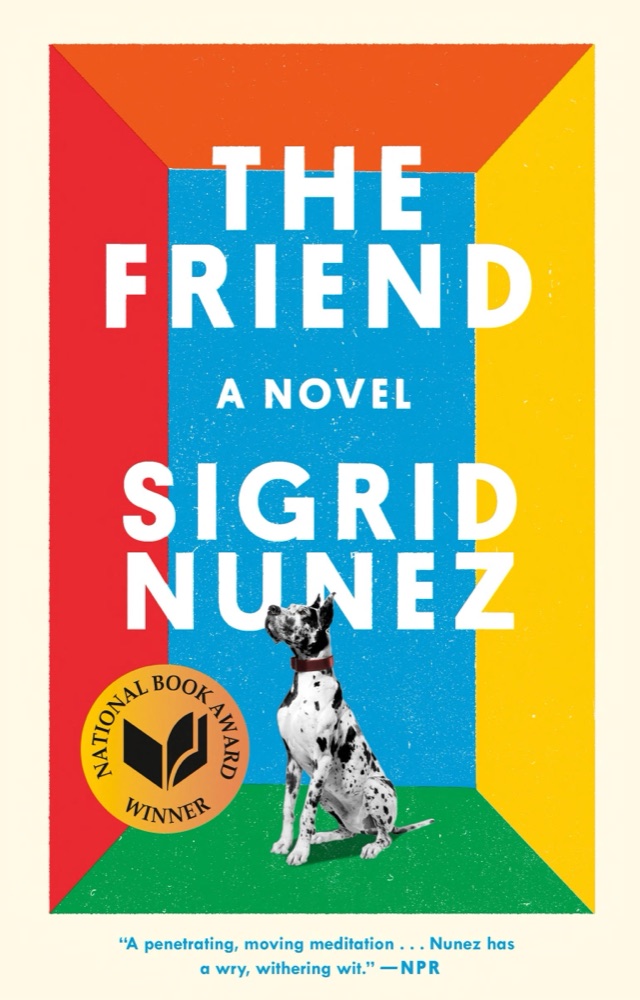 The Friend
 Things in Nature Merely Grow
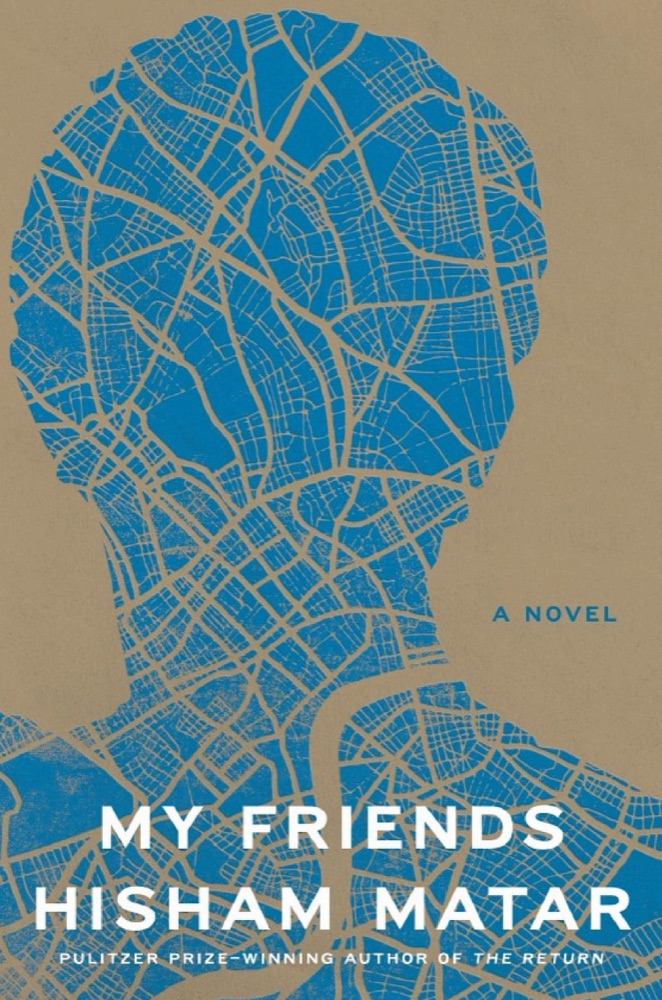 My Friends
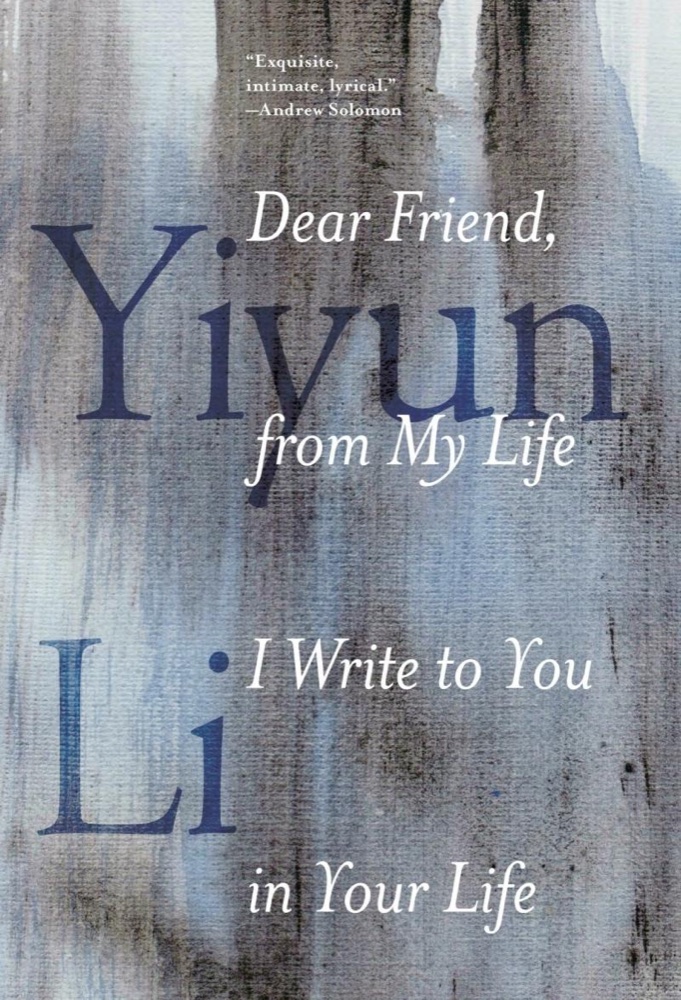 Dear Friend, from My Life I Write to You in Your Life
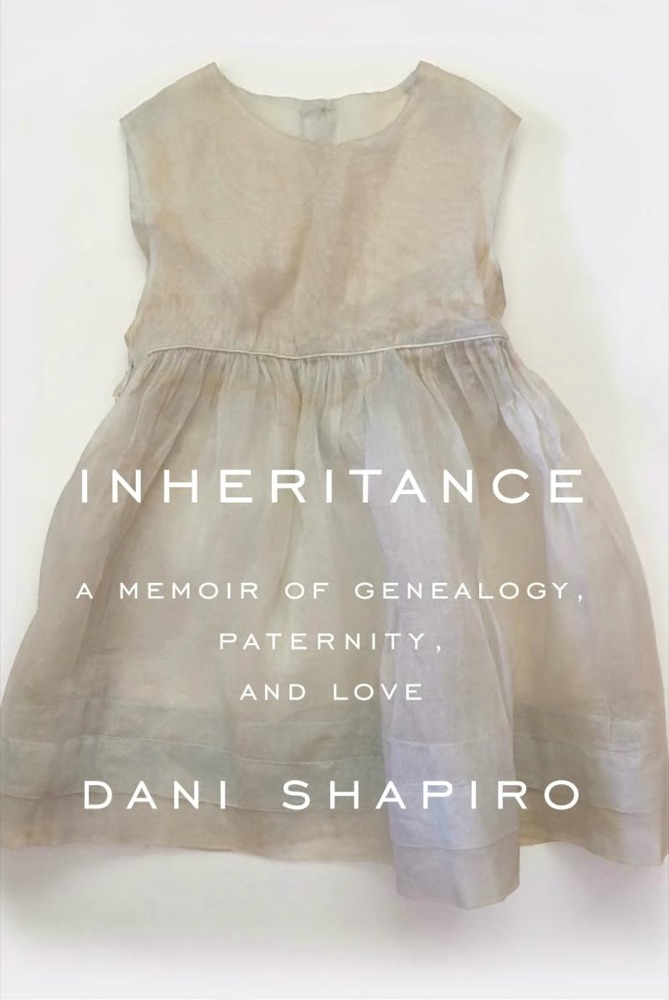 Inheritance: A Memoir of Genealogy, Paternity, and Love
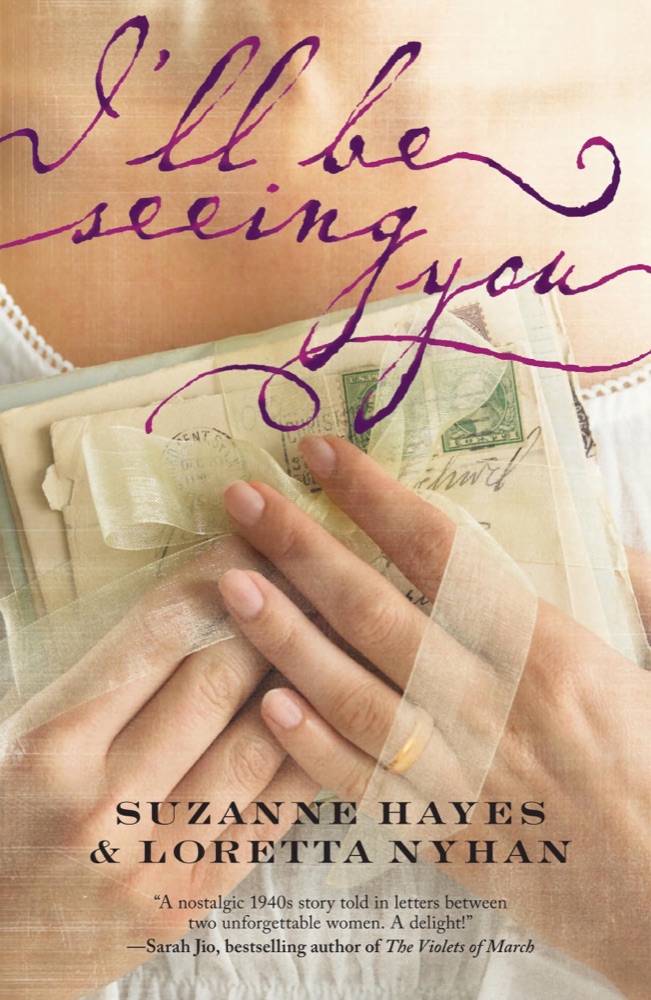 I'll Be Seeing You
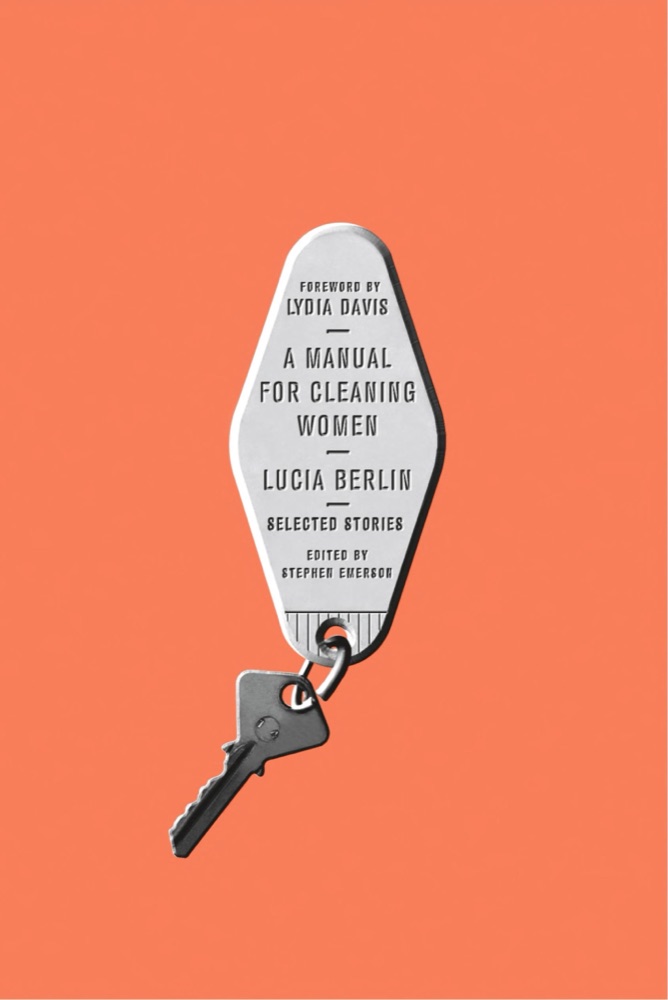 A Manual for Cleaning Women: Selected Stories
 Seven Types of Ambiguity
 Liberation Day
 The Book of Dreams
 Identity
 The Cost of Living: A Working Autobiography
 A Small Indiscretion
 Biography of X
 Blueberries: Essays Concerning Understanding
 Dream Count
 The Story of the Lost Child
 Range of Motion
 A Grief Observed
![Departure[s]](/i/book/g/43/departure-s.jpg) Departure[s]
Departure[s]
 Any Ordinary Day
 Creatures of a Day: And Other Tales of Psychotherapy
 The Summer Without Men
 Anthropology of an American Girl
 Dept. of Speculation
 The Shock of the Fall
 The Last Devil to Die
 Notes on Grief
 Parade
 Levels of Life
 Memento Mori
 First Person Singular: Stories
 Let's Take the Long Way Home: A Memoir of Friendship
 Varina
 Too Much Happiness: Stories
 The Trauma Cleaner: One Woman's Extraordinary Life in the Business of Death, Decay, and Disaster
 The Secret History
 10 Minutes 38 Seconds in This Strange World
 Burnt Sugar
 The Stone Diaries
 Just Above My Head
 The Lay of the Land
 What Is the What
 Nutshell
 The Wolf Gift
 The Night in Question
 Devotion
 Suspect
 A Widow for One Year
 Hourglass: Time, Memory, Marriage