

 A Place of Greater Safety
Quotes from the Book
This is what life does for you in the end; it arranges a fight you can't win.
39
That's the point of a promise, he thinks. It wouldn't have any value, if you could see what it would cost you when you made it.
37
But if you cannot speak truth at a beheading, when can you speak it?
27
But the law is not an instrument to find out truth. It is there to create a fiction that will help us move past atrocious act and face our future. It seems there is no mercy in this world, but a kind of haphazard justice: men pay for crimes, but not necessarily their own.
26
We are all dying, just at different speeds.
25
If you marvel at your good fortune, you should marvel in secret: never let people see you.
24
It was not by a serpent, but by paper and ink that evil came into the world.
24
What is a woman’s life? Do not think, because she is not a man, she does not fight. The bedchamber is her tilting ground, where she shows her colours, and her theatre of war is the sealed room where she gives birth. She knows she may not come alive out of that bloody chamber. Before her lying-in, if she is prudent, she settles her affairs. If she dies, she will be lamented and forgotten. If the child dies, she will be blamed. If she lives, she must hide her wounds. Her injuries are secret, and her sisters talk about them behind the hand. It is Eve’s sin, the long continuing punishment it incurred, that tears at her from the inside and shreds her. Whereas we bless an old soldier and give him alms, pitying his blind or limbless state, we do not make heroes of women mangled in the struggle to give birth. If she seems so injured that she can have no more children, we commiserate with her husband.
20
What can you do but, as Cicero says, live hopefully, die bravely?
18
Those who think a heart cannot break have led blessed and sheltered lives.
18
It is not written that great men shall be happy men. It is nowhere recorded that the rewards of public office include a quiet mind. He sits in Whitehall, the year folding around him, aware of the shadow of his hand as it moves across the paper, his own inconcealable fist; and in the quiet of the house, he can hear the soft whispering of his quill, as if his writing is talking back to him. Can you make a new England? You can write a new story. You can write new texts and destroy the old ones, set the torn leaves of Duns Scotus sailing about the quadrangles, and place the gospels in every church. You can write on England, but what was written before keeps showing through, inscribed on the rocks and carried on floodwater, surfacing from deep cold wells. It’s not just the saints and martyrs who claim the country, it’s those who came before them: the dwarves dug into ditches, the sprites who sing in the breeze, the demons bricked into culverts and buried under bridges; the bones under your floor. You cannot tax them or count them. They have lasted ten thousand years and ten thousand before that. They are not easily dispossessed by farmers with fresh leases and law clerks who adduce proof of title. They bubble out of the ground, wear away the shoreline, sow weeds among the crops and erode the workings of mines.
16
is a prince even human? If you add him up, does the total make a man? He is made of shards and broken fragments of the past, of prophecies and of the dreams of his ancestral line. The tides of history break inside him, their current threatens to carry him away. His blood is not his own, but ancient blood.
16
Everybody wants something, if only for the pain to stop.
16
Now, sensing that he has less than a week to live, he must pick up his images from where he has left them, walking his own inner terrain. . . He must traverse his whole life, waking and sleeping: you cannot leave your memories alone in this world, for other men to own.
13
The king believes that even if he were not king, he would still be a great man. This is because God likes him. He needs to be liked and he needs to be right. But above all he needs to be listened to, with very close attention. Never enter a contest of wills with the king. Do not flatter him. Instead, give him something he can take credit for. Ask him questions to which you know the answers. Do not ask him the other sort of question.
13
The king never does an upleasent thing. Lord Cromwell does it for him.
11
No. I am not sad. I am not allowed to be. I am too useful to be sad.
11
He admires these speculative worlds, that grow up in the crevices between truths.
10
Seven Wise Men, he tells Gregory: here are their sayings. Moderation in all things, nothing to excess (those two are the same, wisdom can be repetitious). Know yourself. Know your opportunity. Look ahead. Don’t try for the impossible. And Bias of Priene: pleistoi anthropoi kakoi, most men are bad.
10
It's always the wrong bits of the past people want back.
10
Whereas we bless an old soldier and give him alms, pitying his blind or limbless state, we do not make heroes of women mangled in the struggle to give birth.
10
He thinks, the cardinal would have known how best to manage this. Wolsey always said, work out what people want, and you might be able to offer it; it is not always what you think, and may be cheap to supply.
10
If a man should live as if every day is his last, he should also die as if there is a day to come, and another after that.
9
I urge you both, undertake no course without deep thought: but learn to think very fast.
9
I believe, but I do not believe enough.
9
Once the queen’s head is severed, he walks away. A sharp pang of appetite reminds him that it is time for a second breakfast, or perhaps an early dinner. The morning’s circumstances are new and there are no rules to guide us. The witnesses, who have knelt for the passing of the soul, stand up and put on their hats. Under the hats, their faces are stunned.
9
They say Cain invented cities. And if it was not he, it was someone else fond of murder.
8
I hear you will bring in a law,’ Kingston says. ‘It seems harsh, to make them commit a crime in retrospect.’ They try to explain it to the constable. A prince cannot be impeded by temporal distinctions: past, present, future. Nor can he excuse the past, just for being over and done. He can’t say, ‘all water under the bridges’; the past is always trickling under the soil, a slow leak you can’t trace. Often, meaning is only revealed retrospectively. The will of God, for instance, is brought to light these days by more skilful translators. As for the future, the king’s desires move swiftly and the law must run to keep up. ‘Bear in mind his Majesty’s remarkable foresight, at the trial of the late queen. He knew the sentence before the verdict was in.’ ‘True,’ Kingston says. ‘The executioner was already on the sea.’ Kingston has been a councillor long enough. He should know how the king’s mind works. Once Henry says, ‘This is my wish,’ it becomes so dear and familiar a wish that he thinks he has always had it. He names his need, and he wants it supplied.
7
It is not written that great men shall be happy men.
7
If kings do not see you, they forget you. Even though nothing in the realm is done without you, kings think they do it all themselves.
7
Watch on YouTube
About Hilary Mantel
We have collected 163 quotes from 8 books by Hilary Mantel on BookQuoters.
More about the author →More by Hilary Mantel
All books by Hilary Mantel →
About the book
With The Mirror & the Light, Hilary Mantel brings to a triumphant close the trilogy she began with her peerless, Booker Prize-winning novels, Wolf Hall and Bring Up the Bodies. She traces the final years of Thomas Cromwell, the boy from nowhere who climbs to the heights of power, offering a defining portrait of predator and prey, of a ferocious contest between present and past, between royal will and a common man’s vision: of a modern nation making itself through conflict, passion and courage.The story begins in May 1536: Anne Boleyn is dead, decapitated in the space of a heartbeat by a hired French executioner. As her remains are bundled into oblivion, Cromwell breakfasts with the victors. The blacksmith’s son from Putney emerges from the spring’s bloodbath to continue his climb to power and wealth, while his formidable master, Henry VIII, settles to short-lived happiness with his third
Book details
- First published
- 2020
- Author
- Hilary Mantel
- Genre
- Historical
- Goodreads rating
- 4.41 (48k ratings)
The buzz
- The New York TimesReview in The New York Timesprofessional review (via Book Marks)
- The New YorkerReview in The New Yorkerprofessional review (via Book Marks)
- The Washington PostReview in The Washington Postprofessional review (via Book Marks)
- The Wall Street JournalReview in The Wall Street Journalprofessional review (via Book Marks)
- The GuardianReview in The Guardianprofessional review (via Book Marks)
- The AtlanticReview in The Atlanticprofessional review (via Book Marks)
Keep reading
 The Once and Future King
 Wolf Hall
 Shōgun
 Bring Up the Bodies
 The Grace of Kings
 Royal Assassin
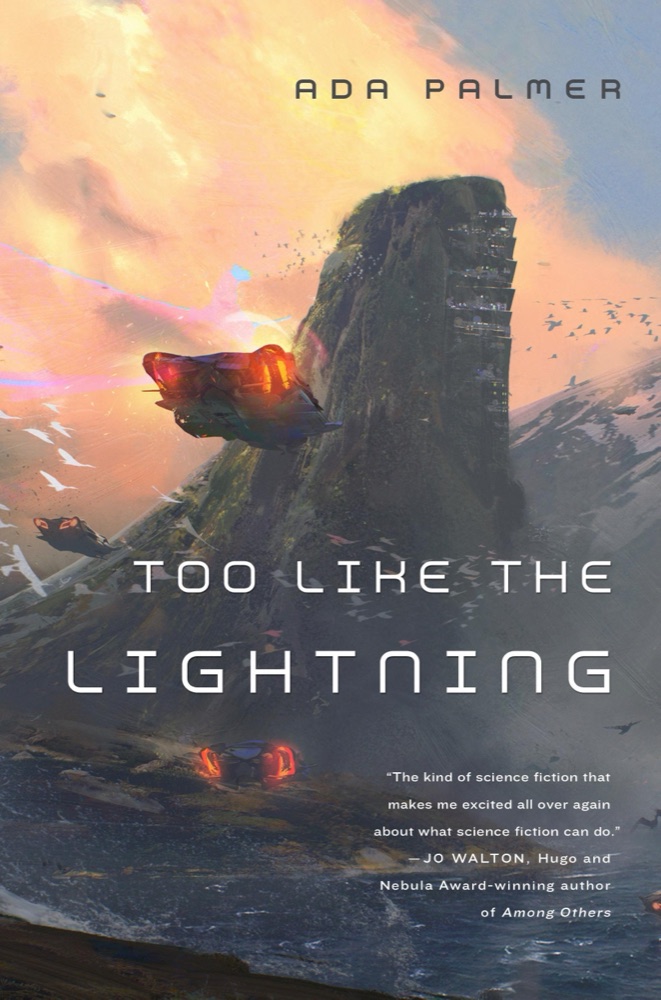 Too Like the Lightning
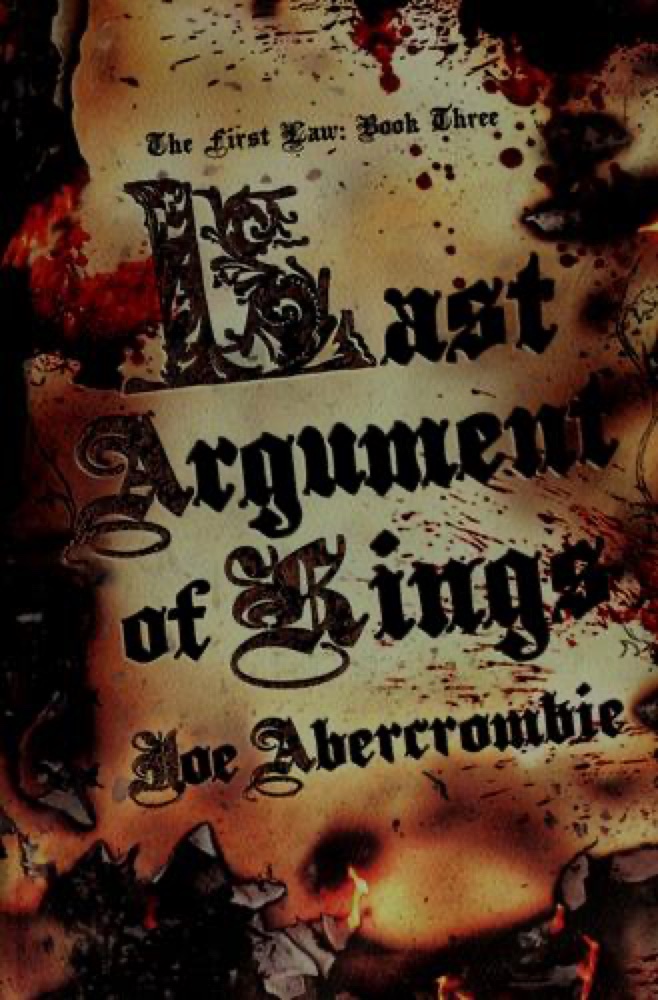 Last Argument of Kings
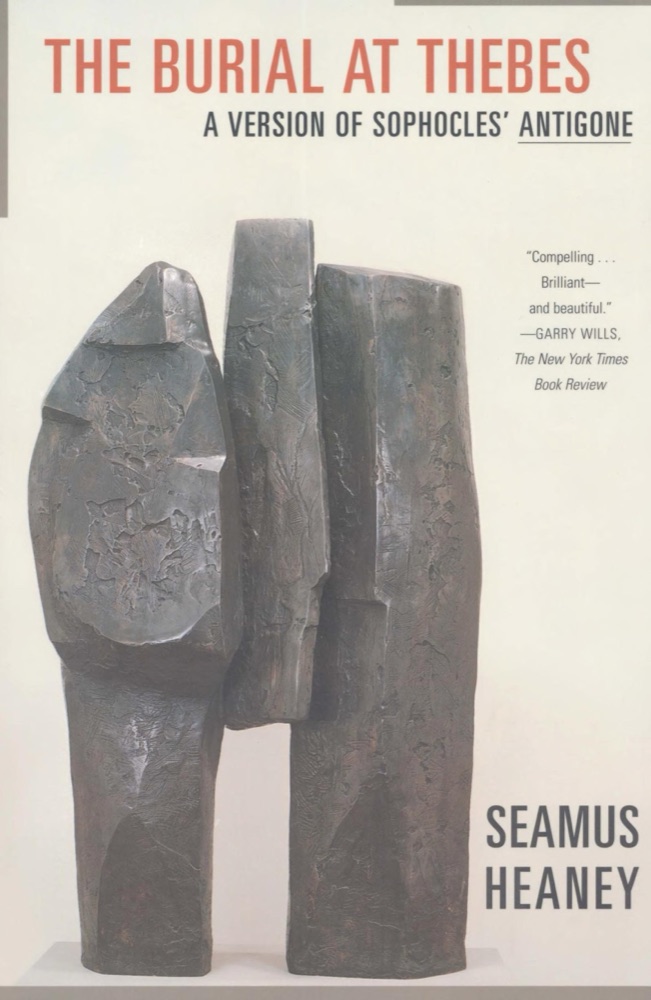 The Burial at Thebes: A Version of Sophocles' Antigone
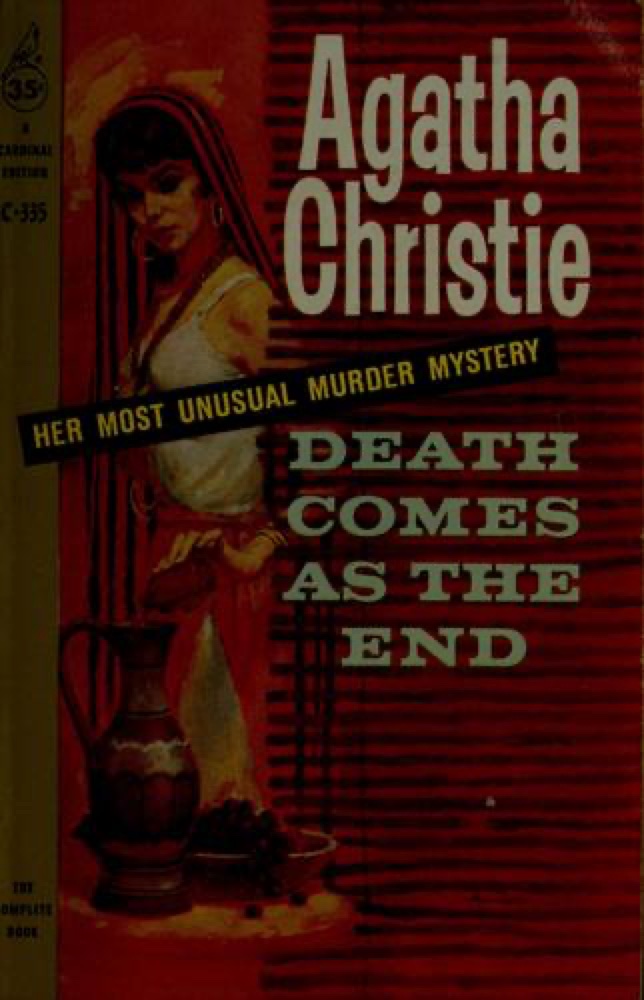 Death Comes as the End
 Dark Age
 Don Quixote
 All the King's Men
 Half a King
 The Way of Kings
 The Fall of Babel
 The Oedipus Cycle: Oedipus Rex/Oedipus at Colonus/Antigone
 The Burning White
 Toll the Hounds
 Prince of Thorns
 The Screwtape Letters
 Cutting for Stone
 Arm of the Sphinx
 Before They Are Hanged
 Anthills of the Savannah
 The Man in the Iron Mask
 Natchez Burning
 Fool's Quest
 The Dagger of Adendigaeth
 The Hod King
 The Broken Eye
 The Eyes of the Dragon
 Uncle Tom's Cabin
 Queen of Fire
 The Fencing Master
 The Count of Monte Cristo
 Man and Superman
 The First Circle
 Black Leopard, Red Wolf
 A Connecticut Yankee in King Arthur's Court
 The Blinding Knife
 Manalive
 The Curse of Chalion
 The High King
 The Emperor's Blades
 Murder in the Cathedral
 Sacred Hunger
 Varina
 Eifelheim
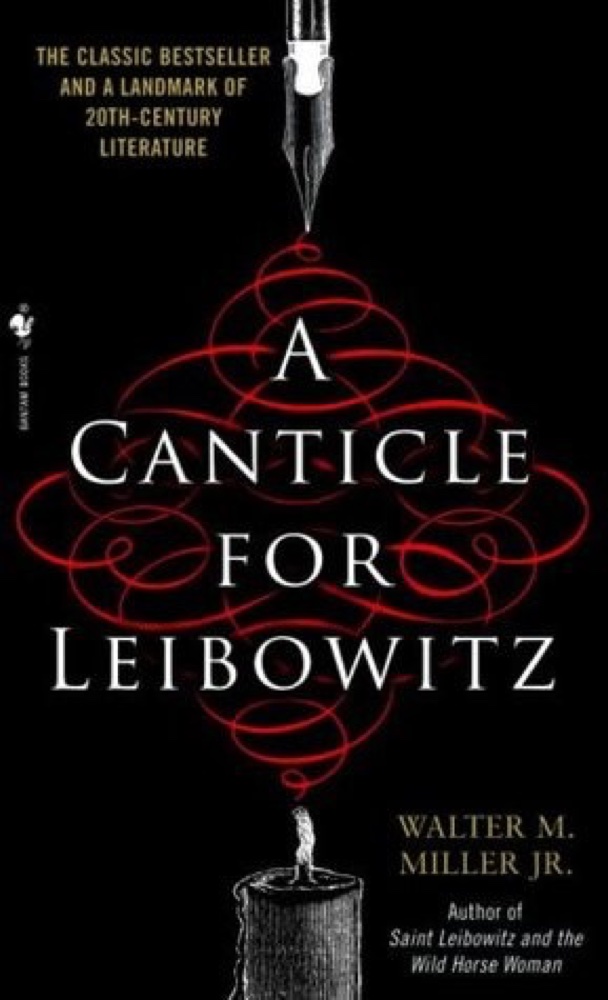 A Canticle for Leibowitz
 The First Confessor
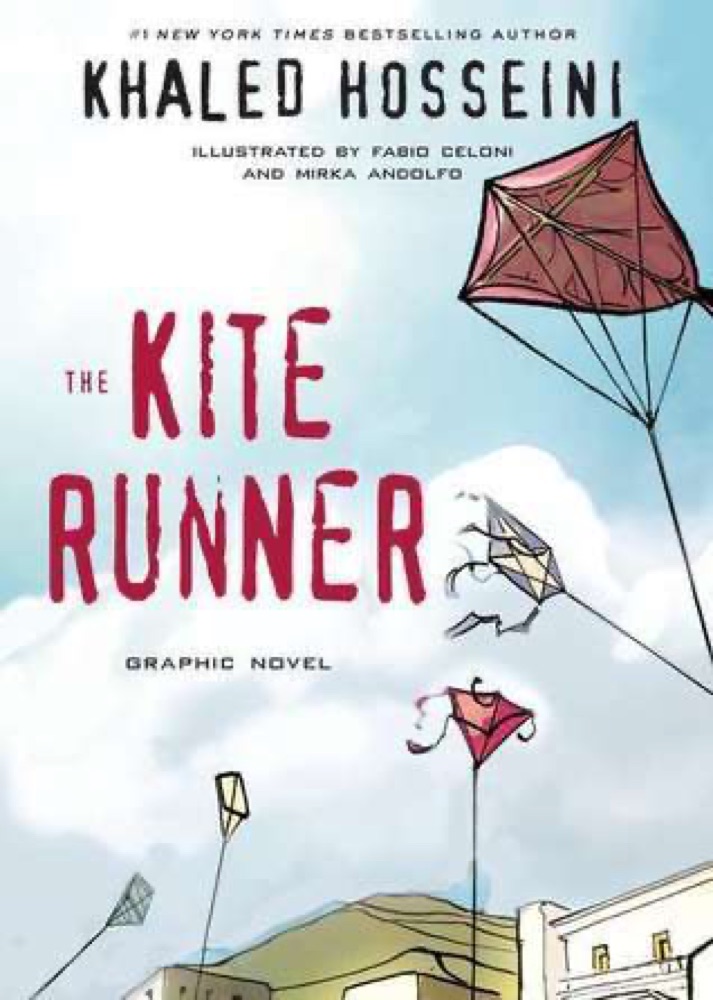 The Kite Runner
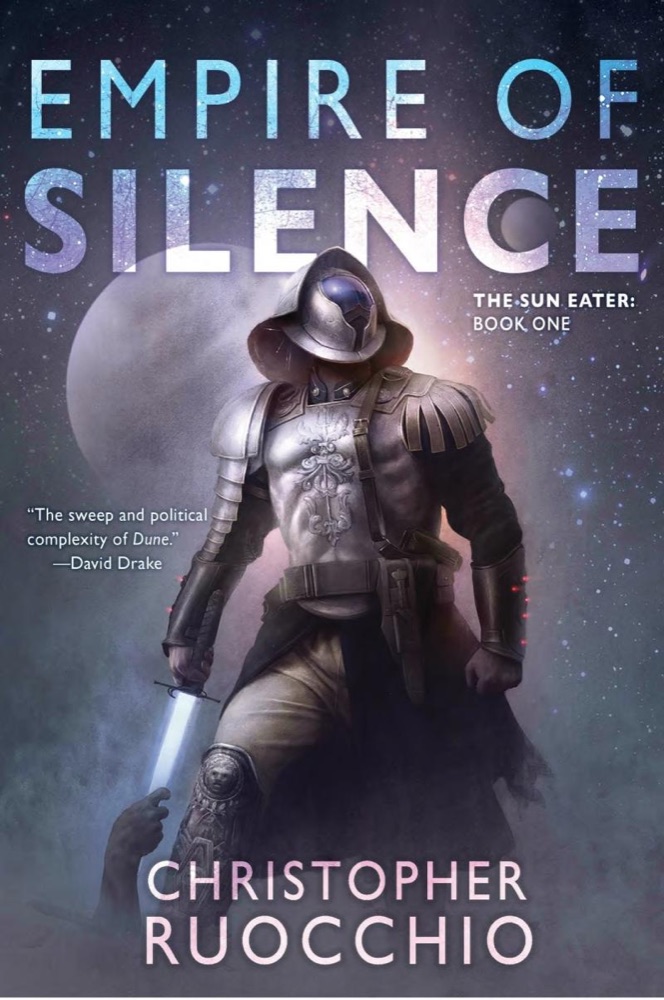 Empire of Silence
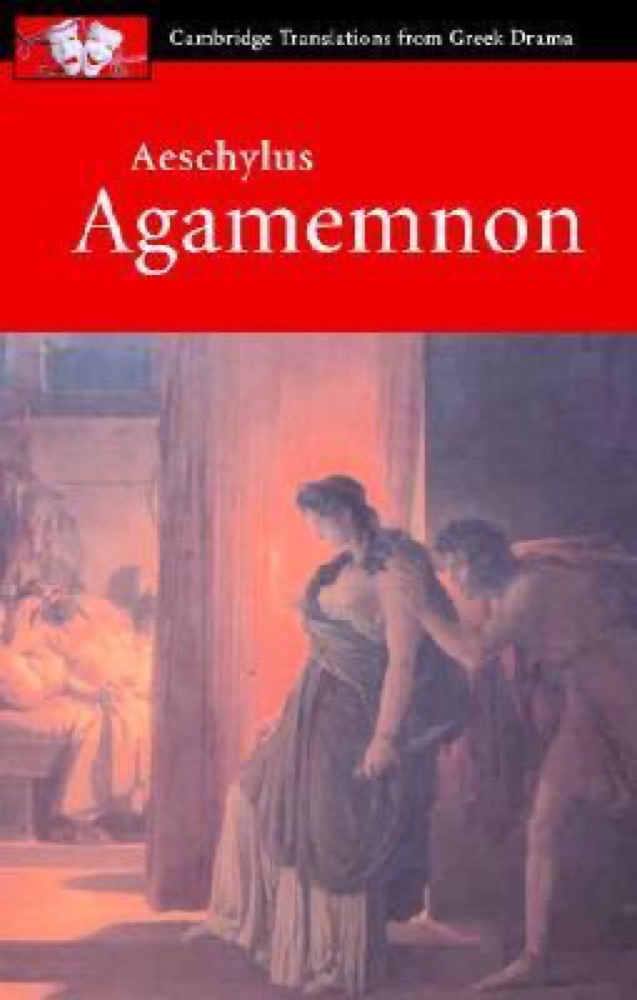 Agamemnon
 Dead Souls
 The Claw of the Conciliator
 World Without End
 Fall of Light
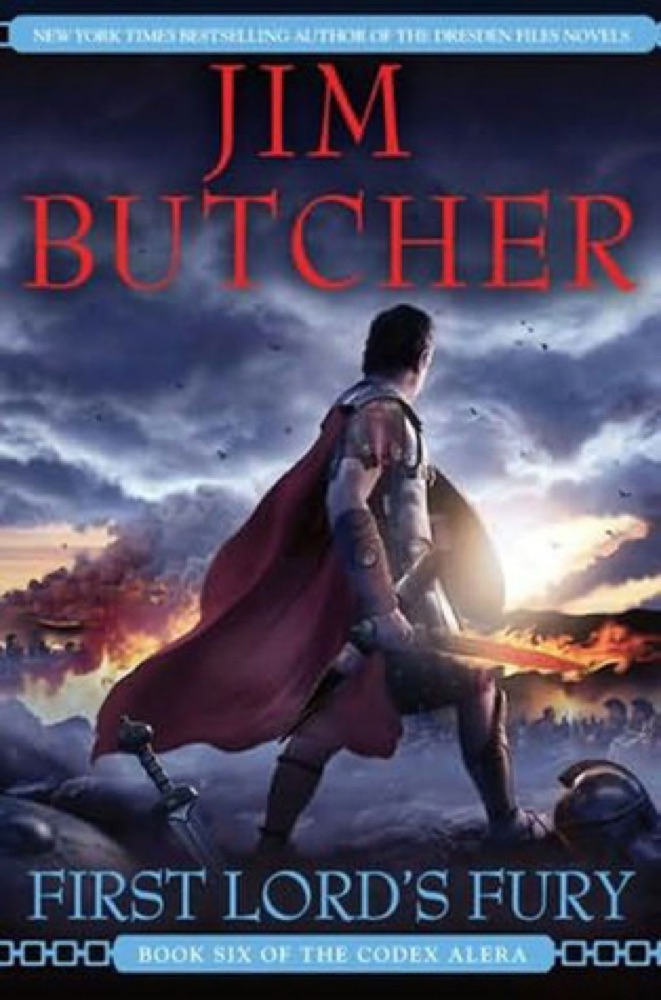 First Lord's Fury
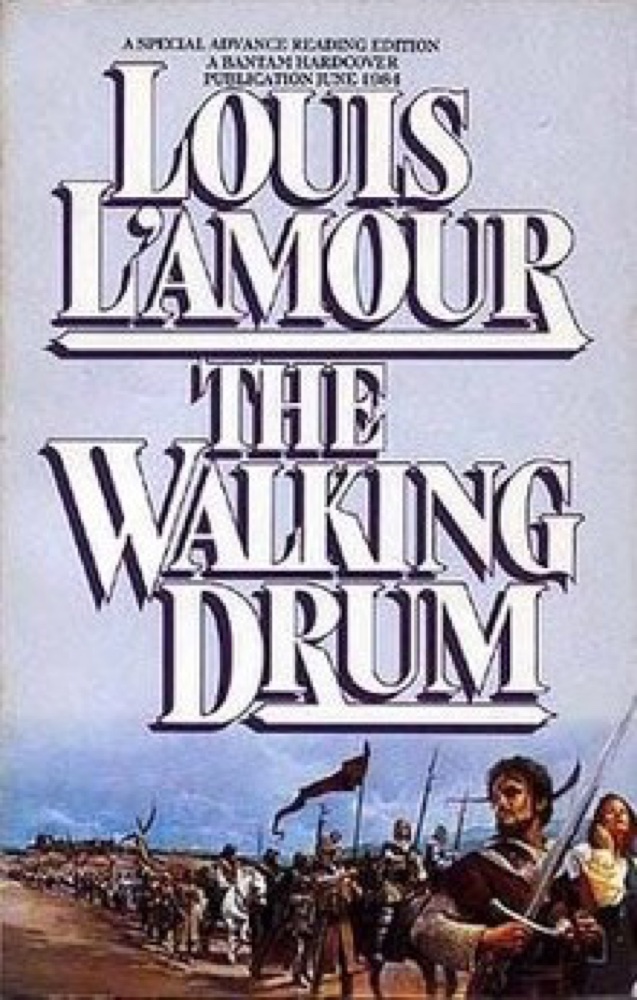 The Walking Drum