
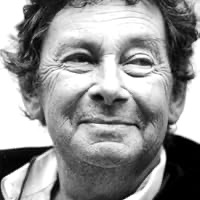
 Flights
Quotes from the Book
Traveling outgrows its motives. It soon proves sufficient in itself. You think you are making a trip, but soon it is making you - or unmaking you.
80
In the end, the bedrock of existence is not made up of the family, or work, or what others say or think of you, but of moments like this when you are exalted by a transcendent power that is more serene than love. Life dispenses them parsimoniously; our feeble hearts could not stand more.
19
That day, I really believed that I had grasped something and that henceforth my life would be changed. But insights cannot be held for ever. Like water, the world ripples across you and for a while you take on its colours. Then it recedes, and leaves you face to face with the void you carry inside yourself, confronting that central inadequacy of soul which you must learn to rub shoulders with and to combat, and which, paradoxically, may be our surest impetus.
19
Traveling provides occasions for shaking oneself up but not, as people believe, freedom. Indeed it involves a kind of reduction: deprived of one’s usual setting, the customary routine stripped away like so much wrapping paper, the traveller finds himself reduced to more modest proportions - but also more open to curiosity, to intuition, to love at first sight.
10
The over-ripe, golden autumn which had taken hold of the town tugged at our heartstrings. The nomadic life makes you sensitive to the seasons: you rely on them, even become part of the season itself, and each time they change, it seems to have to tear yourself away from a place where you have learned to live.
3
I reconstructed the first page, the paragraphs, the paler lines where my fingers had gone numb as they typed, Tabriz, the poplars' shadow over icy ground, the passing silhouettes of scoundrels in caps, coming to the Armenian café to drink away the money from their shady deals. That whole steaming, darkened, irretrievable winter, written down by gas lamp or on tables in the bazaar where partridges fought in their cages, by someone I no longer was.
Travel often provides an opportunity to break out of routine, but it does not provide - as we thought - freedom. Rather, it creates a sense of certain limitations: torn from his environment, deprived of his habits like a thick package, the traveler is reduced to more modest dimensions. It develops curiosity, intuition, and the ability to be disinterested in admiration.
În ziua aceea, am crezut că dețin ceva, un adevăr care-mi va schimba viața. Însă nimic de această natură nu e dobândit pentru totdeauna. Lumea trece prin noi ca o apă și pentru o vreme ne împrumută aparența ei. Apoi se retrage și ne lasă în fața vidului pe care-l purtăm în noi, în fața acestui soi de incapacitate capitală a sufletului pe care trebuie să învățăm s-o suportăm, s-o înfruntăm și care, paradoxal, e poate resortul nostru cel mai sigur.
Un voyage se passe de motifs. Il ne tarde pas à prouver qu'il se suffit à lui-même. On croit qu'on va faire un voyage, mais bientôt c'est le voyage qui vous fait, ou vous défait.
The splendid wooden mosque - which you can find if you search - nobody would think of showing you, being less aware of what they have than what they lack. They lack technology: we want to get out of the impasse into which too much technology has led us, our sensibilities saturated to the nth degree with Information and a Culture of distractions. We’re counting on their formulae to revive us; they’re counting on ours to live. Our paths cross without mutual understanding, and sometimes the traveler gets impatient, but there is a great deal of self-centeredness in such impatience.
Durante i miei anni di studio avevo onestamente fatto della "cultura" preconfezionata, del giardinaggio intellettuale, analisi, glosse, innesti; avevo esaminato minuziosamente alcuni capolavori, ma senza accorgermi del valore dell'esorcismo di quei modelli, perché da noi la stoffa della vita è così ben tagliata, ordinata, cucina dall'abitudine e dalla istituzioni che, in mancanza d'altro spazio, l'invenzione è confinata, in funzioni decorative e non ha compiti diversi dal "produrre divertente", e cioè tutto e nulla. Qui le cose andavano diversamente; la mancanza del necessario stimola, in certe situazioni, l'appetito dell'essenziale. La vita, ancora indigente, fin troppo aveva bisogno di forme e gli artisti - e includo nel termine tutti i contadini che sanno tenere un flauto o pitturano le loro carrette di sontuosi amalgami di colore - erano rispettati come intercessori, come guaritori.
Beyond a certain degree of hardship or misery, life often revives and heals the scars. As time passed, deportation [to the concentration camps for the young woman] had become a kind of voyage and even, thanks to the almost terrifying capacity of memory to transform horror into courage, a voyage that she could easily mention. Any way of seeing the world is good, as long as one returns.
At home what is ‘wonderful’ tends to be an exception that’s arranged; it is useful, or at least edifying. In Persia it might just as well spring from an oversight, or a sin, or a catastrophe which, by breaking the normal run of events, offers life unexpected scope for unfolding its splendours before eyes that are always ready to rejoice in them.
About Nicolas Bouvier
We have collected 13 quotes from 1 book by Nicolas Bouvier on BookQuoters.
More about the author →About the book
In 1953, twenty-four-year old Nicolas Bouvier and his artist friend Thierry Vernet set out to make their way overland from their native Geneva to the Khyber Pass. They had money to last them a few months and a Fiat to take them where they were going, but above all they were equipped with the certainty that by hook or by crook they would reach their destination, and that there would be unanticipated adventures, curious companionship, and sudden illumination along the way. They were not disappointed, and neither will be readers of this luminous travel book fashioned from Bouvier's journals. The two friends support themselves by writing and painting in Istanbul; are spellbound by the brilliance of winter in Tabriz; take a side trip to rebellious Kurdistan; and find ever more ingenious ways to keep their increasingly battered vehicle on the road as they head to Afghanistan. Along the way, th
Book details
- First published
- 1963
- Author
- Nicolas Bouvier
- Genre
- Nonfiction
- Goodreads rating
- 4.11 (3k ratings)
Keep reading
Flights
 Night Train to Lisbon
 To Shake the Sleeping Self: A Journey from Oregon to Patagonia, and a Quest for a Life with No Regret
 The Notebooks of Malte Laurids Brigge
 Travels with Herodotus
 The Art of Travel
 In Search of Lost Time
 You Can't Go Home Again
 The Motorcycle Diaries: Notes on a Latin American Journey
 Wanderlust
 Identity
 I Am, I Am, I Am: Seventeen Brushes with Death
 Winter
 The Cat's Table
 Memories, Dreams, Reflections
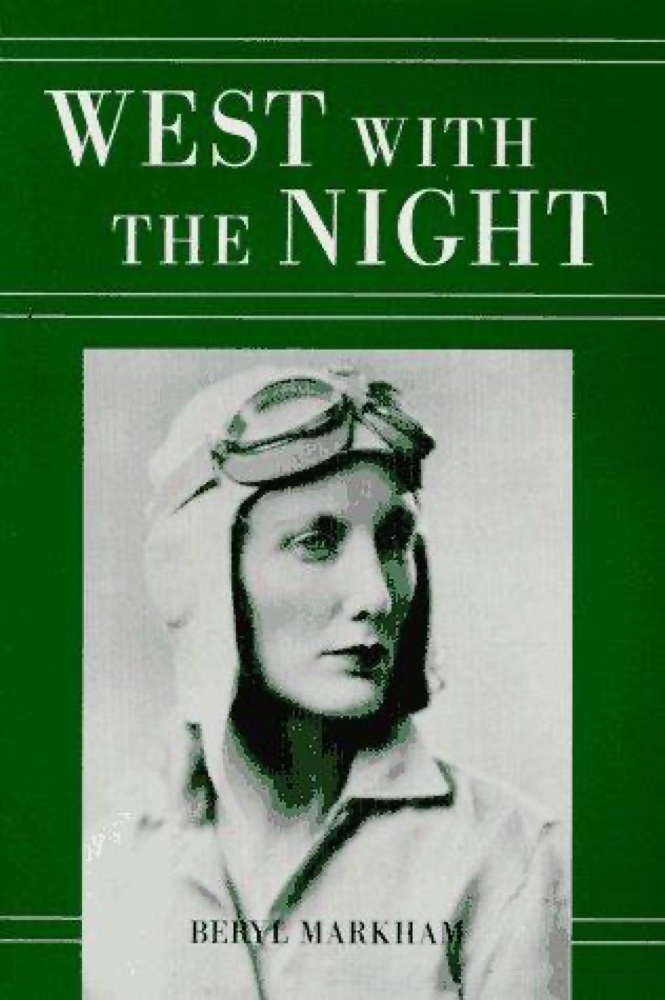 West with the Night
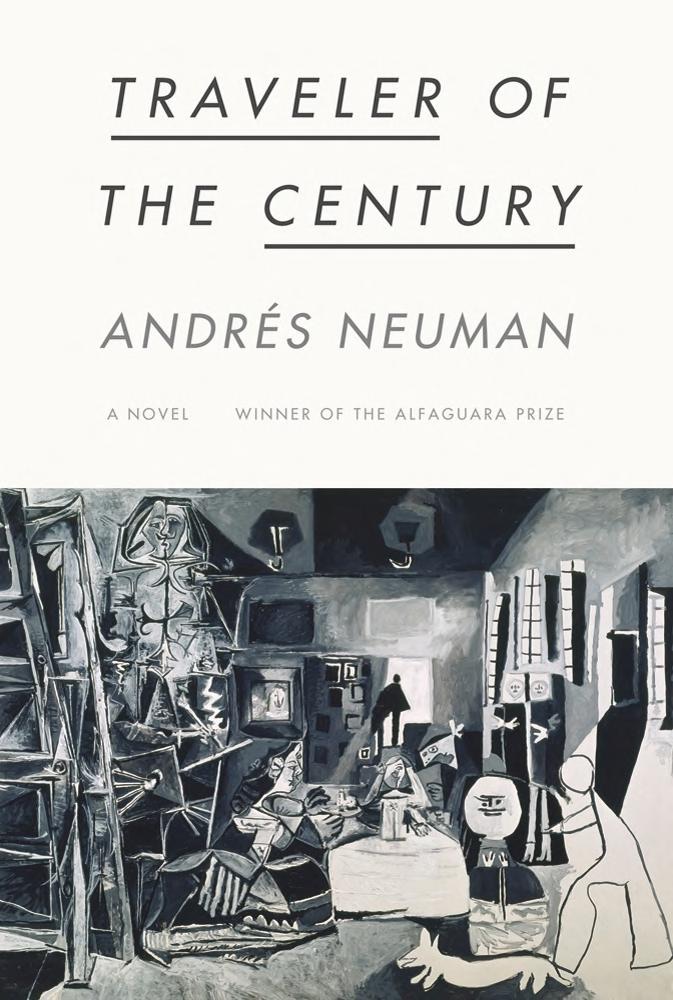 Traveler of the Century
 In Arabian Nights: A Caravan of Moroccan Dreams
 Ghost Train to the Eastern Star
 The Etched City
 Travels with Charley: In Search of America
 The Sheltering Sky
 Arctic Dreams
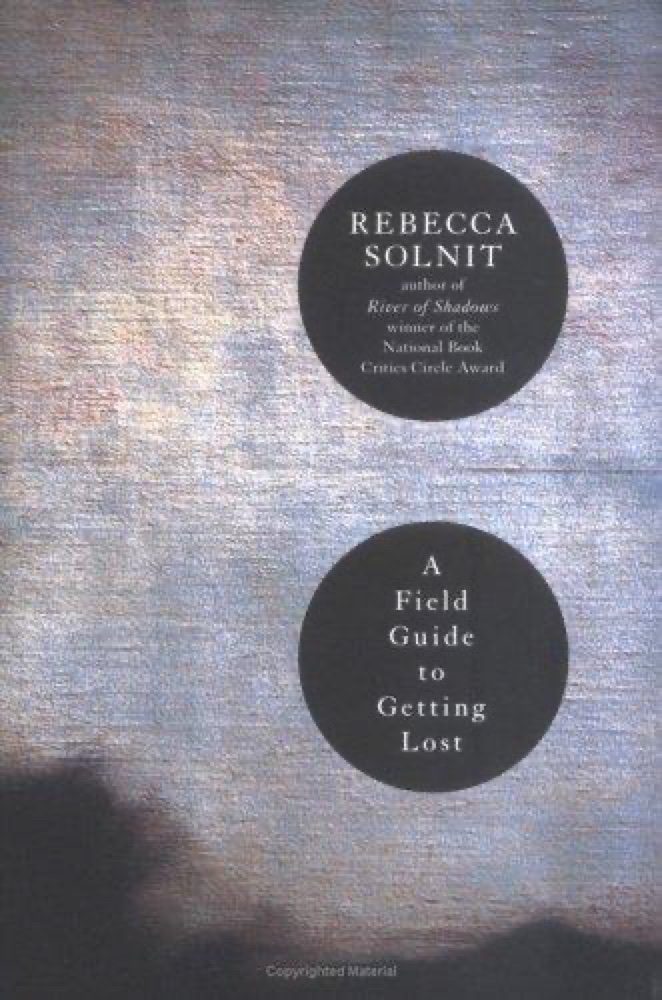 A Field Guide to Getting Lost
 A Year in the World: Journeys of a Passionate Traveller
 Disoriental
 At Home in the World: Reflections on Belonging While Wandering the Globe
 A Bend in the River
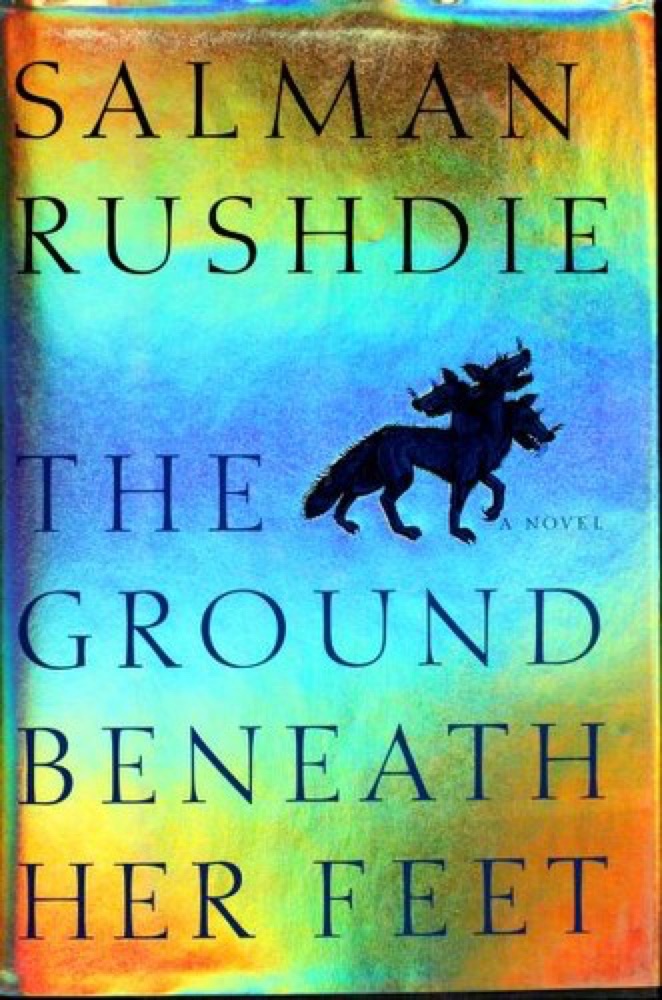 The Ground Beneath Her Feet
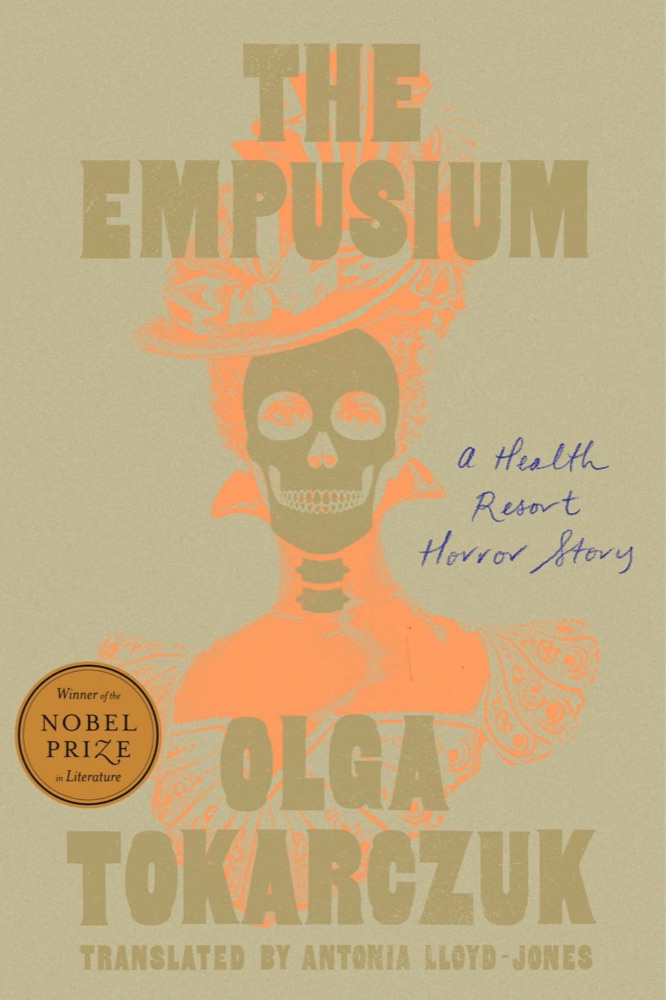 The Empusium
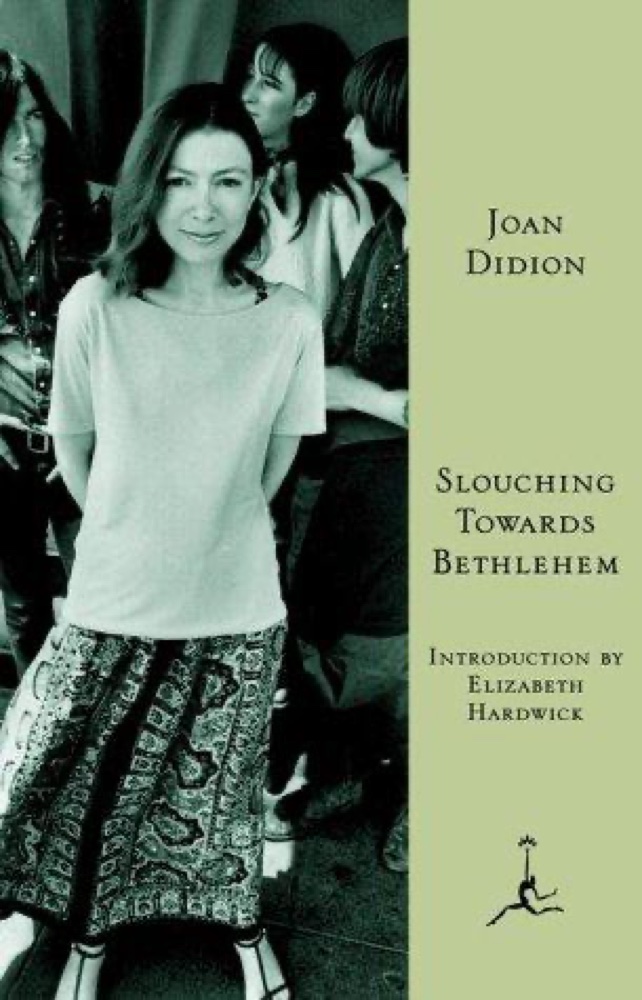 Slouching Towards Bethlehem
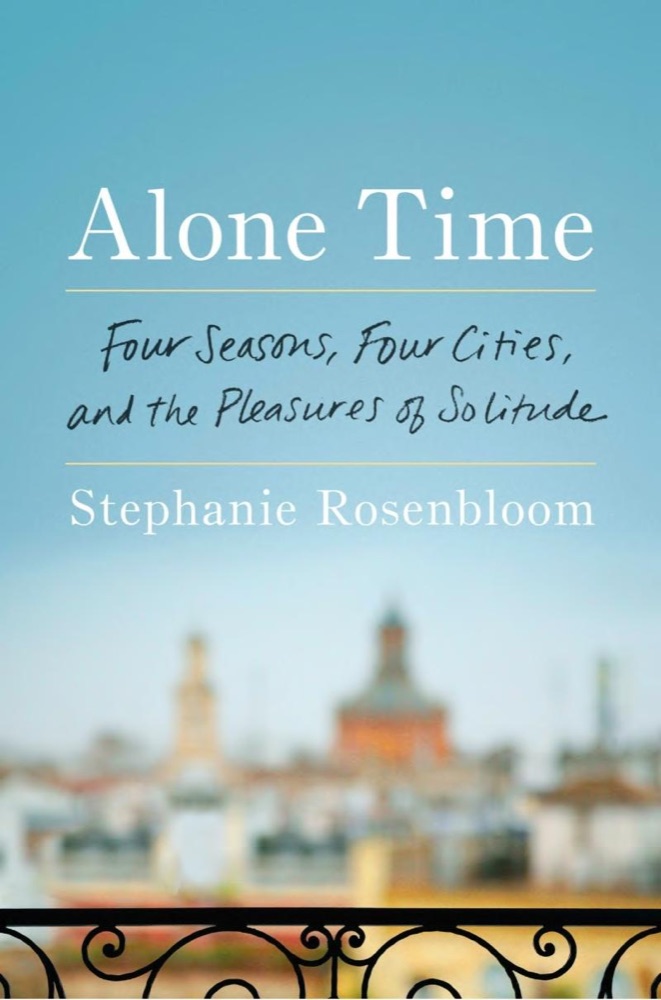 Alone Time: Four Seasons, Four Cities, and the Pleasures of Solitude
 No One Writes Back
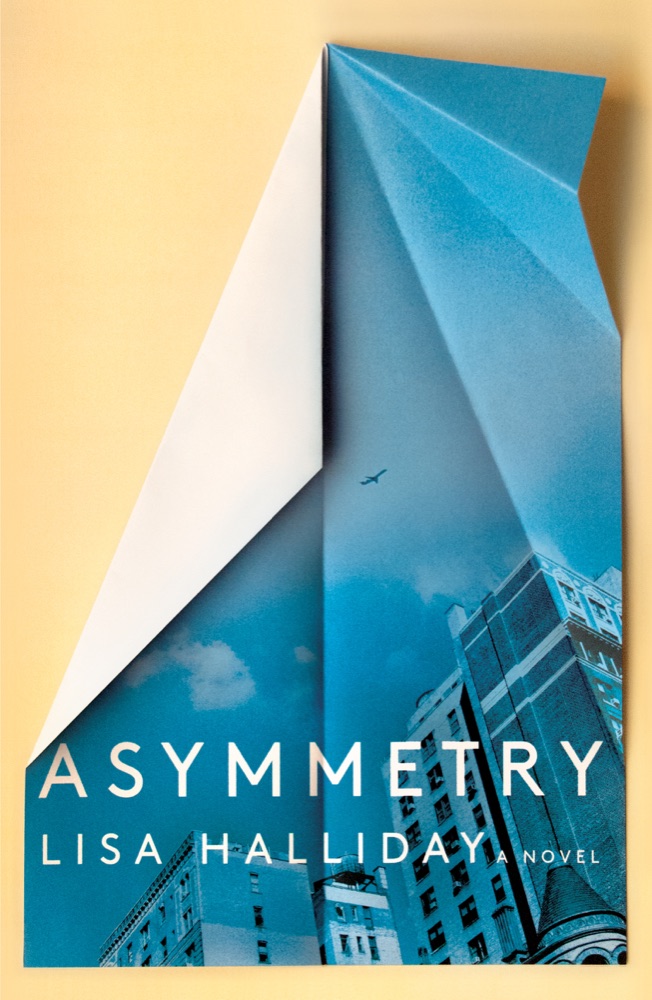 Asymmetry
 Destination Truth: Memoirs of a Monster Hunter
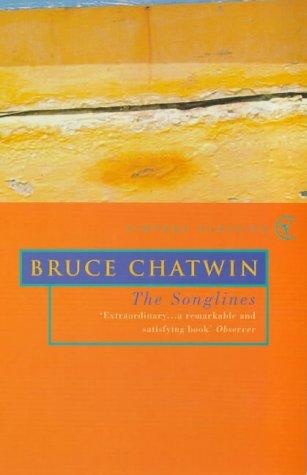 The Songlines
 Autumn
 Oblomov
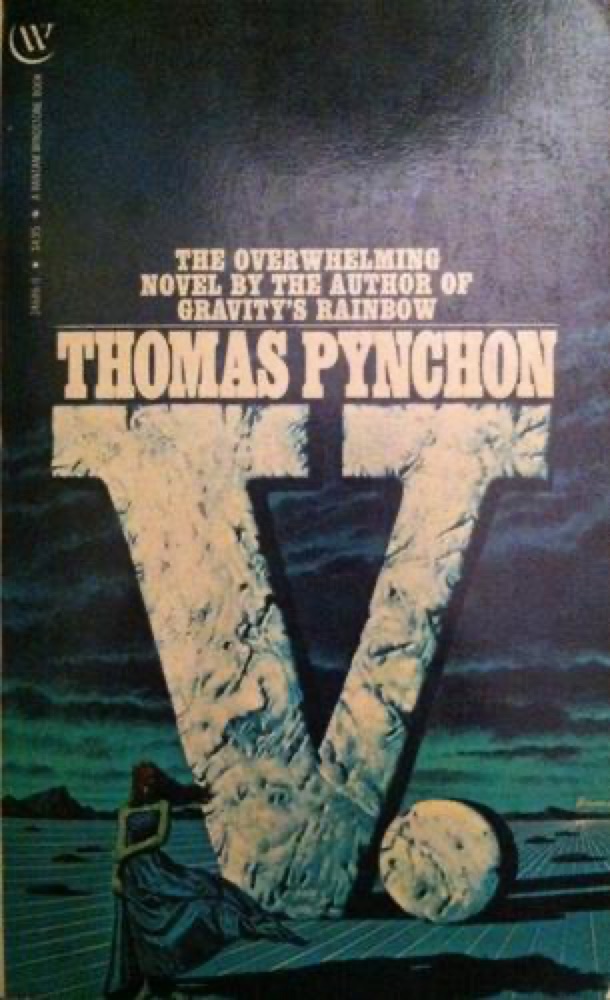 V.
V.
 The Wind-Up Bird Chronicle
 Divisadero
 The Post-Birthday World
 The Leisure Seeker
 Sacred Journey of the Peaceful Warrior
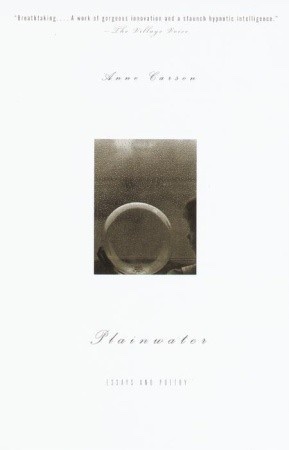 Plainwater: Essays and Poetry
 Lost Children Archive
 Sexing the Cherry
 The Complete Stories
 The Home and the World
 Flight To Arras
 The Wild Silence
 Fugitive Pieces
 Whatever
 The Myth of Sisyphus
 The Devil in the Flesh
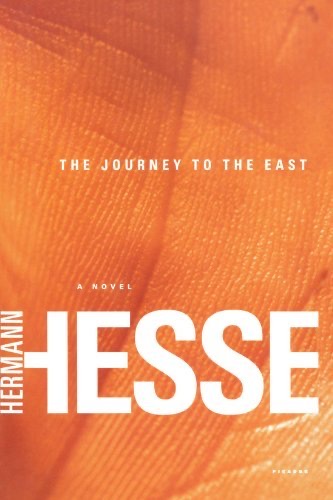 The Journey to the East
 Eyeless in Gaza
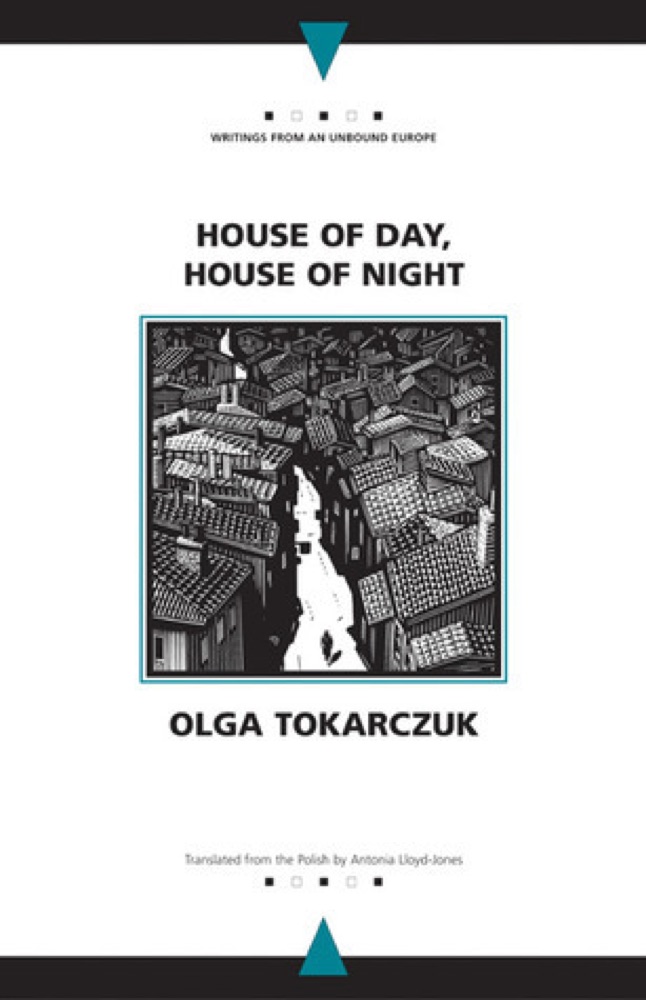 House of Day, House of Night
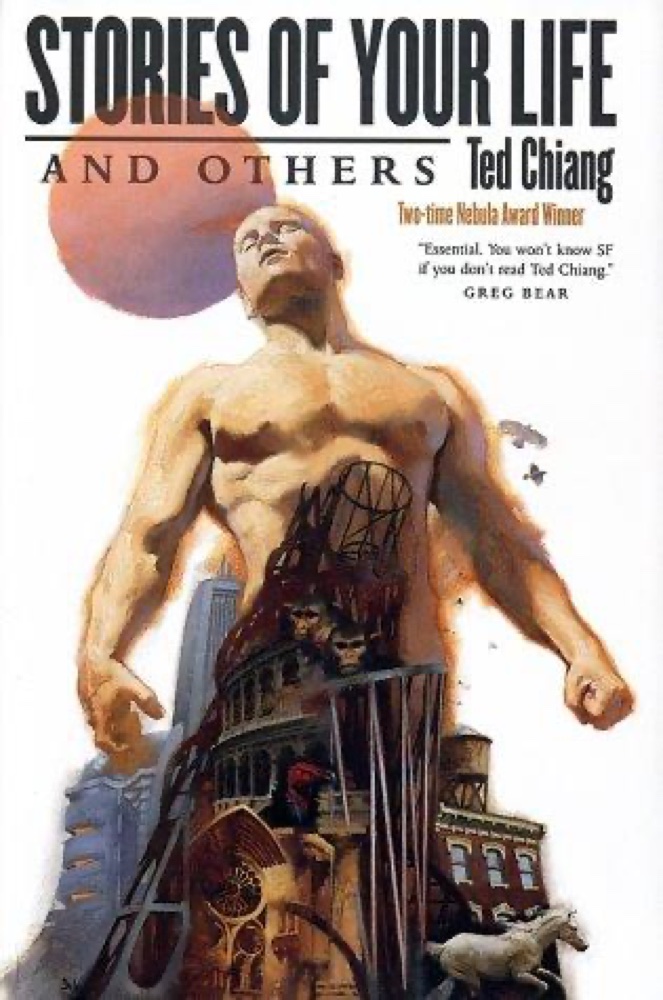 Stories of Your Life and Others
 Spaceman of Bohemia