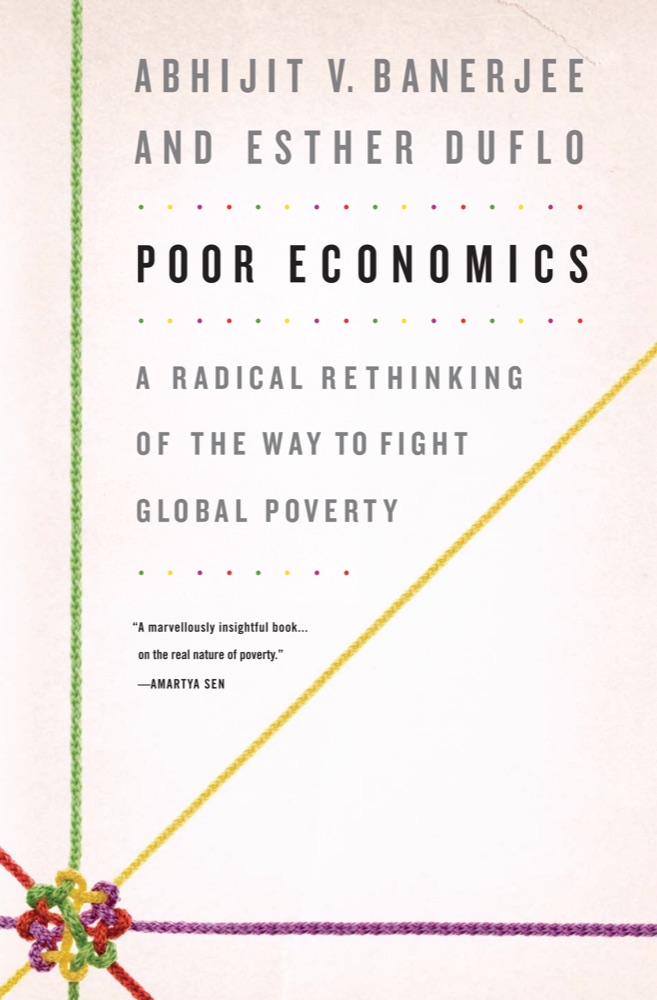
 Poor Economics: A Radical Rethinking of the Way to Fight Global Poverty
Quotes from the Book
Autobiographies are always written as if the author had it all mapped out with perfect foresight, ignoring the risks and uncertainties at that time. This misleads, as much as those beautiful photographs of a past holiday abstract from the heat, the mosquitoes, and the lack of connectivity.
10
Policy making invariably involves taking measured risks in the face of uncertainty, for one has neither a prior template nor the luxury of indecision.
8
India is becoming a large middle income country, too complex and varied to be controlled centrally. The government will need to withdraw from occupying the commanding heights of the economy, confining itself to providing public goods and the governing framework, and leaving economic activity to the people.
4
Finance is not just about lending, it is about recovering loans also.
4
We have all been hacked, the only question is whether you know it or you don’t’.
4
the rule of thumb’ referred historically to the maximum width of the stick with which a man could beat his wife without breaking the law.
3
No institution is bigger than the people who work for it.
1
developing countries typically have higher inflation, and developing countries also have higher growth.
1
the single most important task in management is to pick good deputies,
1
firms do not borrow as much to invest when rates are higher and individuals stop buying durable goods against credit and, instead, turn to save. Lower demand growth leads to a better match between demand and supply, and thus lower inflation for the goods being produced.
1
Should the Governor disappear from public view and not speak for fear of misinterpretation, or should he take the risk in order to discharge his responsibilities?
The Indian public would benefit from more competition between banks, and banks would benefit from more freedom in decision making.
The bottom line was that the scheme was a measured risk, with a probability that the RBI would lose money, a certainty that the bankers would make money, but also a reasonable chance that the country would be significantly better off.
It involves considerable change, and change is risky. But as India develops, not changing is even riskier. We have to keep what is good about our system, of which there is a tremendous amount, even while acting differently where warranted.
Watch on YouTube
About Rajan Raghuram G
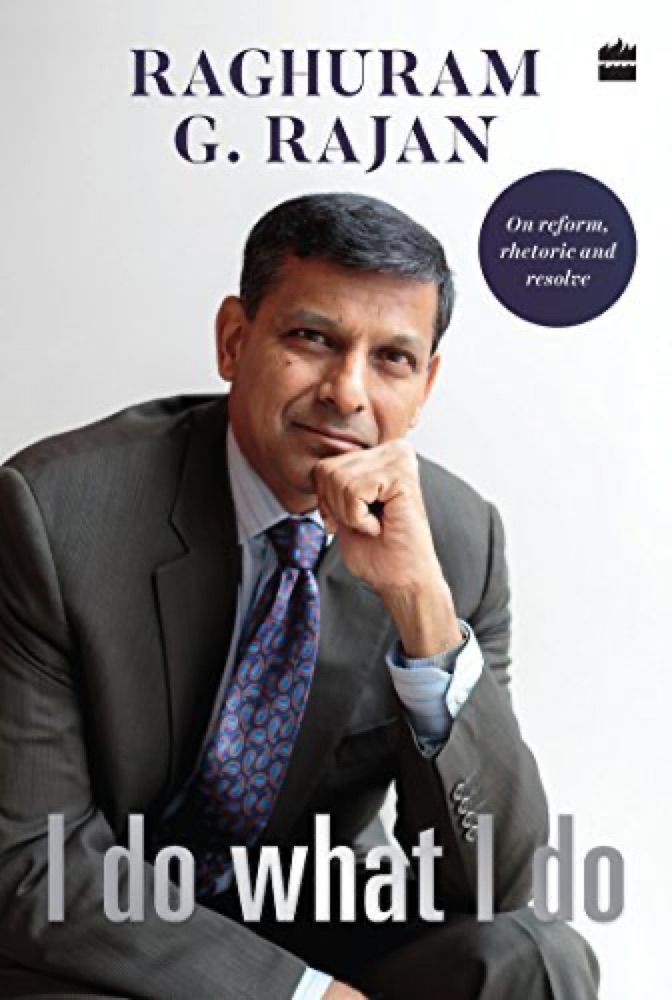
About the book
When Raghuram G. Rajan took charge as Governor of the Reserve Bank of India in September 2013, the rupee was in free fall, inflation was high, India had a large current account deficit and India’s exchange reserves were falling. As measure after measure failed to stabilize markets, speculators sensed a full-blown crisis and labelled India one of the Fragile Five economies.
Rajan’s response was to go all out, not just to tackle the crisis of confidence, but also to send a strong message about the strength of India’s institutions and the country’s ongoing programme of reform. He outlined a vision that went beyond the immediate crisis to focus on long-term growth and stability, thus restoring investor confidence. Boldness and farsightedness would be characteristic of the decisions he took in the ensuing three years.
Rajan’s commentary and speeches in I Do What I Do convey what it was
Book details
- First published
- 2017
- Author
- Rajan Raghuram G
- Genre
- Nonfiction
- Goodreads rating
- 4.01 (2k ratings)
Keep reading
Poor Economics: A Radical Rethinking of the Way to Fight Global Poverty
 What Young India Wants
 Naked Economics: Undressing the Dismal Science
 Independent Study
 Principles for Dealing with the Changing World Order: Why Nations Succeed and Fail
 Freakonomics: A Rogue Economist Explores the Hidden Side of Everything
 Adapt: Why Success Always Starts with Failure
 India Unbound: The Social and Economic Revolution from Independence to the Global Information Age
 A Fighting Chance
 The Creature from Jekyll Island: A Second Look at the Federal Reserve
 The Great Crash 1929
 Basic Economics: A Citizen's Guide to the Economy
 Banker to the Poor: Micro-Lending and the Battle Against World Poverty
 Security Analysis: The Classic 1940 Edition
 Boomerang: Travels in the New Third World
 Economics in One Lesson
 Confidence Men: Wall Street, Washington, and the Education of a President
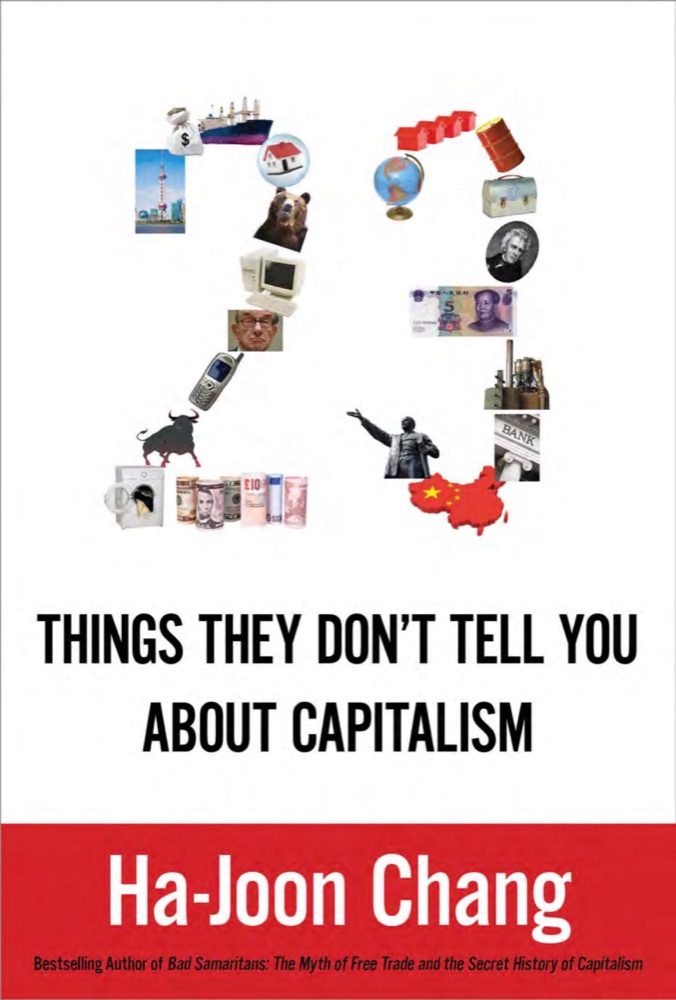 23 Things They Don't Tell You About Capitalism
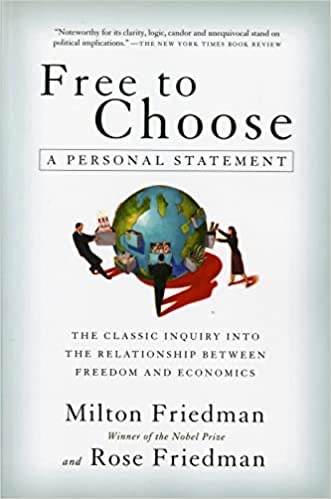 Free to Choose: A Personal Statement
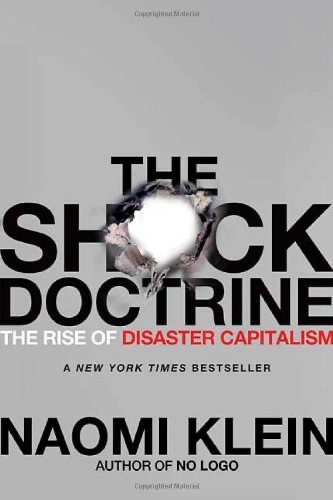 The Shock Doctrine: The Rise of Disaster Capitalism
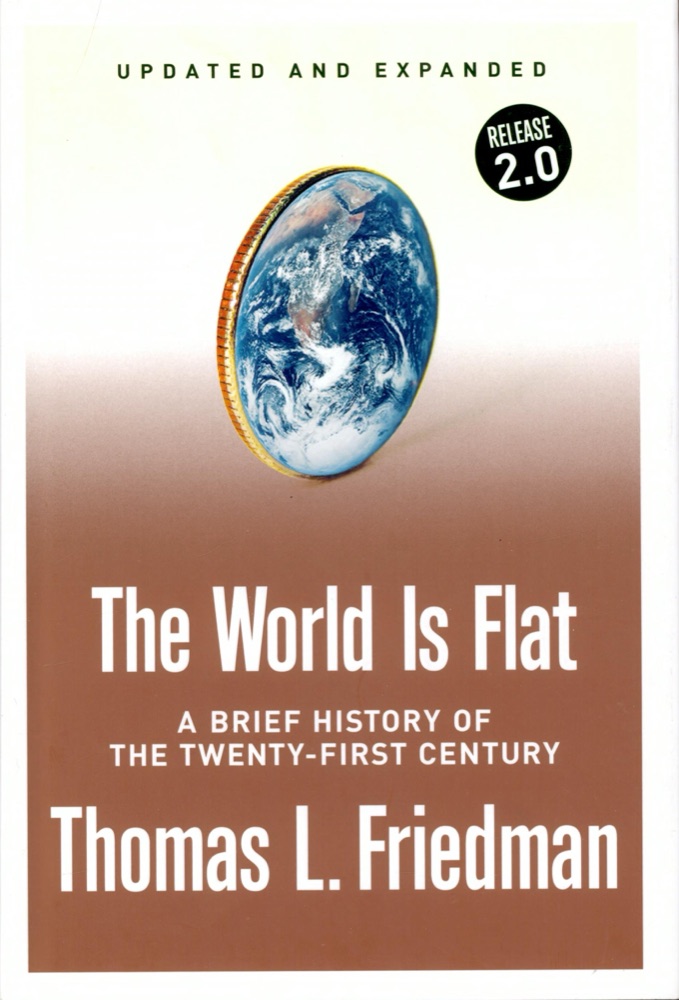 The World Is Flat: A Brief History of the Twenty-first Century
 SuperFreakonomics: Global Cooling, Patriotic Prostitutes And Why Suicide Bombers Should Buy Life Insurance
 The Most Important Thing: Uncommon Sense for the Thoughtful Investor
 The Price of Tomorrow: Why Deflation is the Key to an Abundant Future
 What I Learned Losing a Million Dollars
 Currency Wars: The Making of the Next Global Crisis
 Berkshire Hathaway Letters to Shareholders
 The Ascent of Money: A Financial History of the World
 The Evolution of Everything: How New Ideas Emerge
 Stay Hungry Stay Foolish
 Upheaval: Turning Points for Nations in Crisis
 Too Big to Fail: The Inside Story of How Wall Street and Washington Fought to Save the Financial System from Crisis — and Themselves
 The Black Swan: The Impact of the Highly Improbable
 The Rational Optimist: How Prosperity Evolves
 Small Is Beautiful: Economics as if People Mattered
 The Prize: The Epic Quest for Oil, Money, and Power
 The Truths We Hold: An American Journey
 The Mandibles: A Family, 2029–2047
 Ill Fares the Land
 The Effective Executive: The Definitive Guide to Getting the Right Things Done
 Who Owns the Future?
 The Dosadi Experiment
 Debt: The First 5,000 Years
 Capitalism: A Ghost Story
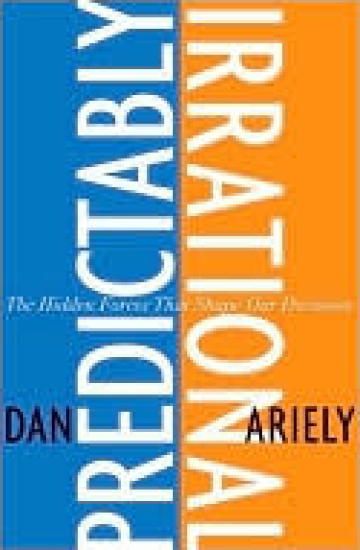 Predictably Irrational: The Hidden Forces That Shape Our Decisions
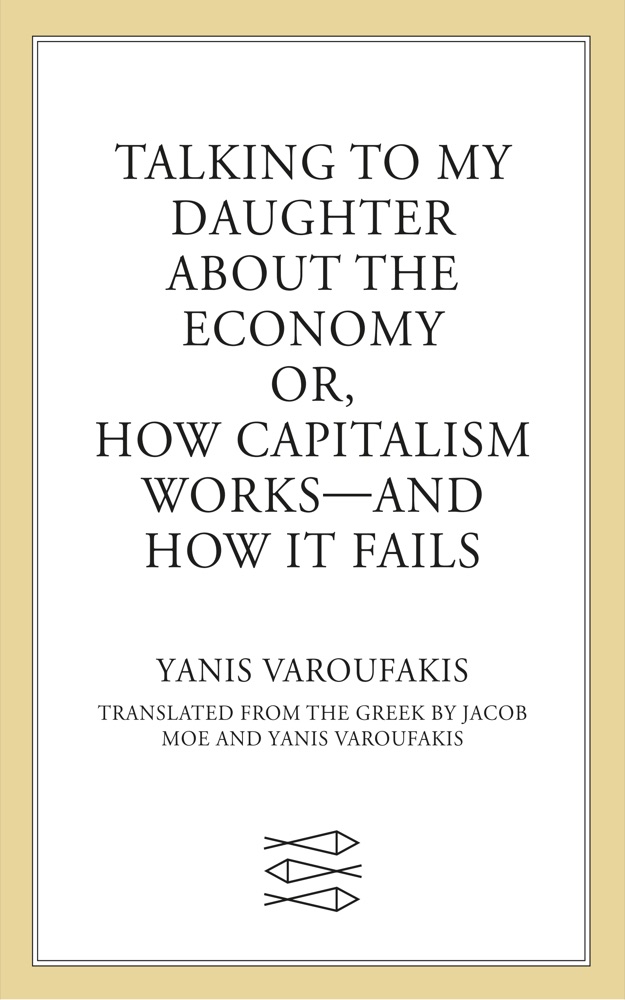 Talking to My Daughter About the Economy: or, How Capitalism Works—and How It Fails
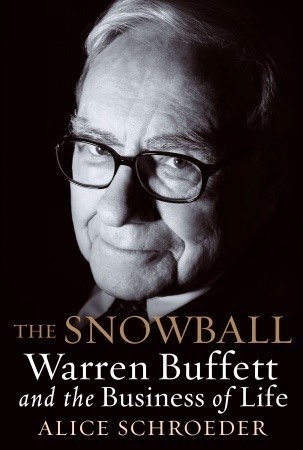 The Snowball: Warren Buffett and the Business of Life
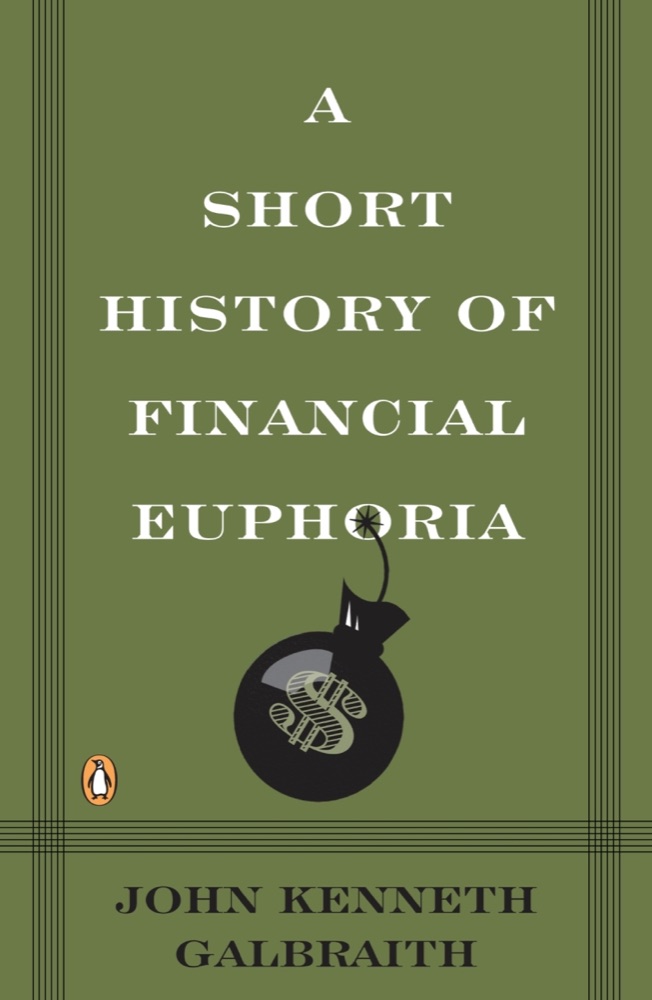 A Short History of Financial Euphoria
 The Monk and the Riddle: The Education of a Silicon Valley Entrepreneur
 The Bitcoin Standard: The Decentralized Alternative to Central Banking
 Fooled by Randomness: The Hidden Role of Chance in Life and in the Markets
 Conscious Capitalism
 Liar's Poker
 The Argumentative Indian: Writings on Indian History, Culture and Identity
 David and Goliath: Underdogs, Misfits, and the Art of Battling Giants
 The Shockwave Rider
 Rich Dad's Guide to Investing: What the Rich Invest in That the Poor and Middle Class Do Not!
 The Essays of Warren Buffett: Lessons for Corporate America
 Revenge of the Tipping Point
 Pour Your Heart Into It: How Starbucks Built a Company One Cup at a Time