
 Go Tell It on the Mountain
Quotes from the Book
Perhaps home is not a place but simply an irrevocable condition.
People can't, unhappily, invent their mooring posts, their lovers and their friends, anymore than they can invent their parents. Life gives these and also takes them away and the great difficulty is to say Yes to life.
There are so many ways of being despicable it quite makes one’s head spin. But the way to be really despicable is to be contemptuous of other people’s pain.
You don’t have a home until you leave it and then, when you have left it, you never can go back.
Confusion is a luxury which only the very, very young can possibly afford and you are not that young anymore
For I am—or I was—one of those people who pride themselves in on their willpower, on their ability to make a decision and carry it through. This virtue, like most virtues, is ambiguity itself. People who believe that they are strong-willed and the masters of their destiny can only continue to believe this by becoming specialists in self-deception. Their decisions are not really decisions at all—a real decision makes one humble, one knows that it is at the mercy of more things than can be named—but elaborate systems of evasion, of illusion, designed to make themselves and the world appear to be what they and the world are not. This is certainly what my decision, made so long ago in Joey’s bed, came to. I had decided to allow no room in the universe for something which shamed and frightened me. I succeeded very well—by not looking at the universe, by not looking at myself, by remaining, in effect, in constant motion.
Tell me, he said, "What is this thing about time? Why is it better to be late than early? People are always saying, we must wait, we must wait. what are they waiting for?" "Well […] I guess people wait in order to make sure of what they feel." "And when you have waited—-has it made you sure?
People who believe that they are strong-willed and the masters of their destiny can only continue to believe this by becoming specialists in self-deception.
Perhaps, as we say in America, I wanted to find myself. This is an interesting phrase, not current as far as I know in the language of any other people, which certainly does not mean what it says but betrays a nagging suspicion that something has been misplaced. I think now that if I had any intimation that the self I was going to find would turn out to be only the same self from which I had spent so much time in flight, I would have stayed at home.
I often wonder what I'd do if there weren't any books in the world.
Somebody," said Jacques, "your father or mine, should have told us that not many people have ever died of love. But multitudes have perished, and are perishing every hour - and in the oddest places! - for the lack of it.
People who remember court madness through pain, the pain of the perpetually recurring death of their innocence; people who forget court another kind of madness, the madness of the denial of pain and the hatred of innocence; and the world is mostly divided between madmen who remember and madmen who forget.
And this was perhaps the first time in my life that death occurred to me as a reality. I thought of the people before me who had looked down at the river and gone to sleep beneath it. I wondered about them. I wondered how they had done it—it, the physical act. I had thought of suicide when I was much younger, as, possibly, we all have, but then it would have been for revenge, it would have been my way of informing the world how awfully it had made me suffer. But the silence of the evening, as I wandered home, had nothing to do with that storm, that far off boy. I simply wondered about the dead because their days had ended and I did not know how I would get through mine.
For nothing is more unbearable, once one has it, than freedom.
You do not,’ cried Giovanni, sitting up, ‘love anyone! You never have loved anyone, I am sure you never will! You love your purity, you love your mirror—you are just like a little virgin, you walk around with your hands in front of you as though you had some precious metal, gold, silver, rubies, maybe diamonds down there between your legs! You will never give it to anybody, you will never let anybody touch it—man or woman. You want to be clean. You think you came here covered with soap and you think you will go out covered with soap—and you do not want to stink, not even for five minutes, in the meantime.’ He grasped me by the collar, wrestling and caressing at once, fluid and iron at once: saliva spraying from his lips and his eyes full of tears, but with the bones of his face showing and the muscles leaping in his arms and neck. ‘You want to leave Giovanni because he makes you stink. You want to despise Giovanni because he is not afraid of the stink of love. You want to kill him in the name of all your lying little moralities. And you—you are immoral. You are, by far, the most immoral man I have met in all my life. Look, look what you have done to me. Do you think you could have done this if I did not love you? Is this what you should do to love?
Love him,’ said Jacques, with vehemence, ‘love him and let him love you. Do you think anything else under heaven really matters? And how long, at the best, can it last, since you are both men and still have everywhere to go? Only five minutes, I assure you, only five minutes, and most of that, helas! in the dark. And if you think of them as dirty, then they will be dirty— they will be dirty because you will be giving nothing, you will be despising your flesh and his. But you can make your time together anything but dirty, you can give each other something which will make both of you better—forever—if you will not be ashamed, if you will only not play it safe.’ He paused, watching me, and then looked down to his cognac. ‘You play it safe long enough,’ he said, in a different tone, ‘and you’ll end up trapped in your own dirty body, forever and forever and forever—like me.
With everything in me screaming No! yet the sum of me sighed Yes.
People are too various to be treated so lightly. I am too various to be trusted.
Well,’ I said, ‘Paris is old, is many centuries. You feel, in Paris, all the time gone by. That isn’t what you feel in New York — ’He was smiling. I stopped. ‘What do you feel in New York?’ he asked. ‘Perhaps you feel,’ I told him, ‘all the time to come. There’s such power there, everything is in such movement. You can’t help wondering—I can’t help wondering—what it will all be like— many years from now.
But it was not the room’s disorder which was frightening; it was the fact that when one began searching for the key to this disorder, one realized that it was not to be found in any of the usual places. For this was not a matter of habit or circumstance or temperament; it was a matter of punishment and grief.
Giovanni had awakened an itch, had released a gnaw in me. I realized it one afternoon, when I was taking him to work via the Boulevard Montparnasse. We had bought a kilo of cherries and we were eating them as we walked along. We were both insufferably childish and high-spirited that afternoon and the spectacle we presented, two grown men jostling each other on the wide sidewalk and aiming the cherry pits, as though they were spitballs, into each other's faces, must have been outrageous. And I realized that such childishness was fantastic at my age and the happiness out of which it sprang yet more so; for that moment I really loved Giovanni, who had never seemed more beautiful than he was that afternoon.
Americans should never come to Europe,' she said, and tried to laugh and began to cry, 'it means they never can be happy again. What's the good of an American who isn't happy? Happiness was all we had.
If I could make you stay, I would,’ he shouted. ‘If I had to beat you, chain you, starve you—if I could make you stay, I would.’ He turned back into the room; the wind blew his hair. He shook his finger at me, grotesquely playful. ‘One day, perhaps, you will wish I had.
I was guilty and irritated and full of love and pain. I wanted to kick him and I wanted to take him in my arms.
Perhaps he is a fool or a coward but almost everybody is one or the other and most people are both.
If dirty words frighten you...I really don’t know how you have managed to live so long. People are full of dirty words. The only time they do not use them, most people I mean, is when they are describing something dirty.
It was a gesture of great despair and I knew that she was giving herself, not to me, but to that lover who would never come.
Yet I also suspected that what I was seeing was but a part of the truth and perhaps not even the most important part; beneath these faces, these clothes, accents, rudenesses, was power and sorrow, both unadmitted, unrealized, the power of inventors, the sorrow of the disconnected.
Did you know?
- The novel was published in 1956 by The Dial Press in New York.
- Baldwin set the story in Paris and the south of France, drawing on his own years living as an expatriate in France.
- Though written by a Black author, the novel's principal characters are all white, a choice Baldwin made deliberately.
- The first-edition dust jacket was designed by Seymour Chwast.
- The entire narrative unfolds as David's recollection during a single night before Giovanni's execution.
About James Baldwin
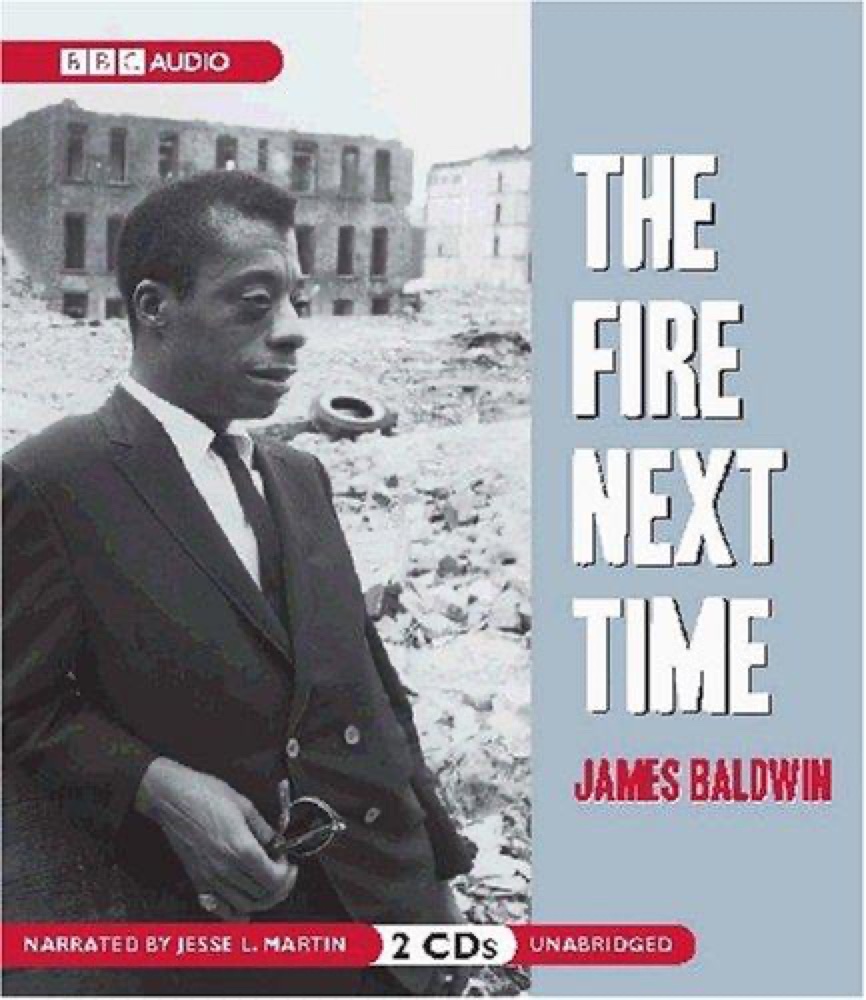
James Baldwin (1924-1987) was an American novelist, essayist, and civil rights figure born in Harlem, New York, who spent much of his life in France. His first novel, Go Tell It on the Mountain (1953), drew on his youth as a child preacher, and he became one of the most influential American writers of the twentieth century.
More about the author →More by James Baldwin
All books by James Baldwin →
About the book
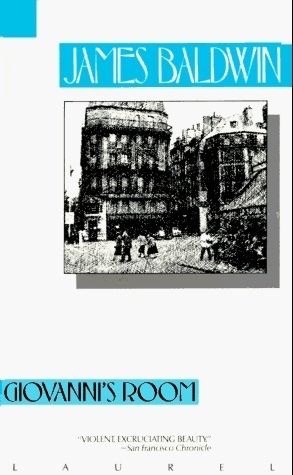
"Giovanni's Room," James Baldwin's second novel, published by The Dial Press in 1956, follows David, a young white American living in Paris while his fiancee Hella travels in Spain. In her absence, David begins a passionate affair with Giovanni, an Italian bartender he meets at a gay bar, and the two share a cramped room that becomes both refuge and prison. The story is narrated in retrospect over a single night in a house in the south of France, as David reckons with the choices that led to Giovanni's downfall.
Baldwin uses the affair to explore shame, self-deception, and the cost of denying one's desires. David's inability to accept his own sexuality drives him back toward the socially sanctioned life he believes he should want, with devastating consequences for those around him. The novel's confessional voice moves between theatrical grandeur and whispered intimacy, examining masculinity, alienation, and the tension between public performance and private truth.
Written by a Black American author but featuring an entirely white cast, the book was a deliberate departure that Baldwin's publisher initially resisted, fearing it would alienate his readership. It has since become a landmark of twentieth-century gay literature and one of Baldwin's most enduring works, admired for its emotional candor and the precision of its prose.
Key characters
- DavidAmerican narrator torn between his fiancee and his desire for Giovanni
- GiovanniItalian bartender in Paris who becomes David's lover
- HellaDavid's American fiancee, traveling in Spain during the affair
- JacquesOlder American businessman who befriends David
- GuillaumeOwner of the gay bar where Giovanni works
Book details
- First published
- 1956
- Length
- 248 pages
- Reading time
- 4 hours
- Author
- James Baldwin
- Genre
- Classics
- Goodreads rating
- 4.34 (281k ratings) →
- First line
- “I stand at the window of this great house in the south of France as night falls, the night which is leading me to the most terrible morning of my life.”
If you liked this, read…
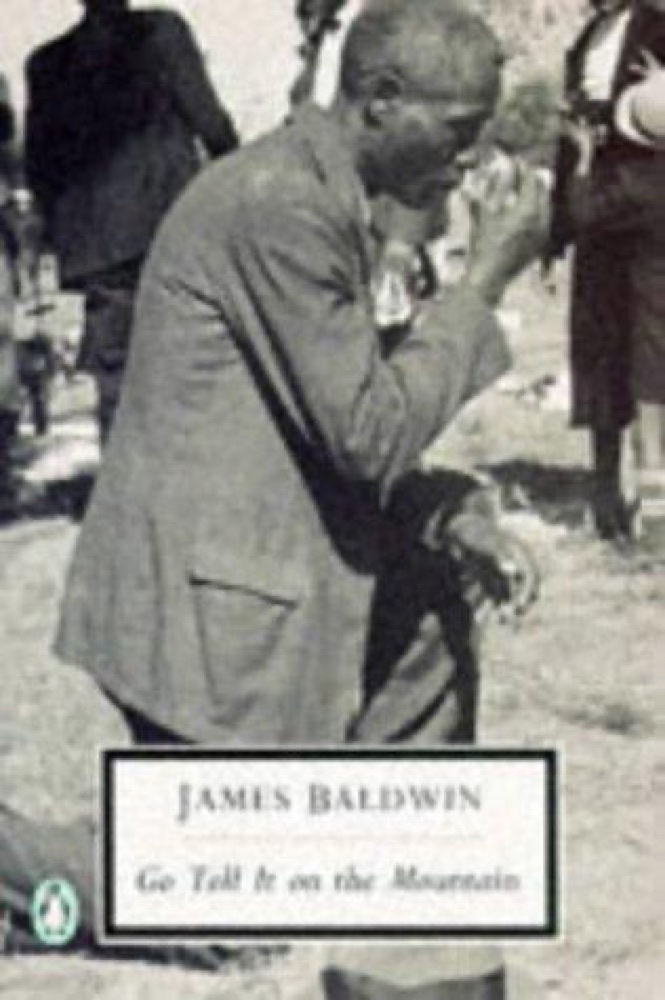
- 1Go Tell It on the MountainBaldwin's semi-autobiographical debut, exploring identity and shame
- 2MauriceE.M. Forster's novel of a man reckoning with same-sex love and social convention
- 3The Talented Mr. RipleyA tense American-in-Europe story of desire, deception, and hidden identity
Keep reading
 Another Country
 The Story of the Lost Child
 The Story of a New Name
 The Death of the Heart
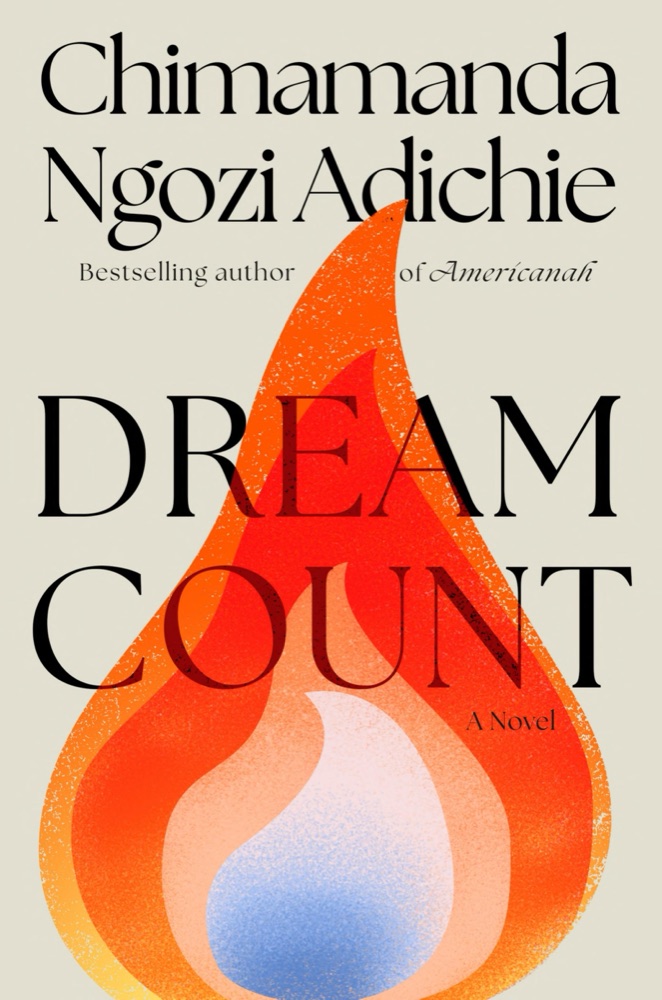 Dream Count
 Great House
 The First Bad Man
 Brideshead Revisited: The Sacred and Profane Memories of Captain Charles Ryder
 A Fraction of the Whole
 Kokoro
 Biography of X
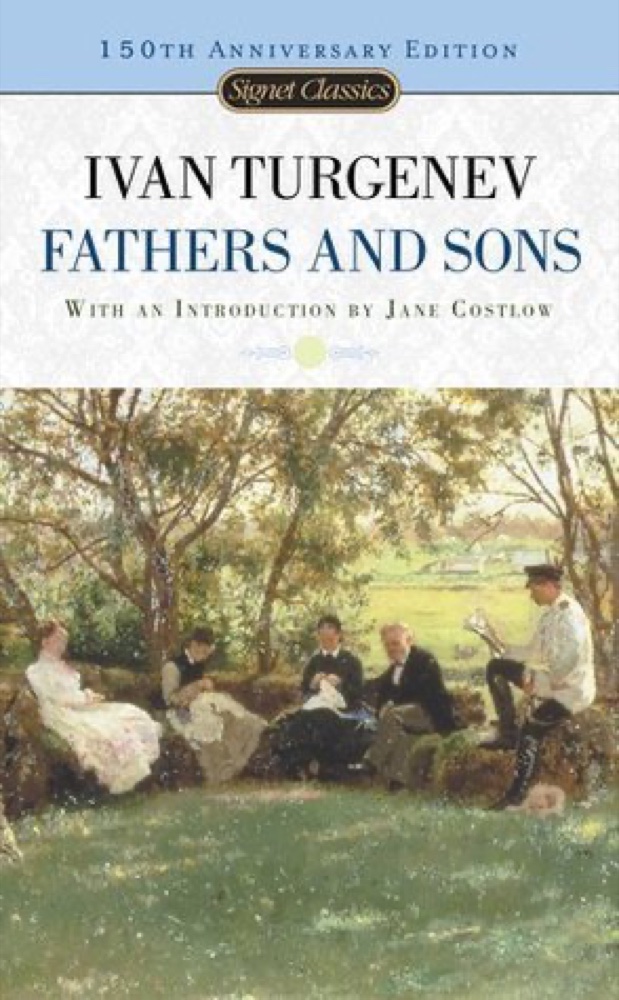 Fathers and Sons
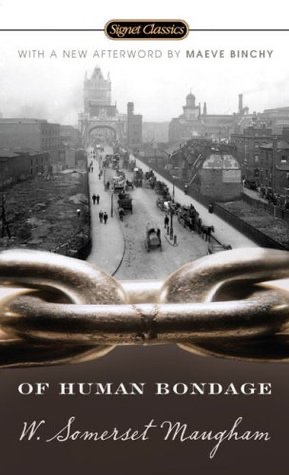 Of Human Bondage
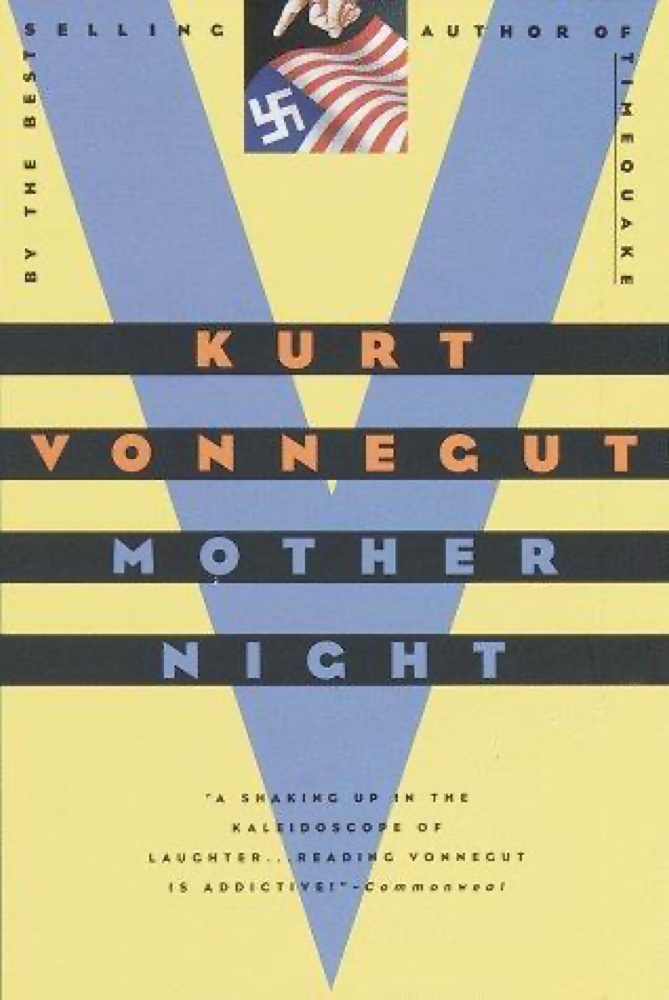 Mother Night
 The Woman Destroyed
 Ship of Magic
 The Magus
 To Paradise
 The Likeness
 The Nice and the Good
 Alias Grace
 Rebecca
 A Room with a View
 What Is the What
 Selected Stories
 The Mandarins
 Too Much Happiness: Stories
 V.
V.
 Just Above My Head
 The Hour I First Believed
 So Long, See You Tomorrow
 The Scapegoat
 Embers
 This Side of Paradise
 The Golden Notebook
 The Adolescent
 And the Mountains Echoed
 Wolf in White Van
 A Fatal Inversion
 A Fine and Private Place
 Surfacing
 The Black Prince
 The Days of Abandonment
 Swimming in the Dark
 The Adventures of Augie March
 Sign Here
 The Buddha of Suburbia
 The Untouchable
 Homesick for Another World
 The Shadow Land
 Cursed Bunny
 Farewell Waltz
 Hell
Hell
 The Blue Castle
 The Illustrated Man
 Other Voices, Other Rooms
 Steppenwolf
 The Sound and the Fury
 The Eighth Life