
 The Red Queen: Sex and the Evolution of Human Nature
Quotes from the Book
Men write more books. Men give more lectures. Men ask more questions after lectures. Men post more e-mail to Internet discussion groups. To say this is due to patriarchy is to beg the question of the behavior's origin. If men control society, why don't they just shut up and enjoy their supposed prerogatives? The answer is obvious when you consider sexual competition: men can't be quiet because that would give other men a chance to show off verbally. Men often bully women into silence, but this is usually to make room for their own verbal display. If men were dominating public language just to maintain patriarchy, that would qualify as a puzzling example of evolutionary altruism—a costly, risky individual act that helps all of one's sexual competitors (other males) as much as oneself. The ocean of male language that confronts modern women in bookstores, television, newspapers, classrooms, parliaments, and businesses does not necessarily come from a male conspiracy to deny women their voice. It may come from an evolutionary history of sexual selection in which the male motivation to talk was vital to their reproduction.
46
Existing political philosophies all developed before evolutionary game theory, so they do not take equilibrium selection into account. Socialism pretends that individuals are not selfish sexual competitors, so it ignores equilibria altogether. Conservatism pretends that there is only one possible equilibrium—a nostalgic version of the status quo—that society could play. Libertarianism ignores the possibility of equilibrium selection at the level of rational social discourse, and assumes that decentralized market dynamics will magically lead to equilibria that yield the highest aggregate social benefits. Far from being a scientific front for a particular set of political views, modern evolutionary psychology makes most standard views look simplistic and unimaginitive.
18
Scientific theories never dictate human values, but they can often cast new light on ethical issues. From a sexual selection viewpoint, moral philosophy and political theory have mostly been attempts to shift male human sexual competitiveness from physical violence to the peaceful accumulation of wealth and status. The rights to life, liberty, and property are cultural inventions that function, in part, to keep males from killing and stealing from one another while they compete to attract sexual partners.
14
David Buss has amassed a lot of evidence that human females across many cultures tend to prefer males who have high social status, good income, ambition, intelligence, and energy--contrary to the views of some cultural anthropologists, who assume that people vary capriciously in their sexual preferences across different cultures. He interpreted this as evidence that women evolved to prefer good providers who could support their families by acquiring and defending resources I respect his data enormously, but disagree with his interpretation. The traits women prefer are certainly correlated with male abilities to provide material benefits, but they are also correlated with heritable fitness. If the same traits can work both as fitness indicators and as wealth indicators, so much the better. The problem comes when we try to project wealth indicators back into a Pleistocene past when money did not exist, when status did not imply wealth, and when bands did not stay in one place long enough to defend piles of resources. Ancestral women may have preferred intelligent, energetic men for their ability to hunt more effectively and provide their children with more meat. But I would suggest it was much more important that intelligent men tended to produce intelligent, energetic children more likely to survive and reproduce, whether or not their father stayed around. In other words, I think evolutionary psychology has put too much emphasis on male resources instead of male fitness in explaining women's sexual preferences.
6
Ecologists have long understood that the typical interaction between any two individuals or species is neither competition nor cooperation, but neutralism. Neutralism means apathy: the animals just ignore each other. If their paths threaten to cross, they get out of each other’s way. Anything else usually takes too much energy. Being nasty has costs, and being nice has costs, and animals evolve to avoid costs whenever possible. […] If we were typical animals, our attitudes to others would be dominated not by hate, exploitation, spite, competitiveness, or treachery, but by indifference. And so they are.
5
The human mind and the peacock’s tail may serve similar biological functions. The peacock’s tail is the classic example of sexual selection through mate choice. It evolved because peahens (female peacock) preferred larger, more colorful tails. Peacocks would survive better with shorter, lighter, drabber tails. But the sexual choices of peahens have made peacocks evolve big, bright plumage that takes energy to grow and time to preen, and makes it harder to escape from predators such as tigers. The human mind’s most impressive abilities are like the peacock’s tail: they are courtship tools, evolved to attract and entertain sexual partners. By shifting our attention from a survival-centered view of evolution to a courtship-centered view, I shall try to show how, for the first time, we can understand more of the richness of human art, morality, language, and creativity.
4
Dismissing the idea that female choice could influence the direction of evolution began to look both sexist and unscientific. By drawing attention to the evolution of social and sexual behavior in animals, the sociobiology of the 1970s did for the study of animal sexuality what feminism did for the study of human sexuality. It empowered thinkers to ask “Why does sex work like this, instead of some other way?
4
From the point of view of genes in any male body, the body itself is a sinking prison ship. Death comes to all bodies sooner or later. Even if a male devoted all of his energy to surviving, by storing up huge fat reserves and hiding in an armored underground compound, statistics guarantee that an accident would sooner or later kill him. This paranoid survivalist strategy is no way to spread one's genes through a population. The only deliverance for a male's genes is through an escape tube into a female body carrying a fertile egg. Genes can survive in the long term only by jumping ship into offspring. In species that reproduce sexually, the only way to make offspring is to merge one's genes with another individual's. And the only way to do that, for males, is to attract a female of the species through courtship. This is why males of most species evolve to act as if copulation is the whole point of life. For male genes, copulation is the gateway to immortality. This is why males risk their lives for copulation opportunities.
3
A capacity for comedy reveals a capacity for creativity. It plays upon our intense neophilia. It circumvents our tendencies towards boredom. Creativity is a reliable indicator of intelligence, energy, youth, and proteanism. Humor is attractive, and that is why it evolved.
3
The healthy brain theory proposes that our minds are clusters of fitness indicators: persuasive salesmen like art, music, and humor, that do their best work in courtship, where the most important deals are made. We
3
Our responsibility is not to speculate endlessly about the possible futures of our daughter species, but to become, with as much panache as we can afford, their ancestors.
3
The distinctive thing about humans is that our courtship behavior reveals so much more of our minds. Art reveals our visual aesthetics. Conversation reveals our personality and intelligence. By opening up our brains as advertisements for our fitness, we discovered whole new classes of fitness indicators, like generosity and creativity.
1
Our species was not the first to stumble upon the fact that complex behaviors make good fitness indicators. Songbirds reveal their fitness by repeating complicated, melodious songs. Fruit flies do little dances in front of one another to reveal their genetic quality. Bower-birds construct large mating hurts ornamented with flowers, fruits, shells, and butterfly wings, presumably to reveal their quality.
1
Setting boundaries on human behavior is the job of law, custom, and etiquette, not evolutionary psychology.
1
People act differently when they're in love with different people. We tend to match our expressed interests and preferences to those of a desired individual.
1
If we prove boring during the conversation after the film, our dates may say they had a lovely time, but let's just be friends. You can't buy love. You have to inspire it, partly through humor, the premier arena for advertising your creativity.
1
Verbal courtship continues for months after people first meet, and it becomes the bedrock of human intimacy and love.
1
Human vocabulary size may have evolved through the same sexual selection process that favored enormous song repertoires in some bird species. But whereas only male birds sing, both men and women use large vocabularies during courtship, because courtship and choice are mutual, and because unusual words work as reliable displays only if their meanings are understood.
1
For males, verbal self-advertisement appears to be a fairly constant function of speech, while for females, it may be an occasional function, more limited to one-to-one conversations with desired mates.
1
Psychopahy is basically the absence of sympathy. There are fewer female psychopaths, perhaps because female psychophats would not have shown sufficient sympathy to their babies in past generations.
1
There is plenty of evidence from evolutionary psychology that men and women have physical, emotional and mental adaptations for short-term liaisons and adulterous affairs.
1
Consumerism turns the tables on ancestral patterns of human courtship. It makes courtship a commodity that can be bought and sold.
1
Each trait that we consider sexually attractive already summarizes a huge amount of information about an individual's genes, body, and mind.
1
Our bodies are rich sources of evidence about sexual selection pressures because they are visible, measurable, easily comparable with those of other species, and relatively undistorted by human culture. In recent years much nonsense has been written by post-modern theorists such as Michel Foucault about the "social construction of the body", as if human bodies were the incarnation of cultural norms rather than ancestral sexual preferences.
1
Milk-substitute manufacturers have worked very hard for almost a century to convince women that they are not mammals and have no business breast-feeding.
1
Sports evolved through sexual selection, but they are not crude sexual displays.
1
Sports are the intersection of mind and body, nature and culture, competition and mate choice, physical fitness and evolutionary fitness. Sports advertise general aspects of bodily health and condition that are shared by both sexes, not just specific sexual ornaments like beards and breasts.
1
Under natural selection, species adapt to their environments. When the environment refers to a species' physical habitat, this seems simple enough. If a species lives in the Arctic, it had better evolve some warm fur. Under sexual selection, species adapt too, but they adapt to themselves. Females adapt to males, and males adapt to females. Sexual preferences adapt to the sexual ornaments avaliable, and sexual ornaments adapt to sexual preferences.
1
So, when women universally complain about their slothfully mute boyfriends, we learn two things. First, women have a universal desire to enjoy receiving high levels of verbal courtship effort. Second, high levels of verbal courtship effort are so costly that men have evolved to produce them only when they are necessary for initiating or reviving sexual relationships.
1
Watch on YouTube
About Geoffrey Miller
We have collected 29 quotes from 1 book by Geoffrey Miller on BookQuoters.
More about the author →About the book
At once a pioneering study of evolution and an accessible and lively reading experience, The Mating Mind marks the arrival of a prescient and provocative new science writer. Psychologist Geoffrey Miller offers the most convincing-and radical-explanation for how and why the human mind evolved.
Consciousness, morality, creativity, language, and art: these are the traits that make us human. Scientists have traditionally explained these qualities as merely a side effect of surplus brain size, but Miller argues that they were sexual attractors, not side effects. He bases his argument on Darwin's theory of sexual selection, which until now has played second fiddle to Darwin's theory of natural selection, and draws on ideas and research from a wide range of fields, including psychology, economics, history, and pop culture. Witty, powerfully argued, and continually thought-provoking, The Mati
Book details
- First published
- 2000
- Author
- Geoffrey Miller
- Genre
- Nonfiction
- Goodreads rating
- 4.11 (3k ratings)
Keep reading
The Red Queen: Sex and the Evolution of Human Nature
 The Moral Animal: Why We Are the Way We Are - The New Science of Evolutionary Psychology
 Sex at Dawn: The Prehistoric Origins of Modern Sexuality
 The Evolution Of Desire: Strategies of Human Mating
 A Hunter-Gatherer's Guide to the 21st Century: Evolution and the Challenges of Modern Life
 The Evolution of Beauty: How Darwin's Forgotten Theory of Mate Choice Shapes the Animal World—And Us
 Our Inner Ape: A Leading Primatologist Explains Why We are Who We Are
 Good Reasons for Bad Feelings: Insights from the Frontier of Evolutionary Psychiatry
 Why We Get Sick: The New Science of Darwinian Medicine
 On Human Nature
 Mama's Last Hug: Animal Emotions and What They Tell Us about Ourselves
 How the Mind Works
 Butts: A Backstory
 The Blank Slate: The Modern Denial of Human Nature
 Woman: An Intimate Geography
 The Social Conquest of Earth
 Behave: The Biology of Humans at Our Best and Worst
 The Social Animal: The Hidden Sources of Love, Character, and Achievement
 Undeniable: Evolution and the Science of Creation
 The Elephant in the Brain: Hidden Motives in Everyday Life
 Animal: The Autobiography of a Female Body
 Shadows of Forgotten Ancestors
 The Story of the Human Body: Evolution, Health, and Disease
 The Blind Watchmaker: Why the Evidence of Evolution Reveals a Universe Without Design
 Moral Tribes: Emotion, Reason, and the Gap Between Us and Them
 Bonk: The Curious Coupling of Science and Sex
 The Gene: An Intimate History
 Are We Smart Enough to Know How Smart Animals Are?
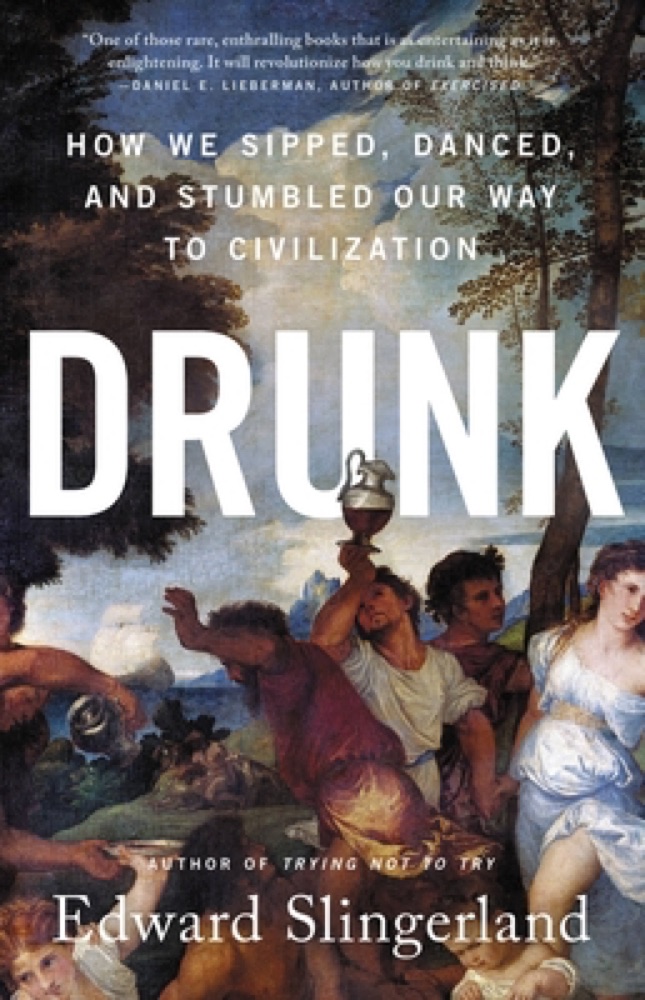 Drunk: How We Sipped, Danced, and Stumbled Our Way to Civilization
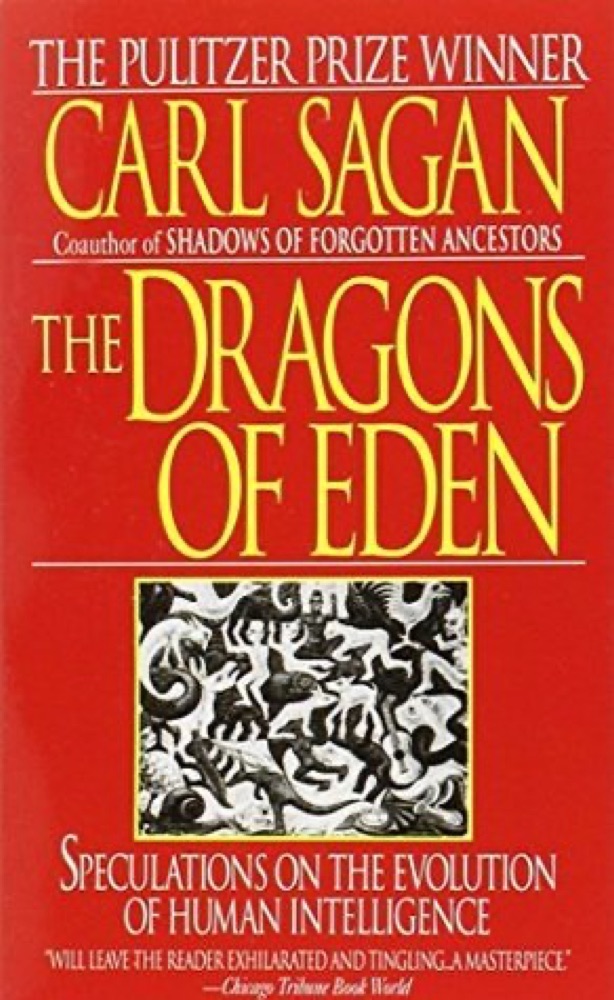 Dragons of Eden: Speculations on the Evolution of Human Intelligence
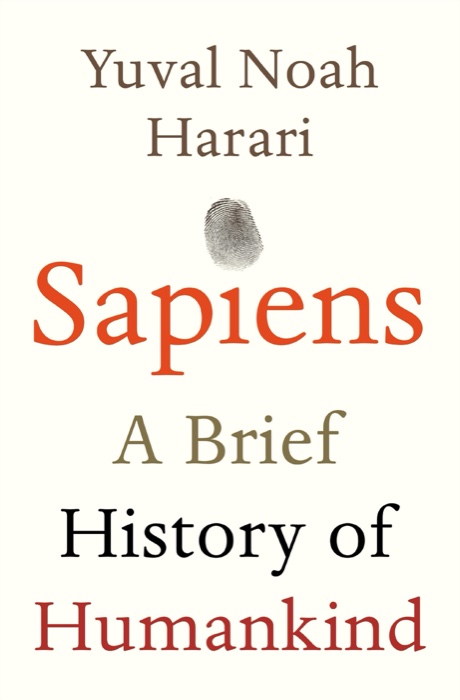 Sapiens: A Brief History of Humankind
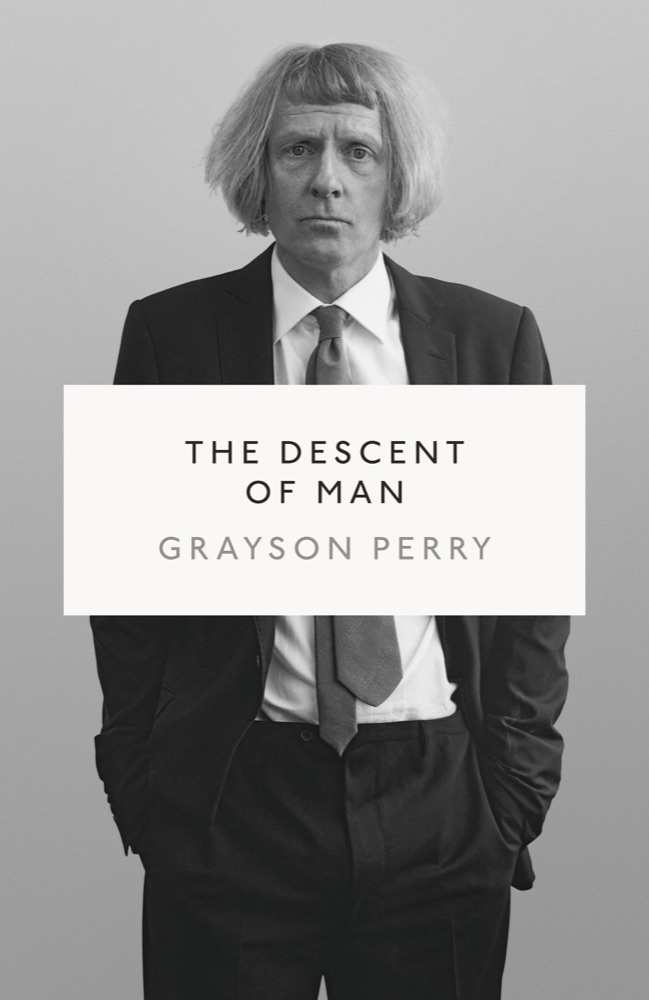 The Descent of Man
 From Bacteria to Bach and Back: The Evolution of Minds
 Some We Love, Some We Hate, Some We Eat: Why It's So Hard to Think Straight About Animals
 Darwin's Dangerous Idea: Evolution and the Meanings of Life
 Queer Ducks (and Other Animals): The Natural World of Animal Sexuality
 Why We Love: The Nature and Chemistry of Romantic Love
 The Selfish Gene
 Psych: The Story of the Human Mind
 The Violinist's Thumb: And Other Lost Tales of Love, War, and Genius, as Written by Our Genetic Code
 The Tell-Tale Brain: A Neuroscientist's Quest for What Makes Us Human
 Passionate Marriage: Keeping Love and Intimacy Alive in Committed Relationships
 The Art of Seduction
 Beyond Words: What Animals Think and Feel
 The Ancestor's Tale: A Pilgrimage to the Dawn of Evolution
 The Mother of All Questions
 A General Theory of Love
 The Lost World
 Religion Explained: The Evolutionary Origins of Religious Thought
 Straw Dogs: Thoughts on Humans and Other Animals
 Humankind: A Hopeful History
 The Stuff of Thought: Language as a Window into Human Nature
 Genome: the Autobiography of a Species in 23 Chapters
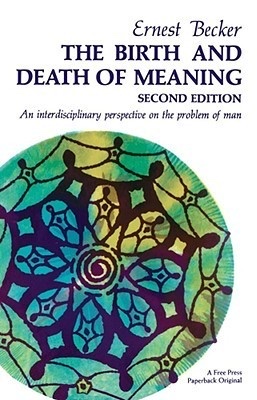 The Birth and Death of Meaning: An Interdisciplinary Perspective on the Problem of Man
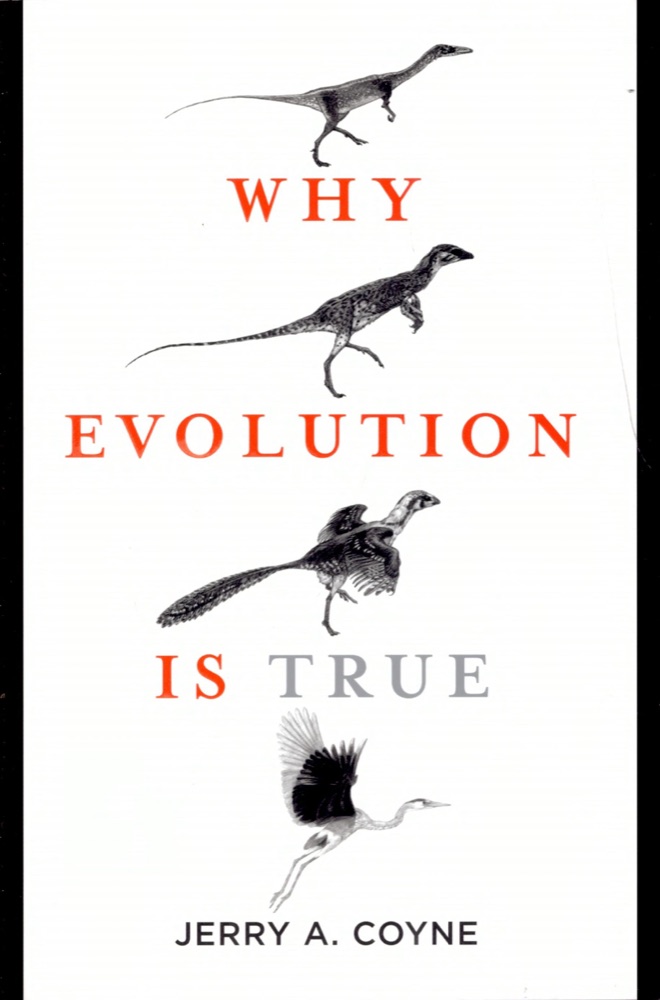 Why Evolution Is True
 Social Intelligence: The New Science of Human Relationships
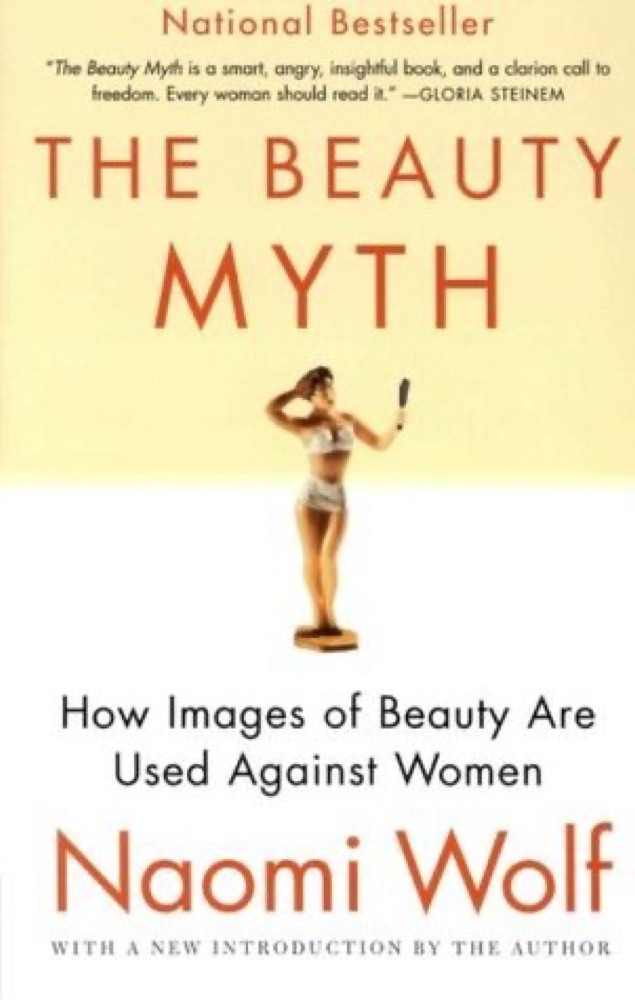 The Beauty Myth
 The Botany of Desire: A Plant's-Eye View of the World
 The Code Breaker: Jennifer Doudna, Gene Editing, and the Future of the Human Race
 Sexual Personae: Art and Decadence from Nefertiti to Emily Dickinson