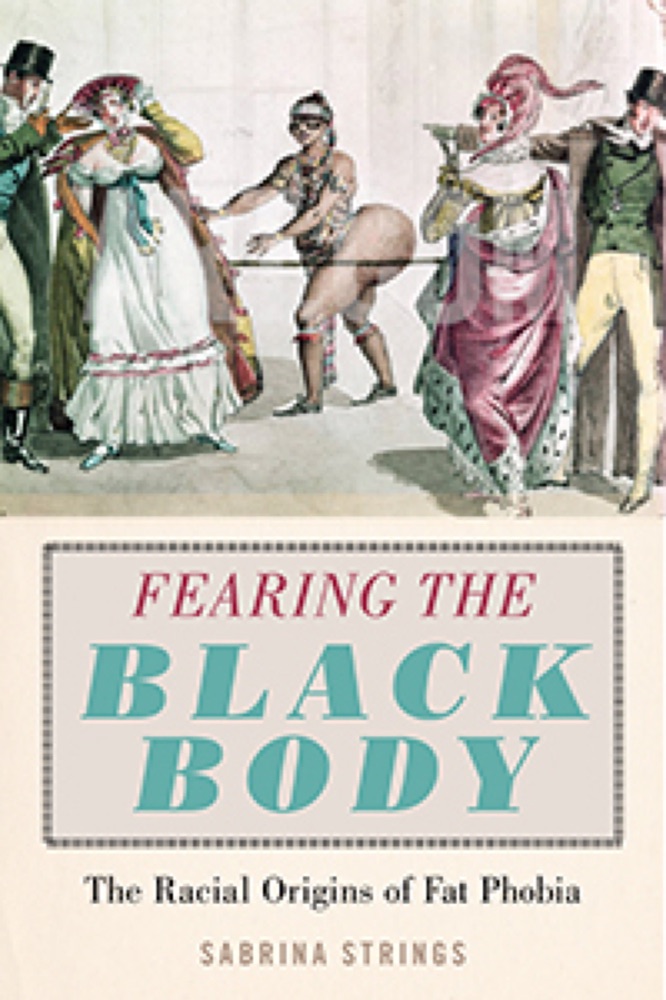
 Butts: A Backstory
Quotes from the Book
...the current anti-fat bias in the United States and in much of the West was not born in the medical field. Racial scientific literature since at least the eighteenth century has claimed that fatness was ‘savage’ and ‘black.
10
The legacy of Protestant moralism and race science as it related to fat and thin persons loomed large. Indeed, many early to mid-twentieth-century physicians relied on moral and racial logics to rail against persons deemed too fat or too thin. But over time, a growing number did so specifically, and exclusively, to condemn fatness.
6
The author spells this out for the reader: “Stoutness, corpulence, and surplusage of flesh” are never desirable “except among African savages.”13 This raises several questions. First, what led some well-to-do Americans to believe that slenderness, especially among women, was both aesthetically preferable and a sign of national identity? How did fatness become a sign of immorality? How did fatness become linked to “Africanity” or blackness?
4
Obesity Kills More Americans Than We Thought.’ This headline, from the health news section of CNN’s website on August 15, 2013, commanded readers’ attention. Accompanying the article is an image of a fat black woman. She is wearing a sleeveless top, revealing the dark, fleshy skin of her arms. A tape measure around her waist is being held together by a pair of delicate white hands reaching out from a white lab coat.
3
...racial discourse was deployed by elite Europeans and white Americans to create social distinctions between themselves and fat racial Others. Black people, as well as so-called degraded or hybrid whites (e.g., Celtic Irish, southern Italians, Russians), were primary targets of these arguments.
3
Together, the two traveled to the south of France, where Bernier earned a medical degree in just three months. The degree, however, carried the somewhat suspect stipulation that his fast-tracked medical knowledge was not to be exercised in the French commonwealth.
2
To pay down his mountain of debt, Hendrik decided to display Sara to British soldiers. These soldiers came with the latest infantry in 1806. Their heads were aswirl with tales of the insatiable and carnal nature of black women at the Cape, stories that had been making their way to England for decades.91 So it was that Sara began her career as an exhibition for European titillation around 1806 while still in Cape Town. Her first shows took place at the local Naval Hospital, where a large contingent of military men found themselves immediately upon their arrival. An infirmary delight, Sara would reveal her naked body to the soldiers for their last gasp of sexual entertainment before welcoming sweet death. She was, according to scholars Clifton Crais and Pamela Scully, “an early nineteenth century exotic dancer,” and for a fee, the dying men may have been able to touch her or even have sex with her.
1
On the contrary, Bernier wrote, he had encountered black women who were among the most beautiful in the world: What I have observed as regards the beauty of women is no less differentiated. Certainly, there are lovely ones, ugly ones to be found everywhere. I have seen some real beauties in Egypt, which put me in mind of the fair and famed Cleopatra. Among the Blacks of Africa I have also seen some very beautiful women who did not have thick lips and snub noses. I have encountered seven or eight in various places who were of such an astonishing beauty that they put in the shade the Venus of the Palazzo Farnese in Rome—with aquiline nose, small mouth, coral lips, ivory teeth, large bright eyes, gentle features and a bosom and everything else of utter perfection. At Moka, I saw several of them completely naked, waiting to be sold, and I can tell you, there could be nothing lovelier in the world to see.
1
Within the aesthetic system of the High Renaissance, pointed noses and fine lips were typically associated with a refined facial beauty. At the same time, well-formed, proportionate figures represented the height of bodily beauty. This aesthetic pairing led to the degradation of the African face and the exaltation of the African body.
1
In this book, I examine the history and legacy of the preference for slimness and aversion to fatness, with attention to their racial, gender, class, and medical contours. This book enters a decades-long conversation about the preference for slenderness and the phobia about fatness in the United States.
1
English ladies weren’t only painting themselves white to enhance their beauty. They were also painting themselves black to reveal, through contrast, the alleged hideousness of black women. In 1605, shortly after the death of Elizabeth, an infamous court masque known as The Masque of Blackness was presented by Jacob I’s queen, Anne of Denmark, and her court. The Masque of Blackness, by Ben Jonson, presented the tale of King Niger and his twelve daughters. While the king tries to convince his daughters that they are beautiful, they despise their black skin. An oracle (Aethiope) tells the girls that if they wish to remove their blackness, they should go to the land with the name ending in -TANIA (that is, Britannia), also known as “Albion the Fair.
Watch on YouTube
About Sabrina Strings
About the book
In her first book, sociologist Strings (sociology, Univ. of California, Irvine) explores the historical development of prothin, antifat ideologies deployed in support of Western, patriarchal white supremacy. Beginning in the aesthetic ideals circulated by Renaissance thinkers and artists and bringing her narrative up into the 1990s, Strings charts how white Europeans and Anglo-Americans developed ideals of race and beauty that both explicitly and figuratively juxtaposed slim, desirable white women against corpulent, seemingly monstrous black women.
The work is divided into three sections. The two chapters in the first part consider how Renaissance white women and women of color were depicted as plump and feminine, separated by class, yet belonging to the same gender. The second part of the work charts the rise of modern racial ideologies that yoked feminine beauty to Protestant, Angl
Book details
- First published
- 2019
- Author
- Sabrina Strings
- Genre
- Nonfiction
- Goodreads rating
- 4.23 (7k ratings)
Keep reading
Butts: A Backstory
 How to Argue With a Racist: What Our Genes Do (and Don't) Say About Human Difference
 Black AF History: The Un-Whitewashed Story of America
 Thick: And Other Essays
 Stamped from the Beginning: The Definitive History of Racist Ideas in America
 Body Positive Power
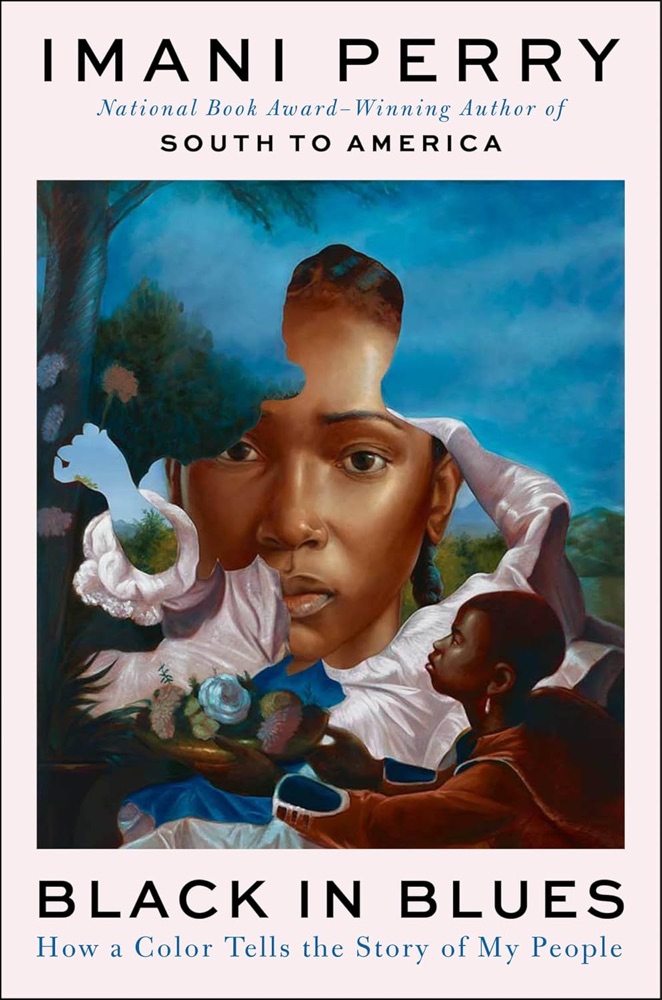 Black in Blues: How a Color Tells the Story of My People
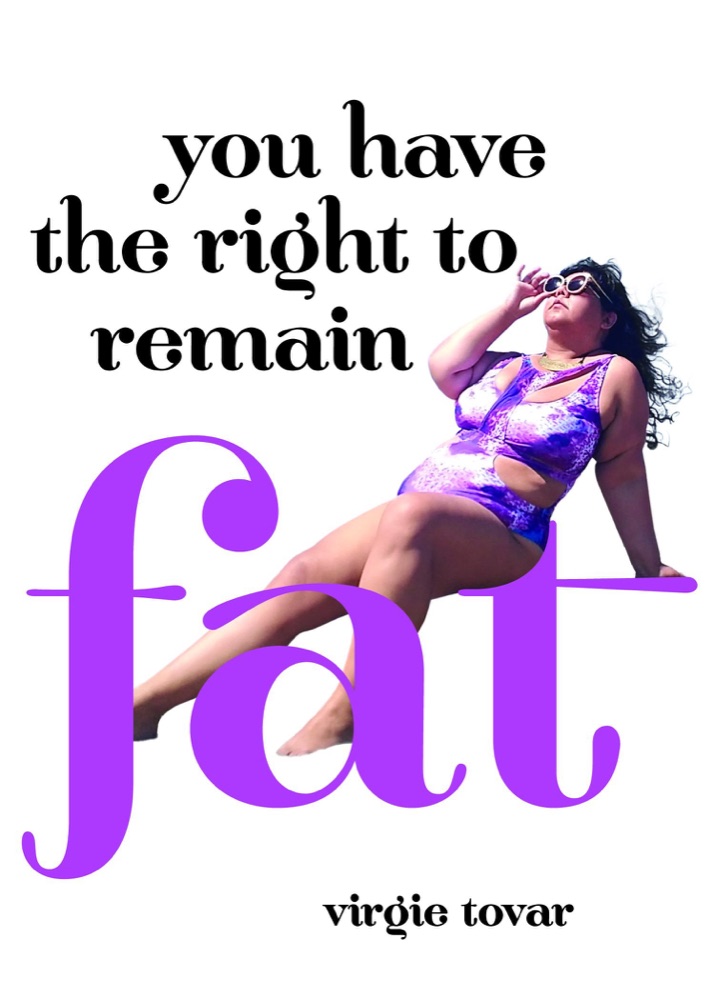 You Have the Right to Remain Fat
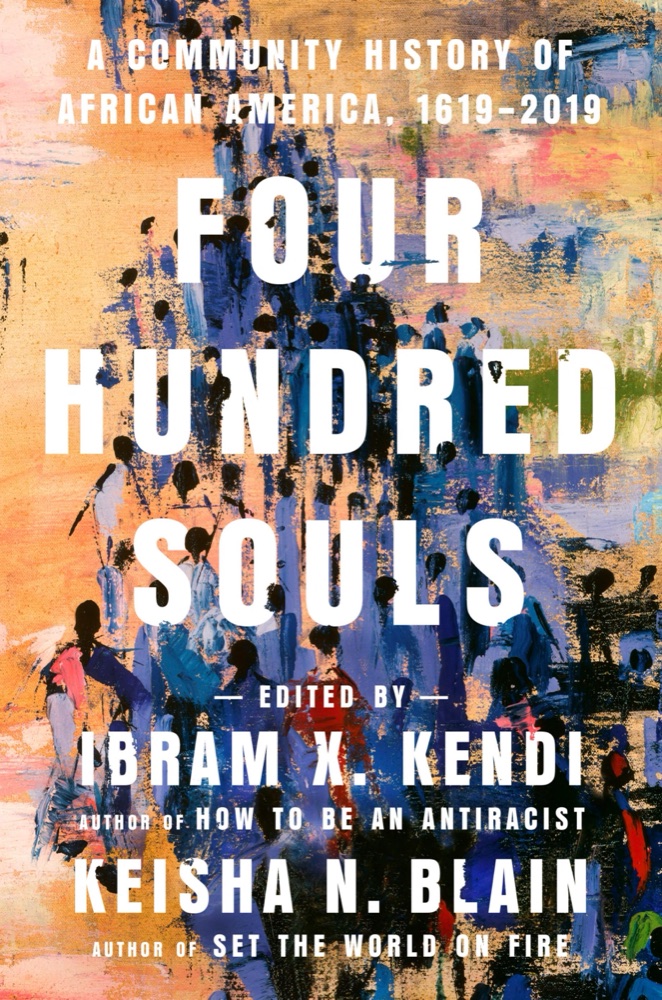 Four Hundred Souls: A Community History of African America, 1619-2019
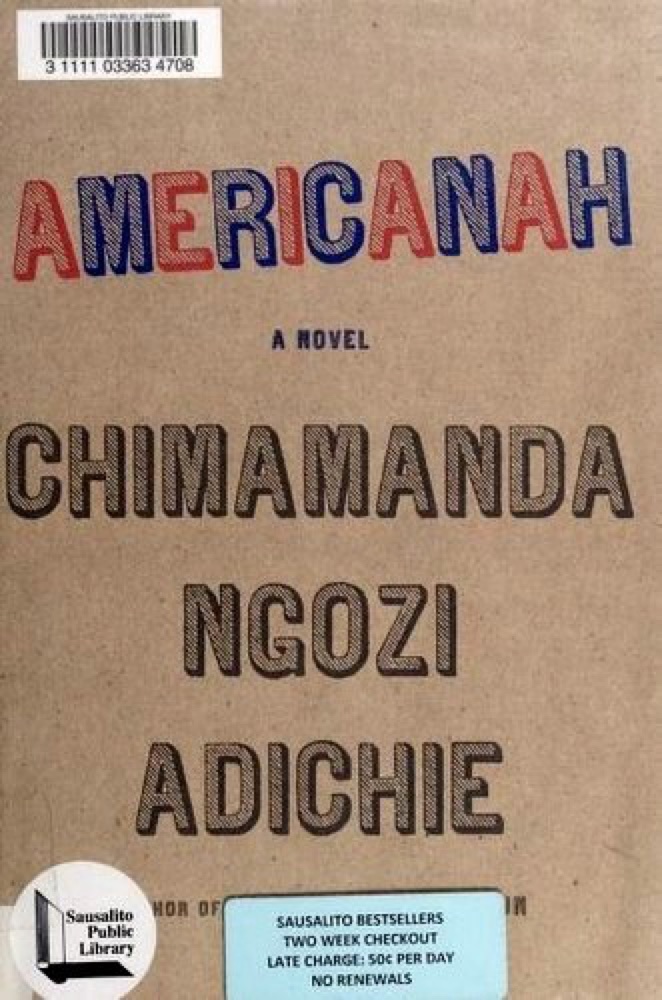 Americanah
 The Madness of Crowds: Gender, Race and Identity
 At Home: A Short History of Private Life
 Illness as Metaphor and AIDS and Its Metaphors
 The Hemingses of Monticello: An American Family
 What White People Can Do Next: From Allyship to Coalition – An Empowering Guide to Interrogating Whiteness and Creating Justice
 The Disuniting of America: Reflections on a Multicultural Society
 Superior: The Return of Race Science
 Mumbo Jumbo
 Femina: A New History of the Middle Ages, Through the Women Written Out of it
 Misogyny: The World's Oldest Prejudice
 The War on the West: An Instant NYT Bestselling History of the Modern World
 Black Skin, White Masks
 Skinny Legs and All
 The Fire This Time: A New Generation Speaks About Race
 White Tears/Brown Scars: How White Feminism Betrays Women of Color
 The Autobiography of an Ex-Coloured Man
 Stamped: Racism, Antiracism, and You
 To Be Young, Gifted, and Black: An Informal Autobiography
 What Doesn't Kill You Makes You Blacker: A Memoir in Essays
 Sex at Dawn: The Prehistoric Origins of Modern Sexuality
 The End of Race Politics: Arguments for a Colorblind America
 The Beauty Myth
 We Were Eight Years in Power: An American Tragedy
 No Name in the Street
 From Dawn to Decadence: 500 Years of Western Cultural Life, 1500 to the Present
 The 1619 Project: A New Origin Story
 Go Back to Where You Came From: And Other Helpful Recommendations on How to Become American
 It's Trevor Noah: Born a Crime: Stories from a South African Childhood
 Petals of Blood
 Black Feminist Thought: Knowledge, Consciousness, and the Politics of Empowerment
 The Love Songs of W.E.B. Du Bois
 The Heart of a Woman
 Too Fat, Too Slutty, Too Loud: The Rise and Reign of the Unruly Woman
 Why Are All The Black Kids Sitting Together in the Cafeteria?
 All in Her Head: The Truth and Lies Early Medicine Taught Us About Women’s Bodies and Why It Matters Today
 Mean
Mean
 Stony the Road: Reconstruction, White Supremacy, and the Rise of Jim Crow
 Black Rednecks and White Liberals
 Woman: An Intimate Geography
 White Like Me: Reflections On Race From A Privileged Son
 Herland
 America's Women: 400 Years of Dolls, Drudges, Helpmates, and Heroines
 Just Us: An American Conversation
 Notes from No Man's Land
 Shrill: Notes from a Loud Woman
 Pym
Pym
 I'm Still Here: Black Dignity in a World Made for Whiteness
 The Committed
 Animal: The Autobiography of a Female Body
 Barracoon: The Story of the Last "Black Cargo"