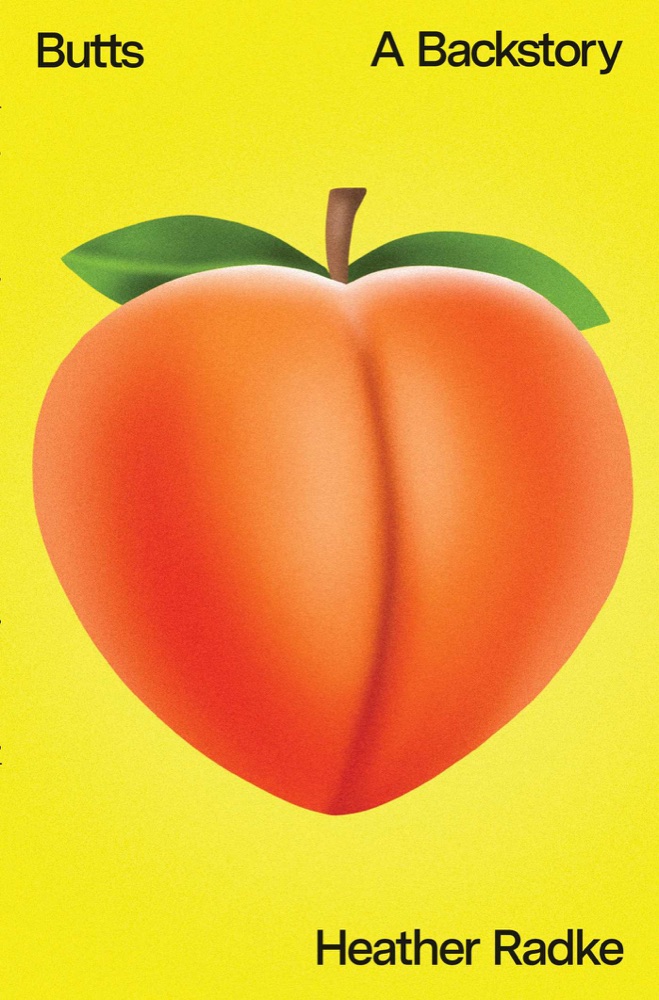
 A Hunter-Gatherer's Guide to the 21st Century: Evolution and the Challenges of Modern Life
Quotes from the Book
To suggest that fashion is a cycle divorced from context is to suggest it exists outside of history. It is to suppose that somehow choosing what clothes you put on every day has nothing to do with the politics, science, or ideas about bodies that swirl around us all. How could fashion possibly be exempt?
3
Garment makers are rarely in the business of making clothes that will work for actual people. Instead, they cater to a fantasy of who the customer hopes to be.
3
This speaks to one of Prum’s problems with the dominant theories in evolutionary psychology: by arguing that peahens or humans are drawn to the physical attributes of potential mates for entirely biological reasons—health or strength or reproductive fitness—we erase the rich variety of ways that humans might be beautiful to one another and shut down the questions that we can ask about beauty. Suggesting that certain attractions are, evolutionarily speaking, “wrong” while others are “correct” takes away from the epic diversity of taste and preference, and simply doesn’t comport with the realities of human—or bird—attraction.
2
Prum believes that animals may come to adopt certain aesthetic characteristics not because those traits are adaptive but simply because they are beautiful. This may be because of a sensory bias in the brain—a neurological feature that just prefers shiny things over nonshiny things—or a preference for novelty. But these attributes don’t necessarily signal that there is something better about the peacock with the extravagant tail. The peahen doesn’t like his tail more than others because it suggests he’s a strong and fit potential mate, but just because she likes how it’s shiny, and blue, and large. Prum bases this theory on a lifetime of studying birds like those in the drawers at his lab, many of which have plumage, skeletons, or songs that make it difficult for them to fly or easy to be spotted by predators.
2
This, then, is part of the reason why evolutionary psychology can be such a tempting mode of thought: it offers evolutionary explanations for behavior that may very well be dictated by cultural or historical forces, which can be a way of offering an excuse. If we took seriously that a lifetime of imbibing unrealistic beauty standards may be behind our thinking that high heels are sexy, we might feel a responsibility to interrogate ourselves and our assumptions, and even change our views. But if the desire for women in high heels is evolutionary, then there is nothing to be done.
Although I told myself that what other people - especially men - though about my body shouldn't matter, the truth was it really did. All of a sudden, a part of me that had felt shameful and ugly was the part that some people liked most. Although I didn't want to be admired only for my body, I certainly wanted my body to be admired. Like all people, I wanted to be wanted. And it felt good to be wanted by the sort of people who had once made me feel ashamed.
Our bodies, by their very nature, resist control, a fact that always has felt paradoxically triumphant when I encounter it. We invent bustles and girdles and exercise videos and cabbage diets and sizing schemes, but our bodies have their own agenda, and so they rarely obey us. Some people want their butt to be big, some people want their butt to be small. But a butt will, for the most part, always remain what it is. As the human mind tries to hammer a body into submission- tries to create meaning, tries to change its shape and appearance, tries to make it something it is not and cannot be- the human body stubbornly refuses to oblige.
Although sterilization laws in the United States were often challenged in court, they were usually upheld as constitutional, including in the landmark 1927 Supreme Court decision Buck v. Bell. By the 1930s, the Nazis modeled their own eugenics program after the practices and policies in California, where more than twenty thousand people were sterilized. Even after the atrocities of World War II, sterilization programs in the United States continued for decades in many state hospitals, and as recently as 2010, women incarcerated in the California prison system were sterilized against their will.
Although today most people understand eugenics as a grotesque and cruel turn in global thought that led to mass genocide during World War II, in the early twentieth century, eugenics was wildly and pervasively popular. Mainstream scientists, politicians, and reformers across party lines openly supported it, including the first six presidents of the twentieth century. Nearly every biology department in the country, including at Stanford, Princeton, Harvard, and the University of Michigan, taught eugenics, and mainstream publications like the New York Times and the Atlantic regularly published articles that celebrated it.
Before the Civil War, books like Sharon Turner’s The History of the Anglo-Saxons and Ralph Waldo Emerson’s English Traits helped to define Englishness in contrast to Irishness, an ethnicity that was situated just above Black people, and sometimes considered partly Black, in the United States during the mid-nineteenth century. That designation in the racial order only changed when a new wave of immigrants from Southern and Eastern Europe arrived in the United States and took their place in the hierarchy.
United States as a cultural form that expressed the angst, rage, joy, and politics of the Black and Latinx experience in a country that had systematically oppressed these groups for centuries. This was a history and experience that the white people buying
Until that point, most Americans associated the concept of “the gym” with bodybuilding, an almost entirely male subculture that was considered deviant, the progeny of circus acts and freak shows. Bodybuilders were perceived as somehow both too feminine—often suspected to be homosexuals because they spent so much time around other men and cared about the way they looked—and too masculine, grotesquely muscled and projecting conspicuous strength.
La Revue Nègre was a bold statement, drawing from the long history of both Black American vernacular dance and the minstrel and vaudeville theater in which Baker had performed in the United States. It contained elements of the shimmy and the shake, and challenged traditional Western European ideas of dance. “All of these moves that in the European mode would have been considered awkward become beautiful, sexy, silly, and savvy at the same time,” explains Dixon Gottschild. Later, as the performance evolved, Baker incorporated her famous banana skirt and, eventually, a pet cheetah who regularly made his way into the orchestra pit—elements that played into the idea of Baker as an exotic creature and added notes of vaudeville humor. Baker’s performances were complex, as are their legacy. Some have characterized her as a twentieth-century Sarah Baartman, another Black woman put on display for the titillation of fascinated, scandalized bourgeois white spectators. But she is often also criticized for exoticizing herself, knowingly participating in her own exploitation, playing into African stereotypes with her nudity, the banana skirt, and the cheetah. Others interpret La Revue Nègre as a means of reclaiming those stereotypes: Baker enthusiastically, and freely, participated in the performances and made lots of money doing it, and she surely understood that she was engaging with, and even subverting, stereotypes of Black femininity. She was also funny, and her performances always contained elements of humor and parody. From her early days as a chorus girl, she would add an element of knowingness by feigning being a bad dancer onstage for a laugh. She may have been sexualized and objectified by her largely white audience in Paris, but she also maintained significant control over what she was doing.
In the University of Texas study, for example, the researchers came up with the theory that big-butted women were better able to forage for food, but they provided no experimental data to back it up. This is a fundamental problem that many biologists have with evolutionary psychology: it doesn’t adhere to the standards of other sciences that study biological evolution.
Since the 1990s, the discipline of evolutionary psychology emerged as a popular method for understanding the relationship between sexual attraction and evolution. You can find evolutionary psychology studies in academic journals, but you’ll also find them referenced in the pages of Maxim or Cosmopolitan or in long Reddit threads attempting to explain why contemporary behaviors or psychological traits—promiscuity, fear of spiders, or male desire for specific female traits, like big butts—may have been advantageous to early humans.
To see your butt, you need the cocoon of mirrors of a dressing room, the cumbersome triangulation of a hand mirror in a bedroom, or an awkwardly held smartphone.
Watch on YouTube
About Heather Radke
About the book
Whether we love them or hate them, think they’re sexy, think they’re strange, consider them too big, too small, or anywhere in between, humans have a complicated relationship with butts. It is a body part unique to humans, critical to our evolution and survival, and yet it has come to signify so much more: sex, desire, comedy, shame. A woman’s butt, in particular, is forever being assessed, criticized, and objectified, from anxious self-examinations trying on jeans in department store dressing rooms to enduring crass remarks while walking down a street or high school hallways. But why? In Butts: A Backstory, reporter, essayist, and RadioLab contributing editor Heather Radke is determined to find out. Spanning nearly two centuries, this “whip-smart” (Publishers Weekly, starred review) cultural history takes us from the performance halls of 19th-century London to the aerobics studios of th
Book details
- First published
- 2022
- Author
- Heather Radke
- Genre
- Nonfiction
- Goodreads rating
- 3.73 (10k ratings)
The buzz
- The New York TimesReview in The New York Timesprofessional review (via Book Marks)
- The Washington PostReview in The Washington Postprofessional review (via Book Marks)
- Publishers WeeklyReview in Publishers Weeklyprofessional review (via Book Marks)
- BooklistReview in Booklistprofessional review (via Book Marks)
- BookPageReview in BookPageprofessional review (via Book Marks)
Keep reading
A Hunter-Gatherer's Guide to the 21st Century: Evolution and the Challenges of Modern Life
 Sex at Dawn: The Prehistoric Origins of Modern Sexuality
 Woman: An Intimate Geography
 The Mating Mind: How Sexual Choice Shaped the Evolution of Human Nature
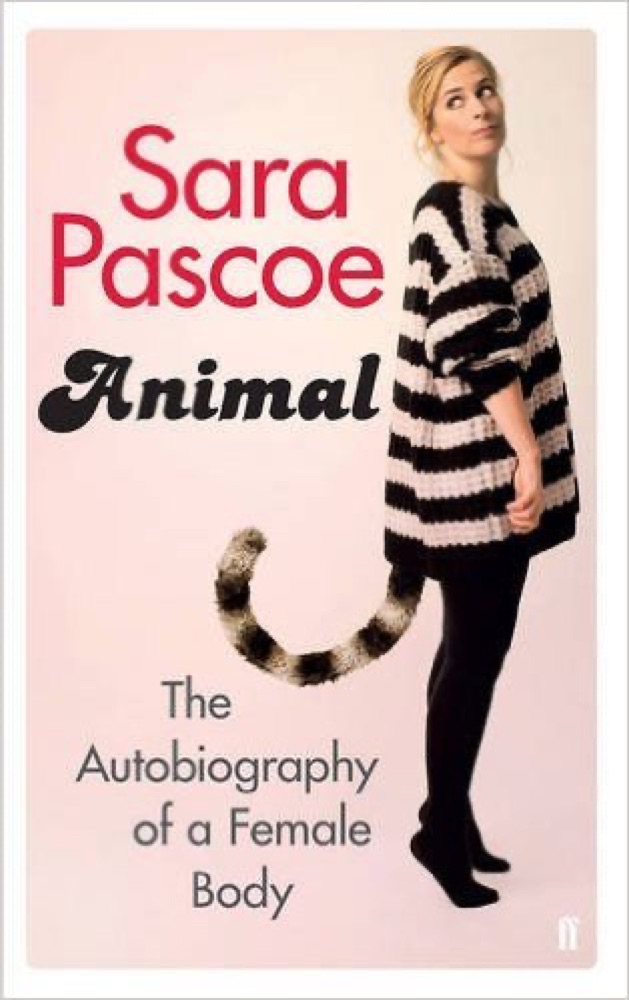 Animal: The Autobiography of a Female Body
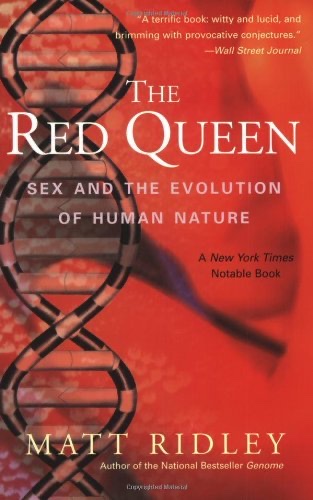 The Red Queen: Sex and the Evolution of Human Nature
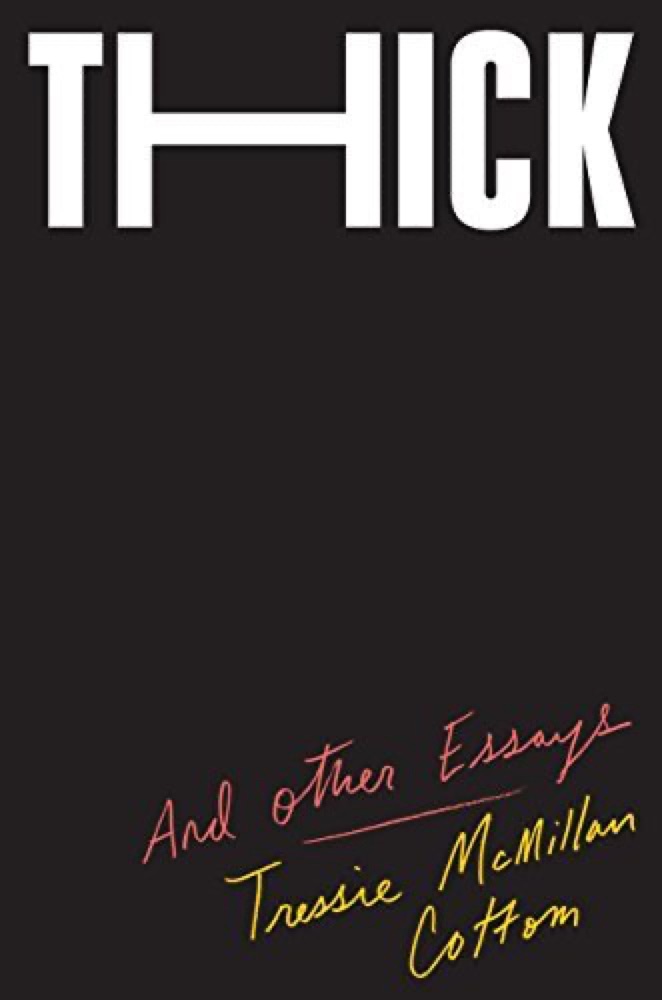 Thick: And Other Essays
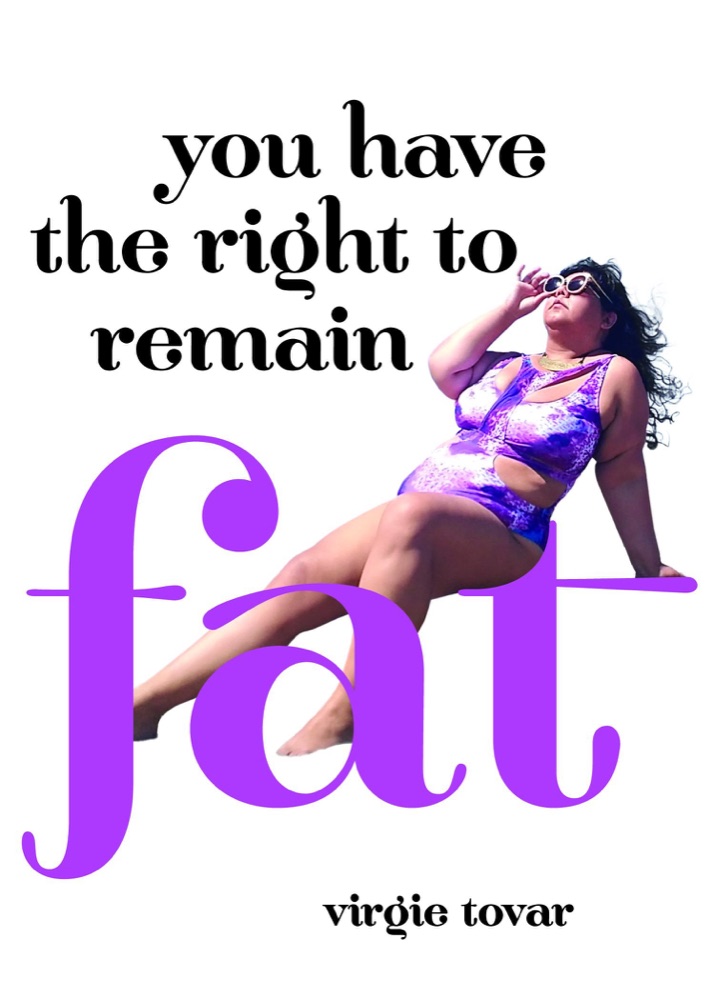 You Have the Right to Remain Fat
 The Madness of Crowds: Gender, Race and Identity
 The Beauty Myth
 Come as You Are: The Surprising New Science that Will Transform Your Sex Life
 The Blank Slate: The Modern Denial of Human Nature
 The Moral Animal: Why We Are the Way We Are - The New Science of Evolutionary Psychology
 Body Positive Power
 The Gene: An Intimate History
 Good Reasons for Bad Feelings: Insights from the Frontier of Evolutionary Psychiatry
 Things No One Will Tell Fat Girls: A Handbook for Unapologetic Living
 Fearing the Black Body: The Racial Origins of Fat Phobia
 At Home: A Short History of Private Life
 The Story of the Human Body: Evolution, Health, and Disease
 The Evolution of Beauty: How Darwin's Forgotten Theory of Mate Choice Shapes the Animal World—And Us
 The Mother of All Questions
 Venus Plus X
 Too Fat, Too Slutty, Too Loud: The Rise and Reign of the Unruly Woman
 Why We Get Sick: The New Science of Darwinian Medicine
 Shrill: Notes from a Loud Woman
 The Botany of Desire: A Plant's-Eye View of the World
 Cunt: A Declaration of Independence
 The Argonauts
 Material Girls: Why Reality Matters for Feminism
 Ways of Seeing
 Walking Practice
 Female Chauvinist Pigs: Women and the Rise of Raunch Culture
 The Female Eunuch
 Trans: When Ideology Meets Reality
 Skinny Legs and All
 Whose Story Is This? Old Conflicts, New Chapters
 Herland
 How the Mind Works
 Natural Causes: An Epidemic of Wellness, the Certainty of Dying, and Killing Ourselves to Live Longer
 Shadows of Forgotten Ancestors
 How to Argue With a Racist: What Our Genes Do (and Don't) Say About Human Difference
 Sissy: A Coming-of-Gender Story
 Living Dolls: The Return of Sexism
 Vagina Obscura: An Anatomical Voyage
 Creation Lake
 Undeniable: Evolution and the Science of Creation
 Starry Messenger: Cosmic Perspectives on Civilization
 Queer Ducks (and Other Animals): The Natural World of Animal Sexuality
 Women's Bodies, Women's Wisdom: Creating Physical and Emotional Health and Healing
 Whipping Girl: A Transsexual Woman on Sexism and the Scapegoating of Femininity
 Some We Love, Some We Hate, Some We Eat: Why It's So Hard to Think Straight About Animals
 Selfie: How the West Became Self-Obsessed
 Sapiens: A Brief History of Humankind
 Superior: The Return of Race Science
 The Social Conquest of Earth
 Why I Am Not a Feminist: A Feminist Manifesto
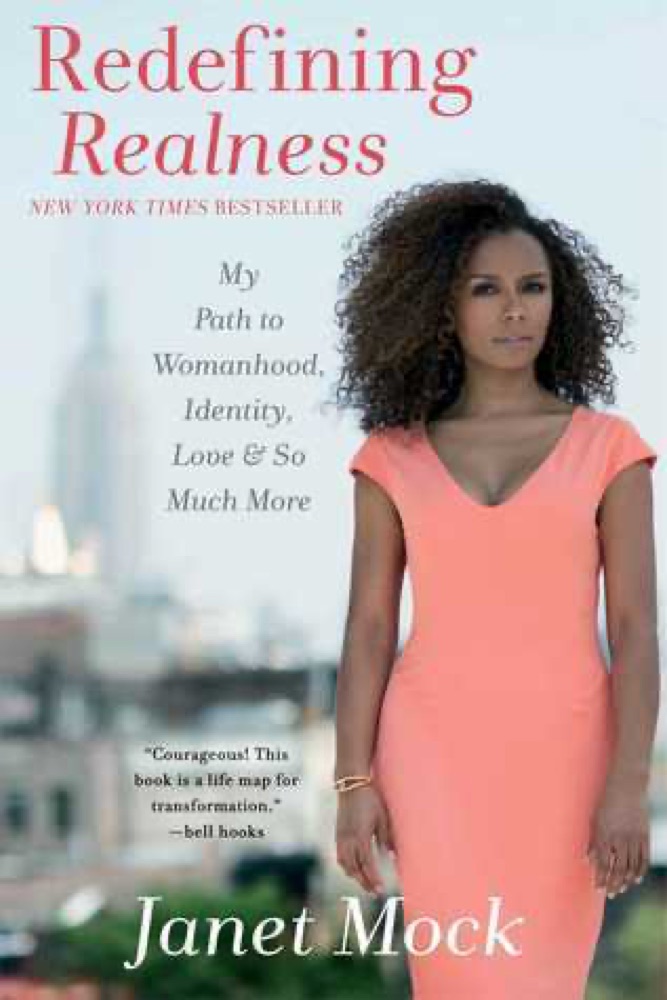 Redefining Realness: My Path to Womanhood, Identity, Love & So Much More
 Trick Mirror: Reflections on Self-Delusion
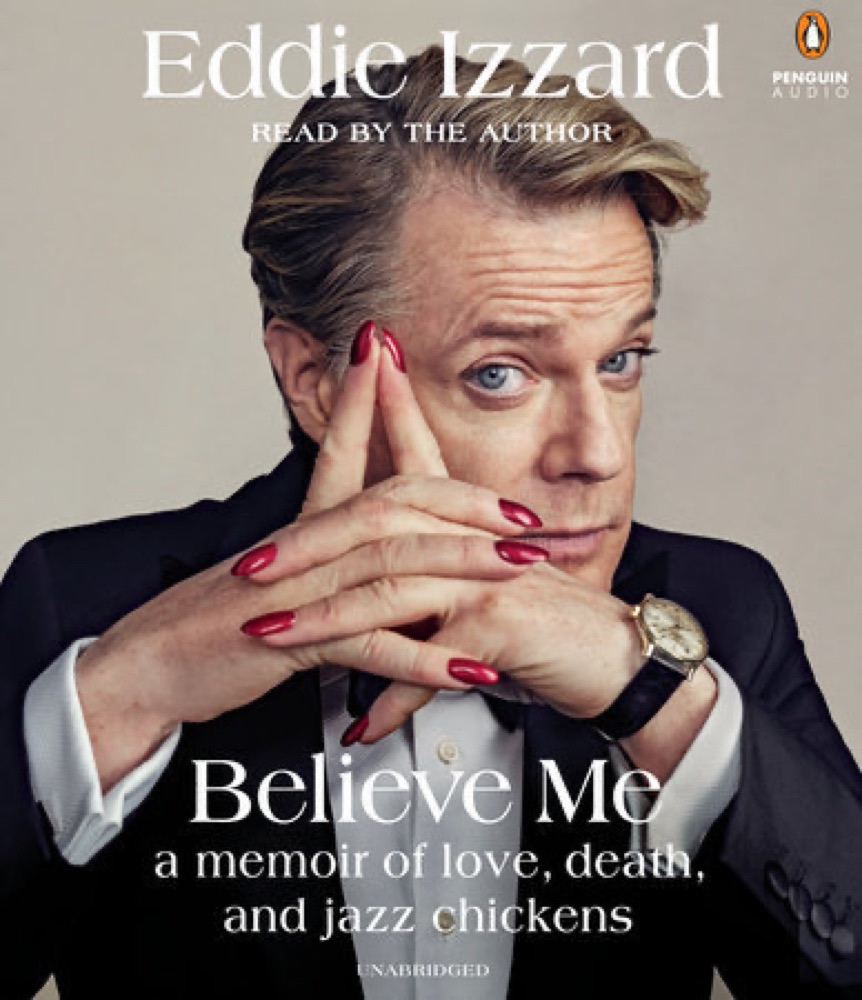 Believe Me: A Memoir of Love, Death, and Jazz Chickens