
 Free Food for Millionaires
Quotes from the Book
Living everyday in the presence of those who refuse to acknowledge your humanity takes great courage
You want to see a very bad man? Make an ordinary man successful beyond his imagination. Let’s see how good he is when he can do whatever he wants.
Learn everything. Fill your mind with knowledge—it’s the only kind of power no one can take away from you.” Hansu never told him to study, but rather to learn, and it occurred to Noa that there was a marked difference. Learning was like playing, not labor.
...a God that did everything we thought was right and good wouldn't be the creator of the universe. He would be our puppet.
There's nothing fucking worse than knowing that you're just like everybody else.
Sunja-ya, a woman’s life is endless work and suffering. There is suffering and then more suffering. It’s better to expect it, you know. You’re becoming a woman now, so you should be told this. For a woman, the man you marry will determine the quality of your life completely. A good man is a decent life, and a bad man is a cursed life—but no matter what, always expect suffering, and just keep working hard. No one will take care of a poor woman—just ourselves.” Mrs.
There was more to being something than just blood.
There was consolation: The people you loved, they were always there with you, she had learned. Sometimes, she could be in front of a train kiosk or the window of a bookstore, and she could feel Noa's small hand when he was a boy, and she would close her eyes and think of his sweet grassy smell and remember that he had always tried his best. At those moments, it was good to be alone to hold on to him.
You are very brave, Noa. Much, much braver than me. Living every day in the presence of those who refuse to acknowledge your humanity takes great courage.
No one is clean. Living makes you dirty.
because she would not believe that she was no different than her parents, that seeing him as only Korean—good or bad—was the same as seeing him only as a bad Korean. She could not see his humanity, and Noa realized that this was what he wanted most of all: to be seen as human.
But ideas can make men forget their own interests. And the guys in charge will exploit men who believe in ideas too much.
In Seoul, people like me get called Japanese bastards, and in Japan, I'm just another dirty Korean no matter how much money I make or how nice I am. So what the fuck?
Noa had been a sensitive child who had believed that if he followed all the rules and was the best, then somehow, the hostile world would change its mind. His death may have been her fault for having allowed him to believe such cruel ideals
All landowners who were foolish enough to stick around were shot. Communists see people only in simple categories.
His Presbyterian minster father had believed in a divine design, and Mozasu believed that life was like this game where the player could adjust the dials yet also expect the uncertainty of factors he couldn't control. He understood why his customers wanted to play something that looked fixed but which also left room for randomness and hope.
Patriotism is just an idea, so is capitalism or communism. But ideas can make men forget their own interests. And the guys in charge will exploit men who believe in ideas too much.
Even if there were hundred bad Japanese, if there was one good one, he refused to make a blanket statement
that a man must learn to forgive—to know what is important, that
People are rotten everywhere you go. They’re no good. You want to see a very bad man? Make an ordinary man successful beyond his imagination. Let’s see how good he is when he can do whatever he wants.” Sunja
Etsuko had failed in this important way—she had not taught her children to hope, to believe in the perhaps-absurd possibility that they might win. Pachinko was a foolish game, but life was not.
In the end, your belly was your emperor.
At this point in the course, everyone in the room despised Akiko, but suddenly he admired her courage to think so differently and to suggest such a difficult truth. He felt lucky to be at a university and not in most other settings, where the person in charge was always right. Nevertheless, until he really listened to Akiko disagree with the professor, he had not thought for himself fully, and it had never occurred to him to disagree in public.
What surprised him was that as he felt closer to death, he felt the terror of death, its very finality. There were so many things he had failed to do. There were even more things he should never have done.
The penalties incurred for the mistakes you made had to be paid out in full to the members of your family.
It was still hard for a Korean to become a Japanese citizen, and there were many who considered such a thing shameful—for a Korean to try to become a citizen of its former oppressor. When she told her friends in New York about this curious historical anomaly and the pervasive ethnic bias, they were incredulous at the thought that the friendly, well-mannered Japanese they knew could ever think she was somehow criminal, lazy, filthy, or aggressive—the negative stereotypical traits of Koreans in Japan.
It was much smaller than her own, but everyone seemed closer, as if each member were organically attached to one seamless body, whereas her enormous extended family felt like cheerfully mismatched Lego bricks in a large bucket.
Living every day in the presence of those who refuse to acknowledge your humanity takes great courage.
Did you know?
- The novel spans roughly eight decades, from 1910 to 1989.
- Its title refers to pachinko, a Japanese mechanical arcade game that becomes central to the family's livelihood.
- It was a finalist for the 2017 National Book Award for Fiction.
- The New York Times named it one of the 10 Best Books of 2017.
- In 2024 The New York Times ranked it #15 on its list of the 100 Best Books of the 21st Century.
- It was adapted into an Apple TV+ series that premiered in 2022.
About Min Jin Lee
Min Jin Lee is a Korean American author born in Seoul and raised in New York. "Pachinko" is her second novel, following "Free Food for Millionaires," and was a finalist for the National Book Award.
More about the author →More by Min Jin Lee
Free Food for Millionaires
About the book
"Pachinko" is Min Jin Lee's epic historical novel tracing four generations of an ethnic Korean family from a fishing village near Busan to life in Japan across most of the twentieth century. It opens in Yeongdo, Busan, in the years around Japan's 1910 annexation of Korea, and centers on Sunja, a young woman who becomes pregnant by a powerful, married man and is instead married by a kind Christian minister, Baek Isak, who takes her with him to Osaka.
In Japan the family confronts entrenched discrimination against Koreans, who are forced into poor neighborhoods and menial work and denied full belonging across decades that include World War II and the postwar era. The pachinko parlors that eventually sustain the family give the book its title and its central metaphor: a game of chance whose outcomes can be quietly manipulated, mirroring lives shaped by forces the characters cannot control.
Spanning 1910 to 1989, the novel explores themes of identity, belonging, sacrifice, and endurance among a marginalized people, with food and labor recurring as markers of scarcity and dignity. A finalist for the 2017 National Book Award for Fiction and named one of The New York Times' ten best books of 2017, it became a bestseller and was later adapted for television, cementing its place as a landmark work about the Korean diaspora.
Key characters
- SunjaCentral character; a Korean woman whose choices shape four generations
- Koh HansuWealthy, yakuza-connected married man who fathers Sunja's first child
- Baek IsakChristian minister who marries Sunja and brings her to Japan
- HoonieSunja's father, a fisherman's son born with a cleft palate and twisted foot
- NoaSunja's elder son, who struggles with his Korean identity in Japan
- MozasuSunja's younger son, who builds a livelihood in the pachinko business
Book details
- First published
- 2017
- Length
- 490 pages
- Reading time
- 30 hours
- Author
- Min Jin Lee
- Genre
- Fiction
- Goodreads rating
- 4.34 (669k ratings) →
- First line
- “History has failed us, but no matter.”
Movie & TV adaptations
- IMDb
If you liked this, read…
- 1The Joy Luck ClubMultigenerational saga of immigrant families and cultural identity
- 2A Fine BalanceSweeping historical fiction about marginalized lives enduring hardship
- 3HomegoingTraces generations of a family shaped by history and displacement
Keep reading
 The Girl with Seven Names: A North Korean Defector’s Story
 Hawaii
 Freedom
 The Son
 The Broken Eye
 Shōgun
 The Shadow of Kyoshi
 The Orphan Master's Son
 The Jewel in the Crown
 New Watch
 How Beautiful We Were
 Crime and Punishment
 The First Circle
 Audition
 A Rule Against Murder
 The Sympathizer
 Musashi
 Shadow of the Hegemon
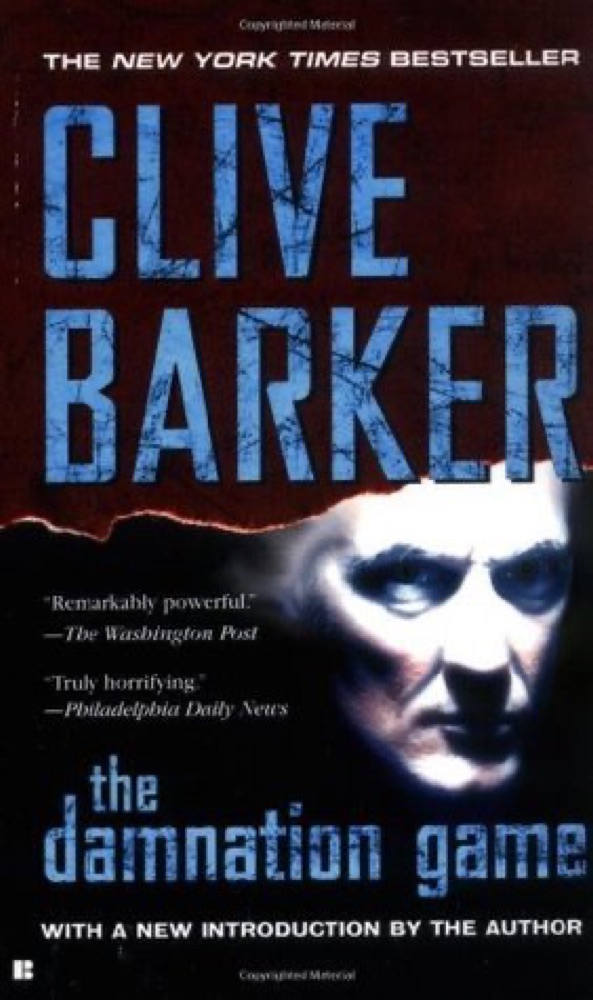 The Damnation Game
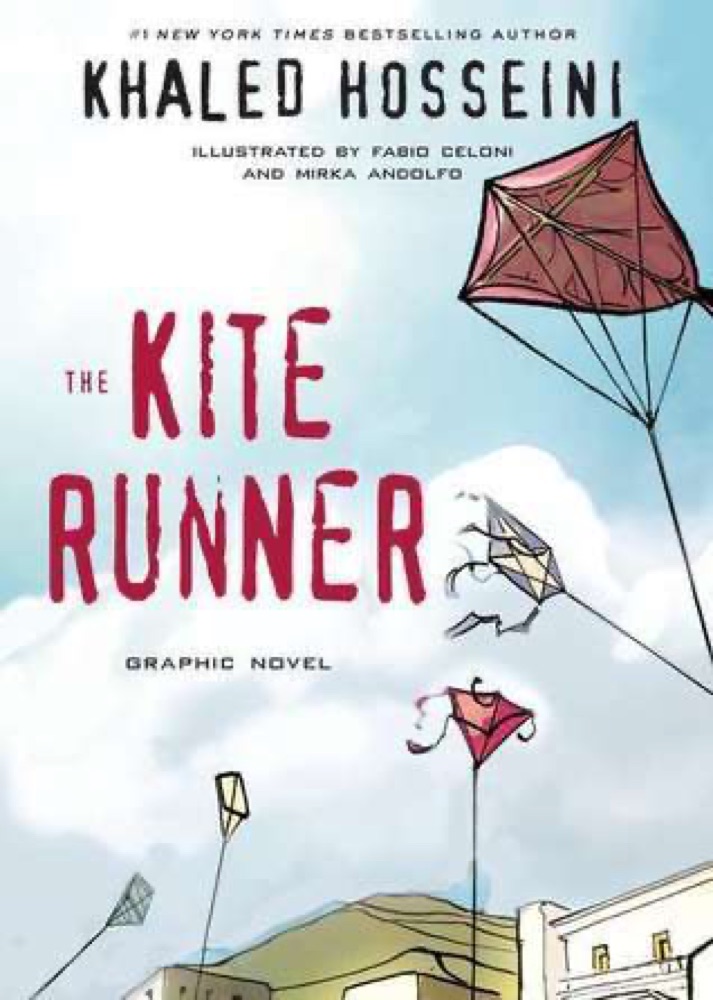 The Kite Runner
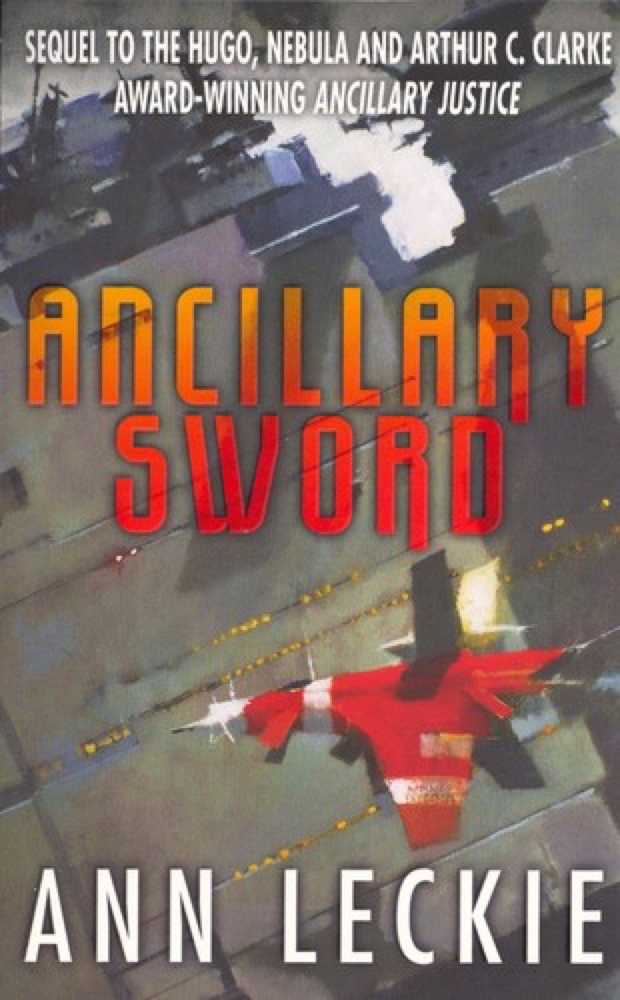 Ancillary Sword
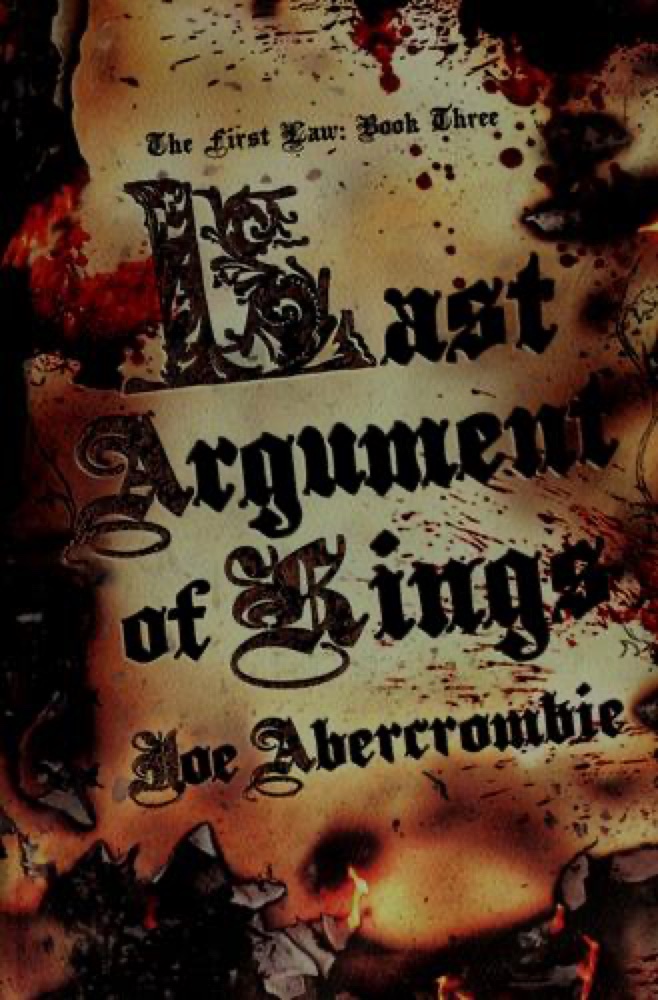 Last Argument of Kings
 The Trouble with Peace
 The Grace of Kings
 United States of Japan
 The Long Way to a Small, Angry Planet
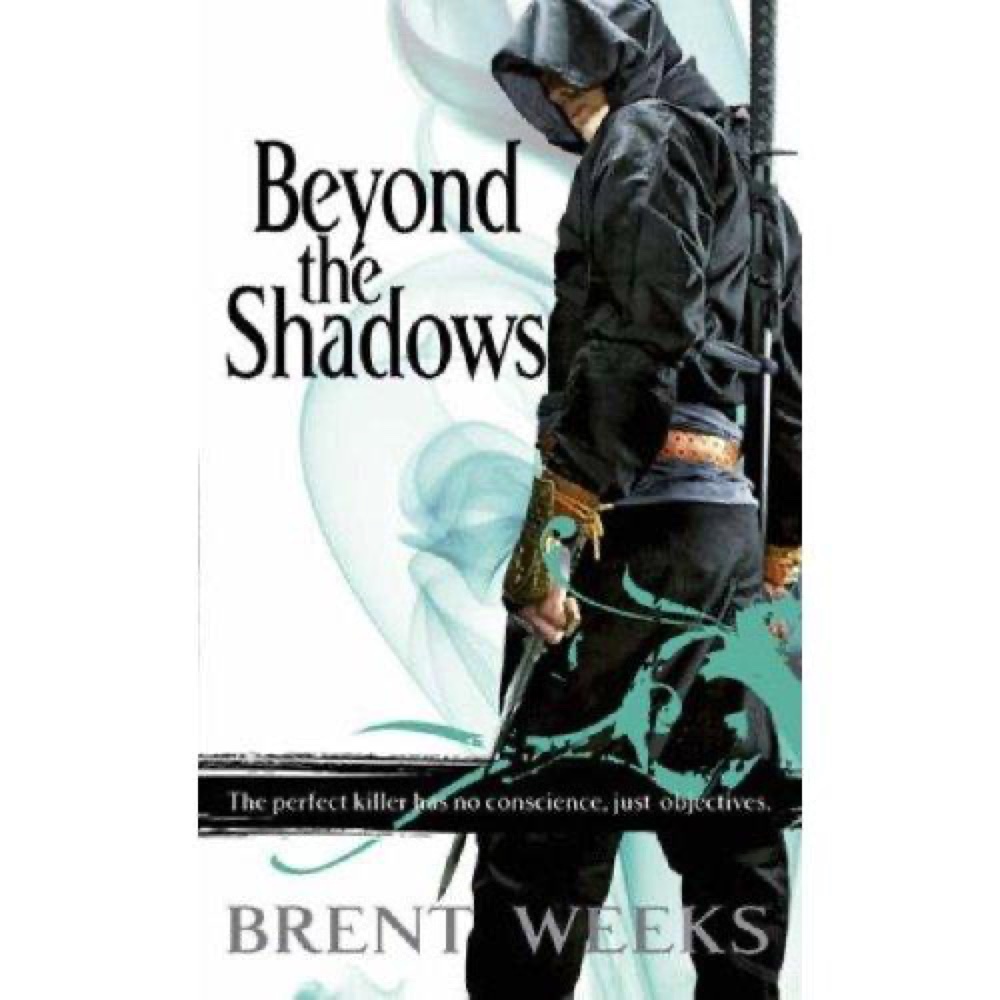 Beyond the Shadows
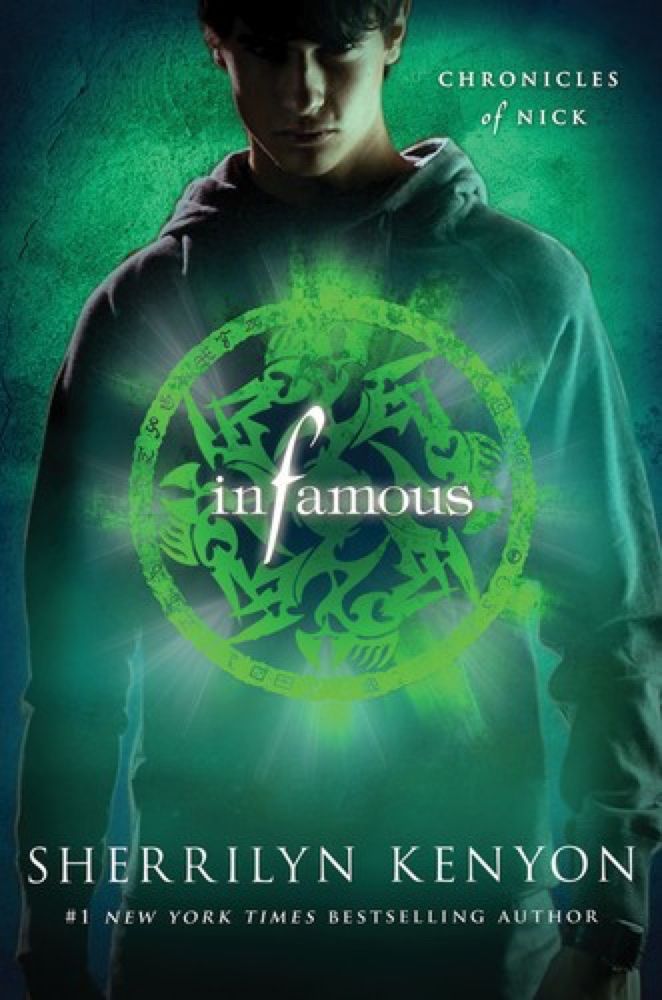 Infamous
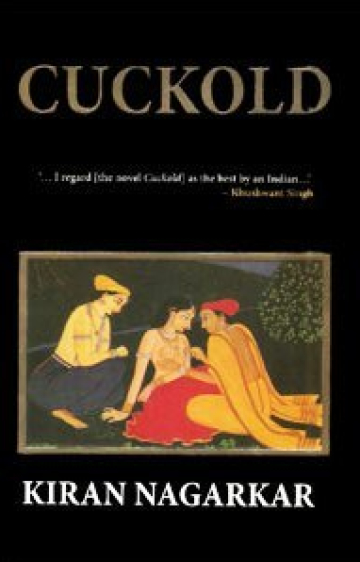 Cuckold
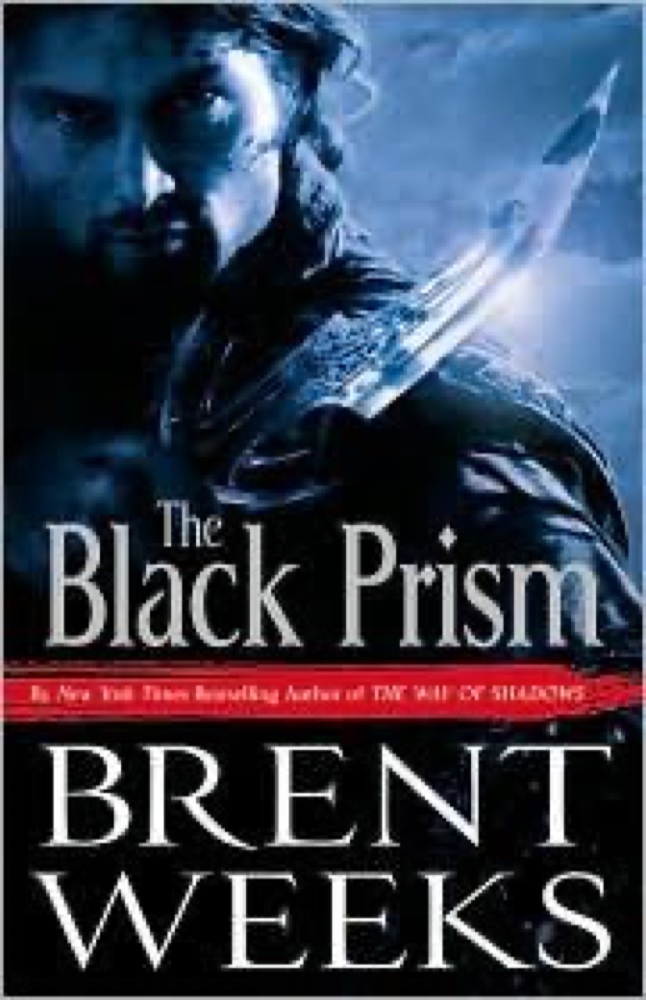 The Black Prism
 The Obelisk Gate
 The Player of Games
 The Naked and the Dead
 The Once and Future King
 The Hod King
 Rot & Ruin
 Speaking Bones
 Xenocide
 In the Miso Soup
 Revolutionary Road
 The Son
 Soul of the Fire
 The Prisoner of Heaven
 J
J
 The Poppy War
 The Nix
 The Nickel Boys
 Black Leopard, Red Wolf
 The Human Stain
 Vicious
 Adulthood Rites
 Heavenly Tyrant
 The Stand
 Ender in Exile
 Point Counter Point
 Big Machine
 Half the World
 The Winner Stands Alone
 Prince of Thorns
 The Kitchen God's Wife