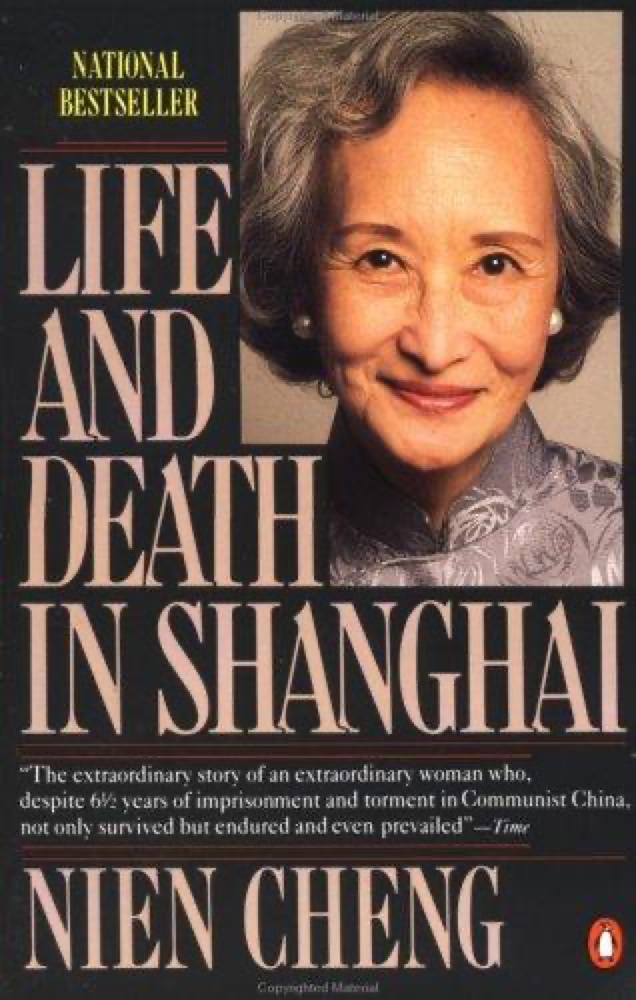
 Life and Death in Shanghai
Quotes from the Book
It is difficult for my fellow countrymen who have never lived abroad to understand that until a foreign man is about sixty-five, he still thinks, every so often, that under the right circumstances he'd like to punch an American in the face. Even people like the Chinese, who mostly like us, think of us--at least partly--as loud, fat, poorly dressed, overprivileged, hectoring, naive, arrogant, self-righteous bullies with little knowledge and no interest in any culture other than our own. I once had a conversation with a Japanese journalist who said to me, "You don't seem like an American." When I asked him, slightly hurt, why he said that, he replied, "Because you listen.
13
[...] it doesn't take much courage to fight when you still believe you can win. What takes real courage is to keep fighting when all hope is gone.
9
A club hurts the flesh, but evil words hurt the bone. -Traditional Chinese Proverb
4
Only those who have tasted the bitterest of the bitter can become people who stand out among others. -Guanchang Xianxing Ji
4
This was not uncommon in government-run operations, where a request that someone do their job often induced a catatonic state that might last anywhere from a couple of minutes to an hour.
3
The sayers do not know and the knowers do not say.
3
When you are the only laowai in a village of 10,000 Chinese martial artists and you've sat through several dozen films where a white man shouts, "You Chinese dog," before getting his ass kicked, it starts to irritate you. We all need role models.
2
[...] The monks sped up the process up for us laowai who have less time, less patience for basics, and a greater need for external markers of our accomplishments.
1
I knew very little about Afghanistan. Like most of my fellow countrymen, I preferred not to learn too much about dysfunctional countries until after my government invaded them. It's emotionally easier that way.
The Japanese fighter was wired. He ran forward several steps and then backpedaled to where he stood before, ten yards away from his opponent. He repeated this several times. It was like he suffered from physical autism. “What does this stupid egg think he’s doing?” Deqing asked of no one in particular. “Feinting?” It was a surreal sight watching this karateka repeatedly charge forward and then dash back, as if his opponent lacked any depth perception and would therefore be fooled into thinking that the object in front of him was closer than it appeared. Finally,
Chinese is a tonal language. Words spelled the same way mean different things when pronounced with one of the four different tones: the 1st stays level, the 2nd rises, the 3rd sinks and then rises, and the 4th falls. For example, the sentence “ma [1st] ma [4th] ma [3rd] ma [1st]?” means “Did mother curse the horse?” First-year Chinese students either use their heads or their index fingers to try to get the tones right: half the class looks like bobblehead dolls, the other like conductors of a Lilliputian orchestra. “Where?
The Chinese expected the white man to pay more for his burden because the British, the Pablo Escobar of imperialists, had forced them to buy opium from India in 1850 and had stolen Hong Kong.
Almost everything in China was subject to a negotiation because the Chinese believe all situations are contextual. The price depended on who you were. There was the Chinese friend price (deep guanxi), the Chinese friend-of-friend price (shallow guanxi), the Chinese stranger price (no guanxi), the smart laowai price (he knew what the Chinese price was), and the sucker laowai price (usually 100 to 200 percent higher than the smart laowai price). Taking their cues from the government, which had instituted different prices for Chinese and foreigners at tourist attractions, hotels, and friendship stores, the local merchants felt no unease in gouging a laowai
What takes real courage is to keep fighting when all hope is gone.
Like many sons of famous men who can’t live up to their fathers, Big Wang covered up his insecurity with a belligerent jocularity. Or to put it another way, he was an annoying prick who thought he was hilarious. He liked to make his power known by publicly berating
the Chinese Communist Party played only a minor role in battling the Japanese. It was the Chinese Nationalist Party [KMT] that bore the brunt of the heavy fighting and was significantly weakened in the process. Without the Japanese invasion, it seems improbable that the CCP could have won the “Nationalist-Communist” Civil War in 1950. But historical memory is rarely gracious, self-deprecating, or forgiving, especially in a police state.) The
At some point within the first month I started talking to myself, which wouldn’t have been so bad if it weren’t for the fact that I was also answering myself. I’d never imagined how crucial English was to my sense of a unified self—part
If I had been a Chinese student, Cheng Hao would have shouted all these failings at me, while occasionally whacking me with a wooden staff to emphasize his criticisms. Shaolin’s pedagogical style was profoundly corporal. China has a saying parents often use with their children when they punish them, da shi teng, ma shi ai (smacking is fondness; scolding is love). But I was a foreigner. More important, because he was only nineteen, I was two years older than he was. So he only said, “Good…very good…better…you’re getting better” as I stumbled through the morning.
There are few things more nerve-racking than trying to act normal with a camera in your face and someone shouting at you to “act normal.
He had me at “hallo.” No red-blooded American can resist the siren song of TV exposure. It’s our God-given right.
Almost all of it was a reconstruction of recent vintage, part of the government’s effort to increase tourist revenue after the devastation of the Cultural Revolution.
Shaolin was the first known Buddhist monastery to develop its own fighting system—quite unusual for a religion whose pacifism rivals that of the Quakers.
Two goals in a Maoist economy are to keep people working whether their job is necessary or not (idleness is the bourgeoisie’s workshop) and to make sure everyone is keeping an eye on everyone else.
The North Beijing train station was a vivid example of the kind of pervasive poverty the Chinese people were willing to concede their political freedom to escape. It looked like a refugee camp after a war of ethnic cleansing. Actually, a refugee camp looks better, because at least it has Red Cross tents.
Watch on YouTube
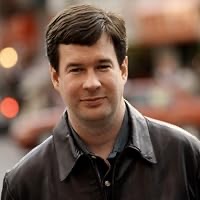
About Matthew Polly
We have collected 24 quotes from 1 book by Matthew Polly on BookQuoters.
More about the author →About the book
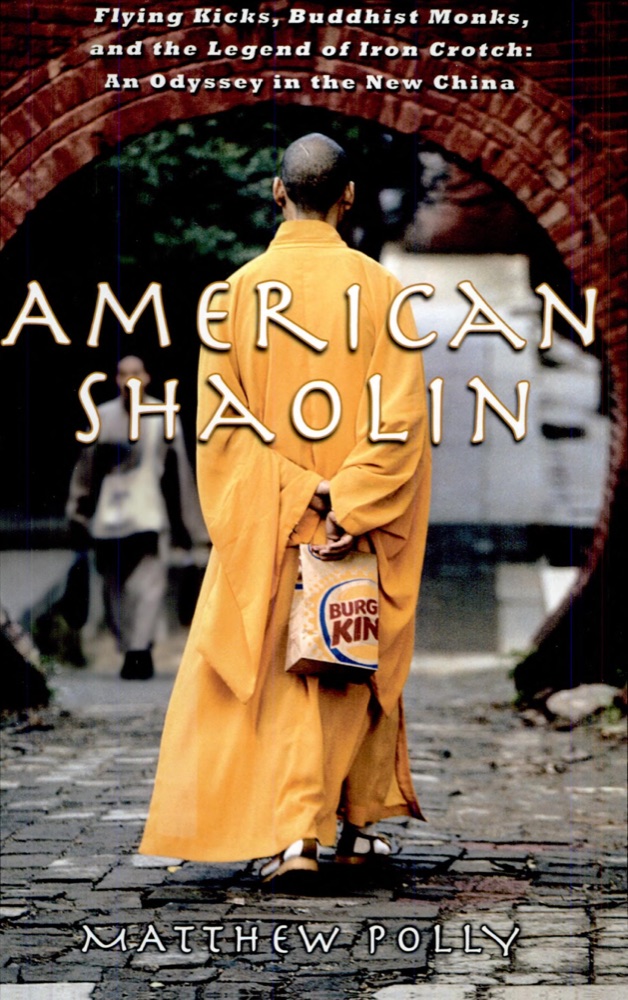
Bill Bryson meets Bruce Lee in this raucously funny story of one scrawny American’s quest to become a kung fu master at China’s legendary Shaolin Temple. Growing up a ninety-pound weakling tormented by bullies in the schoolyards of Kansas, young Matthew Polly dreamed of one day journeying to the Shaolin Temple in China to become the toughest fighter in the world, like Caine in his favorite 1970s TV series, Kung Fu. While in college, Matthew decided the time had come to pursue this quixotic dream before it was too late. Much to the dismay of his parents, he dropped out of Princeton to spend two years training with the legendary sect of monks who invented kung fu and Zen Buddhism.
Expecting to find an isolated citadel populated by supernatural ascetics that he’d seen in countless badly dubbed chop-socky flicks, Matthew instead discovered a tacky tourist trap run by Communist party hacks
Book details
- First published
- 2007
- Author
- Matthew Polly
- Genre
- Nonfiction
- Goodreads rating
- 4.03 (3k ratings)
Keep reading
Life and Death in Shanghai
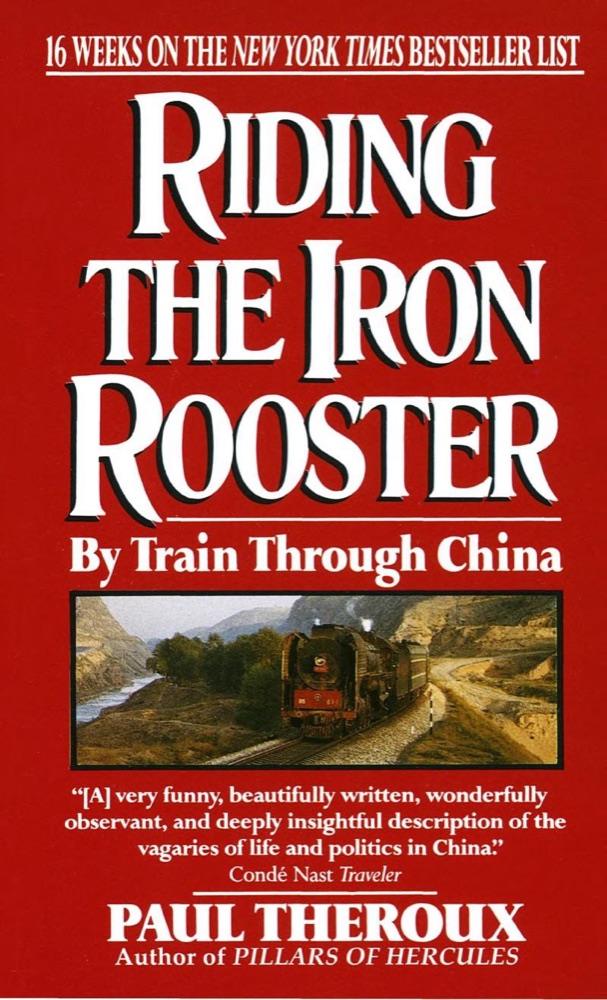 Riding the Iron Rooster: By Train Through China
 Wild Swans: Three Daughters of China
 River of Smoke
 Pachinko
 The White Tiger
 The Secret Piano: From Mao's Labor Camps to Bach's Goldberg Variations
 The Spirit Catches You and You Fall Down: A Hmong Child, Her American Doctors, and the Collision of Two Cultures
 Go
Go
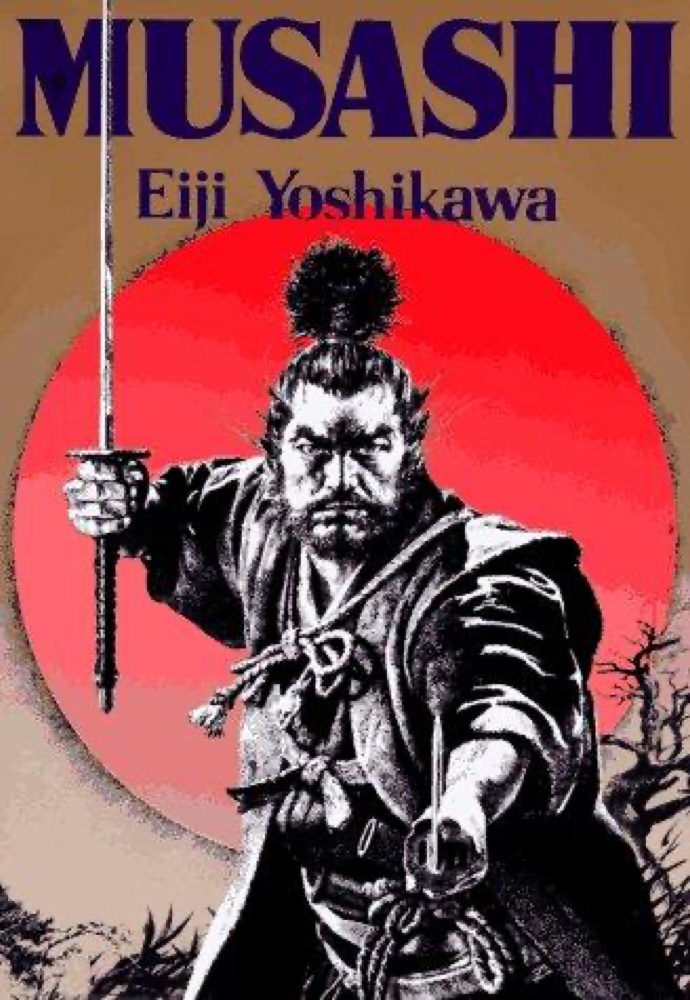 Musashi
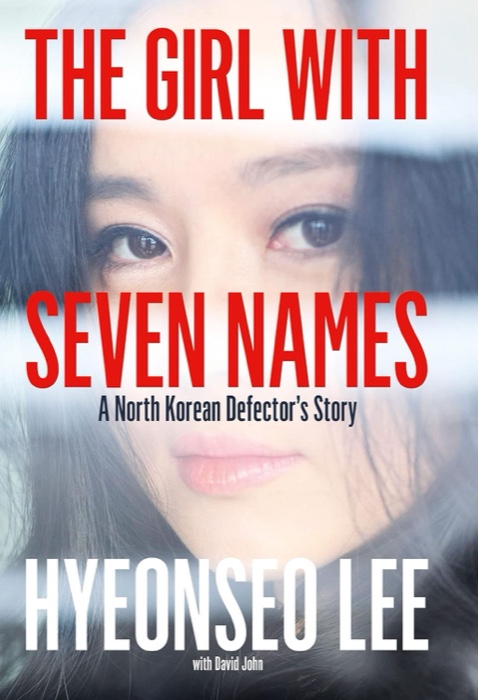 The Girl with Seven Names: A North Korean Defector’s Story
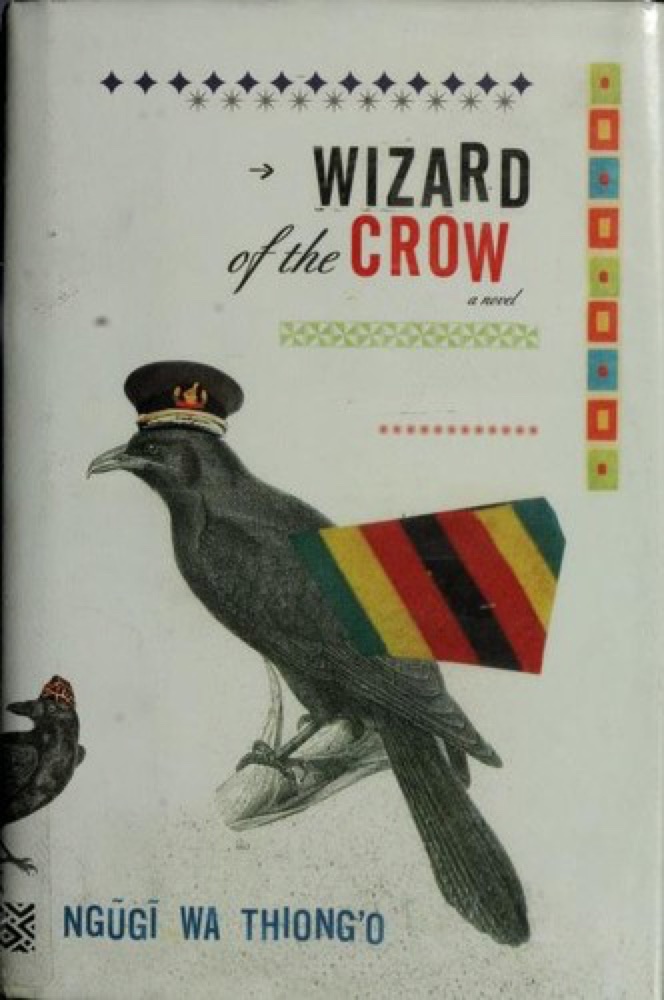 Wizard of the Crow
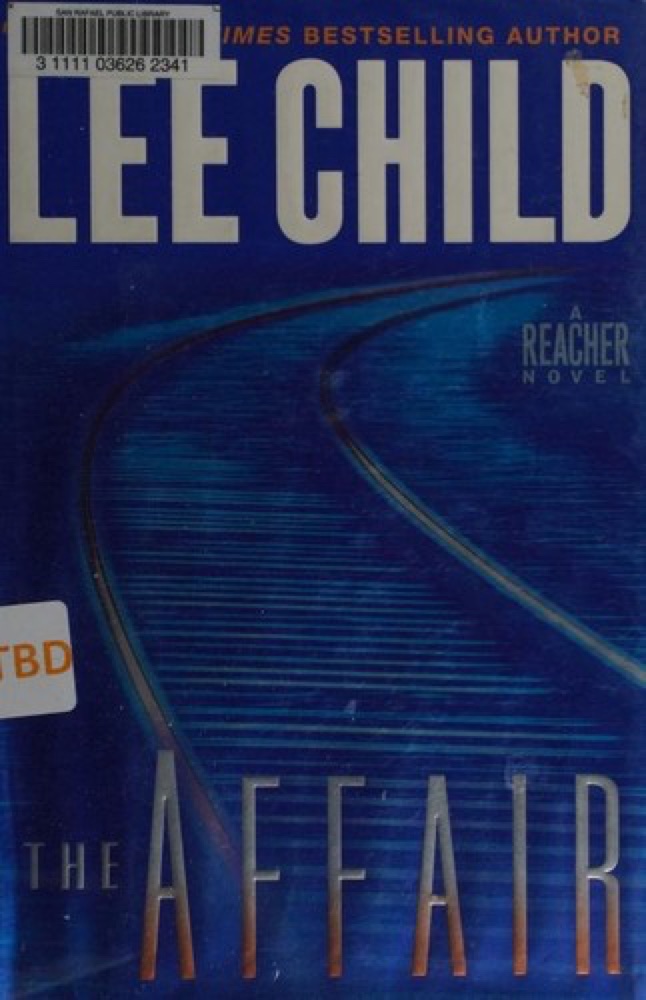 The Affair
 Reamde
 The High Auction
 Bangkok Tattoo
 How Long 'til Black Future Month?
 Interior Chinatown
 Riding the Elephant: A Memoir of Altercations, Humiliations, Hallucinations, and Observations
 Where the Wind Leads: A Refugee Family's Miraculous Story of Loss, Rescue, and Redemption
 Tigerman
 The Naked and the Dead
 Shibumi
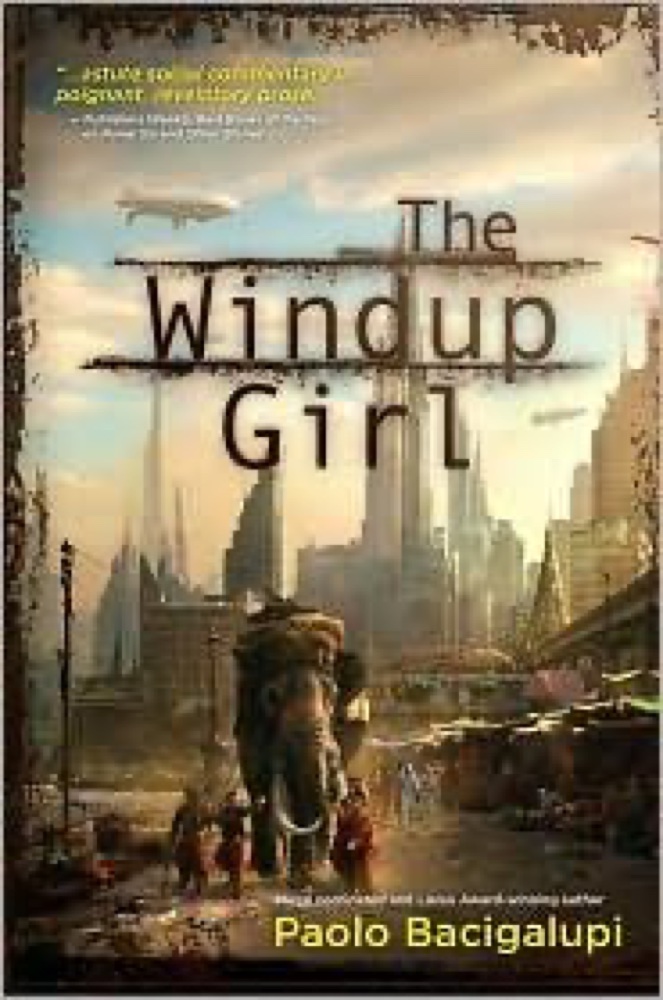 The Windup Girl
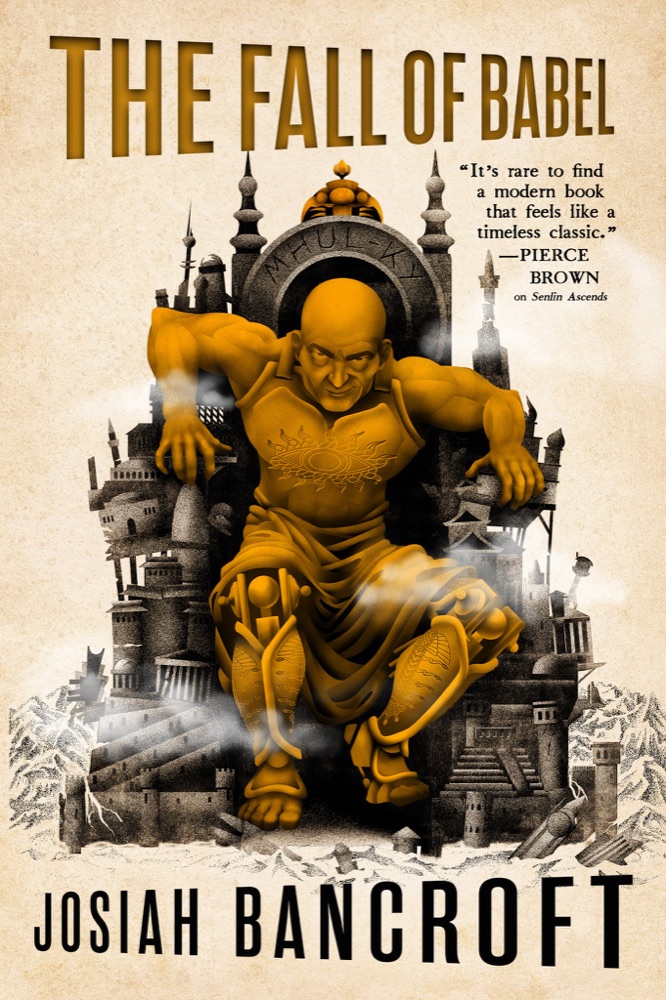 The Fall of Babel
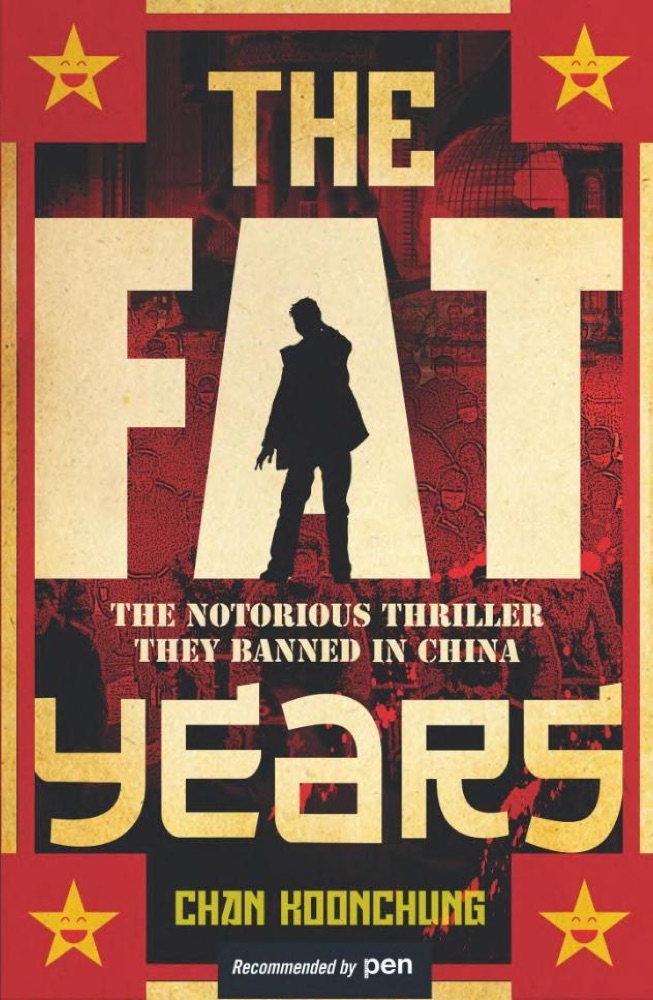 The Fat Years
 Villa Incognito
 Twenty Fragments of a Ravenous Youth
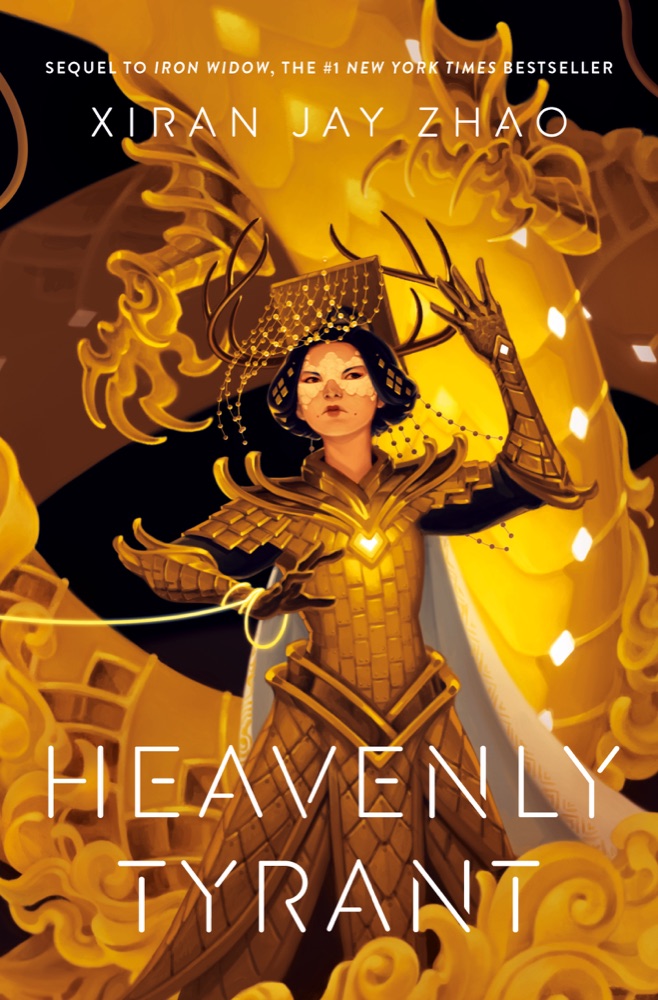 Heavenly Tyrant
 Red Dust: A Path Through China
 The Committed
 Edge of Eternity
 World War Z: An Oral History of the Zombie War
 Breakfast with Buddha
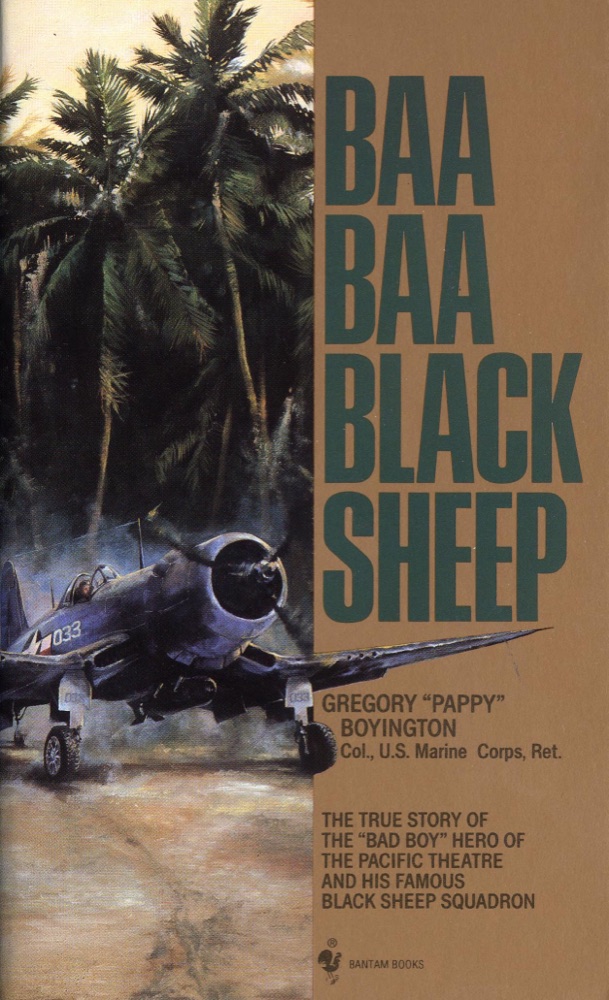 Baa Baa Black Sheep
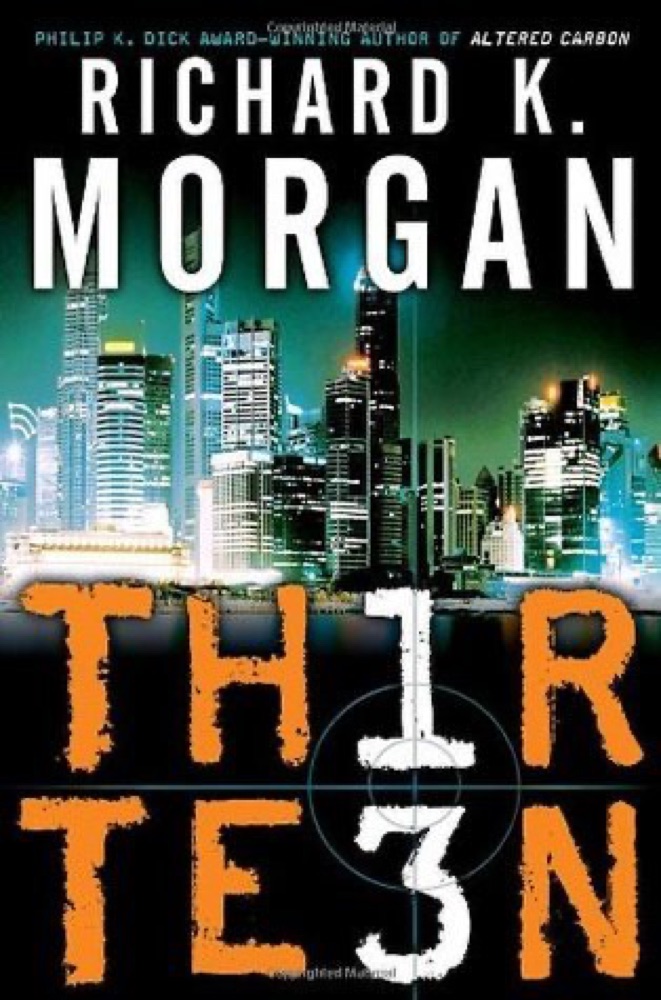 Thirteen
 A Better World
 Fragrant Harbor
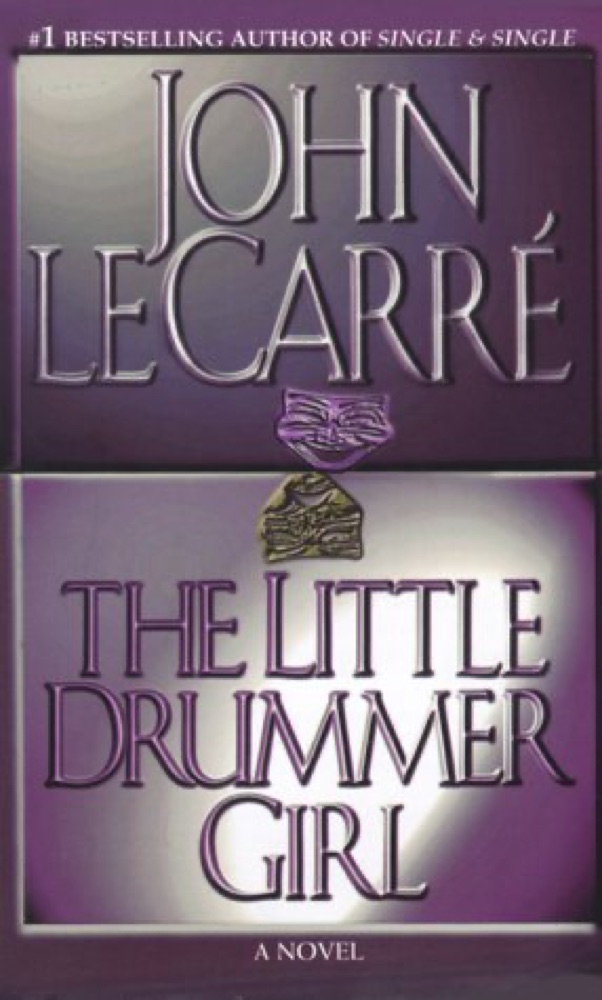 The Little Drummer Girl
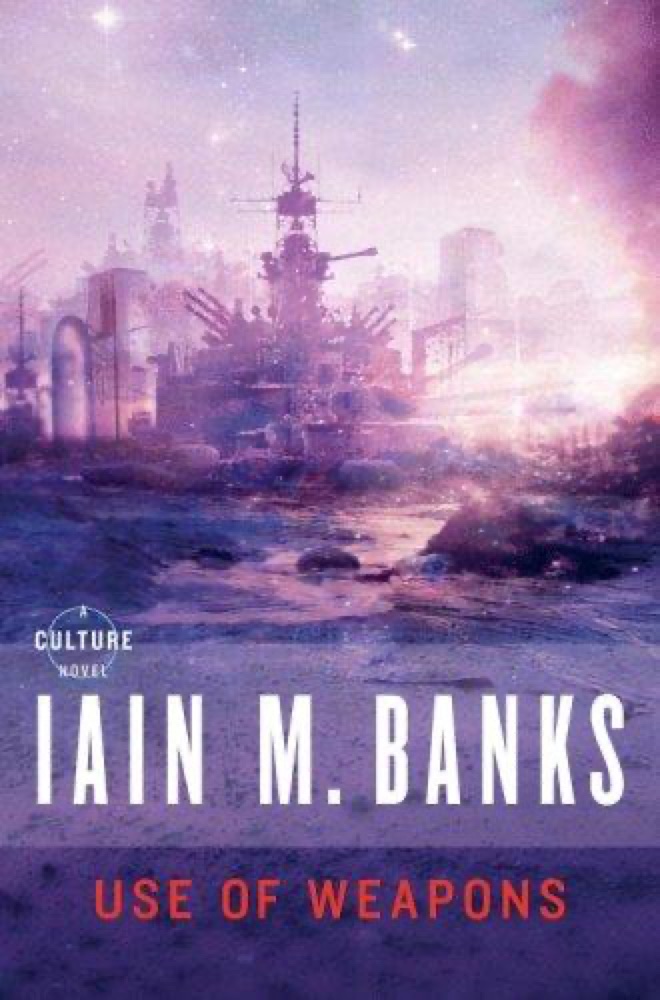 Use of Weapons
 The Blade Itself
 Assata: An Autobiography
 Without You, There Is No Us: My Time with the Sons of North Korea's Elite
 Interesting Times
 The Day of the Scorpion
 The Diamond Age
 An Absolutely Remarkable Thing
 Tree of Smoke
 We Were Dreamers: An Immigrant Superhero Origin Story
 A Promised Land
 The Aquariums of Pyongyang: Ten Years in the North Korean Gulag
 The Berlin Boxing Club
 How Beautiful We Were
 The Lives of Others
 Battle Hymn of the Tiger Mother
 Embassytown
 The Bedlam Stacks
 Academ's Fury
 Mao II
 Audition