 With the Old Breed: At Peleliu and Okinawa
Quotes from the Book
Strong words outlast the paper they are written upon.
Never think that war is a good thing, grandchildren. Though it may be necessary at times to defend our people, war is a sickness that must be cured. War is a time out of balance. When it is truly over, we must work to restore peace and sacred harmony once again.
Another of the hard things about being in a war, grandchildren, is that although there are times of quiet when the fighting has stopped, you know you will soon be fighting again. Those quiet times give you the chance to think about what has happened. Some of it you would rather not think about, as you remember the pain and the sorrow. You also have time to worry about what will happen when you go into battle again.
I wish you had been there with me in that picture,” he used to say to Wilsie and me. “It is so lonely being there forever without another Indian.
Kill every enemy twice, Wilky said. Better than gettin' shot by a soldier pretending to be dead.
14
He placed his left hand on my chest and I did the same. We stood there like that for a while feeling each other’s hearts beat with love for our sacred homelands. It was one of the best conversations I ever had.
1
I leaned way back to gaze at the blanket of blue sky where a few small clouds hung, white as the fleece of a new lamb. “Even out on the ocean,” Bill said, “Father Sky will be above us. We will never be forgotten by the sky.
1
As the battle for Iwo Jima raged all around us, our voices held it together.
Let me have clear thoughts, clear speech, and a good path to walk this day,” I prayed as I watched the rising sun.
All of those cases were clearly marked on the side in English: U.S.A. FOOD RELIEF It was indeed the very same food donated by Americans to Japan before the war. The Japanese military government had stolen it from their own hungry people.
Our ancestors saw what war does to human beings. When we must fight other humans, injure and kill them, we also injure a part of ourselves. Our spirits become sick from contact with the enemy.
It was easier for me to run now because all us code talkers had the new lighter portable radio units. But it was not just because the new unit on my back was lighter that I ran so much faster. I no longer had forty pounds of TBX radio to hide behind and I needed to get to cover as fast as I could.
Never forget, grandchildren, that we must always see all other people as human beings, worthy of respect.
Why did we make up nicknames? Maybe they were easier to remember. Maybe, too, they just made frightening things more familiar, even a little funny in the midst of the seriousness of war.
During World War One, our country had used other Indians, Cherokees and Chickasaws, to send messages in their own language to confuse the enemy.
However, despite our lack of facial hair, every Navajo recruit was still expected to put soap on his face each morning and scrape away his imaginary beard. What you did in boot camp did not have to make sense. You just had to do it.
So, when all of our people did not stop raiding, the Americans made war on all of the Navajos. They burned our crops, killed our livestock, and cut down our peach trees. They drove our people into exile. They sent us on the Long Walk.
Watch on YouTube
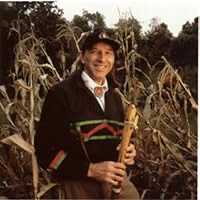
About Joseph Bruchac
We have collected 17 quotes from 1 book by Joseph Bruchac on BookQuoters.
More about the author →About the book
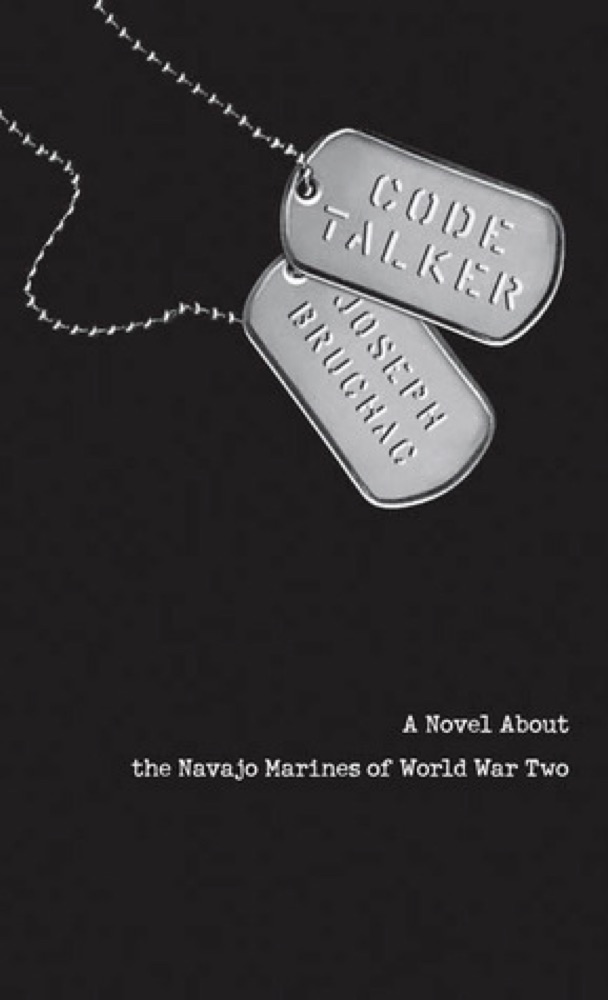
After being taught in boarding school that Navajo is a useless language, Ned Begay and other Navajo men are recruited by the Marines to become Code Talkers, sending messages during World War II in their native tongue.
Book details
- First published
- 2005
- Author
- Joseph Bruchac
- Genre
- Historical
- Goodreads rating
- 3.91 (19k ratings)
Keep reading
With the Old Breed: At Peleliu and Okinawa
 The Wars
 Neither Wolf Nor Dog: On Forgotten Roads with an Indian Elder
 Zinky Boys: Soviet Voices from the Afghanistan War
 Helmet for My Pillow
 We Are Not Free
 American Sniper: The Autobiography of the Most Lethal Sniper in U.S. Military History
 The Buffalo Hunter Hunter
 Code Talker: The First and Only Memoir By One of the Original Navajo Code Talkers of WWII
 All Quiet on the Western Front
 Band of Brothers: E Company, 506th Regiment, 101st Airborne from Normandy to Hitler's Eagle's Nest
 When My Name Was Keoko
 Days Without End
 Tree of Smoke
 How Beautiful We Were
 Flyboys: A True Story of Courage
 Warrior Girl Unearthed
 Dispatches
 We Were Soldiers Once... and Young: Ia Drang - The Battle that Changed the War in Vietnam
 The Killer Angels
 The Enemy
 Ghost Soldiers: The Epic Account of World War II's Greatest Rescue Mission
 Facing the Mountain: A True Story of Japanese American Heroes in World War II
 Black Hawk Down
 Wandering Stars
 Tomorrow, When the War Began
 The Latehomecomer: A Hmong Family Memoir
 A Rumor of War: The Classic Vietnam Memoir
 The Monuments Men: Allied Heroes, Nazi Thieves, and the Greatest Treasure Hunt in History
 Bury My Heart at Wounded Knee: An Indian History of the American West
 Three Cups of Tea: One Man's Mission to Promote Peace ... One School at a Time
 Under the Same Stars
 War and Remembrance
 Lone Survivor: The Eyewitness Account of Operation Redwing and the Lost Heroes of SEAL Team 10
 Persepolis Rising
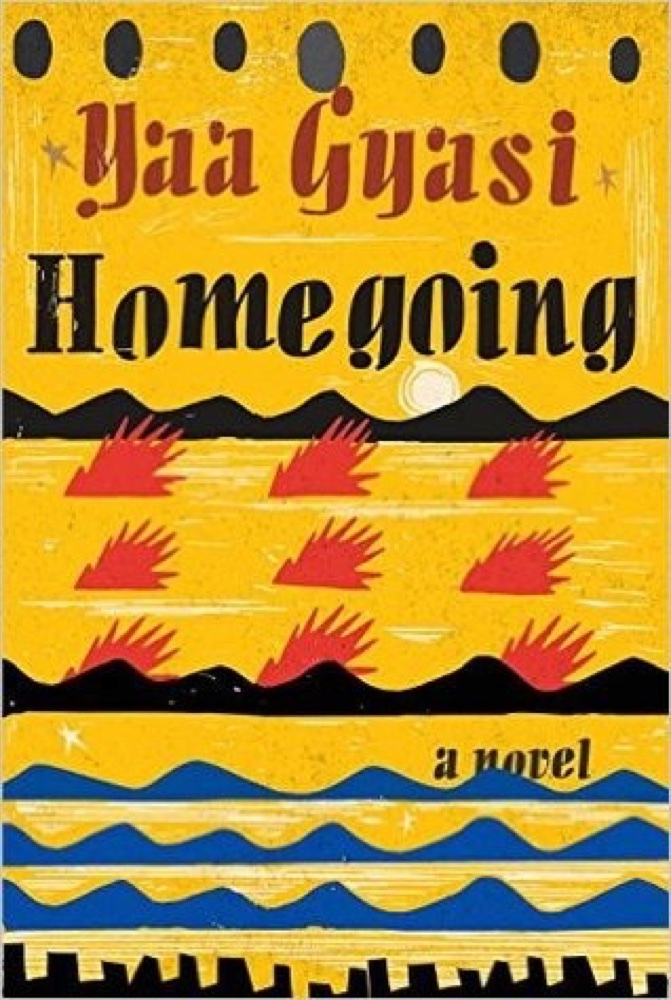 Homegoing
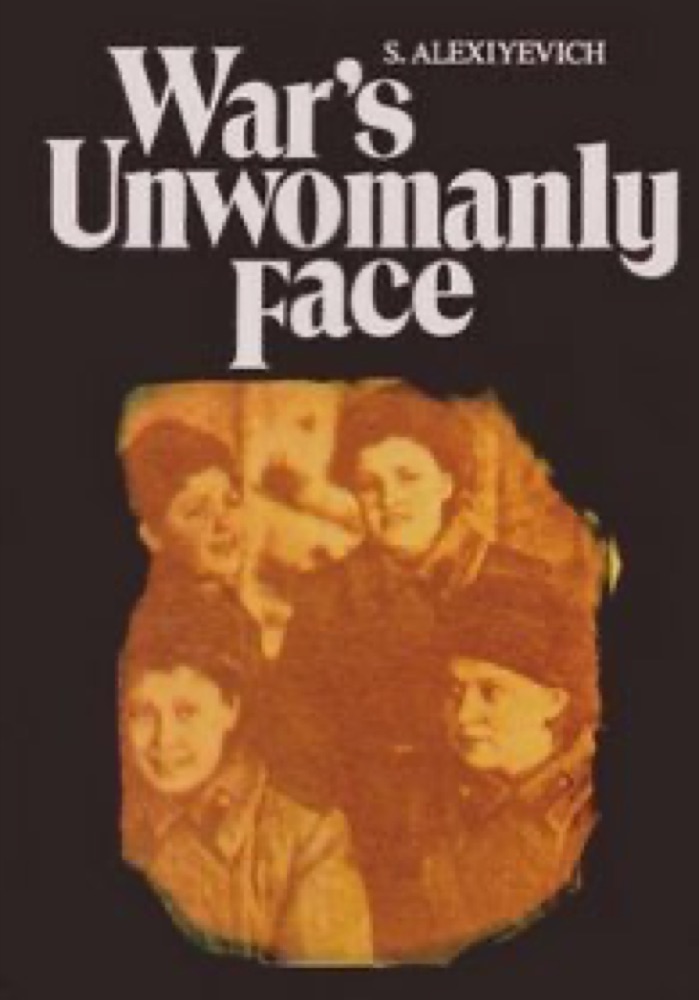 War's Unwomanly Face
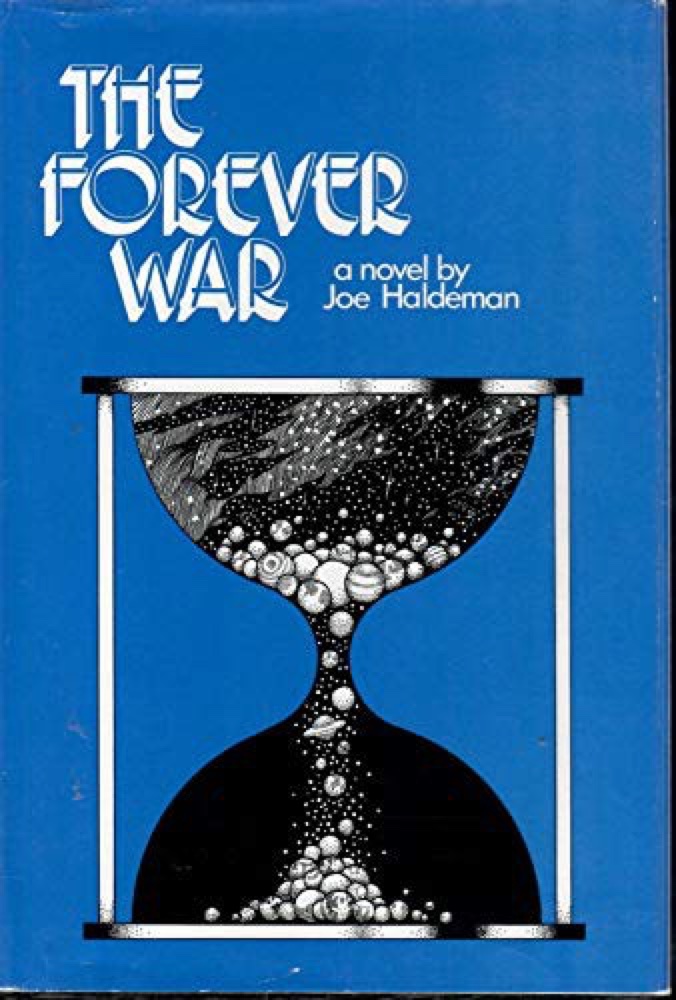 The Forever War
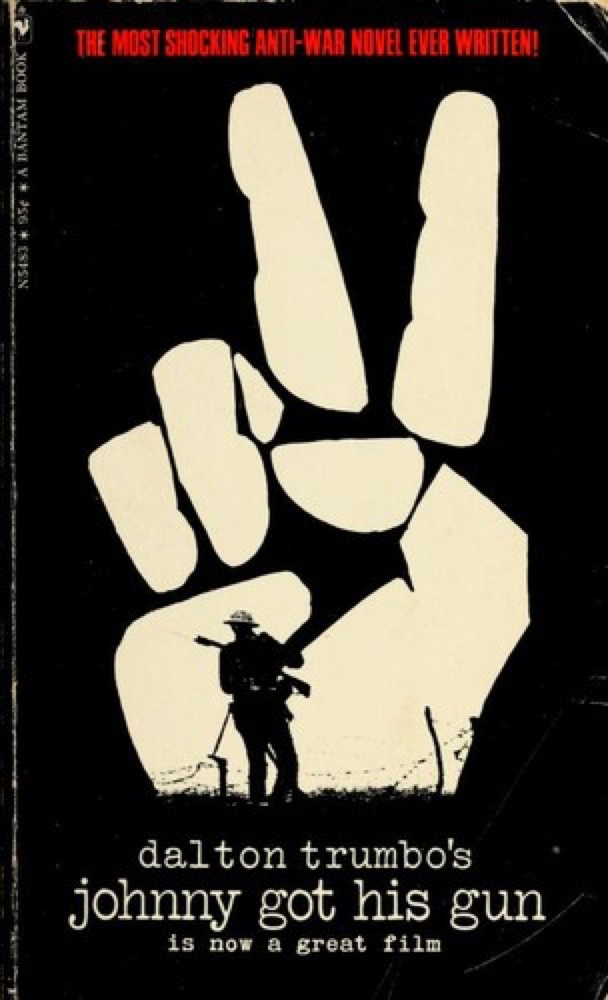 Johnny Got His Gun
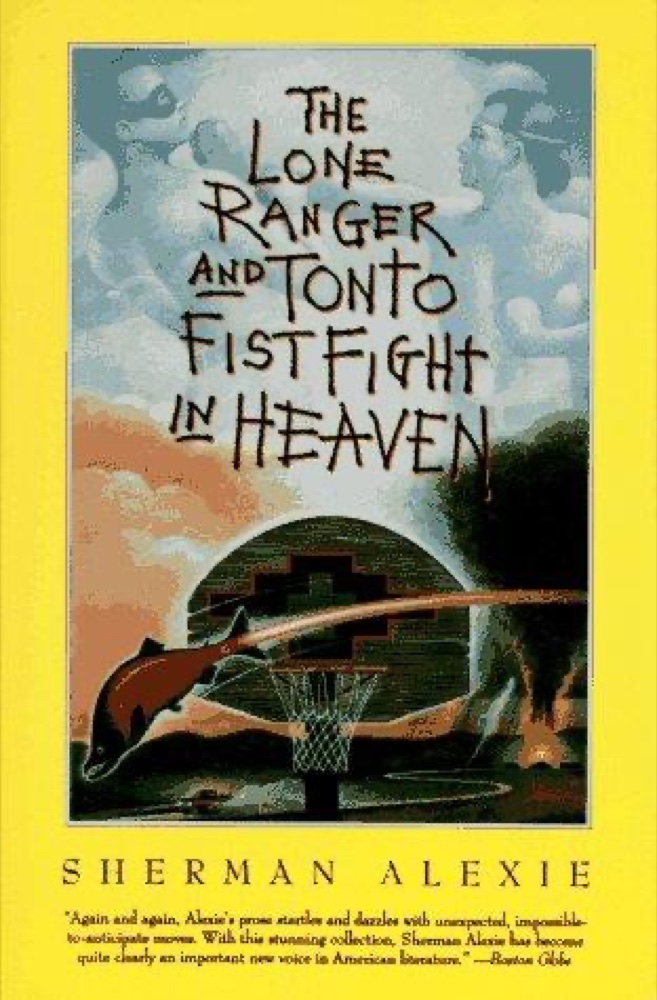 The Lone Ranger and Tonto Fistfight in Heaven
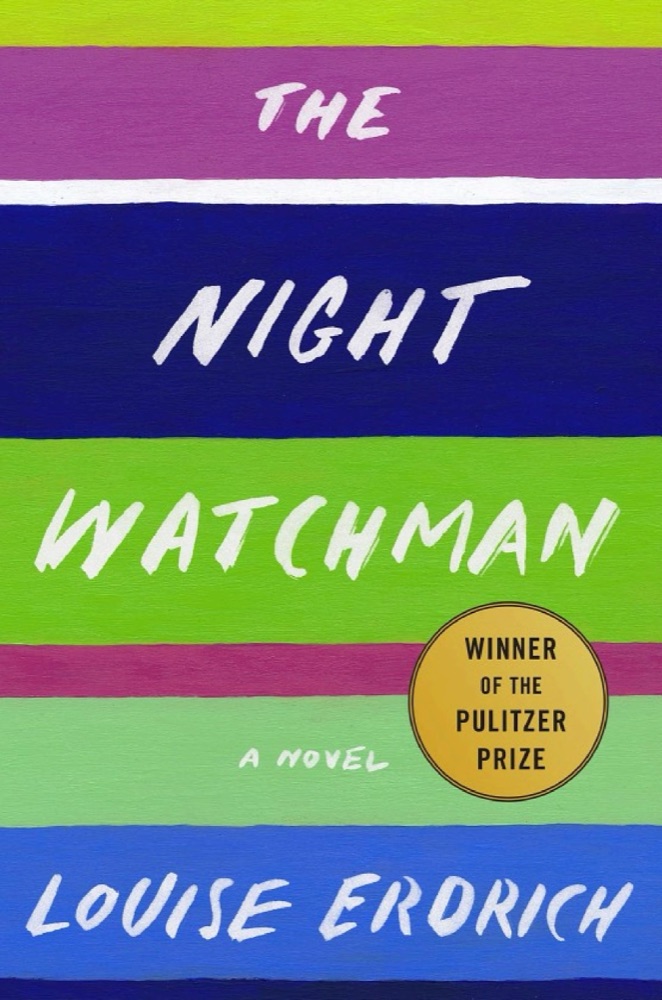 The Night Watchman
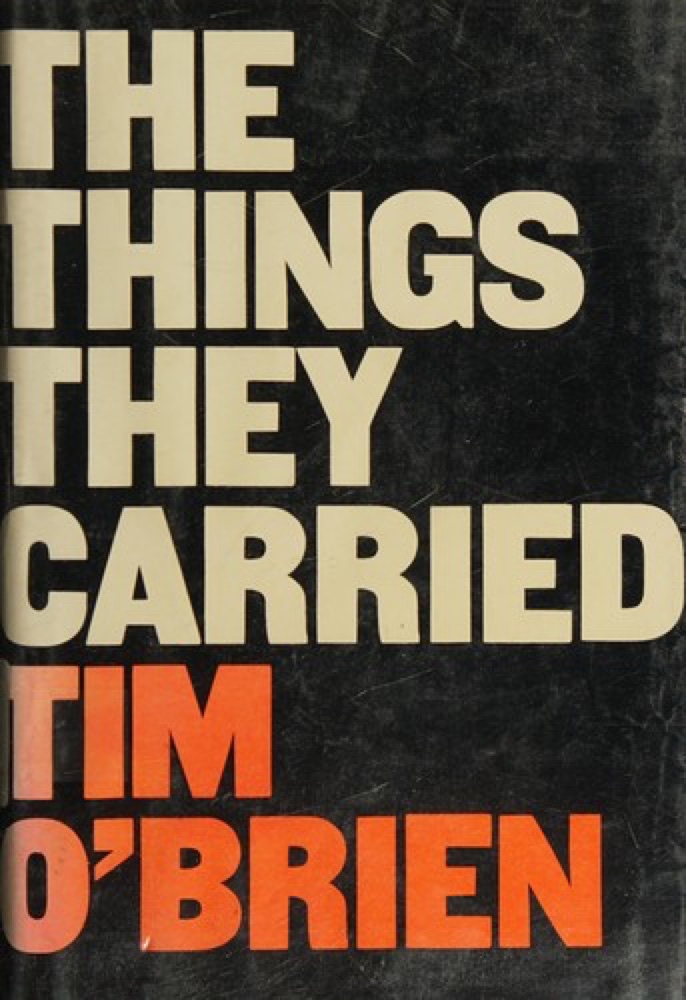 The Things They Carried
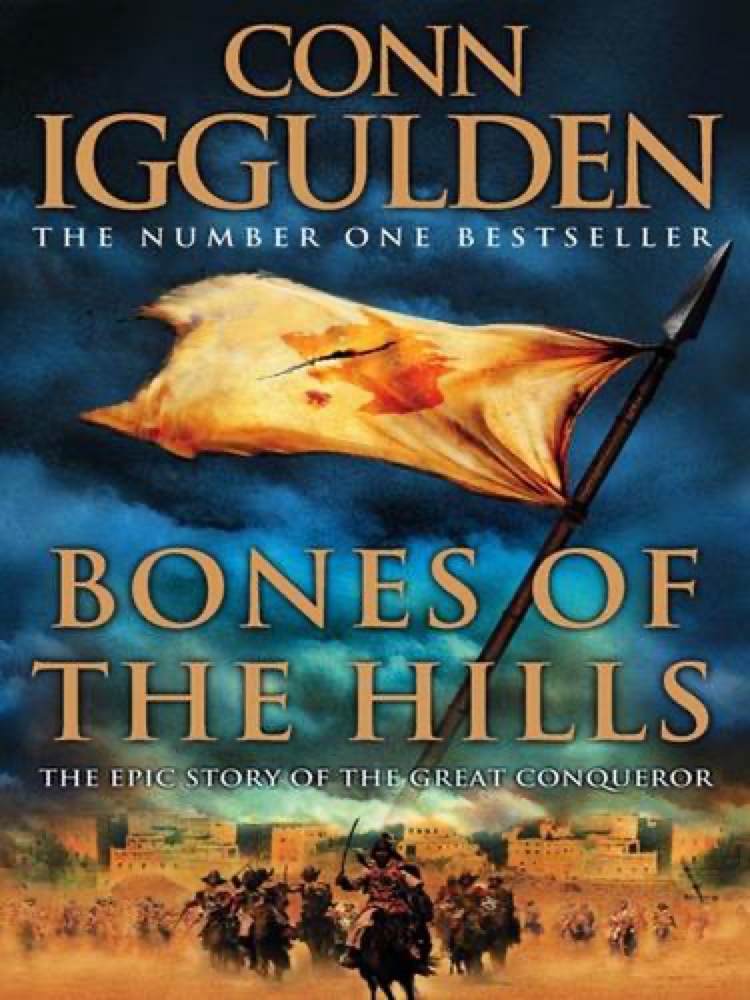 Bones of the Hills
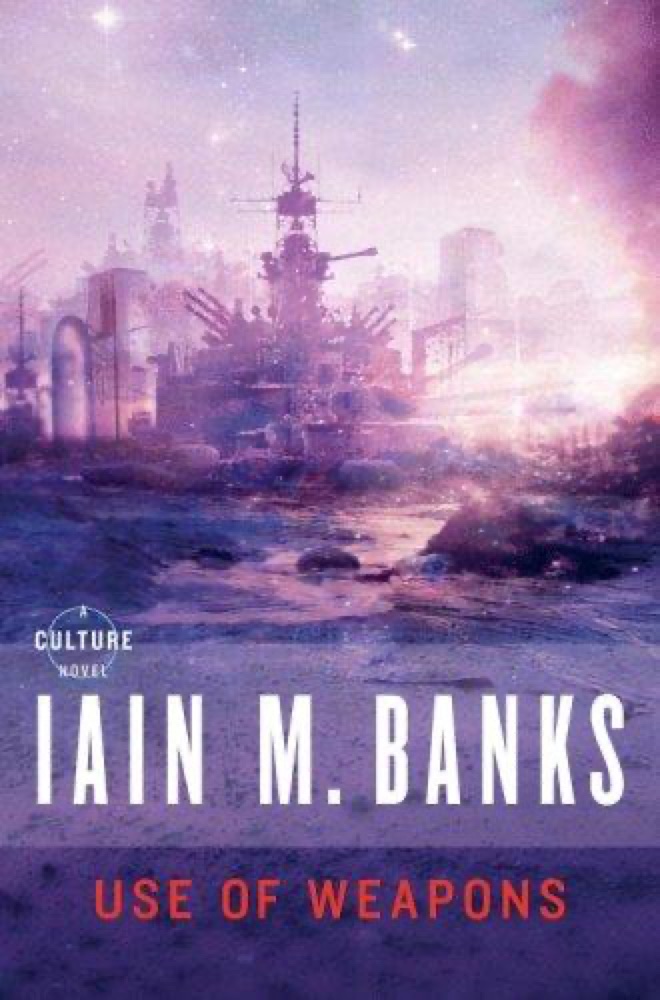 Use of Weapons
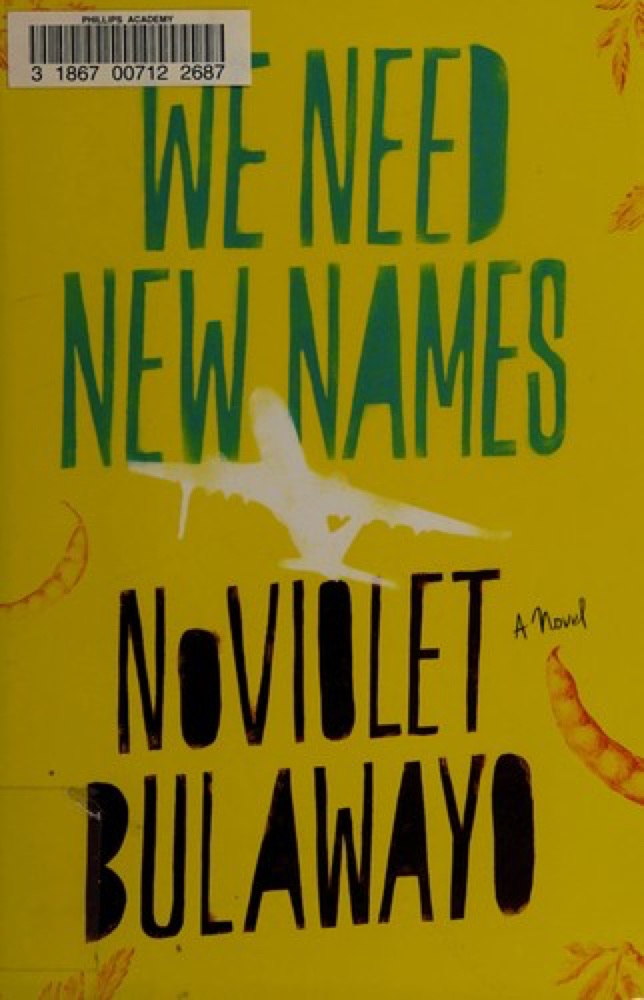 We Need New Names
 The Son
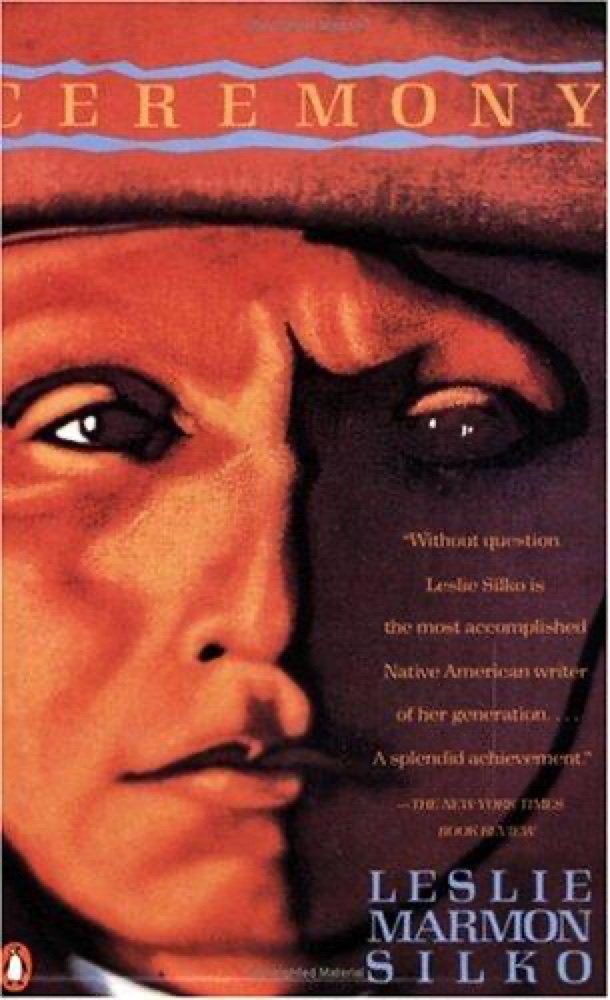 Ceremony
 War Is a Force That Gives Us Meaning
 What Moves the Dead
 American War
 Whiskey Tender: A Memoir
 Krik? Krak!
 The Last Year of the War
 The Road Back
 Bluebeard
 Baa Baa Black Sheep
 At Night All Blood is Black
 The Last of the Mohicans
 The Girl Who Smiled Beads: A Story of War and What Comes After
 Debt of Honor