
 Hidden Figures
Quotes from the Book
It was not easy being a smart girl in the 1940s. People thought you were annoying.
14
In 1942, only about 4 percent of American women had completed four years of college.
5
Tooth and nail they worked. No one jostled for promotion. All this, they knew, was temporary. The point was to win the war and get back to their regularly scheduled lives.
4
Crossword puzzles are designed to be solved, while codes and ciphers are designed to prevent solution. With codes, you have to be prepared to work for months—for years—and fail.
4
Motherhood was the dividing line between brilliant women who stayed in the work and those who did not. For a woman with children, there were few resources to make a career feasible. The nation lost talent that the war had developed.
3
Women were more than placeholders for the men. Women were active war agents. Through their brainwork, the women had an impact on the fighting that went on. This is an important truth, and it is one that often has been overlooked.
3
There were discussions about minutiae like pockets, which Virginia Gildersleeve felt were essential for any working woman. But the designers felt pockets would spoil the lines of the suit. 'Utility was sacrificed to looks,' Gildersleeve noted with some disgust in her memoir. 'They certainly looked very attractive and no doubt won many recruits for the Navy; but I regretted those pockets.
3
Far less well known is that more than ten thousand women traveled to Washington, D.C., to lend their minds and their hard-won educations to the war effort.
2
Through their brainwork, the women had an impact on the fighting that went on.
2
Educators worried that they might encourage women to pursue math and science who would then be left high and dry. One electrical company asked for twenty female engineers from Goucher, with the added request, “Select beautiful ones for we don’t want them on our hands after the war.
2
In science, there is something called a “jackpot effect,” where a male scientist hires women in his lab early in the development of a certain field, and these women hire other talented women, and, as a result, the field ends up with an unusually high number of women. Something like this was at work in cryptanalysis. A few key women proved themselves gifted, early on; a few key men were willing to hire and encourage
2
It was the first time many of the women had spent time in a bonafide workplace apart from a classroom, and they discovered what workplaces are and have been since the dawn of time: places where one is annoyed and thwarted and underpaid and interrupted and under appreciated.
2
Women now were expected to quit work when they started having babies. The postwar U.S. government made this clear. There was no more state-sponsored child care. In a postwar, Cold War America, child care was viewed with suspicion, as the kind of thing communists used to raise their children collectively. The U.S. government began doing the opposite of its wartime recruiting; it made propaganda-type films telling women it was important to leave their jobs, return home, and tend their households.
1
the women used these Enigma messages—along with files on individual U-boats and their commanders—to track, with pins, every U-boat and convoy whose location was known. At another desk, several other Goucher women, including Jacqueline Jenkins (later the mother of Bill Nye, aka Bill Nye the Science Guy), tracked “neutral shipping” based on daily position reports.
1
It was a rare moment in American history—unprecedented—when educated women were not only wanted but competed for.
1
In the 1940s, the American labor force was strictly segregated by gender. There were newspaper want ads that read “Male Help Wanted” and others that read “Female Help Wanted.
1
For a young American woman, it was all too easy to convince an inquiring stranger that the work she did was menial, or that she existed as a plaything for the men she worked for.
1
A code may be used for secrecy, but also for brevity and truncation. Shorthand is a code in precisely this way and so, often, is modern-day texting.
1
The women were of a unique and overlooked generation. Many were born in 1920, the historic year when American women won the right to vote. Their early life was led in an atmosphere of broadening opportunity
1
when Herbert Hoover was elected U.S. president in 1928, Henry Stimson—Hoover’s new secretary of state—was shocked to learn that Yardley’s bureau was penetrating the private diplomatic missives of other countries. Stimson in 1929 shuttered the operation, cutting off State Department funding and primly explaining that gentlemen do not read one another’s mail—something European gentlemen did all the time, of course, and had been doing for hundreds of years.
1
the Signal Corps recruited U.S. switchboard operators who were bilingual in English and French and loaded them into ships bound for Europe. Known as the “Hello Girls,” these were the first American women other than nurses to be sent by the U.S. military into harm’s way. The officers whose calls they connected often prefaced their conversations by saying, “Thank Heaven you’re here!
1
Genius itself is often a collective phenomenon.
I don't need a man to give me sympathy Why I needed it before is a mystery
When I visited her, she was living at an assisted-living facility in Maine, an ardent supporter of the presidential candidacy of Bernie Sanders. Because she could no longer walk easily, she would sit in a recliner and throw clean, balled-up socks at the television when a politician she hated came on.
So much resistance, so many brave men working to defend the free world, had come together. “Even seated at our desks,” Ann White would later write, “we felt the power of our country.
Knowledge is power,” one of Francis Bacon’s favorite phrases.
Passing through the ticket gate and into the concourse, Dot found herself dwarfed by the space, which was said to be big enough to hold the Washington Monument laid out flat. With its arched doorways, its marble and white granite, its elevated statuary depicting ancient legionnaires—shields added for modesty’s sake, to hide their muscular legs and thighs from female view—Union Station was the most imposing public space she had ever stood in. Extra ticket windows had been added, platforms lengthened to accommodate the hordes of wartime travelers. There was a vast waiting room whose mahogany benches were always, now, full. The usual station amenities—newsstand, coin-operated lockers, drugstore, soda fountain—had been augmented by a servicemen’s canteen. Above Dot’s head was a big poster fluttering from the ceiling that declared, AMERICANS WILL ALWAYS FIGHT FOR LIBERTY. Amid the military flavor, though, there was a feminine cast: Female voices now announced the arrival of trains.
Well, I got what I went after, and then some – and I can’t help feeling a little puffed up about it… This is a man size job, but I seem to be getting away with it, and I’m going to see it through.' (Genevieve Hitt)
Watch on YouTube
About Liza Mundy
We have collected 28 quotes from 1 book by Liza Mundy on BookQuoters.
More about the author →About the book
In the tradition of Hidden Figures and The Girls of Atomic City, Code Girls is the astonishing, untold story of the young American women who cracked key Axis codes, helping to secure Allied victory and revolutionizing the field of cryptanalysis.
Recruited by the U.S. Army and Navy from small towns and elite colleges, more than ten thousand women served as codebreakers during World War II. While their brothers and boyfriends took up arms, these women moved to Washington and learned the meticulous work of code-breaking. Their efforts shortened the war, saved countless lives, and gave them access to careers previously denied to them. A strict vow of secrecy nearly erased their efforts from history; now, through dazzling research and interviews with surviving code girls, bestselling author Liza Mundy brings to life this riveting and vital story of American courage, service, and scientific
Book details
- First published
- 2017
- Author
- Liza Mundy
- Genre
- Nonfiction
- Goodreads rating
- 3.96 (31k ratings)
Keep reading
Hidden Figures
 America's Women: 400 Years of Dolls, Drudges, Helpmates, and Heroines
 The Girls of Atomic City: The Untold Story of the Women Who Helped Win World War II
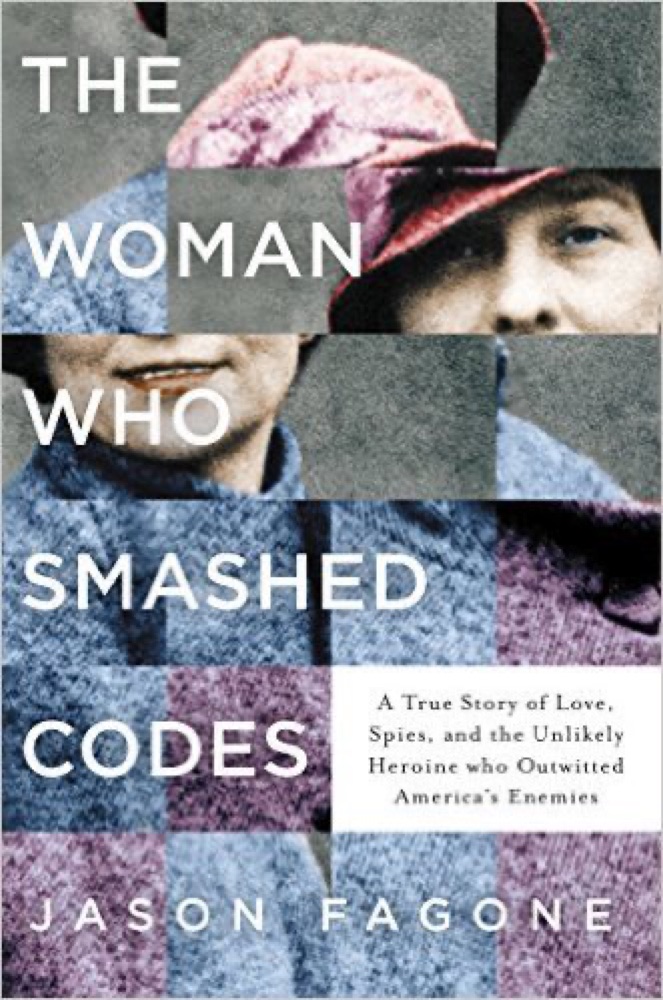 The Woman Who Smashed Codes: A True Story of Love, Spies, and the Unlikely Heroine who Outwitted America's Enemies
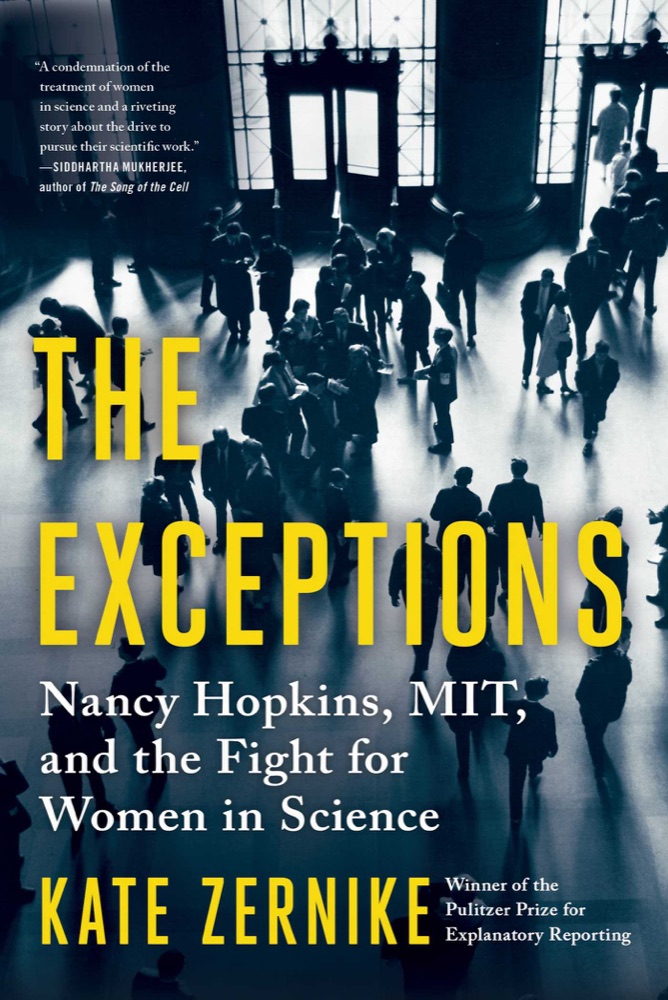 The Exceptions: Nancy Hopkins, MIT, and the Fight for Women in Science
 Outrageous Acts and Everyday Rebellions
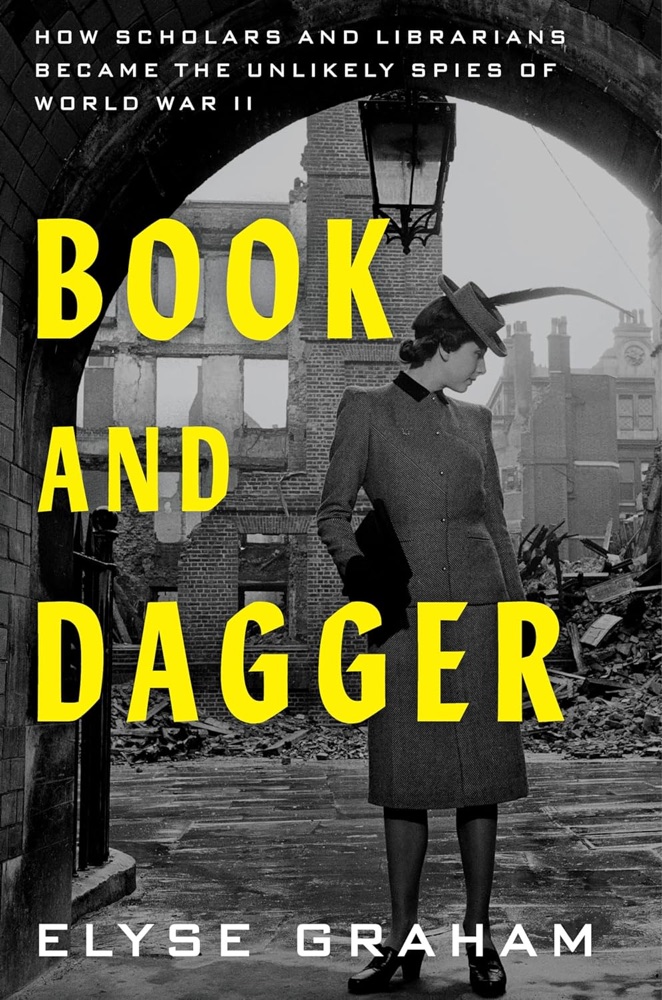 Book and Dagger: How Scholars and Librarians Became the Unlikely Spies of World War II
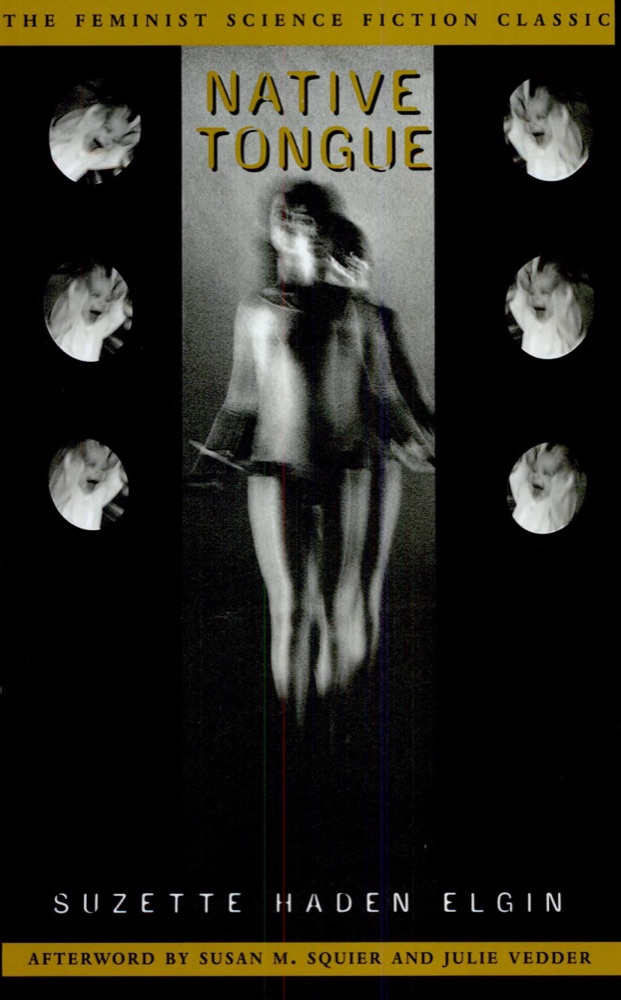 Native Tongue
 Bygone Badass Broads: 52 Forgotten Women Who Changed the World
 The White Lady
 Feminist Fight Club: An Office Survival Manual for a Sexist Workplace
 The Rose Code
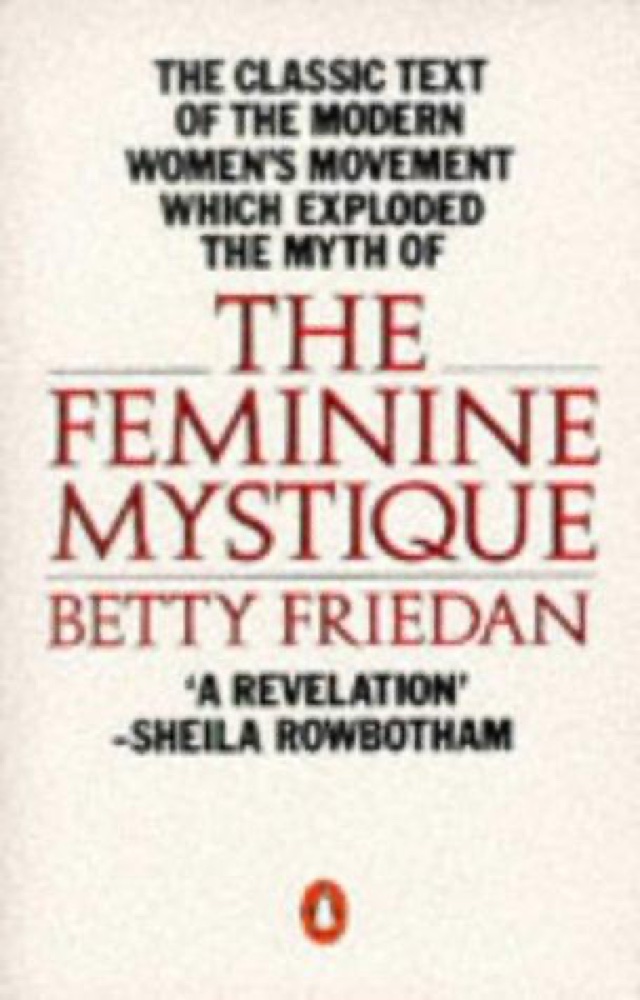 The Feminine Mystique
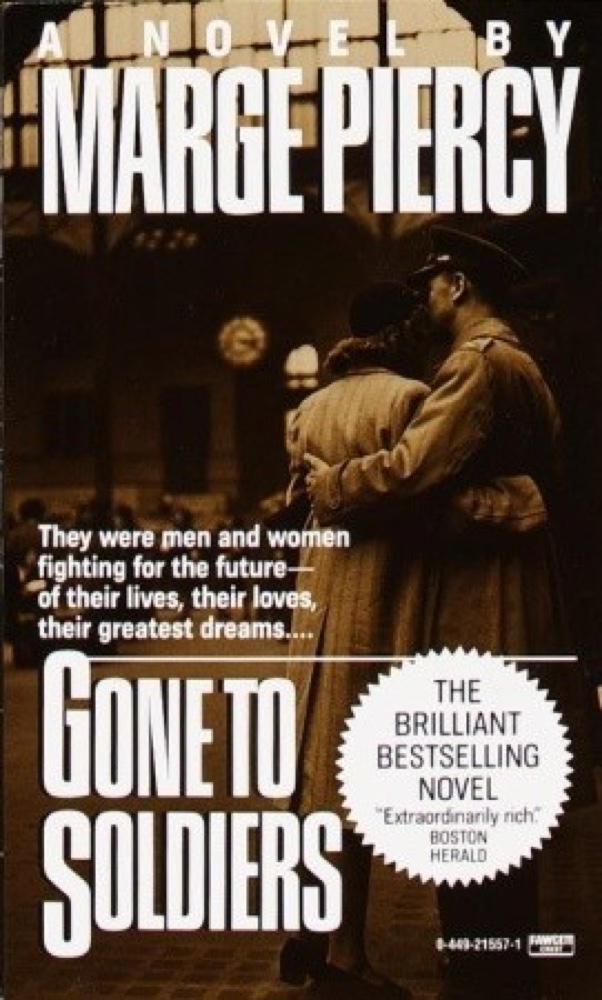 Gone to Soldiers
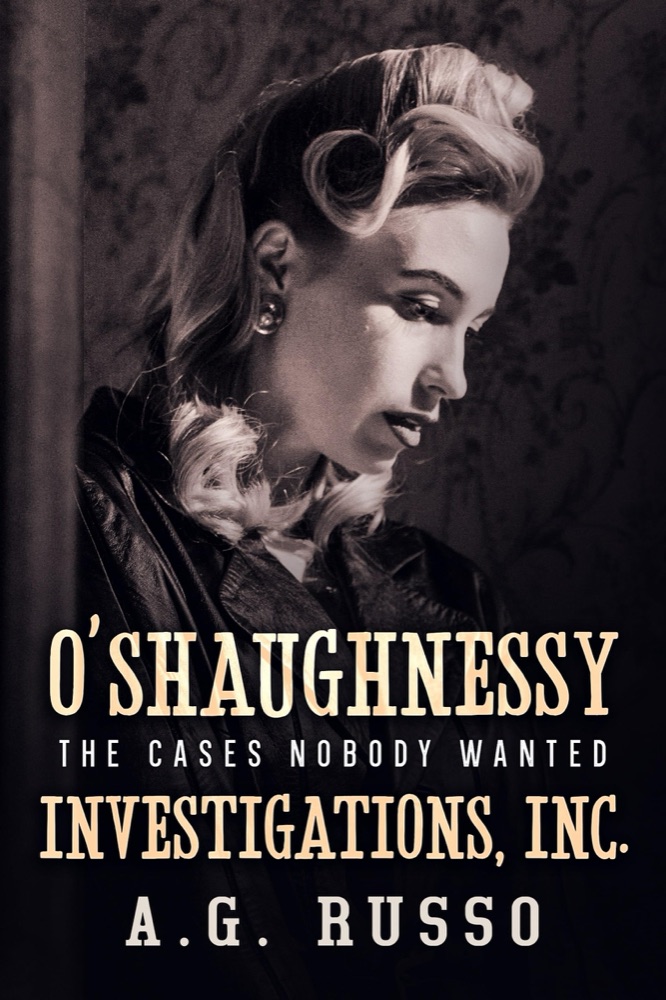 The Cases Nobody Wanted
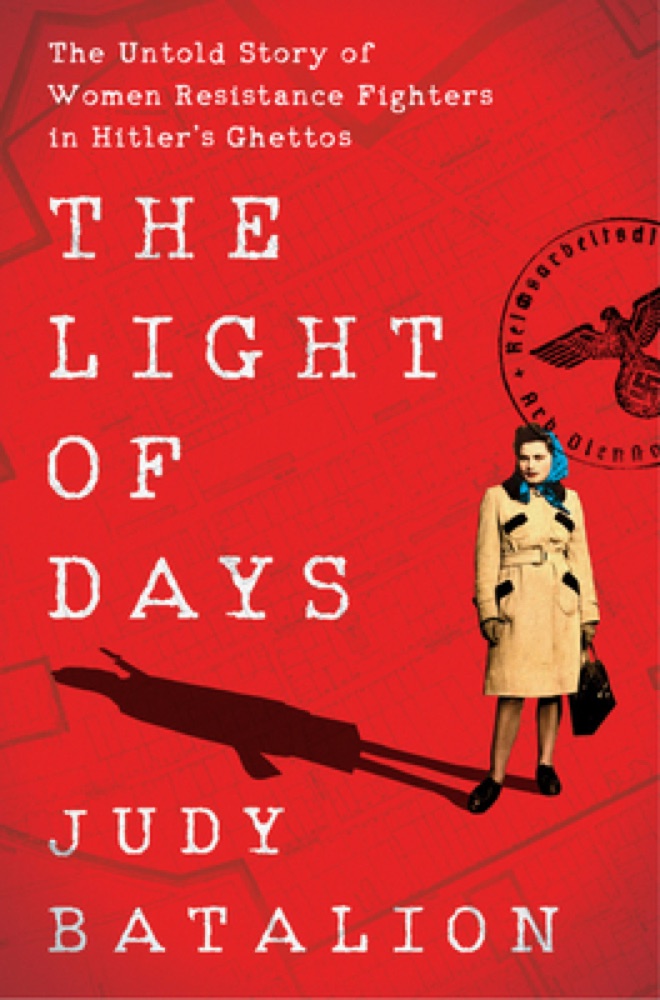 The Light of Days: The Untold Story of Women Resistance Fighters in Hitler's Ghettos
 Mislaid
 The Truth Will Set You Free, But First It Will Piss You Off!: Thoughts on Life, Love, and Rebellion
 The Greatest Generation
 Brazen: Rebel Ladies Who Rocked the World
 Herland
 Good Night, Irene
 Hell and Other Destinations: A 21st-Century Memoir
 What the Dead Know
 The Secret History of Wonder Woman
 An Experiment in Love
 Joan Is Okay
 My Own Words
 The Change
 Men Explain Things to Me
 Her Majesty's Royal Coven
 Backlash: The Undeclared War Against American Women
 Goldilocks
 No Ordinary Time: Franklin and Eleanor Roosevelt: The Home Front in World War II
 The Path to Power
 When We Lost Our Heads
 The Quarry Girls
 D-Day Girls: The Spies Who Armed the Resistance, Sabotaged the Nazis, and Helped Win World War II
 Becoming Madam Secretary
 The No. 1 Ladies' Detective Agency
 Agent Zigzag: A True Story of Nazi Espionage, Love, and Betrayal
 Half the Sky: Turning Oppression Into Opportunity for Women Worldwide
 My Life on the Road
 First Family
 Difficult Women: A History of Feminism in 11 Fights
 The Best and the Brightest
 Executive Orders
 Make Trouble: Standing Up, Speaking Out, and Finding the Courage to Lead
 The Flight Attendant
 Lean In: Women, Work, and the Will to Lead
 The Monuments Men: Allied Heroes, Nazi Thieves, and the Greatest Treasure Hunt in History
 Shrines of Gaiety
 Fall of Giants
 How to Suppress Women's Writing
 Of Women and Salt
 The Small and the Mighty: Twelve Unsung Americans Who Changed the Course of History, from the Founding to the Civil Rights Movement
 The War on Women
 Polostan
 Blanche on the Lam
 A Woman Is No Man